
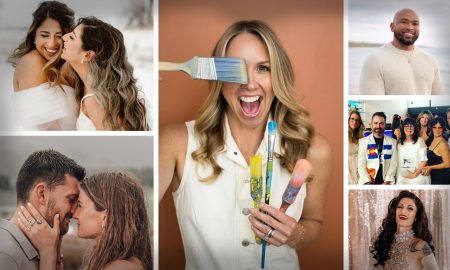


Today, we’d like to introduce you to Tina Tan.
Tina, we appreciate you taking the time to share your story with us today. Where does your story begin?
I’ve always had an interest in handmade items, weaving, pottery, woodworking, etc. but really had no exposure to actually making anything practical or functional myself. So, when I enrolled in a beginning class at the (then called) City of Boulder’s Pottery Lab, it was my introduction to a whole new world of tactile art – learning to make things with clay with my own hands; it quickly became an addiction!
I waited till I completed graduate school (not art-related), and then started enrolling for a pottery class every session. I was determined that I was going to make all our dinnerware and replace any store-bought items with handmade ware. That was the goal! Learning how to throw, trim, and glaze pottery pieces was quite a learning curve, however, and I ended up spending a lot of my time practicing. (And replacing our dinnerware multiple times!)
My obsession with mastering the wheel, throwing techniques, glazing, etc., meant that I spent a lot of time at the Lab. So much time at the Lab that the then Manager asked if I’d be willing to be a (part-time) Lab Assistant. This opportunity further expanded the pottery world to me. As a student, it was just throwing, trimming, and glazing.
But as a Lab Assistant, I now had to mix up buckets of glaze, load, fire, and unload the bisque kiln. It was eye-opening to see more of the operations side of studio work. From there, I became a Teaching Assistant, and now an Instructor at Studio Arts Boulder (which took over the Pottery lab from the City about 10 years ago).
Along the way, I’ve challenged myself with making a variety of forms, decorating with underglazes and slips, and learning about wood firing since the Studio had an anagama (wood-fired) kiln. This added another element of exploring a different way of firing with wood (intensive, unpredictable, and time-consuming!) and decorating with slips/underglazes for different effects in an atmospheric firing,
Pottery has basically been part of my life since the 1990s when I started my first class. I retired from my (non-pottery-related) job in 2016, and now I have more time to play with clay! I set up a (very) small studio space in our garage. A few years ago, I realized I was accumulating a lot of pots, and decided to sell my work. (The house was getting cluttered! I don’t need so many pots! It’s not an option to stop making pots!) And that’s how I came to sell my work, although mostly online.
Can you talk to us about the challenges and lessons you’ve learned along the way? Looking back, would you say it’s been easy or smooth in retrospect?
I’ve been working on ceramics since the 1990s, so there have been many challenges along the way to mastering this obsession. Initially, it was about learning throwing techniques and making decent functional mugs, bowls, and plates. The challenge with creating functional work is you have to pay attention to the little details. For example, A thick/fat rim on a mug just does not feel right on the lips. But a thin rim on a bowl can make it look like you ran out of clay at the top.
Also, a thicker rim on a bowl helps with it not warping during a firing, plus giving it a more aesthetically pleasing look. So, in making a pot you need to simultaneously consider the functional and aesthetic aspects of the piece. Then, you have to glaze a pot – what glaze to use, do you want to enhance it with surface decorations? Paint designs, carve designs, or add sgraffito? Or just simply glaze the work?
For many years, it was about just creating functional work to use at home. But moving from being a recreational hobby to selling my work, (mostly online), was a huge challenge. I had no business background, so that was a whole new world. What platform to use, how do you list items, that require good photos of your work, and listing descriptions? Learning about and using keywords and tags to get your items found.
That has been a serious challenge, learning about SEO (Search Engine Optimization) and how to incorporate it into my listings. And let’s not forget social media! I had never had any interest in social media, but it seemed like one small way to also get more eyes on your work. So, the marketing aspect has also been challenging for me. I’d never thought I’d be running a small business, but here I am, making it all work.
Appreciate you sharing that. What else should we know about what you do?
My focus has always been on functional ware; things that people use on a daily basis. Moreover, I enjoy working with specific design patterns, which are more controlled and consistent. I achieve this with underglaze or slips, adding a little color and design to a cup, or plate. It takes more time to create a piece, but it’s an enjoyable and fun way to make work that stands out.
I also enjoy creating spontaneous designs, like using random brush splatters to add a more fluid, and organic visual to a piece of pottery. I do this more with wood-fired work, where the atmospheric firings lead to exciting but unpredictable results, lending itself to more spontaneous outcomes. But I’d like to do more of this in my regular electric-fired work as well. Ultimately, it’s the joy of creating and making something that is unique, different, and functional.
So, how can our readers or others connect or collaborate with you before we go? How can they support you?
While I’d be open to collaboration, I should also note I am primarily making small batches.
Contact Info:
- Website: https://TTFunctionalCeramics.etsy.com
- Instagram: www.instagram.com/ttan_functionalceramics
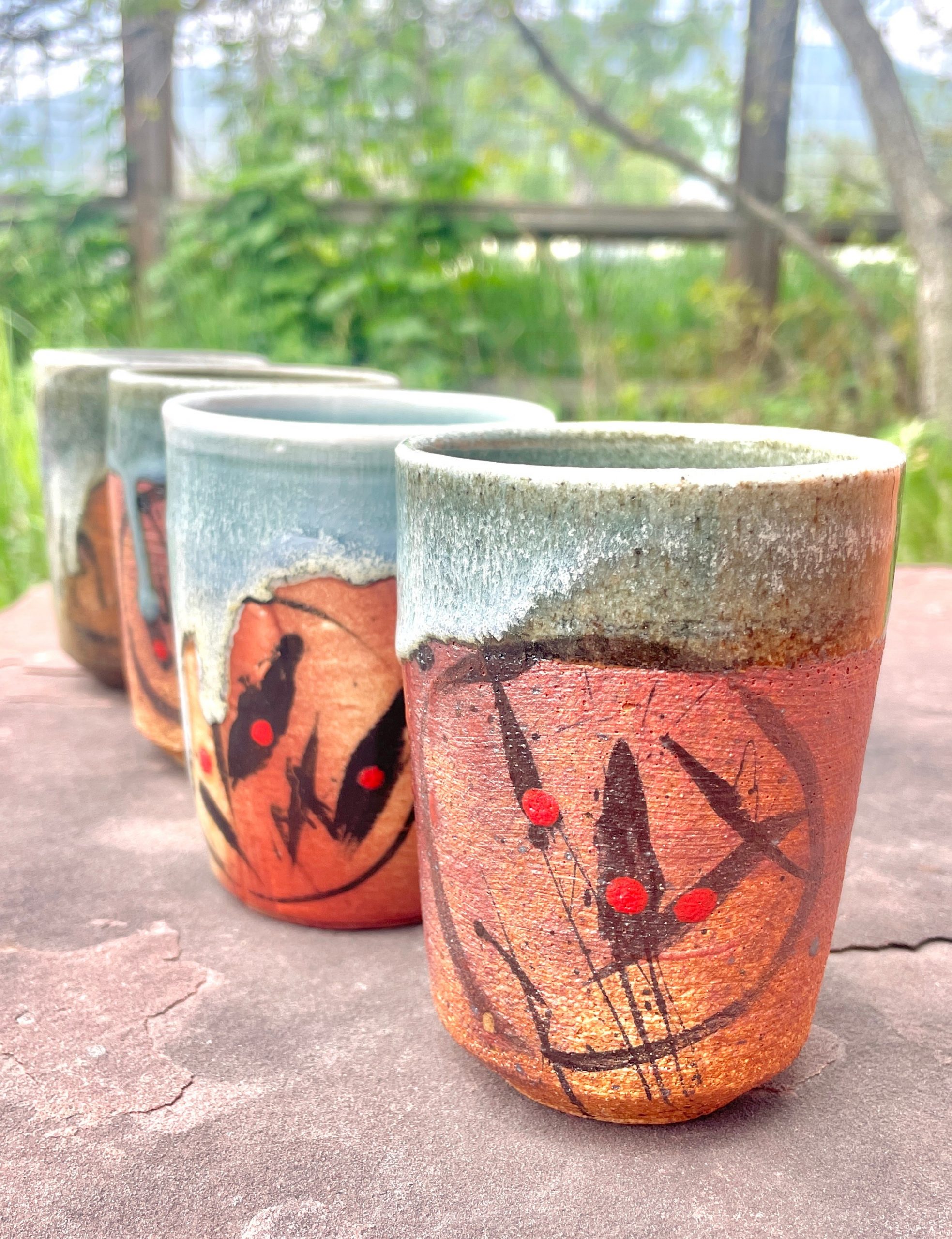


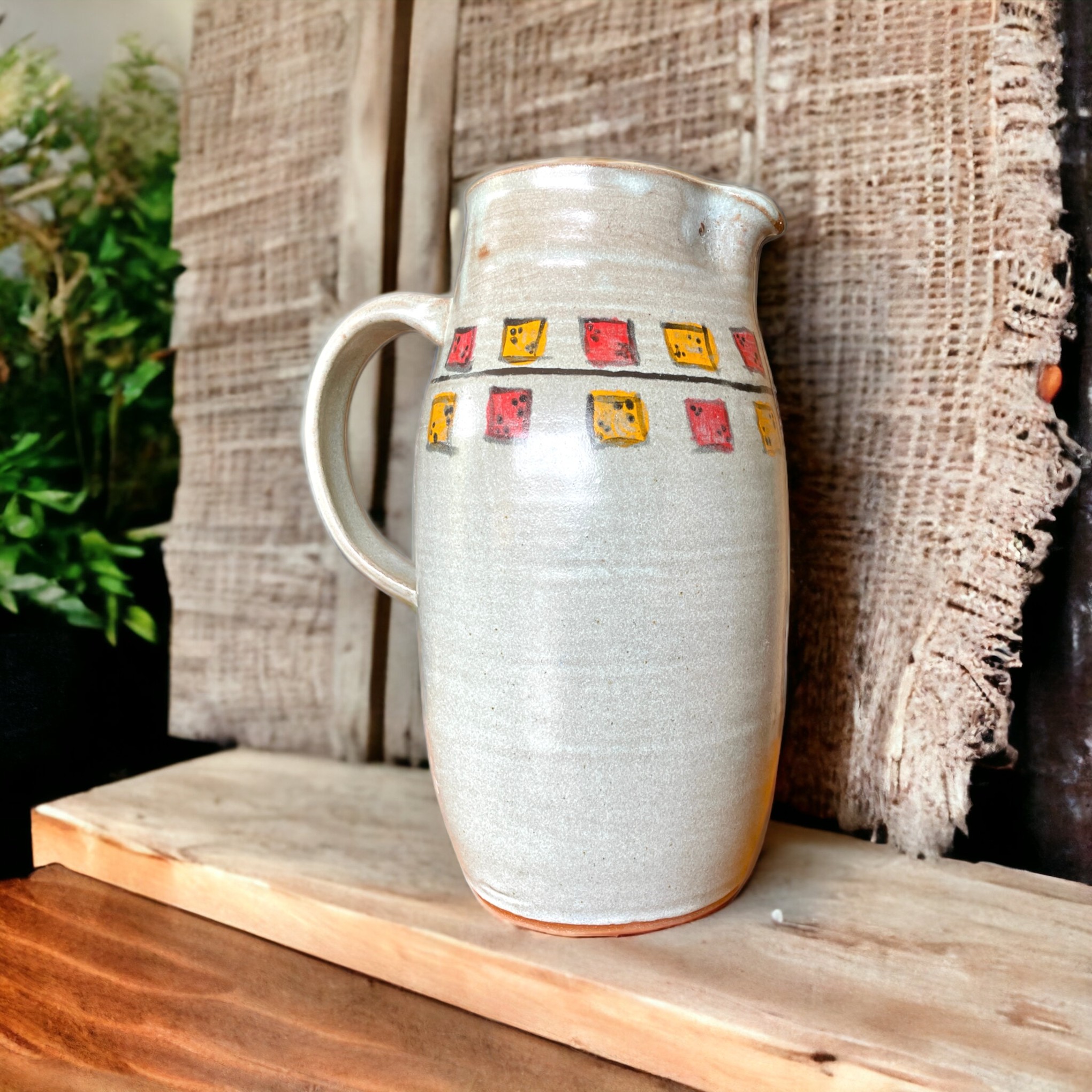


 Image Credits
Corrina Robbins (Featured Photo)
Popular
-

The Trailblazers: Rewriting the Narrative
-

Celebrating the Spotlight: Kaytee Shashore Turns Milestones Into Momentum
-

Humanity in the Machine: Alexander Raye Pimentel’s Cyborg Recall Questions the Cost of a Data‑Driven World
-

Raemi Anderson on Courage, Caution, and Answering the Call of the Landscape
-

Hidden Gems: Local Businesses & Creatives You Should Know


