


Today we’d like to introduce you to Michael Blazewicz
Michael, we appreciate you taking the time to share your story with us today. Where does your story begin?
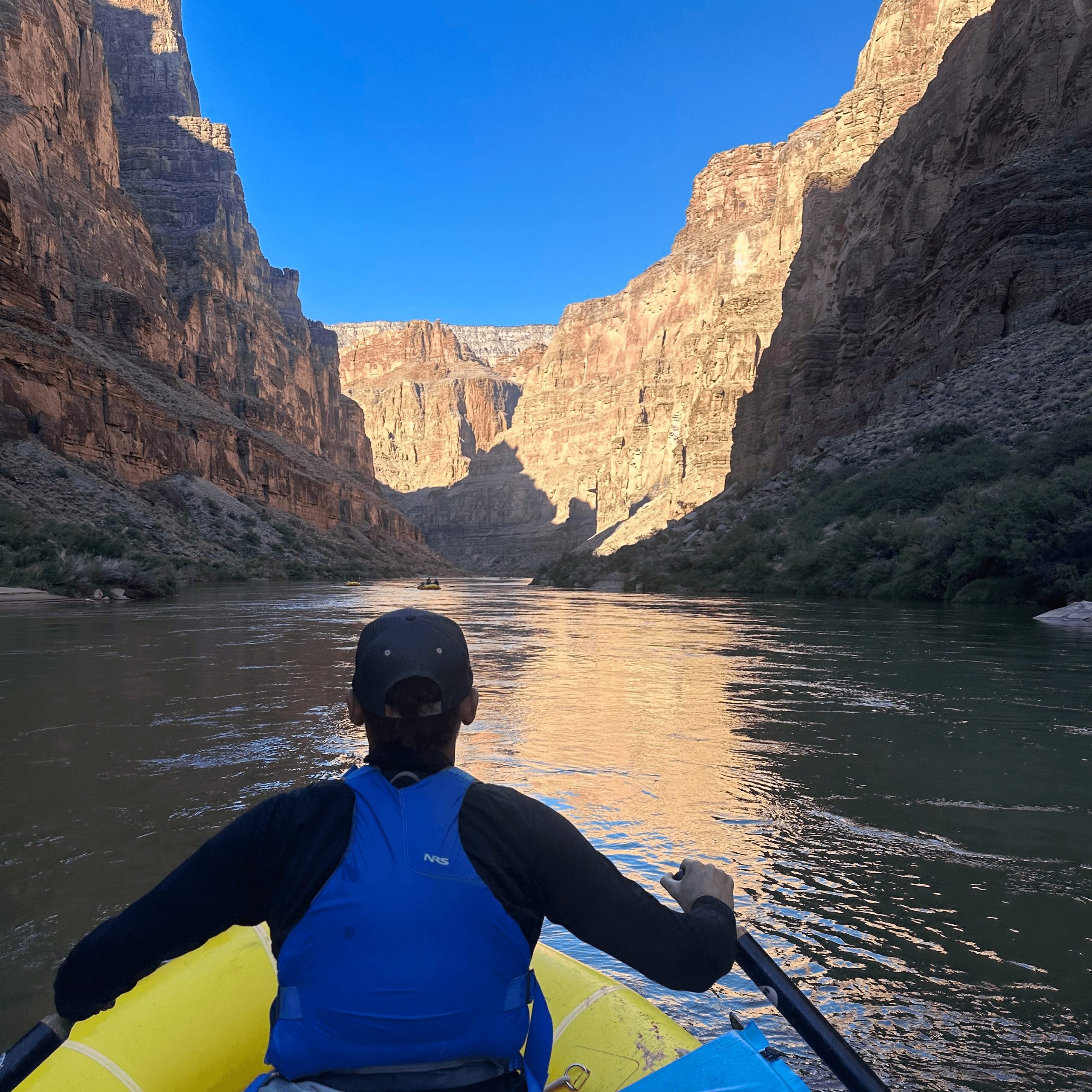
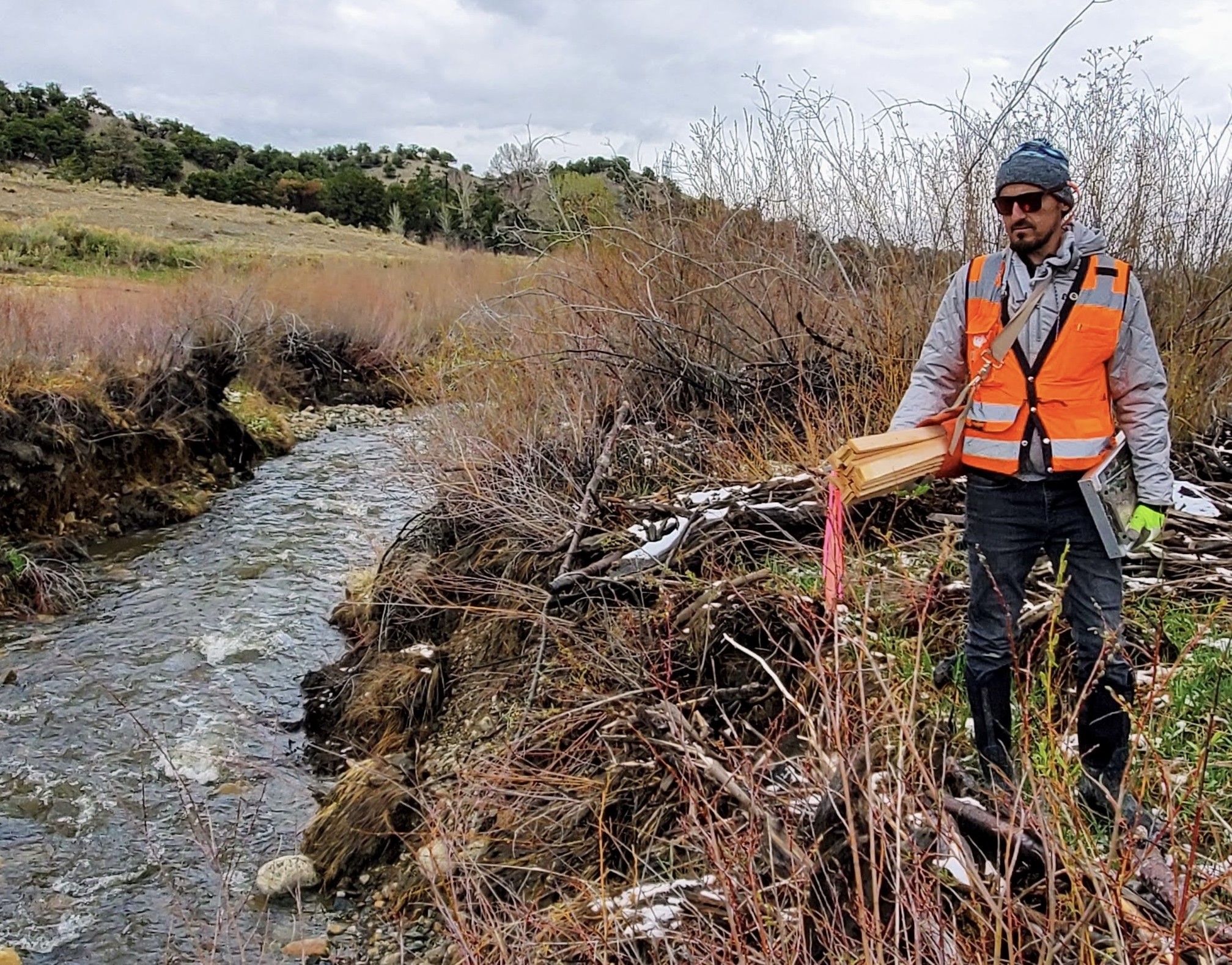
I grew up with a fondness for water and wild places. Rivers are the most degraded ecosystems on the planet and the Ipswich River, within whose catchment I grew up, has twice been named among the top most endangered in the country. There has been a short but acute legacy of abuse of the rivers on this continent and observing these impacts inspired me to dedicate my life to becoming a river healer.
Round River Design is an award-winning team of scientists, engineers, ecological designers, educators, and practitioners who collaborate to restore lands and waterways for the benefit of the human and natural communities that depend on healthy lands. The company takes its name from the allegorical river forever flowing in a circle through the land and back into itself. Land, water, and communities are not separate. Identifying, respecting, and enhancing this underlying connection lies at the root of our work.
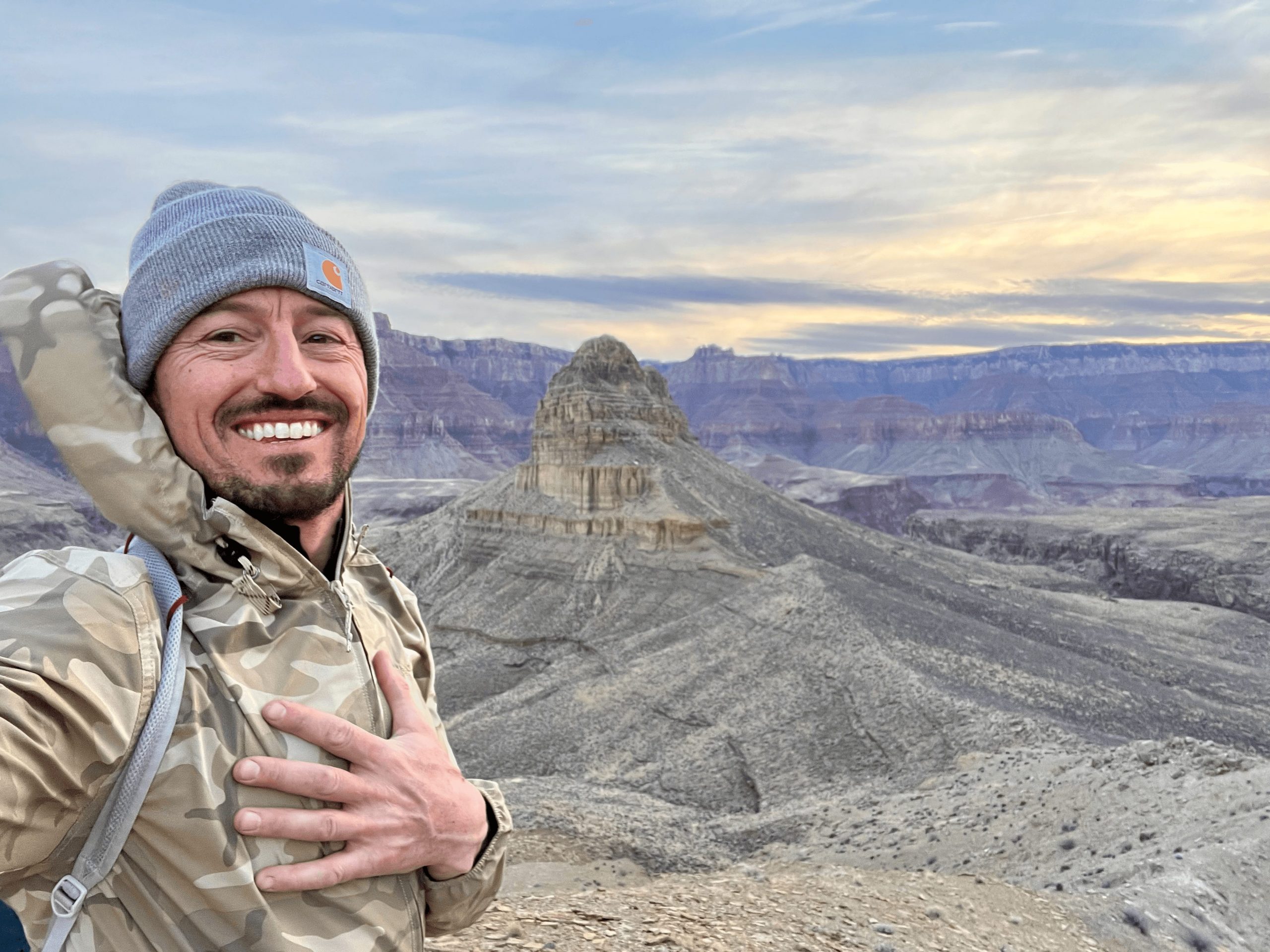
As founder and principal, I’ve worked for over two decades to address degraded riverscapes through research, restoration, education, and collaboration. I’ve sought to be a thought leader in the field bringing a whole systems perspective and diversity of experiences including Permaculture design teaching and practice. I’m known for taking a big-picture perspective on landscapes – thinking in geologic time and scale – and thus advocating for room for rivers through better planning and design, as well as my work to create more natural functioning and aesthetic projects.
The fashion hat industry of the 18th and early 19th centuries severely degraded the rivers of Europe and North America. I recently founded Headwater Hats to help to reverse this legacy through eco- and social-conscious fashion. Sales from our products support direct action to heal rivers.Our society is not adept at thinking about timescales and connections beyond our own short lives and what we can see. Rivers are always moving and adjusting. Today’s channel is just one of many expressions a river will have.
Alright, so let’s dig a little deeper into the story – has it been an easy path overall and if not, what were the challenges you’ve had to overcome?
River restoration work is highly place-based – the recipe for restoring a river lies in understanding its unique story (the geology, hydrology, biology, and the legacy of human impacts). Changing geographic locations (Vermont to Washington to Colorado) during my career was empowering for the breadth of experience it provided, however, it also challenged me in that it required me to learn the nuances of each new landscape along with each new community. In the end, finding local mentors, building collaborative relationships, and being an attentive listener and observer have been critical to my work.
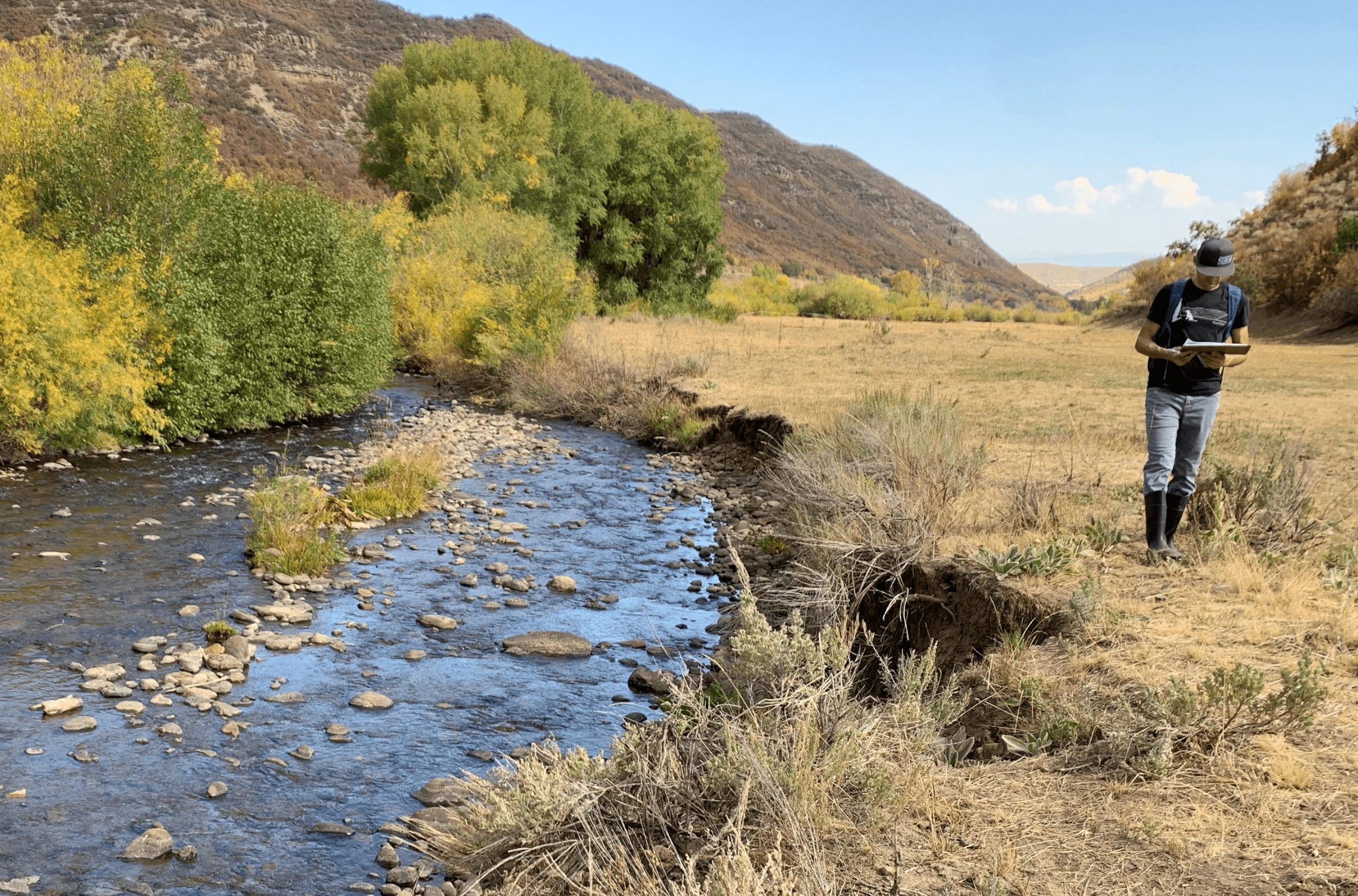
Another career challenge has been that the science and practice of river restoration have had a lot of growing pains. Once-held beliefs and assumptions have become outdated and proven ineffective (yet there remains a multi-billion dollar industry specializing in manicuring riverscapes and constraining channels under the pretense of “restoration”). My advocation that rivers need space to express themselves on the landscape is a cornerstone of my life’s work (and hopefully legacy) but it’s a perspective that has not yet become fully appreciated in a society that lives separately from its rivers and promotes their control. I try to champion for wild rivers (a sort of river “Lorax”) authentically and humbly. We don’t know what we don’t know, but what I and others have observed over a lifetime of exploring rivers is that within a river’s complexity and ability to change its expression and interact with its natural community lies its resilience and health. I’ll always advocate for opportunities to bring these elements into any project I work on.
As you know, we’re big fans of you and your work. For our readers who might not be as familiar what can you tell them about what you do?
Being a generalist is undervalued in our highly specialized society but I feel it has been an asset in my career and something I am appreciated amongst my colleagues for. In a discipline where there is so much to know about so much, I’ve been able to utilize my broad education in earth and social sciences and design as a bridge between disciplines. I tend to operate as a communicator between the highly scientific/specific/cerebral and the more emotional/abstract/artistic.
Secondarily, I am proud to be known as an advocate for rivers. I see this as an attempt to give voice to the voiceless and talk back at the myopic perspective of those who seek to dominate and control rivers. It is my opinion that rivers, like humans, need space to express themselves. Over time they too want to wander and explore. Denying rivers (and their related ecosystem) their true expression dehydrates our landscape, impoverishes our natural communities, and ultimately exposes our communities to the financial and physiological damage of floods, fires, droughts, and degraded water. Most folks I work with have come to expect that I speak for what the river wants and needs first and then bring in the other needs and desires of the human stakeholders and institutions.
Lastly, I believe I’ve become known for taking this science, observation, and emotion and weaving it into education through my writing, photography, short films, and presentations/workshops. My latest project, Headwater Hats, literally is weaving the story of rivers and river healing into the fashion hat industry.
The crisis has affected us all in different ways. How has it affected you and any important lessons or epiphanies you can share with us?
The Covid crisis shed further light on how little we know about the Earth and how our reductionist thinking has dire consequences for complex systems. It also illuminated the Earth’s ability to recover given enough time, space, and clean water. In terms of my work it further illuminated the challenge that our society has become disconnected from our ancestral lineages. We forget that rivers are our living relatives. Most people think rivers are static lines on a landscape rather than dynamic living corridors where water moves and channels constantly change and reinvent themselves in response to changing inputs and biotic interactions. Riverscapes (the channels along with the floodplain riparian and wetland communities) are critical for supporting life, especially here in the arid west. They are wildlife refuges and travelways, provide clean and abundant water, provide natural fire breaks and carbon storage, and provide a host of other important functions that benefit our society including just being important places where we can go to reconnect with the wild. Excessive development along these corridors has further sickened our river corridors. We are in a sense, putting rivers in lockdown the more we continue to develop their ancestral corridors.
Today I work to protect those remnant pockets of still healthy riverscapes, to rehabilitate critically degraded riverscapes, and to heal our collective relationship with rivers through my writing, teachings, and designs. Most of my work falls under my consulting business, Round River Design. However, I recently founded Headwater Hats, a creative project that seeks to raise awareness and funding for river restoration projects through regenerative fashion.
Contact Info:
- Instagram: @roundriverdesign @roundriverdesign_co @headwaterhats




Popular
-

The Trailblazers: Rewriting the Narrative
-

Celebrating the Spotlight: Kaytee Shashore Turns Milestones Into Momentum
-

Humanity in the Machine: Alexander Raye Pimentel’s Cyborg Recall Questions the Cost of a Data‑Driven World
-

Raemi Anderson on Courage, Caution, and Answering the Call of the Landscape
-

Hidden Gems: Local Businesses & Creatives You Should Know


