
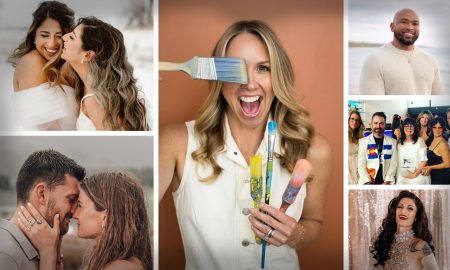


Today we’d like to introduce you to Shannon Powers
Hi Shannon, please kick things off for us with an introduction to yourself and your story.
I am a former speech-language pathologist turned full-time artist, specializing in custom murals. Born and raised in Denver, Colorado, I moved to Pueblo in 2020 to stay close to the mountains and contribute to the region’s expanding artistic culture. Over the past several years, my husband Patrick and I have worked as a mural artist team, completing a variety of large-scale mural projects in Pueblo, alongside public art contributions in Denver and participation in art festivals in Salida and Arvada. Most recently, we completed a complex mural and logo project for California Specialty Farms in Los Angeles – an exciting step toward tackling even larger, more ambitious projects in Colorado and beyond. Each of these experiences has sharpened our skills and deepened our appreciation for the transformative power of public art, not just in shaping physical spaces but in creating connection and community.
My journey with mural painting began as a young teenager when my mom and I transformed an imposing cinder block wall in our small urban yard. With few resources aside from determination, we taped brushes to broom handles and painted our own interpretation of Monet’s Bridge over a Pond of Water Lilies. It was no longer an ugly gray wall casting a dark shadow on the yard – it was like entering a portal into another world, an idea that always fascinated me. This experience opened my eyes to how art can create a metamorphosis – not simply changing the appearance of a space, but creating an internal paradigm shift of emotions and perceptions of the world itself.
Though I have always been creative, my path into large-scale mural work truly took shape upon moving to Pueblo. I learned that the Pueblo Conservancy District was commissioning artists to repaint the levee murals, which had once held the record for the longest continuous mural in the world. The levee had been rebuilt and needed new artwork – and at the same time, I had been planning to transition into full-time work as an artist. It felt very serendipitous. After completing our first enormous public mural, I was hooked.
Largely self-taught, I had previously built on my art minor from the University of Denver by immersing myself in art and design courses, poring over art books, and refining my skills across various mediums, from oil painting and watercolor to digital art and illustration for many years. However, large-scale mural work demands more than just traditional studio techniques. When we moved to Pueblo, I actively sought out mentors and instruction in mural painting – learning how to conceptualize and plan a mural, scale up designs, and work with different surfaces and site-specific factors to create artwork that suits its environment and viewers. I felt driven to recreate the “a-ha” moment I had years ago in that tiny yard in Denver – when I first realized the power of art to transform not just walls, but how you feel and move through the world.
Along with my husband, who has a strong background in various skilled trades, we create art for the love of nature and the incredible details hidden in plain sight all around us. We share a passion for exploring the natural world, closely studying its intricacies and patterns, which informs the depth and realism of our work. As visual communicators, we take a detail-oriented and thoughtful approach to every project, whether painting intricate florals, bold geometric patterns, or company signage.
We all face challenges, but looking back would you describe it as a relatively smooth road?
It has definitely been a rough trail full of obstacles, and the direction only revealing itself to me gradually. Every mistake or misstep may seem like a dead end in the moment, but perseverance turns each setback into a valuable learning experience. For years, I felt a gravitational pull toward art, but I was equally compelled to help people in a way that felt more direct. That drive led me to study psychology and later speech-language pathology, focusing on supporting individuals in reaching their own goals.
After college, I worked as a counselor at the Mental Health Center of Denver, helping adults with chronic mental illness and substance use disorders. Later, I studied speech-language pathology at the University of Colorado – Boulder and spent several years working with children, from infants to high schoolers, helping them develop communication and language skills. However, I always felt like I was on an invisible trajectory toward an artistic career – one that I kept pushing to the backburner.
During those years as a counselor and SLP, I continued to explore my creativity, taking classes in everything from metalsmithing to digital art and practicing painting in my free time. When I finally took the leap into full-time art, transitioning away from my SLP work, I felt pulled in multiple directions. I loved creating small paintings in various mediums, but when the opportunity arose to paint a large-scale mural on the Pueblo levee, I felt something stir in me that felt different. Mural work not only provided a compelling artistic challenge, but it also felt like a sustainable way to make a living as an artist – without the uncertainty of creating studio art in a vacuum and hoping to find an audience for it. I love how public projects transform spaces into expansive, open-air galleries – accessible to everyone. They bring art out of exclusive venues and into everyday life, where it can be experienced and enjoyed by a widely varied audience. I still create smaller pieces, but I enjoy them more now, as they feel more personal.
Another initial obstacle to painting large-scale for me was heights – or the intense fear of it. The thought of painting on the Pueblo levee along the Arkansas River was terrifying – the idea of executing a large-scale mural with realistic detail on such a difficult surface seemed nearly impossible. The levee slopes at a steep 40-degree angle down to the river and rises about 30 feet vertically. Beyond the logistical challenges, I had to overcome my fear of heights and learn how to scale up my studio art skills to such a massive format. Fortunately, my husband has years of experience in roofing and siding and assured me that I could get comfortable with a roofing harness with his guidance. Trusting his experience, I slowly gained confidence, and what once felt impossible became something I could navigate. Now we have started using aerial work platforms often, and while it still rattles my nerves a bit at great heights, I’d say I’ve become comfortable with the discomfort of it. I feel like pushing myself to overcome this great fear really opened up a world of opportunities I’d never considered before.
Painting on a levee also presented technical challenges that forced me to rethink my entire approach to creating art. Unlike a traditional mural setting, I couldn’t have a full palette of colors in front of me. Every color and value had to be minimized to what I could physically carry onto the levee without spilling (though that still happened!). Eventually, I developed a system of buckets of paint, using carabiners attached to my harness to hold multiple colors. With careful brush handling and a ton of paint, I learned to blend directly on the wall to create detail. This problem-solving process completely changed the way I approach murals – even those that don’t require me to be practically rappelling down a mountain while painting.
Every mural project comes with its own unique challenges and unforeseen variables – from rough wall textures to weather conditions to every logistical hurdle you can imagine. But it is a good struggle – that struggle keeps the work engaging, rewarding, and evolving.
Thanks for sharing that. So, maybe next you can tell us a bit more about your work?
Our murals stand out with bold color, dynamic compositions, and striking, thoughtfully crafted imagery. My work spans a range of subjects, from abstract to highly realistic, but I am especially drawn to nature – if given the chance, I’ll always jump at the opportunity to paint botanical or nature-inspired themes. I have a particular love for flowers, both those native to a given ecosystem as well as unusual flowers from around the world. Lately, we’ve been commissioned to paint a number of exotic produce items as mural subjects, and it’s been really enjoyable to create subjects like larger-than-life dragon fruit and intensely vibrant orchids.
What sets my work apart is my goal to create art that leaps off the wall with a sense of tangibility – playing with the language of light, color, and dimensionality. I aim to create artwork that not only transforms a space’s appearance, but inspires people to go out into the world and explore – art, nature and the endless possibilities beyond. Ultimately, I hope to make the world feel a little more alive, and make a meaningful impact on the world around us.
What does success mean to you?
Success isn’t just achieved through recognition or reaching conventional goals – it’s about using creativity to serve something bigger and contribute to the lives of others, to create something that lives beyond me. When our work adds beauty or meaning to a space and touches the lives of others, possibly creating a reason to pause, reflect, or feel a deeper connection – that feels like real success. As an artist, a part of that is the commitment to the daily work required to make your vision real, even when it’s difficult, and the courage to keep creating, learning, and evolving. It’s about living authentically and knowing that you gave your best to what truly matters to you.
Pricing:
- Mural projects are largely based on size, complexity, and wall surface/height
- We make every effort to create within a given budget range
Contact Info:
- Website: https://www.shannonpowersart.com
- Instagram: @shannonpowersart
- LinkedIn: https://www.linkedin.com/in/shannon-powers-art/
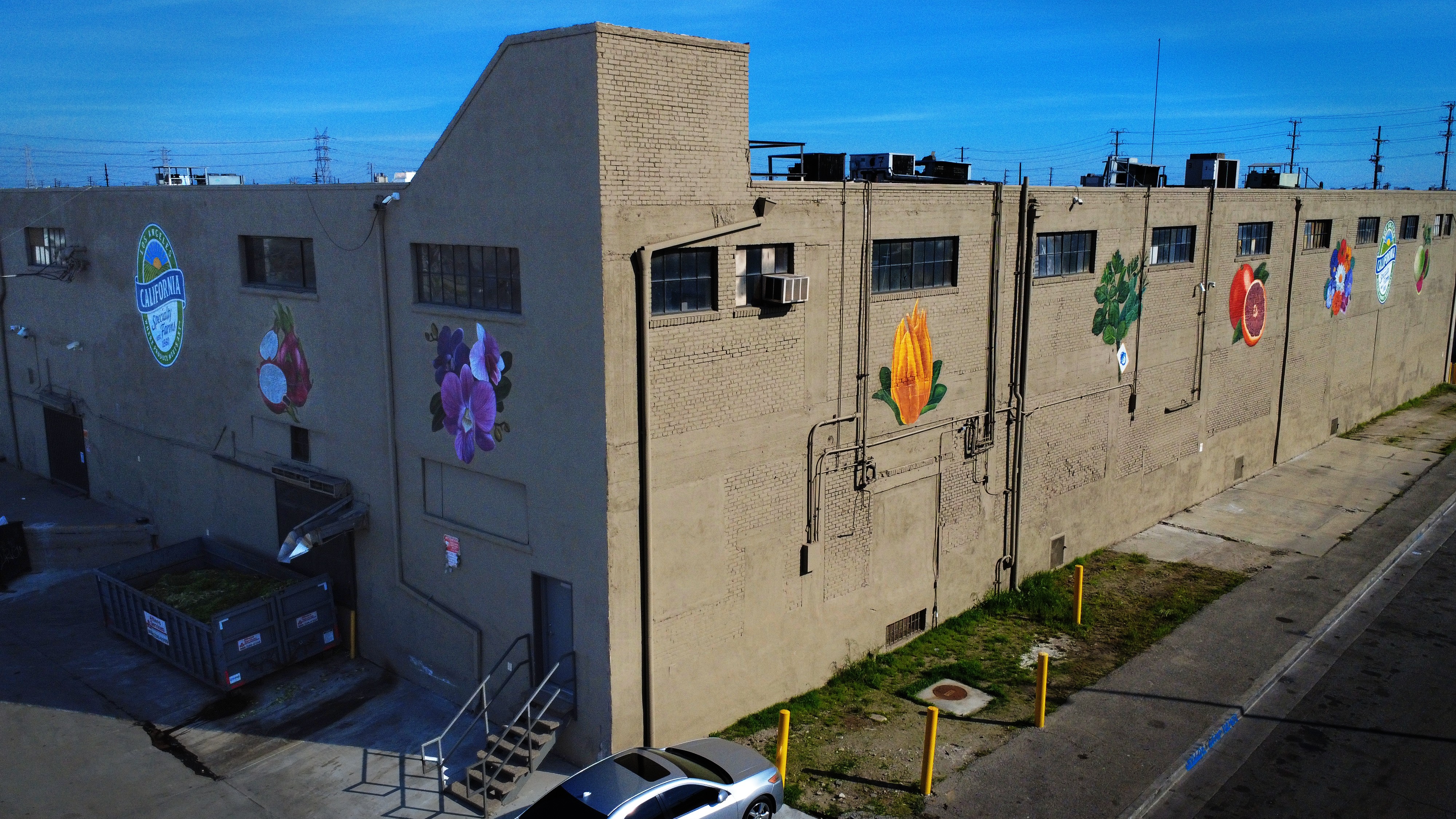

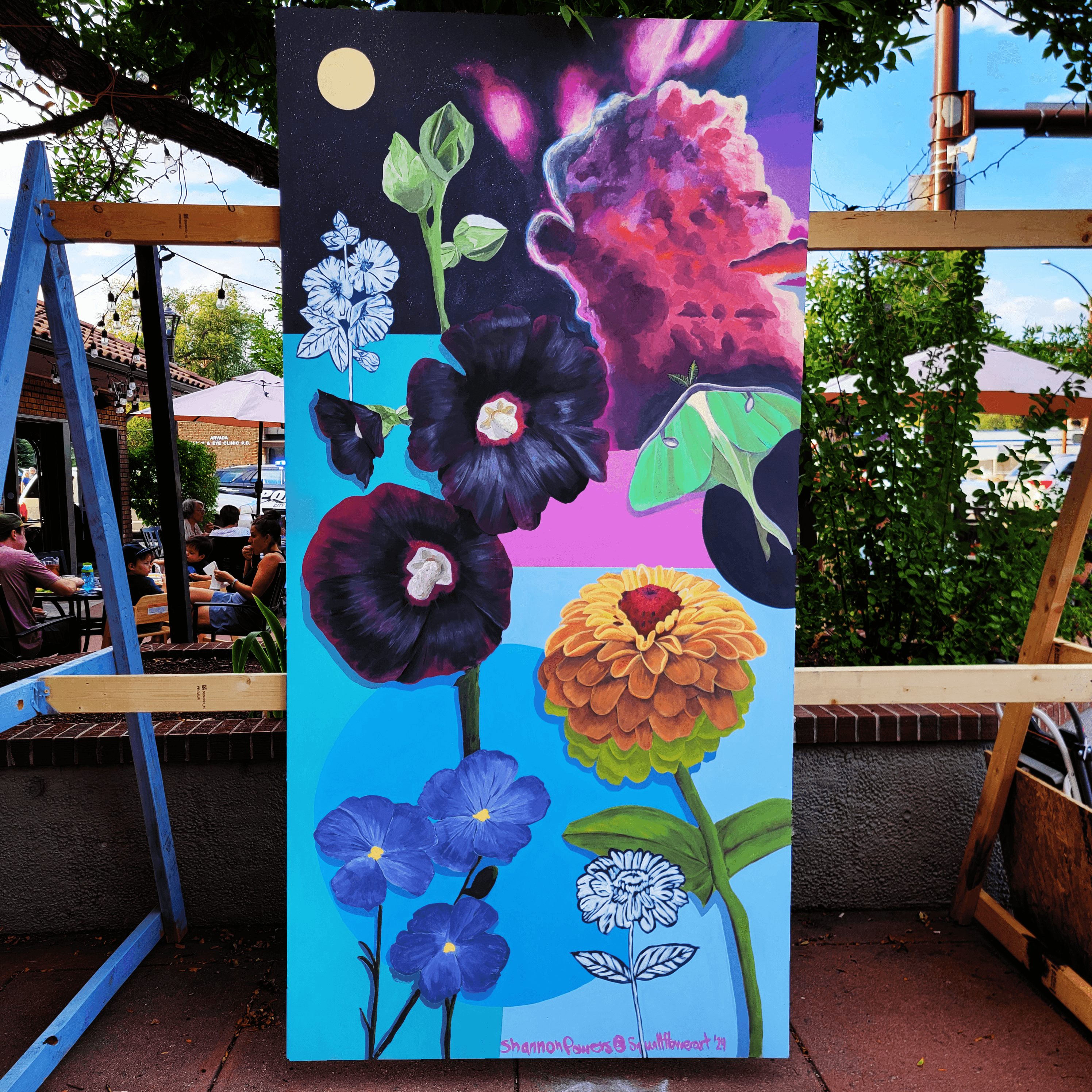
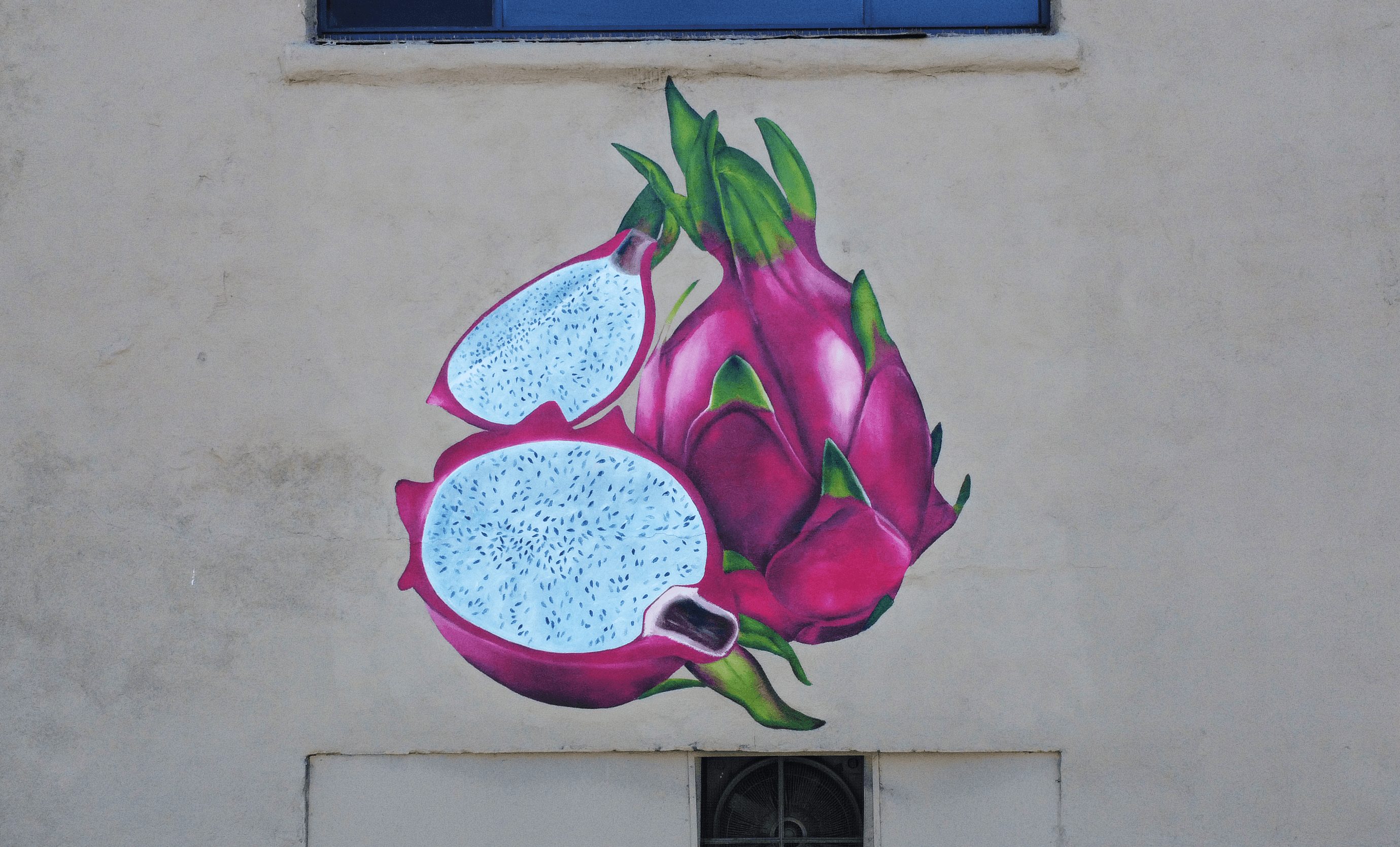


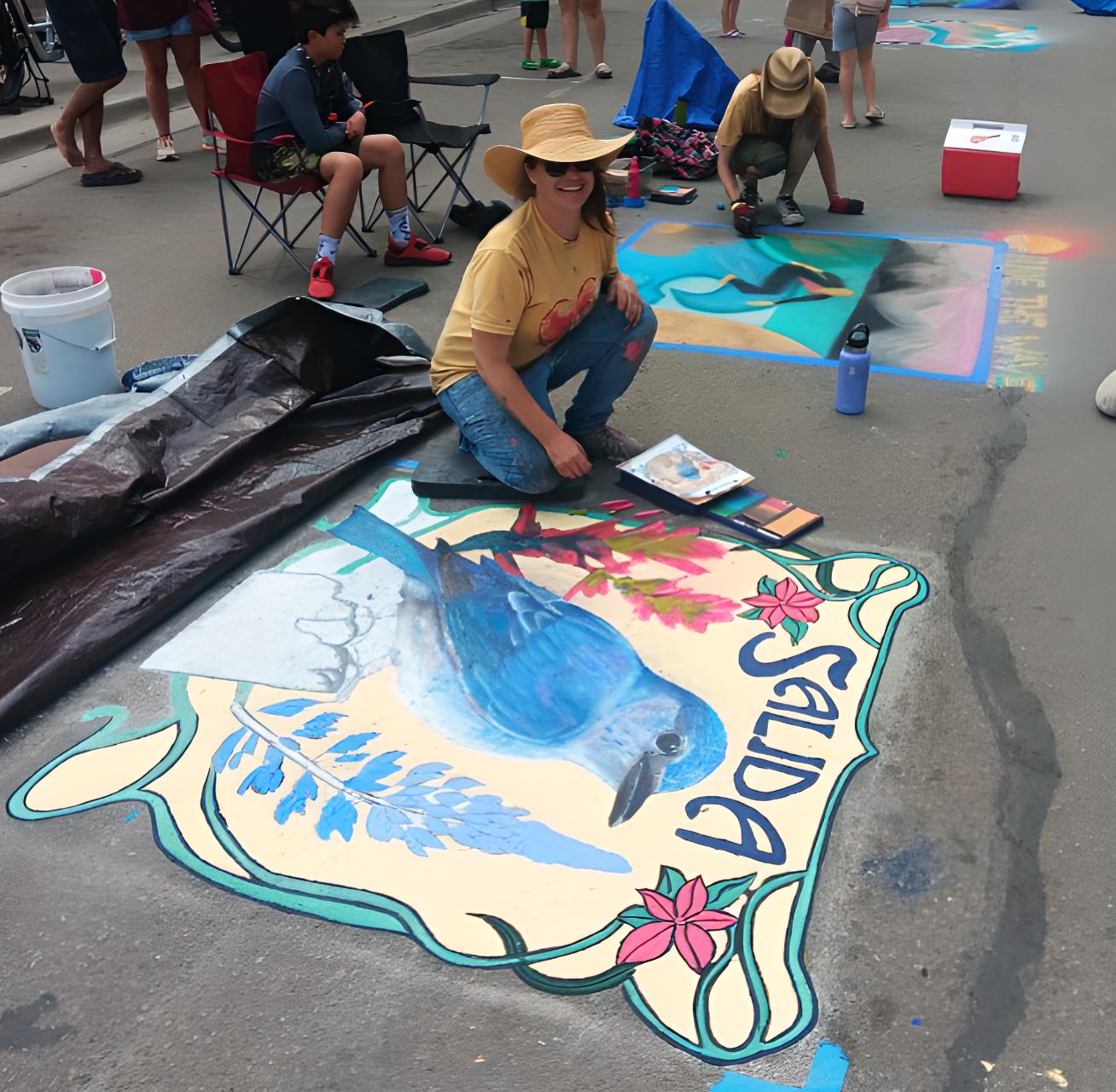
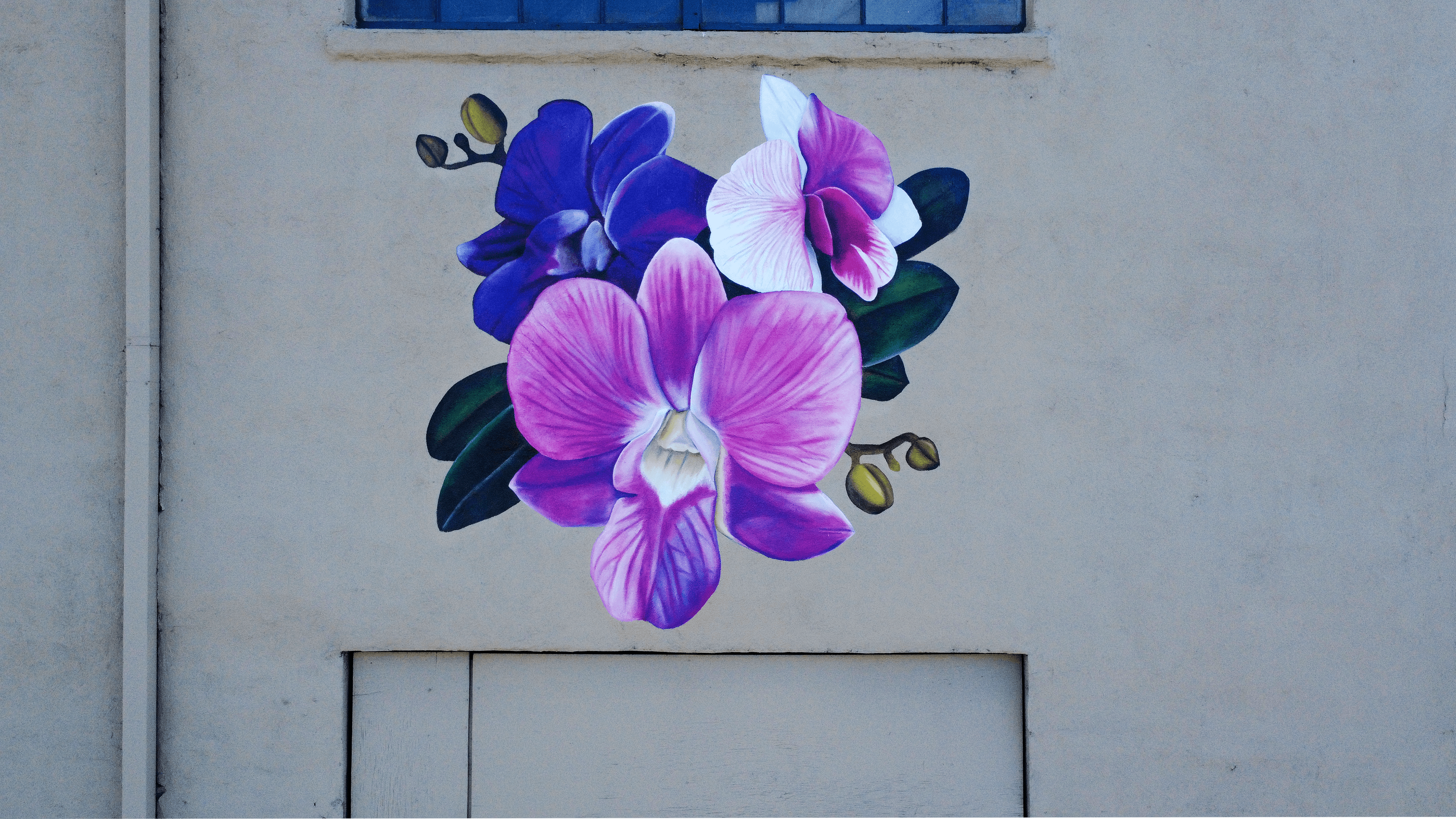
Image Credits
Shannon Powers
Popular
-

The Trailblazers: Rewriting the Narrative
-
Celebrating the Spotlight: Kaytee Shashore Turns Milestones Into Momentum
-
Humanity in the Machine: Alexander Raye Pimentel’s Cyborg Recall Questions the Cost of a Data‑Driven World
-
Raemi Anderson on Courage, Caution, and Answering the Call of the Landscape
-

Hidden Gems: Local Businesses & Creatives You Should Know


