
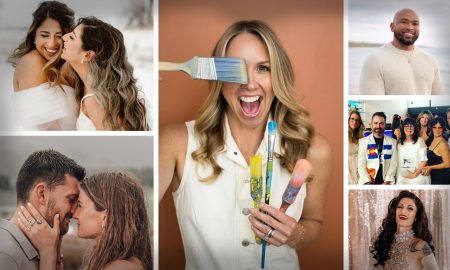


Today we’d like to introduce you to Audra Frieden.
Audra, we appreciate you taking the time to share your story with us today. Where does your story begin?
I started my journey as a designer in 2018 when I moved from Colorado to Indiana to study Design for Social Impact and Visual Communication Design at Indiana Wesleyan University. My time in design school opened my eyes to the ways design could be so much more than just sales and marketing, but it could be a creative approach to help individuals and communities thrive. The community of designers I got to work alongside at IWU and Marion Design Co (a local design studio in my college town of Marion, IN) inspired me to see the ways design could create more effective communication, cultivate connection, make opportunities + resources more accessible, and celebrate people, places, + stories. I was able to gain experience in both placemaking design and graphic design and fell in love with the way both disciplines could make a positive impact in our world.
Since graduating, I’ve been designing as a freelancer and have gotten to work with a broad range of companies, individual freelance clients, and creative studios both locally here in Denver and around the country. Right now I am working remotely as a contractor for a studio called Yard & Co. in Cincinnati, and am also getting ready to start a creative apprenticeship at The Heights Church here in Denver.
Would you say it’s been a smooth road, and if not what are some of the biggest challenges you’ve faced along the way?
Design for Social Impact is very niche in its perspective and approach to design, but very broad in terms of specific skillsets, so it doesn’t necessarily have a clear-cut, obvious path to follow after school. This was really challenging and discouraging at times because it felt very difficult to find the space where I really fit in the field. My strongest skillset was in graphic design, so figured I’d start there and see if I could find my way into the space where visual design and placemaking design come together to create positive change in communities. I started out designing as an intern on the creative marketing team at Magnolia, which was a sweet season of learning from a great team and polishing up my craftsmanship, but I was craving something deeper than creating for sales. After the internship, almost all the opportunities I could find were other positions on marketing teams, but the path to the community-based, social impact focused work seemed impossible to find. That dynamic within an already dry market was pretty discouraging and it felt tempting to give up at times, but I was able to find some freelance jobs to keep me going. I eventually landed on a team here in Denver as a graphic designer for an organization that works to create a more thriving downtown environment. Unfortunately there were some tough dynamics there that didn’t allow it to be a good fit for the longterm, but it got my foot in the door of the community focused, placemaking design world. I started cold-calling and reaching out to every designer and studio I could find that was involved in that realm to build connections and seek new opportunities. This was another long and discouraging process at times, but eventually I got connected with an urban design studio called Yard & Co. and they invited me to apply for their fellowship program.
I have since stayed on as a contractor, which I have absolutely loved. Their work is primarily place-based and environmental, and I’m able to use my skillset in graphic design to support those placemaking projects. Even though it was a challenging road to get here, it feels rewarding to have spent this year at a studio who’s work creates tangible impact to help communities thrive.
I have gotten to explore a few other design opportunities on top of that contract, my next one being an apprenticeship at The Heights Church here in Denver. I’m excited to be a part of the ways design is already playing a supportive role to other ministries of the church, one of which is Lovewell Colfax. Lovewell is organization that seeks to provide everyone with access to a restored life, specifically reaching out to our neighbors on Colfax experiencing poverty and homelessness. Lovewell is just one way The Heights is tangibly sharing hope and restoration into some really tough spaces in Denver, so I’m super excited to get to contribute to that work through design.
Appreciate you sharing that. What else should we know about what you do?
My design practice is multidisciplinary— I love creating in the realms of graphic design, illustration, photography, environmental + experiential design, or any combination of those disciplines. Every design problem is unique and requires its own unique solution, so I like to think of these disciplines as different tools in my toolkit that can work together in different ways to make the most effective solution for each problem at hand. What ties all my work together is my process, which is rooted in the discipline of Design Thinking, or Human Centered Design. In short, Design Thinking is a framework to design more intentionally by working from a space of empathy— creating out of informed understanding rather than personal assumptions. This helps creative decisions stay grounded in the needs of who the design is meant to serve so that it can most effectively meet those needs.
On a more concrete level, some of my favorite work is when I get to design the visuals that come to life in a larger, three-dimensional space and really create an experience for people. This often looks like brand or event collateral— some recent examples being my brand and collateral design for the Skyline Beer Garden here in Denver or the Wheels in Wheaton event in Wheaton, MD.
I also love creating pieces that flow seamlessly into people’s everyday, real lives to create moments of joy and beauty— something they don’t have to go to a gallery to experience, but is meant to be enjoyed in the middle of their everyday lives. This has looked like illustrations I made for for apparel while I was at Magnolia, or postcards I illustrated to celebrate the beauty of cities I’ve called home.
Finally, I love creating work that makes communication more effective, clear, and compelling. There are so many important stories in the world that need to be told, and they deserve to be shared in a way that does them justice. My design school thesis sought to use visual communication design to tell the story of how the creative practice can play a role in bringing trauma survivors one step closer to healing and why that’s so important.
If we knew you growing up, how would we have described you?
I grew up as the youngest of 4 siblings, so I’ve always been pretty easy-going and loved connecting with people. I absolutely loved animals when I was young and thought I wanted to be a veterinarian all throughout elementary school, but realized pretty early on that the STEM field was not my calling. I loved watching HGTV at my grandparents’ house, so around middle school I started to think about becoming an interior designer, which I guess isn’t too far off from what I do now. Art wasn’t something I ever thought of myself being particularly gifted in growing up, but in hindsight I can see that the spark was always there. Whether it was the countless marker drawings my cousin and I would make of our stuffed animals, the elaborate floor plans I’d create for my imaginary dream homes, or the DIY greeting cards I’d design to send to different pen pals over the years, I was almost always creating something. I started running cross country and track and field when I was about 11, eventually leading me to pursue running track in college, which is what brought me to Indiana Wesleyan University where I really discovered my passion for art + design. It’s cool to see how the little things that are seemingly unimportant or unrelated at the time all come together to form the path you’re meant to be on.
Contact Info:
- Website: https://audrafriedendesign.com
- Instagram: https://www.instagram.com/audrafrieden/
- LinkedIn: https://www.linkedin.com/in/audra-frieden-09470a208/


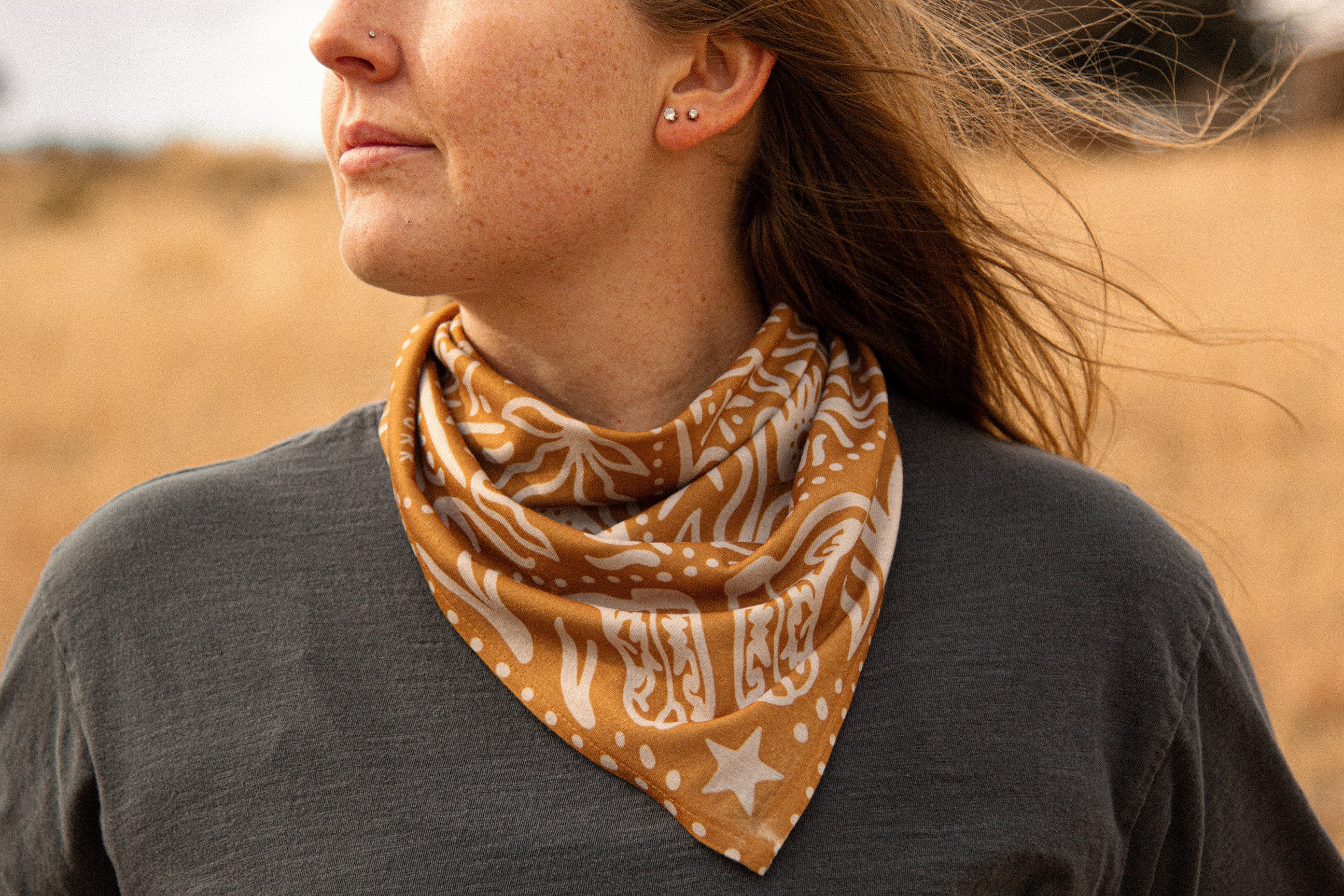
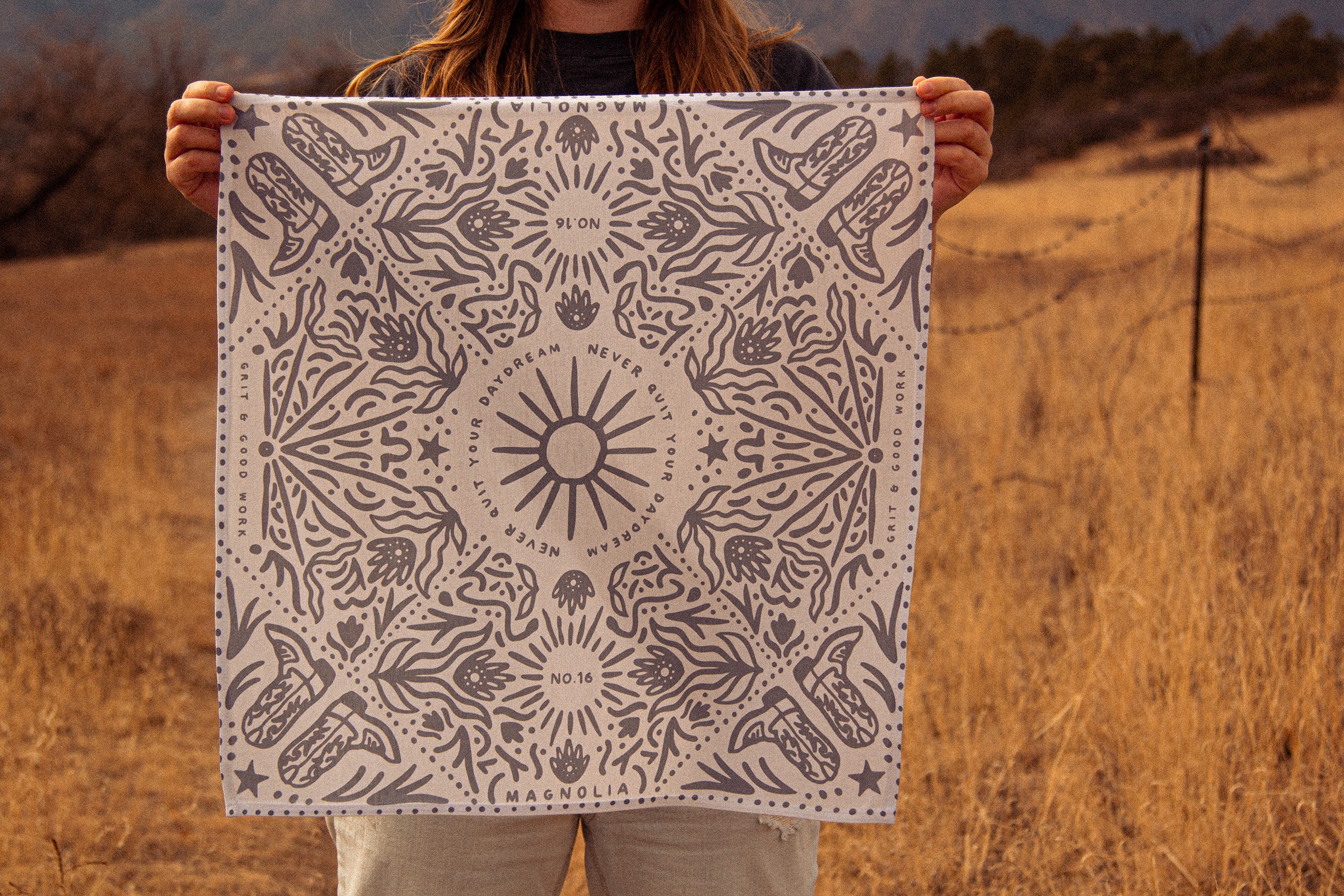

Image Credits
Cecil Mella
Hannah Salas
Andre Johnson
Audra Frieden
Popular
-

The Trailblazers: Rewriting the Narrative
-

Celebrating the Spotlight: Kaytee Shashore Turns Milestones Into Momentum
-

Humanity in the Machine: Alexander Raye Pimentel’s Cyborg Recall Questions the Cost of a Data‑Driven World
-

Raemi Anderson on Courage, Caution, and Answering the Call of the Landscape
-

Hidden Gems: Local Businesses & Creatives You Should Know


