

We recently had the chance to connect with Rae Ann Mueller and have shared our conversation below.
Rae Ann, so good to connect and we’re excited to share your story and insights with our audience. There’s a ton to learn from your story, but let’s start with a warm up before we get into the heart of the interview. What do you think others are secretly struggling with—but never say?
In today’s world, we constantly receive messaging that we are not good enough as we are. In my work, I see this manifest as eating disorders or disordered eating. So many people are struggling to have a healthy relationship with food and their bodies, and may not even realize it. We are surrounded by diet culture and misinformation that tells us we need to lose weight and fear food. If someone has a healthy relationship with food, I think they are in the minority.
Can you briefly introduce yourself and share what makes you or your brand unique?
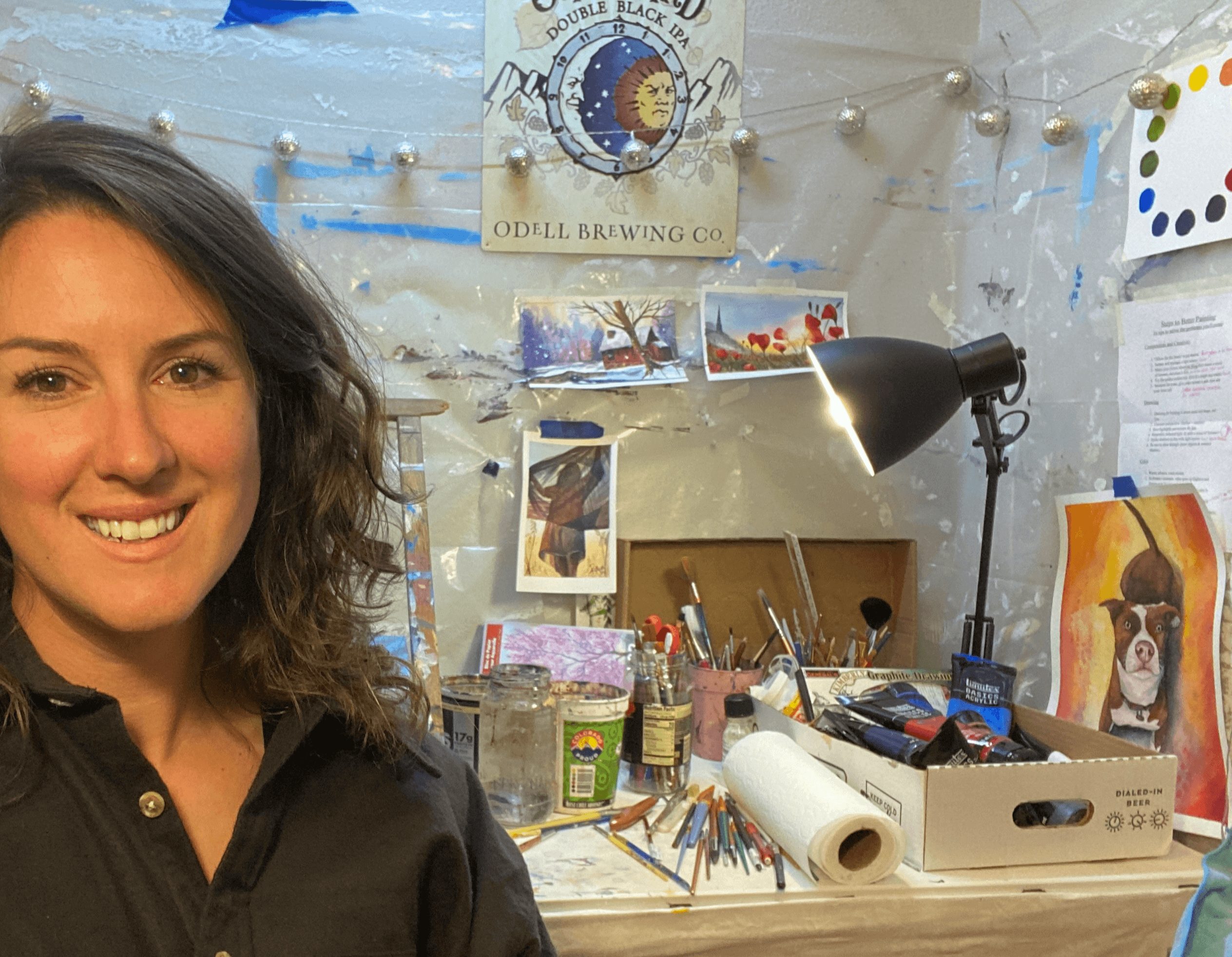
Hi! I’m Rae Ann Mueller, a registered dietitian and artist based in Colorado. Growing up in the mountain town of Buena Vista shaped so much of who I am and how I see the world.
As a telehealth dietitian, I help people heal their relationship with food and body, unlearn diet culture, and find peace with eating—all while improving their health. I love that Nourish makes care accessible through insurance and gives me the time to truly connect with each person’s story. As someone who struggled with disordered eating, this is my calling.
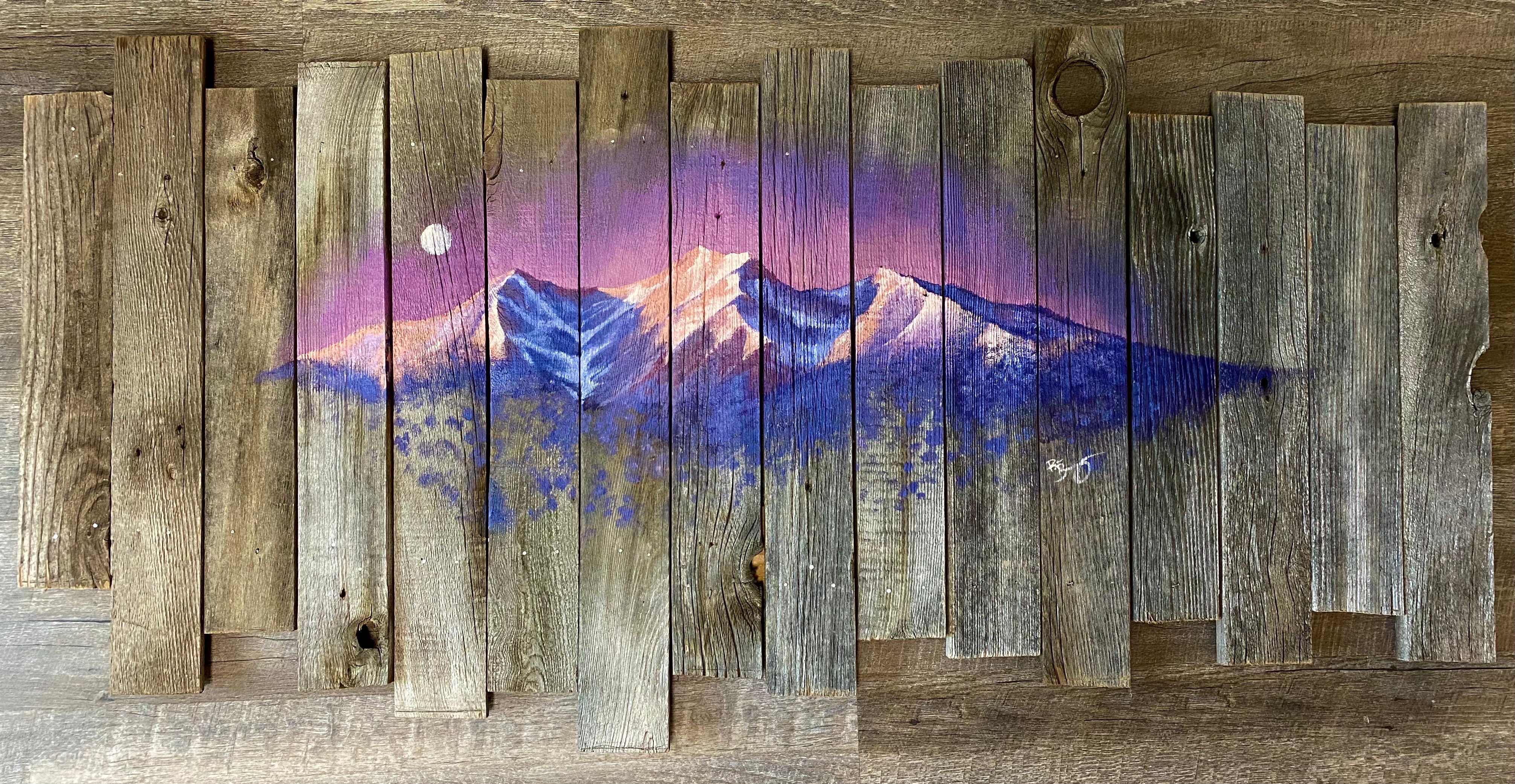
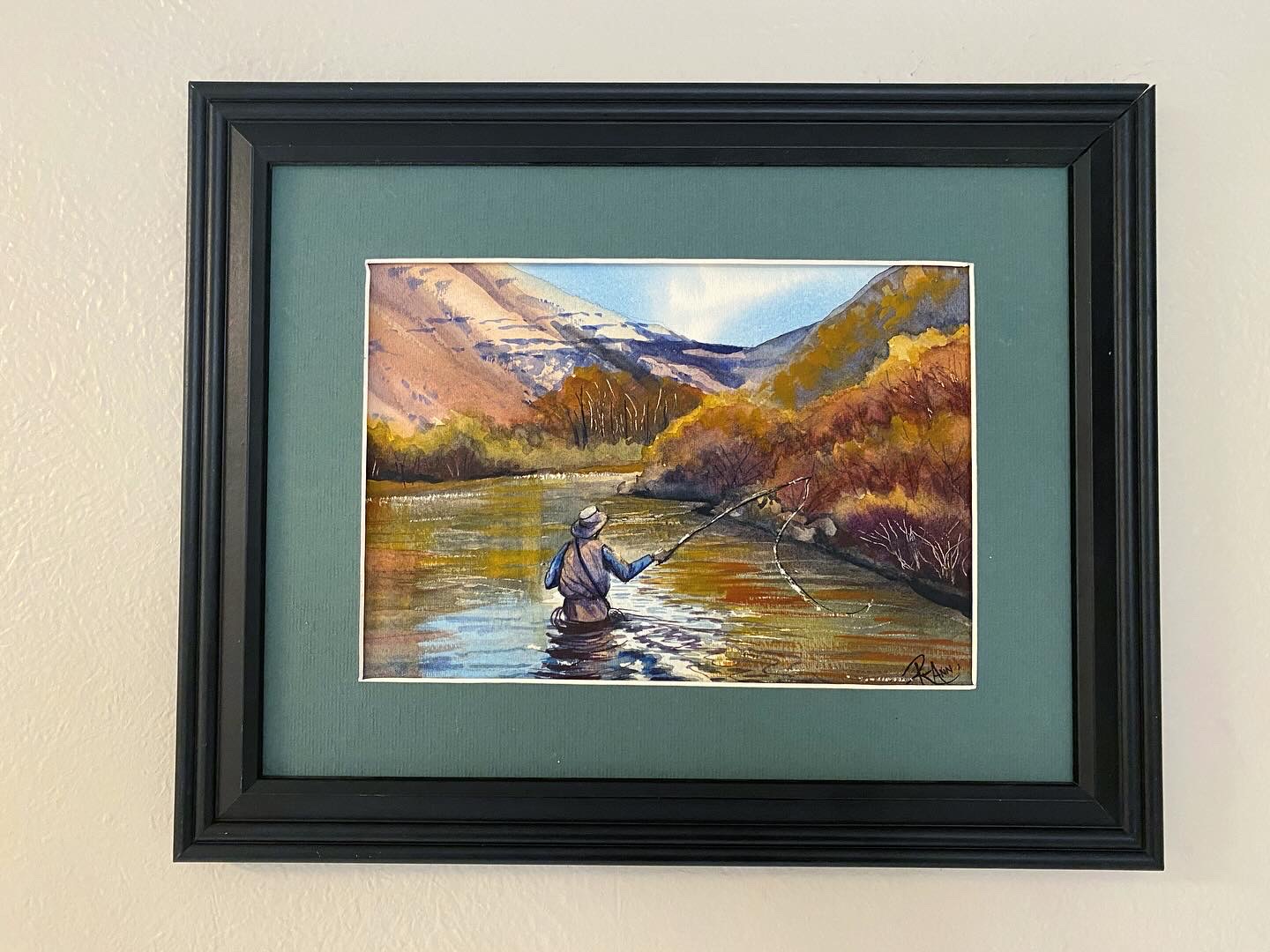
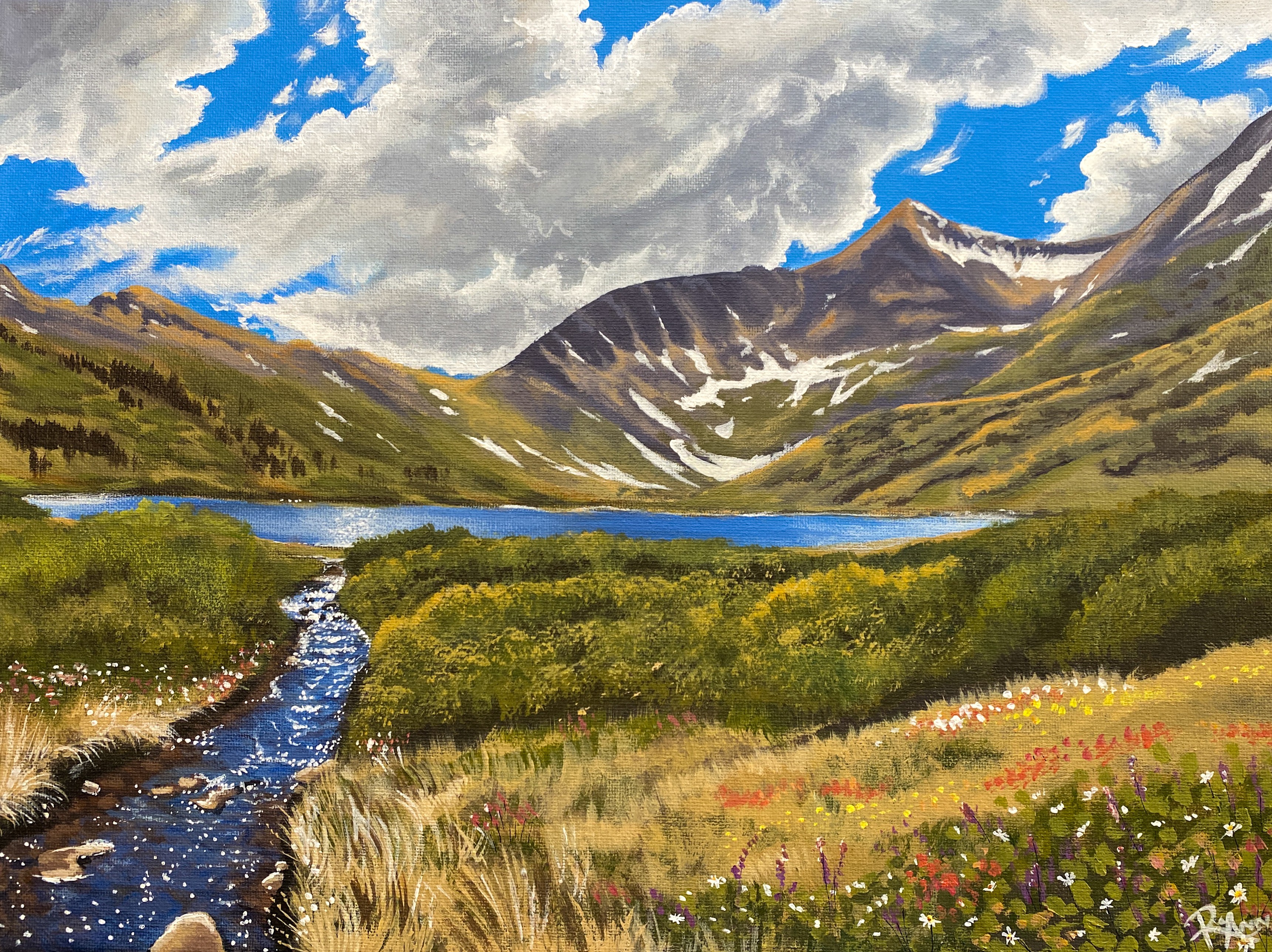
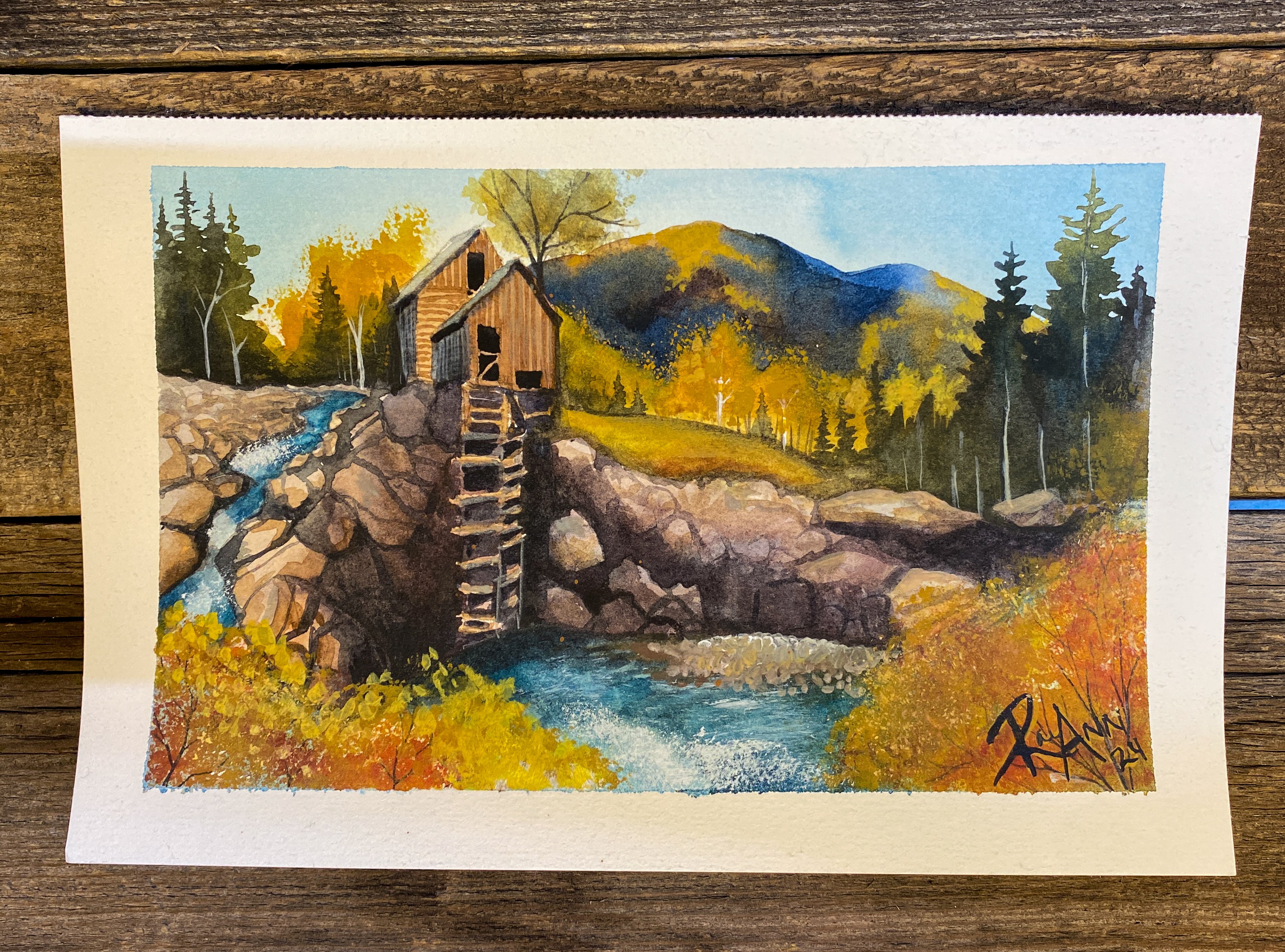
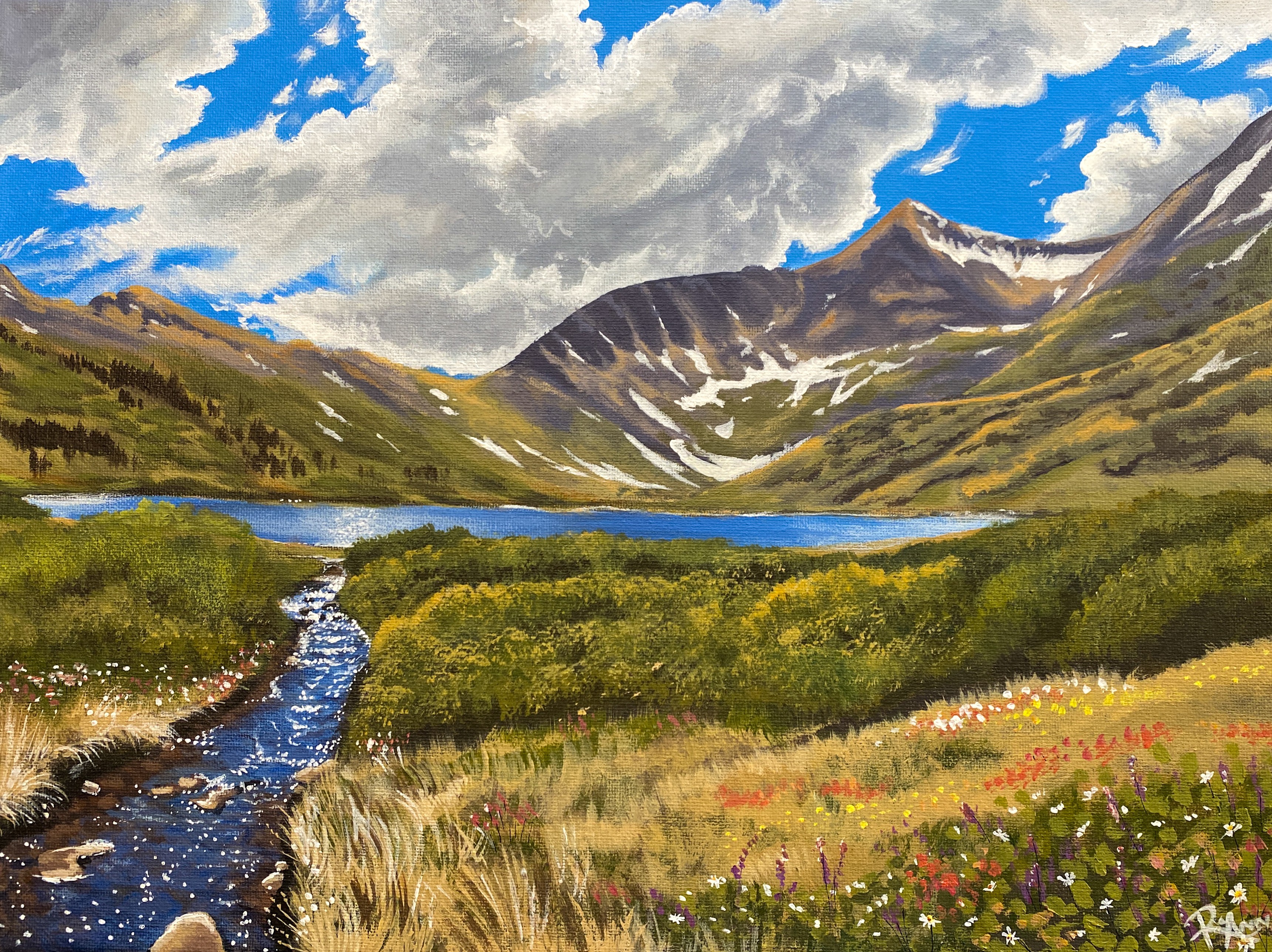
Outside of nutrition, I’m a freelance artist working with acrylics, watercolor, and gouache. My art celebrates the beauty of nature, especially the Colorado mountains where I grew up. Painting is my creative escape and a way to reconnect with myself, especially since becoming a mom. You can find my work on Etsy!
Thanks for sharing that. Would love to go back in time and hear about how your past might have impacted who you are today. What did you believe about yourself as a child that you no longer believe?
As a child and into my adolescent years, I was always seen as the shy, quiet one. I absolutely hated that label. I wanted to be everything that I wasn’t – extroverted, loud, full of energy all the time. I was often teased for being the way I was, and I did everything I could to try to fight it. I worked in customer-facing roles, I traveled to New Zealand solo, and I pretended to be more outgoing. While I have come a long way when it comes to social anxiety and being confident talking to anyone, I have realized that there was never anything wrong with me. There is a power in being introspective, and it makes me more effective at what I do – both in connecting with clients to heal their relationship with food, and in my art as it is a solitary activity. I no longer believe that being introverted is a bad thing, and that’s been so healing.
What have been the defining wounds of your life—and how have you healed them?
I believe struggling with an eating disorder is one of the most all-consuming challenges someone can face. Early in my career, my first roles as a dietitian were focused on weight loss. I didn’t yet realize that intentional weight loss fails for about 95% of people—and that when it does, we blame ourselves instead of the diet.
Working in that space was incredibly triggering while I was still healing my own relationship with food and body. It wasn’t empowering—it was painful. But as I’ve grown in both experience and self-compassion, my work has evolved, too. Now, I push back against diet culture and the fear-based nutrition messages that cause so much harm, helping others find the same freedom and peace I’ve found.
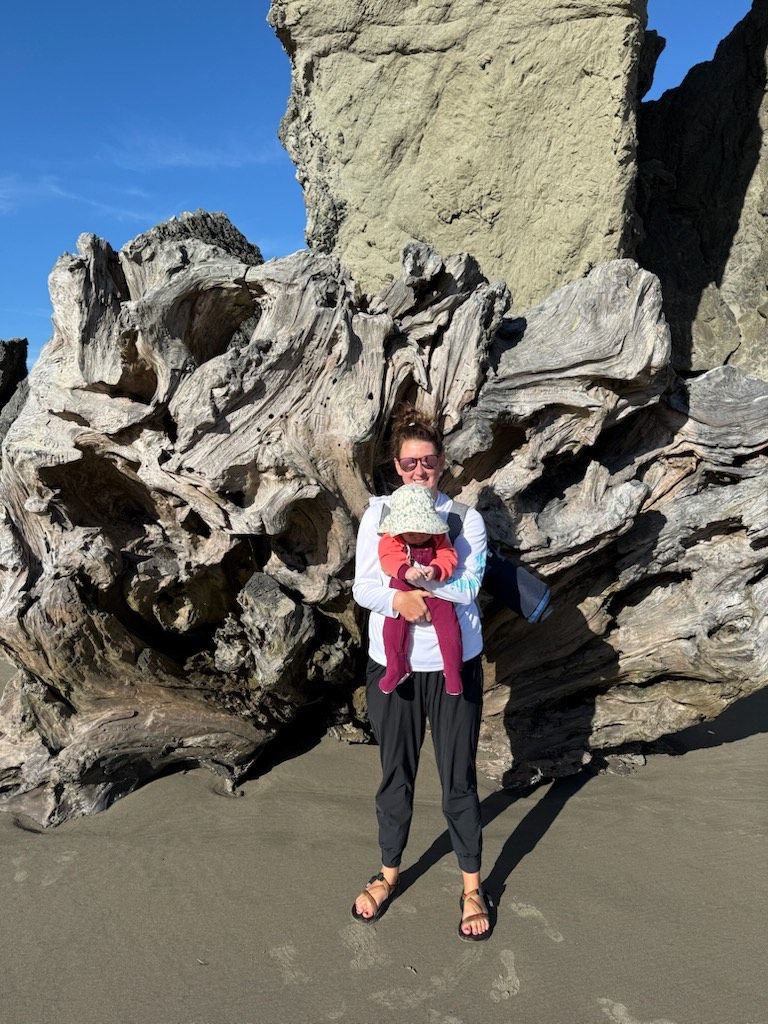
Becoming a mom has also reshaped how I see my body—pregnancy and postpartum bring their own challenges—but those experiences have made me more resilient and even more empathetic toward my clients.
Sure, so let’s go deeper into your values and how you think. What’s a belief you used to hold tightly but now think was naive or wrong?
Like many healthcare professionals, dietitians are traditionally trained in a weight-centric model—taught that helping people lose weight will automatically improve their health. But we now know that’s not true. Intentional weight loss often harms a person’s relationship with food and body, and it rarely lasts long-term.
What truly supports health are sustainable, behavior-based habits: moving your body in ways you enjoy, eating balanced meals with protein, carbs, and fat, managing stress, getting enough sleep, and staying hydrated. These are the things that actually make a difference.
If more healthcare providers adopted a weight-neutral approach, fewer people would avoid seeking care out of fear of being judged or told to “just lose weight.” Health is complex and deeply individual, and we need a more inclusive, compassionate approach that focuses on behaviors—not body size.
Okay, so before we go, let’s tackle one more area. Are you tap dancing to work? Have you been that level of excited at any point in your career? If so, please tell us about those days.
It truly lights me up to have conversations with my clients where I can see the light bulb go on. When they realize something about their upbringing that led to their challenging relationship with food and body, or when we’re debunking nutrition misinformation and it challenges a belief about food they’ve held for years. Having these conversations makes me lose track of time!
The same is true with art. I look forward to every chance I get to sit down and paint—especially now, as a mom with less time for it. Bringing a vision to life on canvas is incredibly fulfilling.
For the most part, I enjoy what I do every day.
Contact Info:
- Website: https://www.usenourish.com/providers/rae-ann-mueller?referralSource=Nourish+dietitian&referralName=Rae+Ann+Mueller&utm_source=Nourish_dietitian&utm_term=Rae_Ann_Mueller
- Instagram: https://www.instagram.com/art.by.raeann/ and https://www.instagram.com/rae.mueller.dietitian/
- Linkedin: https://www.linkedin.com/in/raeamueller/
- Facebook: https://www.facebook.com/ArtbyRaeAnnBrandenburg/