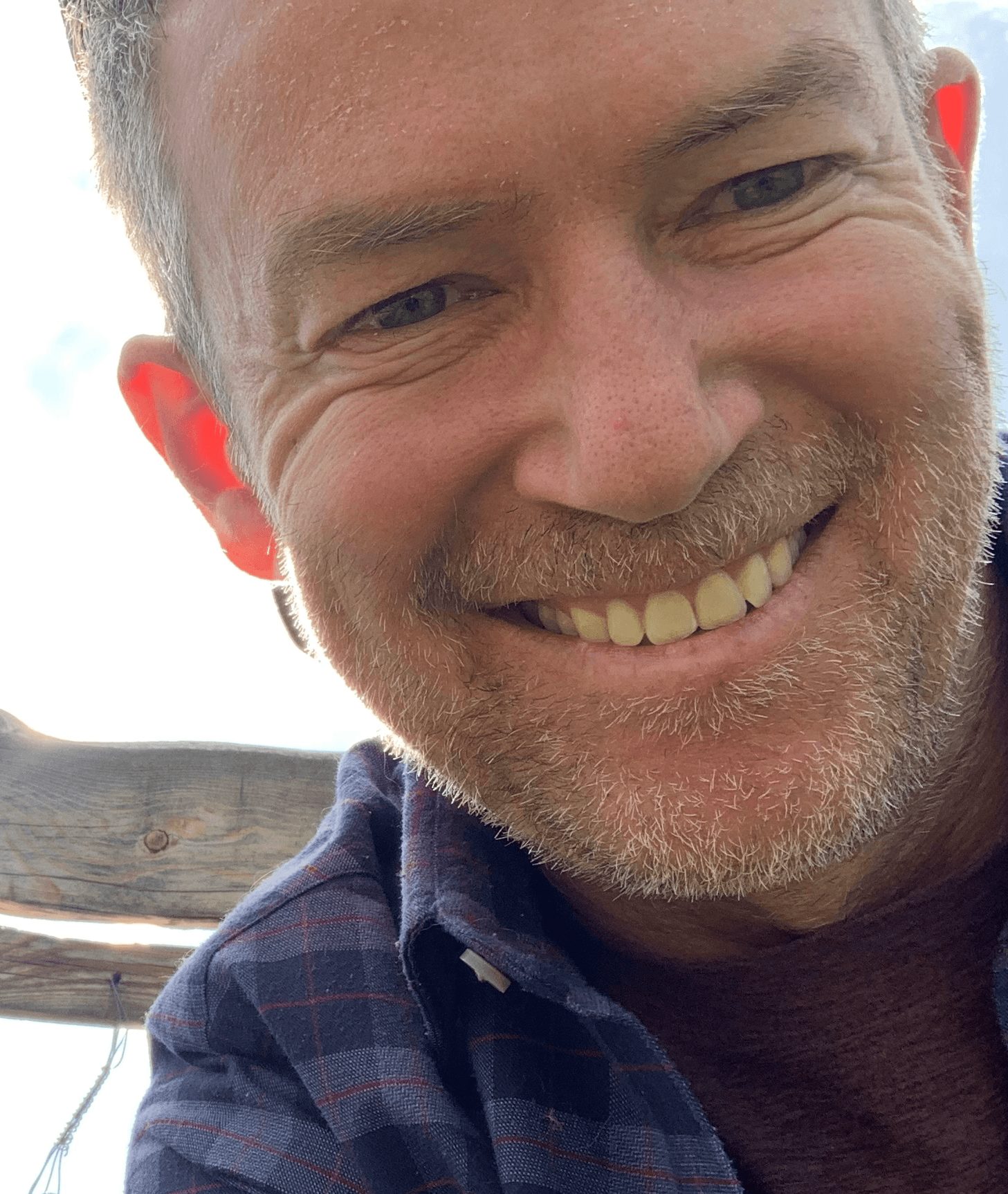


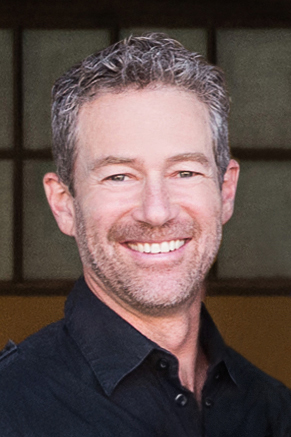
We’re looking forward to introducing you to Jody Gold. Check out our conversation below.
Jody, it’s always a pleasure to learn from you and your journey. Let’s start with a bit of a warmup: What do you think others are secretly struggling with—but never say?
I believe most people—maybe even all of us—carry some deep part of ourselves that leans toward insecurity or arrogance. And I suspect both stem from the same root: insecurity. I know Attachment Theory suggests only about 20% of people formed a durable, secure attachment with their parents. The rest of us didn’t. So, if nothing else, my response reveals that I’m one of the many who wrestle with insecurity—and that I believe I’ve got a lot of company in that experience. It’s honestly hard for me to imagine anyone completely free from that dynamic, but I’d be delighted to be surprised if someone has a different story to share with me 🙂
Can you briefly introduce yourself and share what makes you or your brand unique?
I’m Jody, founder of The Way We Can, a culture and leadership consultancy I started in 2021. The company grew out of years of helping students, parents, teams, and organizations find more whole and effective ways of being together, working together, and becoming better versions of themselves in the process.
My team and I provide best-in-class executive and team coaching. We call our work The Way We Can because—even in this time of division, mistrust, and unrest (and perhaps especially now)—there’s a new story waiting to be written. It’s a story about belonging. About doing better work in better ways. About collective alchemy—the many working as one for the good of all.
The old ways of leading are dying. The world is too fast, complex, and interdependent for lone heroic leaders to devise strategy and bravely lead the troops into battle. Meeting today’s challenges requires collective intelligence–the ability of a system to sense and actualize its own best future. But how do we get from here to there?
The Way We Can is powered by a radical social technology that’s all about connection. Our framework of proven practices is the way we can shift how teams think, decide, and act from being mostly about ‘me’ to emerging more from the ‘we’
The Way We Can multiplies what groups can do together while shifting individual patterns of scarcity, separateness, and fear to more trust, connection, and love. It is the imperative of our time to do both.
Thanks for sharing that. Would love to go back in time and hear about how your past might have impacted who you are today. What was your earliest memory of feeling powerful?
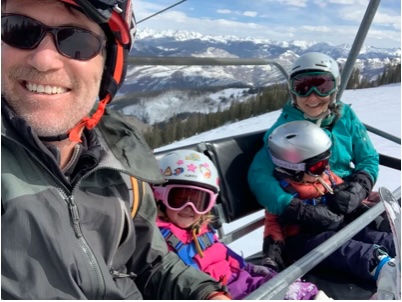
I may not have called it “powerful” at the time, but I remember feeling profoundly free and alive around age eight, skiing at Winter Park in Colorado. My parents let a friend and me roam the mountain on our own, knowing we’d meet them later at the bottom restaurant. Skiing has remained one of the things that makes me feel most alive—grounded, present, and powerful. It often resets me from the inside out.
I tend to notice my breathing when it changes—often when I’m skiing alone in a snowstorm. The world gets quieter, softer. Even if I didn’t realize I was tense, my whole system exhales, settles, and opens. I notice and delight in the details I might otherwise miss. It’s easier, and more fun, to be me.
I think part of the magic I offer to individual coaching clients and the teams I work with comes from that same place—the grounded, alert feeling of being truly seen, heard, and valued. Together we co-create relationships of whole-person inclusion, risk-taking, care, empathy, achievement, and joy.
When you were sad or scared as a child, what helped?
Oh boy.
When I was about eight, my dad and stepmom asked if I wanted something special built into the house they were remodeling. I didn’t have to think twice. I told them I wanted one of the closets in the basement to be mine—with a beanbag and a reading light. I also wanted it padded everywhere, soundproofed… and I wanted a baseball bat in there.
I mostly imagined reading, which I already loved. But I also imagined screaming and beating the walls when I needed to.
They never built it. I don’t even remember another word about it. Now that I have an eight-year-old son of my own, I think if he made that same request, I’d probably find him a good therapist—it sounds like a pretty clear cry for help.
I still carry some of the trauma that little boy was trying to process. I’ve done a lot of work since then, and I keep doing that work. What it’s given me is a kind of emotional fluency—the ability to name what’s hard, to stay with what’s real, and to create spaces where others can do the same.
I think our readers would appreciate hearing more about your values and what you think matters in life and career, etc. So our next question is along those lines. What’s a belief you used to hold tightly but now think was naive or wrong?
I used to believe that opportunities hid within every crisis—like the climate emergency we face together. For all its devastation, we might finally fundamentally unite as a species. I believed the seeds of our redemption were buried in that very soil. That part of our way through would come when an overwhelming majority of humans began to prioritize connection over consumption. I believed that capitalism feeds itself, in part, by convincing people they are not enough—that if only they were thinner, smarter, drove a nicer car, or had a bigger house… then they would be happy. I believed, in my best moments, that there is actually enough. Enough time, enough love, enough money. And that addressing the climate crisis, though it might at first feel like “belt tightening,” would ultimately lead to more people being happier, kinder, and more awake than ever before.
I’m grateful to work with organizations on the front lines of the climate crisis. I’m grateful for the progress we’re making, especially in meeting our still growing appetite for energy. And yet, I’m disheartened that in the deafening onslaught of other news, we hardly speak of it anymore. I believe the powerful maintain control precisely when people like me begin to feel helpless to advance change on behalf of the many. I don’t know whether it was naïve to believe a species-wide awakening was possible—or whether it remains a necessary act of faith: to keep believing that my work, and my life, can still be part of something larger–advancing social, economic, and environmental justice..
Okay, so before we go, let’s tackle one more area. Are you tap dancing to work? Have you been that level of excited at any point in your career? If so, please tell us about those days.
I loved teaching elementary and middle school kids for twelve years in my twenties and thirties. I once heard that teachers make nearly as many decisions in a day as air traffic controllers. That’s also what I still love about skiing. In both teaching and skiing, there is such a flood of information to process and respond to that I find myself fully present—in a flow state. Instead of thinking about the past or the future, I respond to what is true and needed right now.
I experience a similar state of flow in the work I do today. Working with individuals and teams, time slows down and yet passes so quickly—just like it does skiing. Feedback from clients—most notably in the year-after-year decisions they make to keep bringing me back—reminds me that the work I do is useful for them. And I know that the world won’t beat a path to my door just because I do great work.
I’m fortunate to have built a life filled with work that is purposeful, challenging, and deeply alive. It’s work that keeps me learning, present, and connected—and for me, that is enough.
Contact Info:
- Website: https://www.thewaywecan.com
- Linkedin: https://www.linkedin.com/in/jody-gold-28855723/