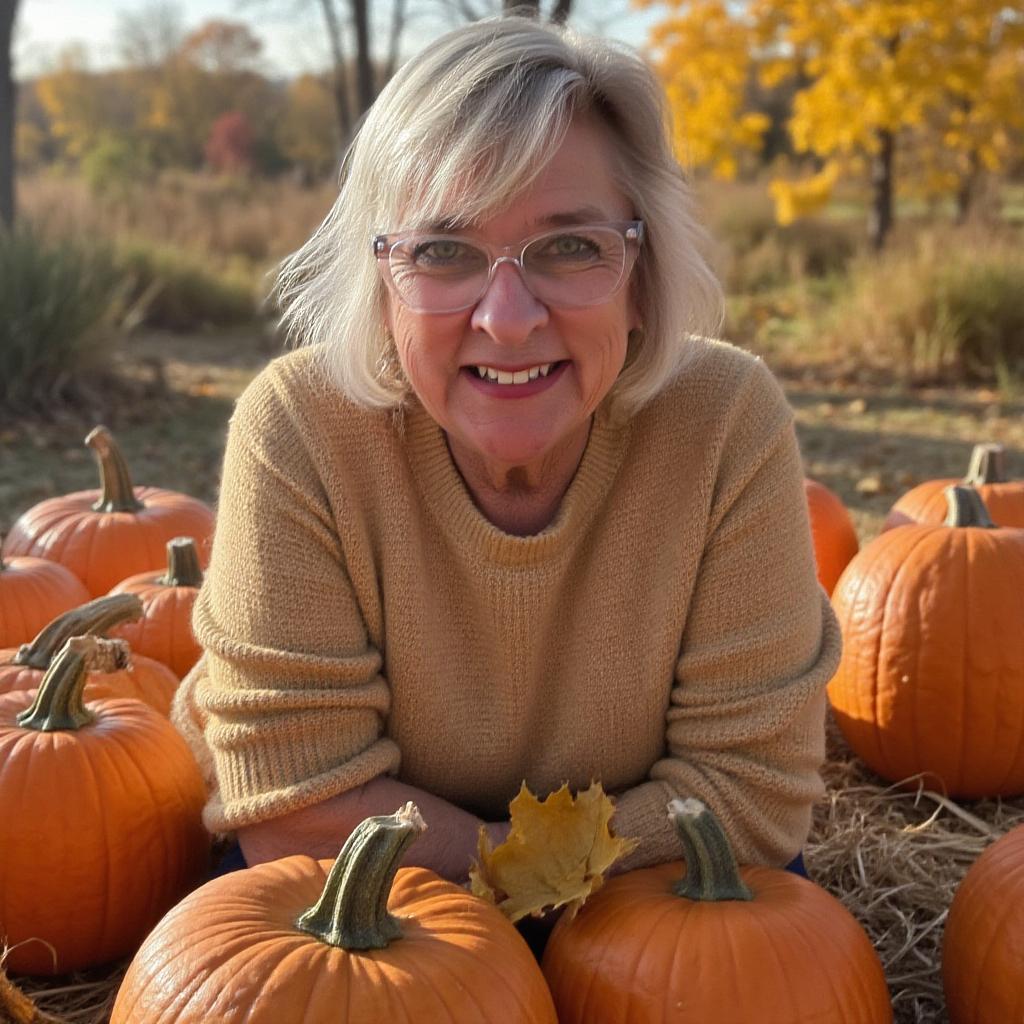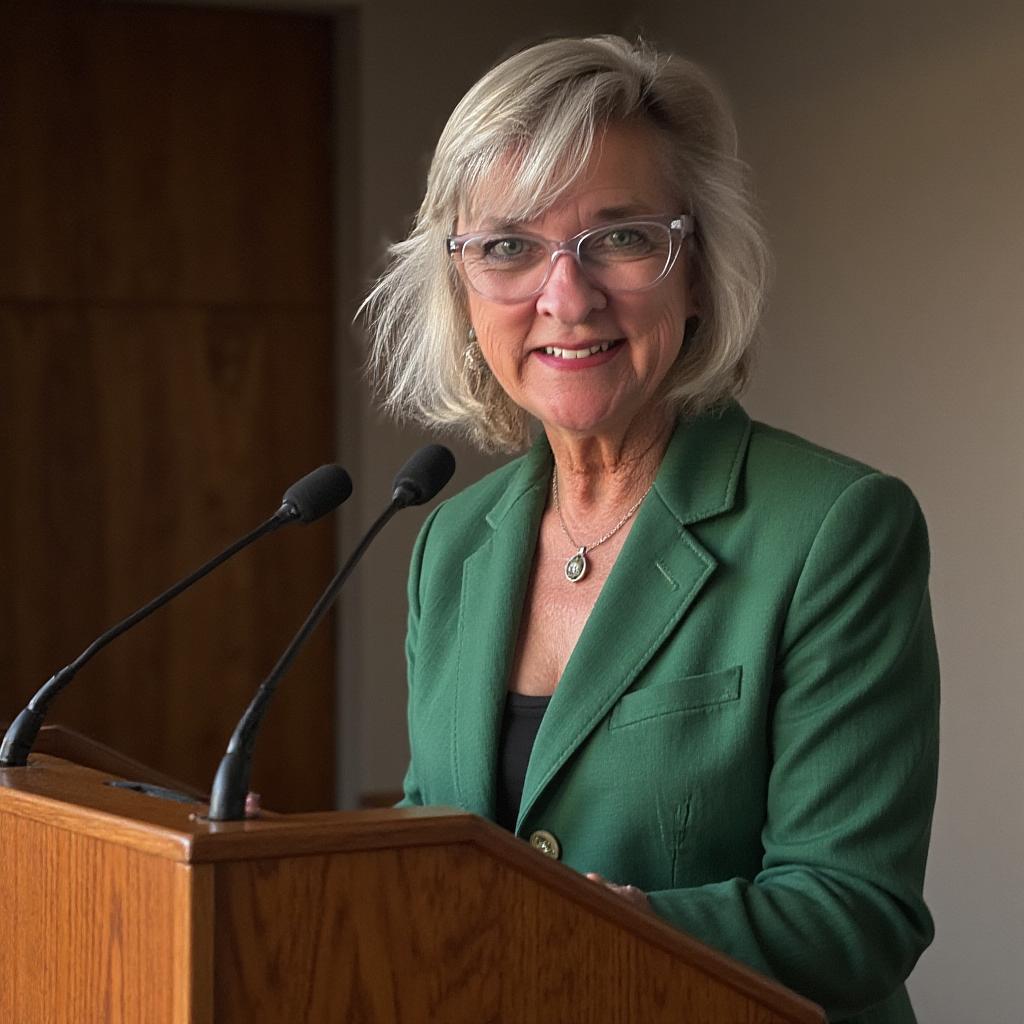


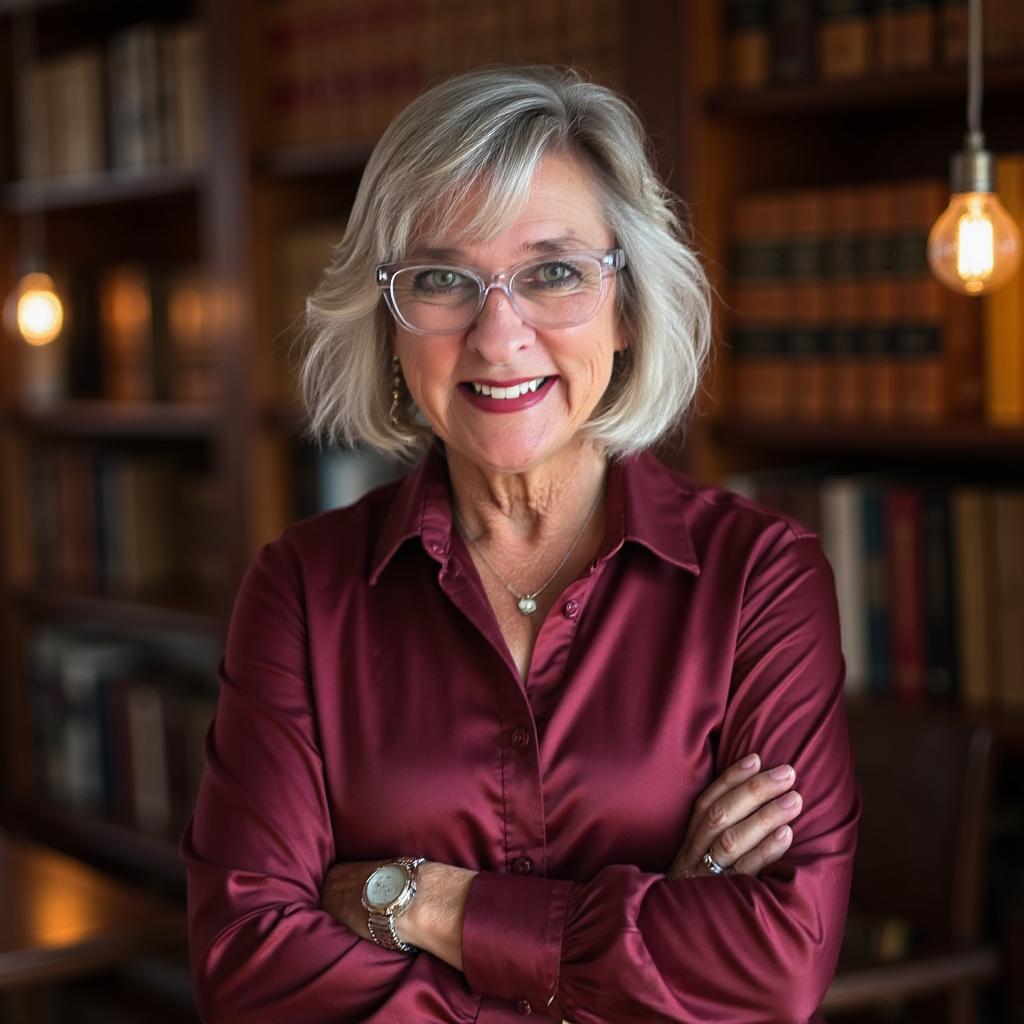
We’re looking forward to introducing you to Sonja Wendt. Check out our conversation below.
Sonja, really appreciate you sharing your stories and insights with us. The world would have so much more understanding and empathy if we all were a bit more open about our stories and how they have helped shaped our journey and worldview. Let’s jump in with a fun one: What makes you lose track of time—and find yourself again?
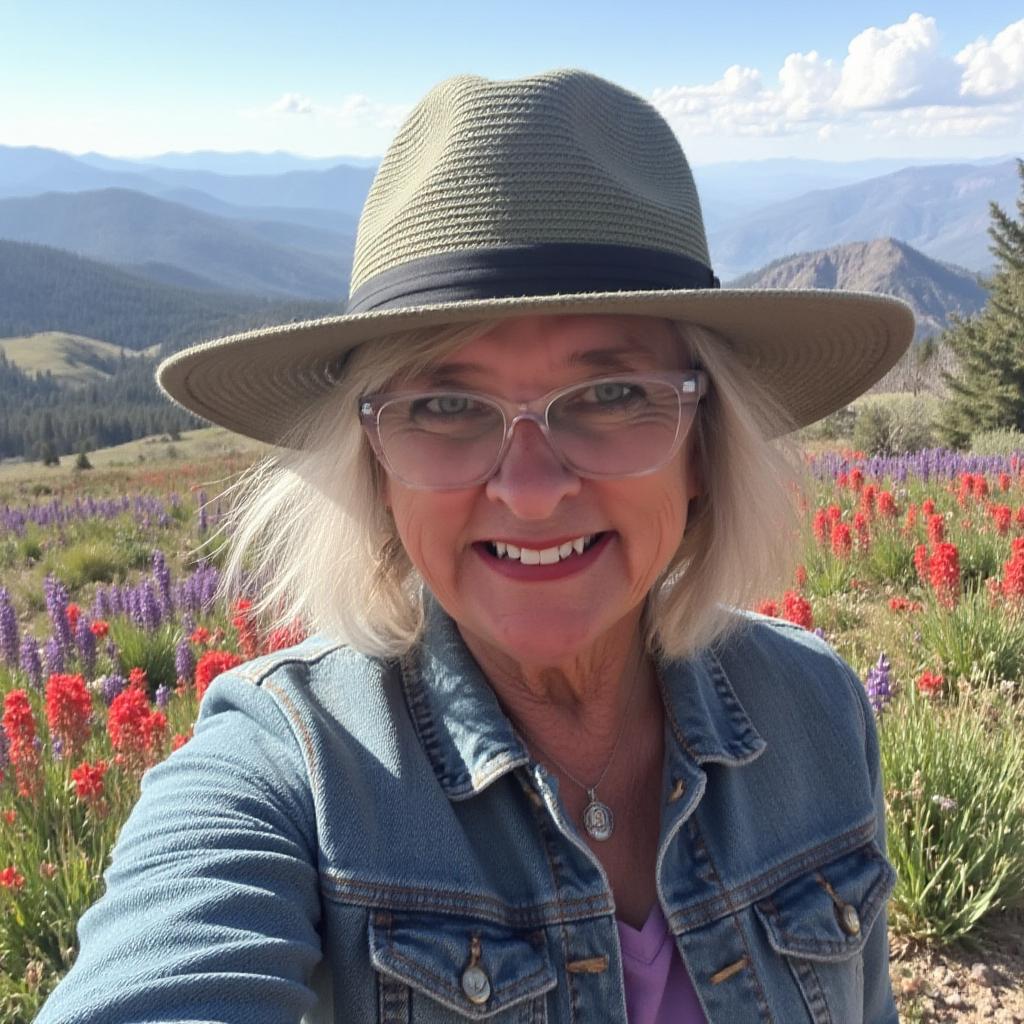
I lose track of time when I am in nature. The quaking of leaves, the colors of wildflowers, the freshness of the air, the blue skies with whimsical cloud shapes, the majestic mountains, shimmering water, the sounds of birds and bugs, the appearance of a wild animal — all of it draws me out of my daily thoughts and into a deeper awareness. In those moments, the worries and noise of life fade away, and I find myself again, centered and calm and deeply in spirit with my creator.
Can you briefly introduce yourself and share what makes you or your brand unique?
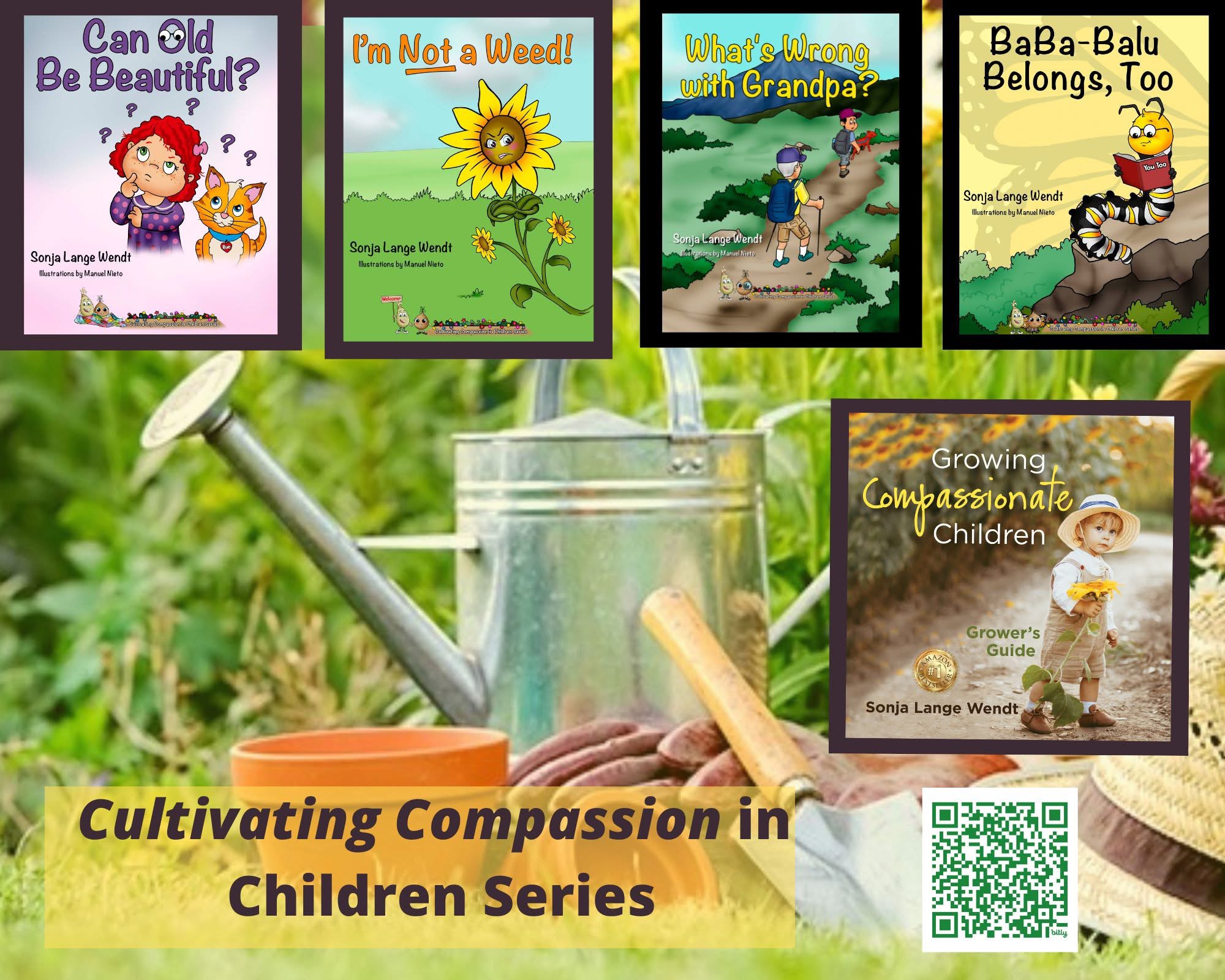
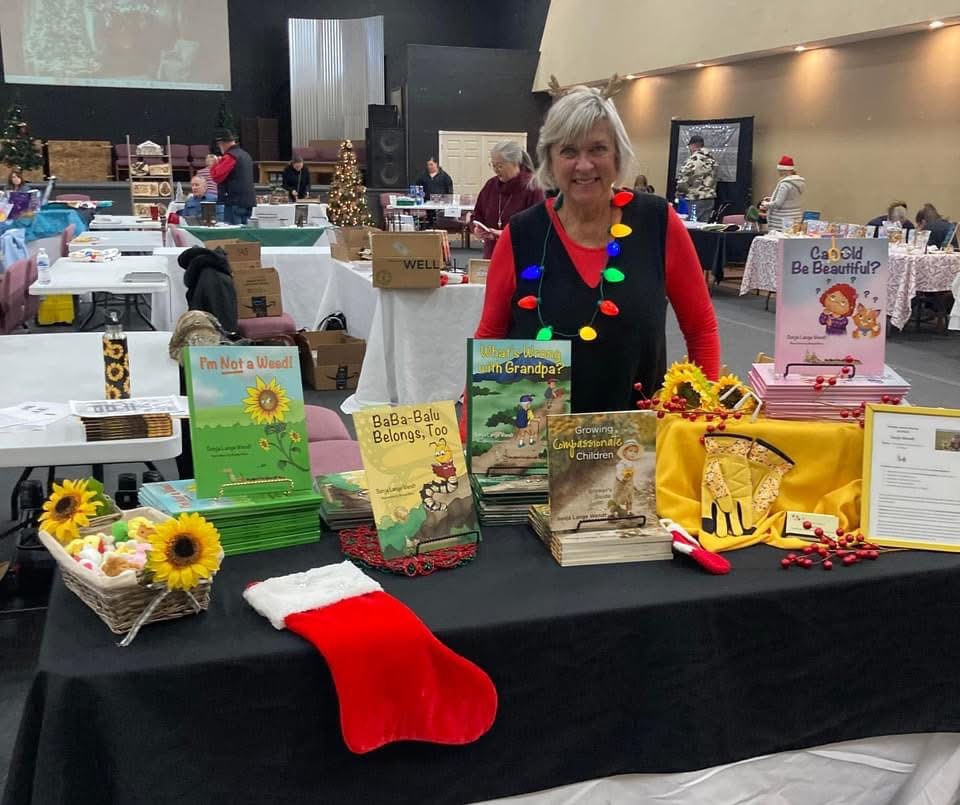
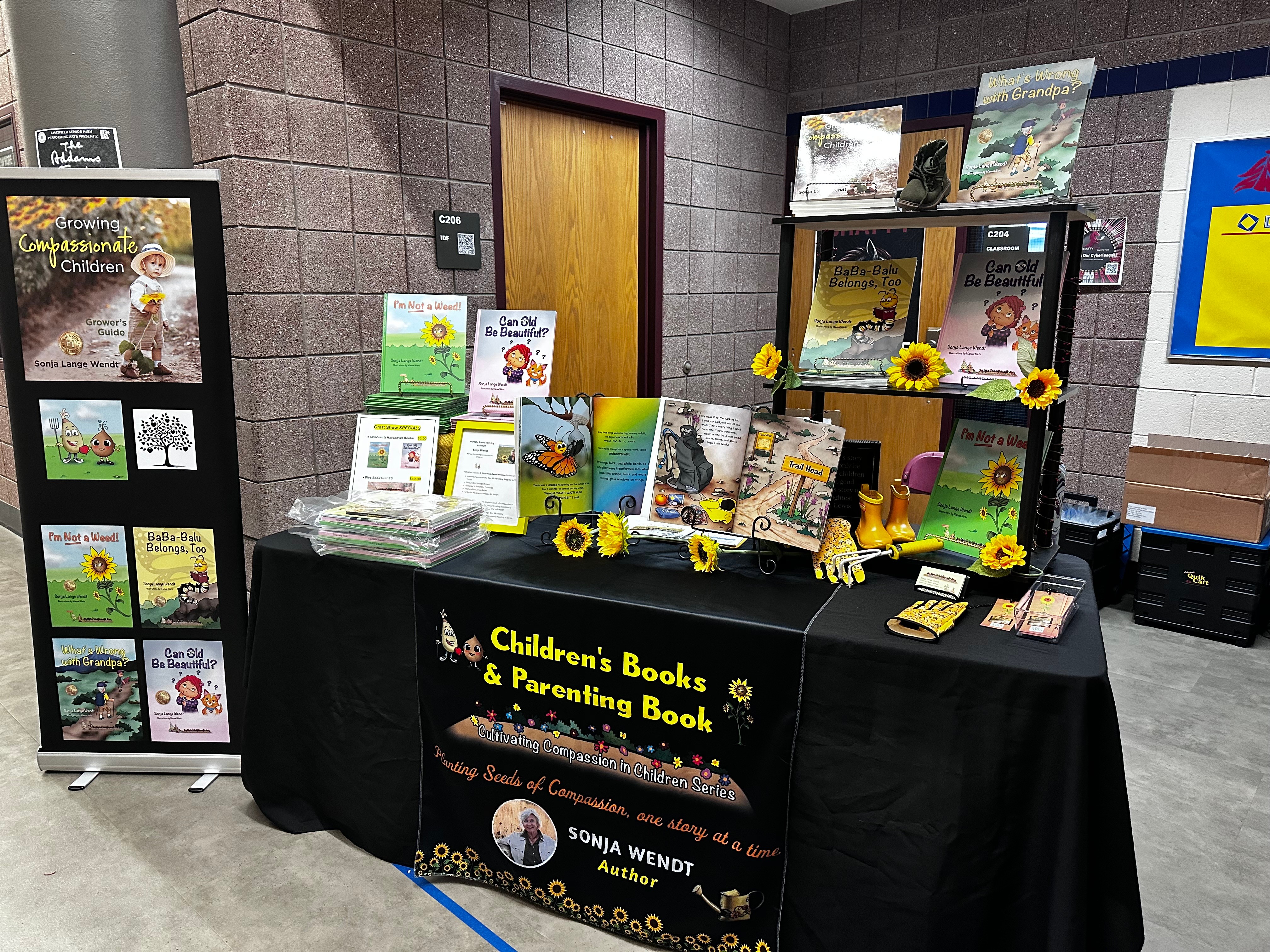
My name is Sonja Wendt and I am an author and speaker on my book series, Cultivating Compassion in Children. I have written 4 award winning children’s books and a 1st place award parenting book on the topic. My husband and I grow a large garden, so I applied the parallels of gardening and nature to raising compassionate children.
So, just what is compassion, anyway? I believe compassion is an awareness and understanding of another person’s suffering. There is also a strong motivation to alleviate the other person’s pain or misfortune. It is not just a feeling; it moves a person to take steps to help the person that is suffering.
Empathy on the other hand, is the ability to understand and connect with another person’s experience and walk in their shoes.
Compassion is empathy in action.
I never intended to be an author and was inspired by events that happened around me including seeing the negative and destructive impacts of social media on children, and misunderstandings by lack of communication and comprehension. My books address misunderstandings as people change through life passages to miscommunications on a playground or even in a garden or Colorado hiking trail. By becoming aware, we can become more compassionate, kind, and caring. What a great world it could be if we all felt we belonged and understood, saw our purpose in life, and felt the urge to reach out and connect to others.
My stories are intended to plant seeds of compassion one story at at time.
Great, so let’s dive into your journey a bit more. What breaks the bonds between people—and what restores them?
What breaks the bonds between people, I believe, is often miscommunication — when words are missed, misunderstood, or left unsaid. In addition, it is when a person in the bond isn’t patient or no longer feels the priority of the bond to take the time to nurture it.
What restores bonds between people is compassion, trust, honesty, and a willingness to truly listen. It takes time and a concentrated effort. When we speak with care, listen with compassion, and hear with our hearts, connection can find its way back.
What did suffering teach you that success never could?
Success has taught me confidence, incentive, drive, motivation, and self worth. But suffering has taught me compassion, resilience, gratitude, love, humility, community, perseverance, and a deeper understanding of what really matters in life.
I think our readers would appreciate hearing more about your values and what you think matters in life and career, etc. So our next question is along those lines. What’s a cultural value you protect at all costs?
One cultural value that I protect is respect, including showing reverence for the elderly, authority or position, and traditions. By respect, I mean recognizing and acknowledging the worth and significance of others. It means adhering to boundaries, laws, and guidelines even if you don’t agree with them. It involves treating others with kindness, compassion, considerations, and fairness, and acting in a way that honors their individuality and value. Respect also includes self-respect, which is the foundation for earning respect from others.
I believe in showing respect for the elderly who have wisdom and experience no book can provide. I love how some cultures highly regard their elders. The elderly have the knowledge of the past which is mixed with good and bad, providing education, personal stories, depth, and passion. It is about remembering and also learning from both achievements and mistakes — holding on to what grounded us and letting go of what misled us. It calls us to build upon the deep rooted foundation with sincere gratitude, discernment, and purpose.
Respect it honoring authority — not blindly, but consciously and deliberately with an understanding that order and guidance help communities thrive, acknowledging that many of those in authority are risking their lives for the betterment of the whole. Some believe that respect is earned. Others give people respect until it is abused. Respect may need to be earned if lost, but respect also is acquired through position or rank and then needs to be held to that level or the position itself will lose its level of authority. Respect for a position is often seen as a more formal or baseline respect, acknowledging the role’s function and authority, while respect for the person is earned through their actions, character, and how they treat others. Some people and generations tend to value positional respect, while others prioritize respect based on the person. I feel it is both. There are reason for positions, structure, and hierarchy but it is nothing without personal respect.
And respect is valuing tradition — the shared practices and beliefs that weave together generations and give us a sense of belonging and connection. It’s remembering, enjoying, sharing and bringing memories to the present to establish a strong future.
In summary, respect as a cultural value is essential fostering harmony, trust, and understanding among individuals, communities, and across generations, preserving the dignity of others and the wisdom of shared traditions, knowledge and experience.
Okay, we’ve made it essentially to the end. One last question before you go. When do you feel most at peace?
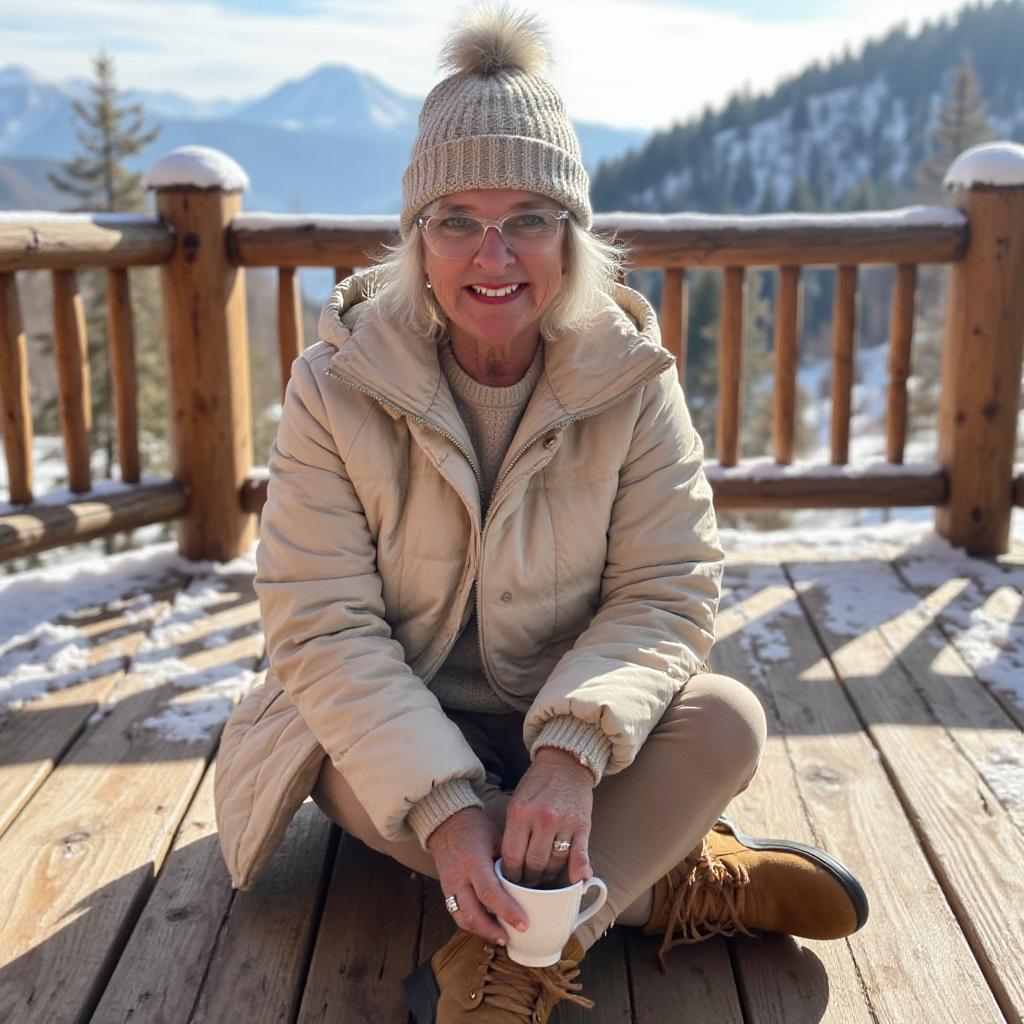
I feel most at peace in nature, surrounded by the quiet strength of the mountains and the beauty that asks for nothing in return. There’s something grounding about the presence of mountain wildflowers, autumn colors, and snow peaked mountains with crisp air and warming sunshine— steady, timeless, beautiful, and spectacularly created— that reminds me to slow down and breathe. When music joins that stillness, it feels like the rhythm of the earth itself, speaking to my soul. In those moments, with nature and melody intertwined, I feel both exhilarated and deeply connected — restored, centered, and at peace.
Contact Info:
- Website: https://sonjawendt.com/
- Instagram: https://www.instagram.com/skwendt/
- Linkedin: https://www.linkedin.com/in/sonjawendt/
- Facebook: https://www.facebook.com/sonjalangewendt/