


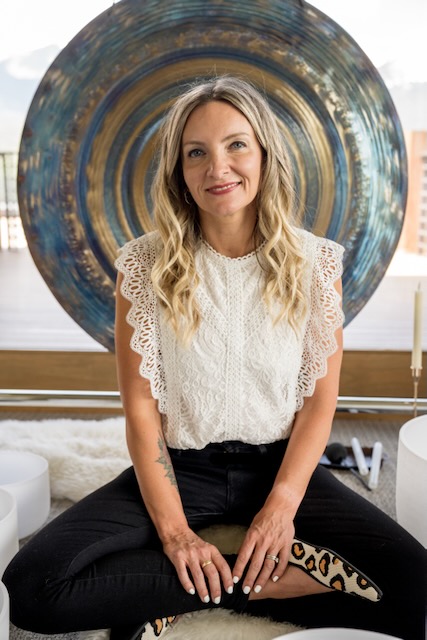
We recently had the chance to connect with Megan Rogers and have shared our conversation below.
Megan , we’re thrilled to have you with us today. Before we jump into your intro and the heart of the interview, let’s start with a bit of an ice breaker: What are you most proud of building — that nobody sees?
I have two things, and they’re related to the same time period and circumstances. One is my marriage, which nearly ended during my last stretch of drinking. The other is my business, actually. Over a decade ago, my husband and I had plans to leave Denver and move back to the east coast where he was working and commuting to and from Colorado. I closed my private practice (this was long before remote therapy was common!). I felt pretty untethered in an in-between state for nearly a year (we ultimately didn’t end up moving), and used drinking to cope quite a bit, then quite a bit more than that. Eventually, I got sober, which saved my marriage, and rebuilt my private practice almost from the ground up, which gave me purpose again.
Can you briefly introduce yourself and share what makes you or your brand unique?
Hi! I’m Megan Rogers, a Licensed Clinical Social Worker, coach, and nutritionist passionate about helping people reconnect with their wholeness. My work is grounded in the belief that healing happens through both science and soul. I blend traditional therapy with mindfulness, nervous system regulation, and nutrition for mental health, helping clients understand how what we eat, think, and feel are deeply interconnected.
In addition to my therapy practice, I also work as a Gray Area drinking coach, supporting people who want to change their relationship with alcohol without judgment or labels. Whether we’re exploring patterns with food, mood, or drinking, my goal is to help clients cultivate clarity, confidence, and compassion — and feel more at ease in their own skin.
Thanks for sharing that. Would love to go back in time and hear about how your past might have impacted who you are today. What did you believe about yourself as a child that you no longer believe?
That I cannot sing.
When did you stop hiding your pain and start using it as power?
Once I fully entered my recovery journey for decades-long eating disorder and alcohol addiction. I had already been in the mental health and coaching realms for years at this point, and held great shame and secrecy around my destructive behaviors and depression. It was so out of alignment with who I wanted to be and with the work I was doing with my clients, and that reality was really too hard for me to manage for a long time. Big surprise — the shame and secrecy only made things worse!
In my early months and years of recovery, it became clear that everything I’d gone through and done, even the worst and cringiest of it — all of it made me a better therapist. I know on a very real level what it’s like to be struggling in these ways when it looks like you have it together on the outside. And I know the pain that’s always under the surface of living, essentially, a double life, knowing you’re capable of so much more.
Alright, so if you are open to it, let’s explore some philosophical questions that touch on your values and worldview. What would your closest friends say really matters to you?
They do. I am a fiercely loyal friend and am so lucky to have so many wonderful people in my life — most of my closest friendships date back decades. They’d probably also say music, nature, and dogs.
Okay, so let’s keep going with one more question that means a lot to us: When do you feel most at peace?
Outside. I love being outside more than most places, be it the mountains or the beach or a forest. Nature reminds me to slow down, breathe deeply, and come back to myself. It also helps me feel connected with something much greater than myself, and I need those reminders often!
Contact Info:
- Website: https://www.megan-rogers.com
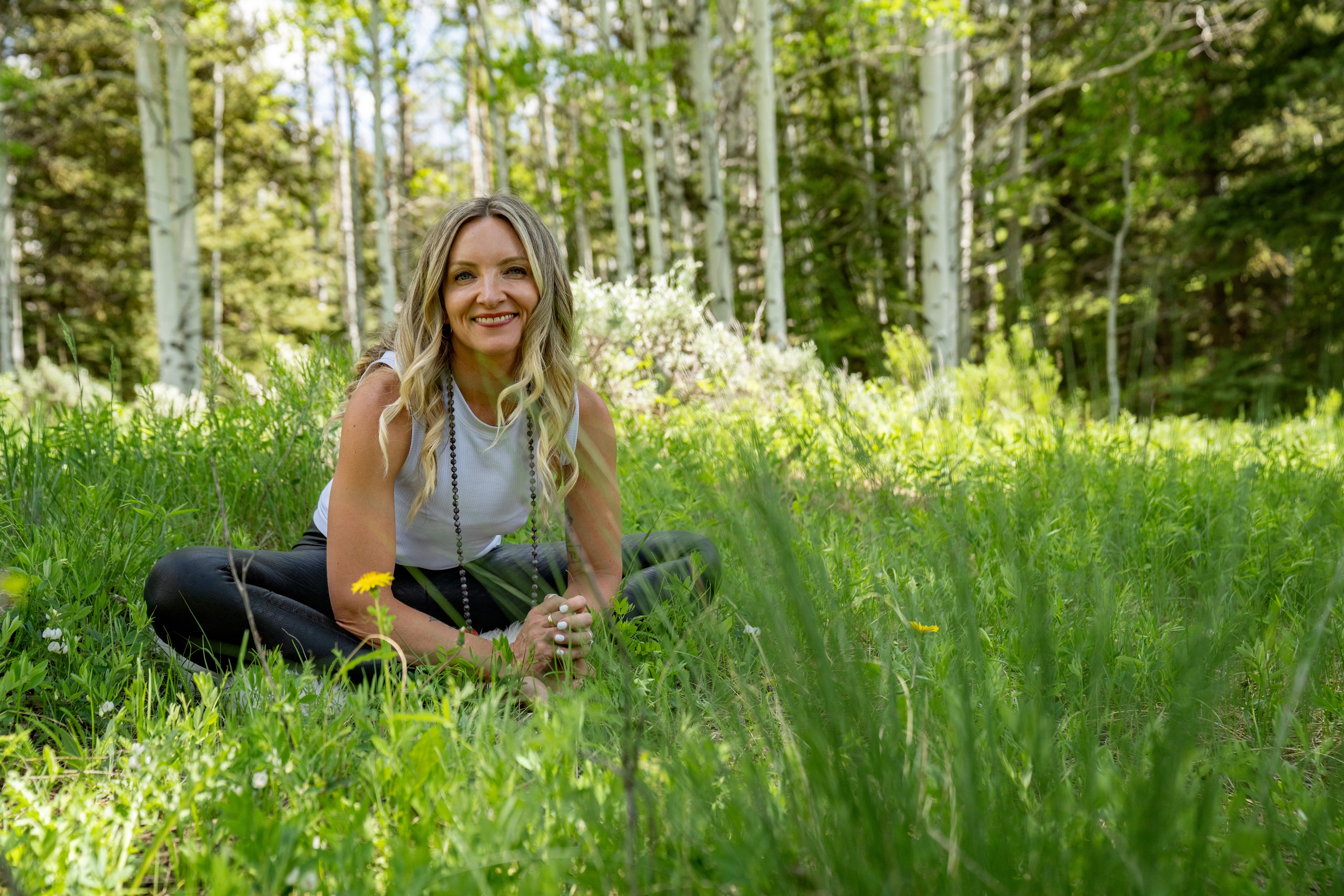
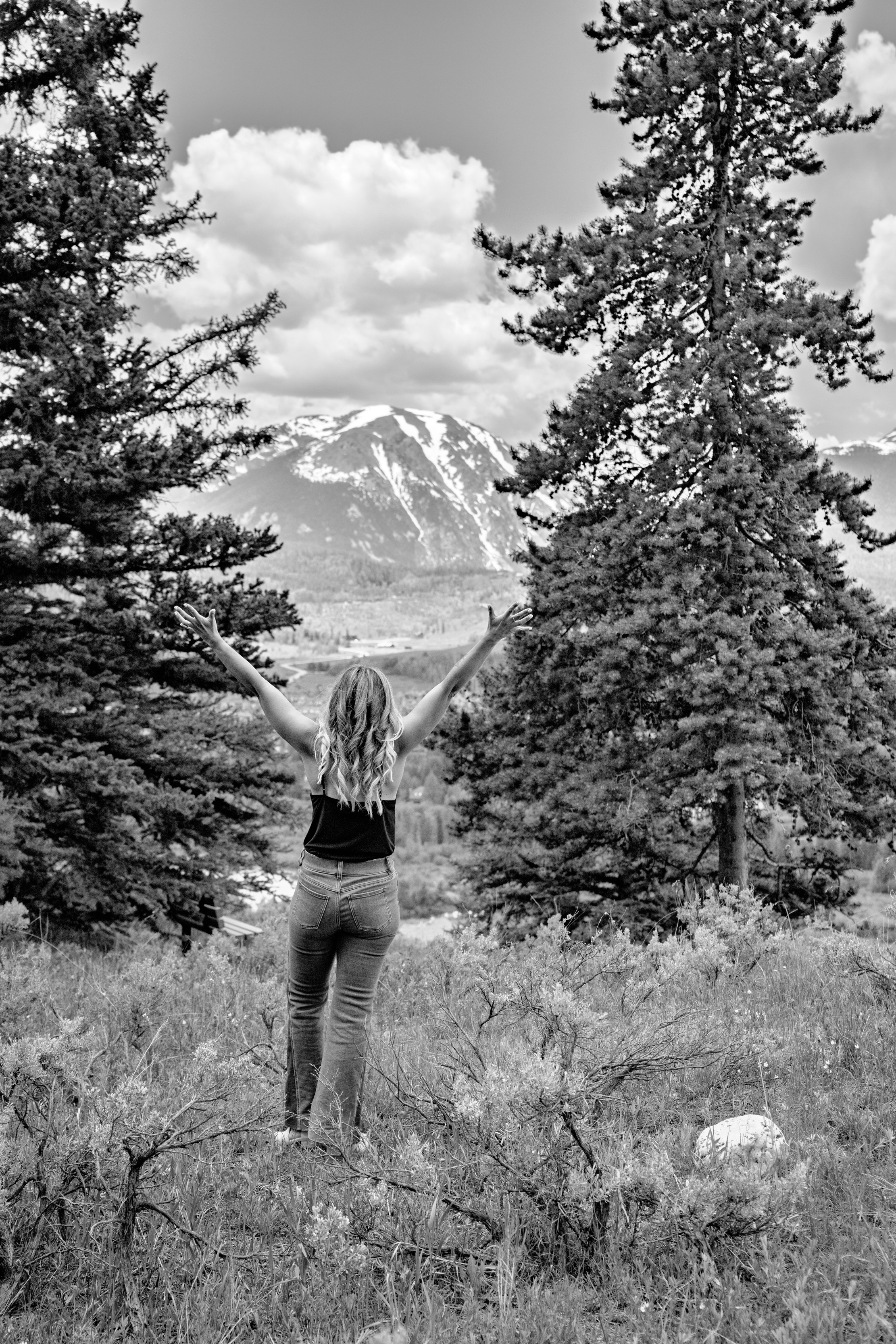
Image Credits
All photos by Britt Nemeth