

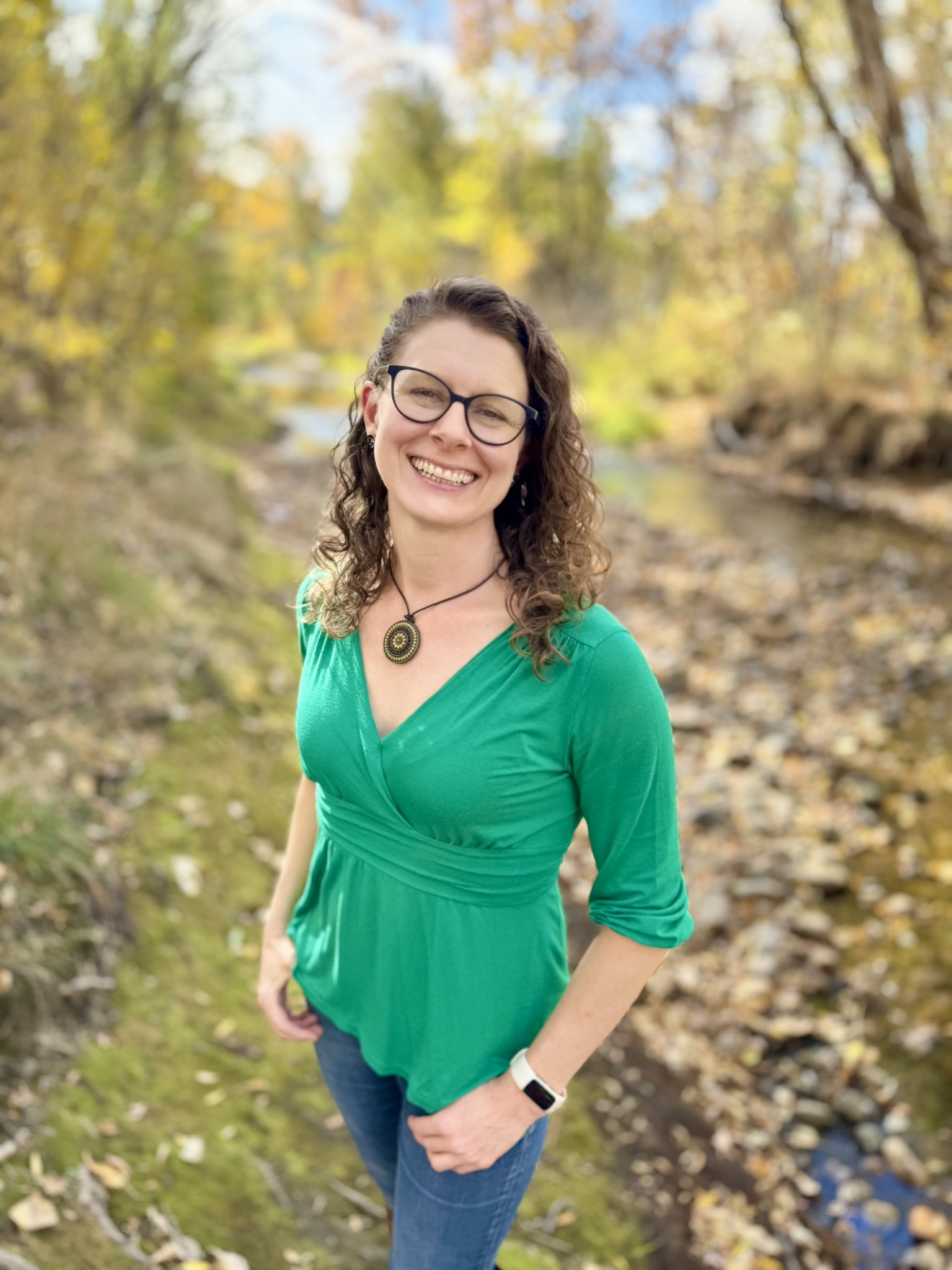
Becky Howie, MA, LPC shared their story and experiences with us recently and you can find our conversation below.
Hi Becky, thank you for taking the time to reflect back on your journey with us. I think our readers are in for a real treat. There is so much we can all learn from each other and so thank you again for opening up with us. Let’s get into it: What are you being called to do now, that you may have been afraid of before?
I feel deeply called to help women with ADHD — especially those who, like me, didn’t realize they had it until adulthood. For a long time, I didn’t see my own ADHD clearly because it didn’t look like my brothers’; it wasn’t until perimenopause amplified my symptoms that everything finally clicked into place. That experience opened my eyes to just how often women are overlooked or misdiagnosed, and how much of our struggle happens silently.
So many of us learn to mask our ADHD from a young age — to push through, overcompensate, and hide our chaos behind competence. By the time we finally recognize what’s been happening, years of shame and self-blame have already taken root.
Now, my work is about helping women with ADHD find a sense of understanding and ease they may never have felt before. I want them to know that nothing about them is “lazy” or “broken” — their brains just work differently. And together, we can untangle those old stories and build a life that finally feels aligned with who they truly are, not who they thought they were supposed to be.
Can you briefly introduce yourself and share what makes you or your brand unique?
I’m the founder of NatureWise Counseling, LLC, a private therapy and coaching practice where I specialize in helping ADHDers, Highly Sensitive People (HSPs), and individuals living with chronic pain. My approach blends traditional, evidence-based therapies — like CBT, DBT, and executive function coaching — with mindfulness and nature-based techniques to support nervous system regulation and emotional well-being.
What makes my work unique is that I don’t just understand these struggles clinically — I’ve lived them. As both an HSP and an ADHDer myself, I know what it’s like to move through a world that doesn’t always accommodate how our brains and bodies work. That personal insight allows me to connect with clients in a way that’s deeply compassionate and validating.
Nature has always been my grounding force, offering clarity and calm when life feels chaotic. That’s why I pursued a degree in Wilderness Therapy — to help others experience the same healing and balance I’ve found in the natural world. My goal is to help clients reconnect with their own inner wisdom and find practical, heart-centered ways to thrive in the world.
Okay, so here’s a deep one: What did you believe about yourself as a child that you no longer believe?
When I was younger, I truly believed that something was wrong with me. I didn’t know I had ADHD or that I was a Highly Sensitive Person yet — I just knew that life seemed harder for me than it did for everyone else. Things that others handled with ease often left me overwhelmed or exhausted, and no matter how hard I tried, I always felt like I was having to put in extra effort to keep pace with the world around me.
Now I understand that my brain is simply wired differently. Being an HSP with ADHD means I experience the world more intensely — in both beautiful and challenging ways. I’ve learned that I was never broken; the world just wasn’t built with my neurodivergent brain in mind. It was designed for neurotypicals, and I was trying to fit into a mold that wasn’t meant for me.
That realization changed everything. Today, I help others make that same shift — from self-blame and shame to self-understanding and empowerment. Once you learn how your brain actually works, you can stop fighting against societal expectations of how you’re “supposed to” be, and start building a life that honors who you really are.
When did you stop hiding your pain and start using it as power?
Perimenopause tore down the last of the masks I didn’t even realize I was still wearing. It forced me to face my experience head-on and finally acknowledge that what I was going through was real and valid. I felt completely blindsided, because it’s not generally talked about in polite society. Many women get to their 40’s and have heard nothing more about perimenopause than hot flashes. Most of us didn’t know that it can make you question your own sanity, or that we’d be dismissed and gaslit by doctors who told us it’s “all in your head.”
As I started learning everything I could about both perimenopause and ADHD, I realized how many women were quietly struggling with the same things — feeling misunderstood, unheard, and alone. So I started talking about it openly. At first, it was just to help the women around me feel less isolated, but it quickly became something bigger. I wanted to normalize these conversations, to give other women permission to take off their masks too — to stop hiding their pain and see that there’s nothing shameful about what they’re experiencing.
Now, I see that openness as part of my purpose. Sharing my story helps destigmatize what literally HALF the population goes through and helps others feel seen, validated, and empowered to do the same.
Next, maybe we can discuss some of your foundational philosophies and views? What’s a belief or project you’re committed to, no matter how long it takes?
I’m deeply committed to the belief that everyone is deserving of love and support — exactly as they are. Too often, people who don’t fit the mold of how society says we “should” look, act, or operate end up feeling like there’s something wrong with them. Part of my work as a therapist is helping people understand their unique wiring and learn to embrace it, rather than fight against it.
For some, that might mean a little education about ADHD or high sensitivity — the kind of knowledge that instantly brings relief and self-compassion. For others, it’s a deeper process of untangling years of shame and misunderstanding. So many of my clients were never taught how their brains actually work, and instead spent their lives trying to fit into systems that weren’t designed for them.
No matter how long it takes, I want to help people find that acceptance of themselves — to know, deep down, that they are worthy of love, respect, and understanding.
Thank you so much for all of your openness so far. Maybe we can close with a future oriented question. What is the story you hope people tell about you when you’re gone?
I hope people remember me as someone who truly cared — someone who helped others feel seen, supported, and capable of building better lives for themselves. More than anything, I want to be remembered for making a difference in people’s lives, even in small ways.
If the story people tell about me is that I helped them feel understood, or a little less alone in the world, then I’ll know I did what I was meant to do.
Contact Info:
Image Credits
Lucy Mull, Kristina Benson, Callie Maron