

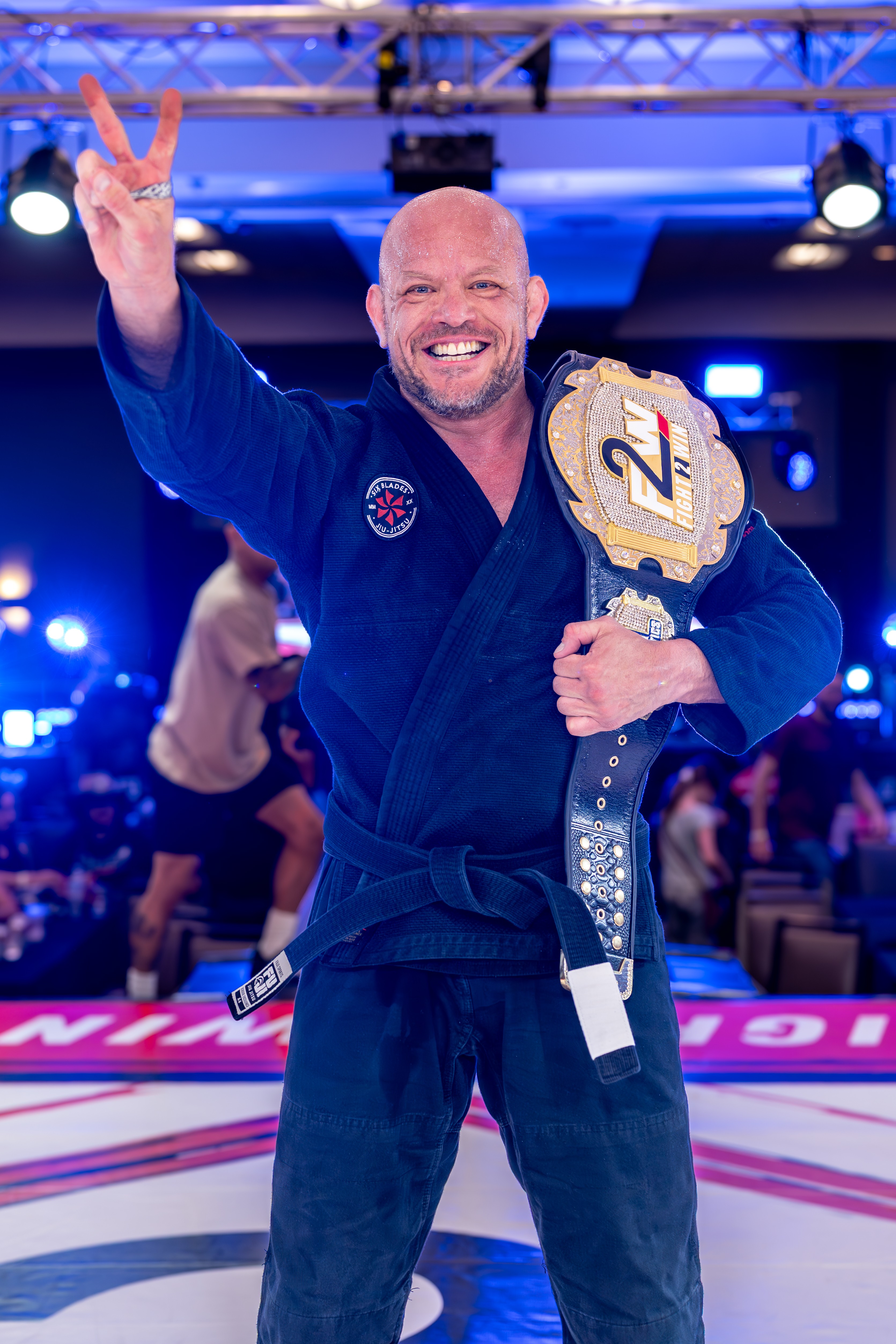
We recently had the chance to connect with rodrigo antunes and have shared our conversation below.
rodrigo, it’s always a pleasure to learn from you and your journey. Let’s start with a bit of a warmup: What’s more important to you—intelligence, energy, or integrity?
For me, intelligence, energy, and integrity are all essential — and I honestly don’t see them as separate. They’re qualities that build and balance each other, just like the principles we live by in Jiu-Jitsu.
In Jiu-Jitsu, intelligence isn’t about how much you know, it’s about how you apply what you know. I’ve seen very talented athletes struggle because they try to force everything, while others — maybe smaller or less experienced — use awareness and strategy to overcome any challenge. That kind of intelligence comes from humility, from being open to learn every single day.
Energy, for me, is the fuel behind everything. It’s not just physical — it’s emotional, spiritual, and contagious. When I walk into the academy, I try to bring the same positive energy I want my students to feel. I believe the energy of a team, of a room, changes everything. It’s what keeps you going after a tough loss, or when you’re tired and still choose to show up.
And integrity is the heart of it all. It’s what defines your character when no one’s watching. In martial arts, we bow, we shake hands, we respect the process — not because someone’s making us, but because it’s part of who we are. Integrity is teaching what you believe in, leading by example, and keeping your word — even when it’s not easy.
So to me, intelligence, energy, and integrity are not just traits — they’re values that I try to live and teach every day. Together, they shape who we are as martial artists and as human beings.
Can you briefly introduce yourself and share what makes you or your brand unique?
My journey in martial arts started when I was 4 years old. In Brazil, back then, it was common for boys to do judo, swimming, and soccer — and since the club was right across the street from my house, that’s where I began. I competed in judo a few times, but when I was 8, I discovered Jiu-Jitsu, and that’s when something really clicked.
My family was close friends with the Gracies. We had a house in the mountains near the famous Gracie Ranch, and I still remember Carlson and Carley Gracie spending Sundays at our home, playing cards and dominoes with my parents. I had no idea at the time that they were legends — to me, they were just family friends who laughed a lot and loved being together. My father was a doctor, and I remember how fascinated he was by their discipline, lifestyle, and the Gracie diet. Those early memories stayed with me.
When I was 15, I started helping with kids’ classes — that’s when I realized how much I loved teaching. At 22, when I earned my black belt, I opened my first Jiu-Jitsu school in downtown Rio de Janeiro, focused on executives. Teaching there was a special experience — it showed me how Jiu-Jitsu could change people’s lives far beyond the mats.
I’ve always tried to live a balanced life — I played different sports, learned languages, traveled, studied, and even completed a master’s degree. But in my mid-30s, I felt a strong calling to teach Jiu-Jitsu full-time. It wasn’t just something I did anymore — it was part of who I am.
A few years later, my wife and I decided to move to America to follow a bigger dream. Today, we’re living that dream together — teaching, raising our family, and building a community.
What makes our academy special isn’t just the quality of the training — it’s the sense of family. We teach kids, adults, and families, but what really inspires me is seeing people grow in confidence, character, and kindness through Jiu-Jitsu. I truly believe that the lessons we learn on the mat — respect, resilience, humility — carry into every part of life.
Okay, so here’s a deep one: Who were you before the world told you who you had to be?
Who was I before the world told me who I had to be? That’s a great question — and honestly, it makes me smile, because I grew up in a generation that was expected to follow a pretty clear path. You were supposed to go to good schools, get a college degree, find a stable job with a big company or in government, and stay there until retirement to guarantee a good pension. That was the “safe” plan.
But the world changed — and so did the meaning of success. Today, if you stay in the same place too long, it almost seems unusual. I believe it’s the mix of experiences, the ability to adapt and grow in different environments, that truly makes us unique.
Even though my parents were somewhat traditional, they always encouraged me to explore. They pushed me to travel, to learn new things, and to stay curious about the world. Both my parents were very influential in my life. My father was a doctor — extremely disciplined — and even in his 60s and 70s, I remember him studying constantly to stay up to date. That image stayed with me.
My mother worked in finance, and she was the one who inspired my initial journey in the corporate world. Before fully dedicating myself to Jiu-Jitsu, I spent years working in business and finance, which gave me a strong foundation in organization, communication, and leadership — skills that I still use every day to run my academy and guide our team.
As a kid, I didn’t want to be a doctor — I wasn’t exactly passionate about chemistry — but I admired my father’s dedication. When you’re young, you think that once you finish college, you’re done learning. But I discovered that real education begins when the formal one ends.
It’s the same in martial arts. Many people chase the black belt as if it’s the finish line. For me, it was the opposite. After nearly 30 years as a black belt, I can finally say that around the 20-year mark, I started to really understand Jiu-Jitsu. That’s when things started to make sense on a deeper level — the timing, the philosophy, the connection between mind and body.
And still, I keep learning — attending business conferences to improve how we serve our students, taking seminars, studying instructionals, visiting friends’ academies, and constantly refining my teaching.
It’s funny — I used to watch my dad studying late into the night and think, “Why is he still doing that?” Now I completely understand him. The pursuit of knowledge never really ends — it just evolves.
If you could say one kind thing to your younger self, what would it be?
If I could say one kind thing to my younger self, I think it would actually be a few things — different pieces of advice for different phases of life.
To my younger self as a child, I’d say: play more. Don’t be in such a hurry to grow up or take things so seriously. Enjoy those simple moments — they pass quickly.
To my teenage self, I’d say: listen to your parents more. At that age, we think we know everything, but looking back, I realize how much wisdom and love were behind their words.
To my adult self, I’d say: find good mentors. Having people who can guide you, challenge you, and help you see from a different perspective makes all the difference. I’ve been very fortunate to have great mentors in both business and martial arts, and their guidance shaped the person and teacher I’ve become.
And to myself at all ages, I’d add something simple but important — stretch more and drink more water. (laughs) It’s funny how those small habits make such a big difference in how we feel, move, and age gracefully.
Life has taught me that resilience isn’t just about pushing through hard times — it’s about staying curious, humble, and kind to yourself along the way.
Alright, so if you are open to it, let’s explore some philosophical questions that touch on your values and worldview. What’s a belief or project you’re committed to, no matter how long it takes?
One of the biggest commitments in my life is something I didn’t even choose for myself at first — my parents made it for me. It was about diet and health. My father was an endocrinologist and diabetic, so from an early age, our home had very strict habits around food. We didn’t grow up eating sugar, soda, or snacks, and fast food was simply not an option. Most of our meals were homemade, balanced, and eaten together as a family.
There was also a simple but powerful rule in our house: you had to eat whatever was offered. That might sound strict, but it taught me something important — to be open, to try new foods, to experience different flavors, and to appreciate variety.
Those habits from childhood shaped how I see health and discipline today. They made me curious about nutrition and mindful about what I put into my body. Over time, I realized how much our energy, focus, and even emotions are connected to how we fuel ourselves.
As I got older — especially as an athlete and instructor — I truly understood that we have to put the right “gasoline” in our bodies, whether it’s for high performance, general health, or simply longevity with quality. It’s a lifelong commitment.
For me, it’s not about perfection — it’s about awareness, balance, and respect for the body that carries us through everything we do.
Okay, so before we go, let’s tackle one more area. What false labels are you still carrying?
Before Jiu-Jitsu became popular around the world, being a black belt carried a certain myth around it. In my early years, I looked at my instructors as almost superhuman — perfect, unshakable, incapable of making mistakes. To me, a Jiu-Jitsu black belt wasn’t just a rank; it was a symbol of perfection.
But as I grew older, I began to see things differently. I got to know my teachers beyond the mats — their challenges, their personal stories, their human side. I realized they were made of bone like anyone else — strong, but also vulnerable. They weren’t superheroes; they were human beings doing their best, just like the rest of us.
When I started winning tournaments and building my own reputation, I noticed that some of my students began to look at me the same way I once looked at my instructors — as if I couldn’t make mistakes. And that’s a false label I’ve worked hard to let go of.
I’m not perfect — and I don’t want to be seen that way. I want my students and my community to know that I’m real, that I make mistakes, that I’m constantly learning and growing just like them.
What I hope to leave behind isn’t an image of perfection, but a legacy of authenticity — someone who lived with integrity, shared his knowledge, stayed curious, and cared deeply about people.
Contact Info:
- Instagram: @rodrigoantunesbjj
- Youtube: https://youtube.com/@rodrigoantunes
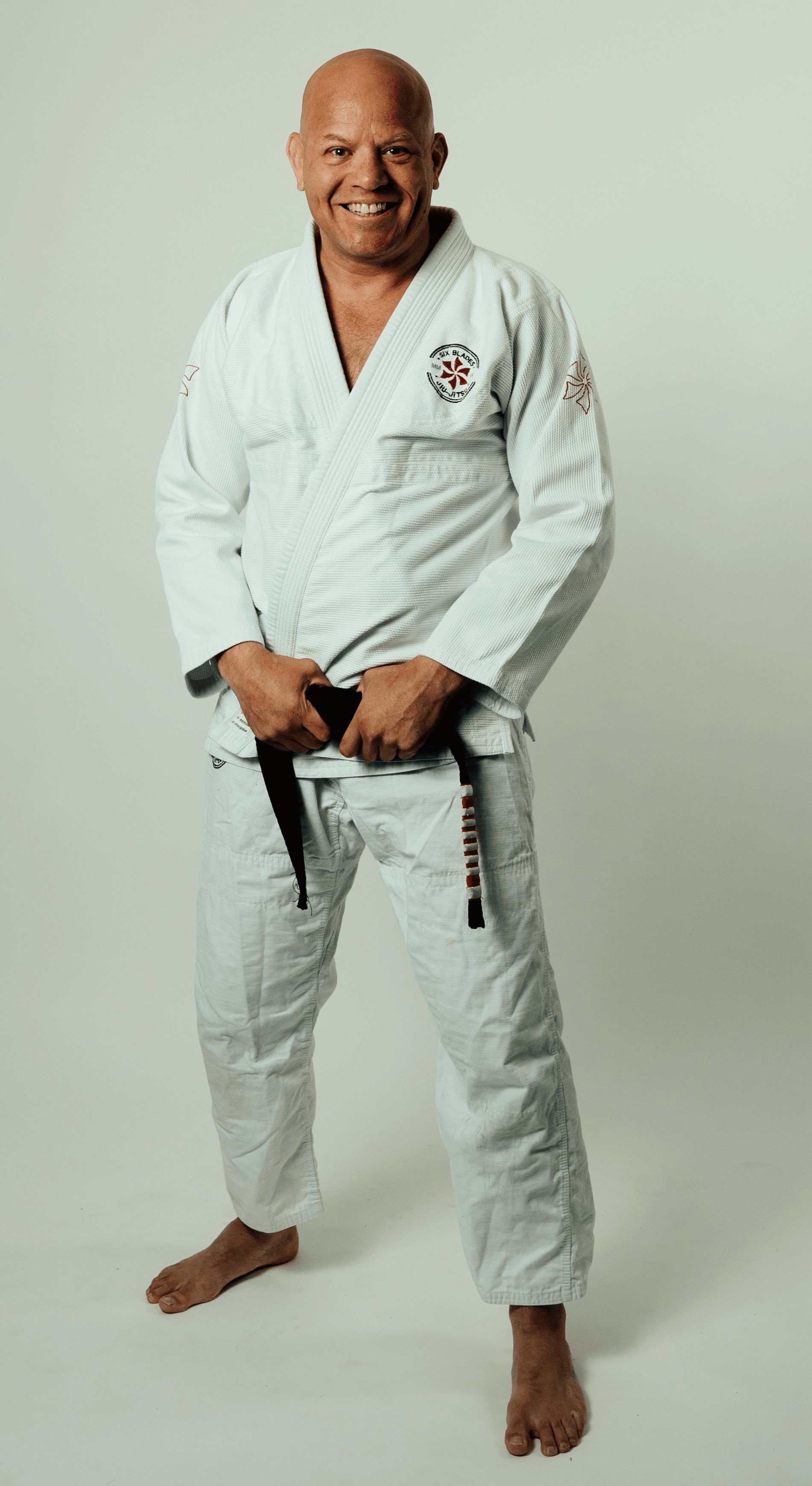
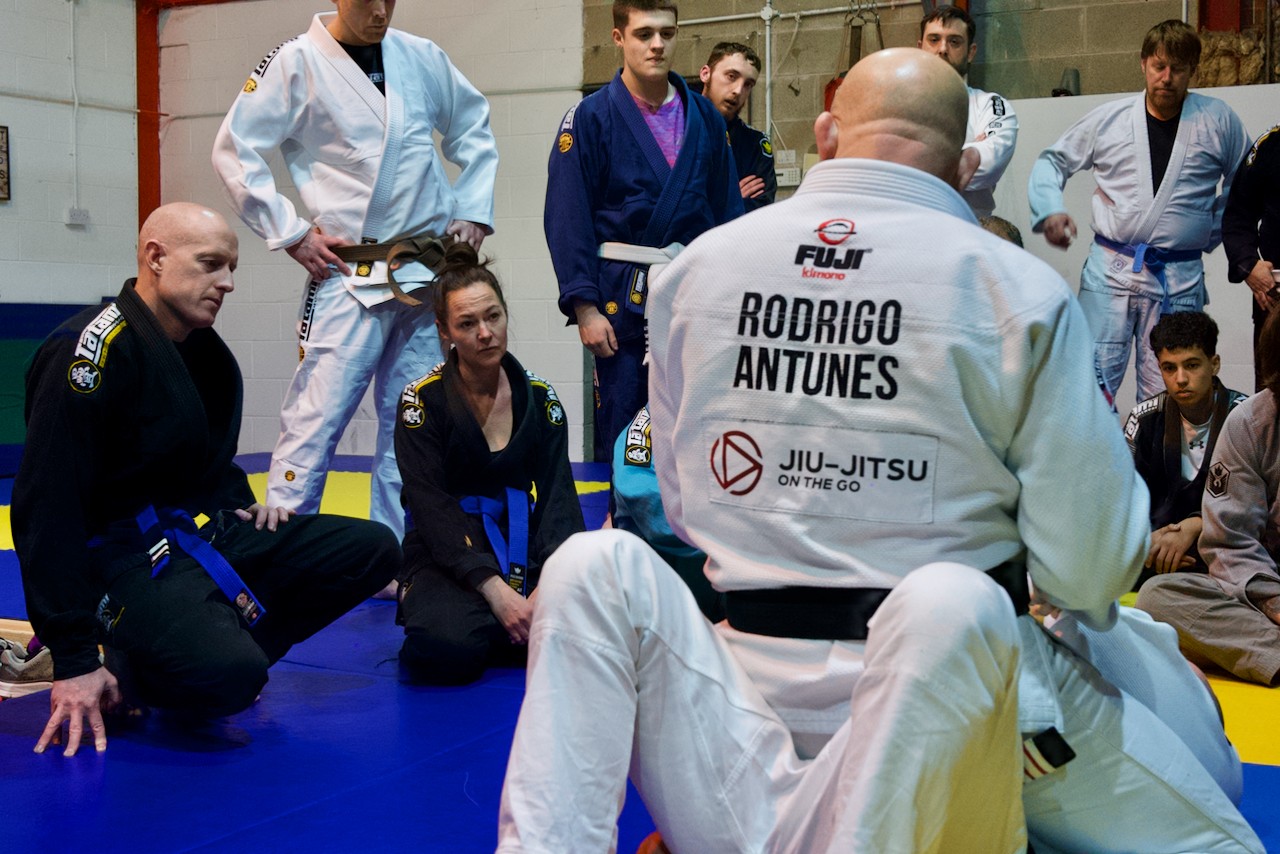
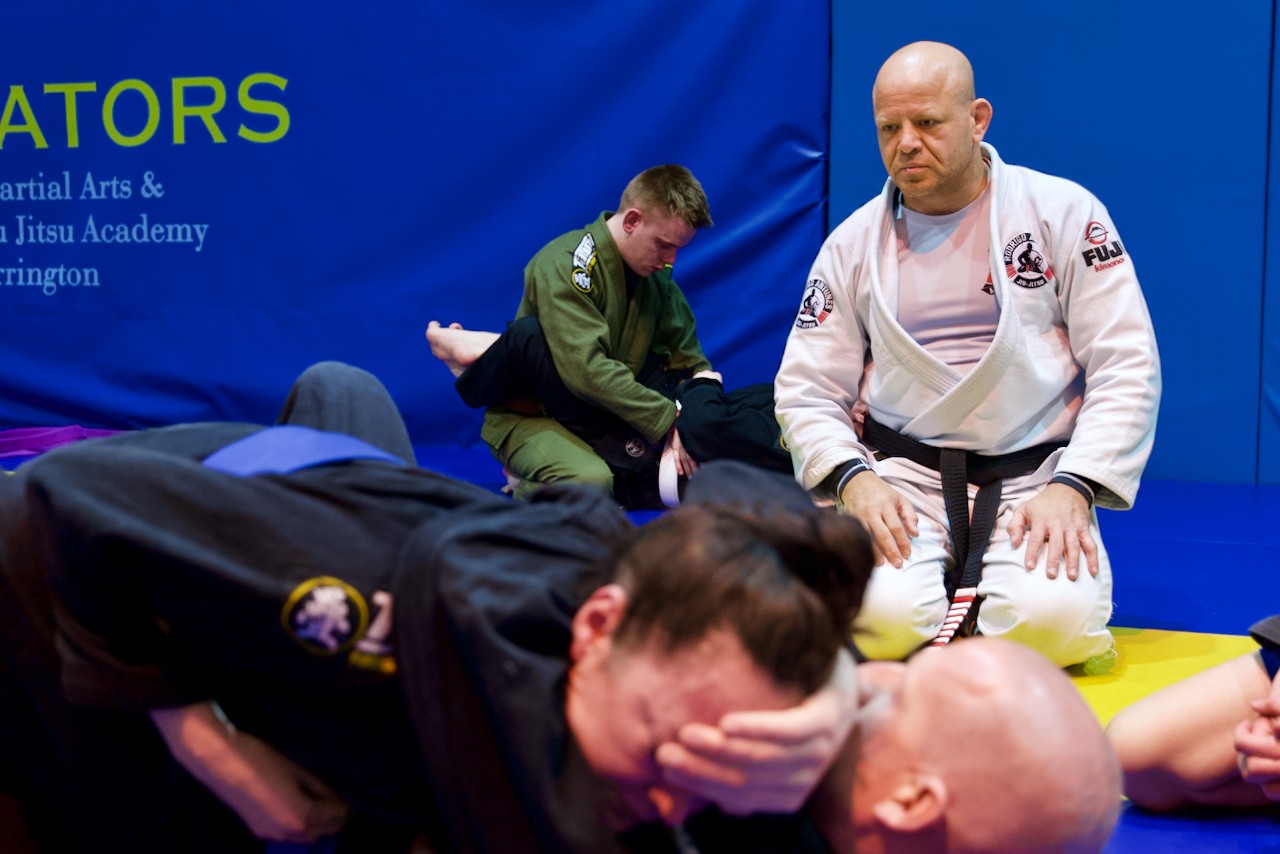
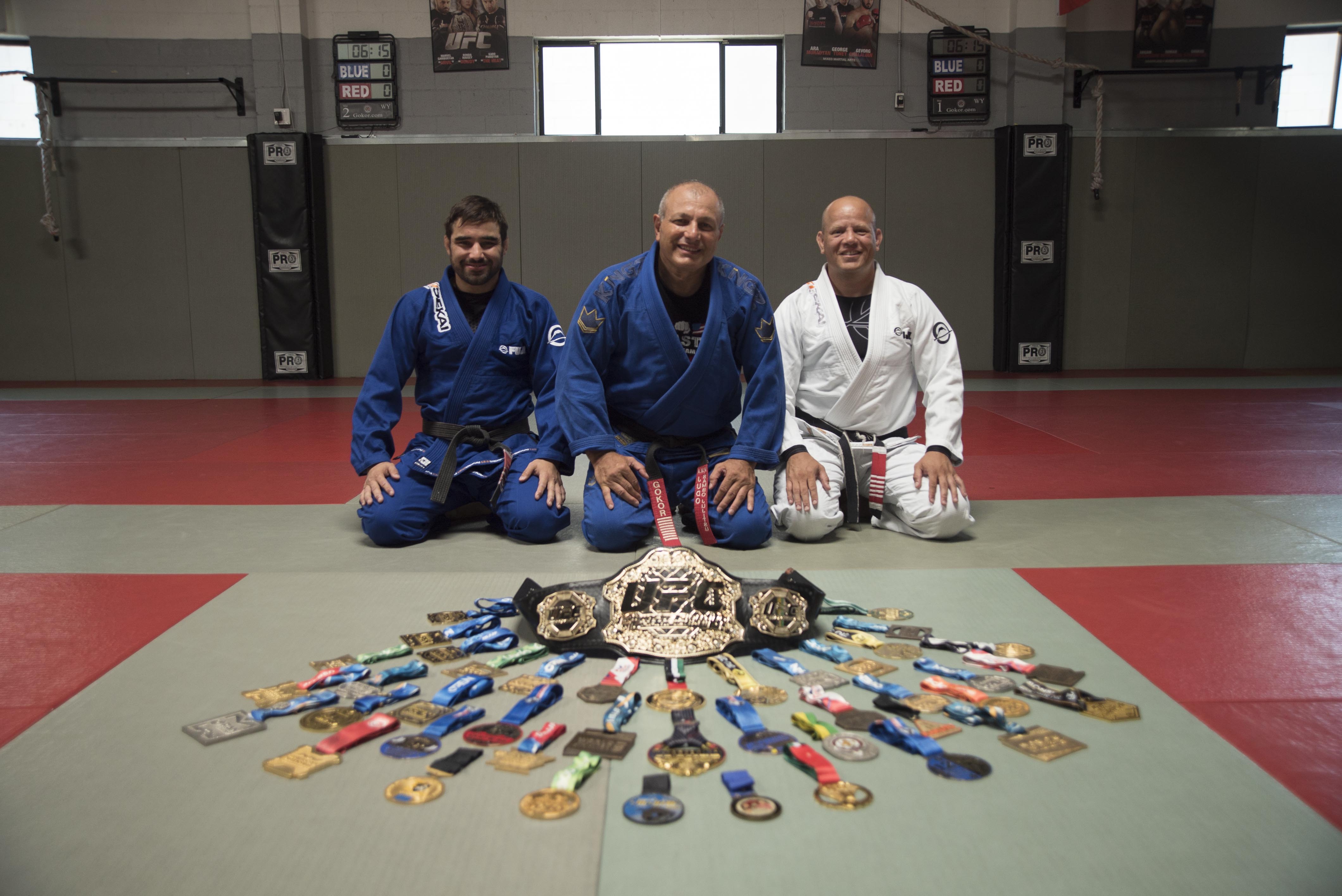
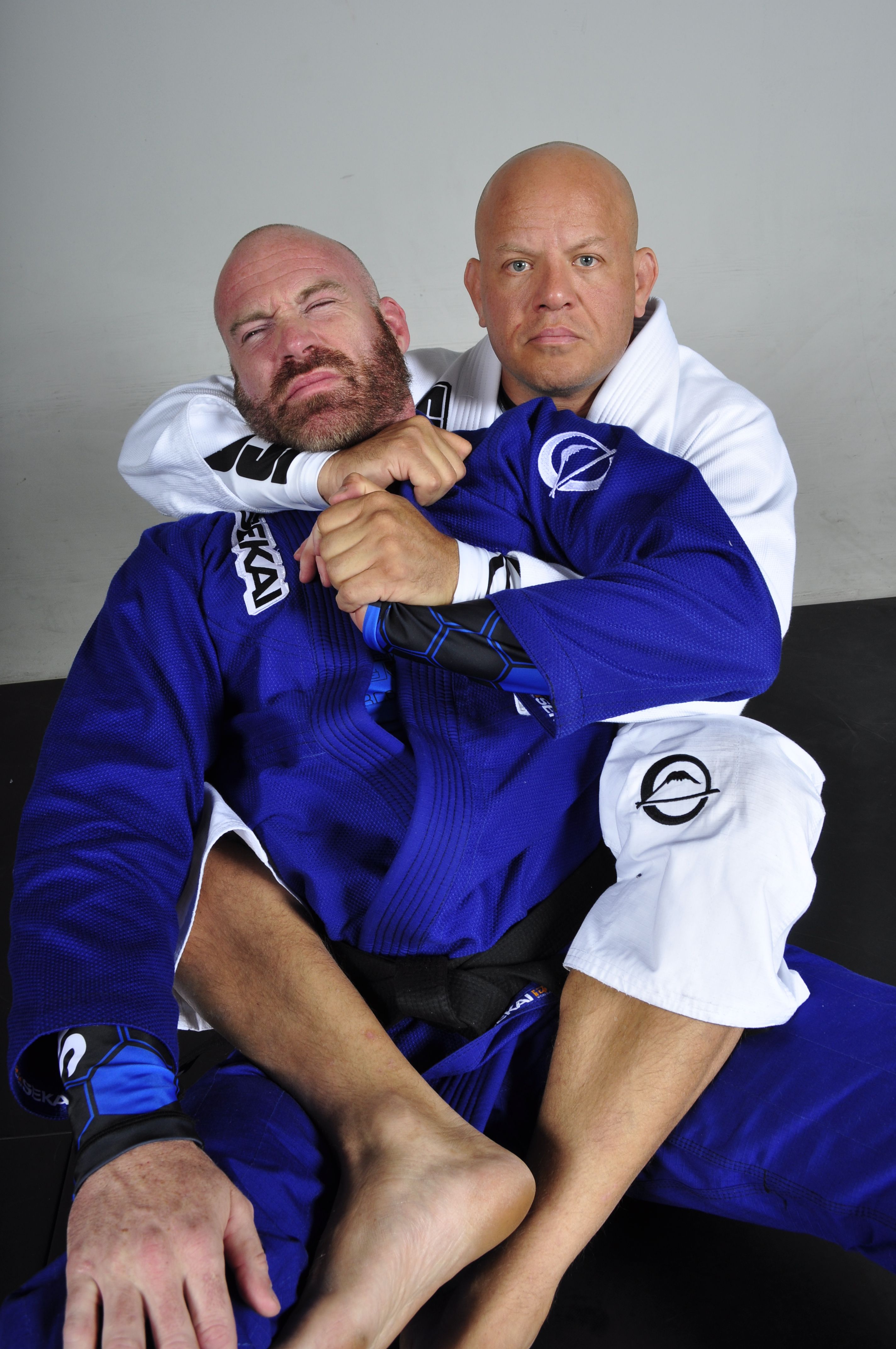
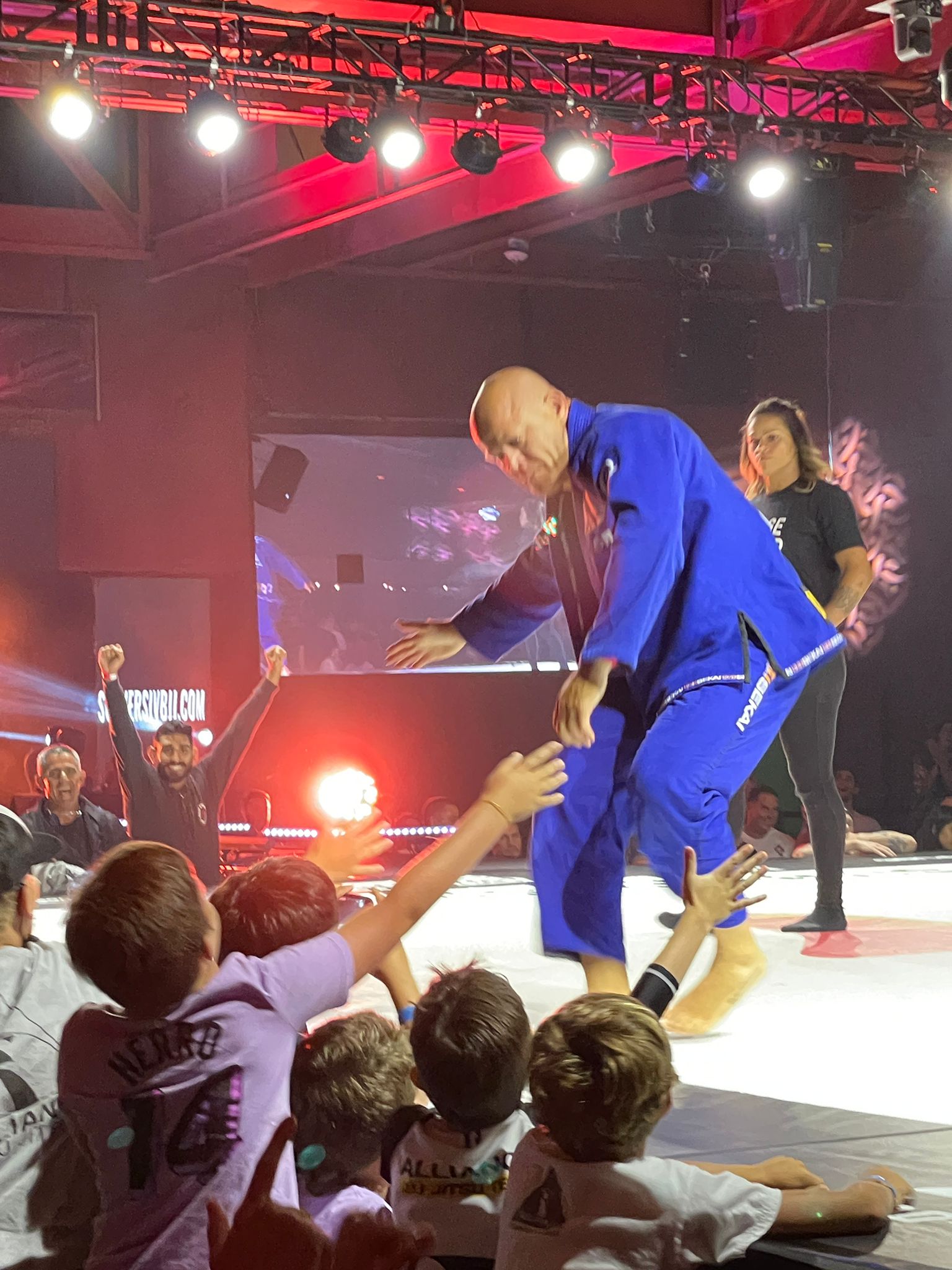
Image Credits
personal library