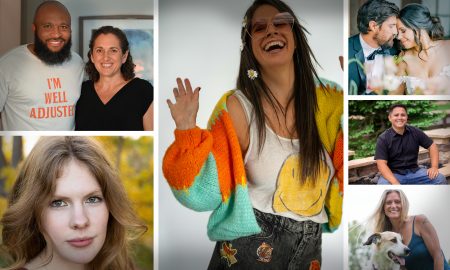



We recently had the chance to connect with Parker McMullen Bushman and have shared our conversation below.
Hi Parker, thank you so much for taking time out of your busy day to share your story, experiences and insights with our readers. Let’s jump right in with an interesting one: When was the last time you felt true joy?
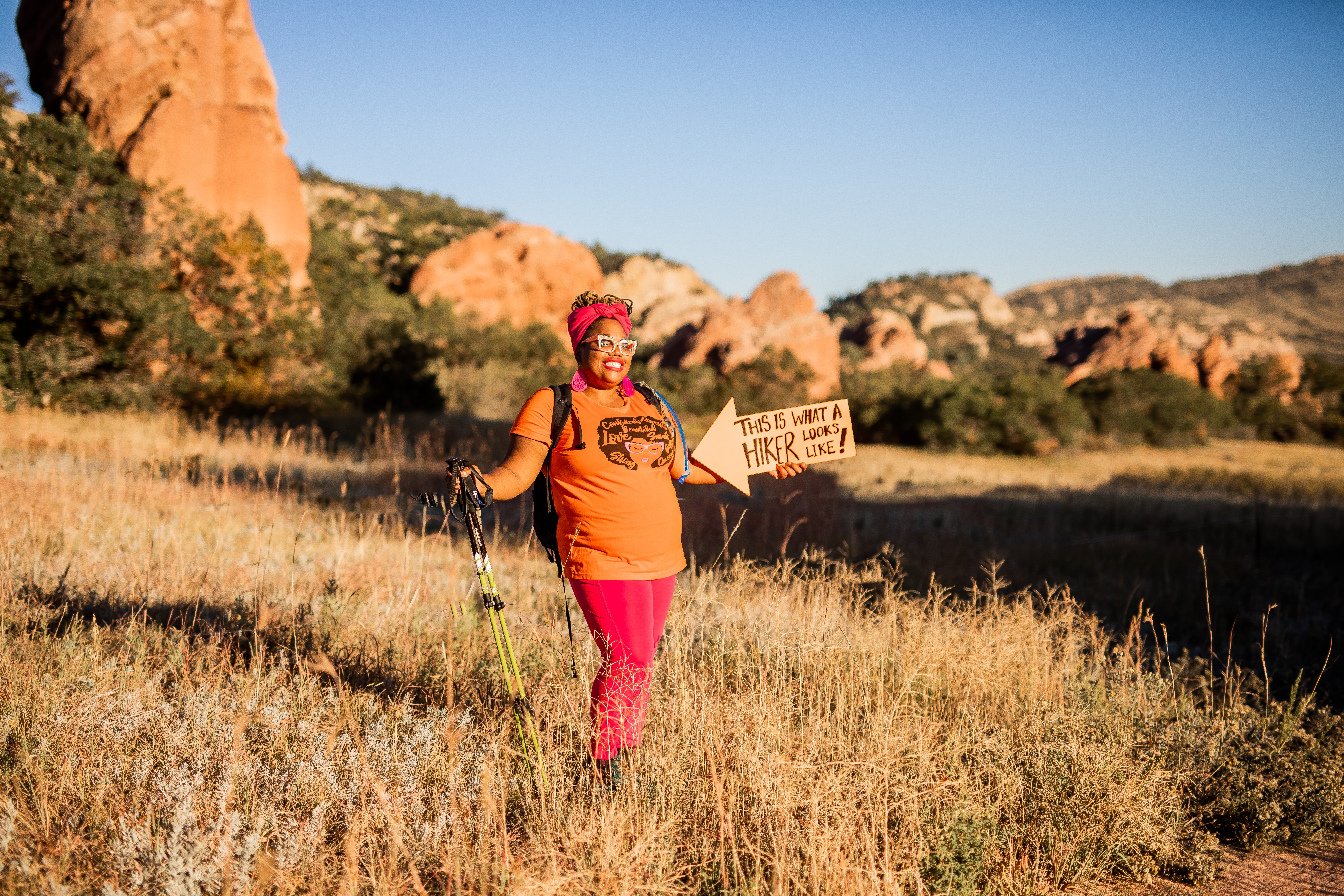
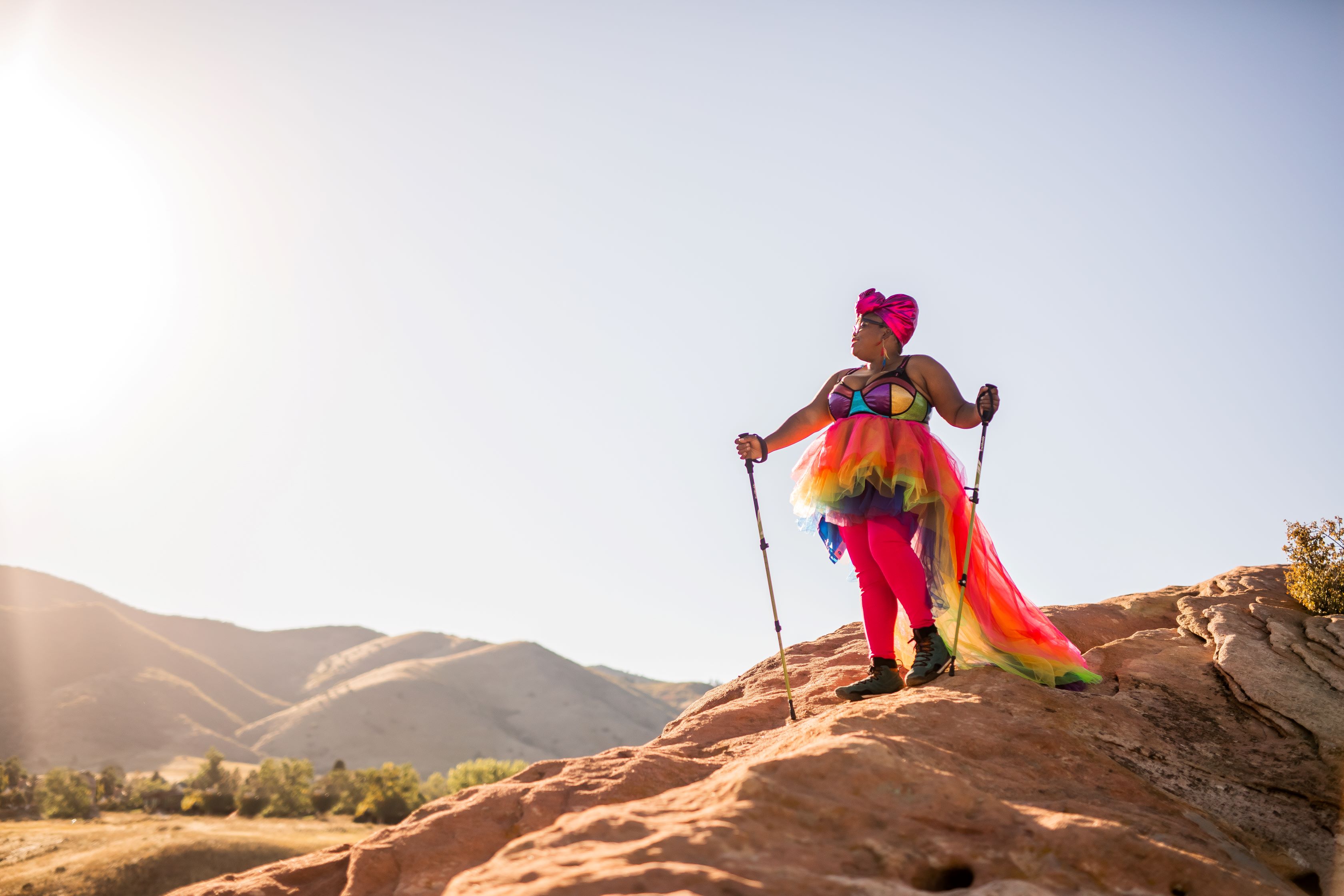
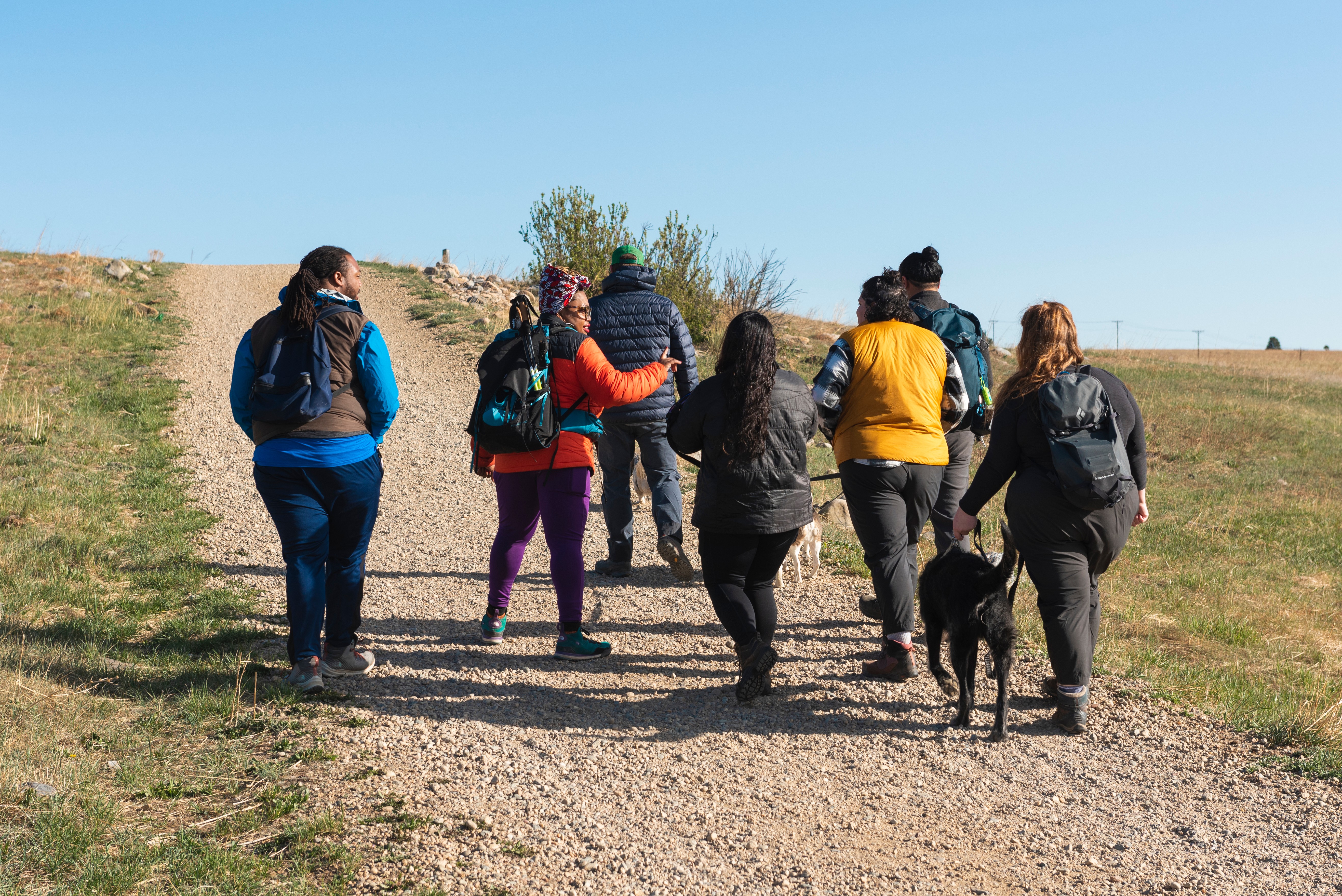
The last time I felt true joy was when I led a hike for residents at a local homeless shelter. The group was made up of queer and trans individuals, and we intentionally chose a trail that was physically accessible so everyone could participate. Watching people who often face exclusion and instability find peace, laughter, and belonging in nature was profoundly moving. There was this moment when we all stopped to sit by the lake, and I could feel the collective exhale — a reminder that joy and healing are everyone’s birthright. For me, that day wasn’t just about the hike; it was about creating a space where people could feel safe, seen, and free.
Can you briefly introduce yourself and share what makes you or your brand unique?
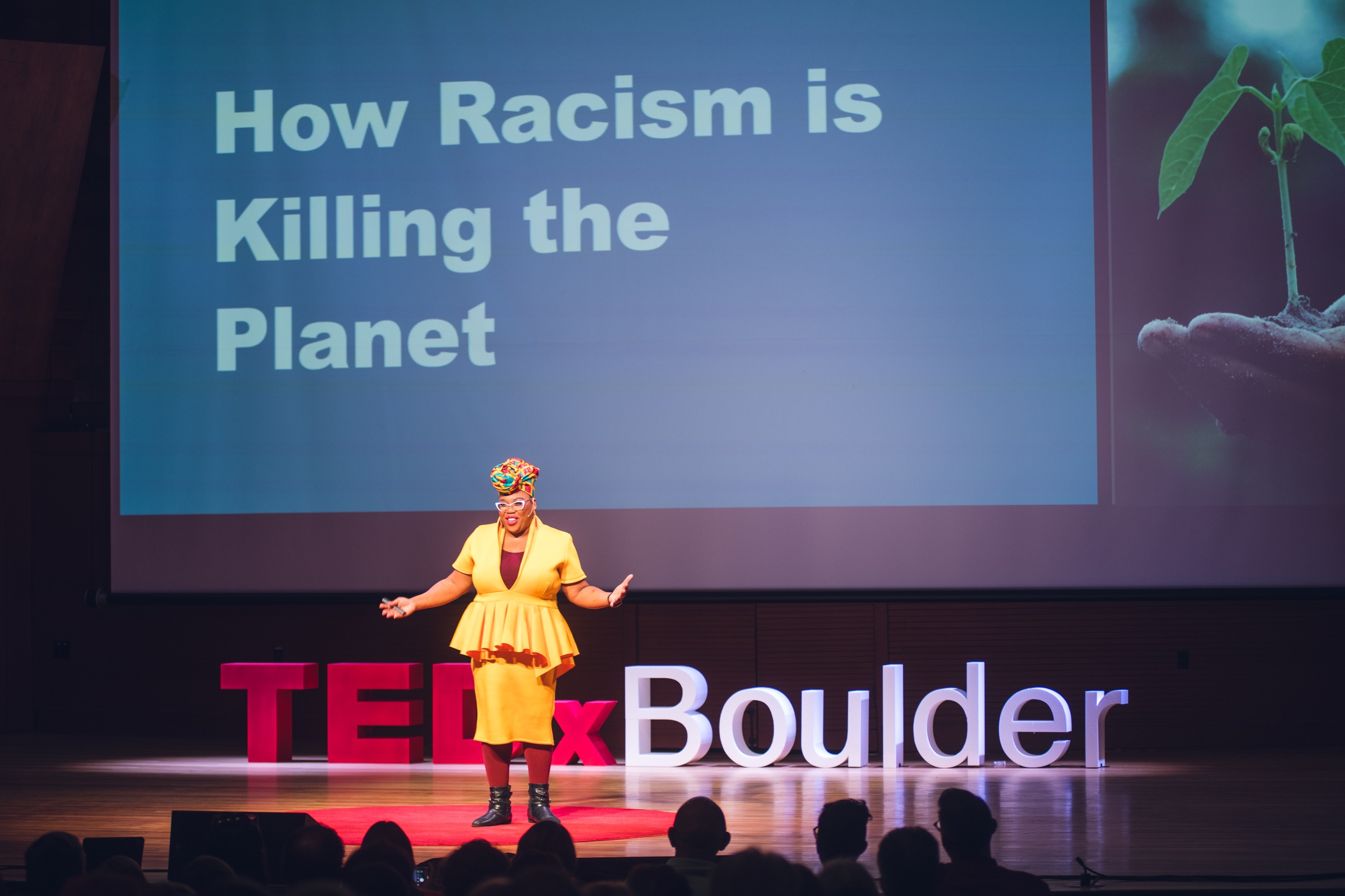
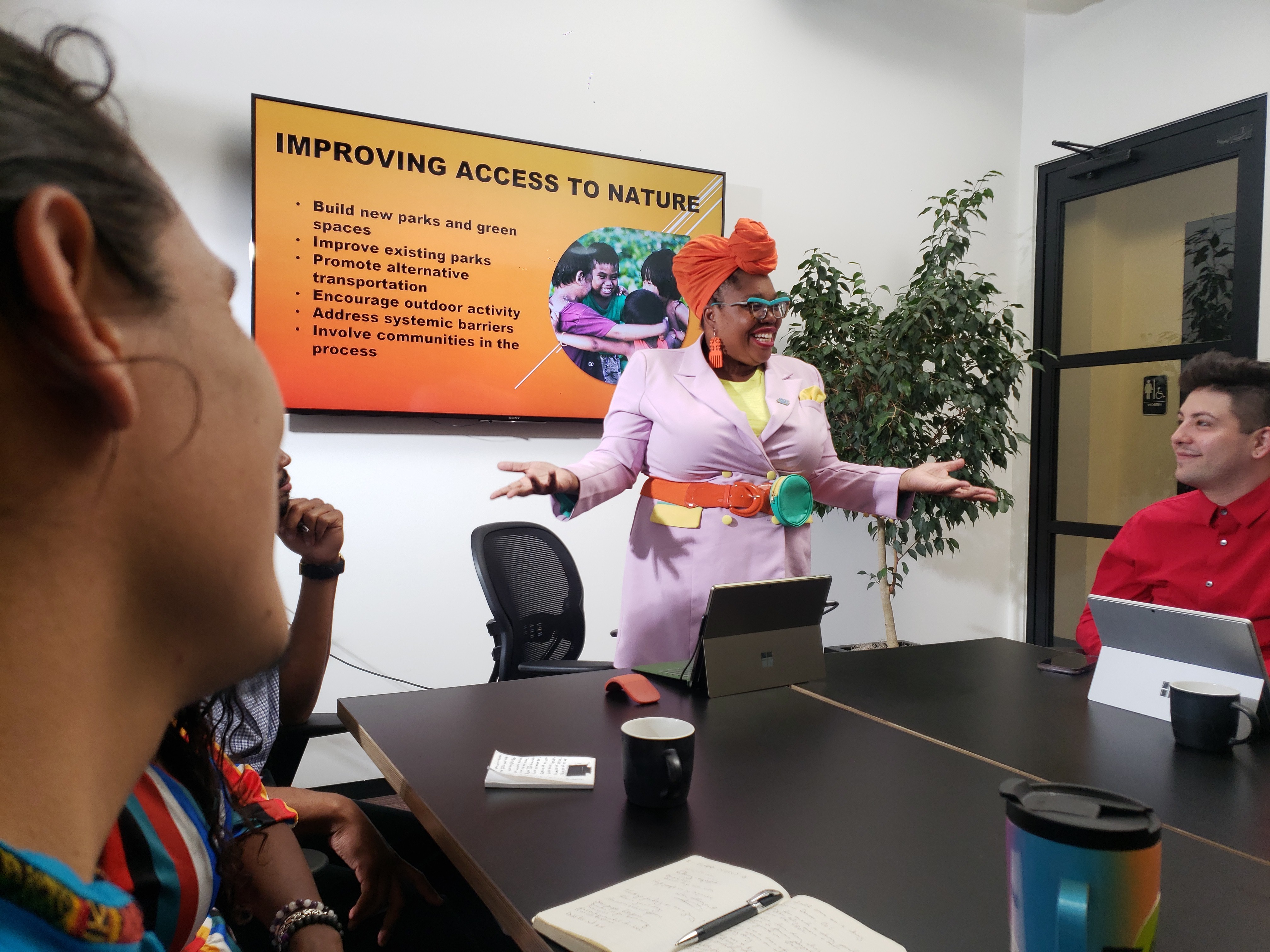
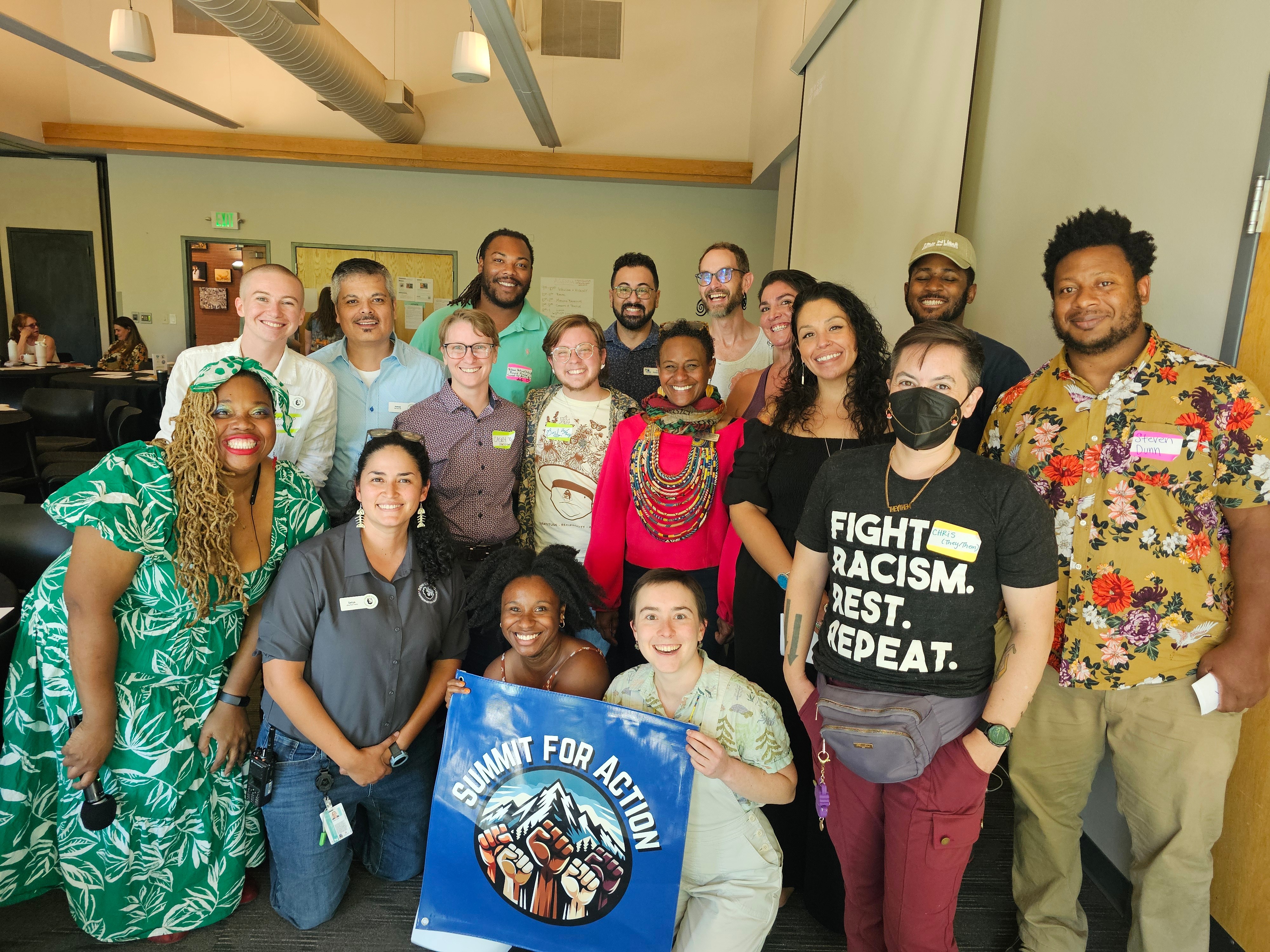
Hi, I’m Parker McMullen Bushman — also known online as KWEEN WERK, which stands for Keep Widening Environmental Engagement Narratives. Through my work, I focus on connecting environmental justice, social justice, and joy in the outdoors. I’m the CEO of Ecoinclusive Strategies, where we help organizations build inclusive cultures and center equity in their conservation and community work. I also founded the Summit for Action, a national gathering that brings together activists, educators, and outdoor professionals to tackle issues at the intersection of environment and justice.
What makes my work unique is the way it bridges worlds — from boardrooms to backcountry trails — reminding people that equity and access are as essential to our planet’s health as clean air and water. Whether I’m leading a hike, teaching about inclusive leadership, or building community through art and storytelling, my goal is always the same: to make sure everyone feels they belong in the movement for a just and sustainable future.
Thanks for sharing that. Would love to go back in time and hear about how your past might have impacted who you are today. What breaks the bonds between people—and what restores them?
What breaks the bonds between people is disconnection — when we stop seeing one another’s full humanity. That disconnection shows up in both small, personal ways and large, systemic ones. It’s in the moments when people don’t listen, when privilege blinds us to someone else’s pain, when we choose comfort over courage. It’s in the institutions that prioritize efficiency over empathy, or progress over people. Those fractures grow when we allow fear, shame, or indifference to replace curiosity and compassion.
For me, working in the spaces of environmental and social justice, I see that disconnection play out in who gets invited into the conversation — and who doesn’t. When communities of color, disabled people, queer and trans folks, and people with fewer resources are left out of decisions about the land, climate, and environment, we lose more than just perspective — we lose relationship. The earth itself suffers when we forget that inclusion, equity, and justice are forms of connection.
What restores the bonds between people is courage — the courage to face harm, to take accountability, and to be vulnerable enough to rebuild trust. Healing happens when we slow down and make space for dialogue, when we practice empathy not as a performance but as a commitment. I see restoration in community spaces where people are willing to be uncomfortable together, to sit in hard conversations and still choose relationship over righteousness.
I’ve seen those bonds reform on the trail, around a fire, in workshops, and at the Summit for Action — when people breathe together, share food, tell their stories, and see their struggles reflected back with love. Restoration begins when we remember that liberation isn’t an individual act, it’s a collective process. Every time we show up for one another — especially when it’s messy — we stitch the fabric of community back together. That, to me, is where hope lives.
When did you stop hiding your pain and start using it as power?
I stopped hiding my pain when I realized that silence was serving systems that wanted me small. For a long time, I thought being strong meant holding everything inside — the exhaustion, the microaggressions, the grief of watching the world harm people who look like me or love like me. I thought if I could just outwork the pain, I could rise above it. But hiding it didn’t make it disappear; it just disconnected me from myself and from others who were struggling too.
The turning point came when I began speaking openly about my experiences as a Black, queer, plus-size person in the environmental movement. I realized that the very things that caused me pain — exclusion, invisibility, and bias — were also my sources of clarity, empathy, and purpose. My pain became power when I stopped letting it isolate me and started using it as a bridge: to teach, to build community, to demand better.
Through KWEEN WERK, I share my story to help others see that they belong in outdoor spaces and movements for justice. Through Ecoinclusive Strategies, I channel that same energy into helping organizations transform pain into progress — building cultures that truly see and honor difference. And through the Summit for Action, I create space for collective healing and action, where people can turn their own struggles into solidarity.
Pain, when acknowledged and alchemized, becomes purpose. That’s the lesson I keep learning — that vulnerability isn’t weakness; it’s the birthplace of power.
So a lot of these questions go deep, but if you are open to it, we’ve got a few more questions that we’d love to get your take on. What’s a cultural value you protect at all costs?
A cultural value I protect at all costs is collective care — the deep knowing that our liberation and survival are bound together. I grew up understanding that care wasn’t optional; it was how we made it through. In my family and my community, people looked out for one another because the systems around us often didn’t. Someone always had a pot of food on, someone always showed up when a neighbor was in need, someone always made sure the kids were safe. That ethic shaped me — not just as a value, but as a way of life.
As I’ve grown, I’ve realized that collective care is a radical act in a society that teaches us to prioritize productivity, profit, and self-reliance over people. My work in community is about slowing down and reminding folks that care is culture. I protect that value by making space for people to rest, to grieve, to celebrate, and to be messy and human without shame. When I organize a community gathering or facilitate a tough conversation, I’m thinking about how we hold one another through discomfort — how we feed the spirit, not just the agenda.
Protecting collective care means pushing back against the myth of individualism and perfectionism. It means listening deeply, redistributing power, and creating conditions where everyone has what they need to thrive. It means recognizing that joy, laughter, and healing are not distractions from the work — they are the work.
I protect collective care at all costs because I’ve seen what happens when it’s missing: burnout, isolation, and harm that ripples through generations. And I’ve seen the beauty of what happens when we reclaim it — when people come together across differences to lift one another up, share resources, and stand in solidarity. That’s the world I’m working toward: one where community isn’t something we talk about, it’s something we practice every day.
Before we go, we’d love to hear your thoughts on some longer-run, legacy type questions. What do you think people will most misunderstand about your legacy?
I think what people might most misunderstand about my legacy is that my work was only about diversity or representation — about getting more people of color, queer folks, or disabled people into outdoor spaces or leadership roles. That’s part of it, but my legacy isn’t about inclusion for the sake of optics or numbers. It’s about transformation. It’s about changing the systems that made inclusion necessary in the first place.
People sometimes see the joy and color and community in my work — the laughter on the trails, the dance breaks at events, the boldness of my message — and they think it’s just celebration. But what they might not realize is that joy itself is a radical practice. Every time I choose joy, every time I choose community, every time I show up in love despite the weight of oppression, it’s an act of resistance. My joy is not naïve; it’s strategic. It’s how I’ve survived, and how I’ve helped others find the strength to keep going.
I think some people will also misunderstand the fact that I didn’t separate my personal healing from my public work. The truth is, they were always intertwined. I used my pain, my lived experience, and my vulnerability as teaching tools — not because I wanted to center myself, but because I wanted to make space for others to see themselves reflected in the work. I know that not everyone is comfortable with that level of transparency, especially in professional or institutional settings, but I believe authenticity is one of the most powerful catalysts for change.
So if people ever misunderstand my legacy, I hope that over time they come to see it not just as advocacy, but as embodiment. My work has always been about living the future I want to see — a future where justice looks like joy, where healing is communal, and where leadership is rooted in love.
That’s what I hope people remember: not that I made rooms more diverse, but that I helped make them more human.
Contact Info:
- Website: https://tap.bio/@kweenwerk
- Instagram: https://www.instagram.com/kweenwerk/
- Linkedin: https://www.linkedin.com/in/parker-mcmullen-bushman-54b3877/
- Other: Ecoinclusive: https://www.ecoinclusive.org/
Summit for Action: https://www.summitforaction.org/
Patreon: https://www.patreon.com/kweenwerk?fan_landing=true