

We’re looking forward to introducing you to Alyssa Pullekines. Check out our conversation below.
Alyssa, so good to connect and we’re excited to share your story and insights with our audience. There’s a ton to learn from your story, but let’s start with a warm up before we get into the heart of the interview. What makes you lose track of time—and find yourself again?
Getting lost outside – hiking, climbing, etc. It always serves as a mental, spiritual, and physical reset for me.
Can you briefly introduce yourself and share what makes you or your brand unique?
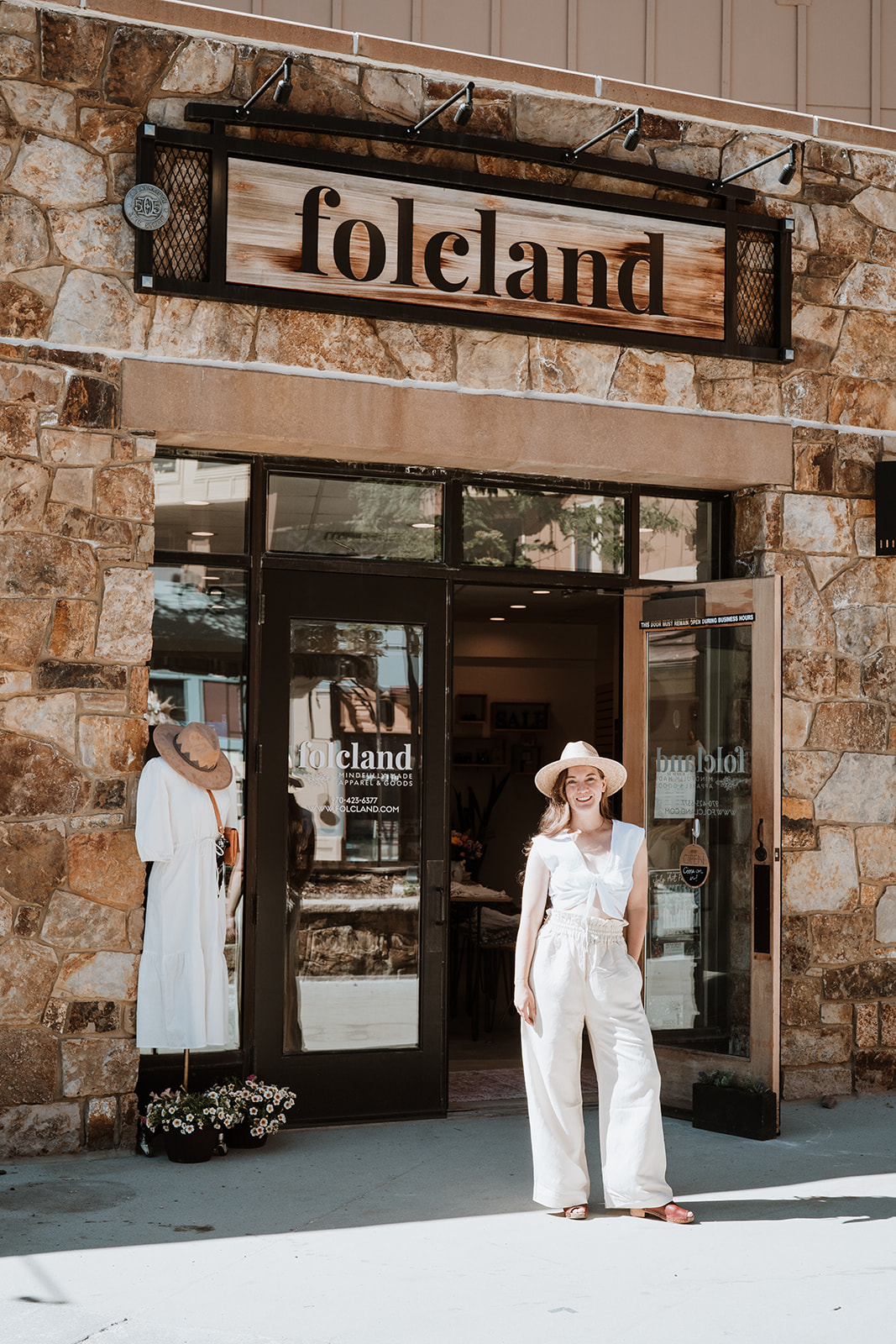
My name is Alyssa and I am the owner + founder of FOLCLAND in Breckenridge, Colorado, a retail Boutique committed to curating independent, contemporary fashion from brands focused on slow, eco-friendly, and responsibly made apparel. The business is fast approaching its five year anniversary (!) in December, 2025. I am looking forward to celebrating this milestone with friends, customers, and local vendors to kick off our 6th year of business and the holiday season ahead.
Amazing, so let’s take a moment to go back in time. Who were you before the world told you who you had to be?
I don’t think I ever really fell into this category. I was always a successful student, athlete, and hard worker growing up – but I never followed a “path” or felt pigeon holed into any one role per se. I’ve always let life sort of bounce me in the direction I felt I should be moving in by chasing what felt right in the moment. That’s what led me to working in retail and drew me to move to the Colorado mountains. Combining the two into one life: owning a business and living in the mountains feels like a natural outcome to simply following what sparked joy for me.
If you could say one kind thing to your younger self, what would it be?
Not fitting a mold feels hard when you are young – you don’t fit in, you struggle to relate, figuring out your path feels awkward and scary because all you know is you don’t like the options presented to you. But once you get older, the traits that set you apart do become admirable. They shape who you are, your uniqueness, your sense of empathy, and they open you to opportunities that not everyone gets because often those who “fit a mold” have blinders on to the full potential the world holds for them. Lean into your weirdness + passion and know that it opens doors in the long run.
I think our readers would appreciate hearing more about your values and what you think matters in life and career, etc. So our next question is along those lines. What are the biggest lies your industry tells itself?
That sustainability isn’t holistic and that companies aren’t responsible for their environmental impact. In my personal life, I would argue that imperfect or incomplete efforts at sustainability are better than none at all. In the fashion industry, I’d actually push in the opposite direction, even if just to weigh progress in the direction I believe things need to go in. Slapping an OKEO Tex label on something, while positive and admirable, only addresses a fraction of the broader issue. If you aren’t also considering overproduction, Ethical Labor standards, end of life / product circularity, inadequate wages throughout the supply chain, or rethinking indefinite growth in favor of healthy but static revenue levels, you’re missing the point: achieving sustainability in fashion demands a cultural shift in both production AND consumption practices. A company like H&M may offer more Cotton t-shirts these days, but what of that fact that this Cotton is harvested via slave labor? A company like Madewell may be moving towards Fair Trade Certified factories, but what of the fact that they still churn out far more inventory than they can sustainably sell, often resulting in selling things at a massive discount in a way that encourages high levels of consumption and disposability? I don’t think we will ever stop utilizing clothing as a creative outlet: we want to make things, we want to wear things we appreciate, we want to express our individuality. But the industry is rife with complex ethical and environmental issues that are far beyond the control of the average consumer. Brands – particularly the largest industry players – need to do more to look at their business practices and the role they have in consumption habits. If you cut the dress from plastic polyester, the consumer will buy the dress made from plastic polyester because it’s the option you gave them. If you are marketing a new collection weekly, the consumer will buy new products weekly because they are primed and encouraged to do so. Is it good for business? Sure. Is it good for the environment or responsible consumerism? I’d argue “hell no”
Okay, so before we go, let’s tackle one more area. Could you give everything your best, even if no one ever praised you for it?
I was born a Leo and for better or for worse I love to be recognized for my achievements, though I also hold myself accountable to my failures and shortcomings (or at least, I try to!) I like to think I have an innate Puritan work ethic and those who have worked with me would probably describe me as a natural hard worker, but on some level recognition – even the quiet kind – for giving or achieving my best is and always has been a motivating factor in my work or has at least made that work more fulfilling. Who doesn’t appreciate a little recognition or praise now and again? That seems pretty normal/human, in my opinion.
Contact Info:
- Website: https://www.folcland.com
- Instagram: https://www.instagram.com/shopfolcland
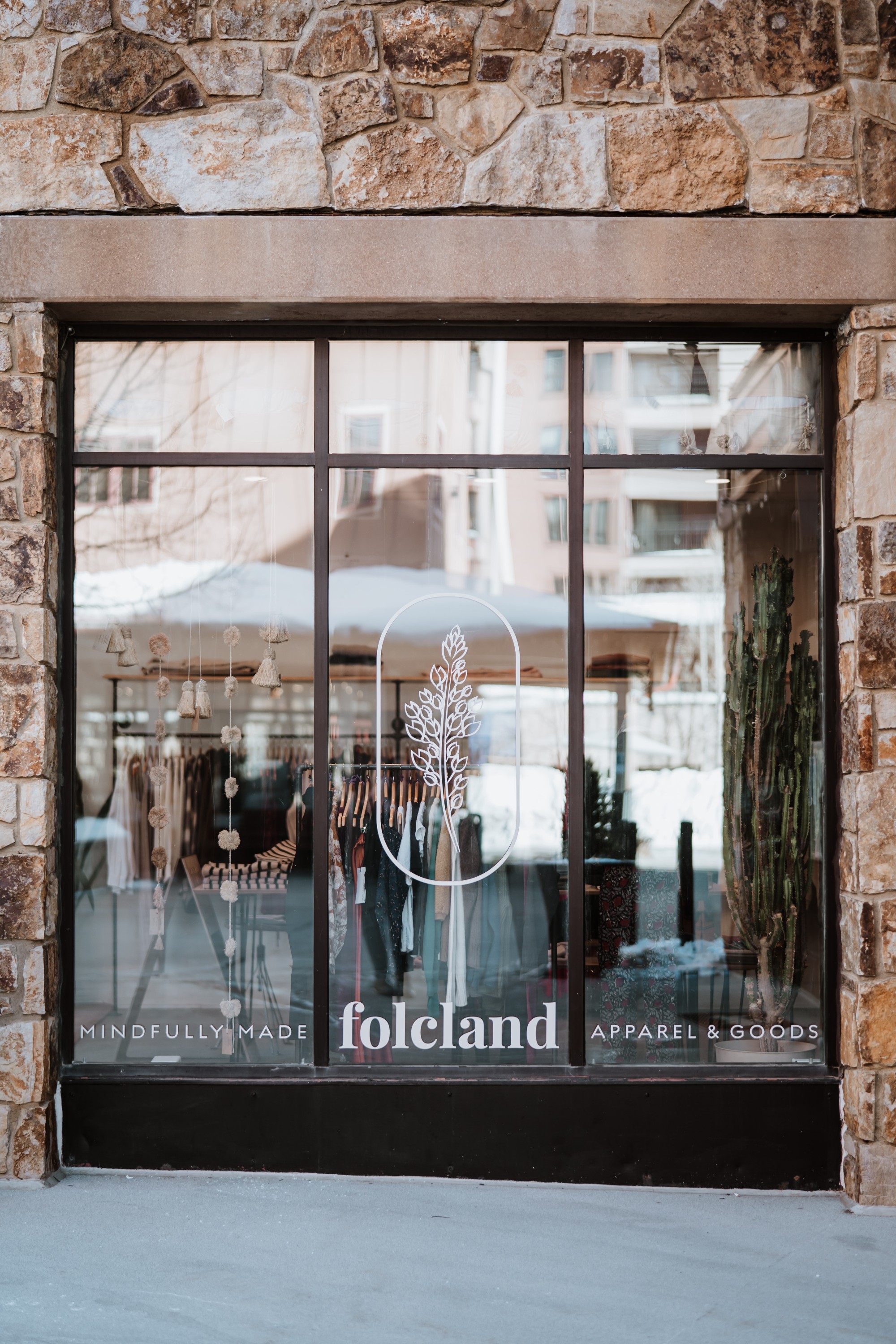
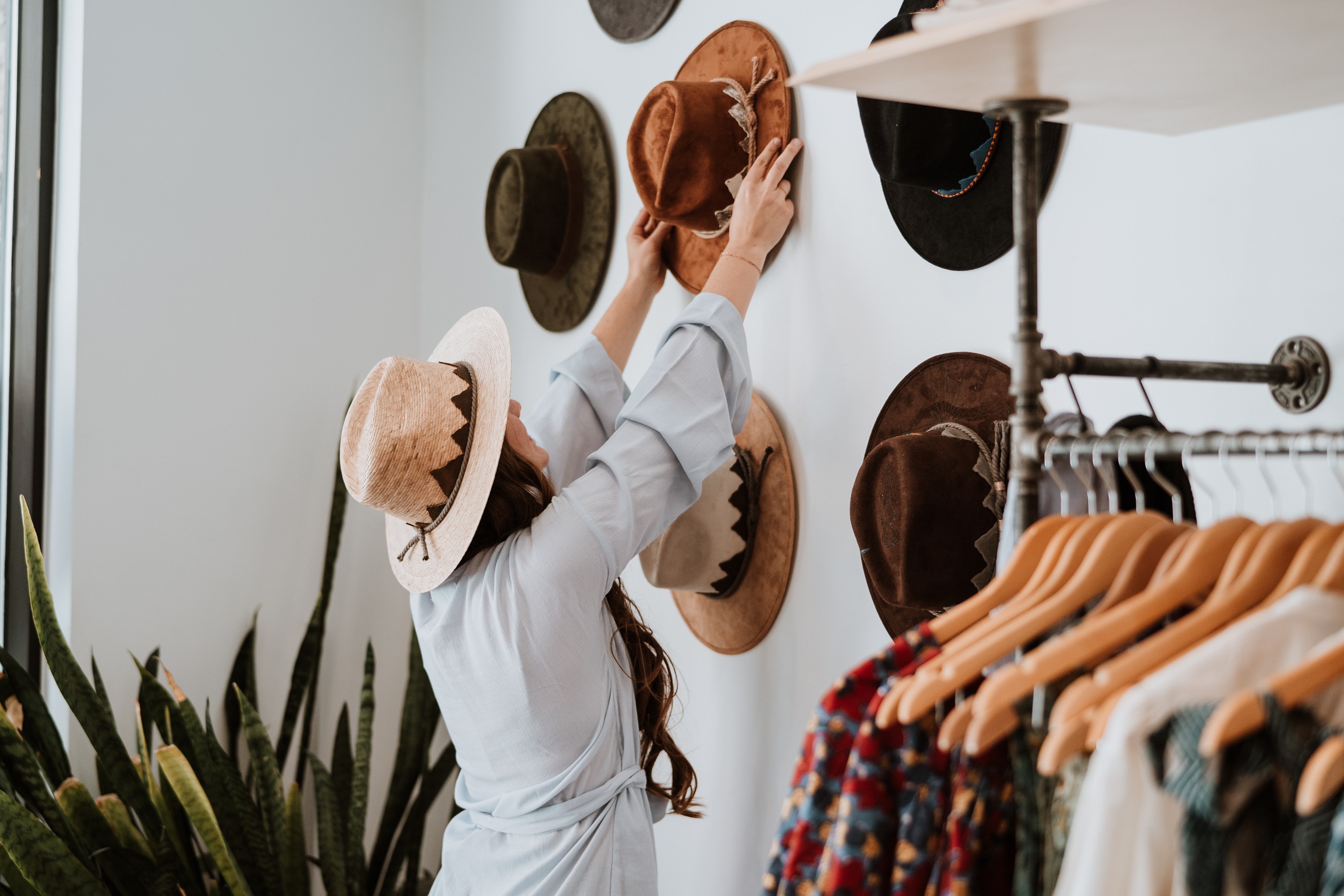
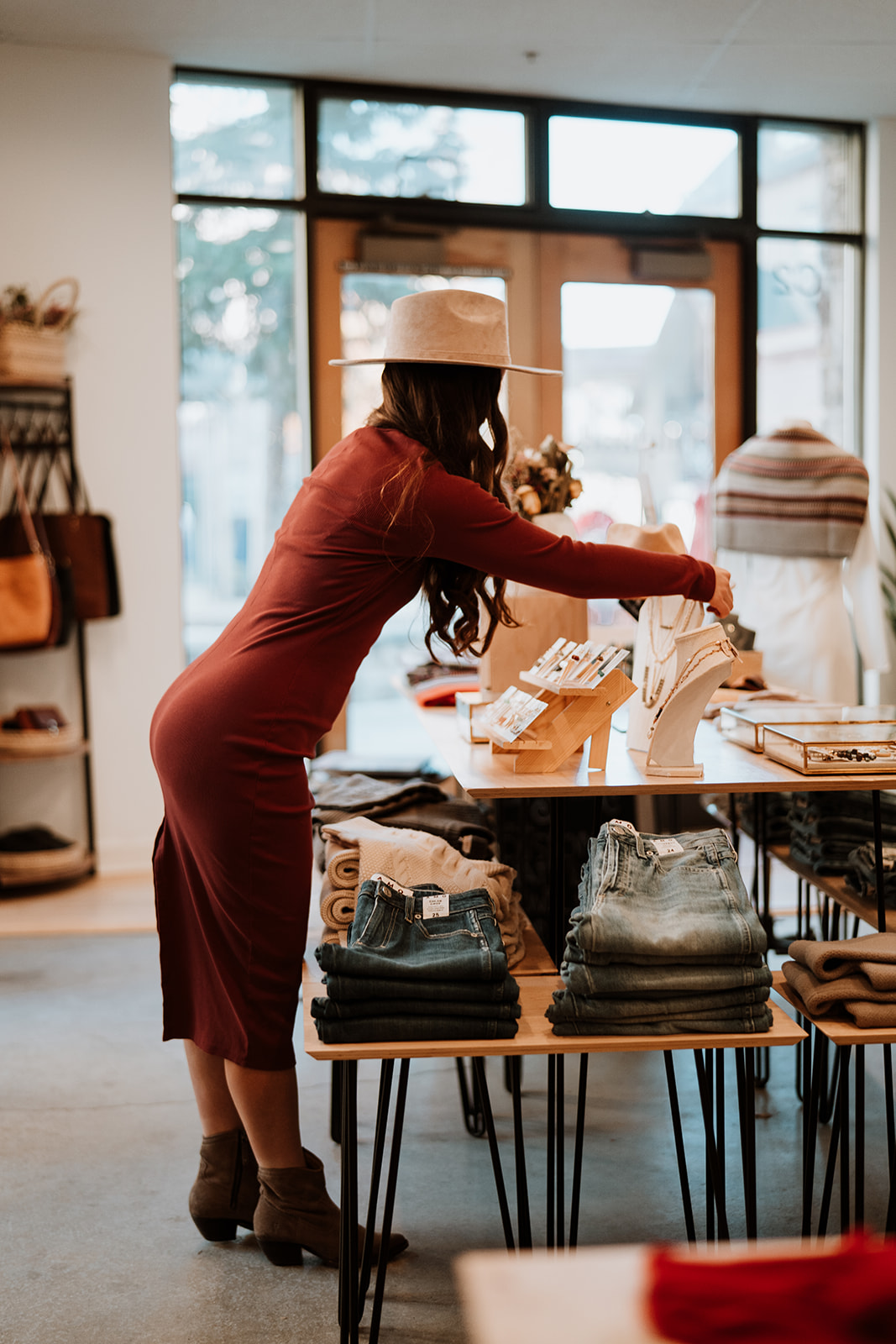
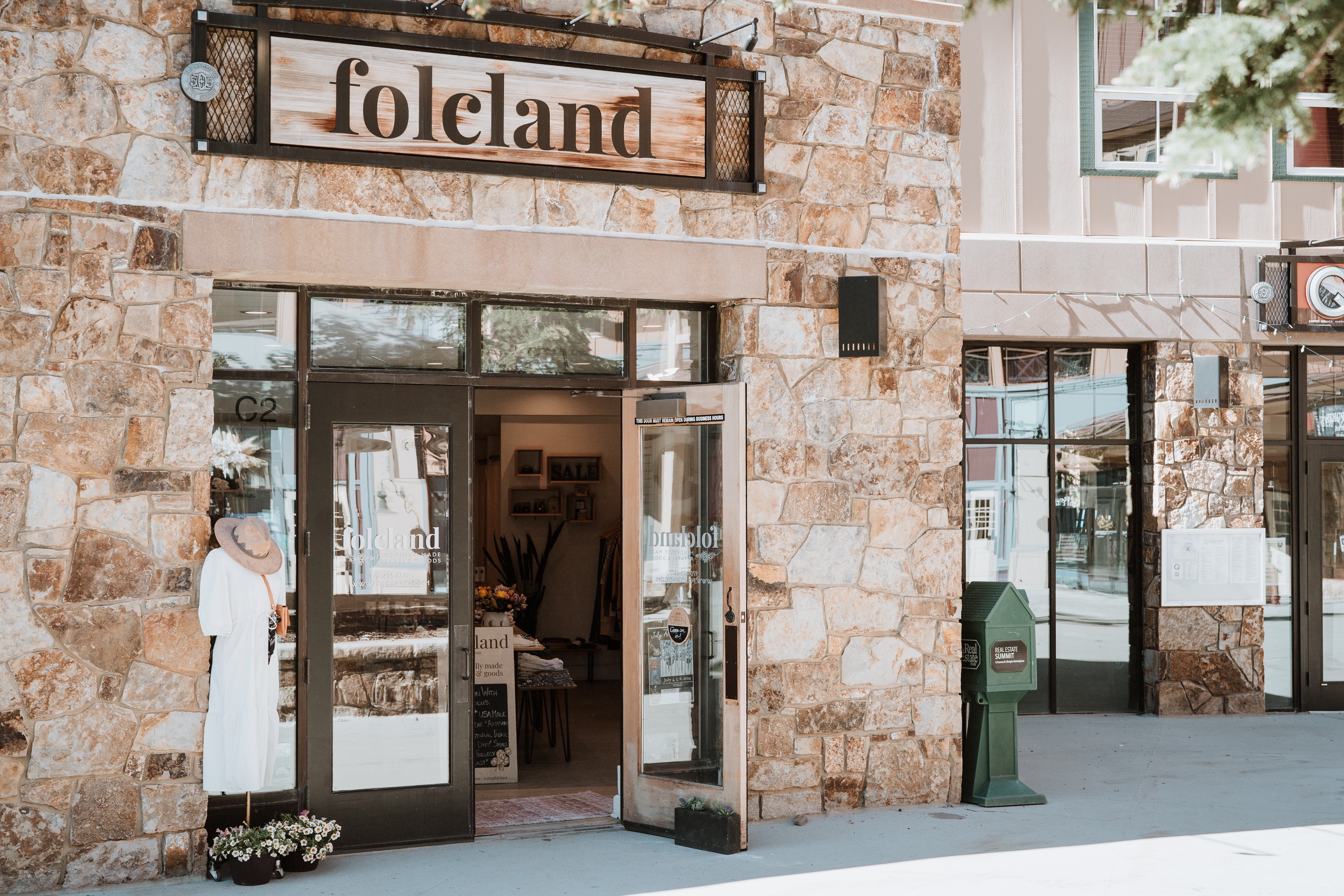
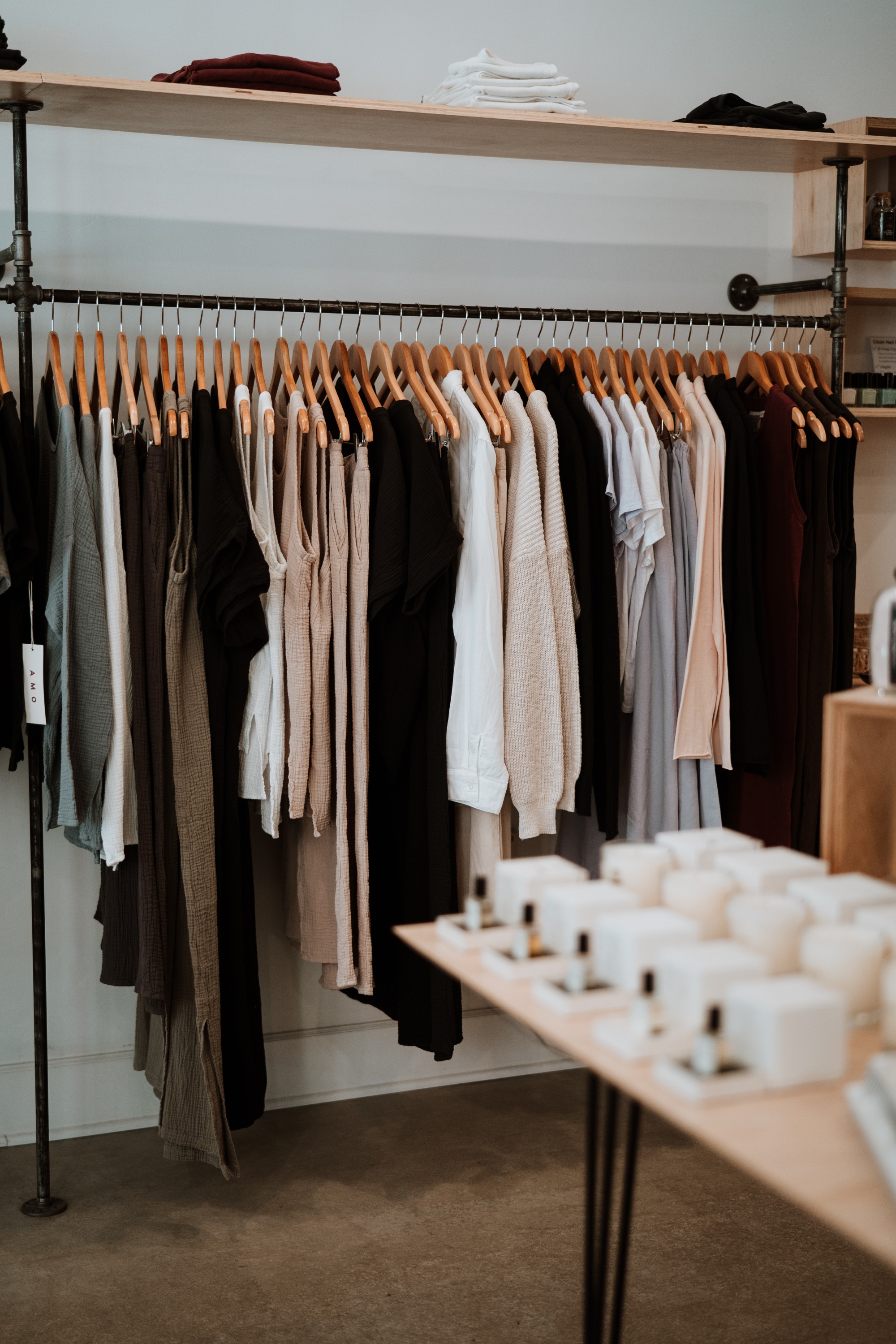
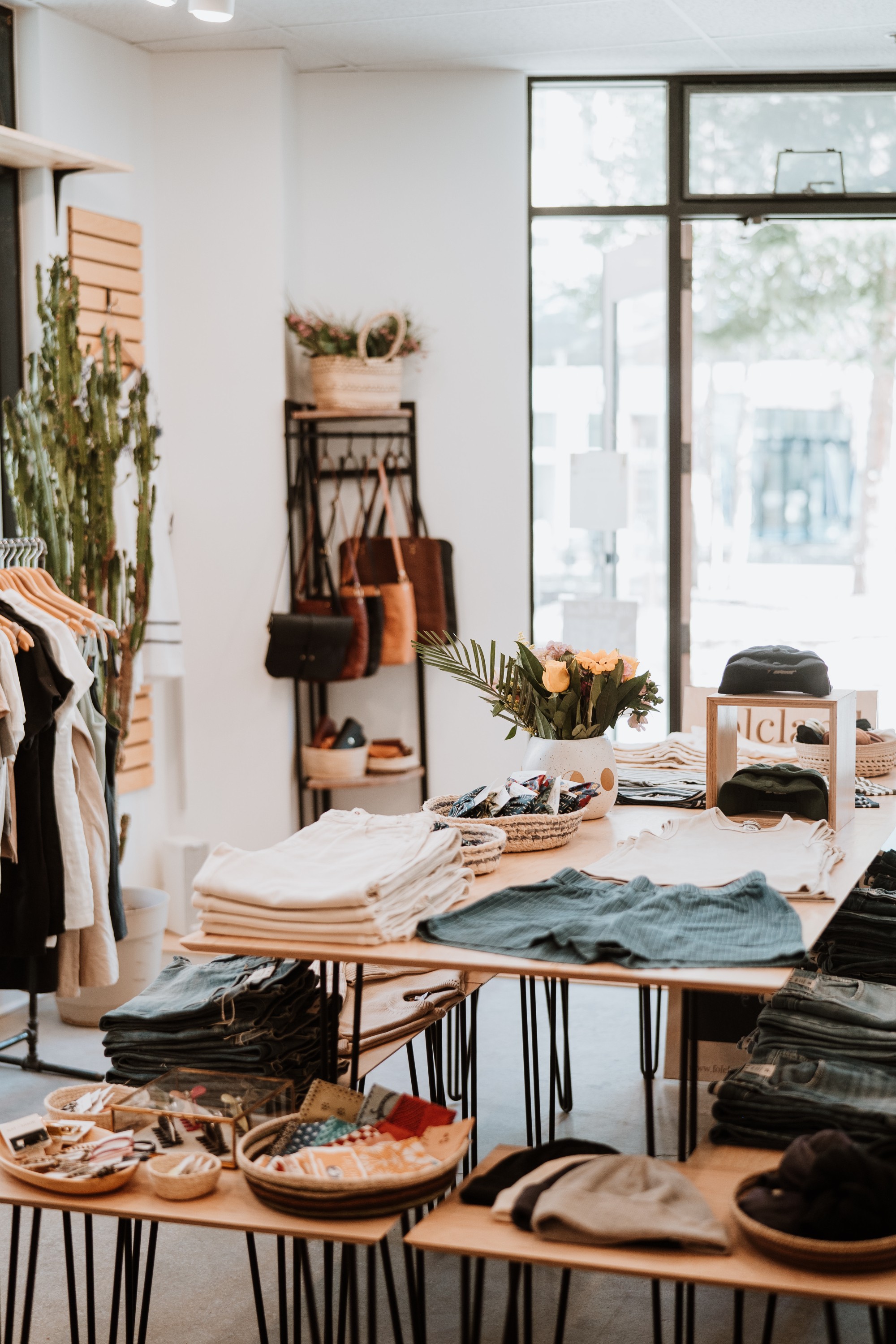
Image Credits
BASECAMP Visual (https://www.instagram.com/exploreyourbrand/)