


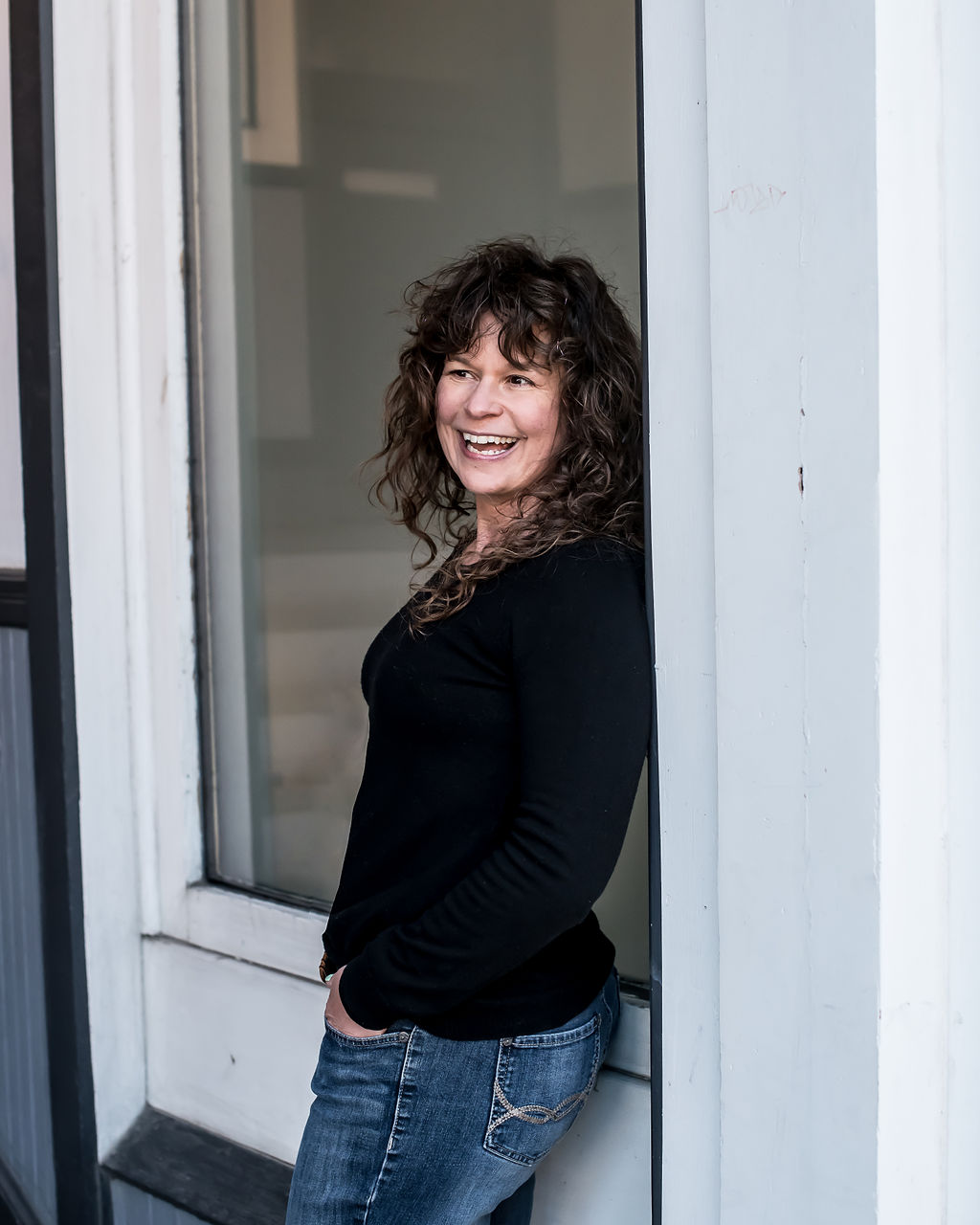
Dr. Stacy Reuille-Dupont shared their story and experiences with us recently and you can find our conversation below.
Good morning Stacy, we’re so happy to have you here with us and we’d love to explore your story and how you think about life and legacy and so much more. So let’s start with a question we often ask: What do the first 90 minutes of your day look like?
My first 90 minutes are quiet and reflective. I am a high energy, driven, visionary person and I can get going and stay going fast all day. This isn’t sustainable. I am very intentional about my first 2 hours each morning. I wake up usually before the sun comes up (this is a little harder in the summer), light candles to bring in the light, work on spiritual reading and journaling, meditation, and then move to increase my energy with a workout. After these are complete, I start getting ready for my day and transition to more outward expression.
Can you briefly introduce yourself and share what makes you or your brand unique?
I’m Dr. Stacy Reuille-Dupont, a clinical and somatic psychologist, movement expert, and founder of Studio B, an integrative psychology clinic where mind, body, and spirit come together to help people create lasting change. For more than 25 years, I’ve blended psychology, physiology, and spirituality to help clients and leaders heal burnout, regulate their nervous systems, and reconnect to their purpose.
What makes my work unique is that I don’t separate the mental from the physical or the spiritual — I teach people how to get their brain and body working on the same team so they can think clearly, move confidently, and live with steady energy and emotional freedom. My approach integrates the latest science on dopamine, trauma, and the nervous system with somatic movement, nutrition, and psychology to help people create sustainable transformation — not just quick fixes.
Right now, I’m focused on expanding my signature program, The Mind-Body Reset Method, which helps ADHD leaders, entrepreneurs, and recovering perfectionists rebalance their focus, energy, and mood without relying solely on medication or burnout patterns. I’m also developing new resources and trainings to bring somatic psychology and nervous system education into business, leadership, and wellness spaces — helping people embody the future of mental health.
At the heart of it all, my mission is simple: to help people remember that healing isn’t just about getting better — it’s about becoming whole.
Okay, so here’s a deep one: Who saw you clearly before you could see yourself?
Mr. Burfield, my 6th grade teacher. He saw something in me I didn’t realize was there. He would spend time with me each week, mentoring my leadership skills and helping me see the power I possessed within me to accomplish whatever goals I wanted to go after.
It was many years later that I realized the powerful shift his time, attention, and focus brought out in my life. I will be forever grateful for his gift of seeing me authentically and individually. I am blessed to have had such an experience and such guidance at a young age.
It truly did help shape me into the person I am today.
When did you last change your mind about something important?
I find that I change my mind often — not out of indecision, but because I live on the front edge of ideas. I’m naturally drawn to what’s emerging before it becomes mainstream. I love noticing patterns, making connections others might not see yet, and immersing myself fully in new concepts until I understand them from the inside out.
Over time, this process has taught me that changing my mind is a sign of growth, not inconsistency. Each time I exhaust a learning adventure, I find myself seeing the world, my work, and people through a new lens. It means releasing what once inspired me so I can stay aligned with what’s alive and true now.
The challenge is that I’m often moving on just as others are getting excited about something I’ve already explored. There’s beauty in witnessing their discovery — and sometimes grief in realizing I’ve already let that version of curiosity go. But I’ve learned that’s part of my role: to explore what’s next, then help others make meaning of it when they arrive.
I think our readers would appreciate hearing more about your values and what you think matters in life and career, etc. So our next question is along those lines. Is the public version of you the real you?
Yes — the public me is the real me. What you see is simply a more intentional expression of the same person I am in private. My work is built on embodiment, integration, and alignment, so I don’t compartmentalize who I am, even in the complexities and paradoxes. The way I teach, lead, and speak publicly reflects how I live, think, and grow personally.
That doesn’t mean every part of me is always visible — I protect what’s sacred, and I share what serves. But my presence online and in my work is deeply authentic. It’s me, fully expressed through purpose.
Okay, we’ve made it essentially to the end. One last question before you go. What do you understand deeply that most people don’t?
What I understand deeply — and what most people don’t — is that the mind and body are not separate systems. Every thought, emotion, and behavior has a physiological echo, and every physical experience carries psychological meaning.
Most people try to heal or improve their lives by focusing on just one side — mindset or mechanics — but real transformation happens when you work with both. I understand how the nervous system, nutrition, movement, and consciousness all interact to shape who we become.
This understanding changes everything — how I see health, how I teach leadership, and how I help people create lives that are truly integrated, not just managed.
Contact Info:
- Website: https://StacyRD.com
- Instagram: https://www.instagram.com/stacyreuille/
- Linkedin: https://www.linkedin.com/in/stacyreuille/
- Twitter: @StacyReuille
- Facebook: https://www.facebook.com/StacyReuille
- Youtube: @StacyReuilleDupont
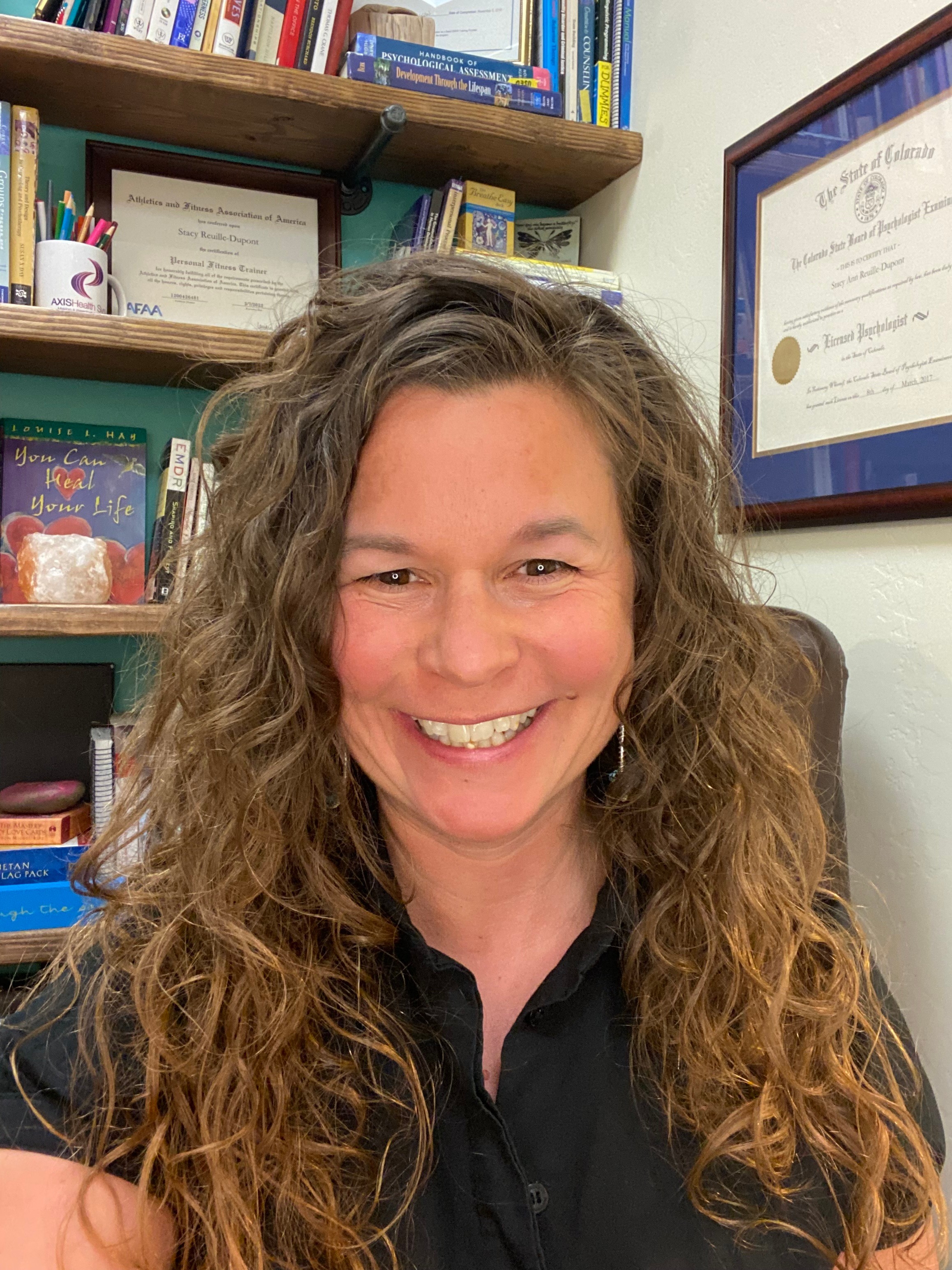
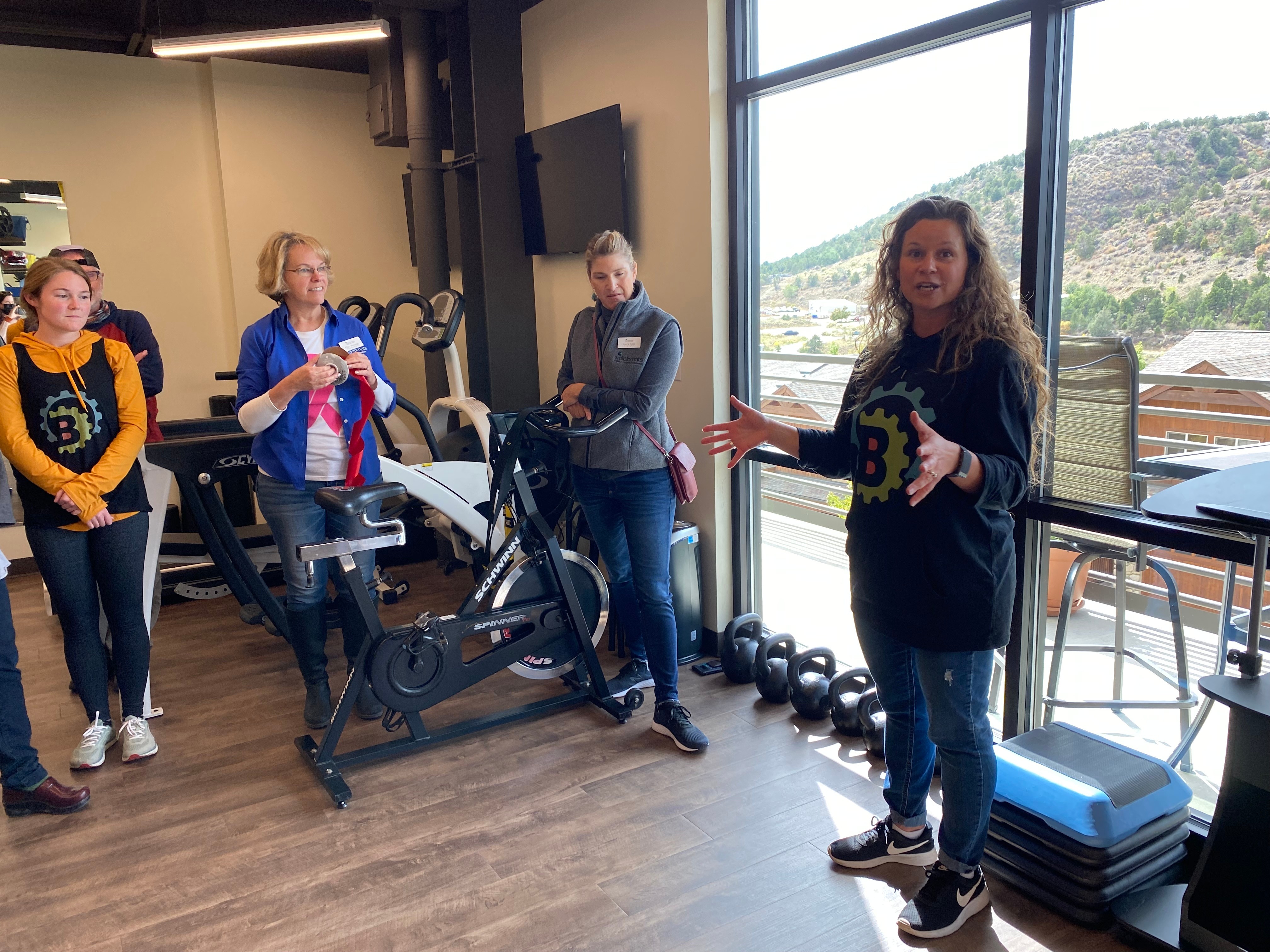
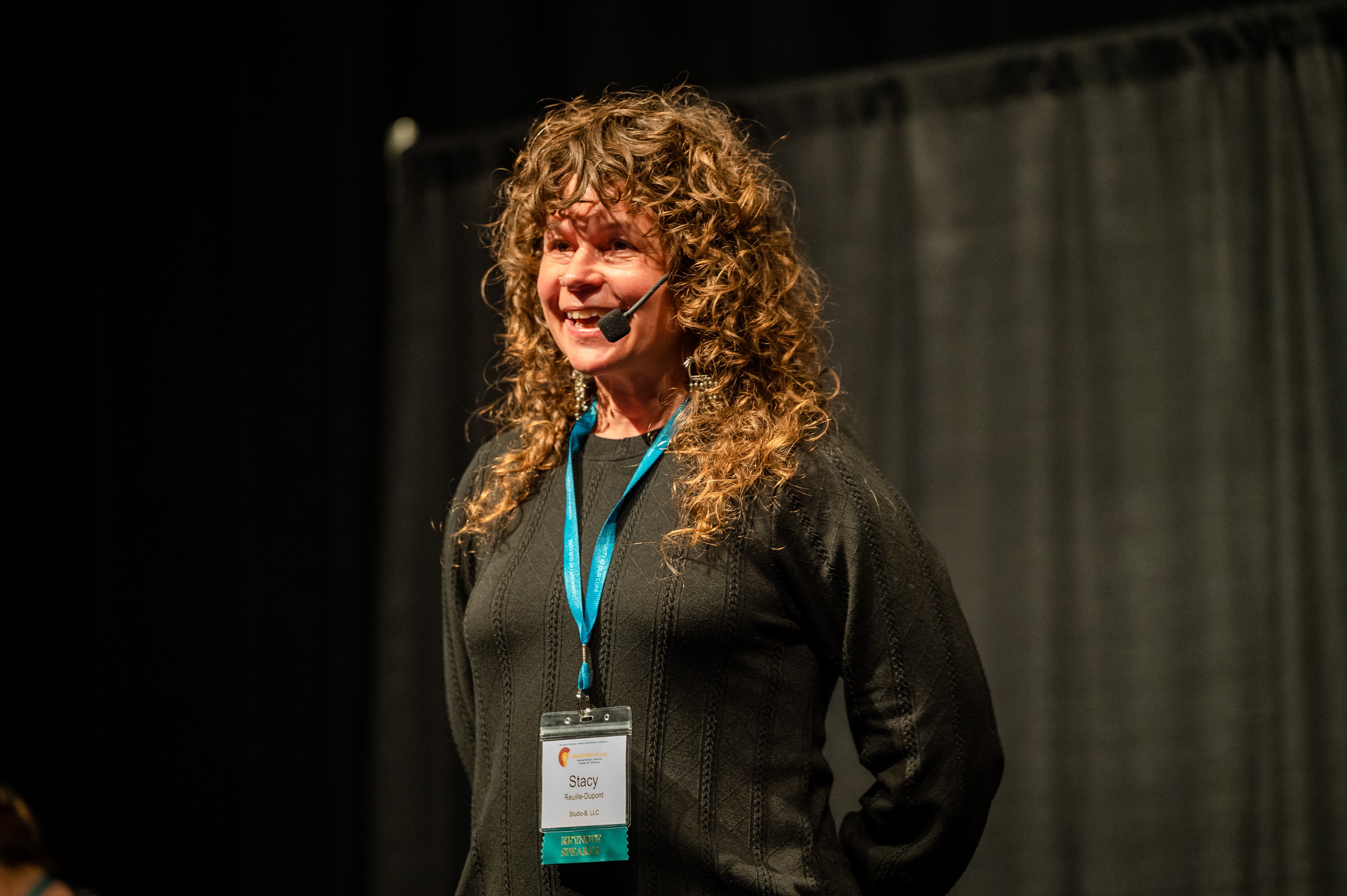
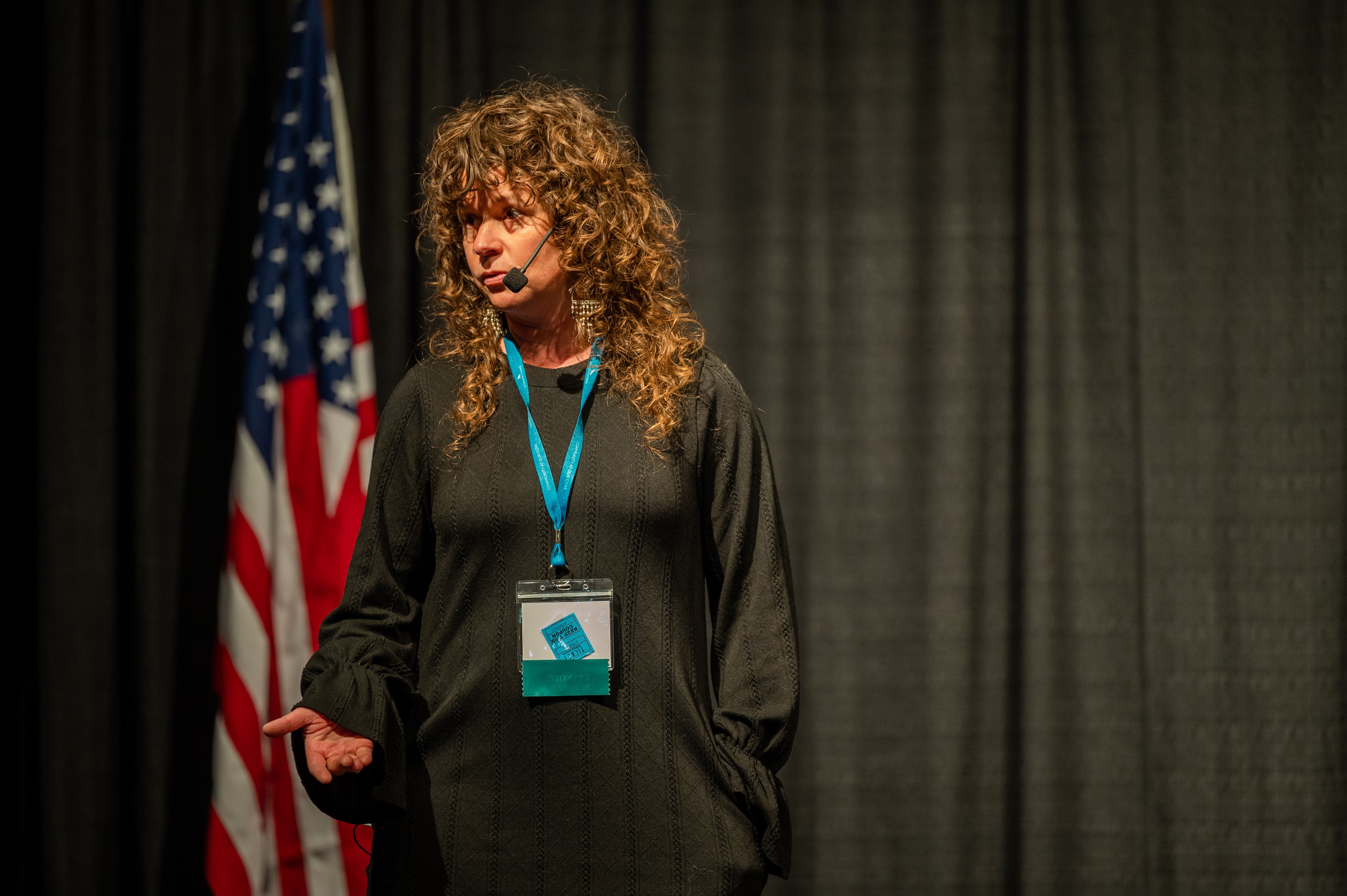
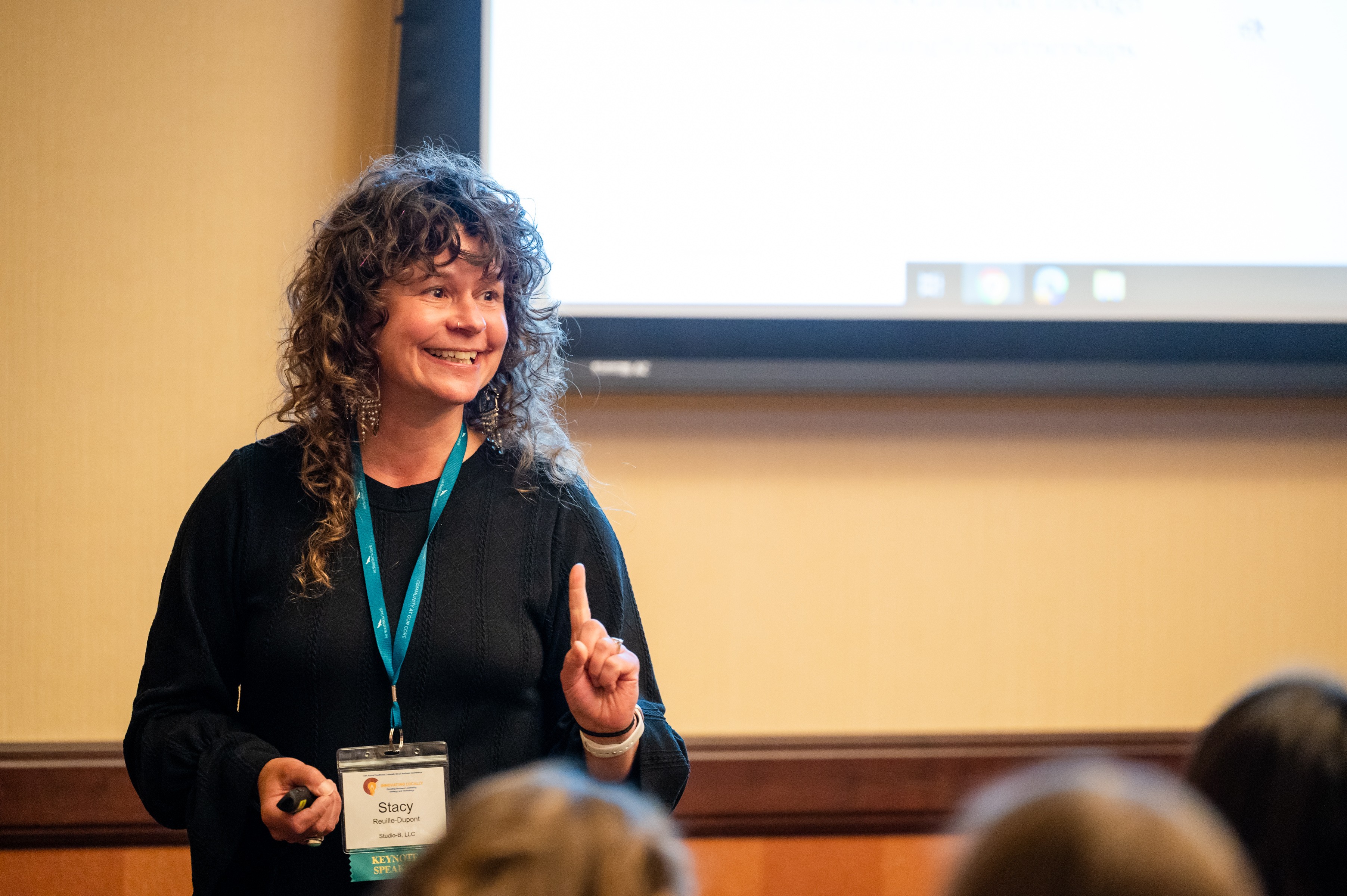
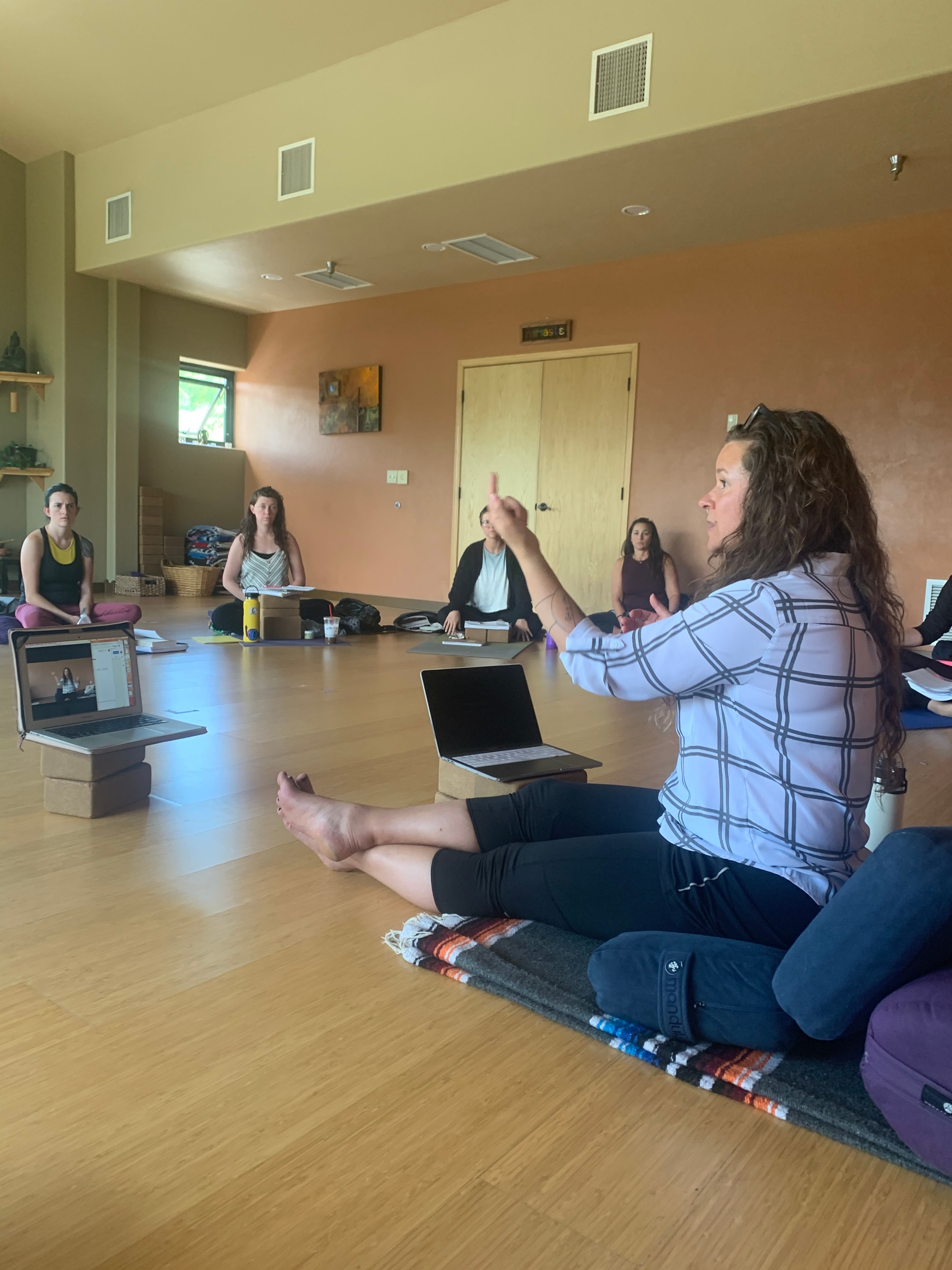
Image Credits
Niki Bryant Photography