

We’re looking forward to introducing you to Nancy Rourke. Check out our conversation below.
Hi Nancy, thank you for taking the time to reflect back on your journey with us. I think our readers are in for a real treat. There is so much we can all learn from each other and so thank you again for opening up with us. Let’s get into it: What is something outside of work that is bringing you joy lately?
What has brought me joy outside of work is exploring a completely different kind of project, stepping away from the oil painting I’ve done for years. I decided to try something new to boost my creativity, and indeed, it sparked fresh ideas. Recently, I made my first junk journal. I used primary colors—taken from wrappers and old magazines—and carefully cut and pasted them together. I focused only on primary colors, watching how they react, complement, and collaborate with one another. When I paused to look at the finished piece, I realized how their interaction inspired a new painting. It felt like color therapy—energizing and full of possibilities. The journal became like a sketchbook of ideas, built from scraps and wraps of primary colors that come together to create meaning and visual competition.
Can you briefly introduce yourself and share what makes you or your brand unique?
As a Deaf artist, my paintings bear witness to the lived experiences of Deaf people who have survived in a world long dominated by hearing-centered values and misconceptions—tracing back to Aristotle’s belief that “Deaf people are born senseless and incapable of reason” (348–322 BC). My work challenges these enduring assumptions by revealing both the truth of our oppression and the beauty of our collective identity, culture, and resilience. My visual language is grounded in primary colors, which I never mix. Each color carries intentional meaning. Red symbolizes empowerment and the act of taking a stand for justice. Yellow represents hope, the liberation of the spirit, and the central role of light in Deaf life—our means of seeing, understanding, and connecting. Light blue conveys happiness and the Deafhood journey toward self-actualization, while dark blue embodies Audism and oralism, reflecting the weight of oppression. To anchor these vibrant tones, I incorporate black and white, reinforcing the contrasts that define our lived realities. Every painting I create includes three key elements: a theme, a category, and a set of motifs. I ask: What is the painting about? What is the focal point? What do the motifs represent? For example, in The Dinner Table Syndrome, the theme addresses the isolation Deaf people experience when excluded from conversations at family gatherings. The category is resistance, as the work speaks truth to the discrimination and marginalization we face. Eleven motifs—such as the table, wallpaper, blue tape, hands, eyes, ears, mouths, maze, DNA, black hole, and missing puzzle pieces—represent the layers of this experience. My art makes political and cultural statements about social justice, activism, human rights, and Deaf solidarity. The categories I work within—resistance, affirmation, and liberation—form the foundation of De’VIA (Deaf View/Image Art). Resistance art exposes the systems of oppression we face: the mask of benevolence, oralism, mainstreaming, genetic engineering, linguistic barriers, colonialism, paternalism, and audism. Affirmation art celebrates ASL, Deaf culture, identity, Deaf history, Deafhood, and empowerment. Liberation art unites resistance and affirmation, portraying the transformative journey from oppression to empowerment. The unique style and content of my work are recognized as Rourkeism—a visual philosophy that centers Deaf experience, truth-telling, and the vibrant assertion of our humanity. Recently, I completed teaching an eight-week course titled Introduction to Deaf View / Image Art (De’VIA) in the Deaf Studies Department at Gallaudet University. Sharing the history, philosophy, and creative power of De’VIA with students was an inspiring experience that reaffirmed the importance of passing on Deaf artistic traditions. Now that the course has concluded, I am returning to my studio practice to begin a new painting exploring the history of Native American delegates who visited Gallaudet University—a project that will honor the intersection of Deaf and Indigenous histories through visual storytelling.
Okay, so here’s a deep one: What’s a moment that really shaped how you see the world?
Growing up oral, I didn’t truly understand what it meant to be Deaf until college, when I first learned American Sign Language. Then I came across a book called Understanding Deaf Culture: In Search of Deafhood by Paddy Ladd. That book completely changed my life—it opened my eyes to Deaf identity and helped me understand who I am as a Deaf person.
For a full year after reading it, I poured my emotions into painting—expressing the pain and frustration of growing up orally and feeling disconnected from my true self. That process led me to explore the experiences of Deaf people living in a predominantly hearing world and the oppression that has shaped those experiences. Through my art, I wanted the world to see and understand that reality. That book was the turning point that truly shaped how I see the world.
When did you stop hiding your pain and start using it as power?
For a long time, I worked with speech therapists, learning how to listen to vowels and pronounce words. I tried to act like a hearing person—lip-reading, pretending to understand what was said, and hiding my confusion. For years, I wasn’t honest with myself, and that silence hurt me deeply. I held back my feelings and frustrations just to fit in—to get a job, make friends, and be accepted. Eventually, I realized I was deceiving myself, but I didn’t know how to break free until I discovered the book Understanding Deaf Culture: In Search of Deafhood. That book opened my eyes to the truth of identity loss. All the years I spent hiding, I began to reclaim through painting. My art became the voice of my pain—and my power. I came to understand that I wasn’t alone. Many others have lived that same struggle, and they see that power reflected in my paintings.
So a lot of these questions go deep, but if you are open to it, we’ve got a few more questions that we’d love to get your take on. Is the public version of you the real you?
Yes — the public version of me is the real me, whether I am in public or private. Some people who have never met me before assume that I am an outspoken, powerful artist. But in reality, I am humble, kind, and, most of the time, an introvert.
Okay, we’ve made it essentially to the end. One last question before you go. What will you regret not doing?
I will regret not being able to finish all the murals and canvases before I pass. Leaving them unfinished would feel like leaving a part of myself behind.
Contact Info:
- Website: https://www.nancyrourke.com
- Instagram: @nancyrourke
- Linkedin: https://www.linkedin.com/in/nancy-rourke-4706604
- Facebook: https://www.facebook.com/nancyrourkepaintings
- Youtube: @nancyrourke
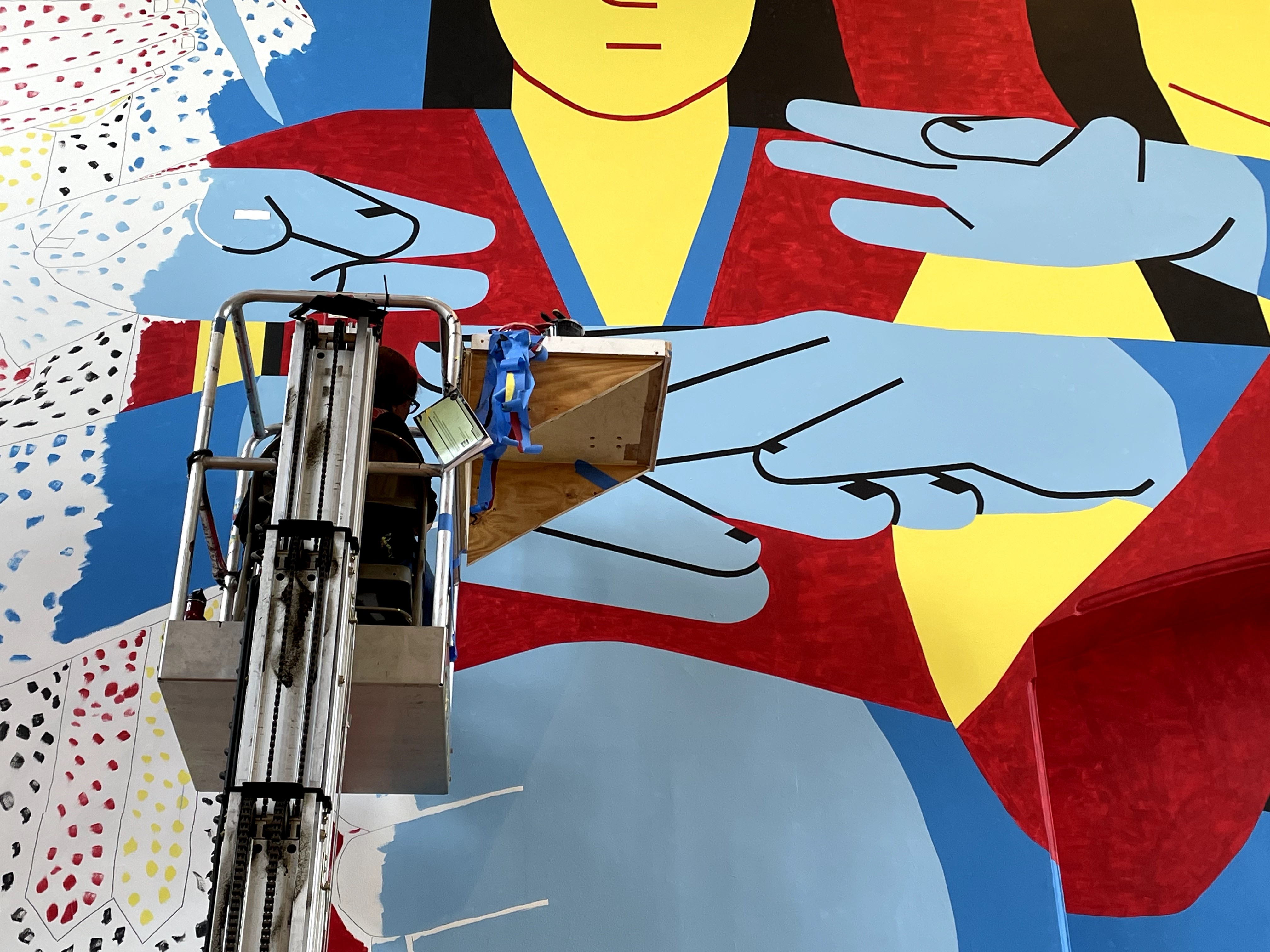
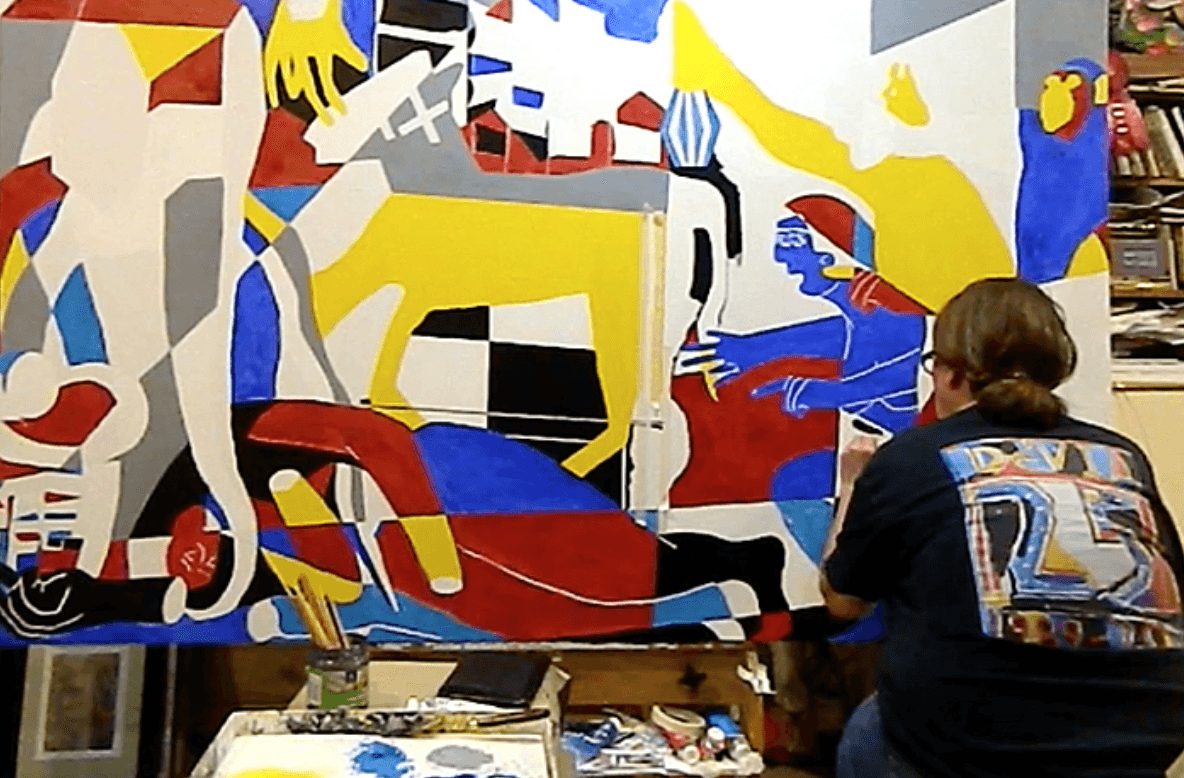
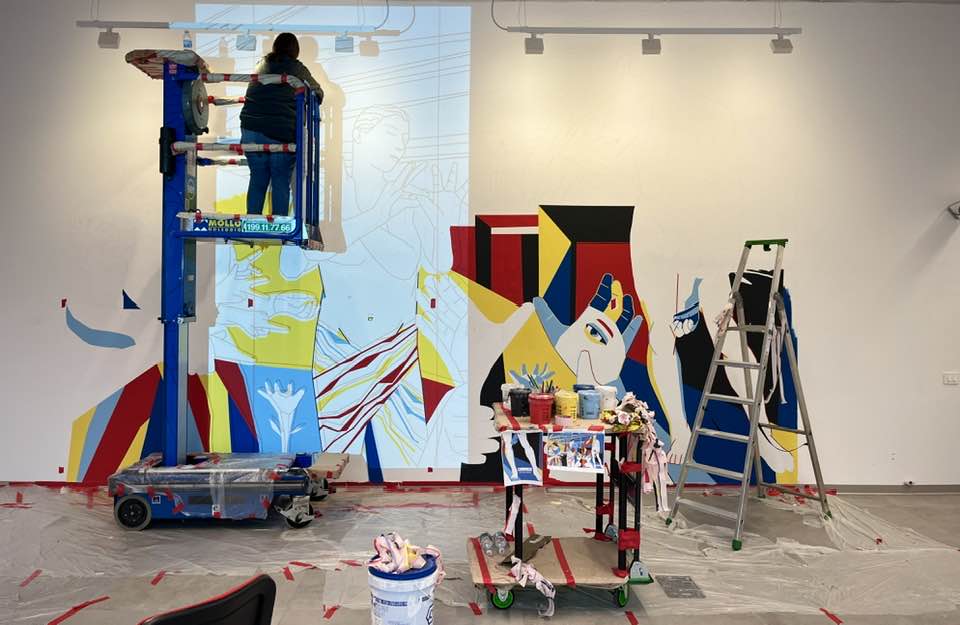
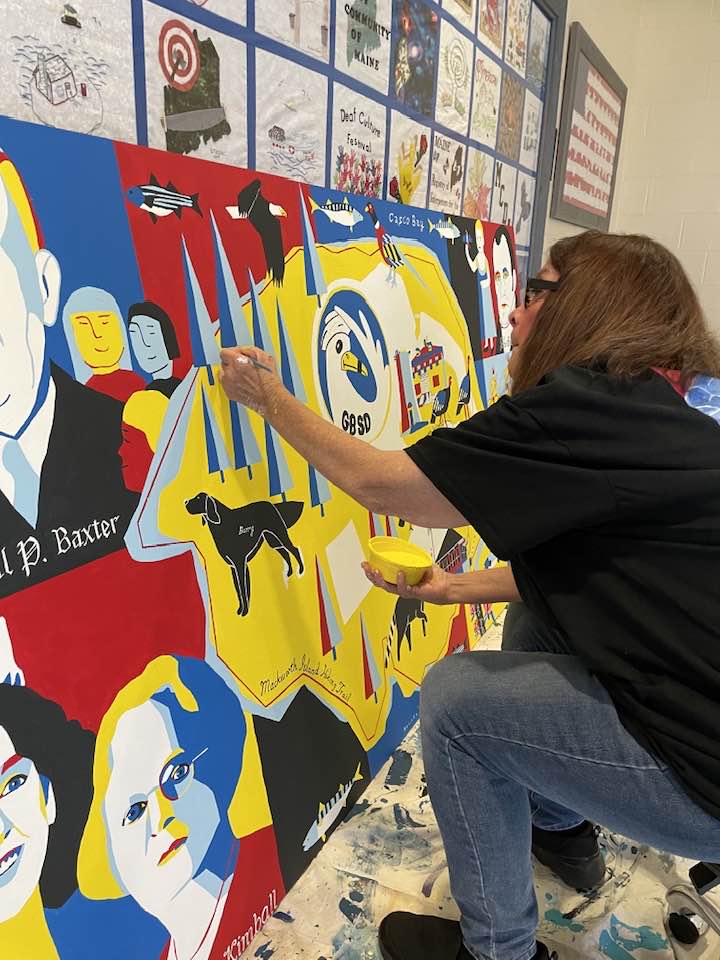
Image Credits
All of the photos were taken by Nancy Rourke. I give permission to allow my photos and credits to be used for publishing.