


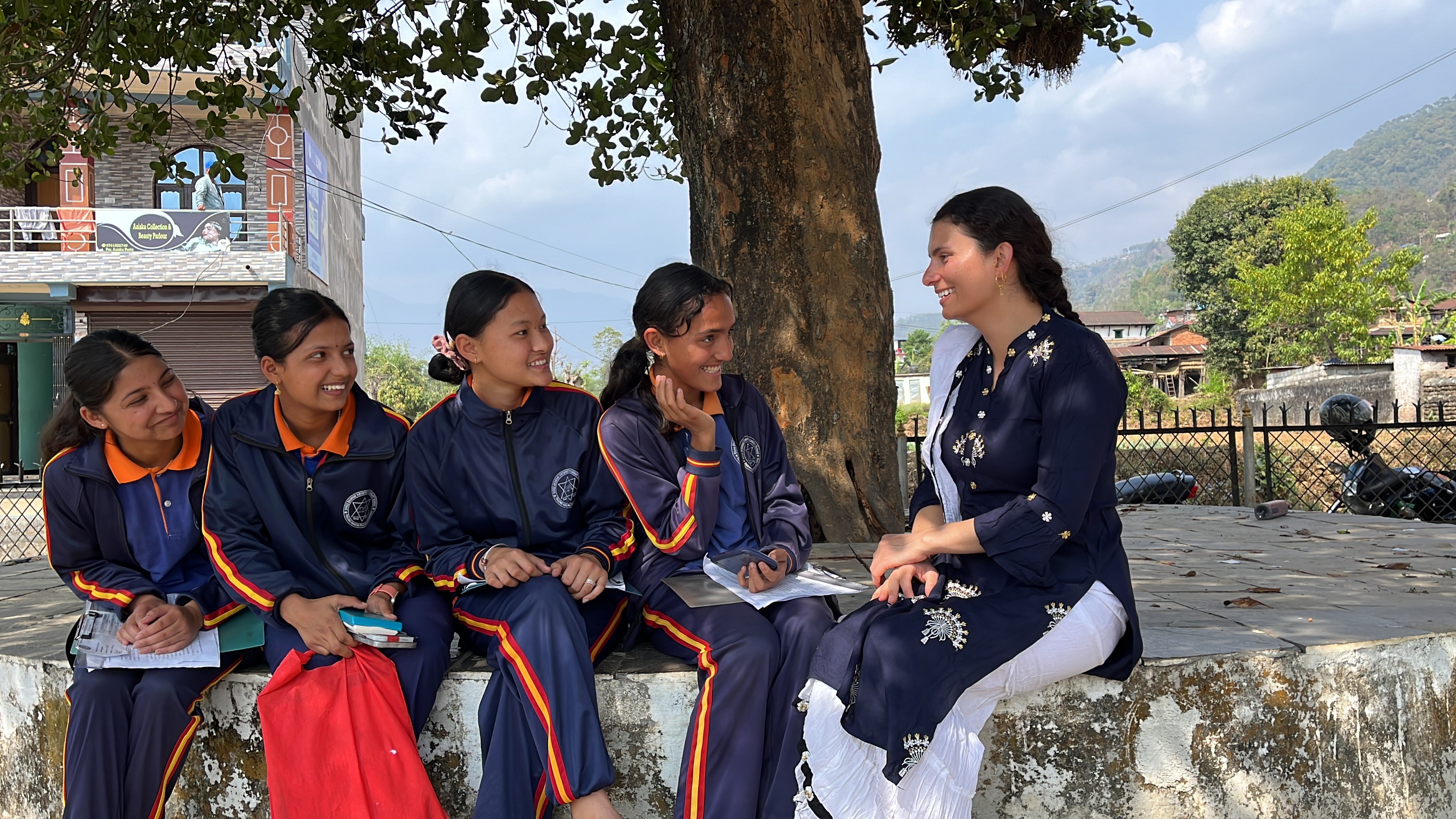
We recently had the chance to connect with Anisha Lamsal and have shared our conversation below.
Good morning Anisha, it’s such a great way to kick off the day – I think our readers will love hearing your stories, experiences and about how you think about life and work. Let’s jump right in? What is something outside of work that is bringing you joy lately?
Spending time with my puppy.
Can you briefly introduce yourself and share what makes you or your brand unique?
I am an advocate for gender equality and am passionate about empowering young women in rural Nepal. I believe that when we invest in girls’ education, we don’t just change one life, we change an entire community. That belief drives everything I do.
By profession, I’m an environmental engineer, where I design drinking water treatment systems that bring clean water to people who need it most. At the heart of my work is the Bahini Education Project, a nonprofit I founded to educate and empower girls in rural Nepal.
I was born in Parbat, the same place where our programs now run. My parents studied in those same schools. I’ve seen firsthand how access to education can transform the course of a girl’s life. My work is about creating that spark, helping young women see what’s possible when they’re given the chance to learn, to lead, and to lift others with them.
Thanks for sharing that. Would love to go back in time and hear about how your past might have impacted who you are today. Who taught you the most about work?
My parents. Their dedication gave me the opportunity to have a good education, and I want to give that same opportunity to girls in Nepal through the Bahini Education Project.
Watching them over the years showed me what it means to be committed, disciplined, and persistent. They inspired me to give my best in everything I do.
Was there ever a time you almost gave up?
There was definitely a time I almost didn’t start the Bahini Education Project. I was scared of failing because I didn’t know enough. I was scared of asking people to believe in a mission that I wasn’t even sure I could deliver. My background is in engineering, so running a nonprofit was completely outside my comfort zone. I didn’t know the first steps: how to raise money, how to inspire people to believe in the mission, or how to even set up the organization.
I had wanted to start this nonprofit since college, but it took years to find the courage. The first few months were difficult, I spent evenings and weekends figuring out everything from filing the paperwork to building a website, learning how to fundraise, and finding ways to communicate the vision so others could believe in it too.
Looking back, I am so glad I pushed through, otherwise, none of this would exist. The reason I kept going was simple: to give girls in rural Nepal the opportunity to learn, lead, and make informed decisions about their future. Starting something meaningful isn’t easy, but when the work lifts others up, every challenge feels worthwhile.
Sure, so let’s go deeper into your values and how you think. What’s a belief or project you’re committed to, no matter how long it takes?
I’m committed to the belief that girls’ education is worth investing in. In Nepal, 80% of girls who start primary school drop out by the time they reach grade 11. In addition, UNICEF reports that only 28% of girls finish grades 11 and 12. I knew something had to change. That’s why I started the Bahini Education Project, which supports girls from grade 9 through high school by covering tuition, fees, and course-related expenses like books and supplies.
Beyond academics, we provide skills training and mentorship to help girls build resilience and leadership. We also partnered with the Department of Chemical and Biological Engineering at the University of British Columbia, providing custom educational videos and supplementary coursework to deepen their understanding of STEM topics. This partnership has opened opportunities for our students to learn about science, technology, and engineering and has strengthened their curiosity in these fields.
Many of our students are the first in their families to complete high school. In Parbat, education beyond grade 10 costs about $500 per year. A barrier most families cannot afford. By removing that barrier, we give girls the chance to stay in school, focus on learning, and make informed choices about their futures.
One of our students, Swikriti, was the first in her family to continue beyond grade 10. She dreams of becoming a scientist and inspire other girls to pursue careers in STEM. We’ve supported her since 9th grade, and next year she’ll graduate high school. Seeing her confidence grow reminds me every day why this work matters.
This is the work I’m committed to for the long haul. Every girl who stays in school creates ripple effects that can transform entire communities.
Okay, so before we go, let’s tackle one more area. Are you doing what you were born to do—or what you were told to do?
Both, I would say. Growing up, I was told I should either be an engineer or a doctor. I chose engineering, and luckily, it’s a career I genuinely enjoy. I’m still an engineer, and I love that work. At the same time, this nonprofit lets me contribute in a way that feels meaningful and aligned with the values I’ve carried for a long time.
I believe my purpose is to serve others, specifically women and children. Starting the Bahini Education Project gave me a way to act on that. It’s not something I was told to do, it’s something that felt important to me. Bahini Education Project is especially meaningful to me because I’m empowering young women from the community where I grew up. It means a lot to me to be able to give back to the community my family has strong ties to and to be able to inspire girls to be positive changemakers.
Contact Info:
- Website: https://bahinieducationproject.org
- Instagram: https://www.instagram.com/bahinieducationproject/
- Linkedin: https://www.linkedin.com/company/bahinieducationproject/posts/?feedView=all
- Youtube: http://www.youtube.com/@BahiniEducationProject
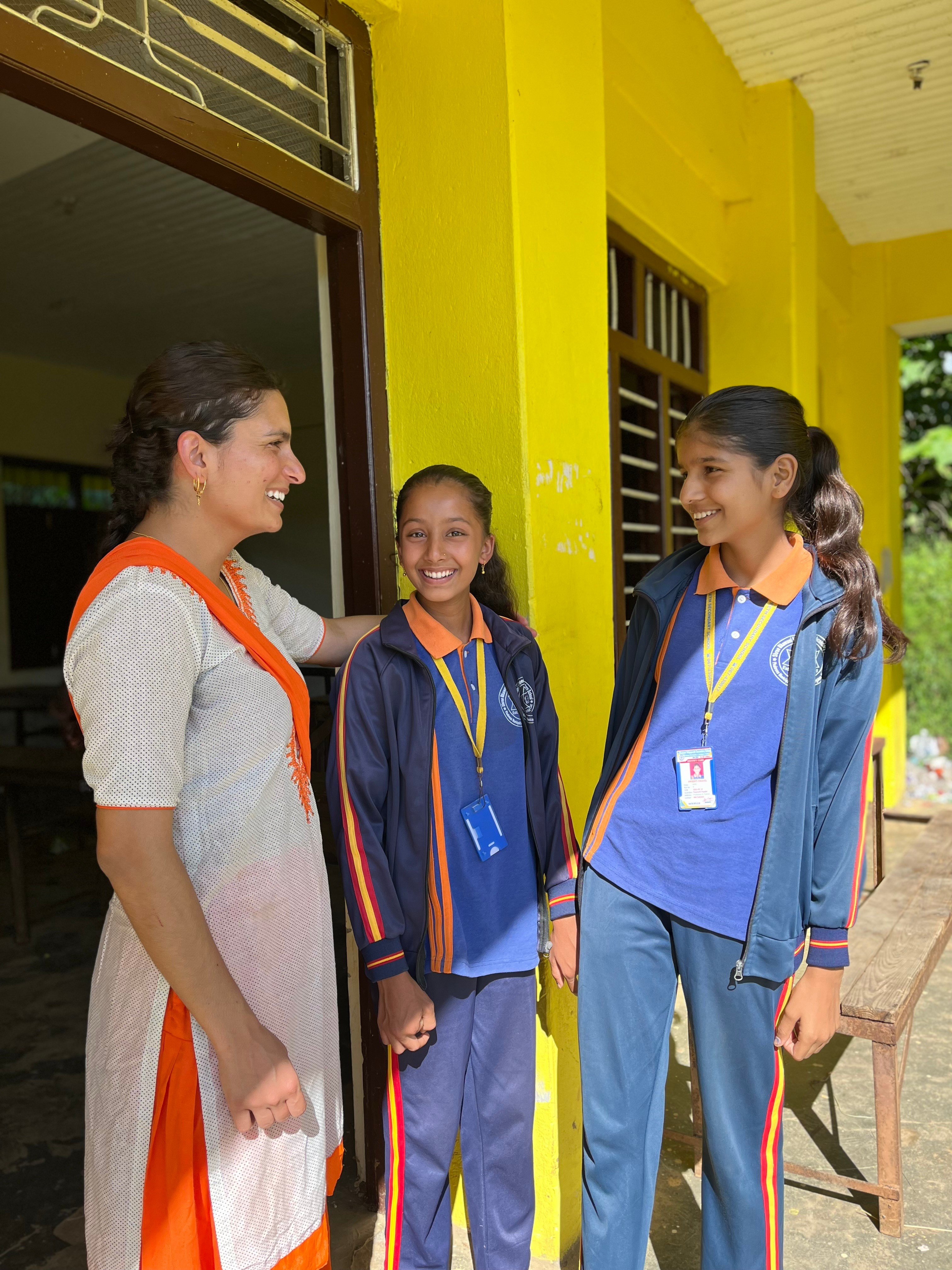
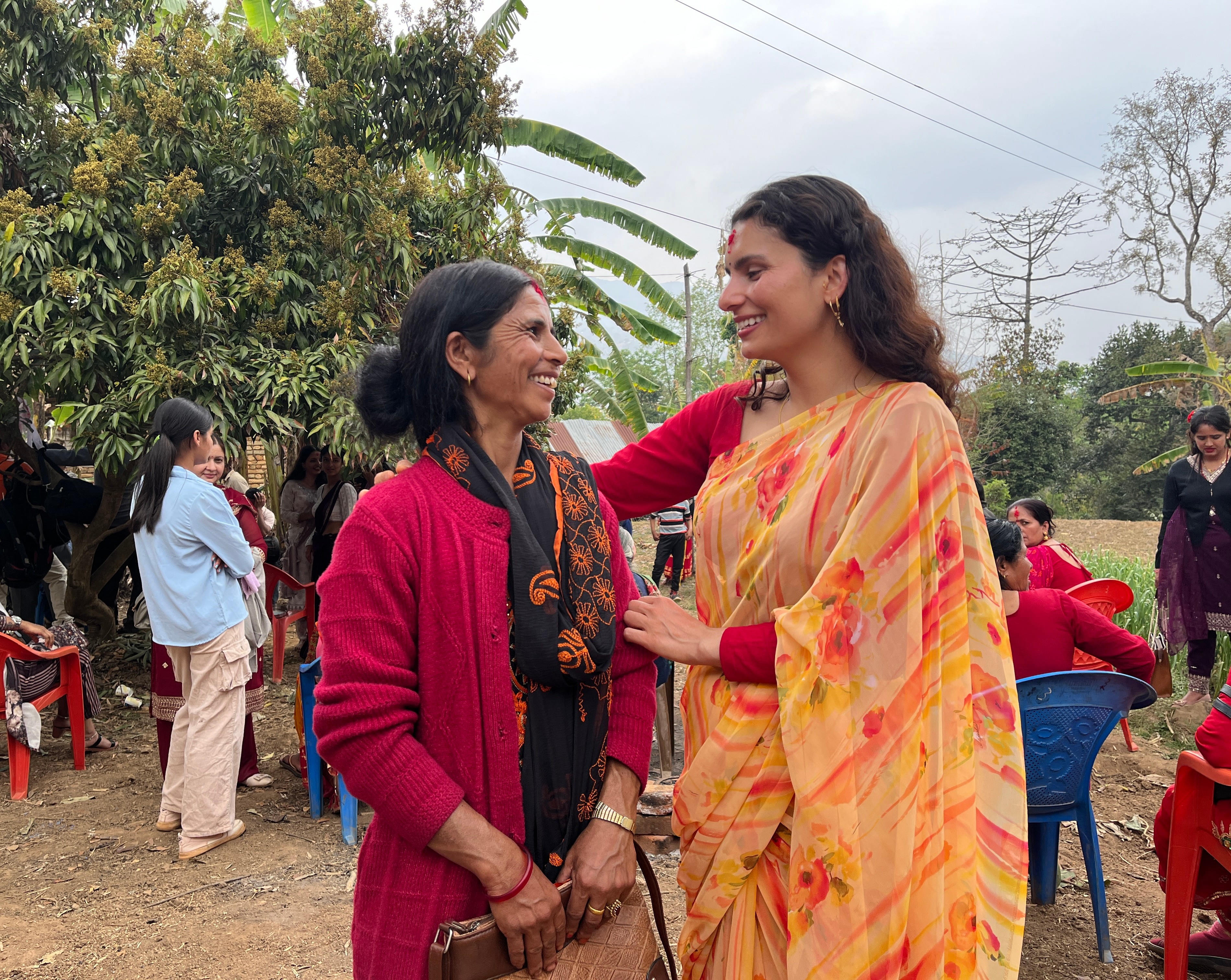
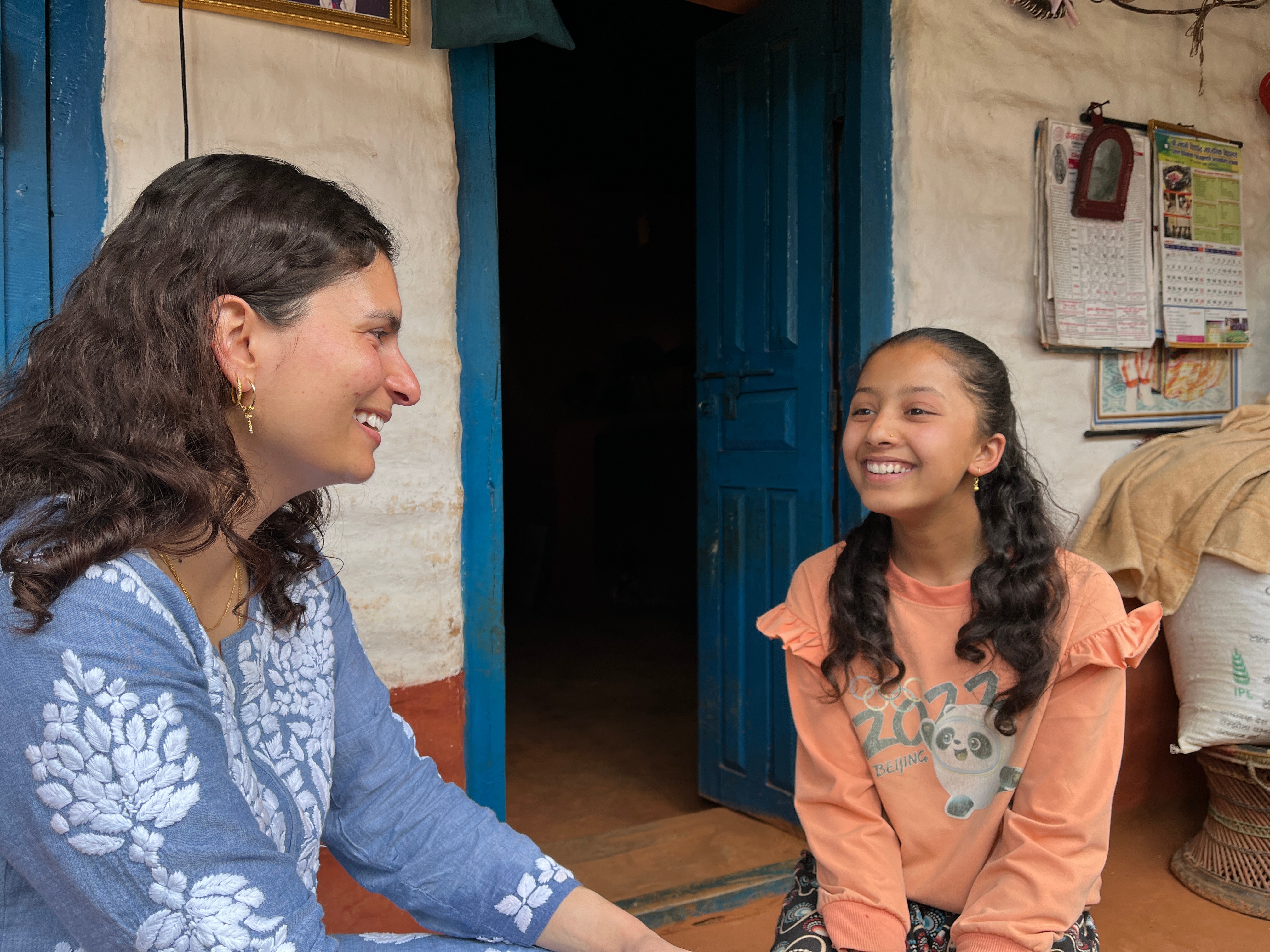
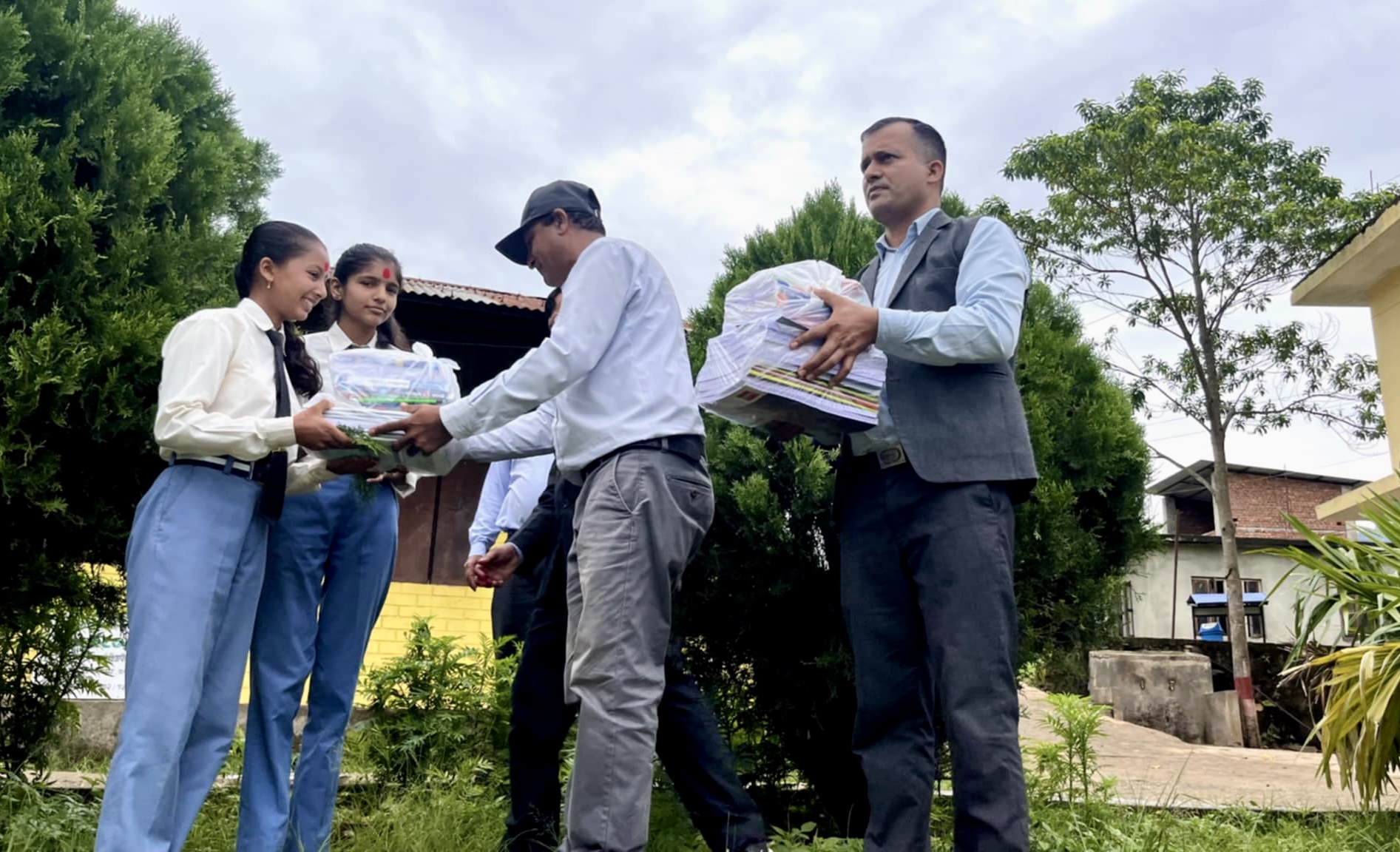
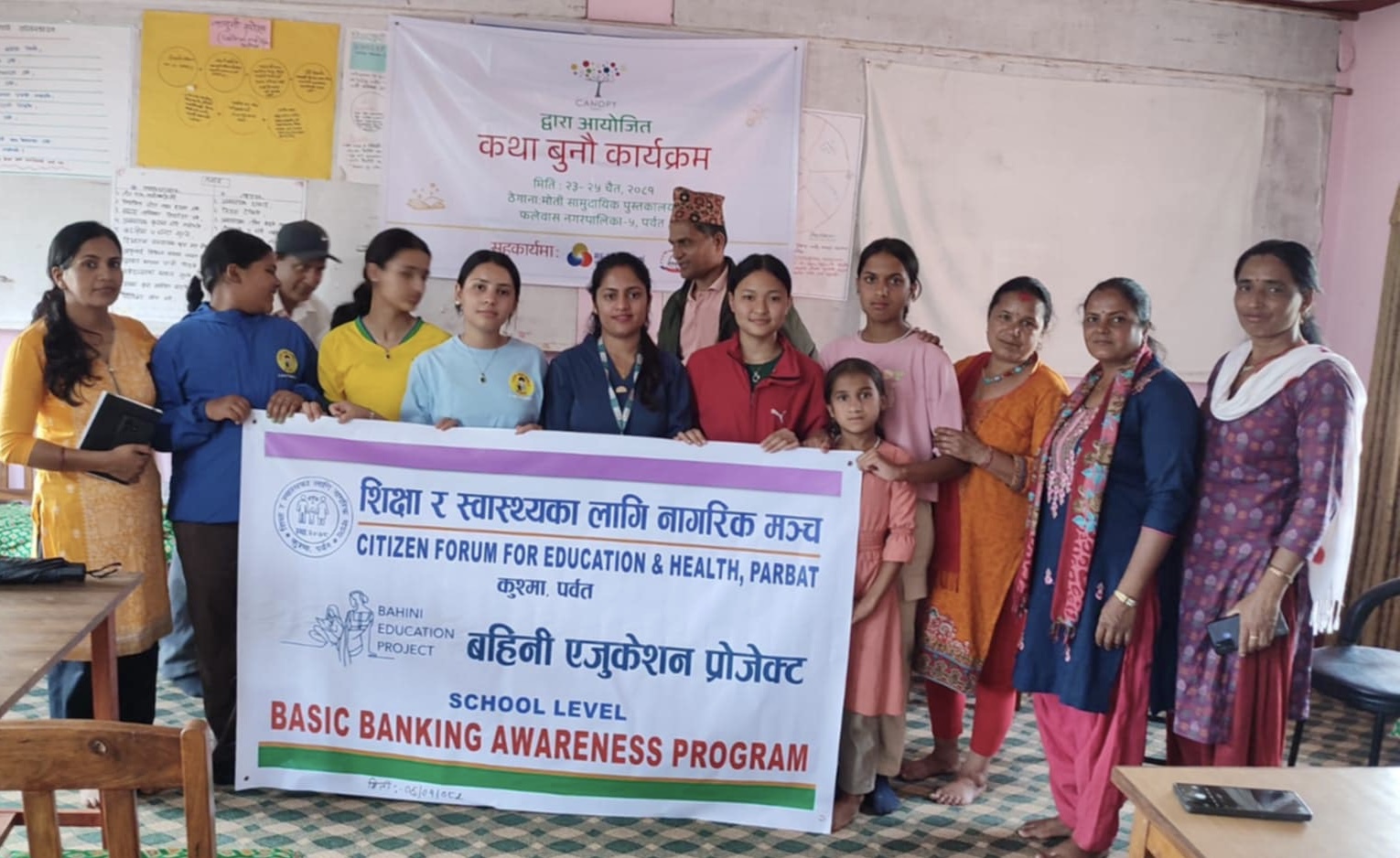
Image Credits
Bahini Education Project