


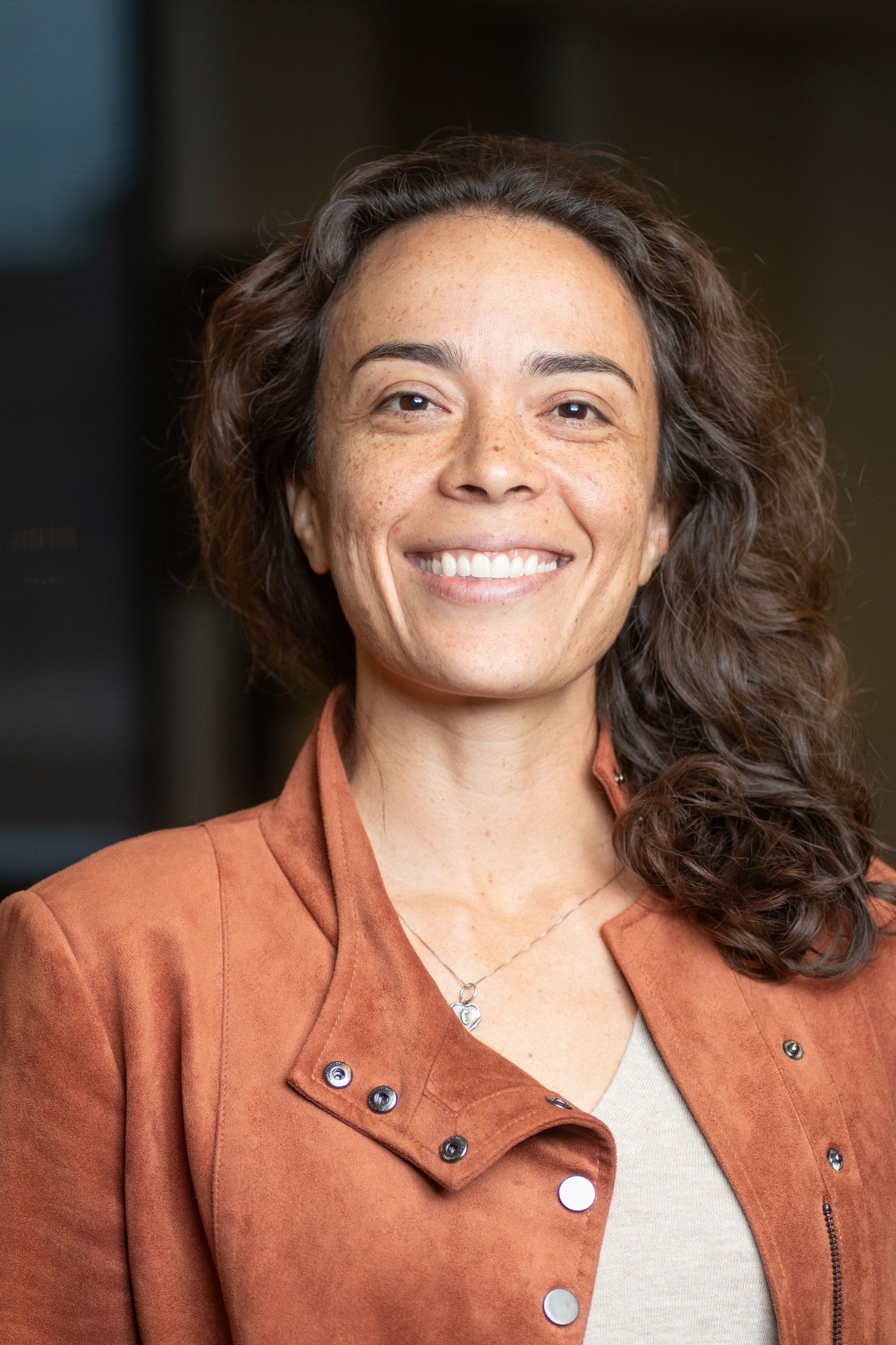
Dr. Casara Andre shared their story and experiences with us recently and you can find our conversation below.
Hi Casara, thank you for taking the time to reflect back on your journey with us. I think our readers are in for a real treat. There is so much we can all learn from each other and so thank you again for opening up with us. Let’s get into it: What do you think is misunderstood about your business?
The biggest misconception is that the intersection of veterinary medicine and the emerging psychedelic ecosystem is a “future” concern or a niche topic. In reality, the need for Harm Reduction Education (HRE) and clinical preparedness is an immediate, present-day necessity for veterinary and animal care professionals and animal guardians.
As human access to psychedelic substances increases globally, the veterinary community is seeing a direct correlation in accidental, malicious, intentional, and human-use adjacent animal and ethical impacts. Currently, there is a significant gap in professional training: most veterinary and animal care professionals lack the specific, updated protocols required to manage these cases safely and with a trauma-informed lens.
At VeterinaryPsy, we are misunderstood if we are seen only as advocates. We are a clinical preparedness hub and a resource for animal guardians and colleagues. We address the urgent reality that while human medicine is evolving rapidly, our animal patients are often left without a safety net. Our work focuses on providing emerging veterinary and psychedelic industries with the HRE and medical guidance necessary to handle these novel challenges—moving beyond simple toxicology to a comprehensive framework of inter-species harm reduction. We aren’t just preparing for a trend; we are equipping professionals to protect the animals in their care right now.
Can you briefly introduce yourself and share what makes you or your brand unique?
I am Dr. Casara Andre, a practicing veterinarian in Colorado—a state at the forefront of rapidly emerging and shifting psychedelic policies. In my daily practice, I see firsthand how these legislative changes directly impact animal patients, creating an immediate clinical need that cannot be ignored. I am a veteran, having served as a U.S. Army Veterinary Corp Officer in my early career, an entrepreneur, and a clinician, but above all, I am a Healer dedicated to the safety and autonomy of those who cannot speak for themselves.
VeterinaryPsy was born out of this necessity. We are a clinical and educational organization working to respond rapidly to the growing potential of harm to animals emerging alongside the human-centric psychedelic industry.
What makes us unique is our team’s deep-rooted experience in navigating the complexities of emerging and novel medicines. We are not just anticipating a future trend; we are responding to a present reality. We provide the essential infrastructure for inter-species harm reduction, supporting animal guardians, veterinary colleagues, regulators, and industry stakeholders who are currently navigating this uncharted territory without a clinical map.
Currently, we are focused on the immediate deployment of Harm Reduction Education (HRE) and clinical preparedness protocols. We serve as a primary resource for professionals who require evidence-based guidance to manage the medical and ethical risks associated with human-use adjacent animal impacts. The therapeutic potential of psychedelic substances for animals is there, but currently obscured by the need for rapid risk reduction actions and dissemination of harm reduction to this growing industry. By bridging the gap between human medical evolution and animal welfare, we ensure that animal safety, interspecies awareness, and trauma-informed care remain foundational to the psychedelic movement.
Okay, so here’s a deep one: What’s a moment that really shaped how you see the world?
A pivotal moment in my career occurred in Colorado during the Marshall Fire of 2021, while I was serving as the Director of the Front Range Veterinary Medical Reserve Corps. In the face of that crisis, it became starkly clear that despite our team’s expertise, we lacked the integrated clinical infrastructure and proactive policy engagement required to respond effectively. It was a profound lesson in the difference between being ‘qualified’ and being ‘prepared.’
That experience refined my perspective on how we approach any emerging or novel field in medicine. Throughout my career—from my time in the U.S. Army Veterinary Corps to my clinical work with acupuncture, medical massage, and cannabis—I have learned that navigating the ‘frontier’ of medicine requires more than just technical skill. It requires clinical preparedness, team cohesion, and rigorous self-regulation. The Marshall Fire taught me that if we are not forward-leaning and active in shaping policy and protocol, we leave our patients and our colleagues vulnerable. I now view the emerging psychedelic landscape through that same lens of necessity. We cannot afford to be reactive. My work with VeterinaryPsy is a direct continuation of that trajectory: applying the discipline of disaster response to the complexity of novel medicine. We are building the clinical safety net now—ensuring that this time, the infrastructure is as fast and robust as the shift in the industry itself.
What did suffering teach you that success never could?
Early in my career, I defined success through the lens of intervention. Like many young practitioners, my self-worth was tied to “knowing the right answer,” “saving” the patient, and the adrenaline of a successful outcome. In that framework, anything less than a full recovery felt like a clinical failure—a gap in my knowledge or a limitation of my tools.
However, the suffering of not knowing the answer, or lacking the tools to relieve a patient’s distress, taught me a lesson that clinical “successes” never could: The absence of a positive outcome is not the absence of a role.
Clinical maturity has taught me to reframe my definition of success. Today, success isn’t always “fixing”; it is the act of bearing witness and navigating with a family and with each patient through the entirety of the Spectrum of Care.
It is the intentional choice to show up in each moment with exactly what you have—even if all you have is your presence. It means standing in the gap for a patient and holding space for a family when the outcome is no longer in our hands. By reframing “failure” as the clinical act of showing up, I have found a way to remain a Healer even when the medicine reaches its limit. This shift is what allows me to keep showing up for the work every single day.
Next, maybe we can discuss some of your foundational philosophies and views? What’s a belief or project you’re committed to, no matter how long it takes?
I am committed to the development of a clinical framework for interspecies medicine that prioritizes the family system as the primary unit of care.
Clinical data on interspecies emotional contagion—specifically research showing the synchronization of Heart Rate Variability (HRV) between humans and dogs—indicates that an animal’s physiological state is often a direct reflection of its human’s autonomic nervous system. In my practice, this means we cannot treat the animal in isolation. Furthermore, this physiological co-regulation suggests that the human-animal bond (HAB) can be leveraged for the bidirectional improvement of health between bonded pairs. A human’s emotional and chemical profile is, in effect, a significant environmental factor for the animal patient.
With the rising use of psychedelic-assisted therapies in human medicine, there is an urgent need to address interspecies effects. Whether an animal is exposed to a substance directly or is responding to the neurobiological shifts in a human caregiver, the impact is measurable. VeterinaryPsy, is committed to building clinical response protocols for colleagues responding to animal exposures as well as the future path toward therapeutic use.
Thank you so much for all of your openness so far. Maybe we can close with a future oriented question. How do you know when you’re out of your depth?
In my early career, I thought being “out of my depth” only applied to technical skills—not knowing how to perform a specific surgery or manage a rare pathology. As a mature practitioner, I’ve learned that the more critical boundary is the limit of my clinical capacity. I know I am out of my depth when I can no longer maintain the emotional hygiene necessary to be an effective Healer.
I’ve learned that I show up best when I am willing to gauge my own capacity in real-time. Clinical excellence requires more than just medical knowledge; it requires the active, daily maintenance of the self. This means having the discipline to process trauma with my community, a commitment to continued growth, and the willingness to grieve what I cannot fix without labeling it a failure.
I am out of my depth when I start rushing to solve a problem just to escape the weight of it. In those moments, I am reacting to my own discomfort. True maturity in this profession is recognizing that “showing up” is an active clinical skill, not a passive endurance test.
I am within my depth when I can stand in the gap for a family and stay present with a patient, knowing that my value isn’t just in what I can “fix,” but in the steady presence I provide. By treating my emotional hygiene with the same rigor as a surgical technique, I ensure that I can continue to show up—not just today, but for the entirety of a long and sustainable career.
Contact Info:
- Website: https://www.veterinarypsy.org
- Instagram: https://www.instagram.com/veterinarypsy/
- Linkedin: https://www.linkedin.com/company/veterinarypsy/
- Facebook: https://www.facebook.com/veterinarypsy
- Youtube: https://www.youtube.com/@VeterinaryPsy
- Other: Substack: https://cultivatewellbeing.substack.com/s/veterinarypsy?utm_source=newsletter_page
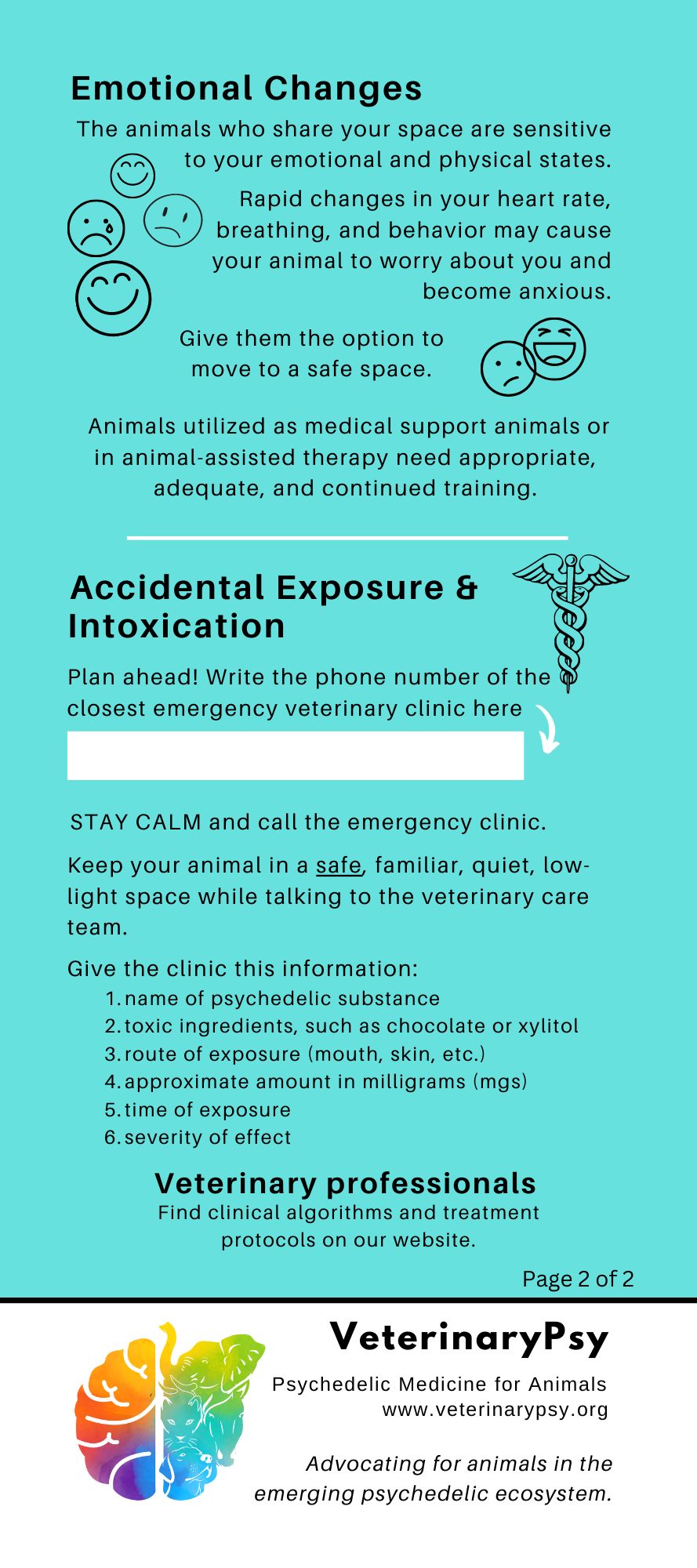
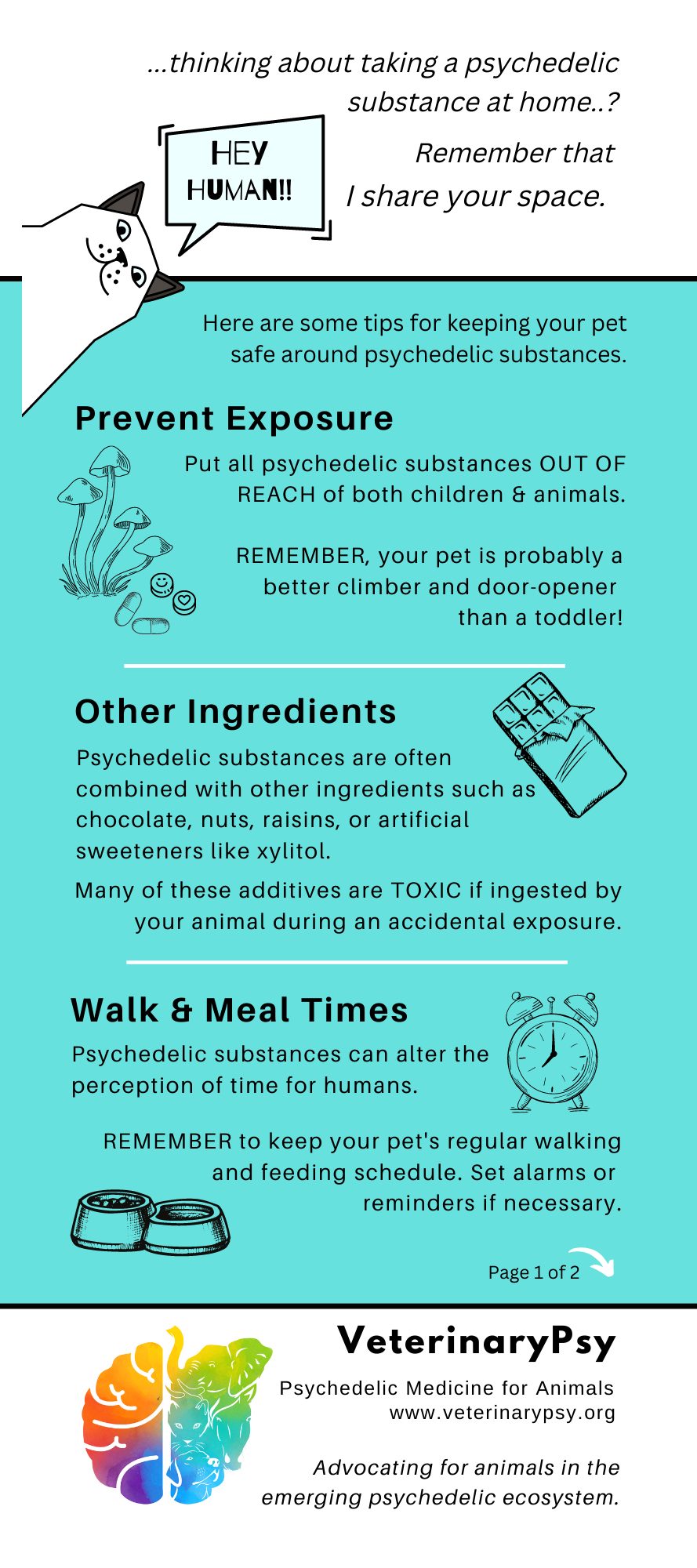
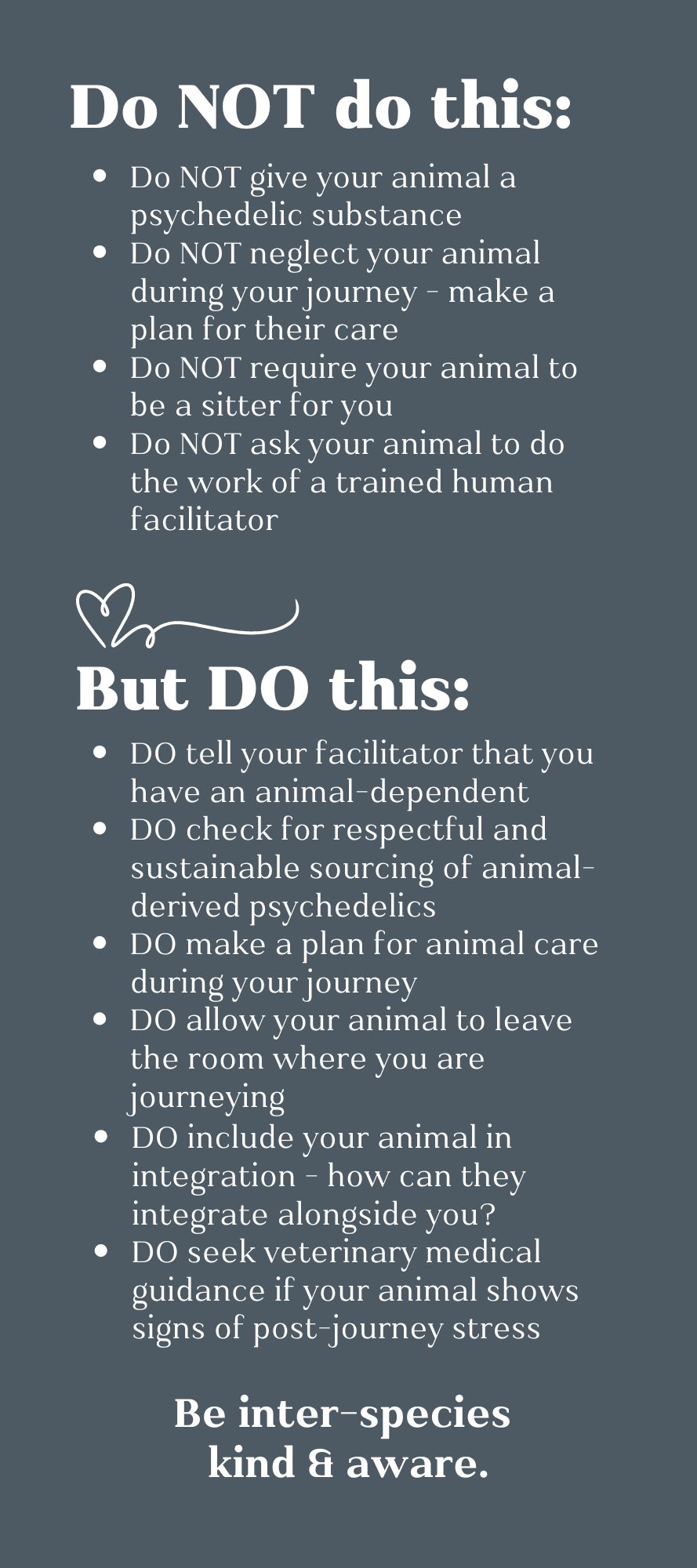
Image Credits
VeterinaryPsy