



Today we’d like to introduce you to Kristen Wolfe.
Hi Kristen , so excited to have you with us today. What can you tell us about your story?
I’m a board-certified obstetrician-gynecologist, and from the very beginning of my career I was drawn to the complexity and nuance of caring for women in midlife. Early in practice, I inherited the patient panel of a highly respected physician in our community who was a strong, thoughtful proponent of menopausal hormone therapy. Many of his patients had been on hormones for years and were deeply engaged in shared decision-making about their care. Stepping into that role shaped me profoundly—it taught me how powerful it is to listen carefully, individualize risk-benefit discussions, and treat hormone therapy not as a one-size-fits-all decision, but as a collaborative, evidence-based conversation.
Later, my work with a leading women’s health telemedicine platform expanded that foundation even further. There, I cared for women across the country with complex medical histories—cancer survivors, women navigating sexual health concerns, weight and metabolic health challenges, and those who had been told their symptoms or their histories were “too complicated” or “just part of aging.” That experience sharpened my skills in nuanced, high-level menopause care and reinforced how much misinformation, fear-mongering, and fragmented care women still face during this transition.
Building on my training as an OB/GYN and these experiences, I realized there was a real gap locally: women needed a trusted, go-to expert to guide them through perimenopause and menopause with clarity, evidence, and empathy—without rushed visits or biased, non-evidenced based care. That’s what led me to create a direct specialty care clinic designed specifically for midlife women. My goal is to offer truly personalized care rooted in shared decision-making, while also serving as a medical home and point person for the broader health concerns that inevitably arise during this stage of life. Women deserve thoughtful, proactive care during the menopause transition—and a physician who is willing to walk alongside them.
Alright, so let’s dig a little deeper into the story – has it been an easy path overall and if not, what were the challenges you’ve had to overcome?
It definitely hasn’t been a completely smooth road. Some of the challenges have been very tangible—finding the right space, navigating a lengthy remodel that’s still in progress, and building a clinic from the ground up while continuing to care for patients. There’s also the work of explaining a direct specialty care model to women who have been conditioned for decades to expect rushed visits and fragmented care, even when it’s not serving them well.
There are personal and financial risks that come with stepping outside of traditional systems, and I don’t take that lightly. But it’s been worth it. Once patients understand what I’m offering—time, continuity, evidence-based guidance, and true partnership—I’m able to do more with a patient in one year than most physicians are able to do over a lifetime of brief, episodic visits. That depth of care is what allows real change to happen.
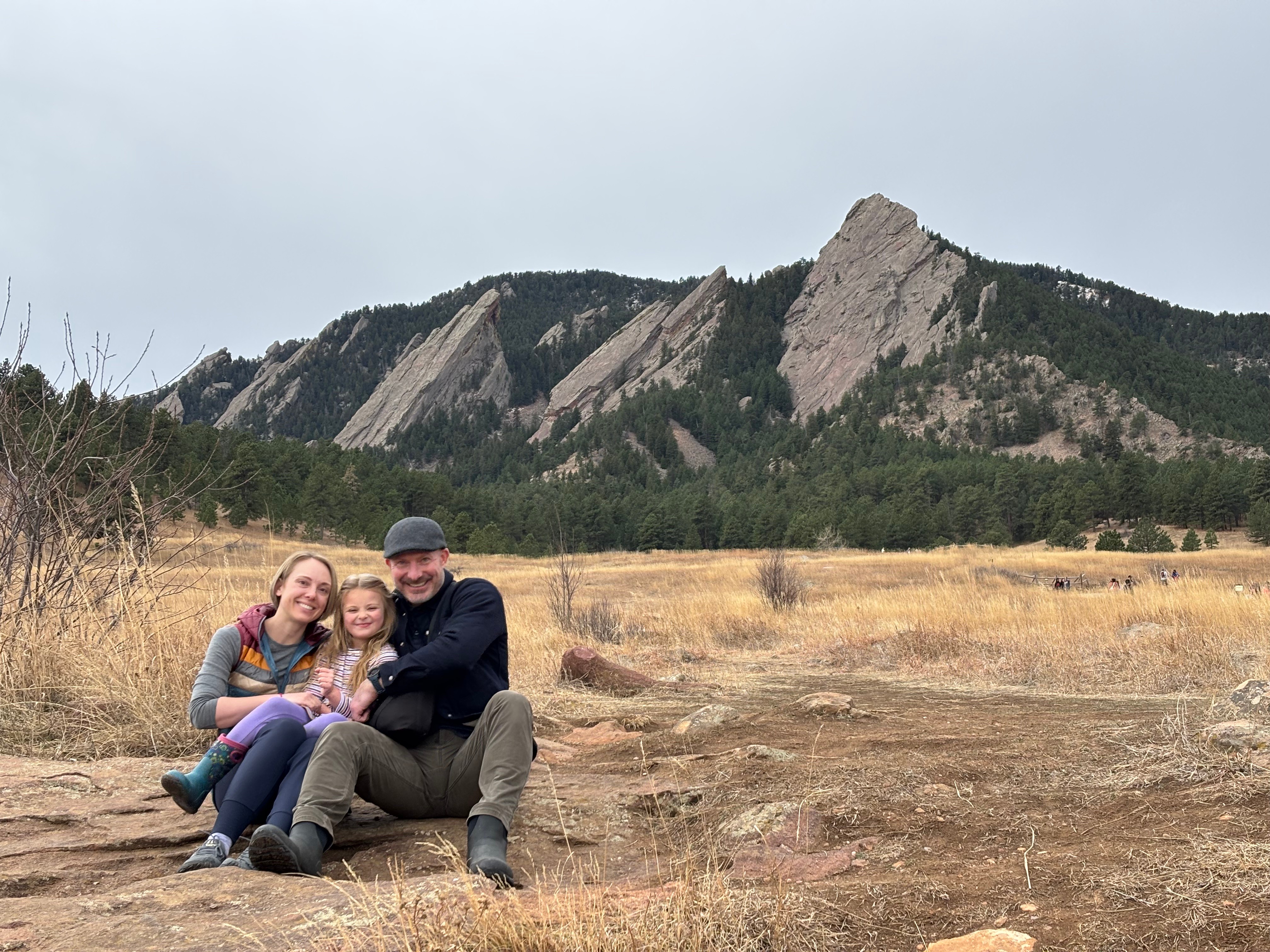
On a more personal level, I’m proud to be continuing a family tradition of small business ownership that was modeled for me by my parents. Building this practice isn’t just about medicine—it’s about showing my daughter that you can take a thoughtful risk, create something aligned with your values, and build a career that serves both your community and your family.
Alright, so let’s switch gears a bit and talk business. What should we know?
My practice is a physician-led women’s health clinic focused on perimenopause, menopause, and midlife health, built on a direct specialty care model. That means patients work directly with me. I specialize in evidence-based hormone therapy, sexual health, weight and metabolic health, bone and cardiovascular risk assessment, and care for women with complex medical histories, including cancer survivorship.
What sets my practice apart is depth, continuity, and shared decision-making. Menopause care is not just about treating hot flashes—it’s about understanding the whole person, reviewing personal risks and goals, and building a plan that evolves over time. I spend the time to connect symptoms with physiology and long-term health, and I partner with patients rather than dictating care.
Women live longer than men, but they spend more of those years in poorer health. A core goal of my practice is to change that trajectory—to optimize health, function, and vitality across the lifespan so women can stay active, engaged, and vibrant as they age. That means being proactive about bone, heart, metabolic, and brain health, not just reacting once problems arise.
I’m also proud that this practice functions as a true medical home for midlife women. Many patients come to me because they don’t have a clear point person in the healthcare system. I serve as that trusted go-to physician—not only for menopause-related concerns, but for broader gynecologic and medical questions that arise during this stage of life.
From a brand standpoint, what I’m most proud of is trust. Women come here because they want clear, honest guidance grounded in evidence—and because they want to feel heard. I want readers to know that this clinic was intentionally designed for women who want more from their healthcare: more time, more nuance, more partnership, and a physician who is willing to meet them where they are and walk alongside them through every stage of aging.
Care is offered through a one-year membership designed for women who want ongoing, proactive guidance and continuity, or as a one-time comprehensive consult for those seeking expert menopause insight, second opinions, or collaboration with their existing physician. Both options are built around depth, clarity, and shared decision-making—so women can get the level of care they actually need, whether short-term or long-term.
Before we let you go, we’ve got to ask if you have any advice for those who are just starting out?
One thing I would emphasize is the value of being willing to build something outside of traditional systems when you know those systems aren’t serving people well. Creating a model that truly works for patients can feel uncomfortable at first—especially when it looks different from what’s been done before.
If you stay anchored to a clear mission and keep your focus on how to best serve the people you’re caring for, the rest tends to follow. Models, logistics, and growth can be figured out over time. But when your decisions are consistently guided by what actually improves outcomes and experiences for patients, you build trust—and trust is what sustains any successful business in the long run.
Finally, don’t underestimate the value of community. I’ve found a generous, collaborative group of physicians doing similar work who are willing to share their time, experience, and hard-earned lessons, along with the guidance of a business coach who helps me see around corners- and I’m deeply supported at home by my husband and our five-year-old daughter, who remind me daily why this work matters.
Don’t try to do this alone!
Contact Info:
- Website: https://www.evermorewomenshealth.com
- Instagram: https://www.instagram.com/kristenwolfemd/
- Other: https://www.tiktok.com/@kristenwolfemd



Popular
-

The Trailblazers: Rewriting the Narrative
-

Celebrating the Spotlight: Kaytee Shashore Turns Milestones Into Momentum
-

Humanity in the Machine: Alexander Raye Pimentel’s Cyborg Recall Questions the Cost of a Data‑Driven World
-

Raemi Anderson on Courage, Caution, and Answering the Call of the Landscape
-

Hidden Gems: Local Businesses & Creatives You Should Know


