

Today we’d like to introduce you to Caroline Pettit.
Hi Caroline, thanks for joining us today. We’d love for you to start by introducing yourself.
My journey started as the parent of two preschoolers who attended Nature Forward Preschool in Maryland. I wasn’t familiar with nature-based education until my children enrolled there, but the benefits became abundantly clear almost immediately — we watched our daughter grow brave and resilient, and our youngest’s imagination soar in this play-based, outdoor environment. I was teaching mindfulness in public schools at the time and would watch teachers look up the day’s weather on a computer instead of opening the blinds to their classrooms. Meanwhile, my own children were self-regulating big emotions by jumping, running, picking dandelions, digging in mud, and swinging from honeysuckle vines — and teaching me to recognize the call of the Carolina wren and what the word “crepuscular” meant.
When we moved to Colorado, I was surprised to find so few nature preschools — knowing that playing outdoors is part of what many Coloradans live for (and part of why we moved here). After digging deeper, I learned that one reason there were so few outdoor, nature-based preschools was that they had no pathway to become licensed by the state. So I helped start a nonprofit — the Colorado Collective for Nature-Based Early Education — and we worked to pass SB 24-078, creating a new license type in Colorado: the outdoor, nature-based preschool.
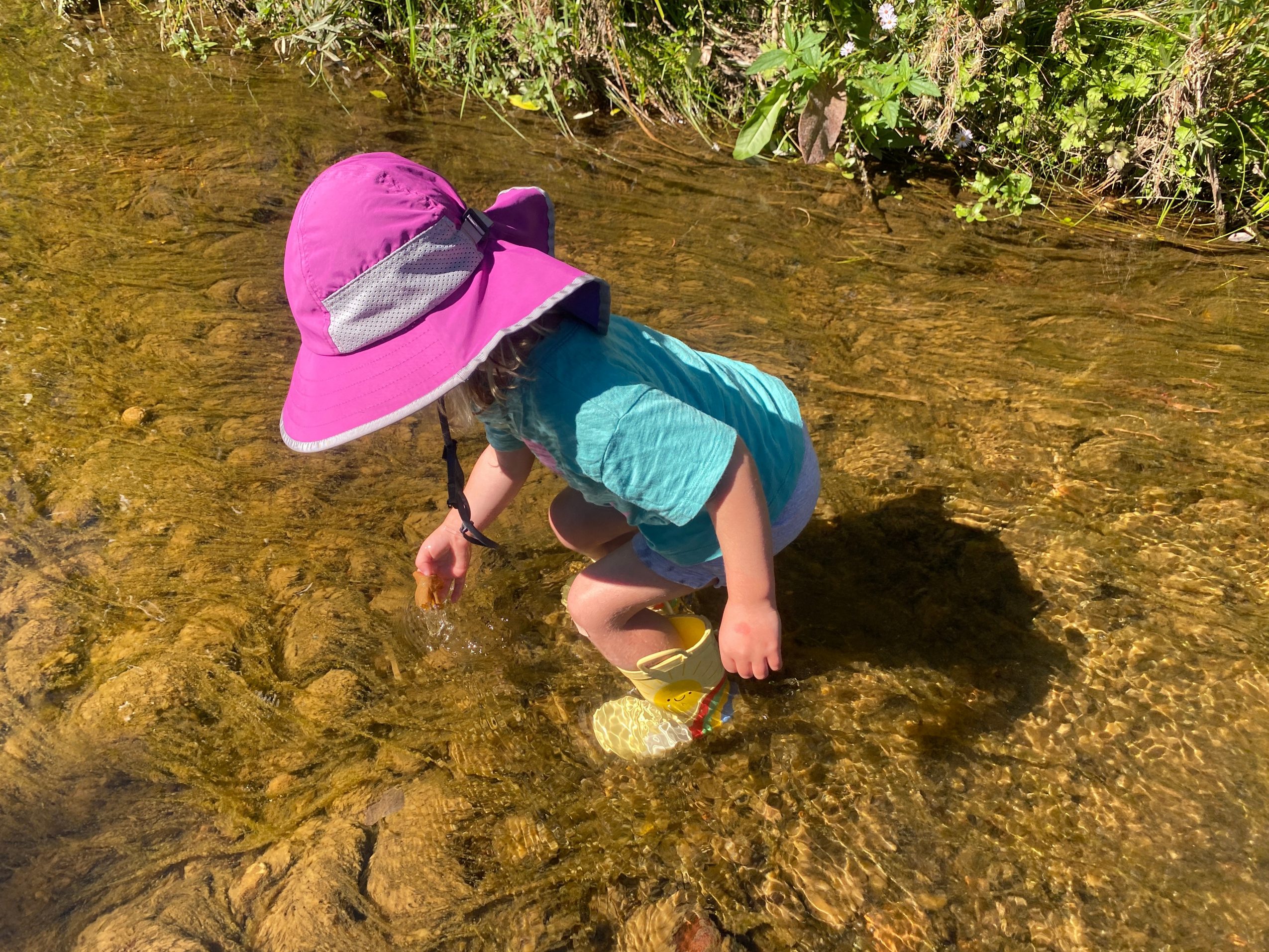
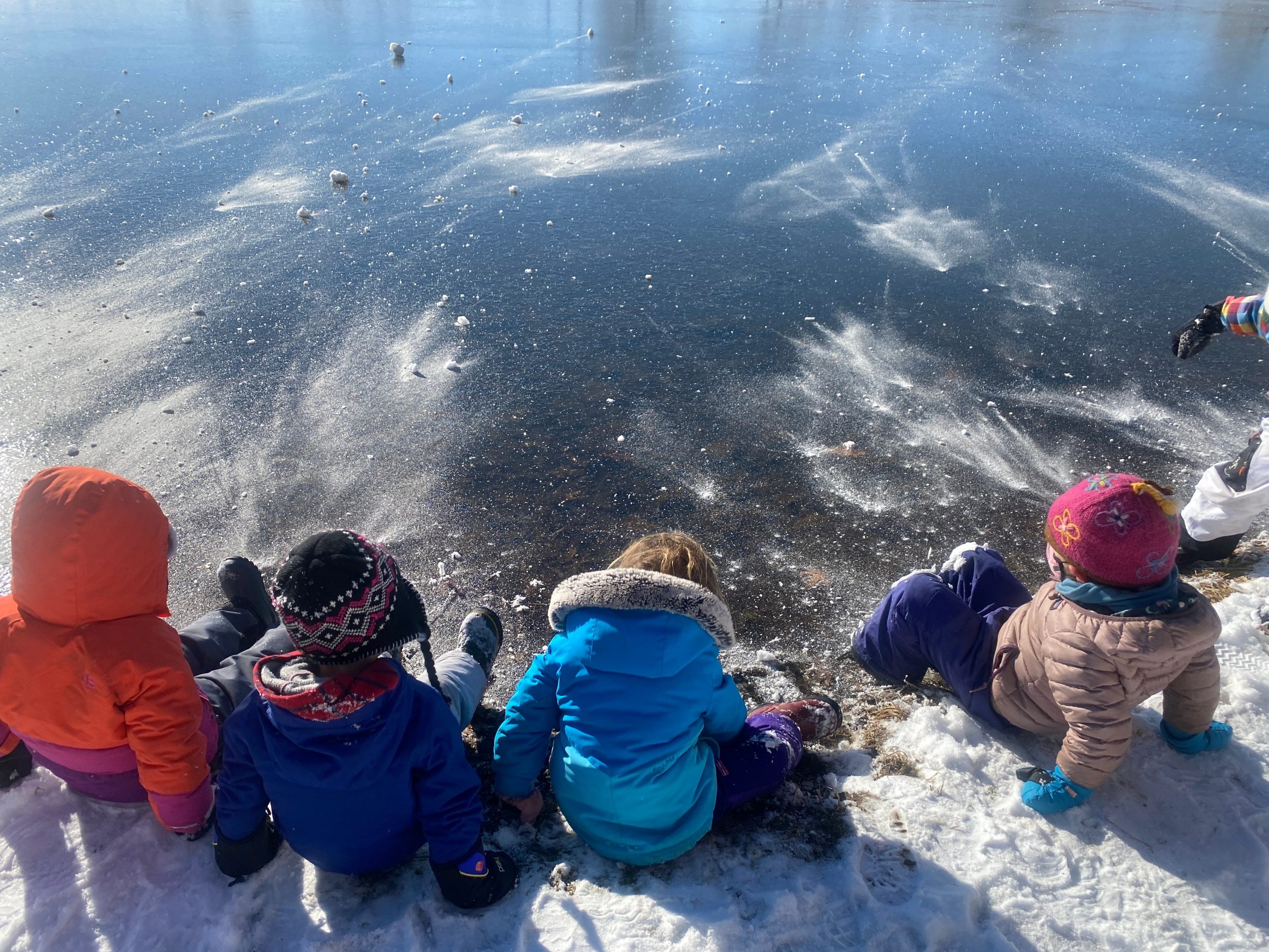
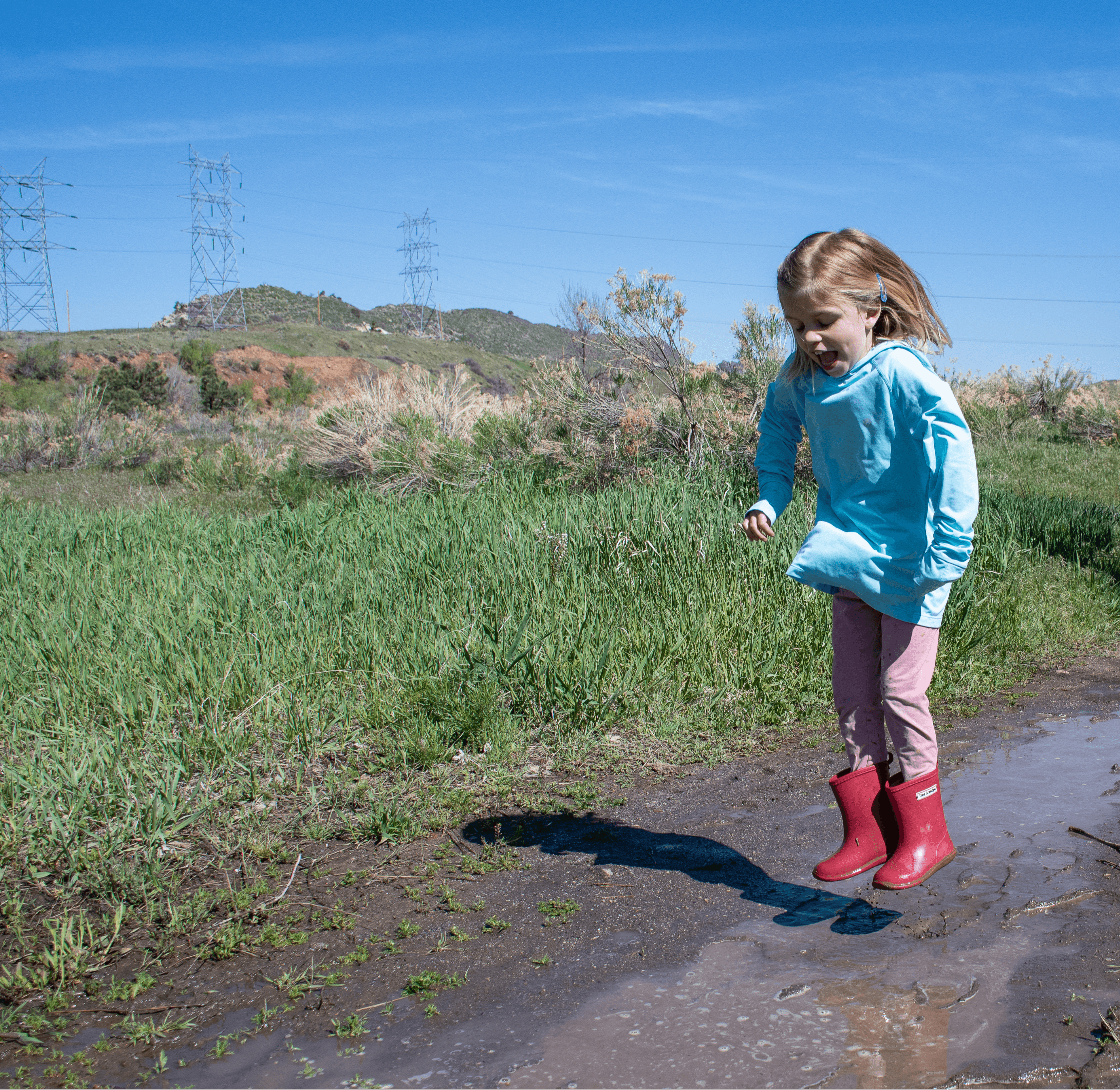
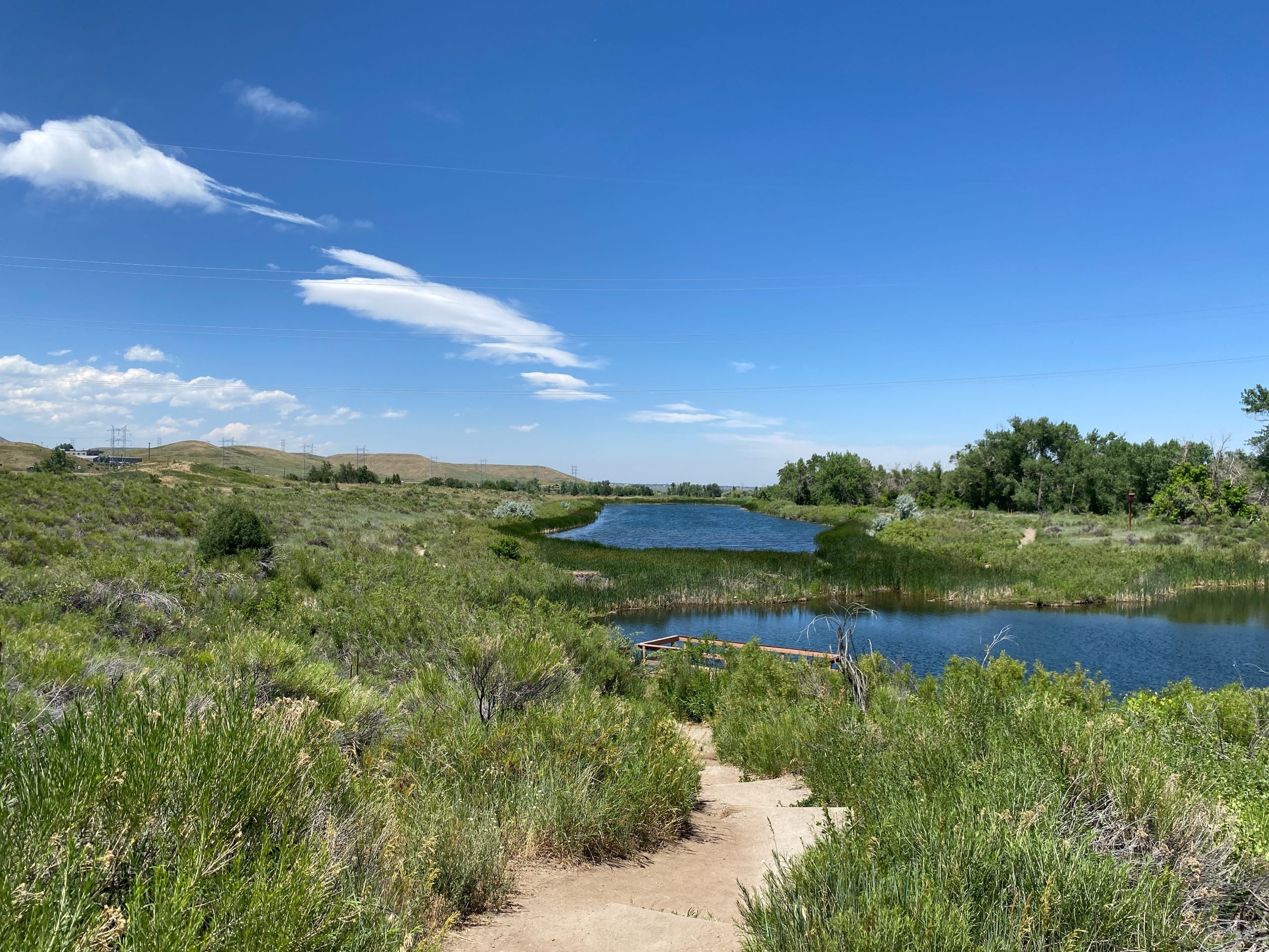
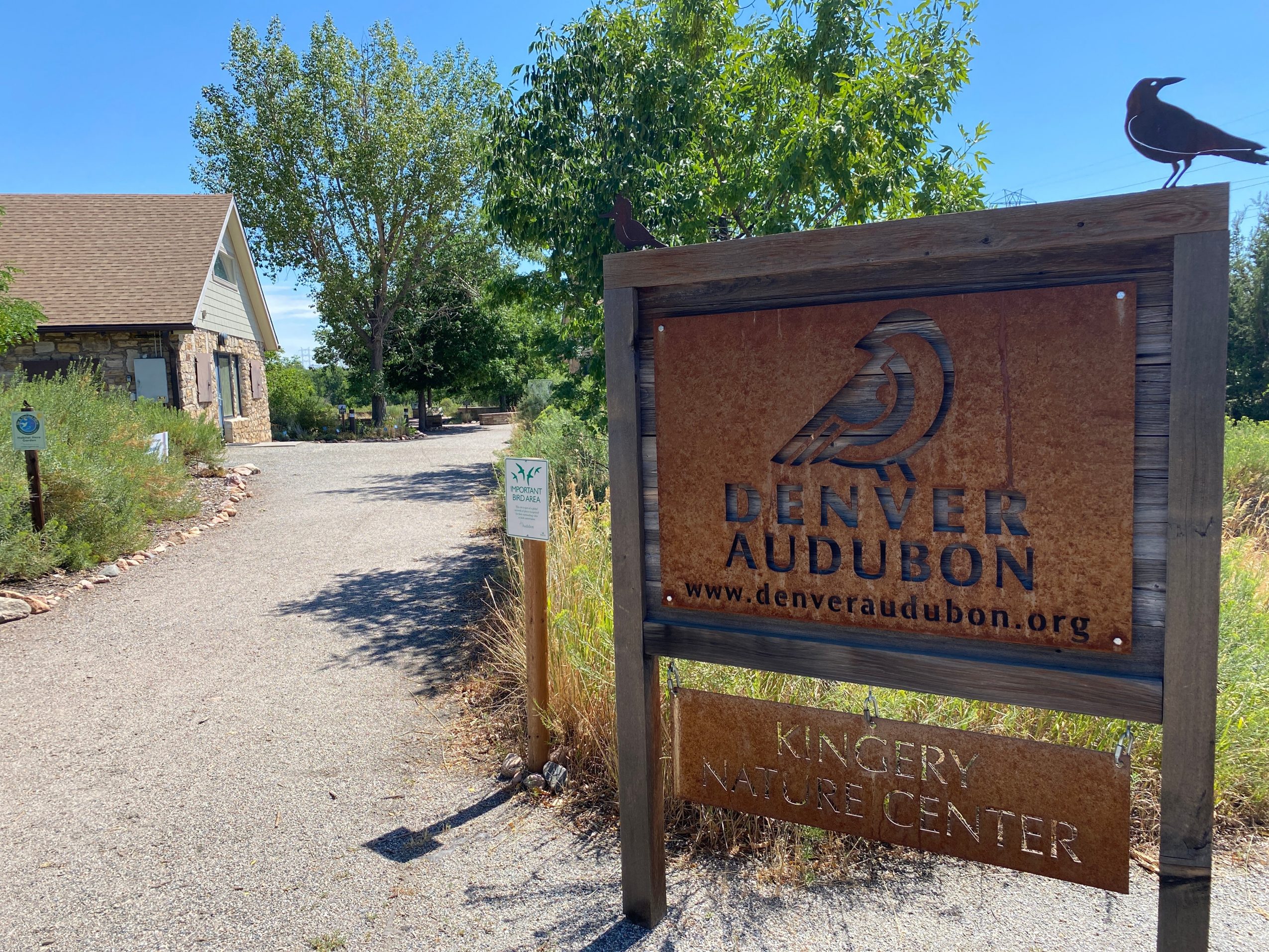
In the meantime, I reached out to Denver Audubon to ask whether they’d be open to me opening a nature preschool at the beautiful Kingery Nature Center within Chatfield State Park. Luckily, they were excited by the possibility of introducing our youngest children to the importance of protecting birds, wildlife, and their habitats. This fall, the Denver Audubon Nature Preschool will open, welcoming 24 children to grow up the way nature intended — running down dirt trails, watching the Say’s Phoebe build her nest, splashing in the South Platte River, and spying bugs on the rubber rabbitbrush.
Would you say it’s been a smooth road, and if not what are some of the biggest challenges you’ve faced along the way?
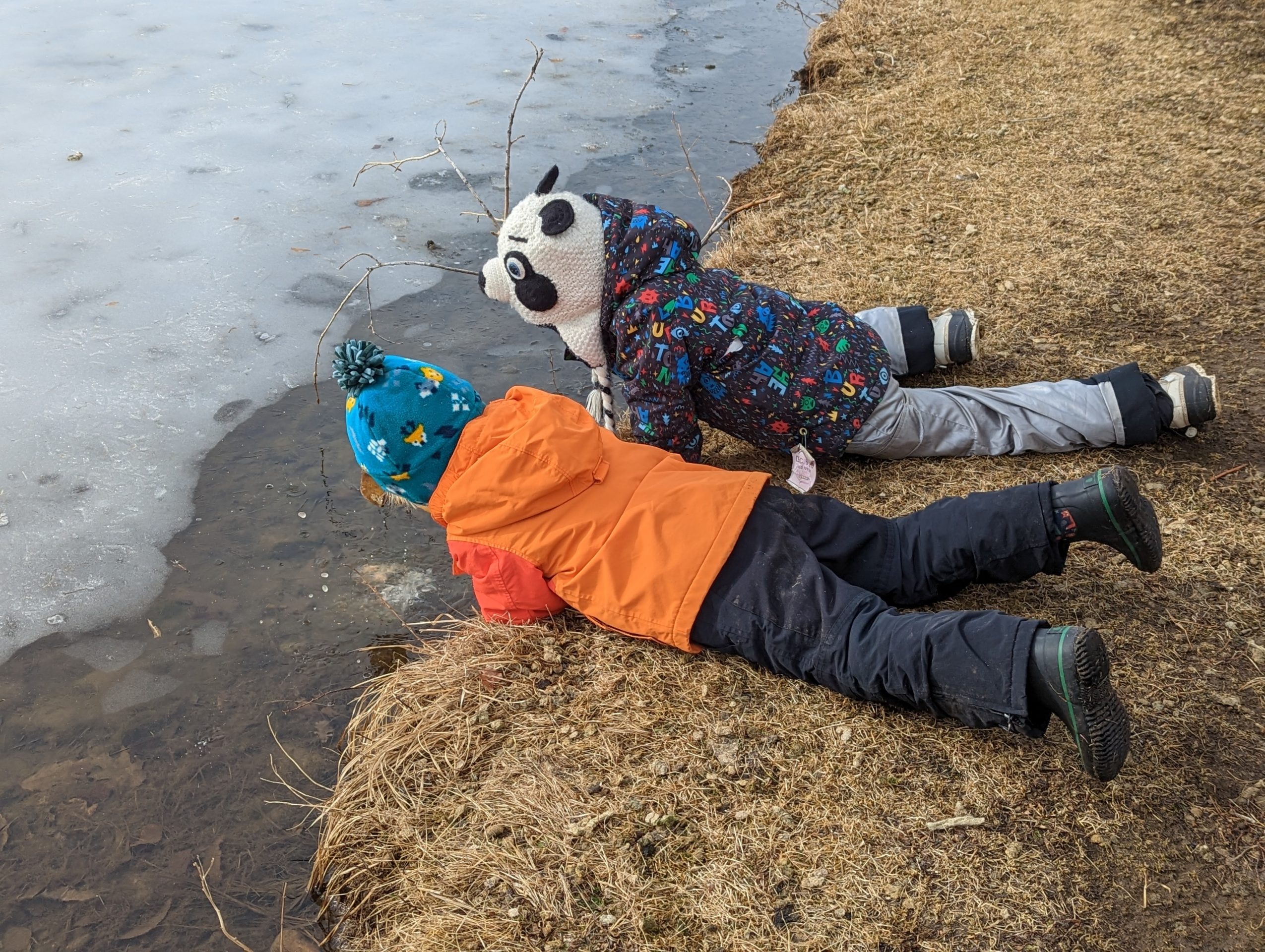
I’d say the biggest challenge has been creating a license type for outdoor, nature-based preschools in Colorado. Most rules and regulations envision an indoor environment, which is more easily controlled. It was rewarding to work over several years to help childcare regulators better understand what makes these programs unique — how educators use active supervision, deep knowledge of both the land and the children, and real-time assessment of conditions to balance risk (like slipping on a muddy path) with reward (like the joy of discovering that a little mud on your rain pants won’t hurt you).
Now, the challenge has shifted: how do we help more children access outdoor, nature-based education? Research consistently shows that children in nature-based programs demonstrate stronger social-emotional skills, greater resilience, improved physical health, and deeper environmental stewardship — and that these benefits are especially meaningful for children who have limited access to green space at home. But educators in these environments need a rare combination of skills: fluency in both early childhood development and nature-based pedagogy, plus the physical stamina and situational awareness that outdoor teaching demands. And because these programs require lower staff-to-child ratios and specialized training, tuition costs can be high. We are actively working to find pathways — through partnerships, subsidies, and policy — to ensure that the children who would benefit most aren’t priced out.
Appreciate you sharing that. What else should we know about what you do?
Before I became a nature preschool director, I was an improv comedian.
In 2009, I walked into my first improvisational comedy class in Washington, DC on a whim — and didn’t leave for nearly a decade. I performed, I taught, I co-developed curriculum, and I spent countless hours learning what it really means to be present with other people. I had no idea at the time that improv would become one of the most important professional trainings of my life — just not in the way I expected.
The foundational rule of improv is “yes, and” — you accept what your scene partner offers and build on it. You don’t redirect, correct, or override. You listen, you follow, and you go deep into whatever emerges. Sound familiar? It’s also how the best early childhood educators work.
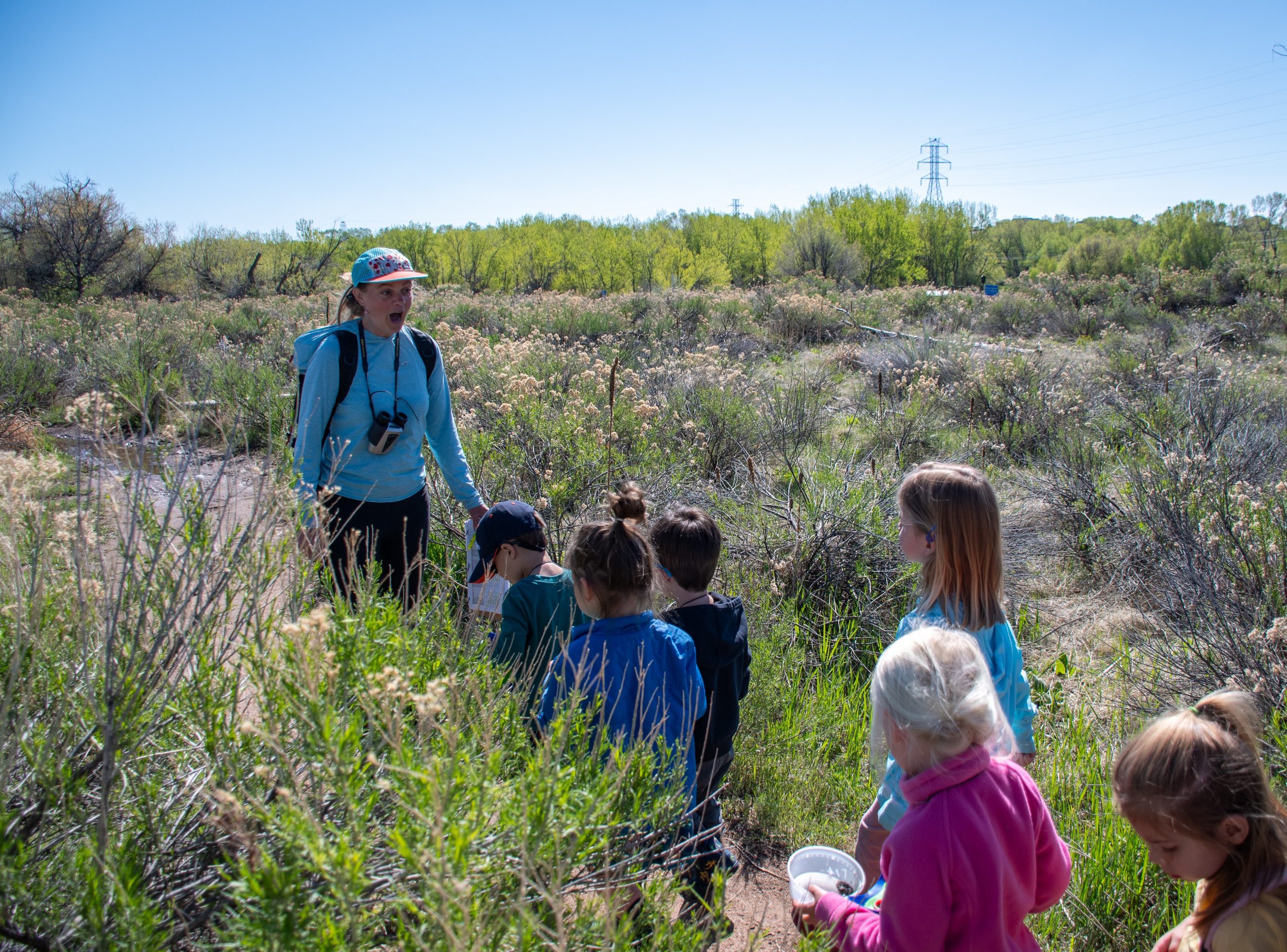
When I’m out on the trail with a group of four-year-olds and we never make it to the pond because everyone is completely transfixed by an ant hill, that’s not a failed lesson — that’s the lesson. Improv taught me to recognize those moments as gifts rather than detours, and to trust that going deep into an unexpected discovery is almost always more valuable than sticking to the plan.
Improv also taught me to know my scene partners well — to pay attention to what makes each person tick, what they’re likely to do next, what lights them up or shuts them down. I bring that same attentiveness to my relationships with children. When you truly know a child, you can anticipate, support, and delight them in ways that build real trust.
And perhaps most importantly: improv taught me to be genuinely, openly, heartily silly. To find joy. To laugh loud and mean it. In a world that sometimes forgets that childhood is supposed to be fun, I think that might be my greatest professional superpower.
If we knew you growing up, how would we have described you?
If my younger self could see what I get to do every day, she would wholeheartedly agree it was the best job ever.
I grew up in Macon, Georgia with a big backyard and the kind of childhood where you disappeared outside after breakfast and came back in when the streetlights turned on. My brother and I spent hours up in our mimosa tree reading, swinging in the hammock, riding bikes, watching caterpillars, and picking flowers. I was always making things — friendship bracelets, scarves, little figures fashioned out of whatever I could find, including tissues. I was a Girl Scout from about age six, and scouting has been a thread running through my life ever since — eventually leading troops myself for nearly two decades. Through scouting I developed confidence, leadership, and the ability to tie a wide variety of knots or lead a large group in an incredibly silly song.
I was a good student, but I was also easily overstimulated — and I spent a lot of my childhood instinctively seeking out quiet outdoor spaces to re-regulate. My favorite school days were the ones when a teacher would surprise us by moving the lesson outside into the sunshine. I didn’t have language for any of this at the time, but looking back, I was doing exactly what I now teach children to do.
I was also, unsurprisingly to anyone who knows me, my high school Class Clown.
What I didn’t do much as a child was learn the names of the plants and animals around me. That came later — much later. As an adult, I completed Denver Audubon’s year-long Community Naturalist program and I’m currently enrolled in their Master Birder program. I am still learning the names of the birds, insects, and wildflowers I encounter here in Colorado, which means I get to model something I deeply believe in: that curiosity doesn’t have an age limit, and that being a lifelong learner is something to be proud of, not embarrassed by.
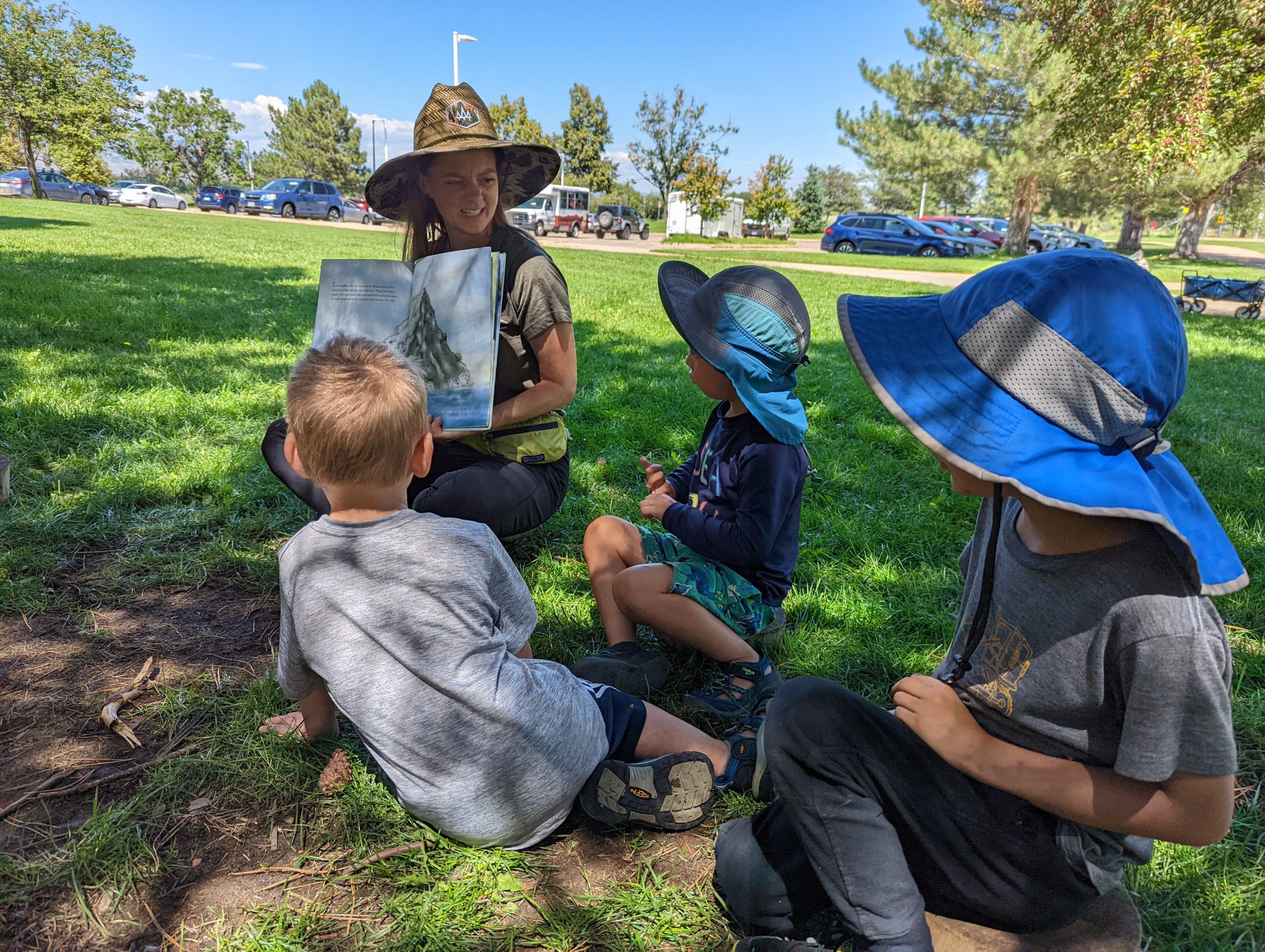
These days, I get to knit birthday crowns for children celebrating another trip around the sun, crochet little bags for collecting rocks and treasures on the trail, and felt tiny animals for storytelling. I get to read books in the sunshine, make friends, sing silly songs, and pay attention to the seasons changing around me. Younger me would absolutely approve.
Contact Info:
- Website: https://www.denveraudubon.org/nature-preschool
- LinkedIn: https://www.linkedin.com/in/caroline-blair-pettit/
- Other: https://www.cocollectivenaturebasedearlyed.org/