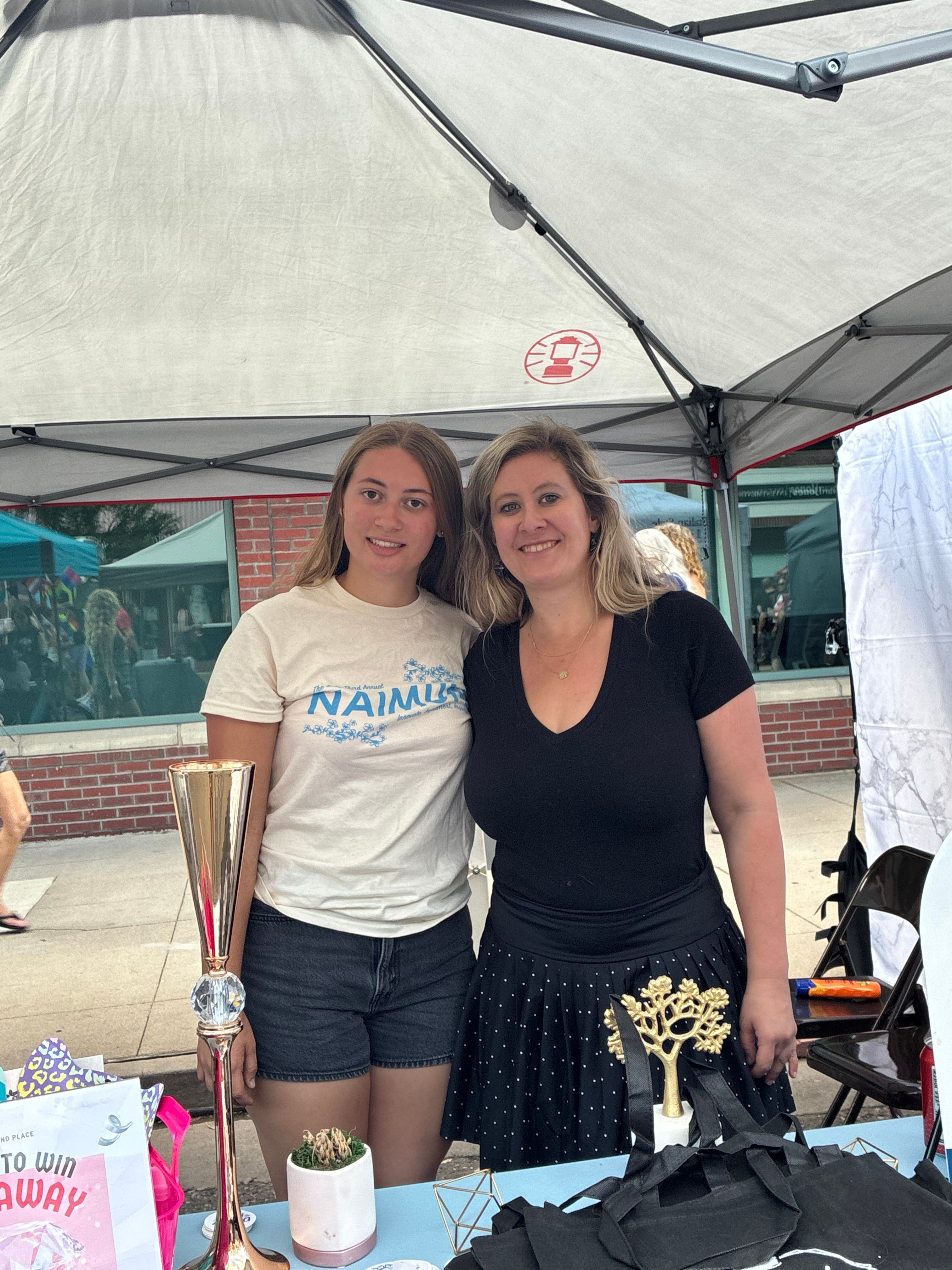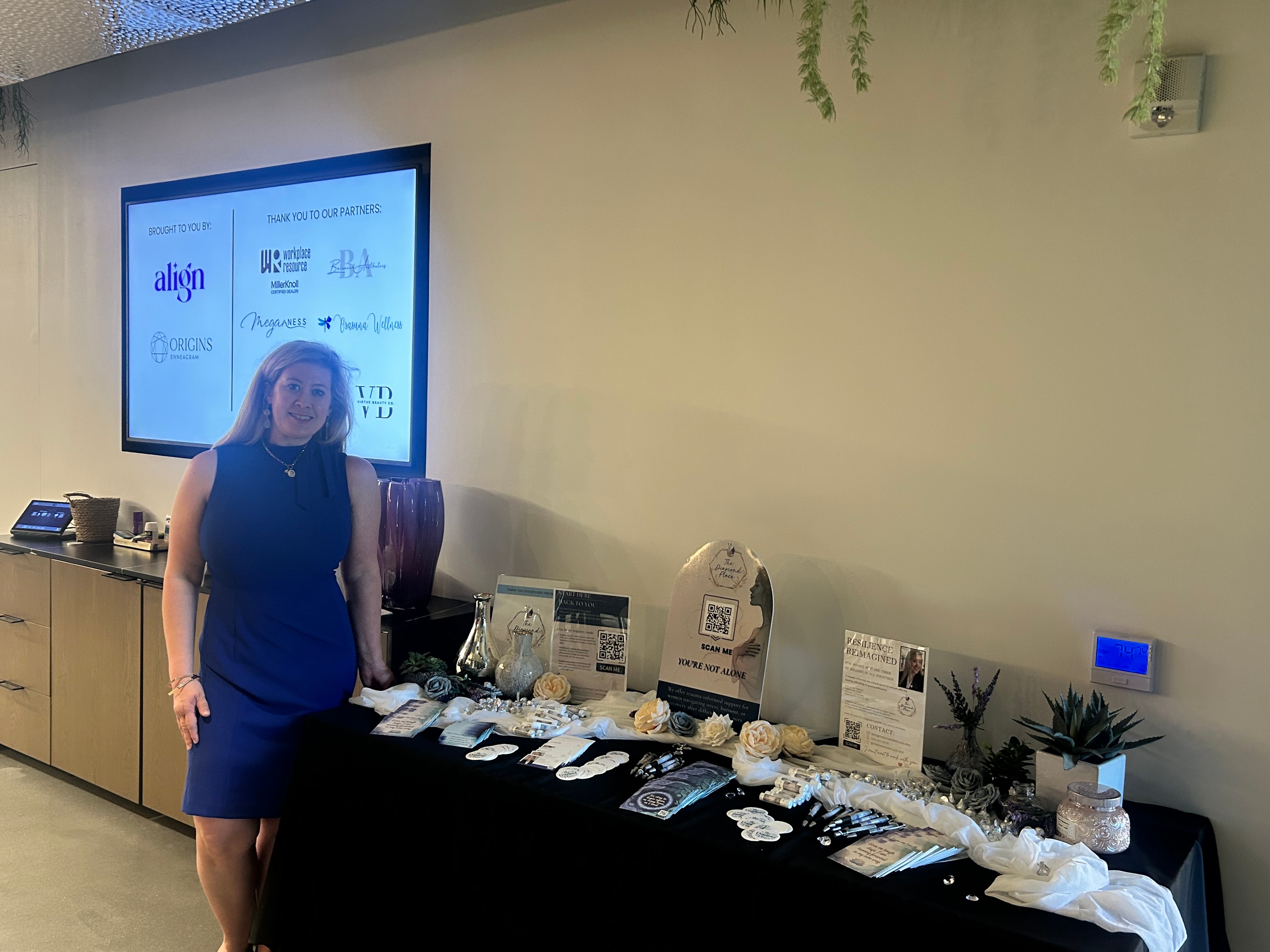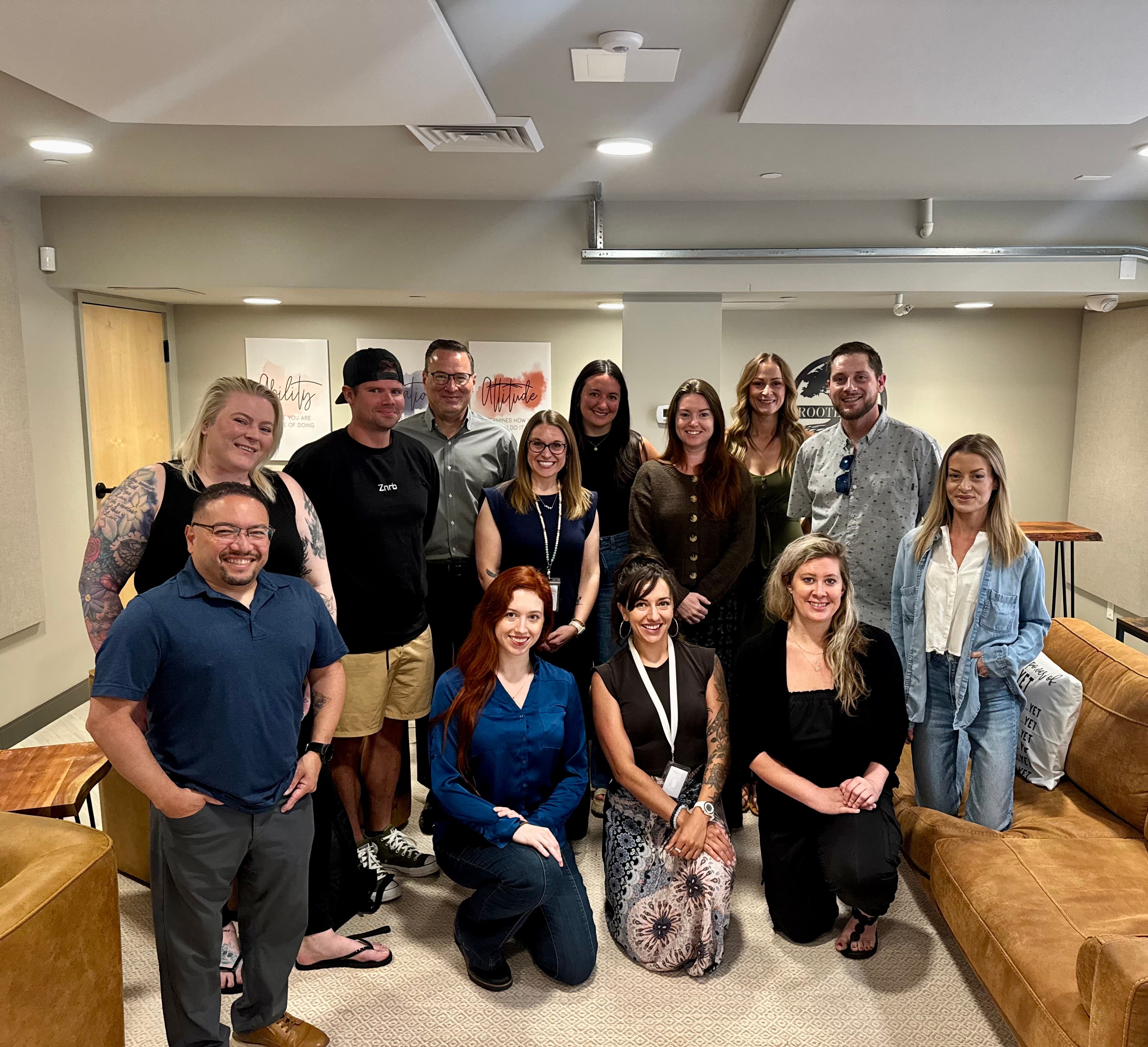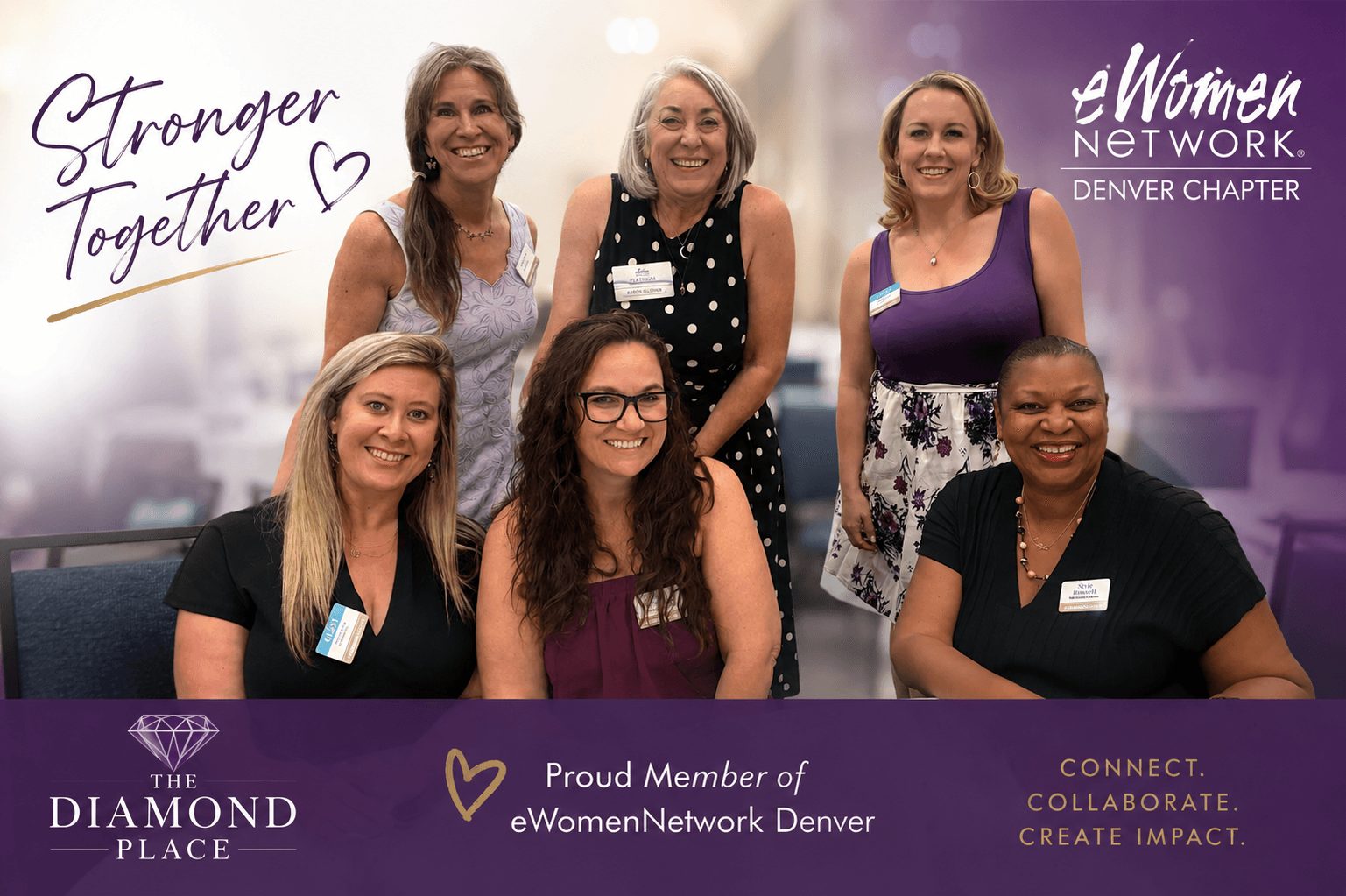


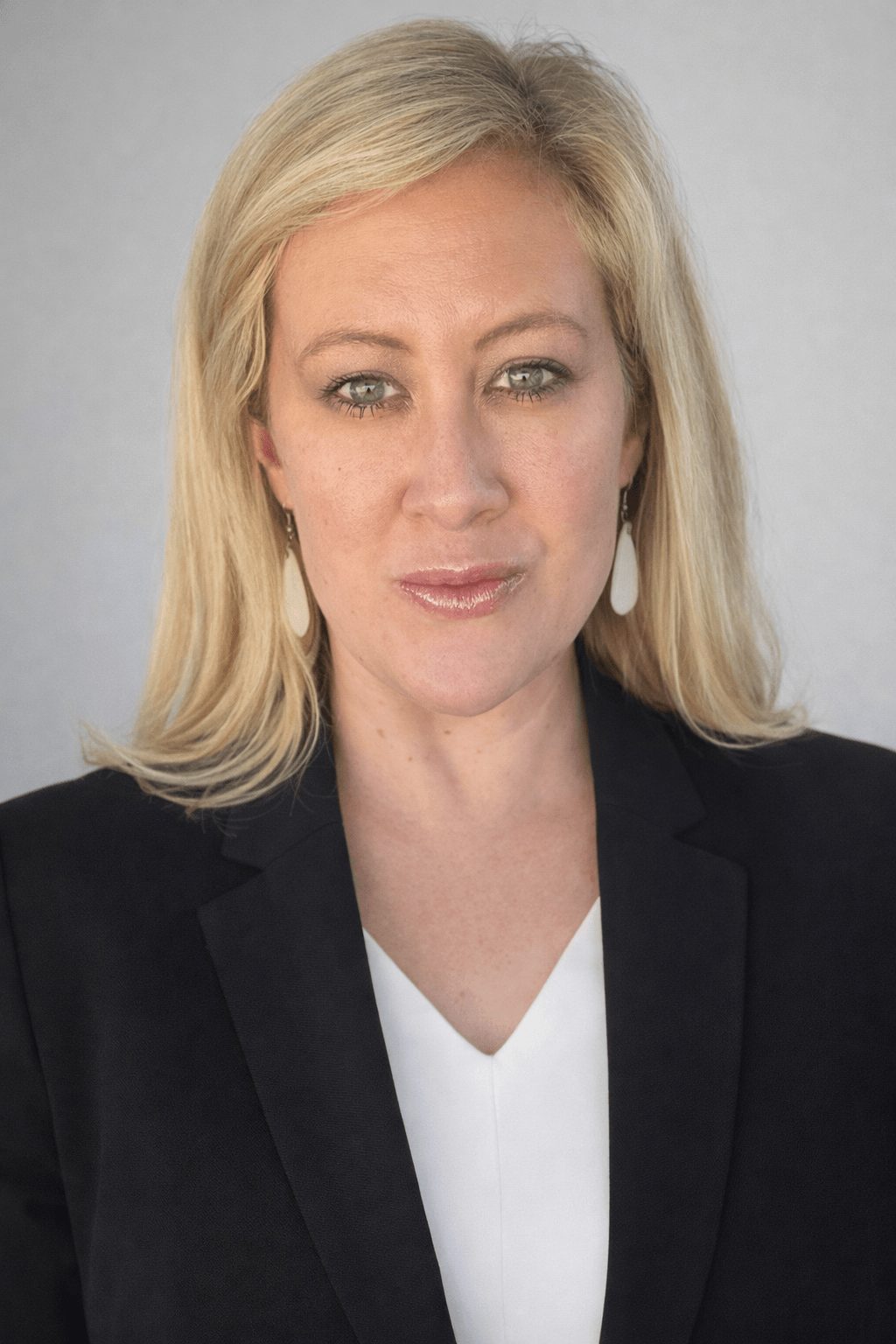
Today we’d like to introduce you to Tiffany Sharp.
Hi Tiffany, thanks for sharing your story with us. To start, maybe you can tell our readers some of your backstory.
For years, I was a high-functioning professional. I led complex projects, solved problems, and spent more than two decades working in the energy industry. Then trauma changed everything.
At first, I didn’t understand what was happening. I would jump every time a car horn honked. I woke up drenched in night sweats. I became afraid to leave my house. Simple tasks that most people take for granted suddenly felt impossible. I remember sitting in front of my printer, unable to figure out how to change the ink cartridge. I had used Excel for over 20 years, yet there were moments I couldn’t remember how to do basic functions. I locked myself out of my own house because my brain simply wasn’t processing information the way it once had.
It was terrifying. I went from being highly capable and independent to feeling like I couldn’t trust my own mind.
As I tried to rebuild my life, I discovered another heartbreaking reality. The resources existed, but they were fragmented. I spent countless hours searching websites, making phone calls, repeating my story over and over, and trying to navigate complicated systems at a time when my brain was struggling just to get through the day.
That experience changed everything for me. I realized the problem wasn’t simply a lack of resources, it was that we expect people experiencing trauma to navigate complex systems with brains that are in survival mode. Trauma doesn’t just affect emotions. It impacts memory, concentration, executive functioning, decision-making, and the ability to complete even simple tasks.
That’s why I founded The Diamond Place. Our mission is to bridge that gap by providing trauma-informed education, practical tools, financial empowerment, coaching, and eventually AI-powered guidance that helps people find the right next step without having to navigate the maze alone.
Trauma affects people from every walk of life. It doesn’t matter how successful, educated, or accomplished you are. It can change how your brain functions overnight. My goal is to help people understand that reality while creating systems that are compassionate, practical, and designed for how people actually function during and after trauma, not how we wish they did.
Can you talk to us a bit about the challenges and lessons you’ve learned along the way. Looking back would you say it’s been easy or smooth in retrospect?
No, it has definitely not been a smooth road.
For years, I was operating from trauma instead of healing. Fear made me burn bridges with people who cared about me. I didn’t know what direction to go, and there were days I couldn’t make the simplest decisions. I carried so much shame that I couldn’t even read about trauma because it meant admitting what had happened to me. I was constantly surviving instead of living.
As I started healing, I realized my experience wasn’t unique. Trauma can completely change how your brain functions. It can affect your memory, concentration, confidence, and ability to navigate even basic tasks. That’s when I began seeing the enormous gap between what people need and what our systems actually provide.
Building The Diamond Place has brought its own challenges. I’ve spent countless hours meeting with nonprofits, organizations, and potential partners. Over and over, I’d hear the same thing: “This is a great concept. We need something like this. We just don’t have the funding.”
It was frustrating because the need was obvious, but the resources weren’t there.
That’s what led us to develop our AI platform. Instead of waiting years for traditional funding, we decided to create a sustainable model that could generate revenue while also making it faster, simpler, and more trauma-informed for people to find help. Rather than seeing AI as replacing human connection, we see it as a tool that allows us to fund our mission and connect people to the right support when they need it most.
The road has been messy, painful, and full of setbacks. But every obstacle has helped shape what The Diamond Place is becoming, and I wouldn’t understand the people we serve if my own path had been easy.
As you know, we’re big fans of The Diamond Place . For our readers who might not be as familiar what can you tell them about the brand?
The Diamond Place was built from lived experience, not theory.
After experiencing trauma myself, I realized how overwhelming it is to rebuild your life when your brain and body are stuck in survival mode. People expect you to make huge decisions, navigate complicated systems, and somehow “move on,” even though trauma can affect memory, concentration, confidence, and decision-making. I knew there had to be a better way.
Today, The Diamond Place helps women rebuild after trauma, abuse, divorce, grief, and major life transitions through trauma-informed education, coaching, workshops, financial empowerment, practical resources, and community. We’re also developing MAE (My Absolute Essentials), an AI platform designed to simplify the process of finding help by guiding people step by step instead of leaving them to sort through endless lists of resources.
What sets us apart is our honesty. Life is messy. Healing is messy. Being human is messy. So why do we spend so much time pretending everything is perfect?
I’m not interested in selling perfection because it doesn’t exist. I’ve made mistakes. I’ve reacted from fear. I’ve had to take accountability, learn, and continue growing. That’s part of being human. At The Diamond Place, we believe you can be compassionate and still have boundaries. You can be healing and still have hard days. You don’t have to be a perfect person to deserve support or to build a meaningful life.
What I’m most proud of is creating a brand where people don’t have to pretend. They can show up angry, exhausted, hopeful, scared, or somewhere in between. No masks. No shame. Just honest conversations, practical tools, and clear next steps.
Because real healing isn’t about becoming perfect. It’s about becoming more whole.
In terms of your work and the industry, what are some of the changes you are expecting to see over the next five to ten years?
Over the next 5–10 years, I believe the trauma, mental health, and social impact space is going to be forced to change.
The research is already showing what many of us can feel in real life: people are struggling, behavioral health needs are rising, the workforce is not large enough to meet the demand, and many of the organizations doing incredible work are operating with limited funding while asking exhausted professionals to carry increasingly complex caseloads. At the same time, substance use and overdose deaths remind us how many people are simply trying to survive their pain. While overdose deaths declined in 2024, the CDC still reported more than 79,000 lives lost. To me, that tells us we cannot confuse improvement in one statistic with the idea that people are truly well.
My personal belief is that we’ve mistaken helping people access services for helping people heal. People aren’t failing, the systems are. They’re fragmented, underfunded, difficult to navigate, and often expect people in survival mode to solve incredibly complex problems on their own.
I also believe we have to rethink how we fund social impact. Grant funding is essential, but it isn’t enough to build sustainable organizations. Too many nonprofits spend enormous amounts of time chasing grants instead of investing in their people, technology, innovation, and long-term growth.
The people helping others deserve better, too. Social workers, counselors, case managers, advocates, nonprofit leaders, and peer support specialists do some of the hardest work imaginable, yet many experience burnout, compassion fatigue, and low pay. If we want talented people to stay in these professions, we have to create careers that are financially and emotionally sustainable. The people who dedicate their lives to helping others deserve to be supported, too.
That’s why I believe social enterprise is part of the future. Philanthropy and grants will always have an important place, but organizations also need sustainable revenue streams that allow them to reinvest in their mission, retain great people, innovate, and expand their impact instead of constantly operating in survival mode.
I also believe technology and AI will become an important part of that future not to replace human care, but to reduce administrative burdens, simplify resource navigation, and give helping professionals more time to do what only humans can do: build trust, listen, and support healing.
That’s the future I’m building with The Diamond Place: a model that combines compassion, trauma-informed care, technology, and sustainable revenue because helping people shouldn’t require burning out the people who’ve dedicated their lives to serving them.
When people are turning to drugs, alcohol, unhealthy relationships, or isolation just to survive, I don’t see that as simply an individual failure, I see it as a systems failure. If we truly want people to heal, not just survive, we have to be willing to rethink how we deliver care, how we fund it, and how we support the people doing the work. The goal shouldn’t be helping people survive broken systems. The goal should be building systems that actually help people heal.
Pricing:
- Back to You Workshop – Free weekly trauma-informed support workshop focused on rebuilding after trauma and major life transitions.
- 1:1 Coaching – $90 for a 50-minute personalized coaching session.
- Signature Courses – Starting at $349 per course, covering topics such as trauma recovery, financial empowerment, boundaries, and rebuilding your life after major life transitions .
- MAE (My Absolute Essentials) AI Platform – Pricing starts at $150/month and is customized based on organization size and needs. Designed for nonprofits, community organizations, and agencies to simplify resource navigation, reduce administrative burden, and provide trauma-informed guidance.
Contact Info:
- Website: https://www.thediamondplace.org
- Instagram: https://www.instagram.com/diamondsbreakthecycle
- Facebook: https://www.facebook.com/diamondsbreakthecycle/#
- LinkedIn: https://www.linkedin.com/company/the-diamond-place
- Youtube: https://www.youtube.com/channel/UCd4Iq_uFmPL-P54OQ2y07tw