

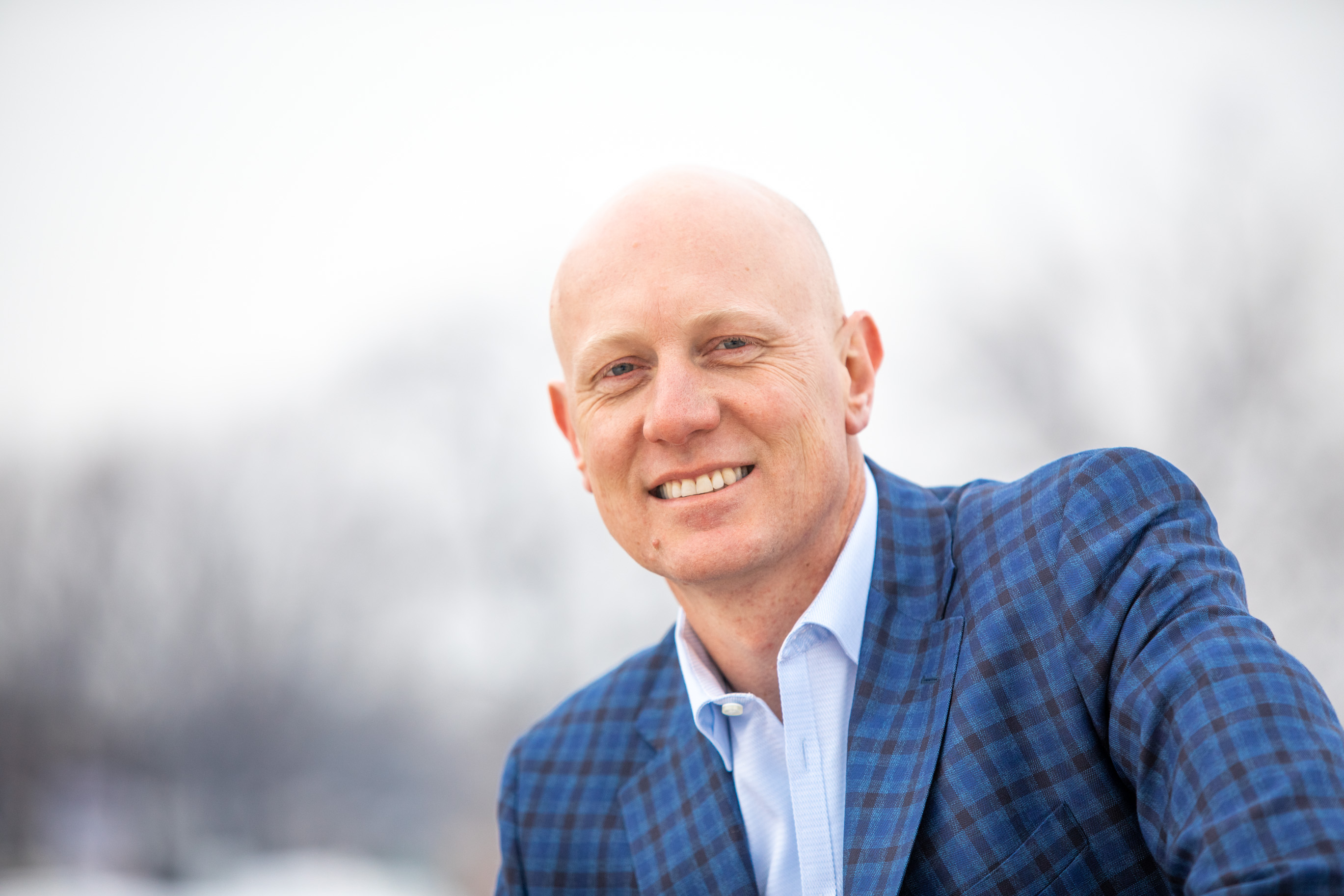
Today we’d like to introduce you to Tony Frischknecht.
Hi Tony, so excited to have you on the platform. So before we get into questions about your work-life, maybe you can bring our readers up to speed on your story and how you got to where you are today?
I’ve spent most of my working life in operations. I first got into Colorado’s medical marijuana side in 2005, back when it was caregivers and almost no infrastructure, and stayed with it as the industry commercialized. We ended up opening two dispensaries and building two industrial grow facilities. There was no playbook for any of it. You figured out production, compliance, inventory, and hiring as you went, and the regulations changed underneath you while you did. After that, I co-owned a manufacturing spinoff for a few years. Most recently, I ran operations for an electrical contractor and took their business from twenty thousand a month to fifty thousand in twelve months.
None of that was glamorous work. It’s figuring out why a business is leaking money and fixing the part nobody wants to look at.
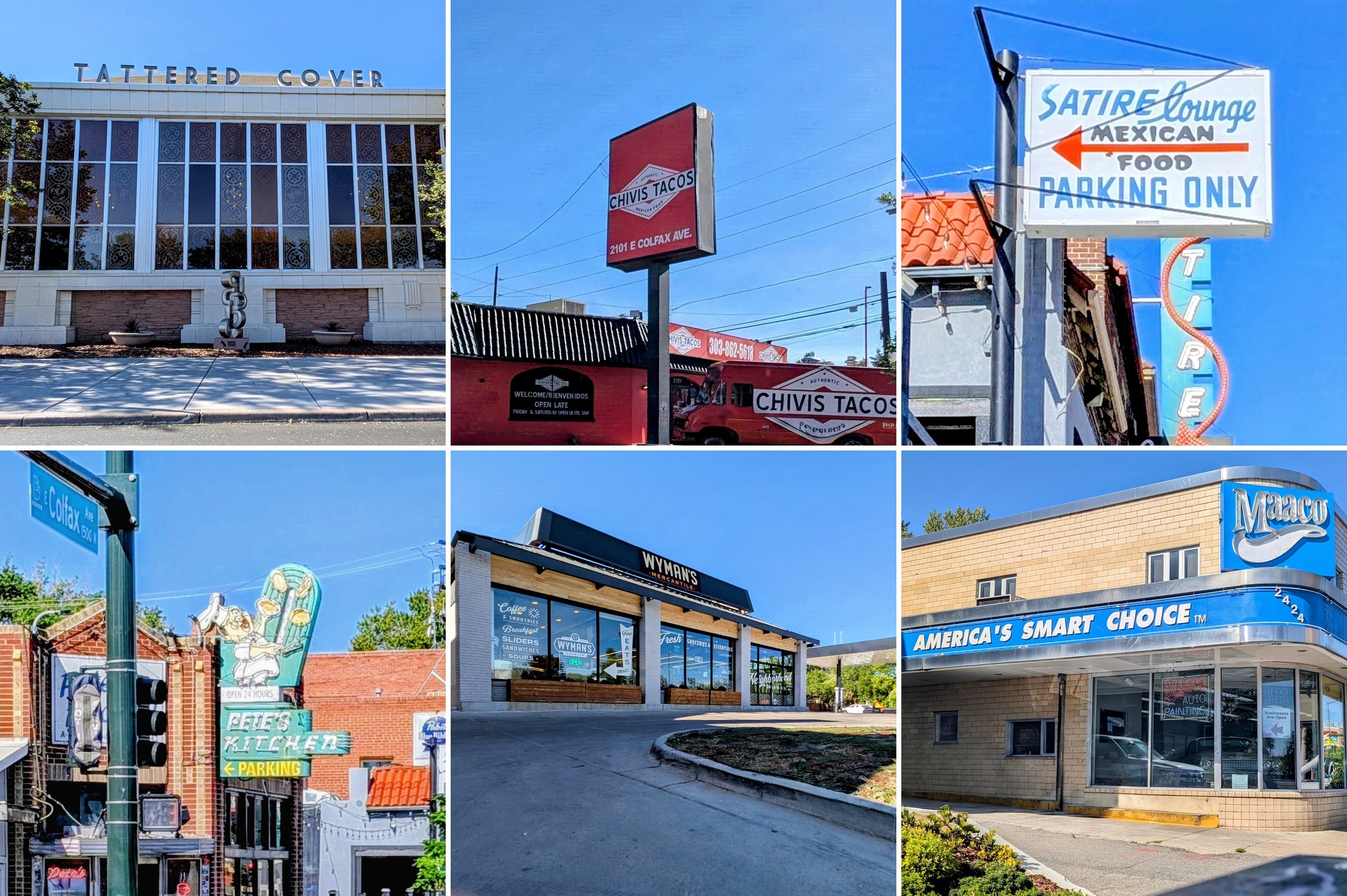
Also, I’ve lived a couple blocks off East Colfax for twenty years.
I walk this corridor all the time, and over the last couple of years you could see it going wrong. Places I’d been going to forever, empty in the middle of the day. Windows papered over. You don’t need numbers to know what you’re looking at.
It took me back to the licensing years in cannabis. Dealing with the city, dealing with the fire department, new requirements and new expenses showing up all the time, and none of it doing anything for the business. Plus we paid 10’s of 1000’s of dollars in sales tax every year. I know what that does to an owner, because I sat in it.
So when I looked at these businesses I didn’t just feel bad for them, I recognized it. And I wanted to do something in this neighborhood where I could actually see it work.
So I started walking in and asking about it. No pitch, no company, not even a business card. Just my name is Tony, I live a couple blocks that way, do you have five minutes.?
I had fifty of those conversations, from Race Street east to Monroe. Restaurants, barbers, a bike shop, liquor stores, tattoo shops, an auto body shop that’s been on this corridor for forty-five years.
Almost every one of them brought up low foot traffic before I asked. And what surprised me is how alone they all felt about it. Most of these owners are dealing with the same handful of problems and almost none of them know it. Each one is sitting in their own shop thinking it’s just them.
None of it is hidden. Nobody had just walked the whole street and put it together.
That’s what Corridor Business Works is. We work with independent businesses on the East Colfax corridor on the problems they’re actually dealing with, not the ones people assume they have. My colleague is Conal Rosanbalm. He came up in the restaurant and bar world here, and he managed one of our retail dispensaries back in the cannabis days. He knows what a manager is actually dealing with on a given day, because he was the one dealing with it.
Twenty years in a neighborhood gets you the door. What you do once it opens is on you.
We all face challenges, but looking back would you describe it as a relatively smooth road?
No, and I’d be suspicious of anybody who says it was.
The hardest part early on was just getting in the door. I was walking into businesses with no company behind me, no card, nothing to point at. A lot of these owners have been pitched by every marketing outfit and app company that’s come down Colfax, so when a guy walks in and starts asking questions, the first thing they’re doing is figuring out what you’re selling. Some of them told me no. That’s fair.
The other thing is that I made it slower on purpose. I spent months doing nothing but listening. No pitch, no proposal, no price. Just fifty conversations about what was actually going on. That’s a long time to spend without earning anything, and there were plenty of days it would have been easier to shortcut it and start selling. But you can’t tell an owner what’s wrong with their business in week one. You have to earn that, and the only way to earn it is to show up and not ask for anything.
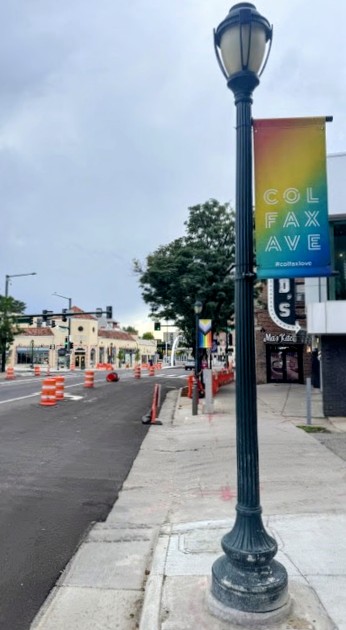
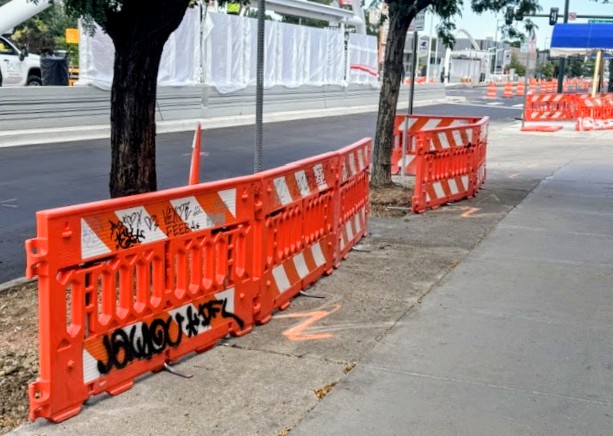
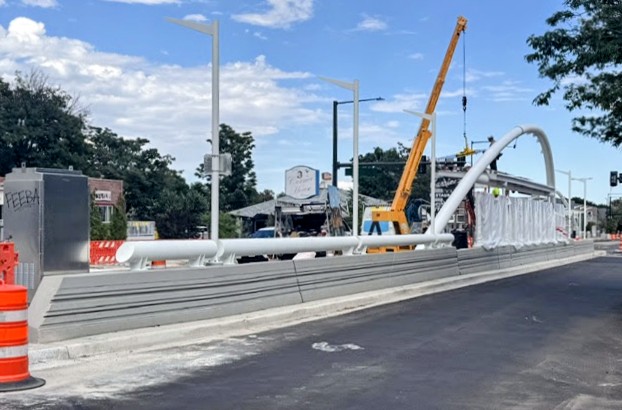
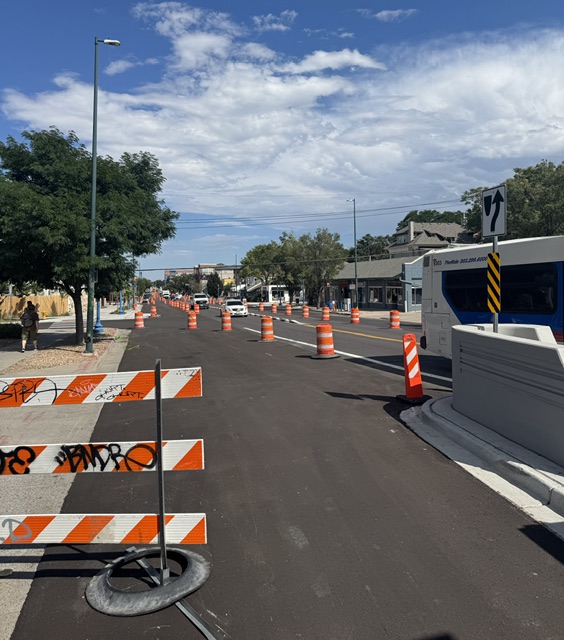
The timing was never going to be good. I’m starting this while the corridor is in the worst stretch I’ve seen in twenty years of living here. Bus rapid transit construction has torn up Colfax for miles, and east of Colorado Boulevard it has years left to go. The businesses I want to work with are the ones with the least room to spare right now. There’s no getting around that. It’s the reason the work matters, and it’s the reason it’s hard at the same time.
We’re at the beginning of this.
Thanks for sharing that. So, maybe next you can tell us a bit more about your business?
Corridor Business Works does one thing: we figure out what’s actually costing an independent business money, and then we fix it.
Right now most of that starts with visibility. Not marketing, not branding. Whether a person who wants to give you money can find you. On this corridor that’s broken more often than anybody realizes. Directions that send people to the wrong side of the street during construction. A business that’s been here fifteen years showing up below a chain that opened last year. Somebody calling or messaging and nobody getting back to them for three days. None of that is a marketing problem. It’s a plumbing problem, and it’s usually fixable.
So we run something called a Corridor Visibility Check. It’s a short walkthrough of how a business shows up to somebody who’s looking for it right now, and we hand back what we find. Free, no obligation, no pitch attached. Some of those owners will hire us and some won’t. Either way they get the findings.
Beyond that, the work is operations. I’ve spent my career figuring out why businesses leak money, and it’s rarely the thing the owner thinks it is. Sometimes it’s pricing. Sometimes it’s that there are two ordering systems fighting each other. Sometimes the owner is working a hundred hours a week because nothing has ever been written down and nobody else can run the place.
What sets us apart is that we don’t guess. Everything we put in front of an owner comes from something they told us, or something we went and verified ourselves. No templates, no assumptions about what a business like theirs probably needs.
The thing I’m proudest of is unglamorous. Every business we’ve walked in on has gotten something back, whether or not there was ever a dollar in it. That’s the standard. If we can’t tell you something true and useful about your own business, we haven’t earned the conversation.
How can people work with you, collaborate with you or support you?
The simplest way anybody reading this can help has nothing to do with me. Go spend money on East Colfax. What surprised me walking this street is how much is on it. Places I’d driven past for years without knowing they were there, doing things I didn’t expect. A guy at Storz who’s been working on Porsches on this corridor for over forty years. A shop called The Learned Lemur that sells oddities, has a tattoo parlor in the back, and puts on a circus once a month. Not the animal kind. A bike shop, a bakery, restaurants from about anywhere you can name. Get your hair cut here, get a pizza here, buy your books here. These businesses don’t need a campaign, they need people walking through the door. That’s the whole problem in one sentence.
It’s harder to do that than it used to be, and that’s worth saying out loud. The bus rapid transit work through my neighborhood is nearly done, but east of Colorado Boulevard it has years to go, so the whole street keeps the reputation either way. And the parts that stay are permanent. Concrete medians where there weren’t any. Left turns that used to work and don’t now. Parking rules changing on the side streets. Somebody who has driven to a business here for ten years has to figure out a new way in. Some of them do. Some of them go somewhere else and never say why. Which is exactly why walking through the door right now counts for more than it used to.
If you own or run a business on the corridor, the front door is the Corridor Visibility Check. We walk through how your business actually shows up to somebody trying to find you right now, and we hand you what we find. Free, no obligation, no pitch. Some owners take it and hire us afterward, some take it and don’t. Both are fine.
Past that, we take on paid work. Operations, pricing, and the systems underneath a business. That tends to be for owners who already know something is wrong and want somebody to actually dig into it rather than hand them a report.
We also work with multi-location operators. The problems change when you go from one store to four, and usually what breaks is that nobody wrote down how the first one worked.
And if you’re with a Business Industry Group, or you own property on the corridor, We’d like to talk. A lot of what we’ve found isn’t fixable one business at a time. Parking is the clearest example. It’s not a shortage, it’s a coordination problem, and no single owner can solve it alone.
Easiest way to reach me is through the contact info below.
Pricing:
- Corridor Visibility Check: free, no obligation
- Engagements start at $500
- Multi-location and operations work: scoped per project
Contact Info:
- Website: https://corridorbusinessworks.com
- Instagram: @tony_f2020
- Facebook: https://www.facebook.com/tonyf2020
- LinkedIn: https://www.linkedin.com/in/tony-f2020