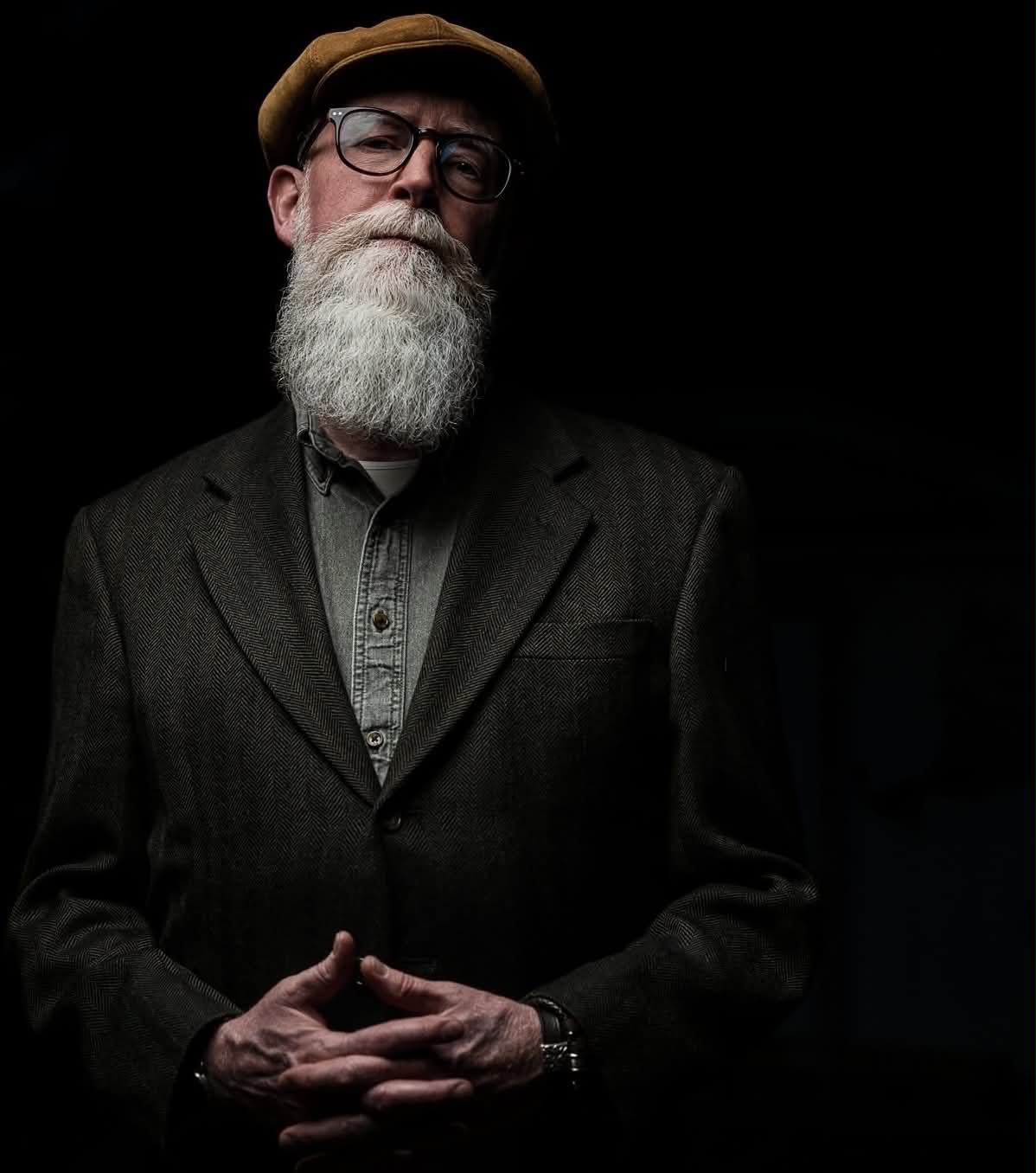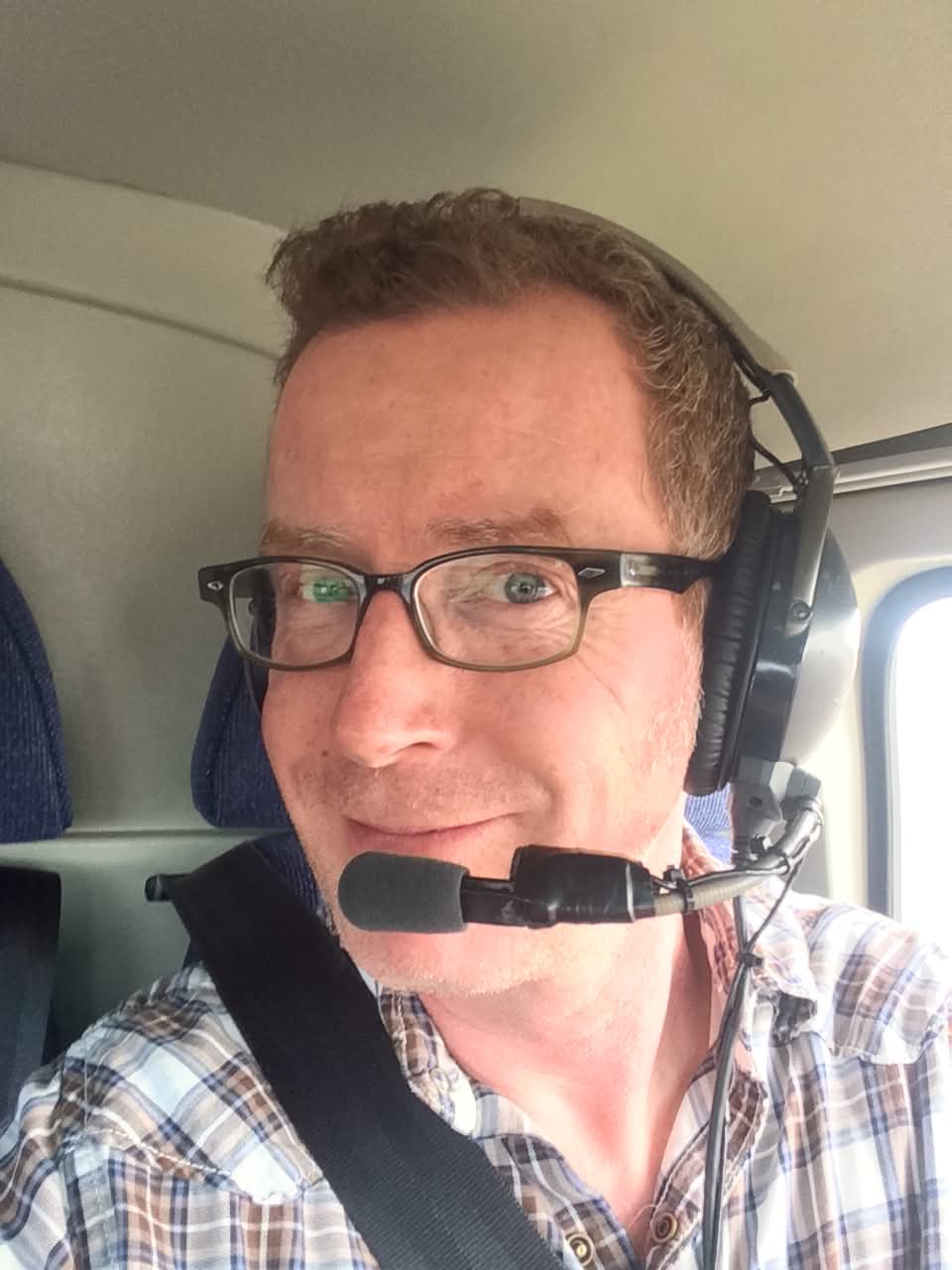


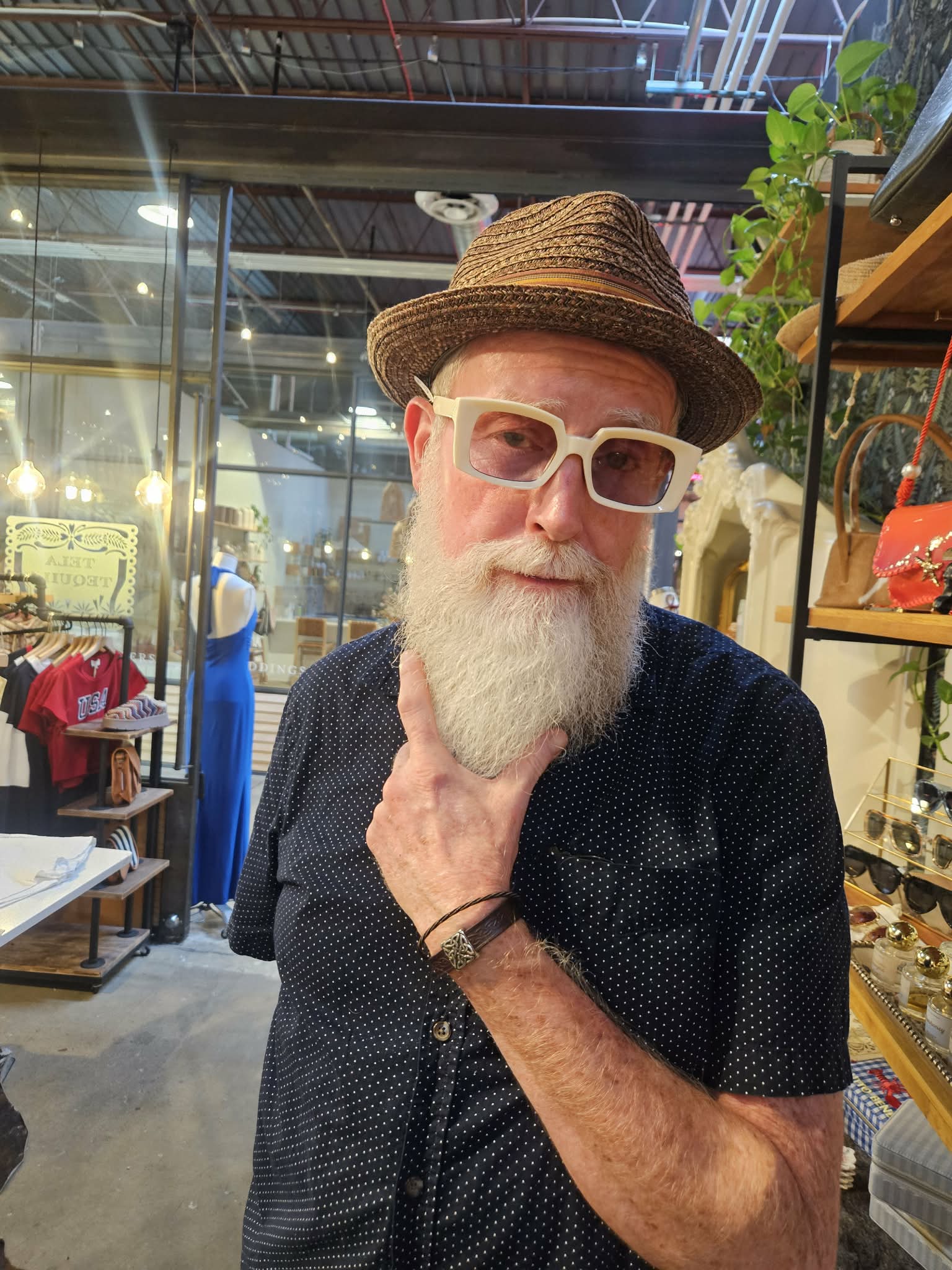
Today we’d like to introduce you to Stephen Millin.
Alright, so thank you so much for sharing your story and insight with our readers. To kick things off, can you tell us a bit about how you got started?
I have spent decades finding different ways to connect with an audience. Sometimes that audience has been listening to the radio, sometimes standing in front of a stage, sometimes sitting in a theater, and sometimes just a handful of people in a room.
I was a classic rock announcer and storyteller, with a somewhat rebellious approach and an affinity for the bygone days of pre-corporate radio. My first professional radio job was at 99.5 The Mountain, where, by the time I parted ways with the station, I was hosting its flagship Sunday program, Breakfast With The Beatles. I also spent years producing and presenting traffic and weather reports for major stations across Colorado’s Front Range, including Denver, Colorado Springs and Pueblo.
Later, I spent seven years in syndicated radio as a classic rock announcer, with my programming heard on more than 60 affiliates across the United States as well as Armed Forces Radio.
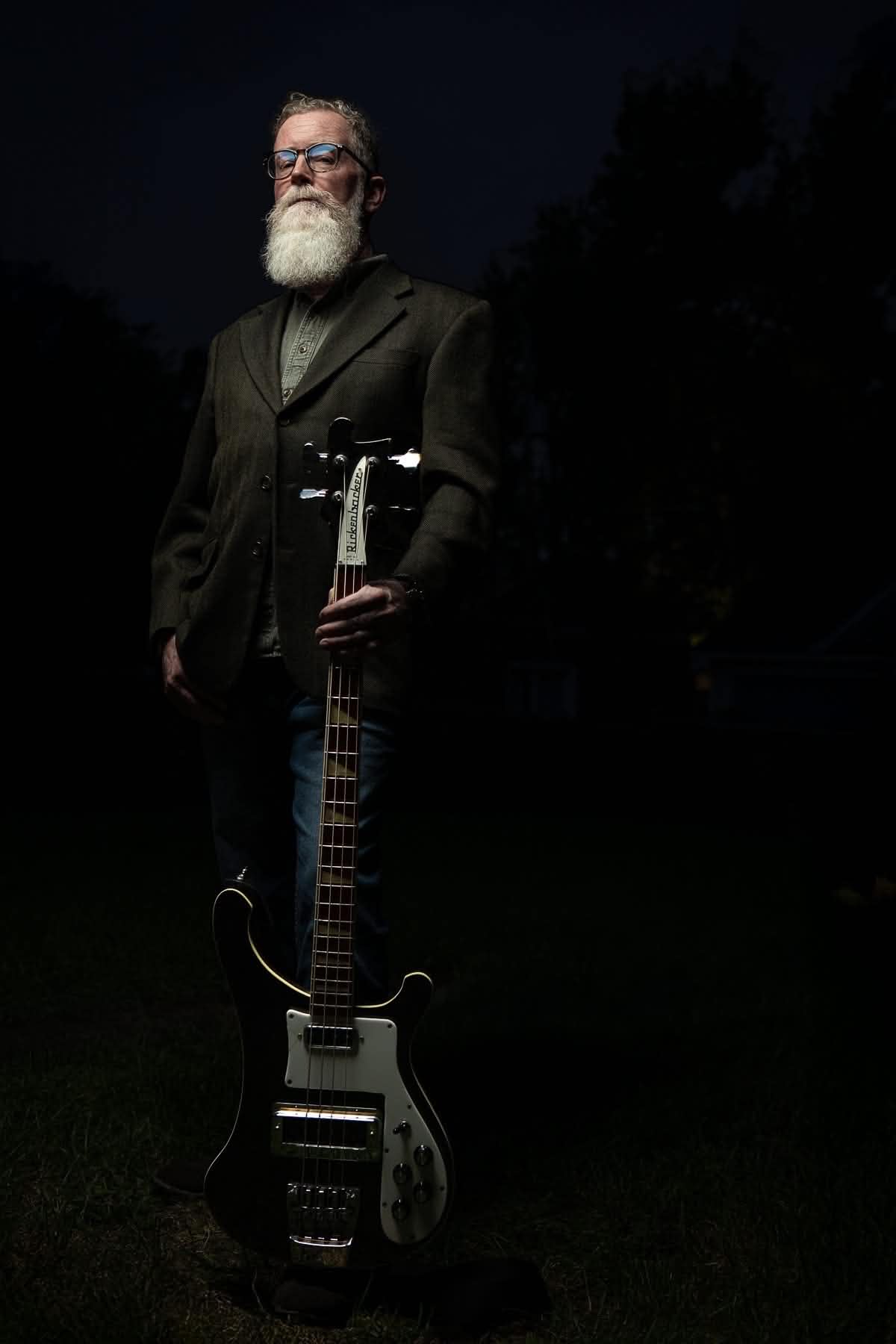
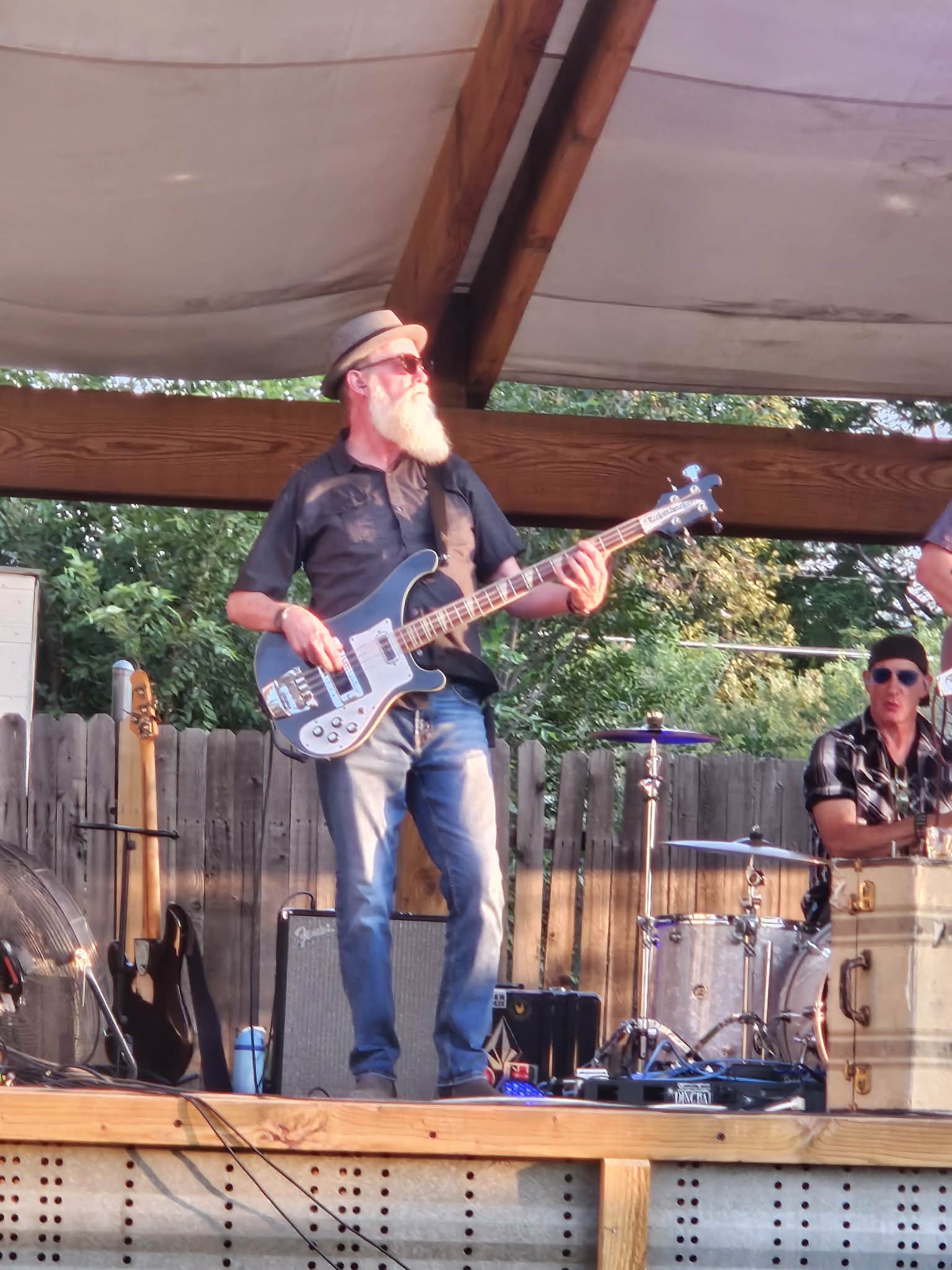
Music has been another constant. I’ve been actively involved in Colorado’s music community as a bassist for nearly 40 years, recording and performing both in Colorado and nationally with artists including Westword Best of Denver-nominated Skull Flux, Rainville, John Common, The Reals, Andy Ard and the late Jack Yoder. With The Reals, I performed in dozens of cities across the country between 2005 and 2015 as part of New Belgium’s celebration of bikes, beer and ballyhoo, the Tour de Fat.
I’ve also done poetry and story readings at Ranch House West in Lyons, including The Tell-Tale Heart and A Visit from St. Nicholas, and I’m a published writer, having written numerous nonfiction book reviews for the now-defunct Rocky Mountain News.
Radio also gave me the opportunity to interview some fascinating people, including John Lennon’s former personal assistant May Pang, media personality Joe Rogan, Firefall founding member Jock Bartley, Beatles Yellow Submarine artist Ron Campbell, and former Caribou Ranch studio manager John Carsello, among others.
I’ve found plenty of other excuses to get in front of a microphone. I’ve emceed radio station events, movie premieres and fundraisers; announced boxing matches and bingo; and, thanks to my status as an ordained minister, officiated weddings.
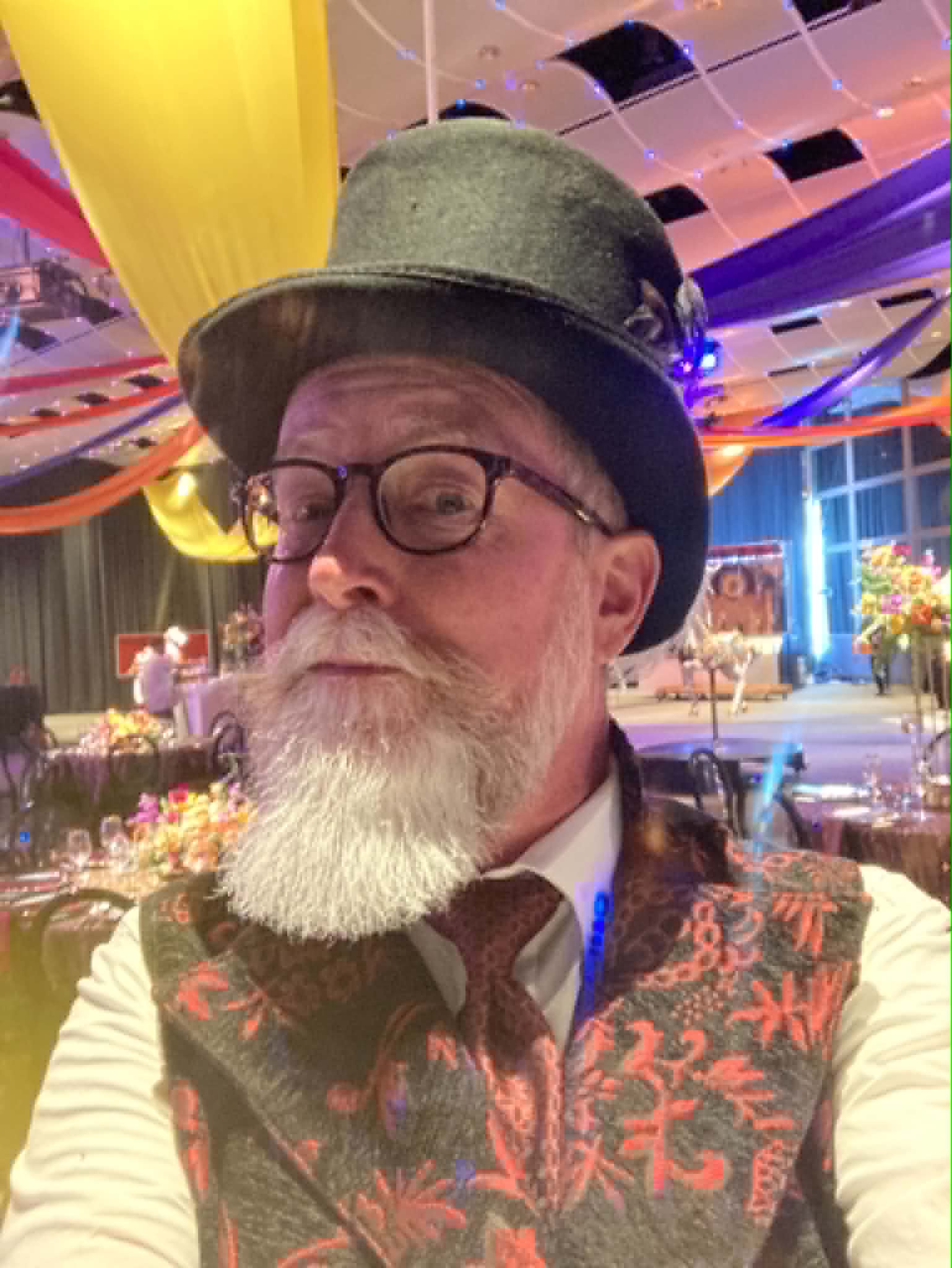
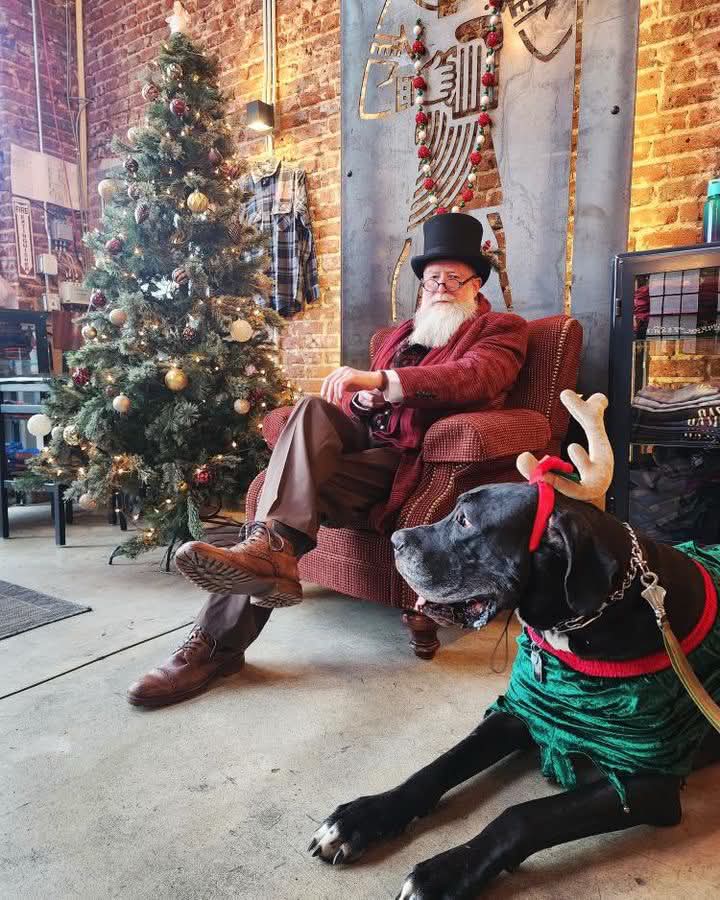
Over the years, I’ve also appeared in various iterations as Santa Claus and a circus ringmaster—including a New Year’s Eve performance at Beaver Creek. I’ve done voiceover work for Coors, Kennedy Space Center, corporate presentations and e-learning modules, and even played bass on commercials for New Belgium Brewing.
I’ve acted in several movies produced by Monkey Angel Studios, including playing one of the main characters, Jobe, in Hannah House. The film won Best Narrative Film at the Fitchburg Film Festival, was an official selection at the Roma Independent Film Festival, and was broadcast on Russian national television—which has apparently led to something of a cult following there. That’s certainly not something I ever anticipated putting on a résumé.
And somewhere along the way, I was even interviewed by Westword artist Karl Christian Krumpholz for Denver Bootleg.
It really doesn’t seem to matter which door I enter through into the room of The Creative. It has been behind a microphone, a bass guitar, a top hat, or with pencil and paper in hand. I have always been drawn to creative outlets for primarily two rather disparate reasons: I can be my authentic self and, at the opposite end of the spectrum, I get to play—to pretend, to engage in make-believe.
We all face challenges, but looking back would you describe it as a relatively smooth road?
Radio is, by nature, a tricky medium in which to perform because you’re challenged to entertain an unseen audience that can’t provide the immediate feedback you get from a live performance. Other challenges have included the changing culture of radio and the fact that I entered the industry after the corporatization and commodification of the medium had already begun, resulting in the loss of many independent radio stations—and eventually leading me to leave the industry.
I’ve also watched a broader devaluation of the performing arts, particularly music. Compensation for live performance has remained largely stagnant for decades, while the costs associated with being a working musician certainly haven’t. We’ve also lost many performance venues, particularly independent ones—the kinds of places where original artists could develop, experiment and find an audience. There are still great musicians, venues and audiences out there, but it has become increasingly difficult to put a monetary value on creative work.
Probably the most difficult challenge, though, has been learning to live with uncertainty, embrace reinvention, sidestep rejection, and keep my creative identity alive when I don’t necessarily fit into any one particular artistic genre. Radio announcer, musician, writer, actor, voice talent, emcee—they’re all authentic parts of my creative life, but none tells the whole story. Reinvention can be exciting, but it also means occasionally questioning where you fit, what comes next, and then finding the nerve to walk through another door anyway.
Contact Info:
- LinkedIn: https://www.linkedin.com/in/steve-millin-1904729/details/experience/
- Soundcloud: https://soundcloud.com/steve-millin-creative
- Other: https://open.spotify.com/playlist/5q6M8DpTR8aAPFsHRHzRqY?si=96b65fe09dac4748