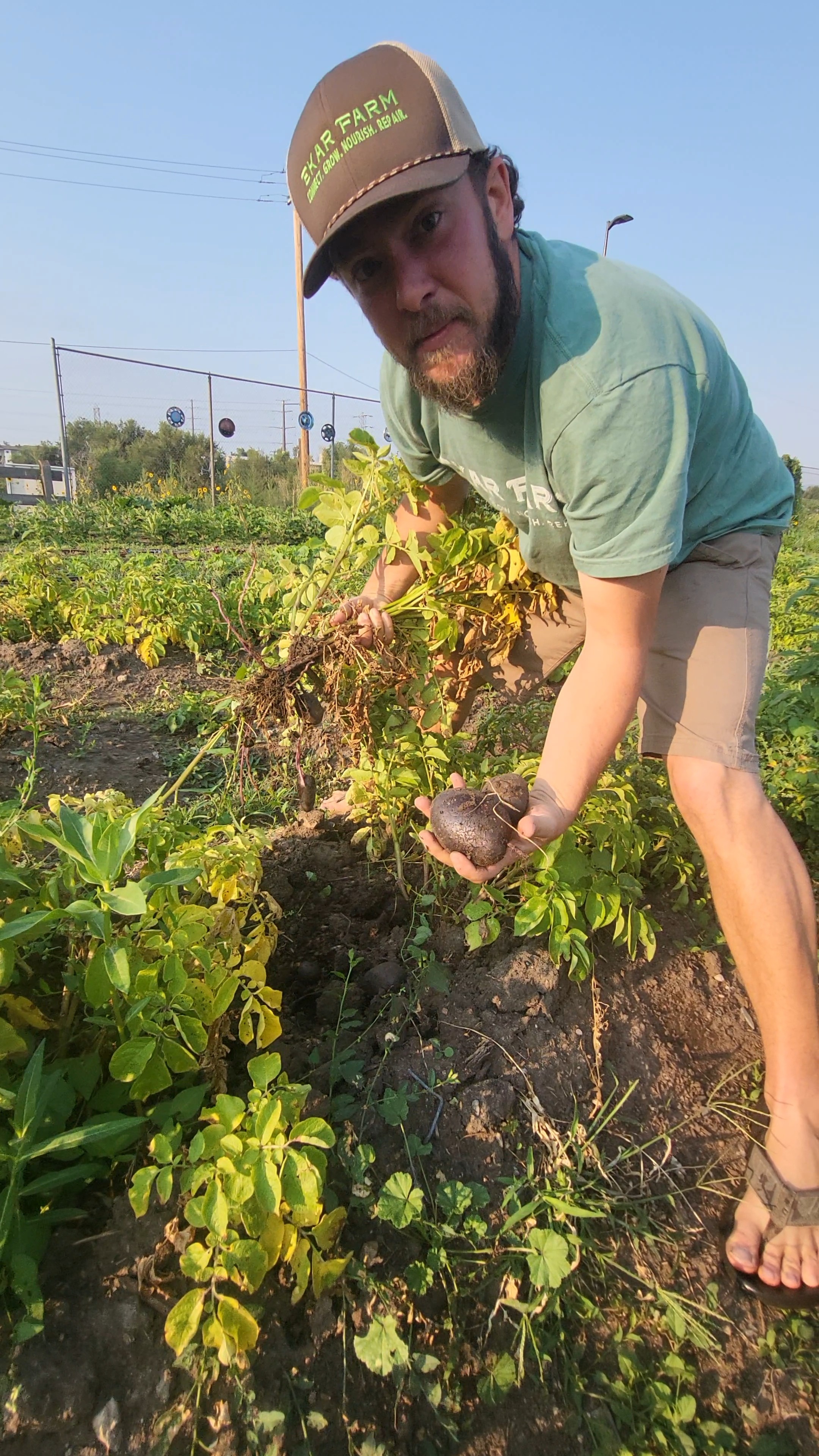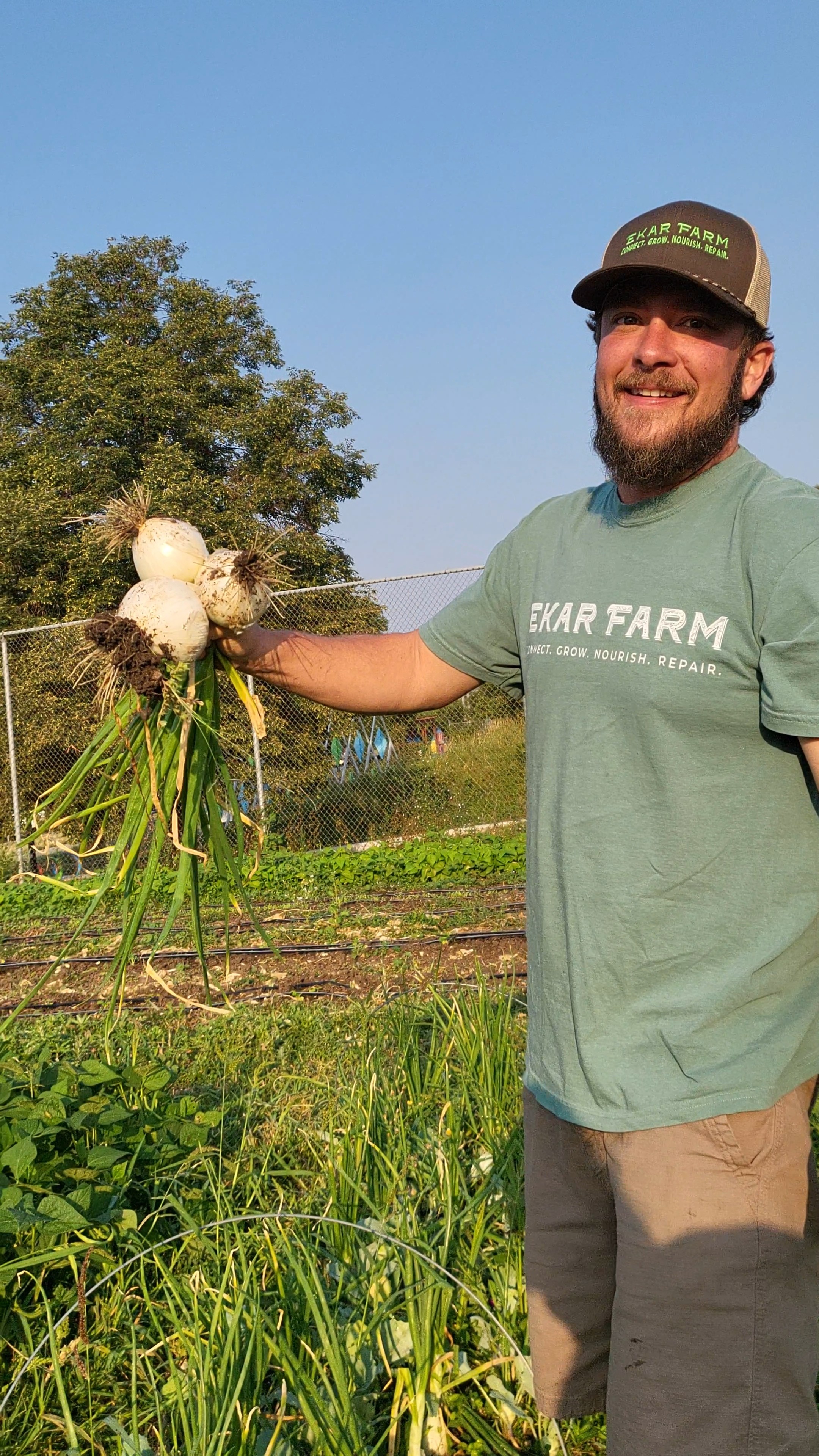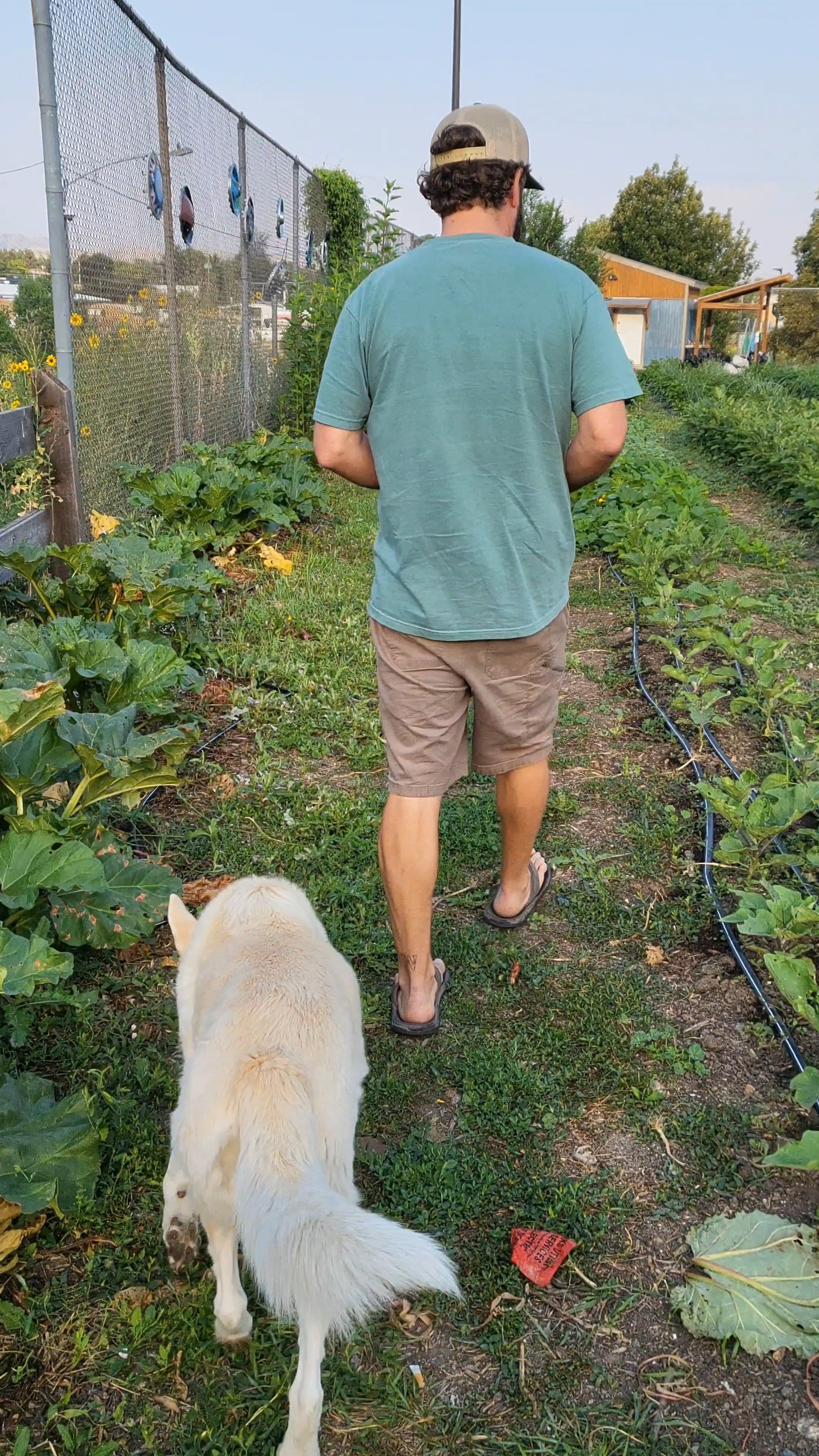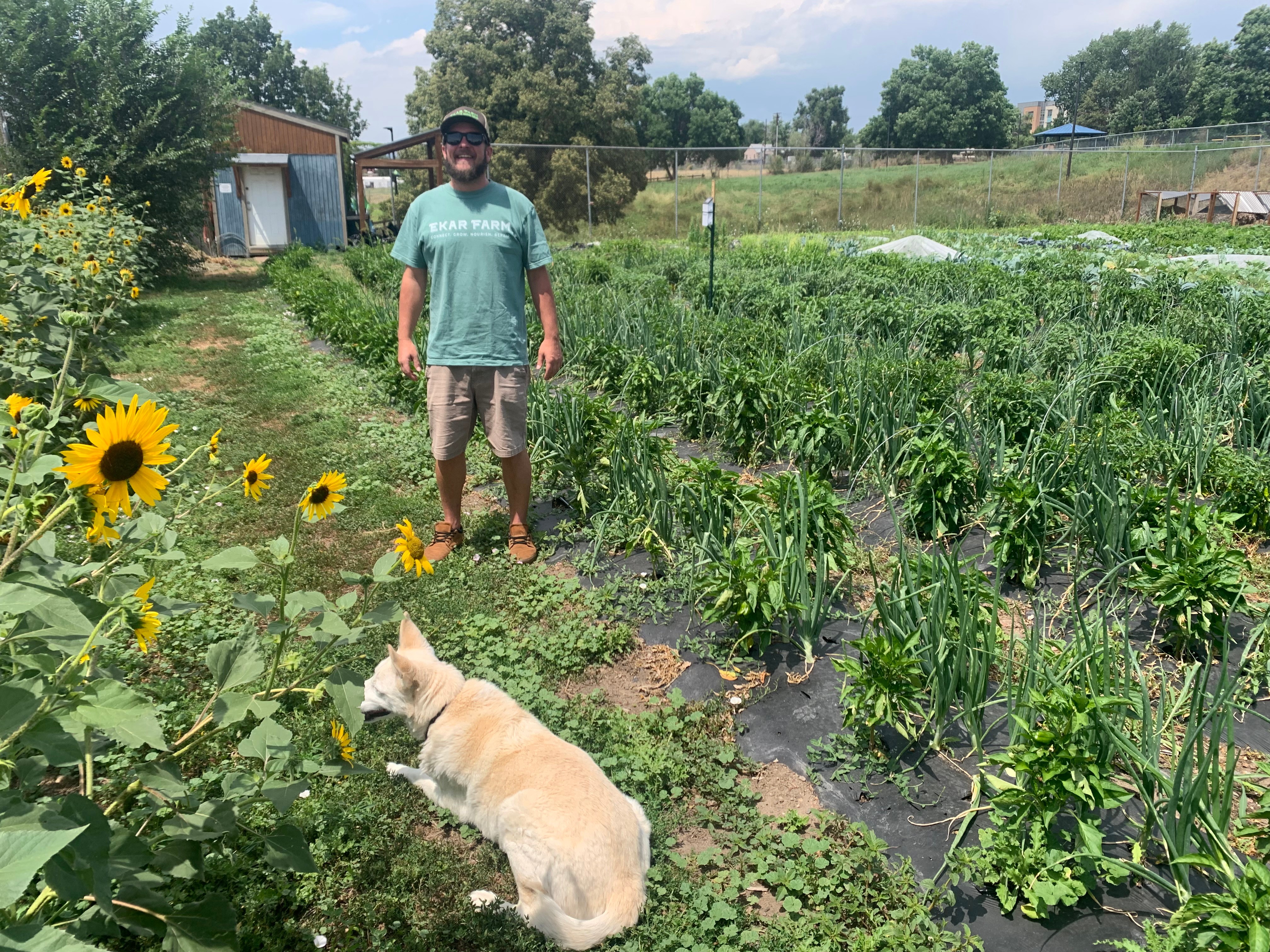


Today we’d like to introduce you to Jason Plotkin.
Hi Jason, thanks for joining us today. We’d love for you to start by introducing yourself.
Farming has actually been part of my life for a really long time. I grew up in Connecticut and started working at Rosedale Farms in Simsbury when I was just 12 years old. I loved being around a working farm from the beginning – the physical nature of the work, being outside, watching something progress through a season, and the fact that there was always another problem to solve. I think a lot of the way I approach work today probably started there.
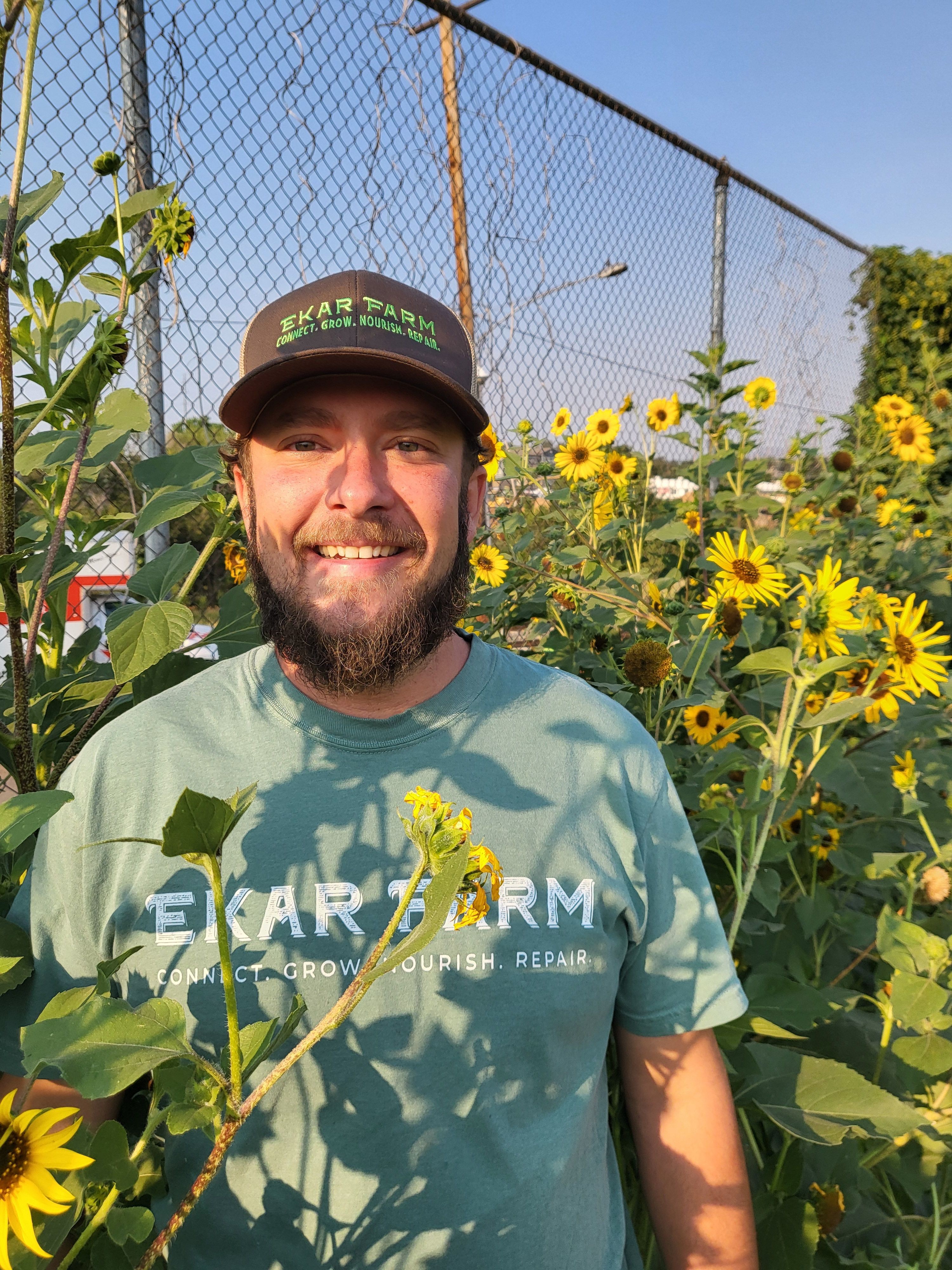
I went on to the University of Vermont, where I graduated in 2010 with a degree in Wildlife Biology. I was interested in herpetology, ecology, agriculture, and generally anything that allowed me to spend more time outside than behind a desk. Agriculture kept pulling me back, though. In 2012, I started Golden Acre Farm, which I owned and operated for about ten years while also starting to work at Ekar Farm as the first farm manager.
Farming has a pretty incredible ability to humble you. You can spend an entire winter making the perfect plan and then weather, water, insects, equipment, markets or something you never even considered can completely change it. You learn to be resourceful, make decisions quickly, live with uncertainty, and keep going when things don’t work the way you thought they would.
I loved growing food, but as the years went on I became increasingly interested in the larger food system and the role farms can play beyond simply producing something to sell. I started thinking more about food access, land stewardship, education, community, and the huge disconnect that exists between many people and the places where their food is grown.
When I stopped operating Golden Acre, I knew I wasn’t done with agriculture. I just wanted the next chapter to have a broader community impact. In late 2022, I became Executive Director of Ekar Farm, and it gave me an opportunity to take what I had learned over years of farming and apply it in a very different way.
And it has definitely been an adventure.
Over the last few years, we’ve had to leave Ekar’s longtime home, operate temporarily at another location, and now establish a new 2.86-acre farm at Shalom Park in Aurora from the ground up. I don’t think I fully appreciated when we started just how complicated it would be to build a farm in Aurora. I’ve learned far more than I ever expected to know about water taps, irrigation, site plans, zoning, permits, construction, fundraising, and municipal processes. Throw in historic drought conditions, hailstorms, and Colorado weather in general, and there hasn’t been much opportunity to get comfortable.
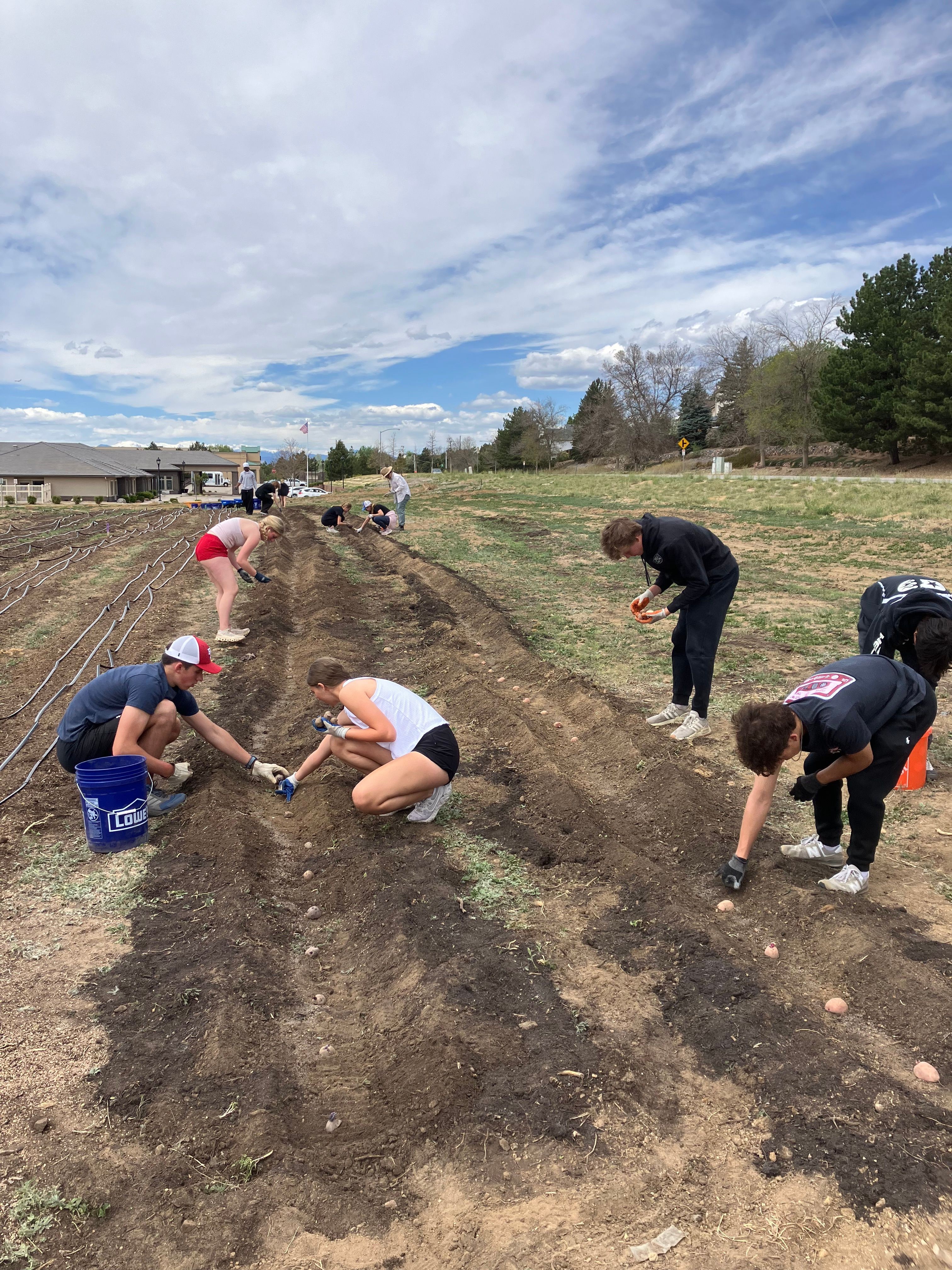
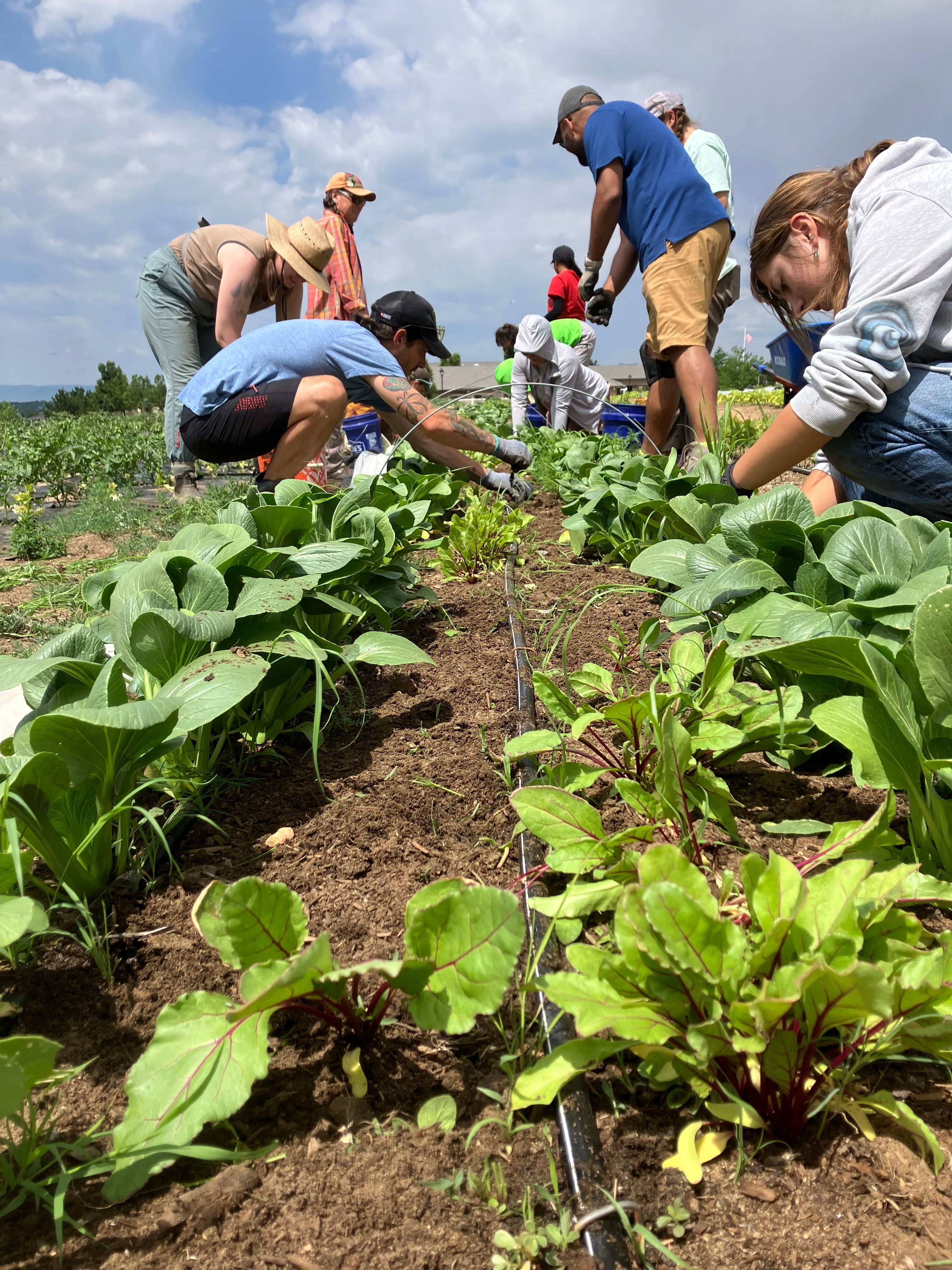
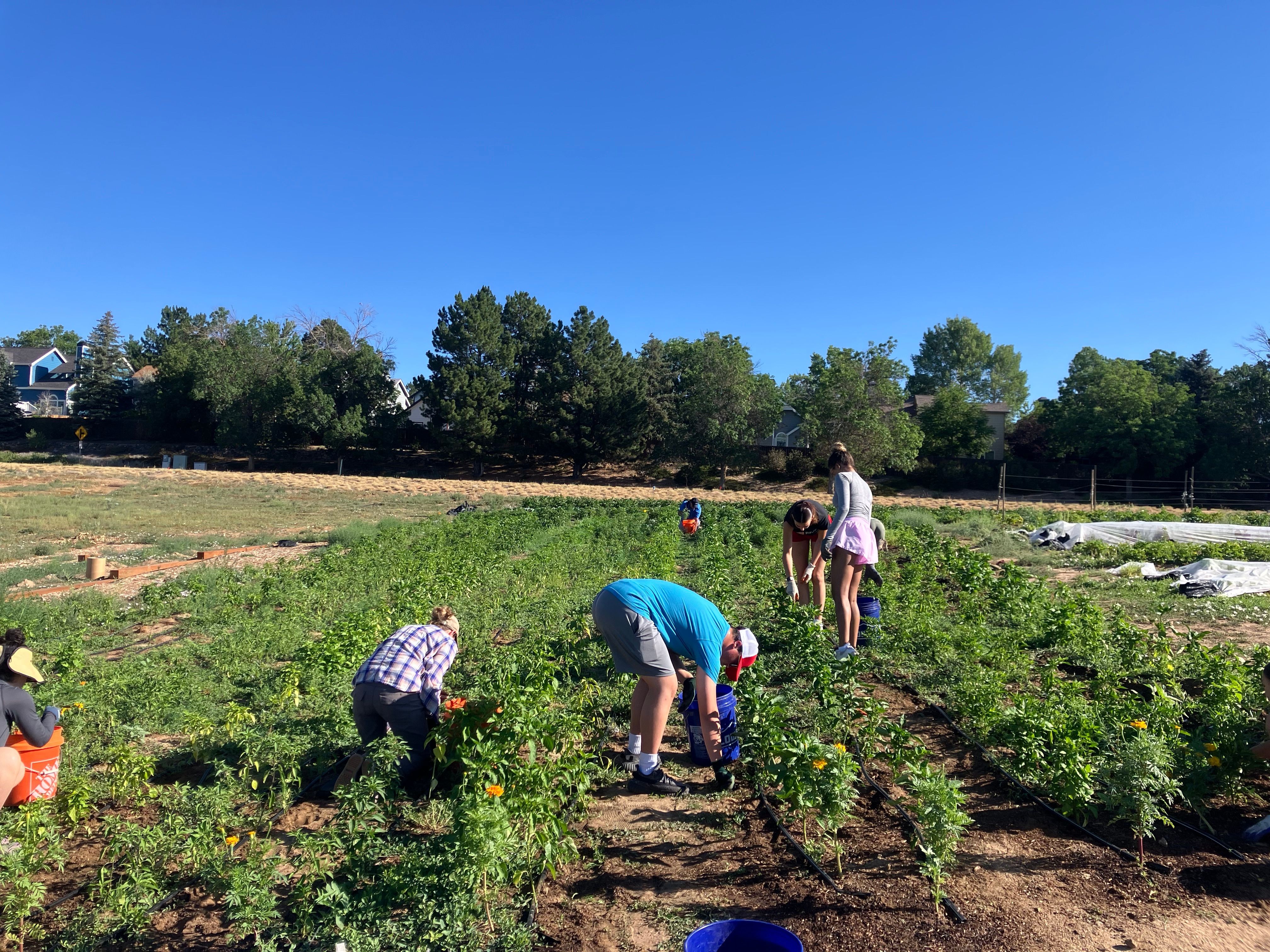
But that’s also what makes where we are today so exciting. You can stand at Shalom Park now and actually see this place becoming a farm. We’re growing food. We’re building infrastructure. Volunteers and neighbors are coming onto the property. We’re forming new relationships throughout Aurora. And the food we’re growing is being distributed at no cost through our programs and community partners.
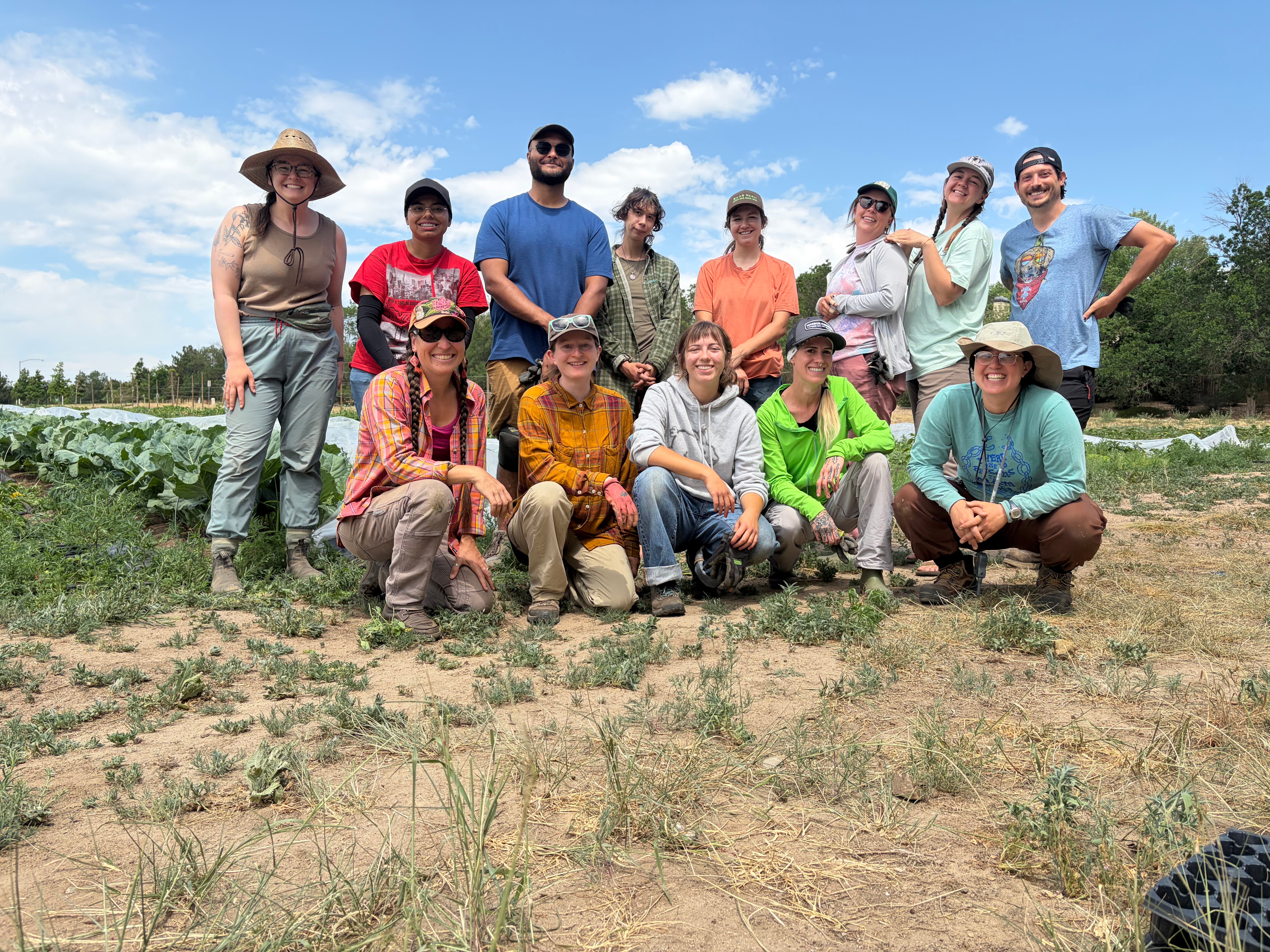
I’ve also realized that some of my favorite parts of farming now aren’t necessarily about the crops themselves. It’s everything that happens around them. It’s watching a kid pull a carrot out of the ground for the first time. It’s seeing volunteers who showed up as strangers spend a morning working alongside one another. It’s watching our staff turn an idea into a program, or seeing food leave the farm knowing it’s going directly to people who can use it.
It’s funny to think that I started working on a farm at 12 and, all these years later, I’m still doing some version of the same thing. The scale is different and my responsibilities have certainly changed, but a lot of what I loved about farming then is what I still love about it now: you work hard, solve whatever problem is in front of you, take care of the land, and hopefully leave something better than you found it.
Alright, so let’s dig a little deeper into the story – has it been an easy path overall and if not, what were the challenges you’ve had to overcome?
Not even close. Farming has given me some of the best experiences of my life, but it has also been incredibly hard on me personally.
When you farm, there is very little separation between your work and the rest of your life. The farm doesn’t care that it’s a weekend, that you have plans, that you’re exhausted, or that something else in your life needs your attention. Crops need water. Animals need care. Something breaks. A storm rolls in. For years, I planned my life around the weather forecast and irrigation schedules.
And sometimes you can do everything right and lose anyway. I’ve watched hailstorms destroy months of work in a matter of minutes. I’ve farmed through droughts where every decision revolves around water and whether you can keep crops alive. I’ve stood in fields after storms looking at shredded plants and knowing there is absolutely nothing you can do about it. There is a particular kind of helplessness that comes with watching something you’ve worked on every day for months disappear in ten minutes.
Land access has been another constant challenge. I spent ten years building Golden Acre Farm, but like so many farmers, I was farming on land I didn’t ultimately control. At Ekar, I’ve experienced a version of that all over again. Ekar had farmed the same property for more than a decade before we had to leave and essentially start over. We spent a season on temporary land and are now building again at Shalom Park. I’ve learned that you can pour years of your life into improving soil, building infrastructure, and creating a community around a piece of land and still have very little control over whether you’ll be there five years from now. That’s a difficult reality for farmers, especially around a rapidly growing place like Denver.
There are also sacrifices that don’t show up when people talk about farming. It can be incredibly hard on relationships and families. Farming can destroy marriages. It can consume your time, your finances, your physical health, and your emotional energy if you let it. There were years when the farm got the best version of me and the people in my life got whatever was left. That’s something I’ve had to reckon with as I’ve gotten older.
Closing Golden Acre after ten years was one of the hardest decisions I’ve made. When you’ve built something from scratch, it’s difficult to separate the business from your identity. I wasn’t just asking myself what job I wanted next; I was trying to figure out who I was if I wasn’t running my farm anymore. In hindsight, I needed that transition. It forced me to recognize that walking away from something isn’t necessarily the same thing as failing at it.
Then I came back to Ekar and, somewhat ironically, signed myself up to build another farm.
Appreciate you sharing that. What should we know about Ekar Farm?
Ekar Farm is a nonprofit urban farm, but I think we’re a little difficult to put into one box…and I’m proud of that.
At the most basic level, we grow food. We operate a 2.86-acre farm at Shalom Park in Aurora where we grow vegetables using sustainable and water-conscious practices. But what makes Ekar different is what happens with that food and around the farm. The vast majority of what we grow is distributed at no cost to people experiencing food insecurity through our own programs and partnerships with other community organizations throughout the Denver metro area.
Food access has always been central to Ekar’s work. Over the years, we’ve grown and distributed hundreds of thousands of servings of fresh produce. More recently, we’ve also started purchasing food from other local farms and suppliers because the need in our community is greater than what we can possibly grow ourselves. I actually think that’s an important evolution for us. We’re proud to be farmers, but our goal isn’t to prove that we can grow every carrot ourselves. Our goal is to get good, culturally relevant food to people who need it.
We’re also an education organization. We work with kids, families, schools, volunteers, and community partners on everything from agriculture and nutrition to cooking, composting, ecology, and sustainability. Thousands of people have spent time volunteering and learning on Ekar’s farms over the years. There’s something about learning on a working farm that you just can’t replicate in a classroom.
And increasingly, we’re a community space. That’s a huge part of what we’re trying to build at Shalom Park. We want people to come to the farm even if they have absolutely no interest in becoming farmers. Come volunteer. Take a class. Have dinner. Attend a festival. Taste something you’ve never eaten before. Bring your kids. Meet somebody you wouldn’t otherwise meet. Or just spend some time outside.
Ekar is also rooted in ideas around caring for the earth, sharing abundance, justice, and our responsibility to one another. At the same time, the farm itself is intentionally a place for the broader community. We work with people and organizations from many different backgrounds, cultures, faiths, and neighborhoods. I think some of the most interesting things happen when agriculture becomes common ground.
What sets us apart is that all of those pieces happen together. We’re not a community garden that happens to donate some extra vegetables, and we’re not a traditional food pantry with a garden out back. We’re a working production farm where food access, education, environmental stewardship, volunteerism, and community building are all part of the same mission.
I’m especially proud of how scrappy Ekar is. We’re a relatively small nonprofit with a small staff and an ambitious mission. We’ve moved farms, rebuilt infrastructure, dealt with drought and hail, developed partnerships across the metro area, distributed a lot of food, and continued creating programs while essentially building our organization a new home from the ground up. Our staff, board, volunteers, donors, and community partners make an incredible amount happen with limited resources.
Right now, I’m most excited about what Ekar can become at Shalom Park. We’re still building. Eventually, we envision a much more complete campus with expanded growing areas, an orchard and food forest, greenhouse space, improved food storage and distribution infrastructure, educational spaces, accessible gardens, and places specifically designed for people to gather.
If there’s one thing I’d want readers to understand about Ekar, it’s that the vegetables are really just the starting point. We absolutely want to grow a lot of great food and get it to people who need it. But we’re also trying to demonstrate what a small urban farm can contribute to a city: healthier food, environmental stewardship, education, volunteer opportunities, relationships, and a physical place where people feel connected to their community.
What makes you happy?
Being outside has always made me happy. I love farming, hiking, traveling, and field herpetology – especially looking for and photographing snakes. There’s something about being outside, paying attention, and searching for something that most people would probably walk right past that I really enjoy.
I also love growing flowers and making arrangements, cooking big meals for my friends, exploring somewhere I’ve never been, and generally making things with my hands. Some of my happiest moments are pretty simple: finding a snake I’ve been searching for, the first flowers of the season, a long dinner with people I care about, or walking through the farm early in the morning.
Contact Info:
- Website: https://www.ekarfarm.org
- Instagram: https://www.instagram.com/ekarfarm
- Facebook: https://www.facebook.com/Ekarfarm/
- Youtube: https://www.youtube.com/@ekarfarm