

Today we’d like to introduce you to Brenna Berman.
Hi Brenna, we’d love for you to start by introducing yourself.
As far back as I can remember, I have always loved playing the piano. At age 4, I began playing by ear by copying what my parents played, and I started formal lessons a few years later. I became dedicated and serious almost immediately, competing and performing regularly. I began giving solo recitals and won some state-wide and regional competitions. At around age 13, as my practicing time increased and my pieces got more difficult, I began experiencing fatigue and pain in my forearms. My teacher at that time was unable to help.
My mother had attended “The Taubman Institute” in the 1980’s where she was introduced to the Taubman Technique. It was the only known technique to help pianists recover from and prevent playing-related injuries. I had hope that the technique could help me, so I looked for a college that had a Taubman-trained professor. I found a professor with Taubman experience at Oberlin Conservatory, a high-ranking music conservatory in Ohio.
I attended Oberlin for a piano performance degree and did technique work with my new professor. I thought it would help, but by my junior year I was more injured than ever before. I had acquired tendonitis, carpal tunnel syndrome, and an inflamed ulnar nerve causing numbness in my 4th and 5th fingers. My injury incapacitated my right hand, not only in playing, but I also couldn’t write, sweep, shake hands, brush my hair or teeth, or do almost anything with my right hand. I did all tasks in my left hand, which was also tired and hurt.
Somehow, with lots of rest and icing, I made it through my years at Oberlin. In graduate school, my hands got progressively worse. Now they didn’t just hurt, they also felt sluggish and unresponsive. I made a trip to see my Oberlin professor in the search for help. During a lesson with him, he asked “why don’t you find something else to do with your life?” As you can imagine, I was completely crushed. I came very close to giving up piano all together.
I decided to contact the highest experts in the field of Taubman to see if there was any hope for me. I found expert teachers Robert Durso and Edna Golandsky and flew to the East Coast for lessons with each of them. Within minutes of the first lesson with Mr. Durso, I knew I had never received the correct training from my Oberlin teacher. Before I left the lesson, I was able to put down a piano key with no pain and no effort. It felt almost unbelievable.
It was not difficult to decide my next move. Within a month, I had moved to Philadelphia. I lived there for nine years, studying primarily with Mr. Durso, but also with Edna Golandsky and Dorothy Taubman. My playing improved 10-fold and my pain from playing went away, along with all of my injuries. I began performing again, including a performance at Carnegie Hall’s Weill Recital Hall in 2008. I trained to become a teacher with The Golandsky Institute, the current preeminent center for teaching what’s now called “The Taubman Approach”. I became a Certified Master Teacher of the Taubman Approach and am a member of their Associate Faculty.
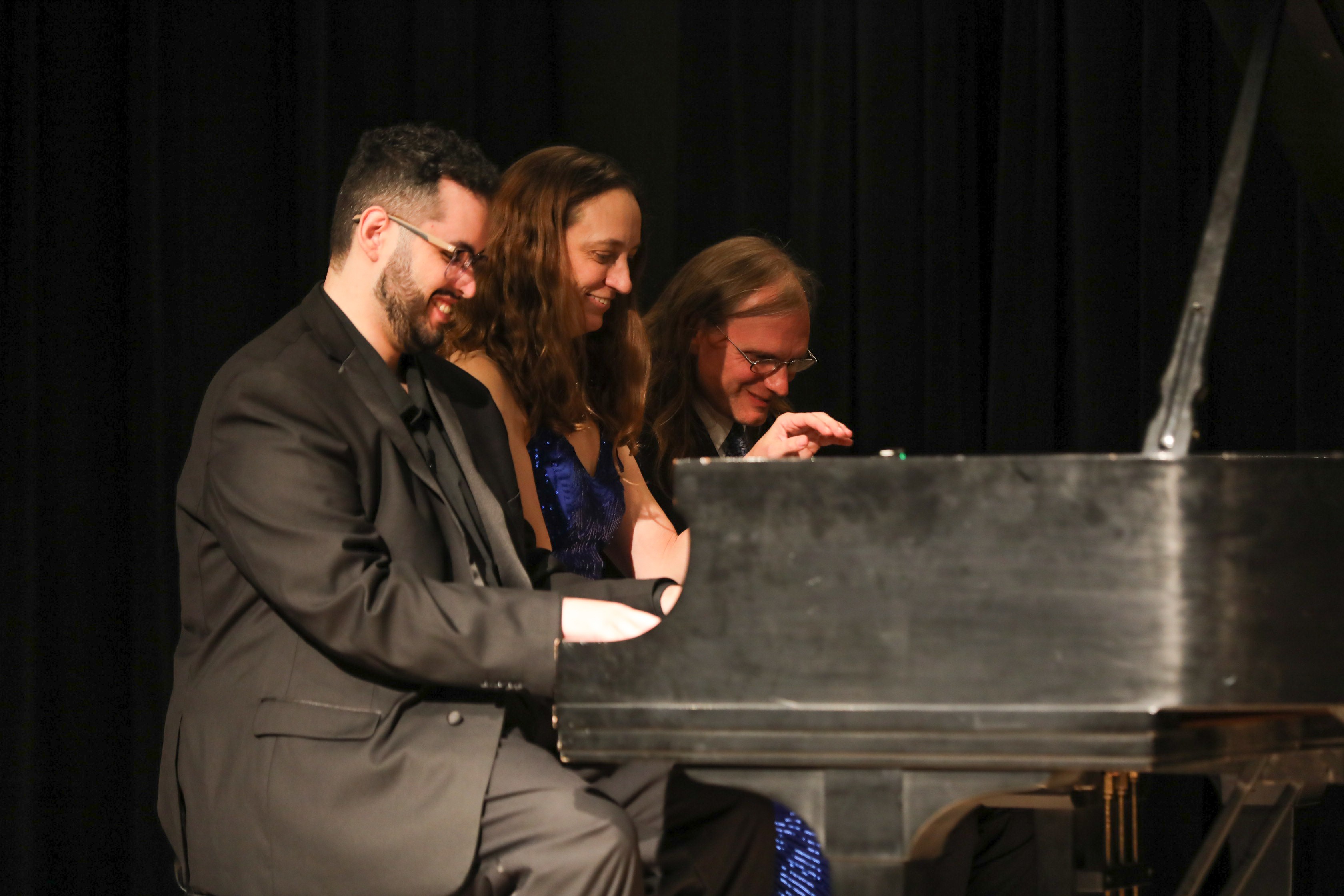
I moved back to Colorado in 2009 and have been performing, teaching, and presenting here ever since. In 2022, I co-founded the Effortless Artistry Music nonprofit together with piano students who have become colleagues: Magda Cole, Nancy Seller, and Sonja Toutenhoofd. We now run this nonprofit together with Lucas Larreau, MJ McCoy, and Dilyara Oliver, all Taubman-trained pianists. I have a private studio in Louisville, train pianists, train teachers in the Taubman Approach, perform regularly solo and with local orchestras, and hold workshops with Effortless Artistry Music.
Would you say it’s been a smooth road, and if not what are some of the biggest challenges you’ve faced along the way?
It was definitely not a smooth road! As I mentioned, I struggled substantially with physical injuries until finding the Taubman Approach. I have also had to overcome negative self-talk, perfectionism, habits from flawed training methods with previous piano teachers, and performance anxiety.
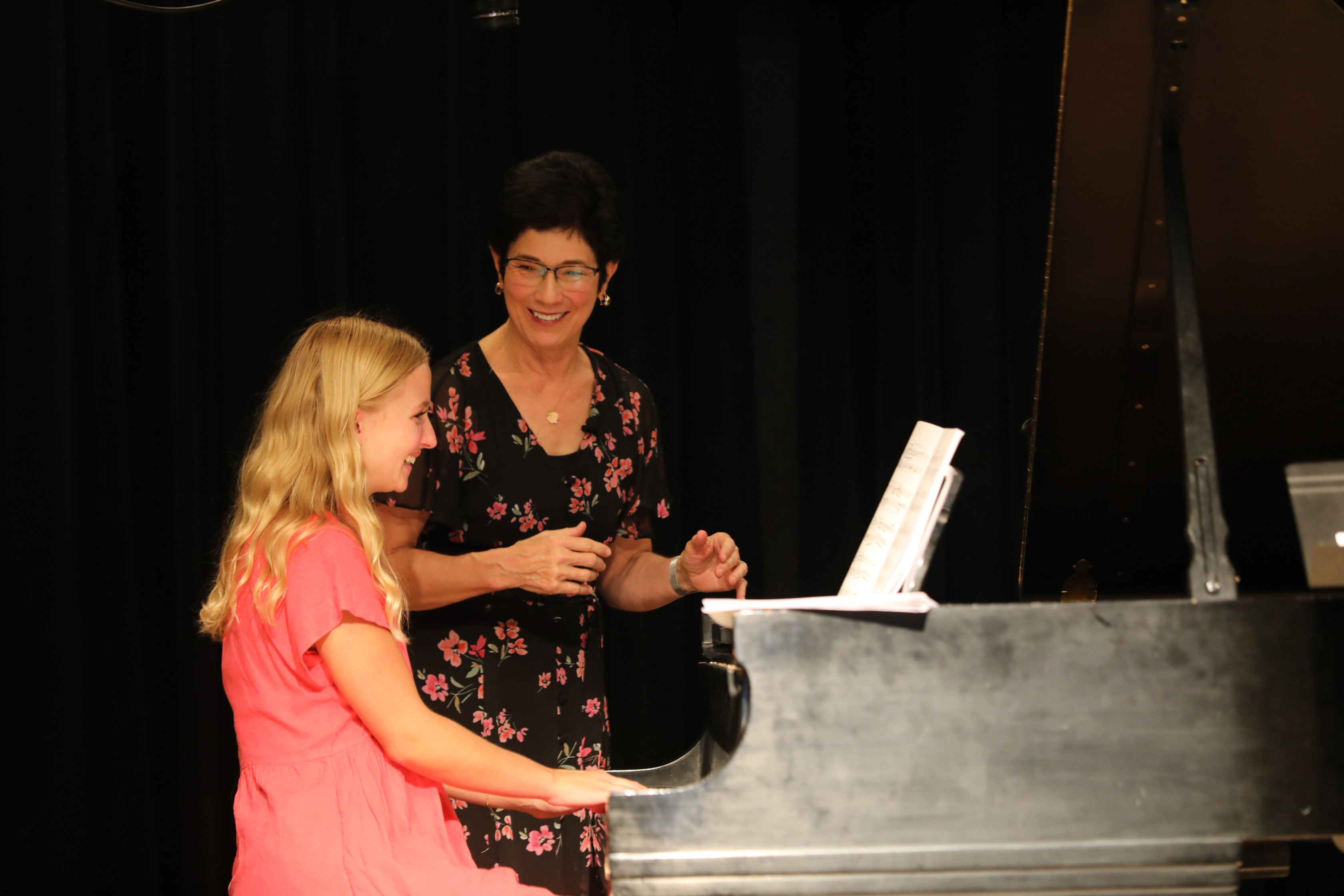
Through therapy and reading many books on performance anxiety, self-care, and learning, I have made substantial progress in overcoming negative self-talk, perfectionism and performance anxiety. These issues are dear to my heart and I bring them into my teaching and presenting. Nearly all of my students deal with some degree of perfectionism and negative self-talk, both of which affect learning and performing. I believe in creating a psychologically safe environment. I invite questions, celebrate mistakes, and validate experiences along my students’ journey. I emphasize that making mistakes is not only ok, but an essential pillar of learning.
I have also had to overcome messages of shame given by previous teachers in piano lessons. Sadly, many music teachers use shame and pressure to get results from their students. This works in the short term to some degree, but at what cost? I do not believe in shaming students for poor practice or pressuring them to do more. I believe in inspiring them, and meeting them where they are. I believe this in part has led to my very loyal student base who choose to study with me for many years.
Alright, so let’s switch gears a bit and talk business. What should we know about your work?
My work is a combination of performing, teaching, training teachers, directing the nonprofit Effortless Artistry Music (EAM), and giving seminars, workshops, and presentations.
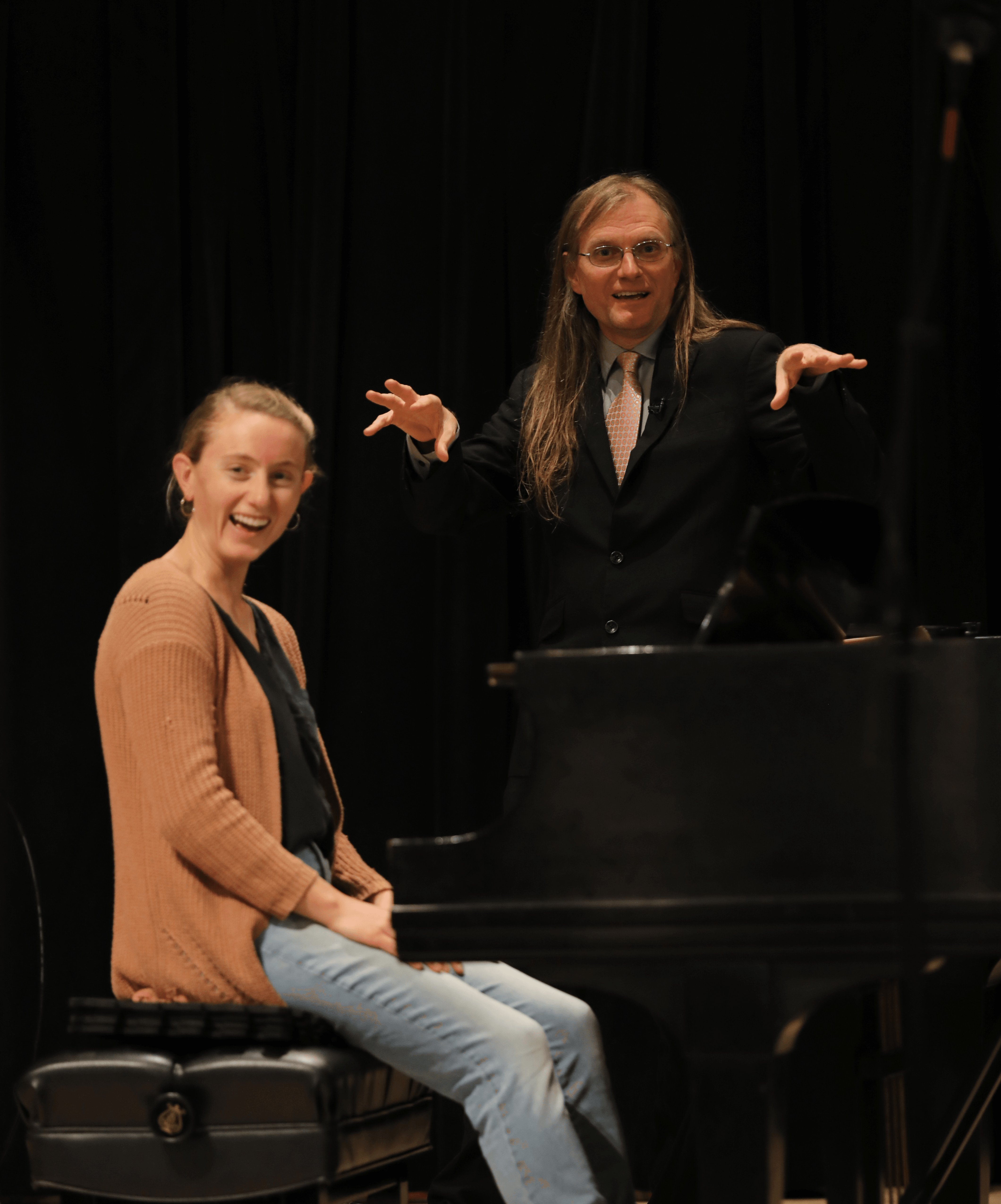
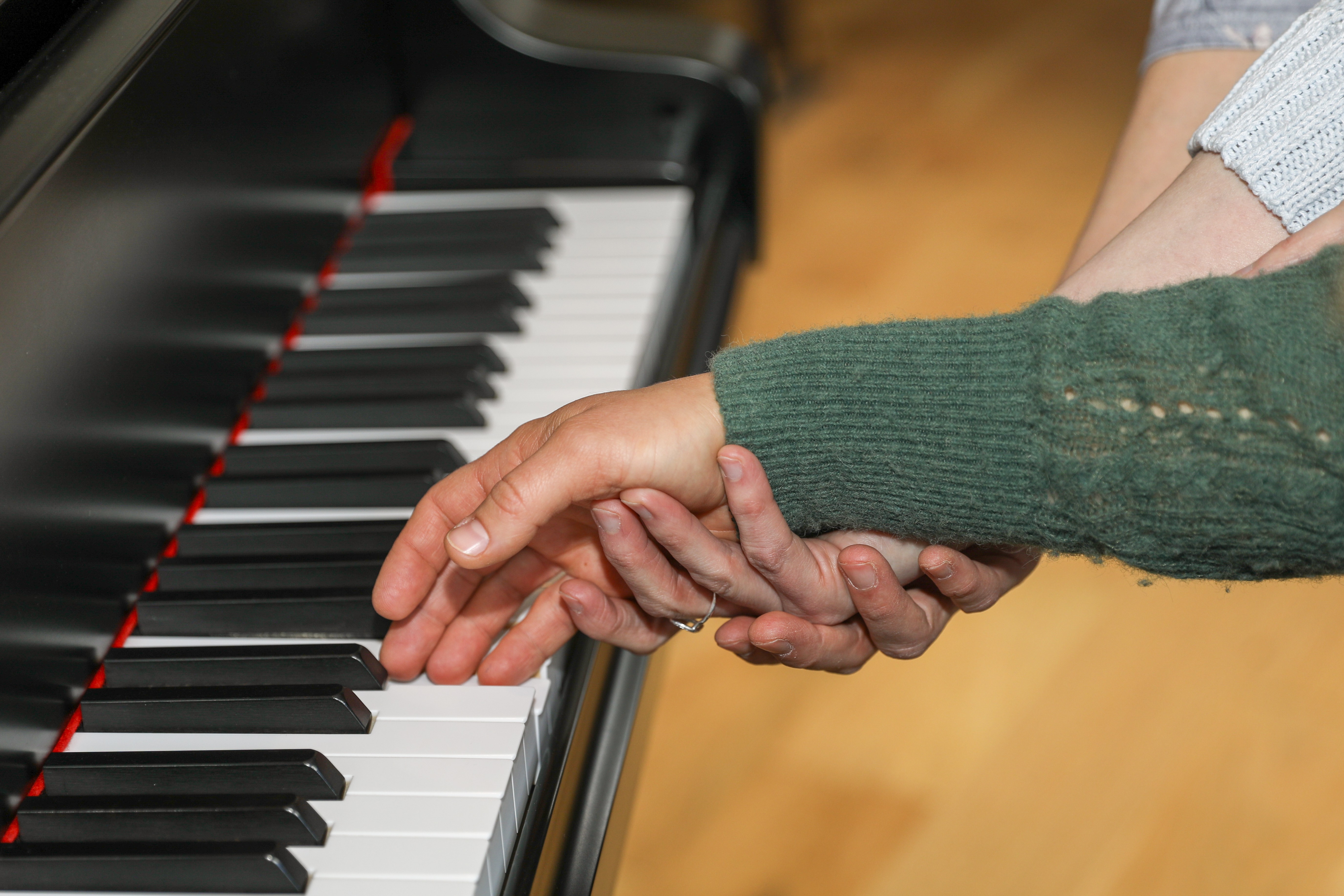
In Colorado, I am well known within the piano world for teaching the Taubman Approach. I am one of only 17 Certified Master Teachers of the Taubman Approach worldwide, and the only one in Colorado as well as most of the western states. I teach students privately, I train teachers in the approach, and I present the material through lectures and workshops. The Taubman Approach is quite incredible. It is a huge body of information that illuminates how pianists can play with ease, prevent fatigue and pain, and free them to project their artistic vision without physical limitations. Pianists commonly struggle to produce the sound or speed that they desire. Many, up to 90% of professionals, acquire playing-related injuries. Taubman is the only approach of its type, using scientifically based principles of body mechanics, basic physics, and facts about the piano mechanism itself. All of its methods have been tested and proven to work when properly applied to an otherwise healthy individual.
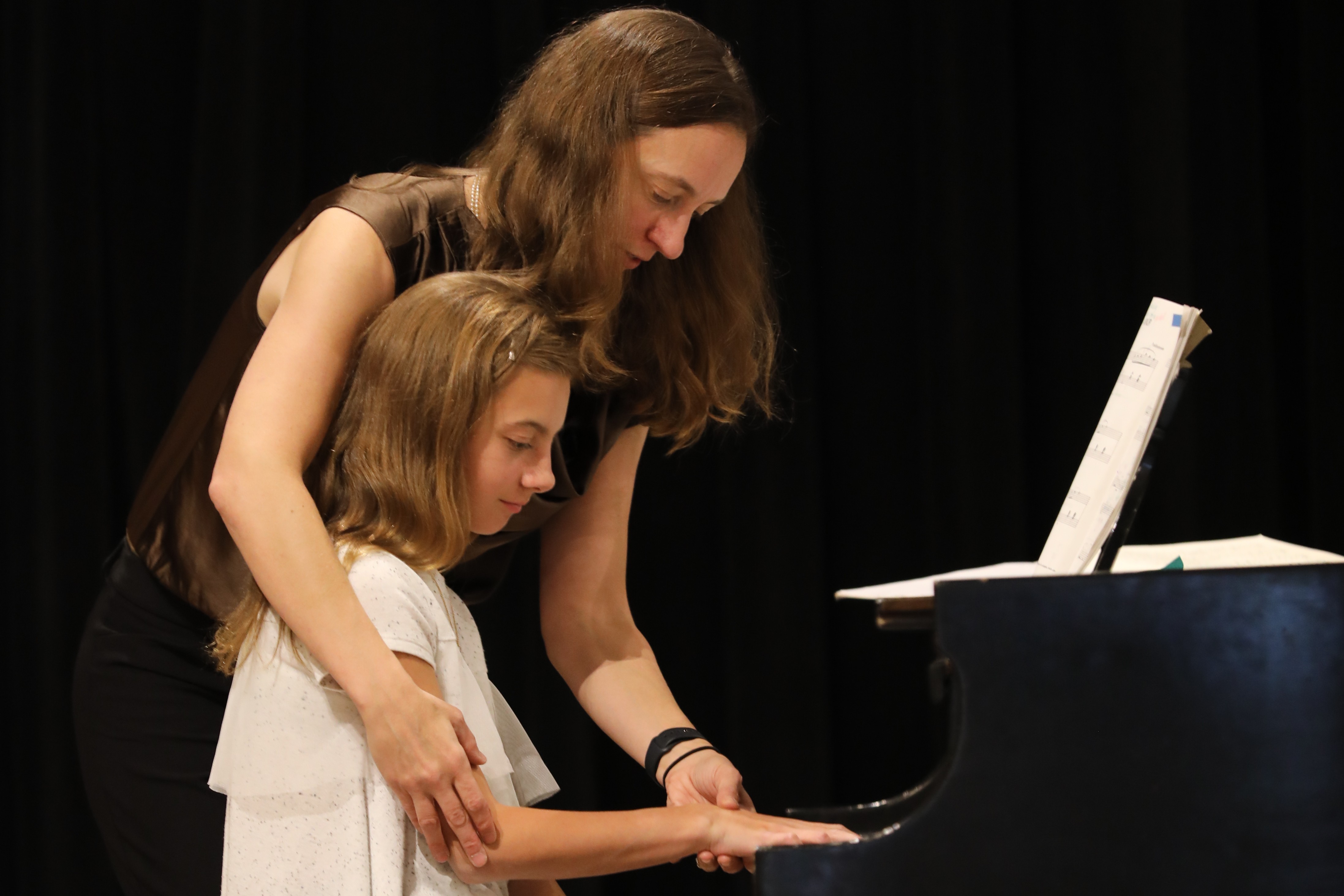
In my personal private teaching, I enjoy the many layers of training students how to move, how to learn, and how to be musically expressive. The Taubman Approach covers the physical stuff. In my free time, I read about the Cognitive Science of Learning and try to apply this to my teaching. I help my students understand how different types of learning take place, informational and motor, and how to best embed the right information. When we add the finishing touches, I lean on my training as a classical pianist to help students breathe life into their music.
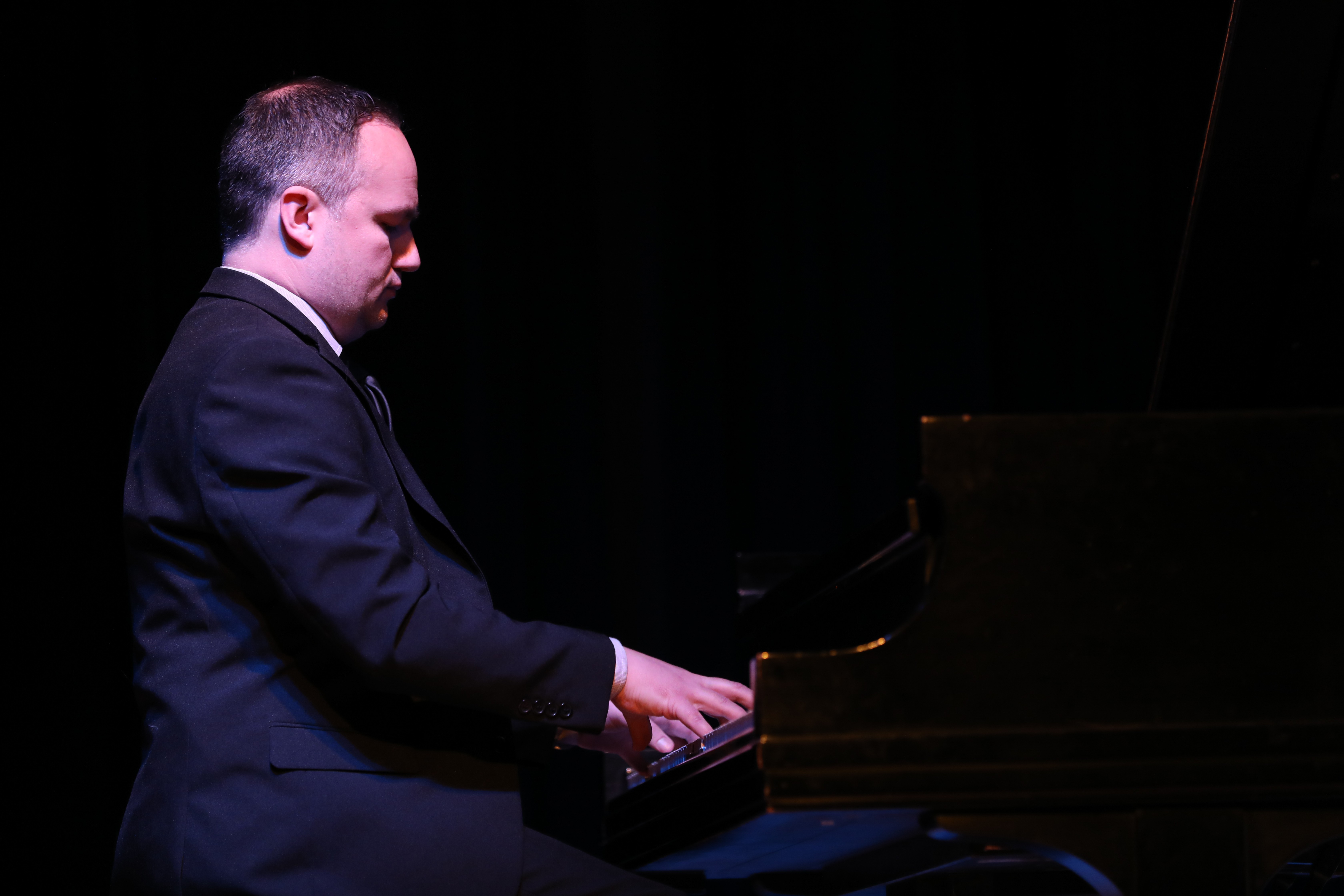
Regarding performing, I perform solo and with local orchestras. On September 26, I will be performing Kapustin études in Olympia, Washington as part of EAM’s Pacific Northwest Taubman Approach Workshop and Concert. On April 3, 2027, I will be performing Beethoven’s 3rd piano concerto with Broomfield Symphony Orchestra.
I am the Executive Director of EAM, the Colorado epicenter of teaching the Taubman Approach. EAM intends to make the Taubman Approach more accessible by offering annual workshops, biannual pedagogy workshops, performance opportunities and concerts, teaching materials, presentations, support groups, and community outreach events and annual festivals.
At EAM and in my private teaching, students, pianists, and teachers alike are encouraged to be open about their struggles, fears, challenges, and successes. Our teachers are dedicated to listening to our students non-judgmentally. We become their allies in overcoming challenges and reaching their goals.
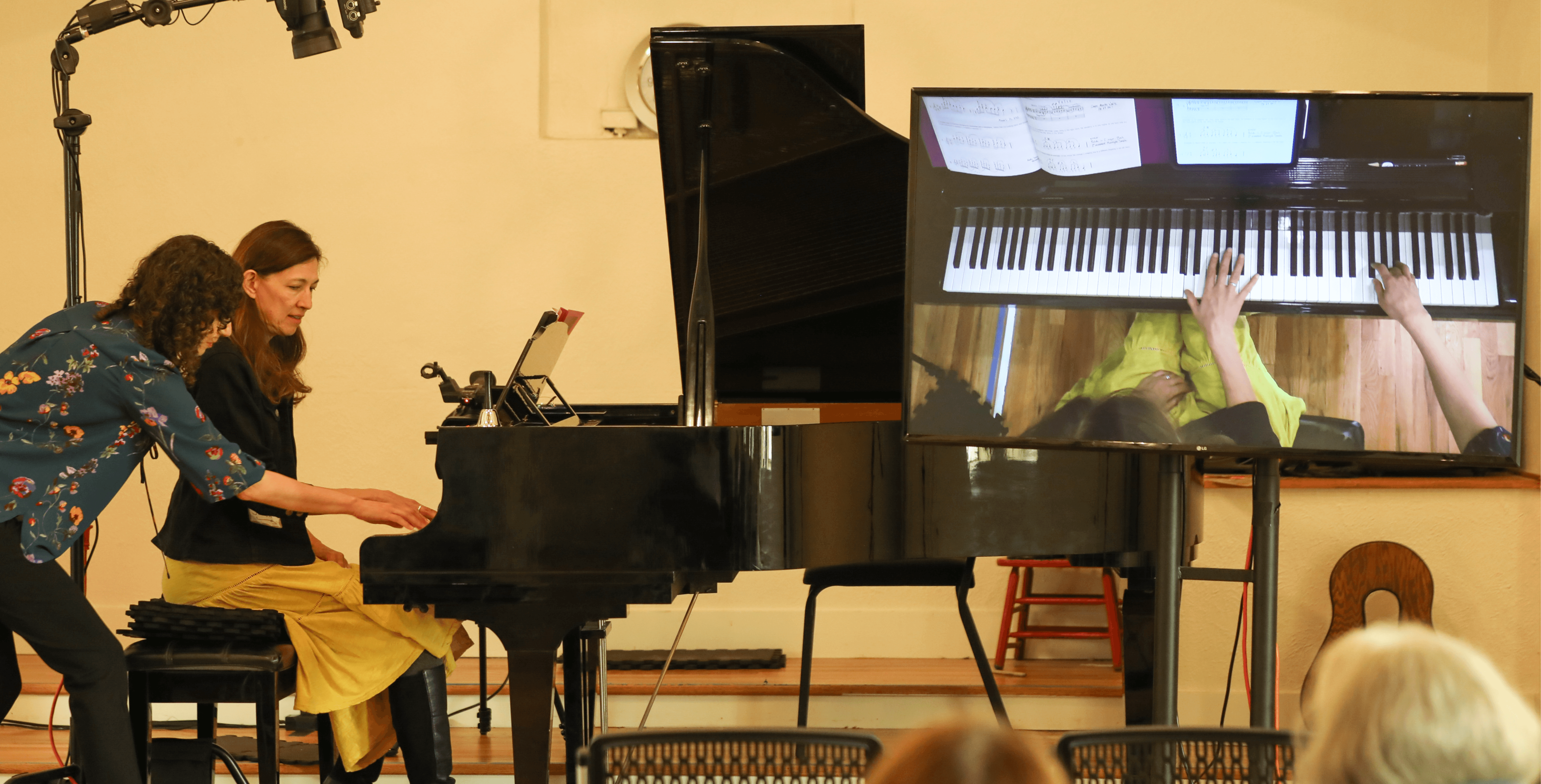
The EAM multi-level certification program is designed to recognize teachers at each successive step in learning to teach the Taubman Approach. The program is designed to increase the number of qualified teachers in the area so we can broaden the reach in our community and online. We have created a set of lectures and videos, and more are coming.
EAM is also expanding! This year we are holding our annual workshop and concert in Washington state. Many of our fine teachers, including myself, offer private lessons online. EAM also has a strong social media presence offering video tutorials on Instagram, Facebook, Youtube, and TikTok, as well as purchasable tutorial videos through our website.
Do you have any memories from childhood that you can share with us?
That’s a hard question! I feel like I have many. The one that comes to mind at the moment is climbing cherry trees in my back yard and eating the cherries. We had a fun back yard with lots of fruit trees and a pool, quite idyllic.
One funny memory I have is pretending to be a violin busker and making a video where my brother came by and dropped some change in my case! I played violin when I was younger in addition to piano.
My favorite memory of my mother when I was young was singing harmony with her as she rocked me in her rocking chair before bedtime.
Pricing:
- 2026 Workshop Online/In Person: $219
- Private lessons Offered
Contact Info:
- Website: https://www.effortlessartistrymusic.com
- Instagram: https://www.instagram.com/effortlessartistrymusic/
- Facebook: https://www.facebook.com/EffortlessArtistryMusic
- Youtube: https://www.youtube.com/@effortlessartistrymusic
- Other: https://EffortlessArtistry.com