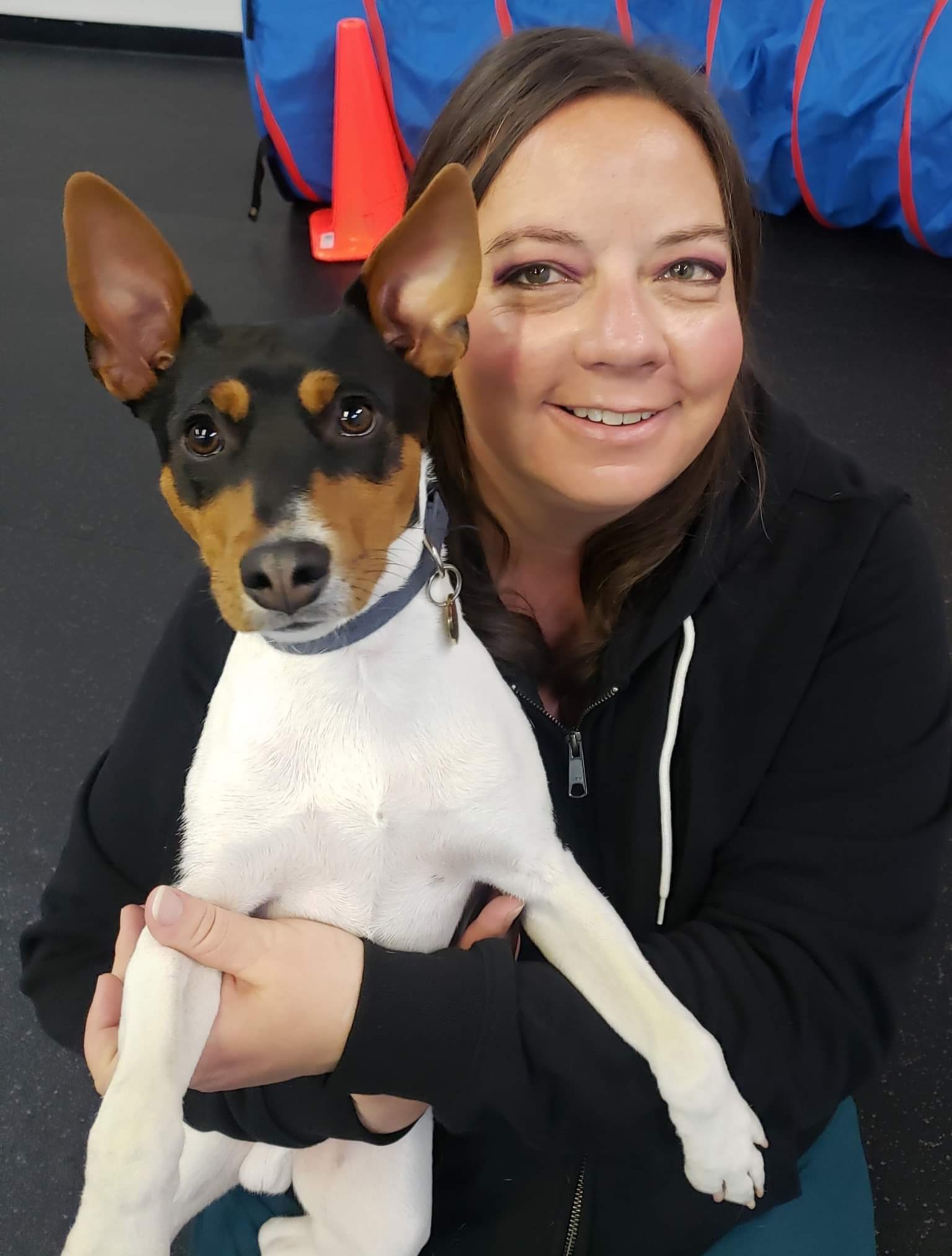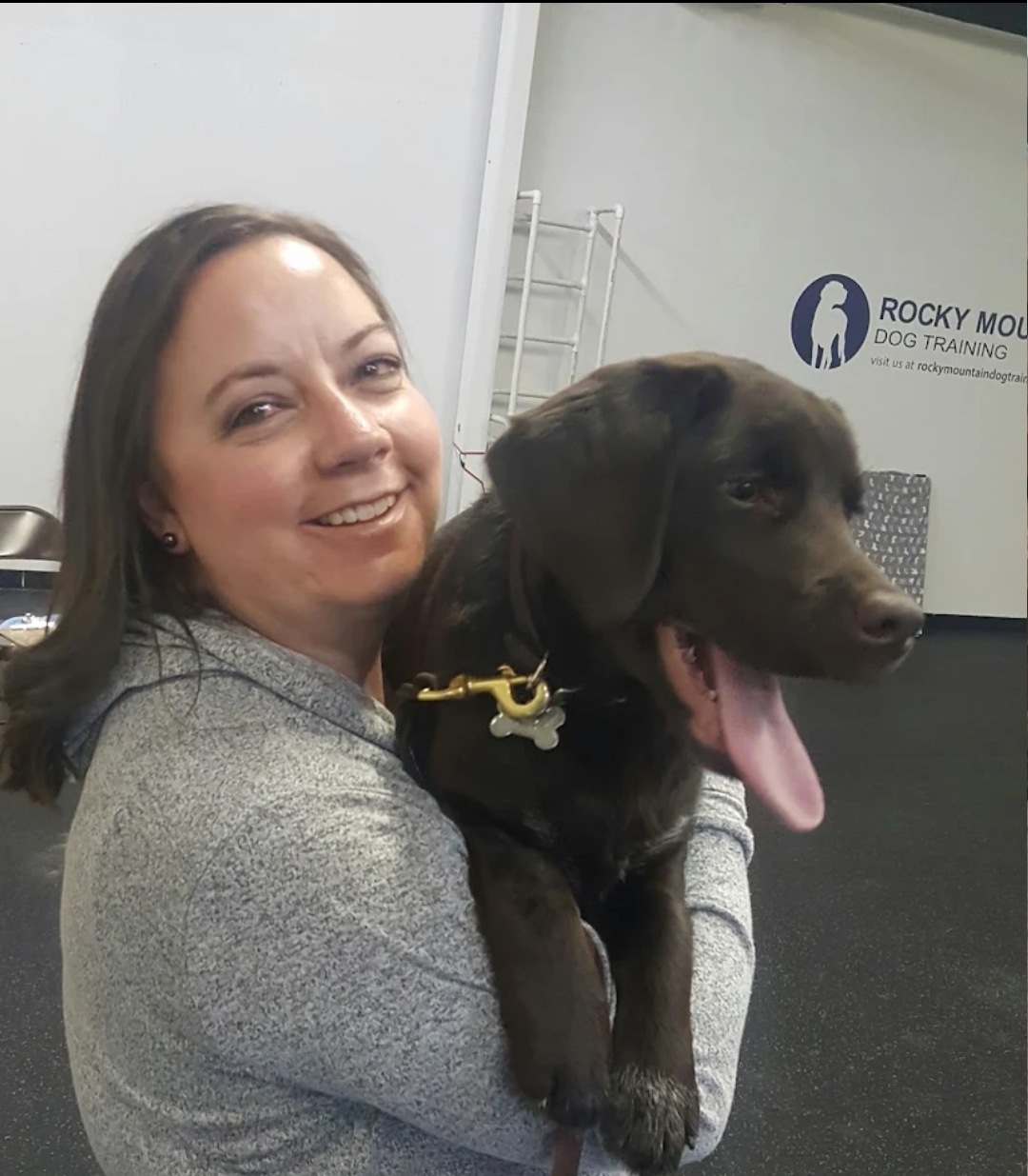


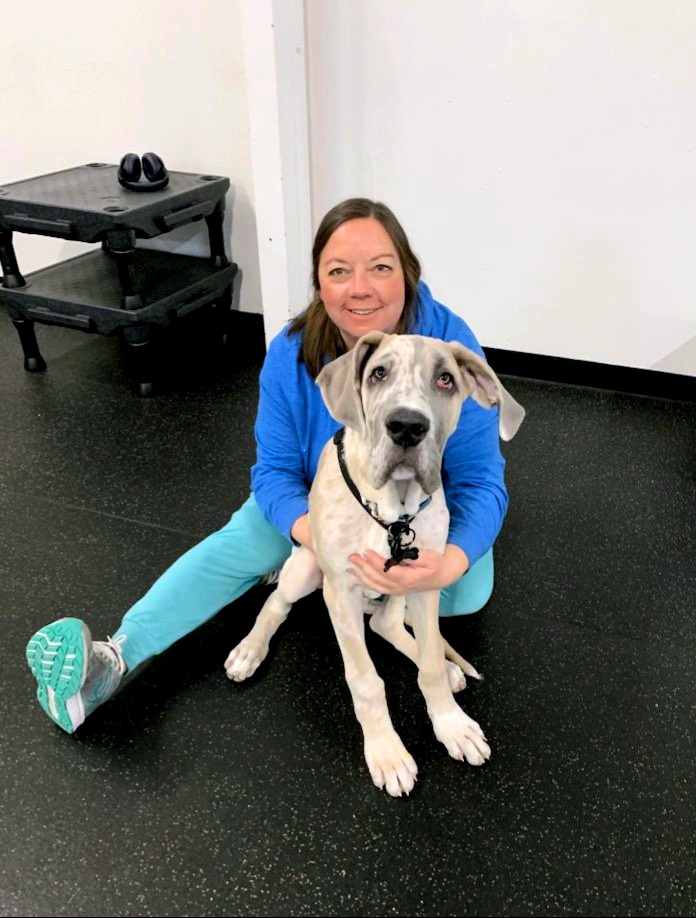
Today we’d like to introduce you to Julie Parker.
Hi Julie, we’re thrilled to have a chance to learn your story today. So, before we get into specifics, maybe you can briefly walk us through how you got to where you are today?
I was working as a software QA engineer while volunteering in the rescue and shelter world, working to find dogs homes and processing dogs into our rescue who were losing their homes. It was emotionally exhausting work that just never ended and anyone in that world can tell you just how hard that work really is. Especially back then when there were so little in the way of educational resources online.
Sometimes we would have to make really difficult decisions about their future based on their behavior, and I still think about those dogs to this day. In that world at that time there was almost no budget for training, it all went to medical needs.
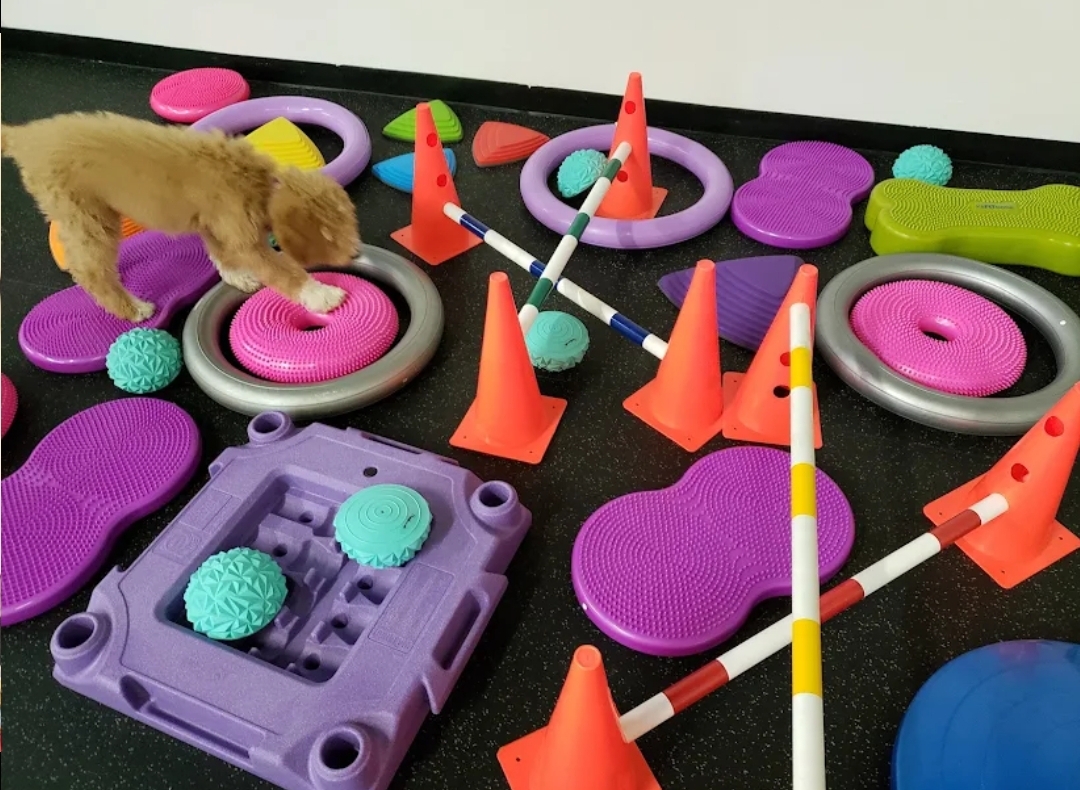
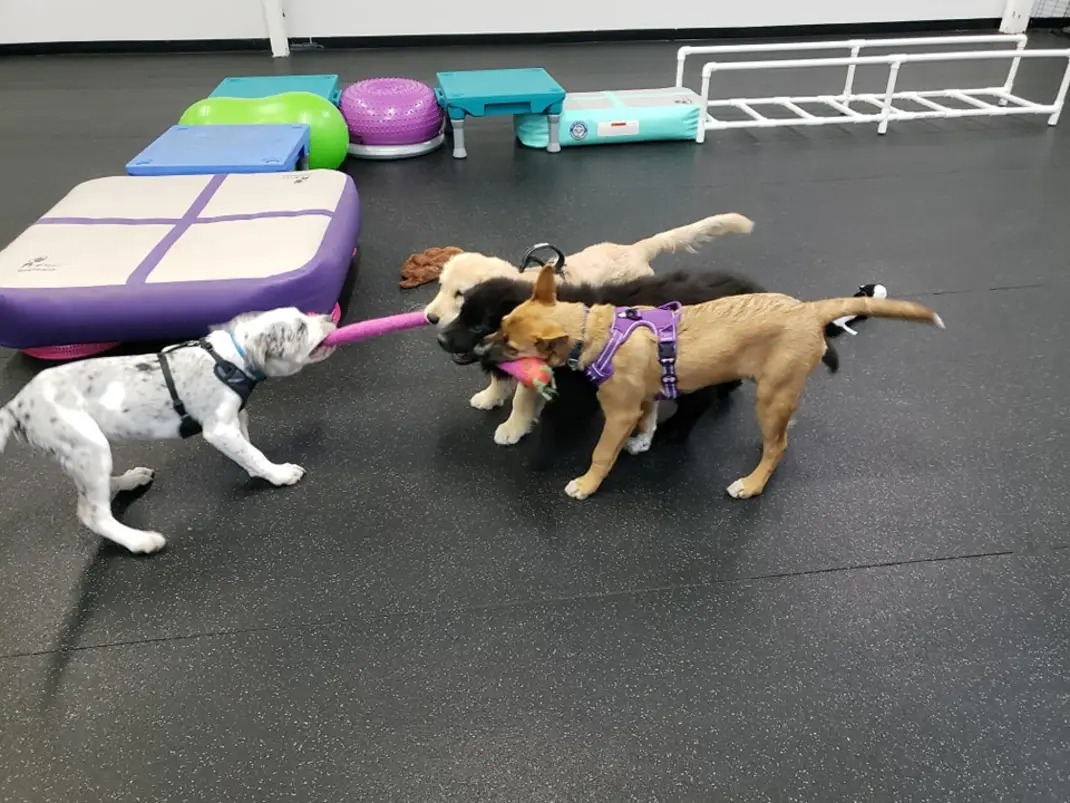
Occasionally we would be able to raise enough funds to provide a private session or two. I was very interested in behavior and learning how to turn it around and would sometimes shadow another trainer, mostly just helping out in a non training capacity while learning more about dog behavior. In late 2007 our entire department was laid off ahead of a merger and I used my severance to formally go to school to learn to train dogs in a now defunct program out of Canada. When I first started training professionally, I was working primarily to help keep dogs with existing behavioral challenges at home by providing behavior modification services. We didn’t see many puppies in our rescue so I had zeroed in on adult dogs as a focus, primarily at risk dogs. As I became more established, my interest moved from a reactionary role in the field to interest in preventative. It was a desire to decrease the prevalence of these dogs becoming at risk in the first place. I still continued with behavior modification but launched a puppy socialization program pretty early on, first renting spaces in the evenings at various pet facilities and later in parks. One thing about rescue and shelter work that is a running theme in that world is disease risk. And working with puppies who are undervaccinated at that age, that was on my mind way back then. But I felt it was so important, that even when I ran the program in parks when facilities were unavailable, I invested in a ton of barriers and tarps which I would cart around in my car so that we could still keep risk low in a place that was public. So I would arrive an hour ahead of a program, drag all of these items out, lay out tarps, set up a yard with my portable barriers, and then run my 45m class and spend the next hour and a half after cleaning it all so that it would be safe for the next round. I looked at these classes as a community service and offered them free of charge. At this point I had also started offering basic training classes. A couple rounds a month, along with continuing private training for behavior modification. For the groups, it used to take me so long to prepare, set up and tear down for classes I began to question if it was sustainable and was having to work as a dog walker part time to supplement income. It was a really stressful time because I knew in my core that this was a much bigger way to touch more lives to prevent so many dogs from ending up in the system, and I was adamant that cost not be a barrier, but financially it was not looking good as a business model and I was working 7 days a week to make ends meet to support the vision. My boss at the dog walking company knew I was looking for a space, but you need a lot of space to run a training center and that is costly and I had such a low budget that it seemed insurmountable. Indeed today it would be. But she has seen a little strip of a warehouse and called me to come check it out. I was so sure I wouldn’t be able to afford it, I tried to get out of going but she badgered me relentlessly into just taking a look and I am forever grateful. Was it in my budget? Absolutely not. But did my vision immediately shift? Yes. And it was the closest I went home and crunched numbers again and again and my incredible partner offered to help me for the first few months until I built a steady client stream. I was overjoyed and incredibly scared. When I talk about the risk that this was, I’m talking like I wasn’t even able to afford business cards after all the money went into converting the space into a training center. But I nervously opened the current home of Rocky Mountain Dog Training to the public, my first class being our free puppy socialization program. It was well received, there was nothing like it going on up here in Broomfield, and I was able to build my classes very quickly. Within a couple months the facility was functioning sustainably. Running a business takes a lot of time and I was not able to be as heavily involved in my volunteer work so I increased to two then three free socialization classes a week to supplement for the community service I was taken away from running it. I ran my training school this way alone for a couple years, but it was so popular, I needed to bring on extra hands. I shifted to a donation based model so that there was still no financial barrier to socialization which was much more critical to the mission of keeping dogs in their homes than training, and supplemented the overhead costs with my group classes. The reason I’m highlighting this is that my passion for giving as many dogs as possible a fighting chance at a life without insurmountable fear drove and still drives every decision in my business. I was eventually able to expand into the space next door and bring on a bigger team to help more dogs. Families generally work during the day so it was mostly an evenings and weekends operation and I’d also work a handful of private behavior modification sessions during the day. I was also back in school at this time at The Academy For Dog Trainers. This was now 7 years into my career shift. I was doing fine with filling classes but my wanting to know more and more and more never stopped and this school had an incredible reputation. I learned why very quickly. The deal with a drop in socialization class is that it gets really deep into some aspects of socialization but there are constraints that make it difficult to get into others thoroughly. So following that I launched our Puppy Day School. Puppy Day School is immersive. 50% of the day is spent on socialization activities facilitated by professionals which make it all very efficient to cover a ton more ground because we aren’t also teaching the human handlers which eats a lot of time in a group setting and built into the program are field trips to work on environmental needs which is something that cannot be done in a drop in and often falls by the wayside with busy households. We continue to to offer our drop in socials weekly, and though today’s overhead in running a business makes it impossible to do for free, we have maintained a model of “you set the rate” which allows us to keep down the cost barrier for families who do not have the resources as other families who can give a little more do. My primary interest these days in the current model is still on socialization though my group classes and Puppy Day School pay the bills, and for the last few years I’ve been working on a project that addresses other aspects that impact long term behavior even earlier on in a dog’s life before placement which will eventually be made available to breeders and rescues who work with puppies. I also offer my services for free on some weekends to those with litters who understand that socialization is literally the most critical thing we can do to set dogs up for success once born.
Would you say it’s been a smooth road, and if not what are some of the biggest challenges you’ve faced along the way?
The hardest times in my career were early on when I had a vision but not the financial means to see it through, and since the COVID closures changed the world. The closures themselves were what everyone else experienced, but society as a whole has been scared about disease risk and I don’t think realizes that we are too, and maintain an exceptionally clean environment for this reason. Socialization is a set window in development, and because of that, it overlaps in a time where puppies aren’t fully vaccinated but keeping them at home in that window presents more danger than disease risk, but the implications are delayed. So people will assume that because their puppy is happy at home they’ll be happy everywhere with everything and they can keep them free from disease risk. It lulls families into a false sense of security. The reality is that there needs to be a balance achieved to bring disease risk to a negligible level, which are do, so that they can receive appropriate socialization on schedule safely. There is this idea that they can just wait until after vaccinations but their final round of puppy vaccinations falls between 14-18 weeks and the socialization window begins to close at 12 weeks. If the puppy is already predisposed to fear or holds a more pessimistic outlook, waiting means that we don’t have the ability to right the course when their brains are most flexible and behavior modification is time consuming and expensive. There are massive financial barriers for a lot of households to access that model. Socialization cannot fix everything, but it is very low cost behavior modification on steroids because it is a critical window of development and physiologically at that age, they are very flexible in their opinions about the world.
After COVID, rare event reporting has skyrocketed on disease so it gives the impression that the world is dangerous when the world is still the same world, we just have more access to sensational news and it skews perception.
I sometimes want to get on my soap box these days about it because it’s a real issue in a post COVID world that has very serious implications.
As you know, we’re big fans of Rocky Mountain Dog Training . For our readers who might not be as familiar what can you tell them about the brand?
My business specializes in early puppy development, though I have robust experience in dog training and behavior modification that shape the mission and the skills we use in our practice. It is rare for very skilled trainers to zero in on socialization and often they are taking on at risk dogs and behaviors later in life when they have adult teeth and full jaw strength. The industry standard is to place green trainers on puppies but the socialization window is where the most rapid advances in behavior change occur and that more in the field with solid training chops should be dedicated to prevention. You need the entire skill set of training and behavior modification to do it well. Just because puppies do not have full bite force and are lower liability does not mitigate the need they have to be served well by the professional training community. In fact if our collective goal is to help dogs live harmoniously with their people, prevention is really the front line defense.
So, before we go, how can our readers or others connect or collaborate with you? How can they support you?
You can the reach me at RockyMountainDogTraining.com where all of our services are also listed. I am always willing to speak on the importance of socialization, positive reinforcement training, and behavior modification in young dogs. I also collaborate with rescuers and breeders wishing to learn more about their influence on long term behavior pre-placement and though this isn’t a standardized service, I will always be willing to help if it means better outcomes for dogs. Just reach out and ask!
Contact Info:
- Website: https://www.rockymountainsogtraining.com
- Instagram: https://www.instagram.com/rockymountaindogtraining
- Facebook: https://www.facebook.com/rmdogtraining
- Youtube: https://youtube.com/@rockymtndog