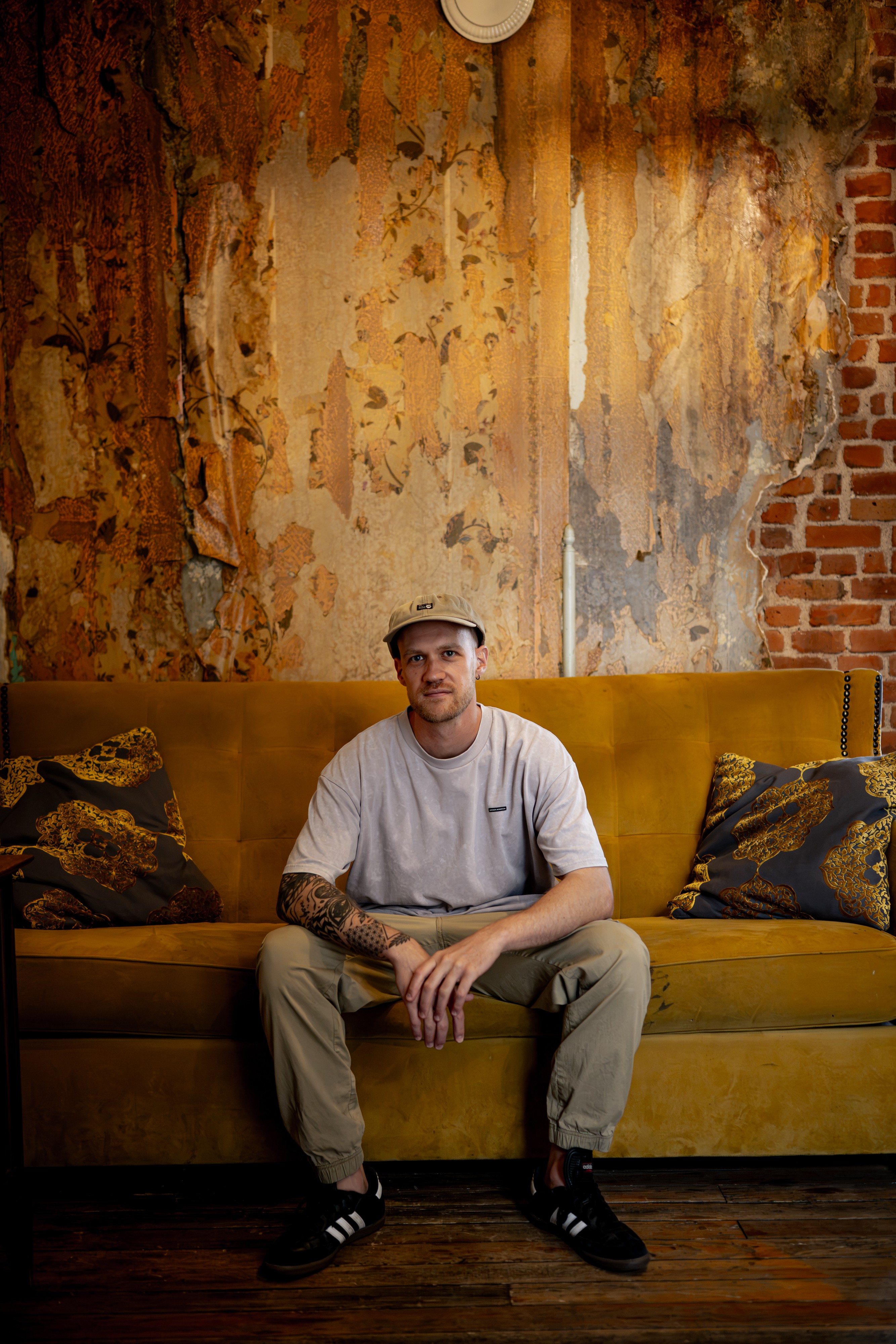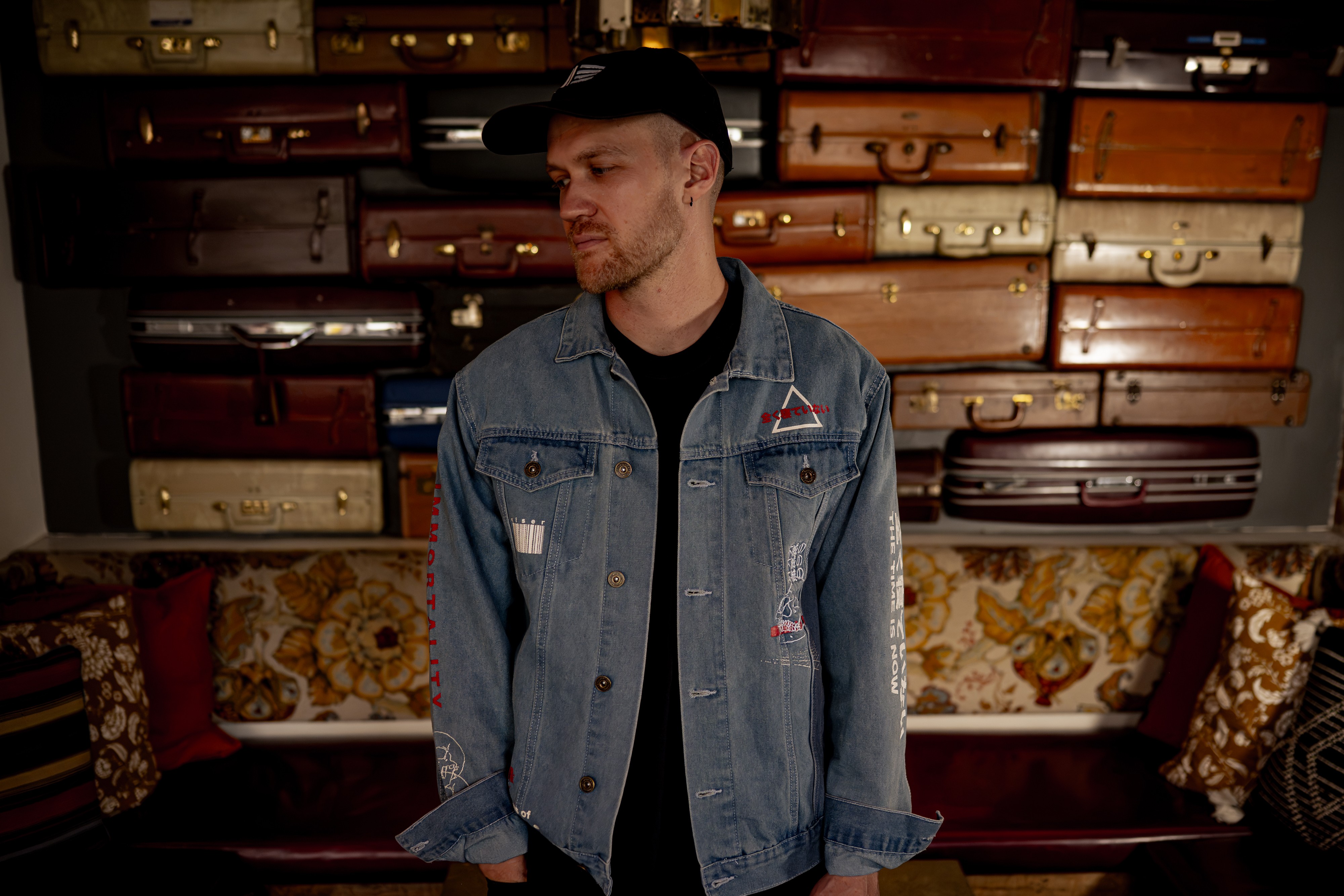


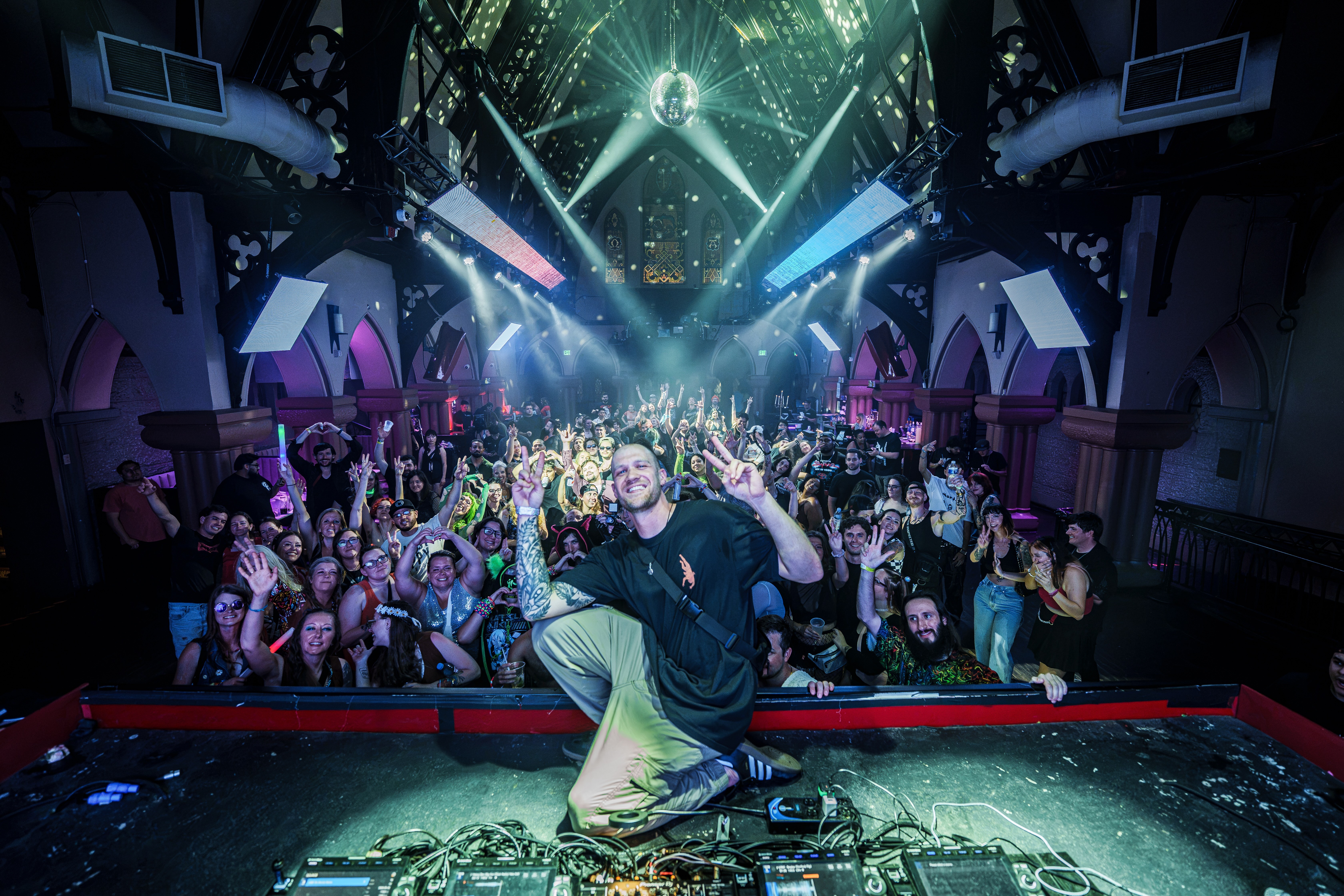
Today we’d like to introduce you to Dan Giffin.
Hi Dan, thanks for sharing your story with us. To start, maybe you can tell our readers some of your backstory.
I started playing drums when I was 13. My dad bought me my first drum set, and he passed away not long after. Music became a huge outlet for me, and I really threw myself into it—playing drums at church every week, teaching myself guitar, and getting obsessed with instruments, songs, and sounds. My mom is a professional vocal coach, so I grew up around singing too. It took me a while to feel comfortable using my own voice, but lately I’ve been singing more on Philia tracks, which has opened up a really fun new side of the project.
After high school, I went to Dubspot in New York City, where I learned Ableton and got to study with platinum- and Grammy-winning audio engineers. That was a massive turning point for me. I eventually got to teach Ableton to Grammy-winning artists like Mac Miller and teach Machine Gun Kelly how to use Ableton Push, which still feels pretty wild to say. After school, I started The Lodge Academy inside The Lodge Recording Studios in Indianapolis. It was an iconic studio and a really special time in my life—teaching music technology, working with artists, and growing a lot as a producer, educator, and person.
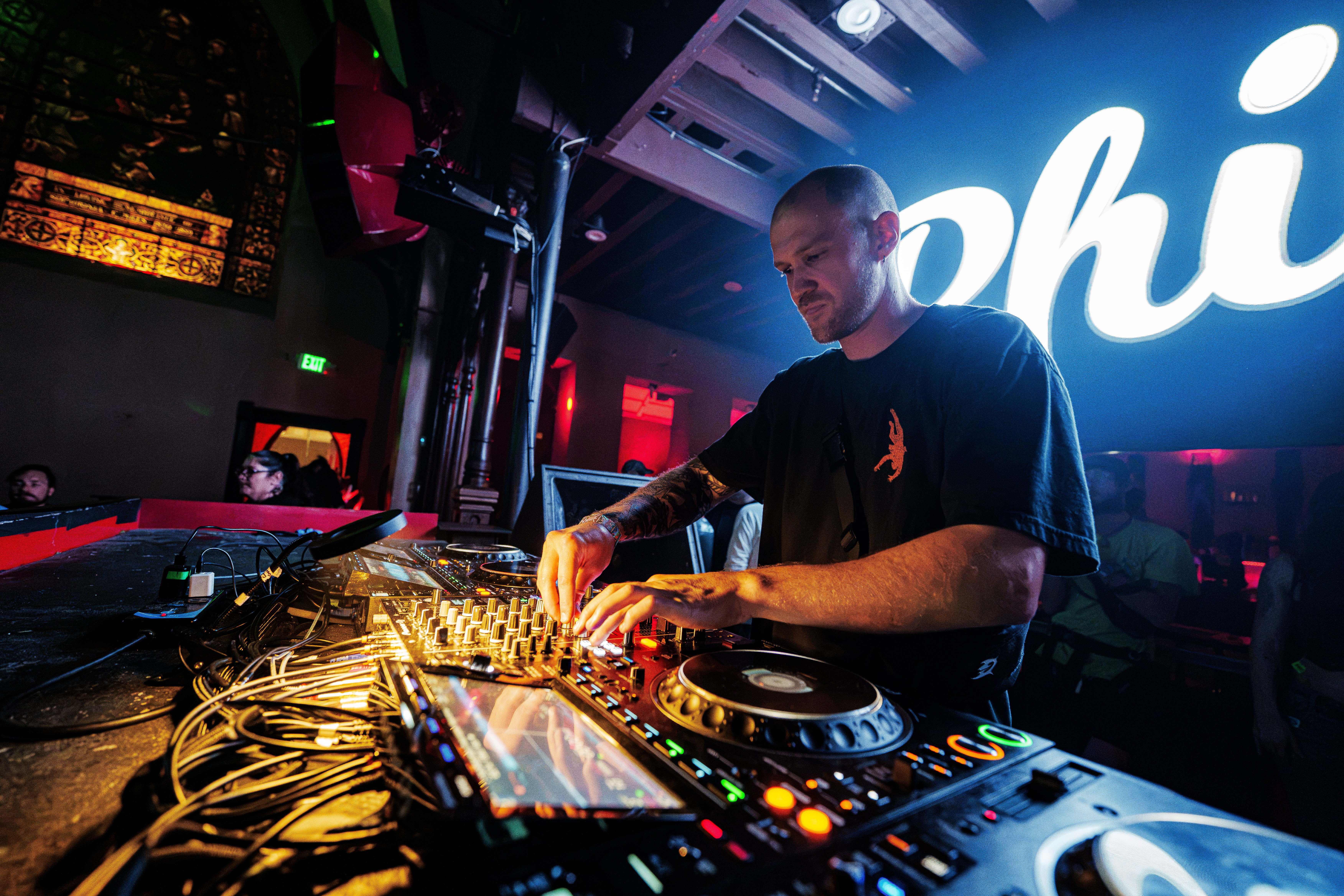
Philia became the place where all of those worlds could collide: jazzy chords, funky grooves, weird sounds, big bass, live-musician energy, and songs that can make you move while still feeling like something. Years later, I also studied playback tech with Electronic Creatives, whose team has handled sound and tech for the Grammys and major touring artists. That taught me a ton about live audio, show systems, and how to make performances feel solid behind the scenes. Before COVID, I performed with the Philia Live Band with sax and keys; these days I’m mostly solo, but I still want every set to feel alive, loose, and different from the last one.
I’m sure it wasn’t obstacle-free, but would you say the journey has been fairly smooth so far?
Not at all. I think from the outside, music can sometimes look like a bunch of cool shows, releases, and fun moments, but there is a lot of uncertainty behind it. I’ve had to figure out how to be an artist while also making a living through production, teaching, audio work, and other music-related projects. Balancing the business side with actually having time and energy to create has definitely been one of the biggest challenges.
There have also been a lot of pivots along the way. I moved around, built community from scratch in new places, started an academy, worked in studios, and had to adapt when the live band side of Philia stopped during COVID. Rebuilding the project as a mostly solo live act has been exciting, but it has taken a lot of trial and error, self-belief, and learning how to wear even more hats.
I’ve had moments where I questioned whether I was moving fast enough or doing enough, especially in an industry where it can feel like everyone is constantly releasing, touring, and posting. But I’ve learned that the weird, personal parts of what I do are the point. The road has not been smooth, but every challenge has pushed me to get clearer about the kind of artist I want to be and the experience I want people to have when they hear or see Philia.
Can you tell our readers more about what you do and what you think sets you apart from others?
I wear a lot of hats in music, but they all come back to helping people make and experience music in a more meaningful way. I’m a producer, performer, Ableton Certified Trainer, and the host of the Ableton Music Producer Podcast. Through the podcast, I get to talk with producers, artists, and industry people about the real process behind making music and building a creative life. I also recently opened SoundHaven Denver, my podcast studio in Denver, where I work on podcasting, and creative projects with artists and clients.
With Philia, I make bass-heavy-jazzy electronic music that pulls from jazz, funk, hip-hop rhythms, melodic songwriting, and live instrumentation. I came up as a drummer, so rhythm is always a huge part of how I think about music, even when I’m making a weird synth bass or building a big drop. I love blending technical production with stuff that feels human—real instruments, vocals, imperfect textures, and moments that are a little unexpected.
I’m most proud that I’ve been able to build a career around music from a few different angles: making my own art, teaching and mentoring other producers, working in studios, and creating spaces like the podcast and SoundHaven Denver that help other people bring their ideas to life. I think what sets me apart is that I genuinely love both sides of it—the nerdy technical side of Ableton, audio, and live-show setup, but also the emotional side of a song or a live set that makes people feel connected. I never want Philia to just be “another bass music project.” I want it to feel like its own weird, colorful little world that people can step into.
Are there any important lessons you’ve learned that you can share with us?
The biggest lesson I’ve learned is to stay focused on your own path and not get caught up in comparing yourself to other artists. It’s really easy to look around and feel like someone else is releasing more, getting bigger shows, growing faster, or doing everything better. But art is personal, and everyone’s timeline is different. The more I’ve leaned into what actually feels true to me instead of chasing what seems to be working for someone else, the better the music and the opportunities have become.
I’ve also learned to give people the benefit of the doubt and lead with generosity. The music world can be competitive, but it is also a small community. Being kind, following through, helping people when you can, and trying to give more than you take has opened more doors for me than trying to force anything ever has. A real relationship is worth more than a quick win.
At the end of the day, I think people remember how you make them feel. I want to keep making music I believe in, building genuine connections, and contributing something positive to the community around me.
Contact Info:
- Website: https://philia-music.com
- Instagram: https://www.instagram.com/philiamusic
- Facebook: https://www.facebook.com/PhiliaMusic
- Youtube: https://www.youtube.com/@PhiliaMusic
- Soundcloud: https://soundcloud.com/philia-music-official
- Other: https://www.tiktok.com/@philiamusic?_t=ZT-8vZNJPozc9G&_r=1