


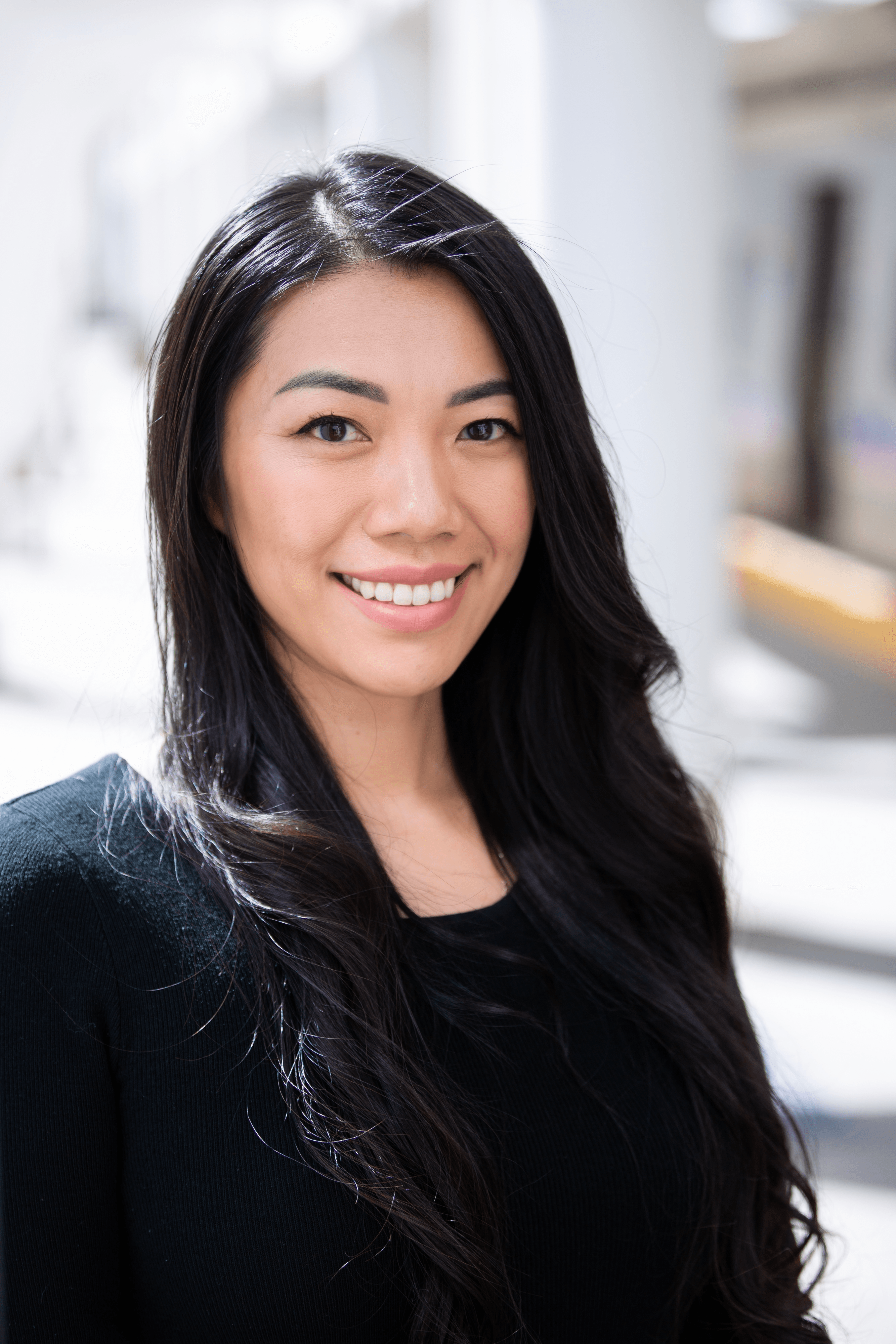
Today we’d like to introduce you to Ling Ly Tan.
Alright, so thank you so much for sharing your story and insight with our readers. To kick things off, can you tell us a bit about how you got started?
I’ve always worked with children with developmental disabilities, starting at 14. By 2003, I had found my way into applied behavior analysis (ABA) by accident. I planned to volunteer at an autism center, but was asked to take a respite job with a family. They asked me to become an ABA therapist and train with one of the very first and few Behavior Analysts in Canada, who was highly trained – and also had an autistic son who went through the Lovaas clinic (that used rigid ABA methods). My introduction to ABA started with Skinner’s analysis of verbal behavior – a framework used in behavioral intervention that was adapted through the Carbone Clinic. The boy I worked with went from non speaking to saying his first words in less than a week. Within three months, he was talking. I knew right away becoming a BCBA was my calling. I was making $12/hr but fell in love with the science of ABA. I’ve since then been trained and certified across different behavioral approaches, from naturalistic and developmental early intervention with small children to more highly structured and procedural methods involving functional analysis to assess and treat severe and challenging behaviors such as self-injury and high-intensity aggression…wearing protective clothing and working with adults over 6ft. I had initially planned to become a speech-language pathologist. Training with one of the first reputable behavior analysts changed that trajectory before I finished my degree. A few years in, I noticed something. Not every child spoke that quickly. Some would need AAC systems for the rest of their lives. Every child’s journey with autism is different. The saying is true – when you’ve met one person with autism, you’ve met one person with autism. I developed a soft spot for people who struggle to speak. Language and cognition are topics I find fascinating. I still think about how to improve speech, language and literacy for them, how to help each one reach their full communicative potential.
Would you say it’s been a smooth road, and if not what are some of the biggest challenges you’ve faced along the way?
My career came naturally to me. I’ve worked in ABA for 20+ years – seven years frontline, then as a lead, then supervisor, college instructor, and clinical trainer. I’ve trained other disciplines and presented at international conferences. I love the science and the great thinkers who led and pioneered the science of applied behavior analysis. I’m in my natural element when I’m in clinical practice.
Health tech entrepreneurship is a different game entirely. It’s a total grind. I work 80+ hour weeks. The stats say it all. Less than 0.5% of founders raise venture capital, and women represent around 2% of that group. And 80% or more venture funded startups fail. I’m that 1 in 20,000 who made it this far, and still standing. Raising investment is a full time job outside of running a company. I traveled to four cities in 10 days, presenting on stage and pitching to investor crowds. My business partner took months off while I was raising, and I was burning the candle on both ends. I was constantly getting sick. I buried a lot of my emotions and tried to keep that energy out of my relationship and home, but that eventually came to an end. I moved out to reconnect with myself. These days, I travel less and try to avoid large crowds. I’m extremely protective of my time, energy and peace. I’m recovering now.
Though, these things keep me going: The first is my faith in God, my family and my closest friends, who love and support me unconditionally. Additionally, hearing people’s stories sharing about their clients communicating independently and speaking for the first time within months of using Linggo keeps the fire going. I know there’s more to discover there, more research to pursue.
As you know, we’re big fans of Linggo . For our readers who might not be as familiar what can you tell them about the brand?
Linggo (didn’t name it after me – there is a long story behind the company name) provides assistive communication technology and training solutions for autistic children, adults with aphasia, and those who struggle to speak. The goal is to promote independent communication, speech, language and literacy using a multidisciplinary approach and with research aligned strategies. We provide continuing education and training for speech-language pathologists and behavior analysts, ensuring clinicians have the knowledge, skills and tools to support AAC interventions. We also provide accessible online training for caregivers and families supporting a loved one with complex communication needs.
The software design is rooted in radical behavior analytic approaches to language and cognition, verbal behavior, stimulus equivalence – methods that go deeper than traditional AAC frameworks and approaches. I see parallels and connections in speech-language pathology, applied behavior analysis, AI, machine learning, language models, and relational frame theory. I also designed the system through my own clinical experience and the treatment programs I created for AAC interventions, along with the research that has been conducted for decades – but hasn’t yet been adopted into modern technology.
How do you think about luck?
There’s chance and luck, but it’s what you make of it. When I was in my twenties, I played avidly in poker tournaments and even came up top 3 in a Las Vegas tournament. It’s more about skills, timing and how you play the game – rather than luck itself. I don’t see luck the way others do. I’ve had moments that looked very lucky, only to reveal themselves as punishing lessons. I’ve had terrible things happen that turned out to be “luck” in disguise. Every difficult challenge has taught me something I needed later. Some lessons helped me gain the experience and skills that I didn’t know I needed for the future. I believe there’s a reason, a lesson embedded in every setback. I use setbacks and disappointments as fuel for what comes next. I take things for what they are. I don’t get too excited when I get “lucky”. And if there is a string of “bad luck”, I will figure out a way to work through it. I have my moments of joy – mostly simple things like buying myself plants and flowers or seeing a beautiful sunset during a walk in the mountains. But what I can say is – I’m lucky to be able bodied enough experience and do all of that.
Contact Info:
- Website: https://www.linggo.com
- Instagram: verbalconcepts
- LinkedIn: https://www.linkedin.com/in/linglt/