

Today we’d like to introduce you to Marc Bekoff.
Hi Marc, so excited to have you on the platform. So before we get into questions about your work-life, maybe you can bring our readers up to speed on your story and how you got to where you are today?
My nonlinear journey began on the streets of Brooklyn and went from Antarctica to Grand Teton National Park in Wyoming to Colorado’s Rocky Mountains, and beyond. I’m not surprised by where I am today, but it wasn’t obvious as my life unfolded.
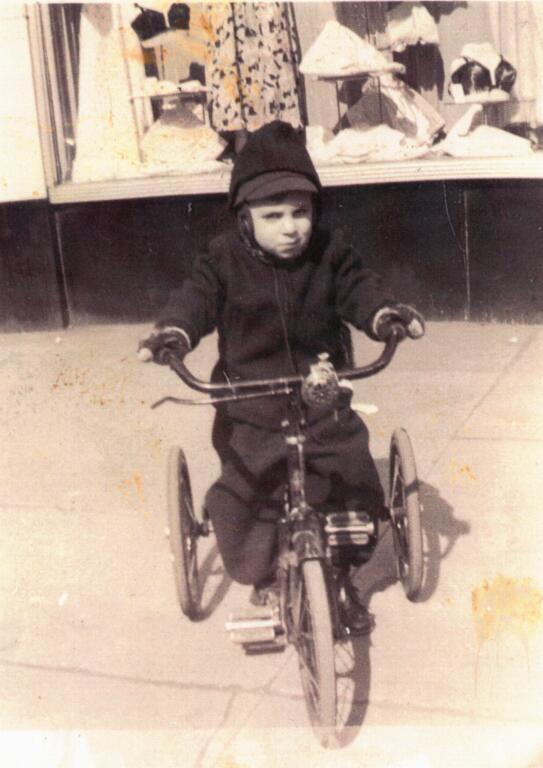
When I was young, I spent as much time outside as possible, and my tricycle was my “field” vehicle. My parents told me that, when I was around three, I started asking what animals were thinking and feeling—especially the dogs, squirrels, birds, and ants I met outside our apartment. They said I was constantly “minding animals,” and that stuck with me. I even used it as the title for one of my books. To me, it meant two things: I attributed minds to animals, and I was very concerned with how they were treated. I always said we needed to care for them because they couldn’t do it for themselves.
We didn’t live with a companion animal. My mom was bitten by a dog when she was young and was afraid of them. I had a goldfish buddy, and I used to talk to him as I ate breakfast, wondering what life was like in a small bowl. I told my folks that it wasn’t nice to keep him cooped up alone. Later in life I learned that “nice” meant “ethical.”
I struggled having to go to school and sit inside. Later, I came to think of this as “unwilding,” and I “rewilded” myself by spending as much time as I could outside watching, listening to, and smelling my animal neighbors.
When I talked to animals, I felt they heard and understood me. My parents allowed me to do this, but some of the neighbors thought I was fairly wacky. I seemed to have a way with animals. I was told that animals who didn’t warm up to others instantly warmed up to me. Growing up, I always felt closer to nonhumans than to humans, and I can’t say why.
When I was six, my family moved to Long Island, not far from New York City. I had more freedom and spent countless hours in a wooded area near our home, just walking around and, of course, talking with the animals.
I could feel their emotions—in my heart and in my cells. I loved how animals expressed their dogness, catness, frogness, fishness, lizardness—their beingness. That’s empathy, and it seemed natural to me. I feel like I decided to become a field ethologist on the streets of Brooklyn and in the woods of Long Island.
I attribute my compassion for nonhuman animals to my mother’s warm, compassionate, and empathic soul, and I attribute my positive thinking to my optimistic father. In retrospect, I know I was extremely lucky to be born into a home where playfulness and laughter were highly valued, as was hard work
I’m sure it wasn’t obstacle-free, but would you say the journey has been fairly smooth so far?
Early on, there were a lot of obstacles because most people didn’t think that a lot of nonhuman animals had deep and rich emotional lives. But over time, the road got much smoother as research showed that animals really are sentient feeling beings who have deep and rich emotional lives. You can struggle from mostly professional criticisms, simply because some highly vocal scientists thought that studying animal emotions was “soft science” and wasn’t really science at all, but I persisted along with a few other colleagues, and we showed repeatedly that many animals had rich and deep emotional lives, just like our companion dogs and cats who most people never doubted had rich and deep emotional lives.
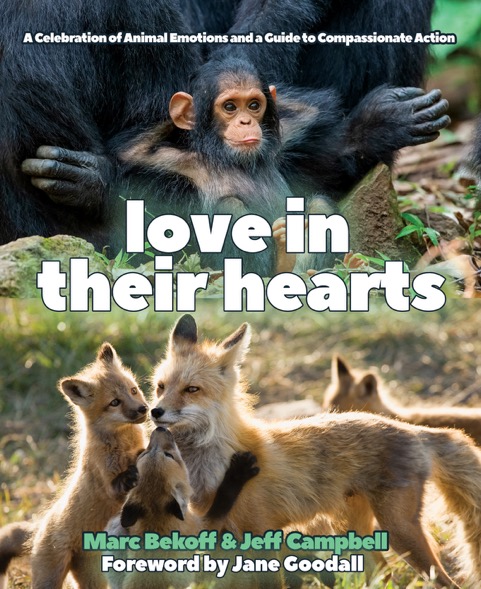
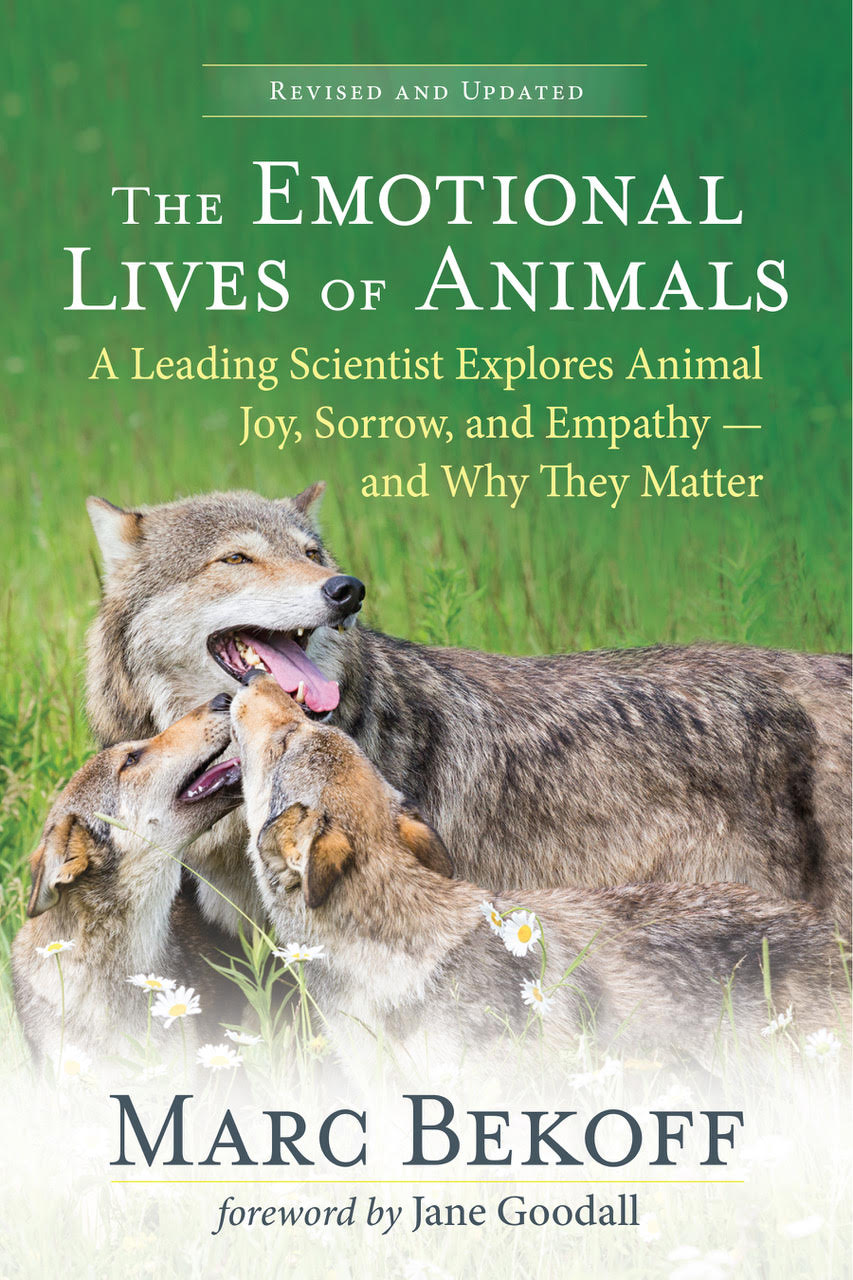
And certainly during the last 25 or 30 years, the road has gotten much smoother and we really have come to see that the question isn’t if other animals have emotional lives, but why they have evolved–what they’re good for–and that’s an important question to me as an ethologist and evolutionary biologist. I write a lot about this in two of my books, “The Emotional Lives of Animals” and “Love in Their Hearts.” Nowadays, there are very few scientists who doubt if other animals have rich and deep emotional lives and there is enough science to support their accepting the fact that these animals are sentient beings who care about what happens to themselves, their families, and friends.
Thanks – so what else should our readers know about your work and what you’re currently focused on?
I’m an ethologist, a biologist who studies animal behavior including different types of social behavior, and animal emotions and sentience. I believe I have a very strong following of people around the world who have used my research to argue that nonhuman animals are sentient feeling beings. I’ve done long-term field work on wild coyotes in the Grand Teton National Park, Adélie penguins in Antarctica, and various birds around my house in the foothills outside of Boulder. One of my specialties is play behavior, and I’m also a fan of what’s called compassionate conservation, which basically means that we should solve conservation problems without killing the animals involved.
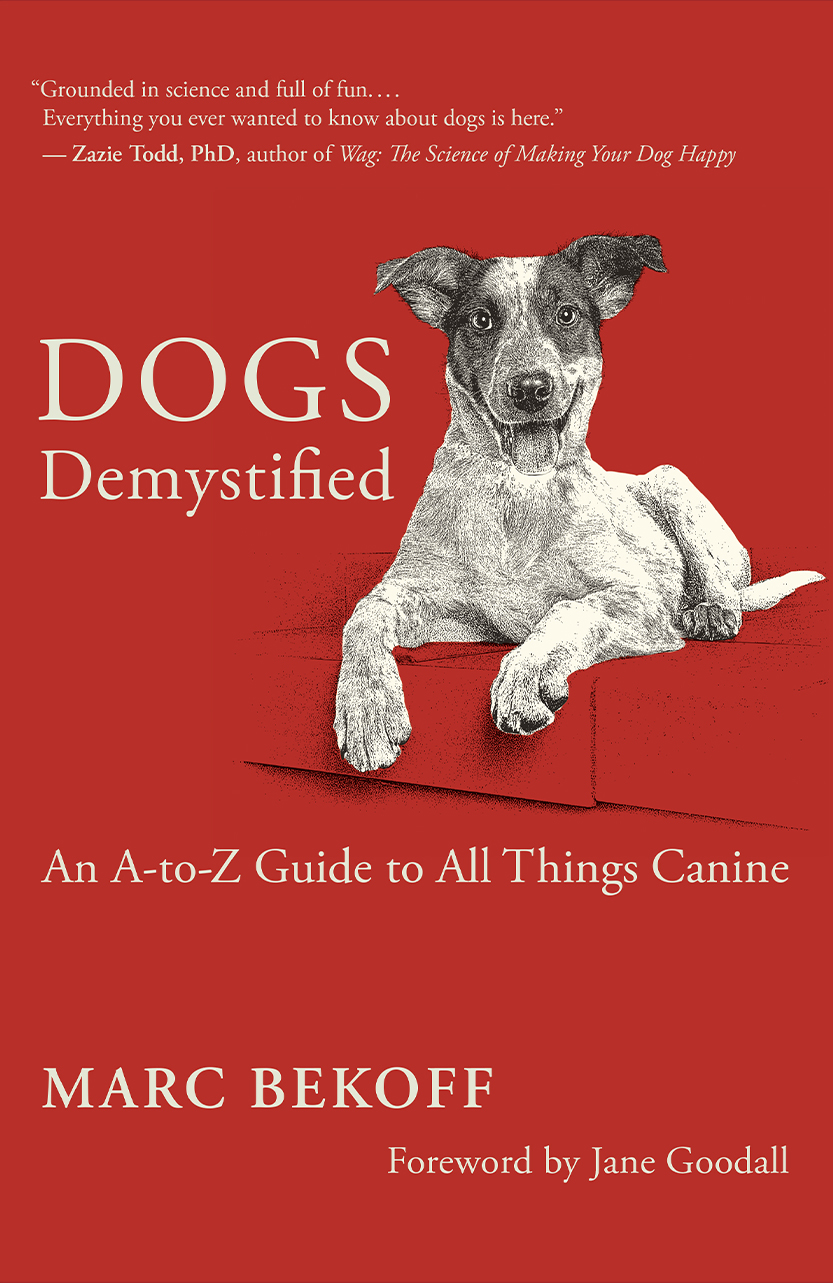
I would say that I’m best known for my long-term detailed research on social behavior, including play behavior and also social ecology, which is studying how behavior patterns in a species vary in different locations, which is exactly what we did for the coyotes living in the Grand Teton National Park. I’m also a dog expert but I’m not a dog trainer. I know a lot about dog behavior, so people from around the world ask me a wide variety of questions about behavior and if it’s a training question, I send them to a good positive force free trainer who does not use negative reinforcement or devices such as shock collars. My book “Dogs Demystified: An A-Z Guide to All Things Canine” is basically an encyclopedia of dog behavior for which Joan Baez did the original drawings. I’ve done decades of research on dog social behavior, including play, aggression and dominance, why they mount and hump other dogs, why they pee and poop where they do, and various aspects of dog-human interactions.
I’m also very well known for using what I have discovered and others have discovered to work for animal well-being. It’s essential to use what we know from scientific research to help animals enjoy high quality lives in which they’re not exploited by human beings.
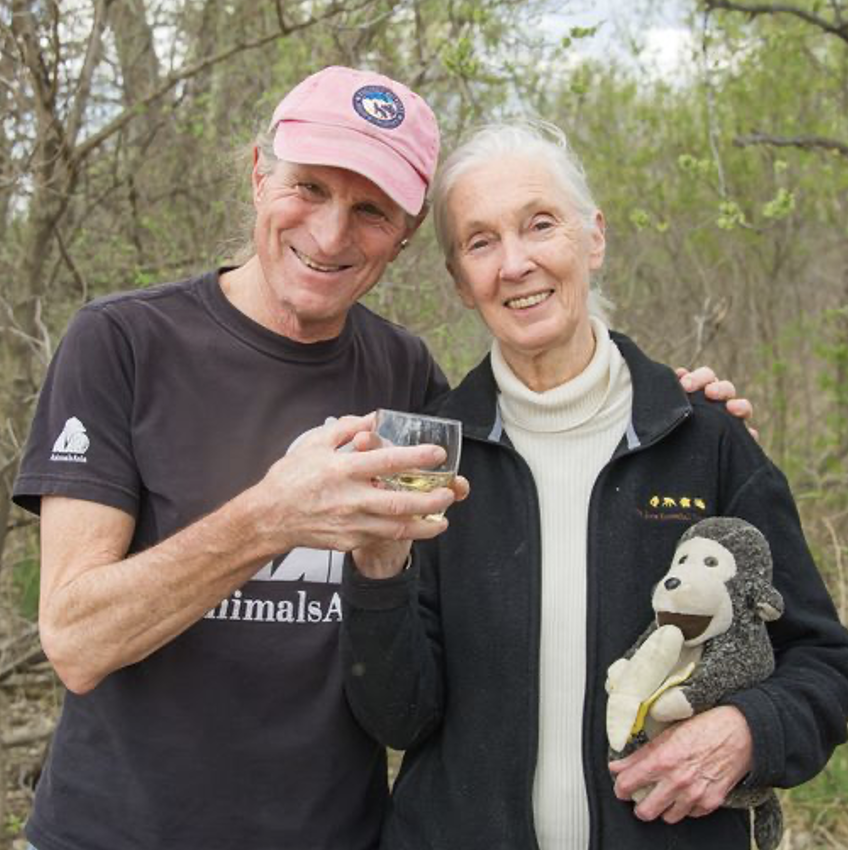
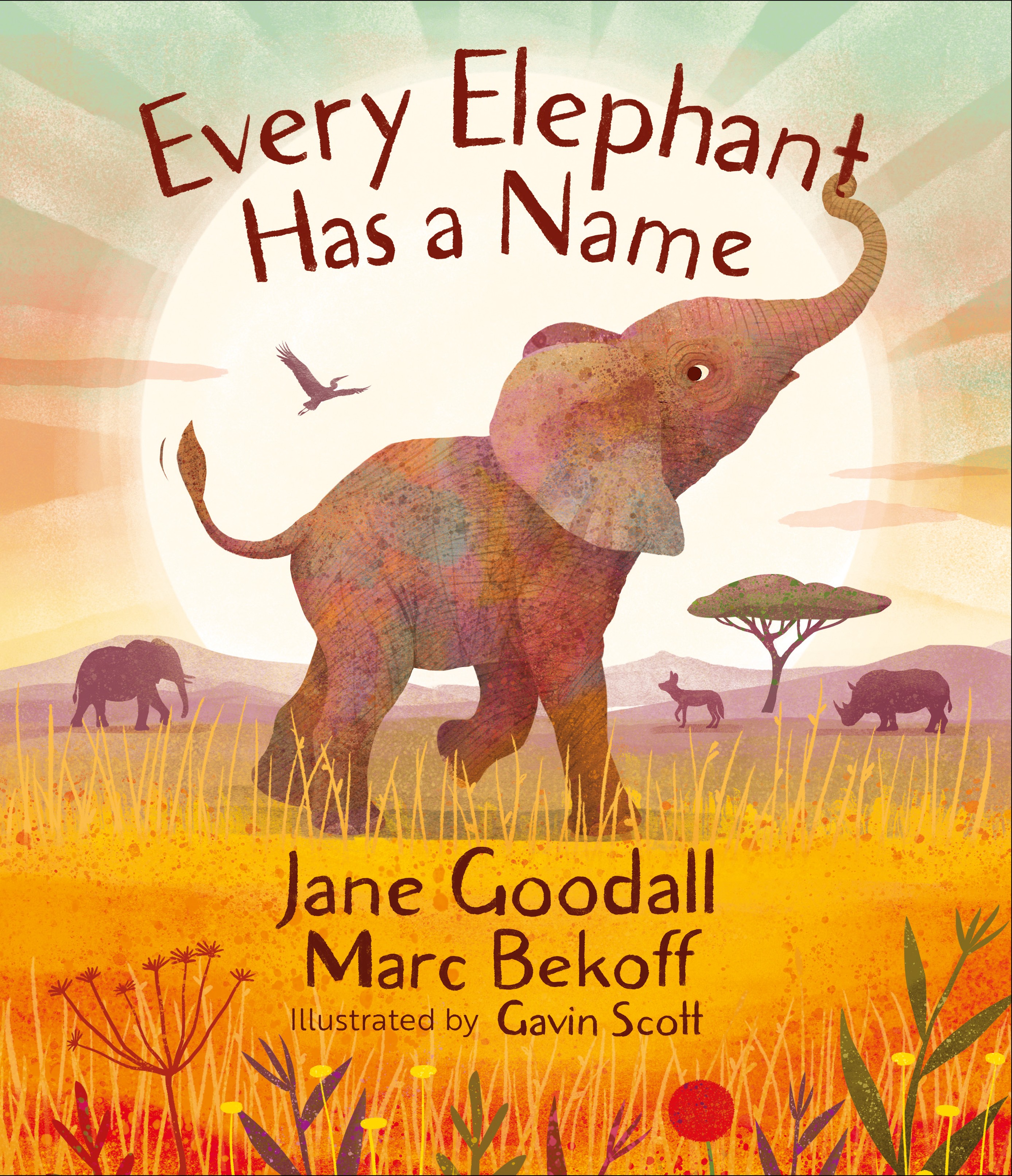
I think what sets me apart from others is that I’ve been doing this work for many decades with the same enthusiasm, and I’ve also had the benefit of working with many world-renowned scientists, including Dr. Jane Goodall, who was a good friend and colleague of mine. Over the years, Jane and I traveled together and we both enjoyed peaty single malt scotch, that Jane called her “cough medicine.” Jane passed away on October 1, 2025 and I miss her each and every day and a good number of us are still trying to spreads what we call “Jane magic” all over the world. I’m thrilled that Jane and I have a young kids book coming out in early February 2027 titled “Every Elephant Has a Name.”
I’ve also been pretty prolific publishing more than 30 books, including four encyclopedias and giving talks around the world, and I write regularly for Psychology Today and as of now my site, which is called “animal emotions,” has more than 11 and a half million views. I love writing for a broad non-academic audience. I’m most proud of the fact that people around the world use my research to work for improving animal well-being, including those working on conservation issues.
I also still ride my gravel bike a lot of miles each week. I raced bikes pretty seriously for a number of years in the master’s class and won many races in the states and abroad. Cycling is what I call my “cycle-therapy” because when I work I work very hard, when I play I play very hard, and when I rest I rest very hard and have no trouble walking away from my brain so I can rekindle and get back to my computer and books.
Is there a quality that you most attribute to your success?
This is a pretty difficult question, of course, but I’m a very hard worker and I don’t need a lot of sleep, and I follow what my dad used to say which is work hard, rest hard, and play hard. I find it very easy to write, and I’m a voracious reader, and I don’t take “no” for an answer very easily. So with all the problems associated with some people accepting the fact that animals had rich and deep emotional lives over the years, I just kept working very hard and showing that they do. So I suppose hard work and persistence and also being open to talking with people as long as they’re nice to me has really helped me along. As I wrote above, for decades on end on my work on animal emotions and animal sentience kept me going and there never was no doubt in my mind that animals had listen deep emotional lives and were fully sentient feelings beings because feel them, just as I did when I was three years old on the streets of Brooklyn, New York. What goes around comes around and I look forward to continuing this research and writing for as long as possible.
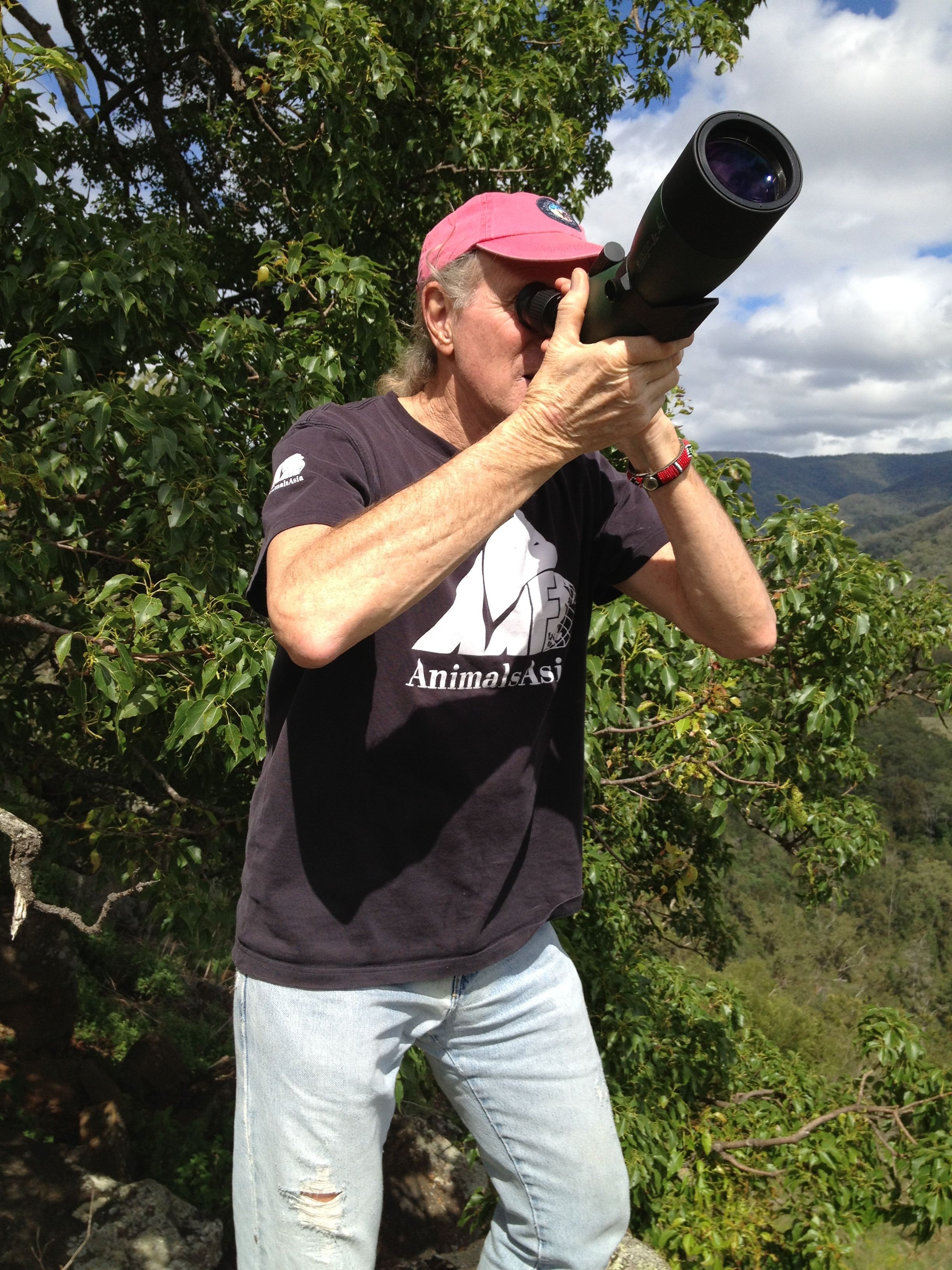
Image credits: Top one: Marc looking for dingos in the Blue Mountains west of Sydney, Australia. Credit: Marc Bekoff
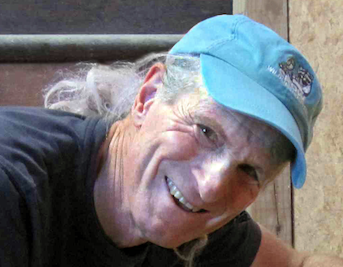
Left-to-right: Marc and Jane Goodall toasting with what Jane called her “cough medicine.” Jane is holding a stuffed monkey named Mr. H. Credit: Thomas D. Mangelsen, Images of Nature; Headshot, Marc Bekoff; Marc on his field vehicle on the streets of Brooklyn, New York; Book covers: Every Elephant Has a Name, Shambhala Publications; Love in Their Hearts, Armin Lear Press; Dogs Demystified, New World Library; The Emotional Lives of Animals, New World Library.
Contact Info:
- Website: https://marcbekoff.com