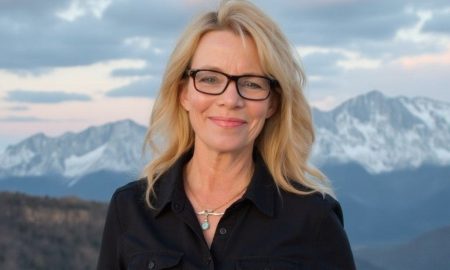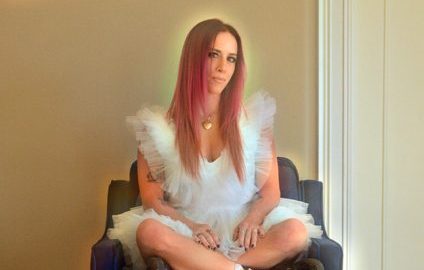


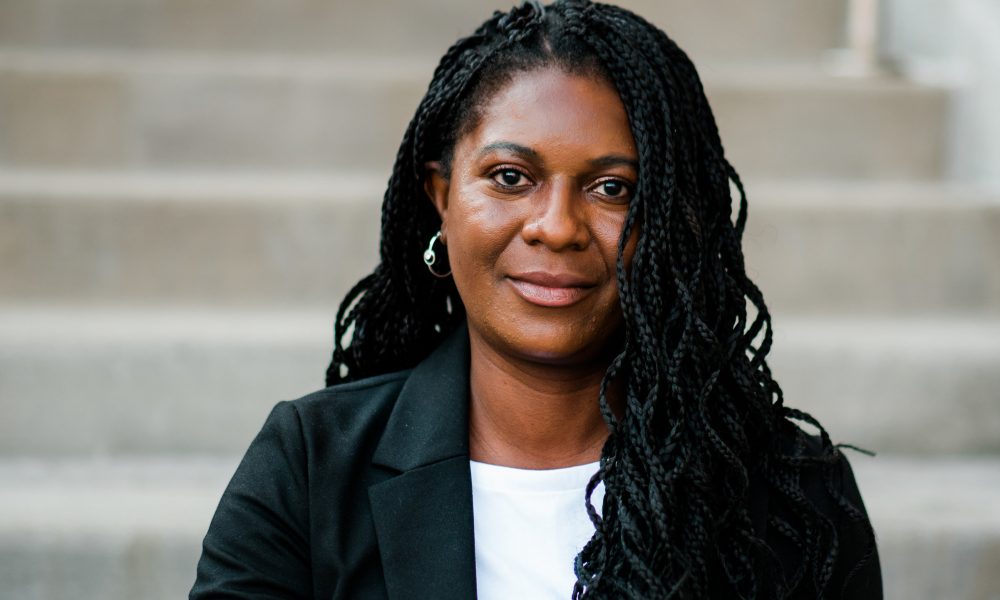
Today we’d like to introduce you to Apryl Alexander.
Apryl, can you briefly walk us through your story – how you started and how you got to where you are today.
I originally went to college as an animal and poultry science major. Why? My whole life, I wanted to be a veterinarian. While I was taking some general education requirements, I was enrolled in Introduction to Psychology, which was fascinating. At the same time, I signed up for a volunteer position at a center focused on aiding sexual assault and domestic violence survivors. I attended the first day of training and heard the statistics—1 in 4 women and 1 in 8 men will be the victim of a sexual assault. I continued working there, with their children’s program, and I immediately wanted to know how we could end this societal problem. I switched my major, began researching the consequences of trauma and interpersonal violence, and became increasingly interested in the legal process for victims, which led me to the field of forensic psychology—the study of the intersection between psychology and the legal system.
I knew had to go to graduate school for further training to become a clinician and researcher. I wanted to find a program that had both a forensic psychology concentration and would allow me to continue pursuing my interest in studying trauma and interpersonal violence. Florida Tech’s PsyD program [doctoral degree in clinical psychology] has an incredible reputation due to its well-renowned faculty and curriculum. The concentration in forensic psychology was also unique and made standout compared to other programs in the country. The Family Learning Program, a sexual abuse treatment program for child, adolescents, and their families that is housed in the department, was the perfect match for what I was looking for in my training. I landed right where I needed to be. In graduate school, I worked in a variety of different settings—a sexual abuse treatment program for children and teens, jails, substance abuse treatment programs, and sex offense treatment—to order to find evidence-based ways to address violence.
I didn’t initially intend to go into academia. I wanted to provide direct care services to individuals and aide the courts through conducting clinical and forensic evaluations. However, I found an incredible faculty position at Auburn University, where the Psychology Department had a contract with the Department of Youth Services to run a treatment program for adolescents who sexually offend. I primarily worked in this facility providing clinical and research supervision, as well as therapeutic services to the boys in the facility. In this work, I discovered how social determinants of health (i.e., economic and social conditions that influence a person or group’s well-being, such as educational/vocational conditions and attainment, health access, poverty and food insecurity) impact mental and physical health had led me to discover ways to disrupt those barriers to people receiving adequate care.
Many of these boys came from backgrounds marked by childhood trauma, poor educational systems, lack of mental health and social supports, and impoverished and violent communities. This is when I decided to shift to social justice work and policy engagement after seeing how these societal and systemic problems while working with my teenage clients. I also found my passion for teaching, as I was heavily involved in the teaching and training of Ph.D. students in clinical psychology, so I wanted a job that had a heavier training emphasis. That’s when I found the perfect position at the University of Denver, which allowed me to do all this and finding my footing as a scholar-activist.
We’re always bombarded by how great it is to pursue your passion, etc – but we’ve spoken with enough people to know that it’s not always easy. Overall, would you say things have been easy for you?
There were bumps and setbacks. Being a first-generation college student and first-generation faculty member meant having to learn a lot from my environment (which can be highly competitive), my peers/friends, and mentors. However, I was able to overcome those because I sought mentors. My advice to other women is to do the same—find mentors. Notice the plural. One mentor cannot assist you with everything. The person who mentors you on professional skills may not be the same person you want to ask about salary negotiation, work-life balance, or being a woman (or one of the few/only women) in your field. Find your crew who will be there to support you and cheer you on.
We’d love to hear more about your work.
Currently, I am a Clinical Assistant Professor in the Graduate School of Professional Psychology (GSPP) at the University of Denver (DU). I primarily teach in the master’s in forensic psychology program. Given my training in psychology, I identify as a practitioner-scholar-activist, meaning I engage in clinical practice while conducting applied research and finding ways to make research accessible to the public. I want to make sure my research is benefiting the people I’m studying and other community members (while involving them!). Lately, I’ve been thinking about innovative ways to disseminate that research to the public.
In December 2018, I presented at TEDxMileHigh on the importance of consent education in sexual violence prevention to an in-person audience of 5000 people. It was inspired by my work at treatment program for adolescents who sexually offend. I saw the critical need and importance of having appropriate sex education focused on boundaries, consent, and healthy sexuality. My work with these teen boys inspired by TEDx talk. A few months after my TEDx talk, I provided legislative testimony for a bill which would require consent education in schools who provide sex education. The bill was signed into law later that year! Following that, I was accepted into my university’s Public Impact Fellowship program. The program teaches faculty how to make their research more accessible to the public and community stakeholders. In the last year, I have been featured on local news channels, interviewed by Colorado Public Radio (CPR), published an op-ed in The Denver Post, and was interviewed and featured in The New York Times!
Finding a mentor and building a network are often cited in studies as a major factor impacting one’s success. Do you have any advice or lessons to share regarding finding a mentor or networking in general?
Get out of your comfort zone and try a few new things. I love Shonda Rhimes’ book Year of Yes. It has a message of being open to new opportunities, which has worked for me and benefited my professional growth and identity.
Contact Info:
- Website: www.aprylalexander.com
- Phone: 303-871-6323
- Email: apryl.alexander@du.edu
- Twitter: @drapryla
- Other: http://portfolio.du.edu/Apryl.Alexander


Image Credit:
Main photo taken by Jenna Sparks Photography
Suggest a story: VoyageDenver is built on recommendations from the community; it’s how we uncover hidden gems, so if you or someone you know deserves recognition please let us know here.
Popular
-

The Trailblazers: Rewriting the Narrative
-

From Lullabies to Legacy: Kathy Taylor on Turning Love into a Lifelong Musical Scrapbook
-

Building to Let Go: Chris Seegers on Ownership, Identity, and the Art of the Exit
-

Hidden Gems: Local Businesses & Creatives You Should Know
-

Denver’s Most Inspiring Stories