

Today we’d like to introduce you to Joanie Kleypas.
Alright, so thank you so much for sharing your story and insight with our readers. To kick things off, can you tell us a bit about how you got started?
I’ve been learning about oceans for as long as I can remember. I grew up on the Texas coast in a region where oil refineries dominated the unique coastal plain and beaches that nonetheless offered their natural beauty and biological richness. My career traversed from a small university in Texas, to the University of South Carolina and finally to James Cook University in Australia, a mecca of coral reef research. In the 1990s I moved to Colorado and was fortunate to work at the National Center for Atmospheric Research (NCAR) in Boulder until I retired in 2024. My work there lacked a real ocean, but allowed me to develop a ‘satellite-level ‘ view of our planet, it’s oceans and atmosphere so prominent, and yet threatened by carbon emissions. There I focused on how climate change and ocean acidification affect coral reefs. It was clear decades ago that this ecosystem would suffer tremendously in the near future. We were naive to think that the projections of climate change impacts – not only on coral reefs but on the entire biosphere – would convince our leaders to replace fossil fuels with clean energy.
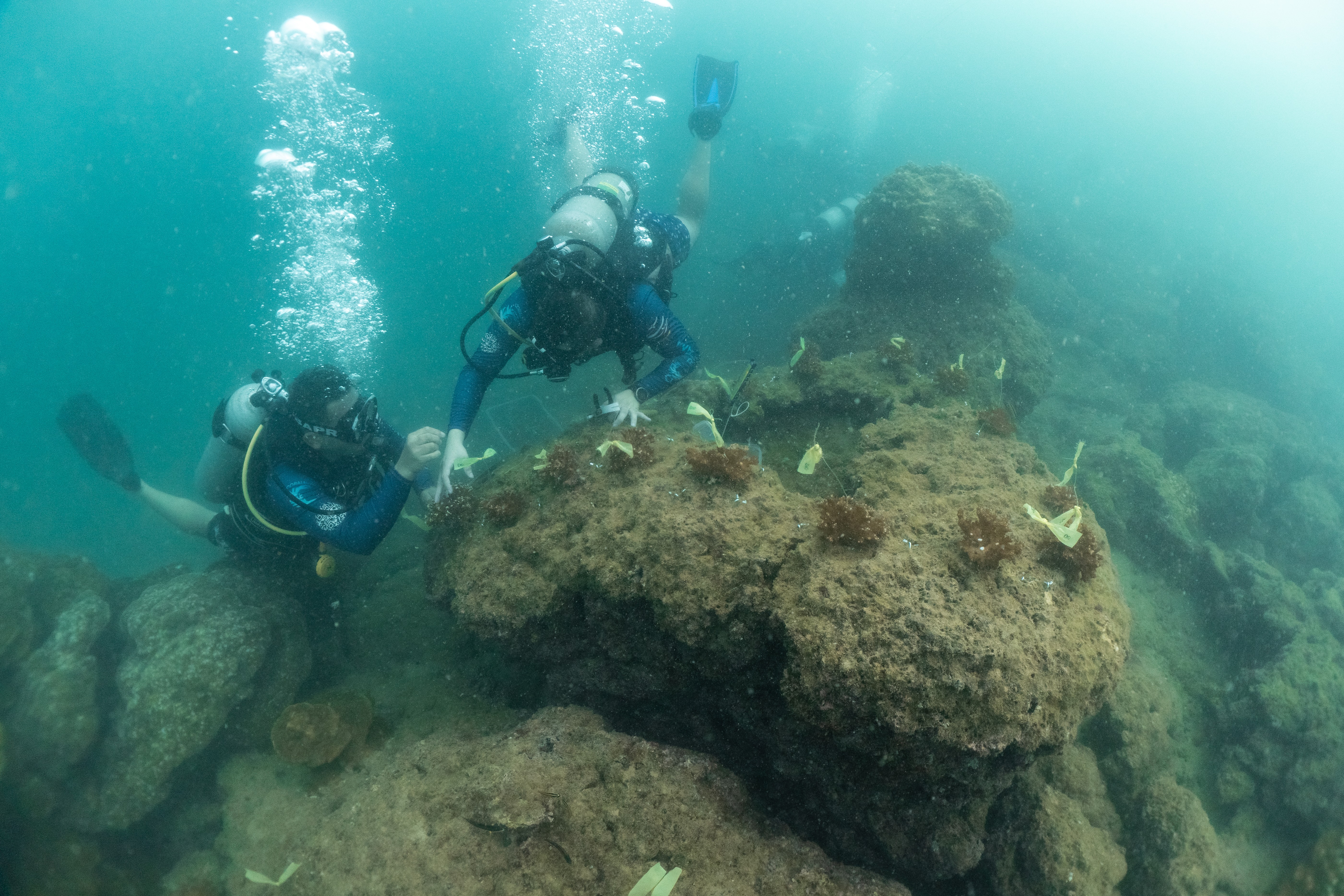
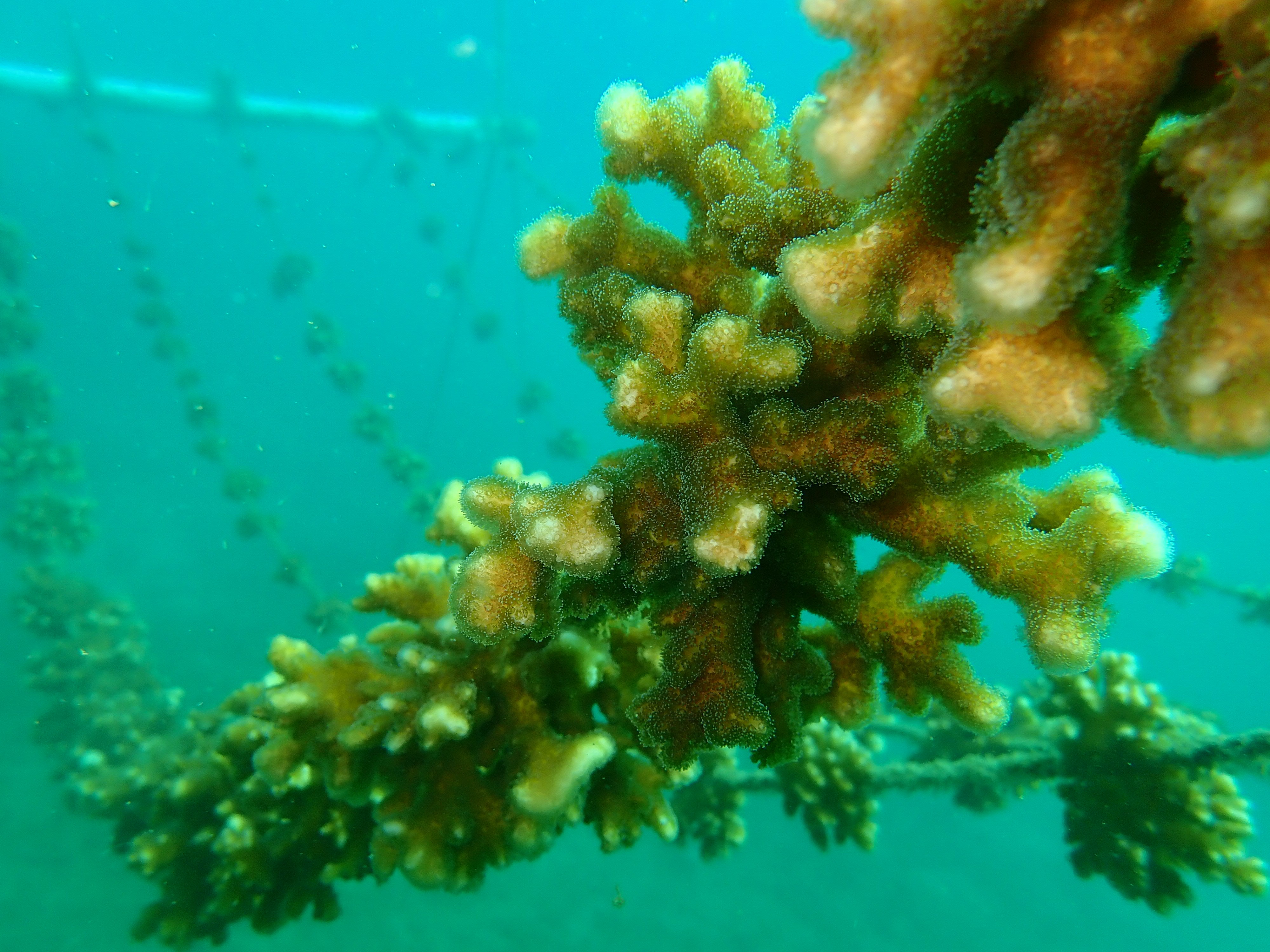
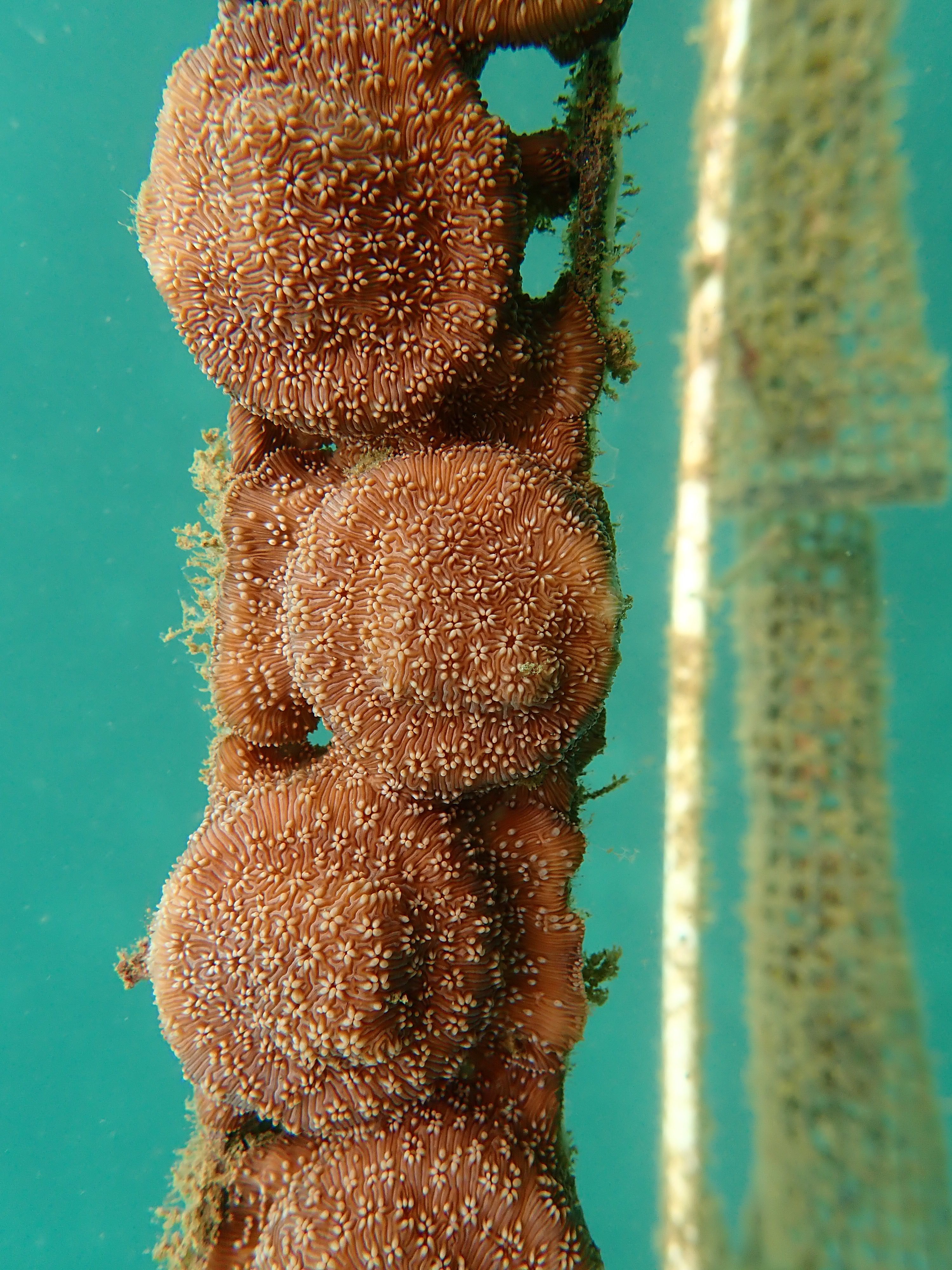
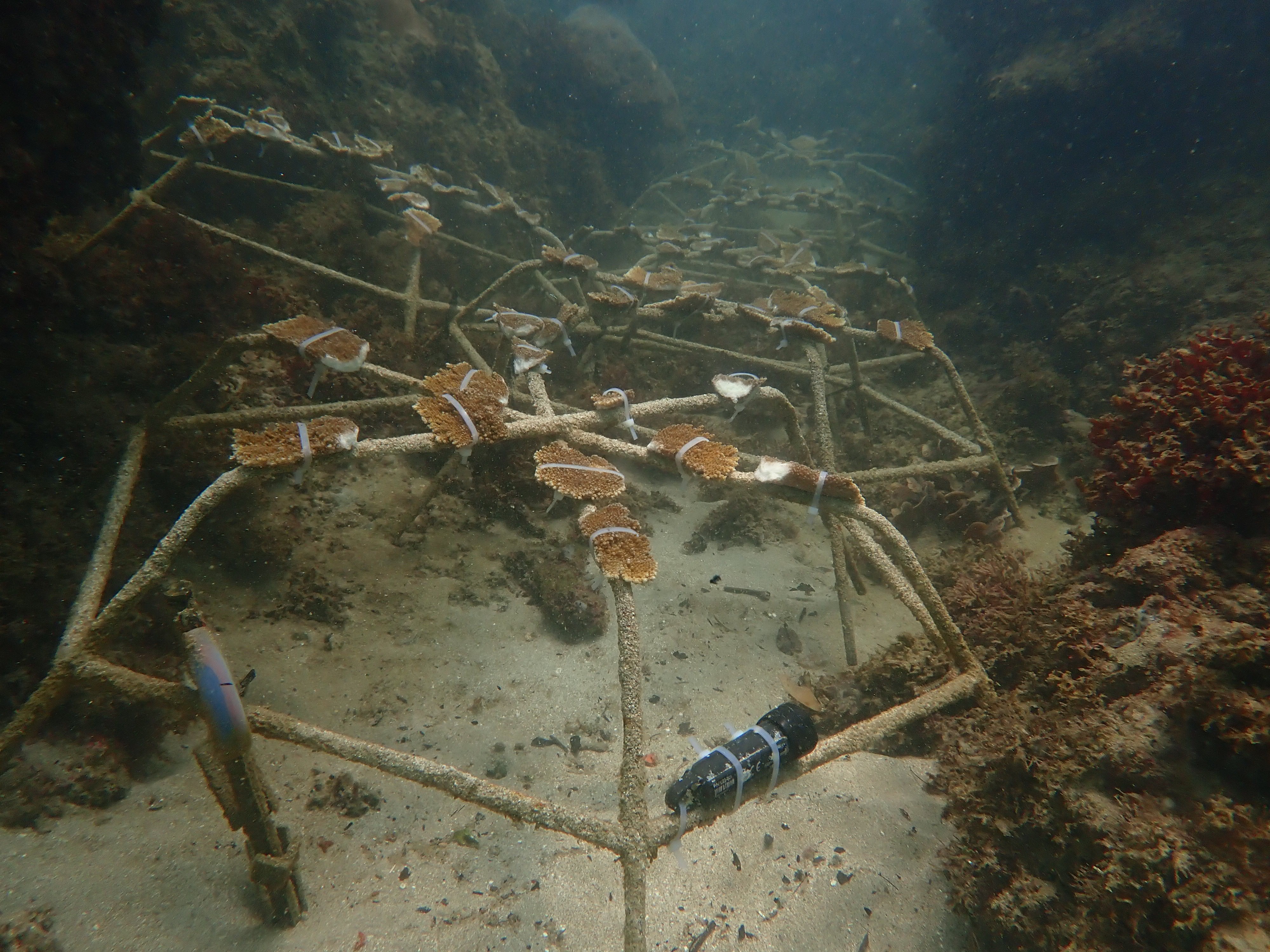
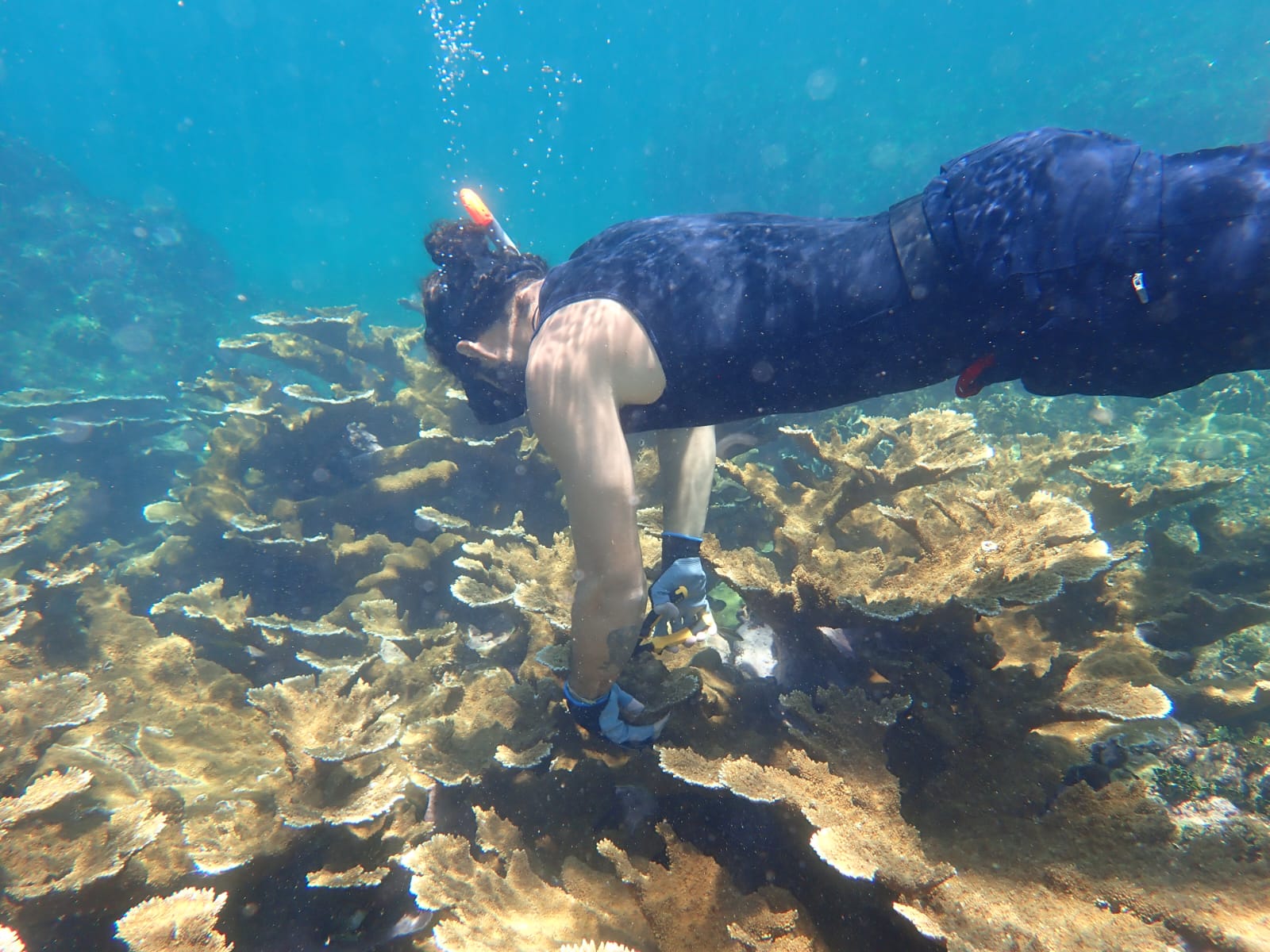
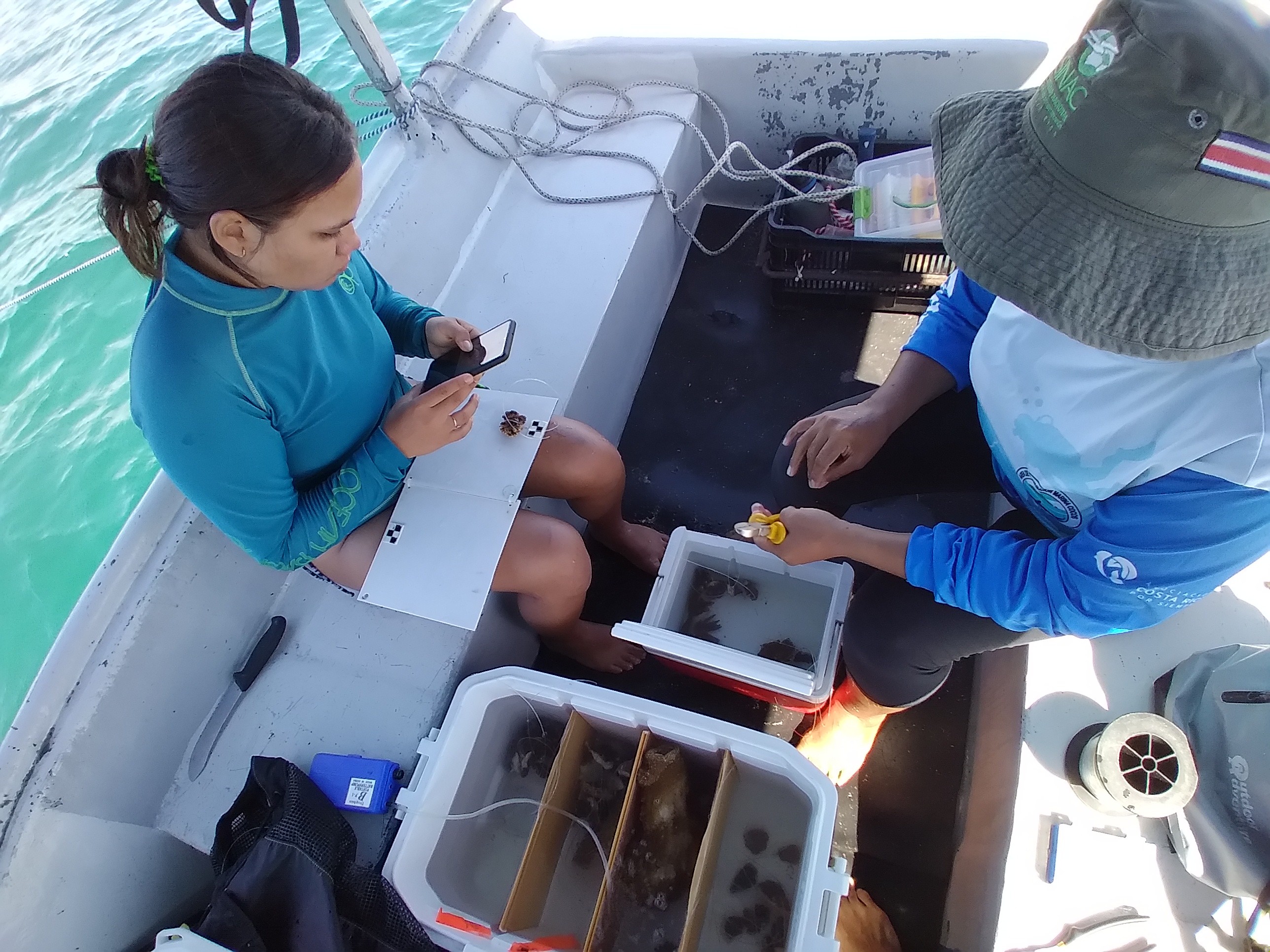
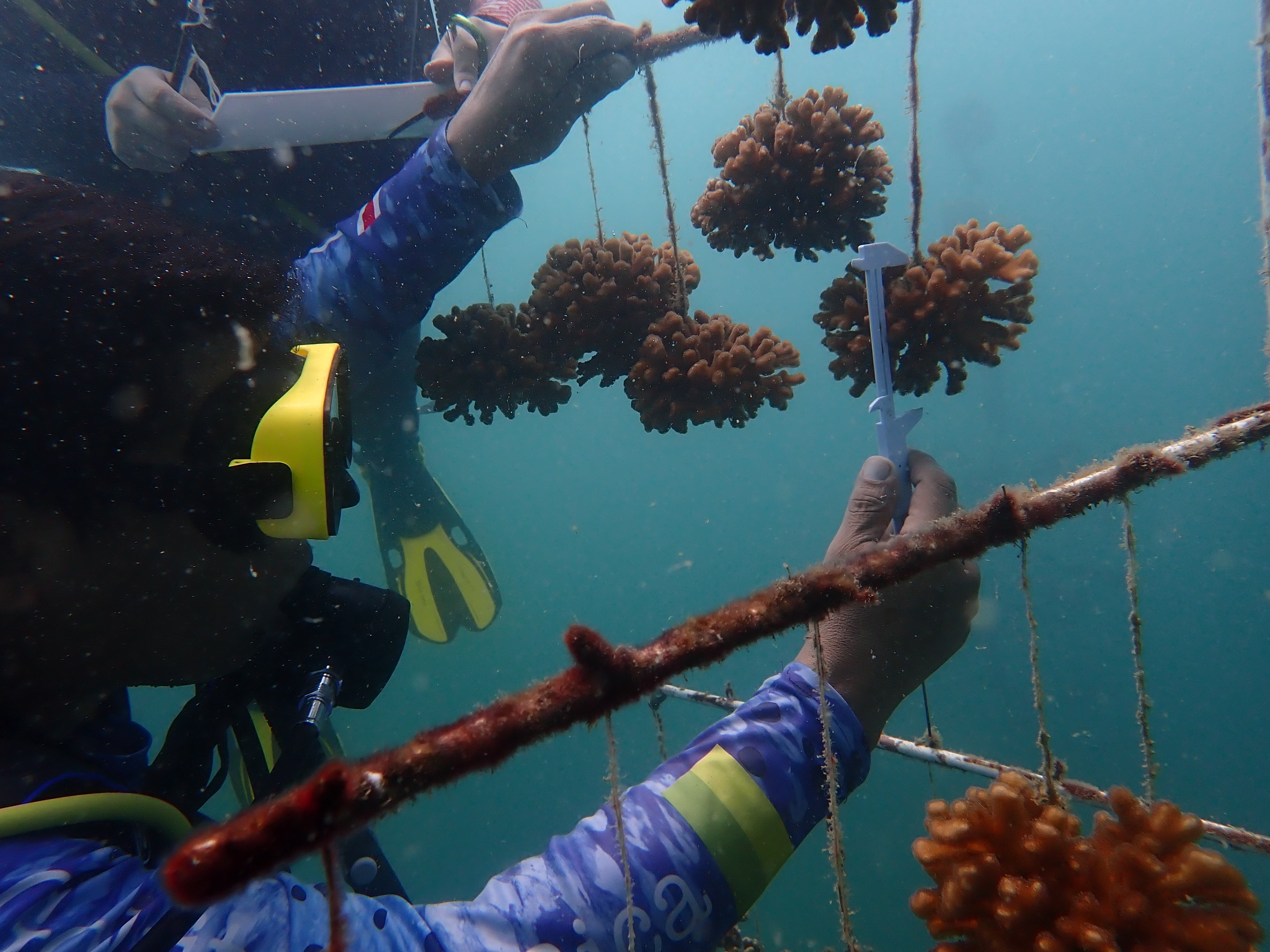
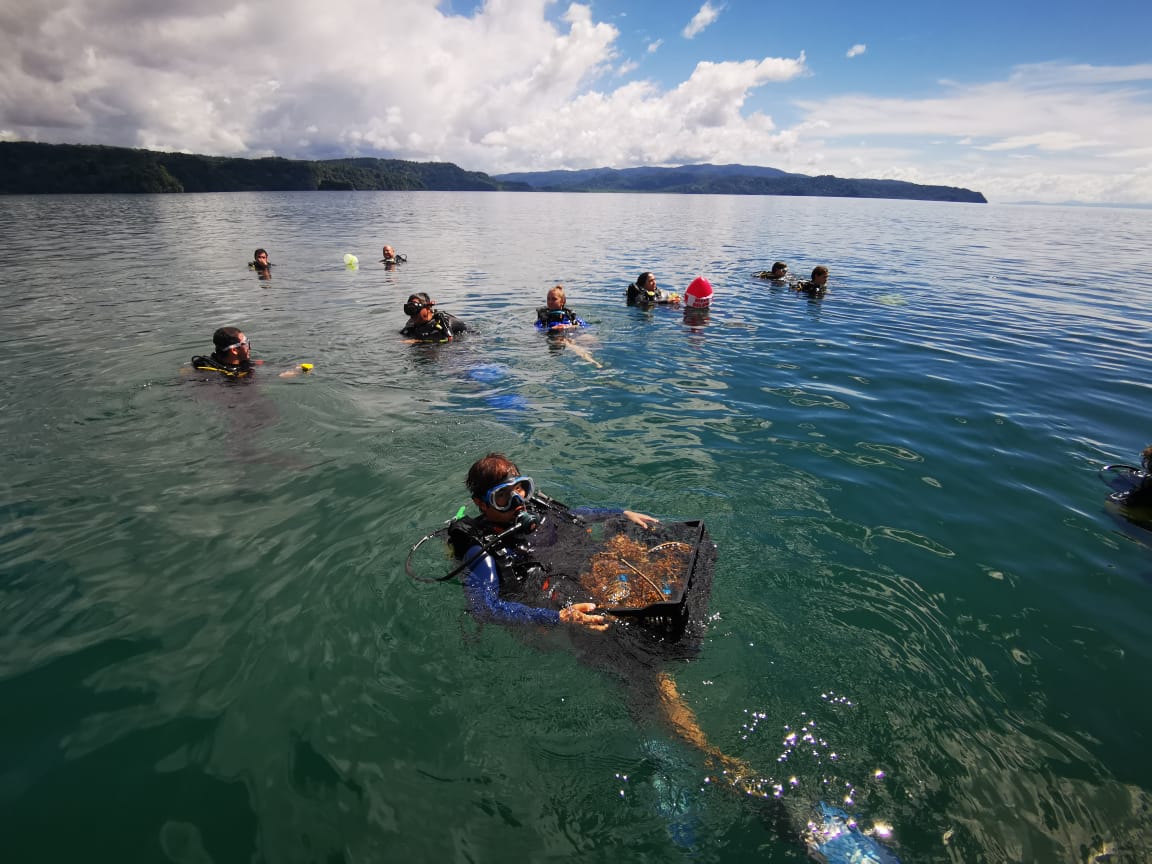
In 2016 I changed course and returned to field work – this time in Costa Rica. Alongside colleagues and students there, we tested whether we could grow corals in underwater nurseries and use them to “re-plant” damaged coral reefs with new corals, similar to reforestation. The experiment was so successful that we formed an NGO “Raising Coral Costa Rica” that restores coral reefs on both the Pacific and Caribbean coasts. The project trains people from surrounding communities how to restore coral reefs responsibly and based on sound science. These Costa Ricans are the heart of the project. They work so hard, for so little pay. And they are incredibly effective voices for coral reef restoration – much more so than my own voice as a scientist at NCAR.
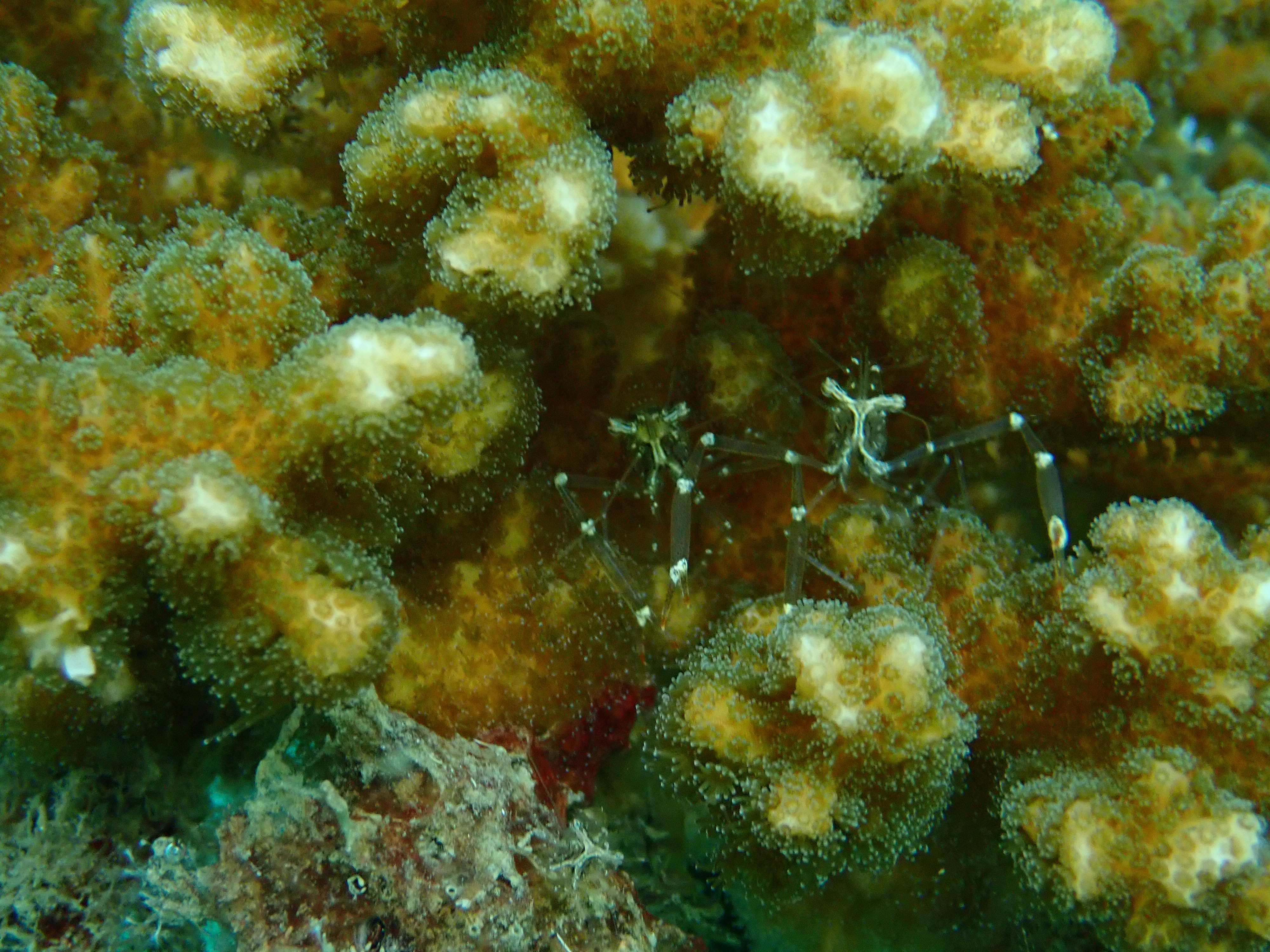
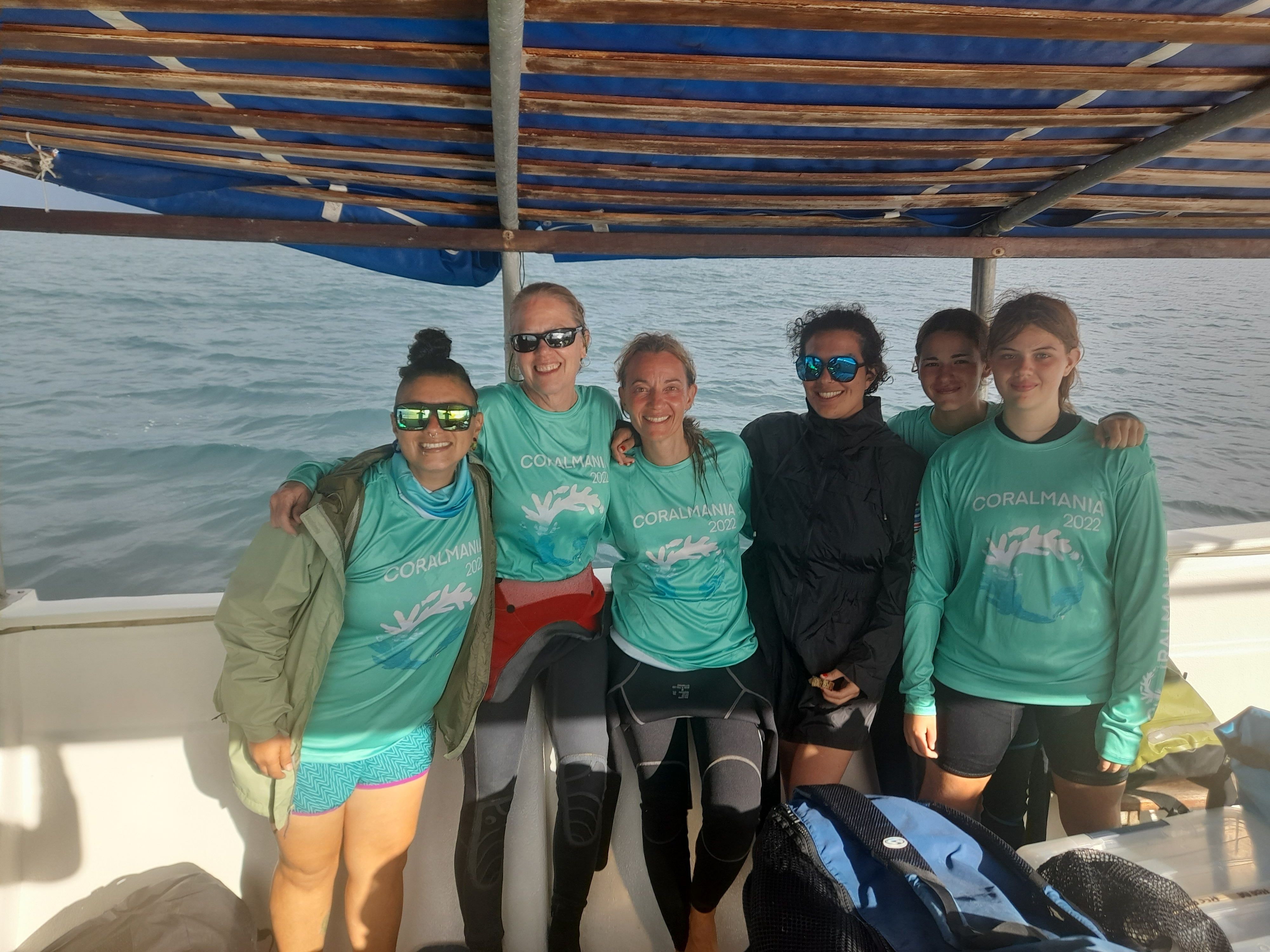
Our team has celebrated many successes, mourned many losses, and bonded over both. From a handful of coral fragments, we grow and plant many thousands of corals, but we also watch many die during warming events. We are in a battle with climate change that can be defeating at times, exhilarating at others. What keeps us going is how beautiful reef recovery can be – from seeing the tiniest fish and crabs claim a new coral as their own, to the iconic turtles, sharks, and fish that swim by to watch us work. To spend so much time underwater is to appreciate the intricate behavior, intelligence and sentience of these marine creatures. Few can be so lucky despite the curse of knowing too much to walk away!
Sharing the thrill of planting a coral with a visitor is transformative, not only for the visitor, but for us as well. I am incredibly grateful and privileged to work with the Costa Ricans and their animal life. This year we celebrate a decade of coral reef restoration in Costa Rica. It’s been difficult, mainly because of the constant drumbeat of not only climate change but also fundraising. Many of us default to the concept that ecosystem restoration is mostly a volunteer effort. It is true that volunteers are essential, and powerful links to connecting people with nature. But to save an ecosystem requires as much expertise, skill, training, and experience as any other high-level field.
So where am I today? I am an advocate for saving the planet, and an advocate for rewarding those who join the front lines of conservation and restoration of our planet’s precious marine life. There are so many in Colorado who appreciate nature and appreciate the many who work to protect it. Thank you for the opportunity to speak with you about this beautiful ecosystem that few Coloradans have the opportunity to experience!
We all face challenges, but looking back would you describe it as a relatively smooth road?
The smooth part of the last ten years has been how naturally the project has become a way to communicate about the ocean, climate change, and coral reefs.
But of course there have been struggles. Ocean work is romantic because it is risky, physically demanding, adventurous, and remote. But each one of those words implies struggle and that bonds us as a team.
We also lose equipment, ruin equipment, and curse equipment that doesn’t work.
The main obstacles – the unromantic ones – are the fundraising and combatting the assumption that it can all be done with volunteers!
Thanks – so what else should our readers know about Raising Coral Costa Rica?
Raising Coral Costa Rica is an NGO that is reestablishing Costa Rican reefs with a holistic approach to sustain the health of the reef ecosystems and the people that depend on them. We call it the human-coral symbiosis. We work on both the Pacific and Caribbean coasts of Costa Rica, and are committed to training locals to be coral gardeners, advanced divers, and tour guides, which helps them economically while growing their commitment to conserving the ecosystem.
Three aspects define my pride in the Raising Coral team: our rigorous and successful approach to coral reef restoration, which incorporates sound scientific methods; our strong coral gardener program and commitment to their continued education; and our integrity – we don’t overstate our progress and in fact, we use mortality events to inform the public and our donors about the realities of coral reefs and climate change.
Our team has celebrated many successes, mourned many losses, and bonded over both. From a handful of coral fragments, we grew and plant many thousands of corals, but we also watched many bleach and die during the El Niño of 2023. We recovered from that event but the El Niño of 2026 is already causing coral bleaching and we expect to lose many corals, just as most other coral reefs around the world. But we will stay in the battle. Combatting the impacts of climate change can be defeating at times, exhilarating at others.
What keeps us going is how beautiful reef recovery can be – from seeing the tiniest fish and crabs claim a new coral as their own, to the iconic turtles, sharks, and fish that swim by to watch us work. To spend so much time underwater is to appreciate the intricate behavior, intelligence and sentience of these marine creatures. Few can be so lucky despite the curse of knowing too much to walk away.
Sharing the thrill of planting a coral with a visitor is transformative, not only for the visitor, but for us as well. Personally, I am incredibly grateful and privileged to work with the Costa Ricans and their animal life. This year we celebrate a decade of coral reef restoration in Costa Rica. It’s been difficult, mainly because of the constant drumbeat of not only climate change but also fundraising. Many of us default to the concept that ecosystem restoration is mostly a volunteer effort. It is true that volunteers are essential, and powerful links to connecting people with nature. But to save an ecosystem requires as much expertise, skill, training, and experience as any other high-level field.
We are an environmental NGO. Our offer is a service to clients & donors, with the comfort that they are supporting coral reefs through the hands of a scientific team that is dedicated, experienced, and generous. We support many dozens of local people. It’s almost 100% Costa Rican, with an equal number of men and women.
Any advice for finding a mentor or networking in general?
Well, I learn as much from mentees as they do from me. To find a good mentor is to find someone that clicks with you – someone who enjoys your company and enjoys what they do. I suggest avoiding those that try to display their authority by criticizing others or competing excessively. The good mentors are supportive of many, not just their own team.
Pricing:
- Sponsor a coral biologist to study coral genetics and reproduction $25.000
- Outfit two coral gardeners with dive and safety gear $8.000
- Restore a section of a reef with 500 corals $5.000
- Sponsor 1 coral gardener for 100 days of coral work $4.000
- Buy 10 temperature sensors $1.500
Contact Info:
- Website: https://raisingcoral.org
- Instagram: https://www.instagram.com/raisingcoral/
- Facebook: https://www.facebook.com/RaisingCoral
- LinkedIn: https://www.linkedin.com/company/raising-coral-costa-rica/