

Today we’d like to introduce you to Megan Morgan.
Megan, we appreciate you taking the time to share your story with us today. Where does your story begin?
MY STORY
Megan Morgan
Art has always been at the heart of my life. Even as a kid, I was constantly drawing, arranging, and finding creative ways to express how I saw the world. I’ve always felt most alive when I’m creating. Making art isn’t just something I do for fun; it’s how I process, reflect, connect, and make sense of things. It’s one of my most important life goals. While I’ve worked consistently to support myself as a creative professional, I wake up every day thinking about art. Whether it’s solving a branding challenge for a client or building a new body of work in my studio, my drive to create never switches off.
My professional journey in graphic design began in Denver at Monigle Associates in the late 1990s, where I worked on corporate branding and identity systems. It was a fast-paced, formative experience that gave me a solid foundation in visual communication and brand strategy. But I craved more creative freedom and a closer connection to clients and community.
In 1999, I moved to Steamboat Springs, Colorado—a town known for its rich cultural heritage, strong sense of community, and vibrant, outdoor-driven lifestyle—and founded Strange Bird Designs. There’s something about Steamboat’s mix of art, nature, and grit that helped shape the soul of my business. People there are grounded, hardworking, and deeply creative in their own ways. Strange Bird was built in that spirit: nimble, thoughtful, and a little unexpected.
Since then, Strange Bird Designs has grown into a full-time creative studio where I help clients—from nonprofits and local entrepreneurs to national organizations—develop brand identities, print campaigns, web graphics, packaging, and social content. My goal has always been to bring clarity, creativity, and a sense of lift to every project. I’m fluent in Adobe Creative Suite and have decades of experience working across media. I especially love designing for projects that have meaning, whether it’s for arts organizations, environmental initiatives, or women-led businesses.
Alongside my design work, my fine art practice has steadily grown—and in recent years, it’s truly begun to take off in new and exciting ways. I was honored to be juried into Art of the State at the Arvada Center and Made in Colorado at the Emmanuel Gallery in Denver—two major exhibitions that feature some of the most compelling contemporary work in the region. These experiences have affirmed that the years of quiet dedication in my studio are resonating beyond the walls.
Since I run my own design studio, I’ve been fortunate to weave in time for fine art, especially during slower stretches in client work. But the path hasn’t always been easy. I haven’t always had the financial freedom, access to grants, or traditional studio space that many artists rely on. Still, I’ve never let that stop me. I’ve found ways to make art regardless of circumstances—because for me, not creating simply isn’t an option.
Take printmaking, for example. It’s one of my favorite mediums, but it can be prohibitively expensive to rent press time or buy professional materials. So, I developed my own approach. I adapted a process derived from traditional lithography—using tusche washes painted onto pronto plates—but instead of running them through a press, I skip that step entirely. I leave them as original works on the plate itself, embracing their raw, painterly quality. I also make my own gelatin plates for monoprints, printing everything by hand. These methods are imperfect and experimental, but they allow me to keep creating regardless of space or budget—and often lead to results that feel more alive and personal than anything produced through conventional means.
That kind of resourcefulness has shaped not only my process, but my philosophy: that meaningful art can be made with whatever you have. It’s about presence, persistence, and play. It’s about creating despite limitations—and sometimes because of them.
I’ve been honored to be juried into exhibitions I’ve long admired, and to see my work gaining traction in the art world. It means the world to me to be part of that conversation, even if I’m doing it in my own way, on my own terms. I feel proud to be creating at this time, to be contributing to something larger, and to be doing it all while staying grounded in what matters most: making honest work that reflects my voice and vision.
I’ve also been fortunate to receive support and encouragement from several incredible artist-focused organizations and exhibition platforms. Groups like BRDG Project, Open Studios Boulder, Colorado Women’s Art Museum, Women’s Caucus for Art, The Printer’s Planet, Mo’Print (Month of Printmaking), Ag and Art, PlatteForum, Denver’s Santa Fe Art District, Tilt West, (CVA) Center for Visual Art – Metropolitan State University of Denver, Valkarie Gallery, and Firehouse Art Center—among many others—have played a key role in the growth of my art career. These organizations have given me the opportunity to exhibit my work, connect with fellow artists, and share my process with broader audiences. Their belief in the value of emerging and mid-career artists has helped launch and sustain so many creative journeys, including my own.
Being part of these organization’s and their opportunities has not only offered visibility, but also a real sense of belonging. It’s through these networks that I’ve found encouragement during slow periods, new perspectives through collaboration, and the confidence to keep pushing my practice forward. They’ve given my art career its foundational momentum—exhibiting and promoting my work in ways that helped turn years of private making into something public, shared, and celebrated.
I also paint public murals—one of my favorite ongoing projects is the annual street mural I design and paint for the City of Louisville. It’s a way for me to bring art directly into the community, outside of galleries or screens, and to invite people into the creative process in real time.
Looking back, my path hasn’t been traditional—but it’s been full of movement, meaning, and growth. I’ve learned that the boundaries between design and art aren’t as fixed as we think. For me, everything I create—whether for a client or for a gallery—comes from the same place: a desire to make something that resonates, connects, and lifts people up.
I feel lucky to be living a life where I get to follow my creative instincts and share what I make with others.
Alright, so let’s dig a little deeper into the story – has it been an easy path overall and if not, what were the challenges you’ve had to overcome?
Obstacles / Challenges
It hasn’t been a smooth road, but I’ve come to see the challenges as part of the creative process. Like many artists and small business owners, I’ve had financial struggles, especially during the early years of running Strange Bird Designs and through times when client work slowed down. I’ve never had the luxury of a dedicated studio space. Instead, I’ve carved out spaces in my home, rearranged corners of rooms, or worked at the kitchen table, making space where I can, when I can. That’s just how it’s been: if something isn’t accessible, I hunt for it. If what I need doesn’t exist, I find ways to create it. If I don’t have the skill, I teach myself.
I’ve learned to use my downtime not to wait, but to keep moving, whether it’s creating new artwork, applying to exhibits, searching for freelance work, or building new connections in the community. I’ve had to be both artist and advocate, designer and problem-solver, constantly shifting between creative vision and real-world logistics.
I’ve also had to grow into leadership. Running a creative business solo requires more than just making great work, it’s about showing up, communicating clearly, managing time and budgets, and building trust. That hasn’t always come easily, but I’ve worked hard to strengthen those muscles along the way.
After 13 years of running Strange Bird Designs on my own, I asked my husband to come on board as head of business development, sales, finances, and client relationship leadership. Like any big shift, especially when working closely with a spouse, it hasn’t always been smooth, there’s been some learning, some bumps, and plenty of conversations as we figure out how to navigate roles and boundaries together. But having a trusted partner by my side, someone I can rely on completely, has been one of the most meaningful parts of this journey. It’s allowed me to focus more on the creative direction of the business, while building something together that’s grounded in shared purpose, trust, and long-term vision.
The road hasn’t been easy, but it’s been deeply meaningful. Every obstacle has pushed me to adapt, expand, and keep going. It’s made me more grounded, more resourceful, and more committed than ever to my path. I’ve learned that success isn’t always about ease, it’s about persistence, creativity, and staying open to what comes next.
Appreciate you sharing that. What else should we know about what you do?
My art practice is rooted in process, texture, and transformation. I work across mediums, but my recent focus has been on sculptural forms made from burlap and upcycled materials, printmaking using gelatin plates, and expressive figure drawing.
The burlap sculptures came from a desire to work with humble, often overlooked materials, things that carry a history or tactile energy. I love the rawness of burlap: how it frays, how it holds shape and shadow. I often combine it with found or repurposed elements, stitching, folding, or sculpting it into organic forms. There’s something powerful in turning everyday materials into objects of presence and meaning.
In printmaking, I’ve developed a resourceful approach that doesn’t rely on traditional print studio access. I make my own gelatin printing plates and create monoprints by hand, building layers of ink, texture, and shape through a spontaneous and experimental process. I’m also drawn to lithographic techniques, but since I don’t have a press, I’ve adapted that process by working directly with tusche washes on pronto plates, treating them as finished artworks rather than printable surfaces. This allows me to honor the feel of traditional printmaking while inventing my own way forward.
Figure drawing continues to be a core part of my practice. It keeps my hand and eye sharp, but more than that, it connects me to gesture, emotion, and the human experience in a raw, honest way. Whether I’m drawing, printing, or sculpting, I’m always exploring the balance between form and feeling, control and chance, presence and impermanence.
My materials and methods may shift, but the throughline is always curiosity, finding new ways to create with what I have, and letting each piece carry both its process and purpose forward.
Do you have any advice for those just starting out?
Create art for yourself first, make what feels true to you. If you can see it, feel it, and understand it, then your art is valid. In school or formal training, we often learn best practices, how others have worked with materials, followed processes, or built their careers. That knowledge is valuable, but don’t lose your own voice in the process.
Your creativity is your safe space, your testing ground, your world. It’s your mark-making, your color palette, your lens on the human experience. Your insight is deeply needed, it belongs alongside every other artist’s voice in this world. Don’t wait for permission or perfection. Keep making, stay curious, and trust that what you bring matters.
Pricing:
- Pricing your work can feel overwhelming, especially when you’re just starting out. One of the most helpful things I’ve done is visit galleries and shows, especially ones that feature art similar in scale, medium, and tone to my own. Look at how that work is priced, then research the artists. How long have they been making this kind of work? Where have they exhibited? That context can help you understand how your own experience and body of work fits into the broader landscape. That said, pricing is also personal. I believe in putting a price on your work that feels right to you. You can always adjust it over time. Try it out, observe how it resonates with your audience, and talk with other artists in your medium or niche. Pricing isn’t fixed, it’s a living part of your practice, and you’ll get a feel for it as you go. Don’t be afraid to value your time, your materials, your experience, and your intuition. Your work has worth because you made it.
- Tips: Visit galleries or markets showing work similar to yours, take note of pricing and artist experience.
- Tips: Research the artists you admire. Look at their career timeline, how long have they been creating similar work?
- Tips: Connect with other artists and have open, honest conversations about pricing.
- Tips: Consider creating a range of work at different price points so your art is accessible and sustainable.
Contact Info:
- Website: https://meganmorganfineartist.com/
- Instagram: https://www.instagram.com/meganmorganfineartist/
- Facebook: https://www.facebook.com/MeganMorganFineArtist/
- LinkedIn: https://www.linkedin.com/in/meganmorgan/
- Youtube: https://www.youtube.com/@meganmorganfineartist
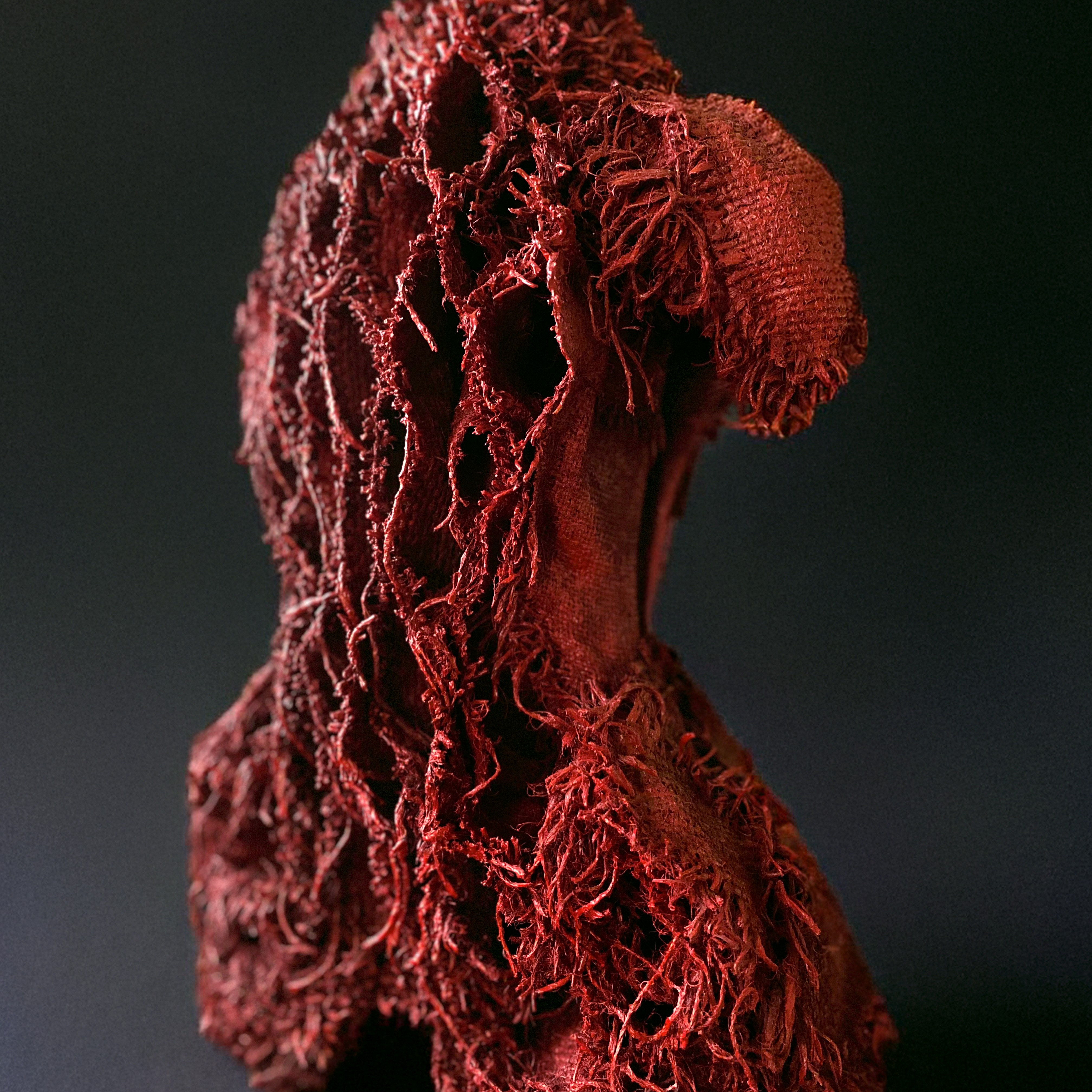
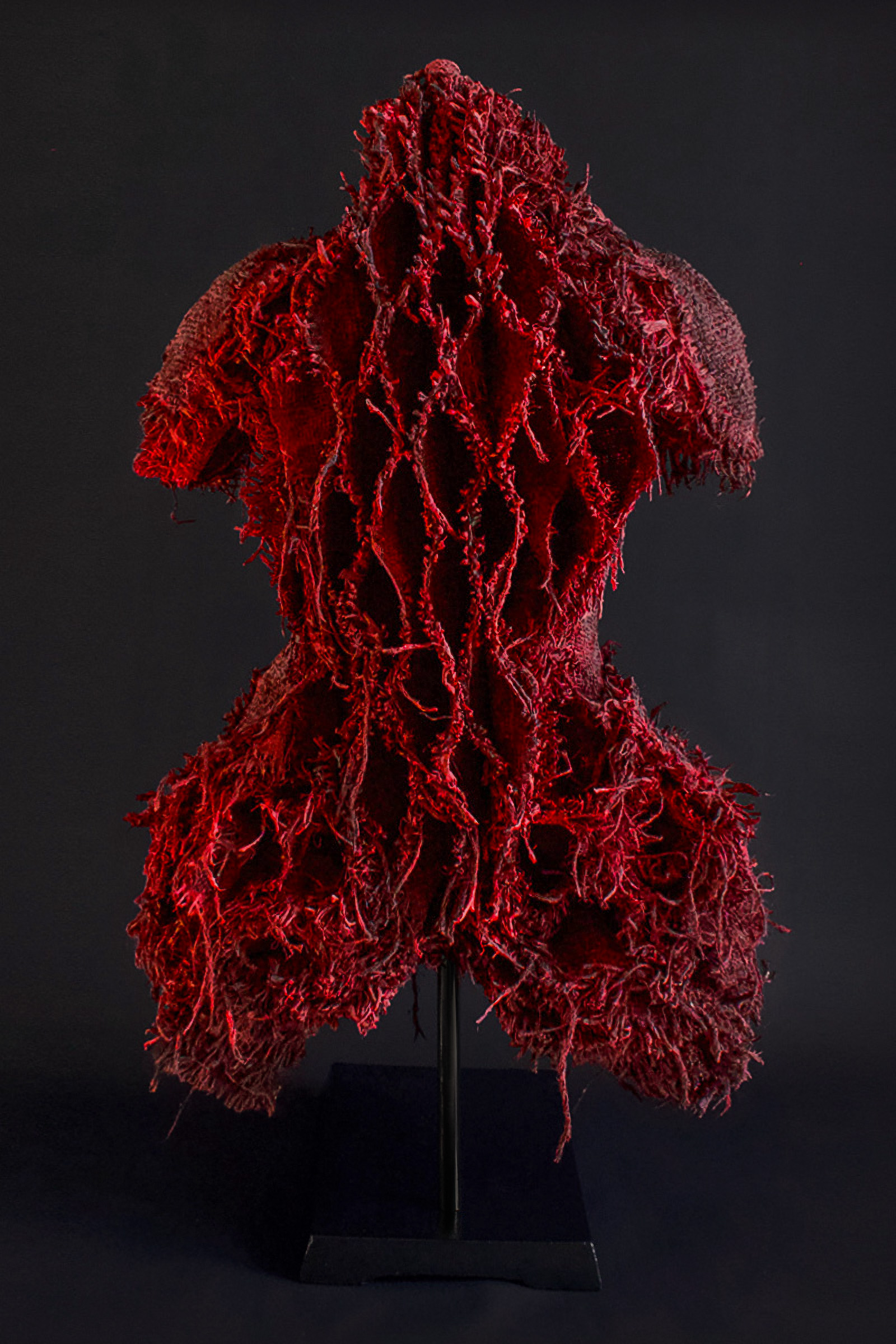
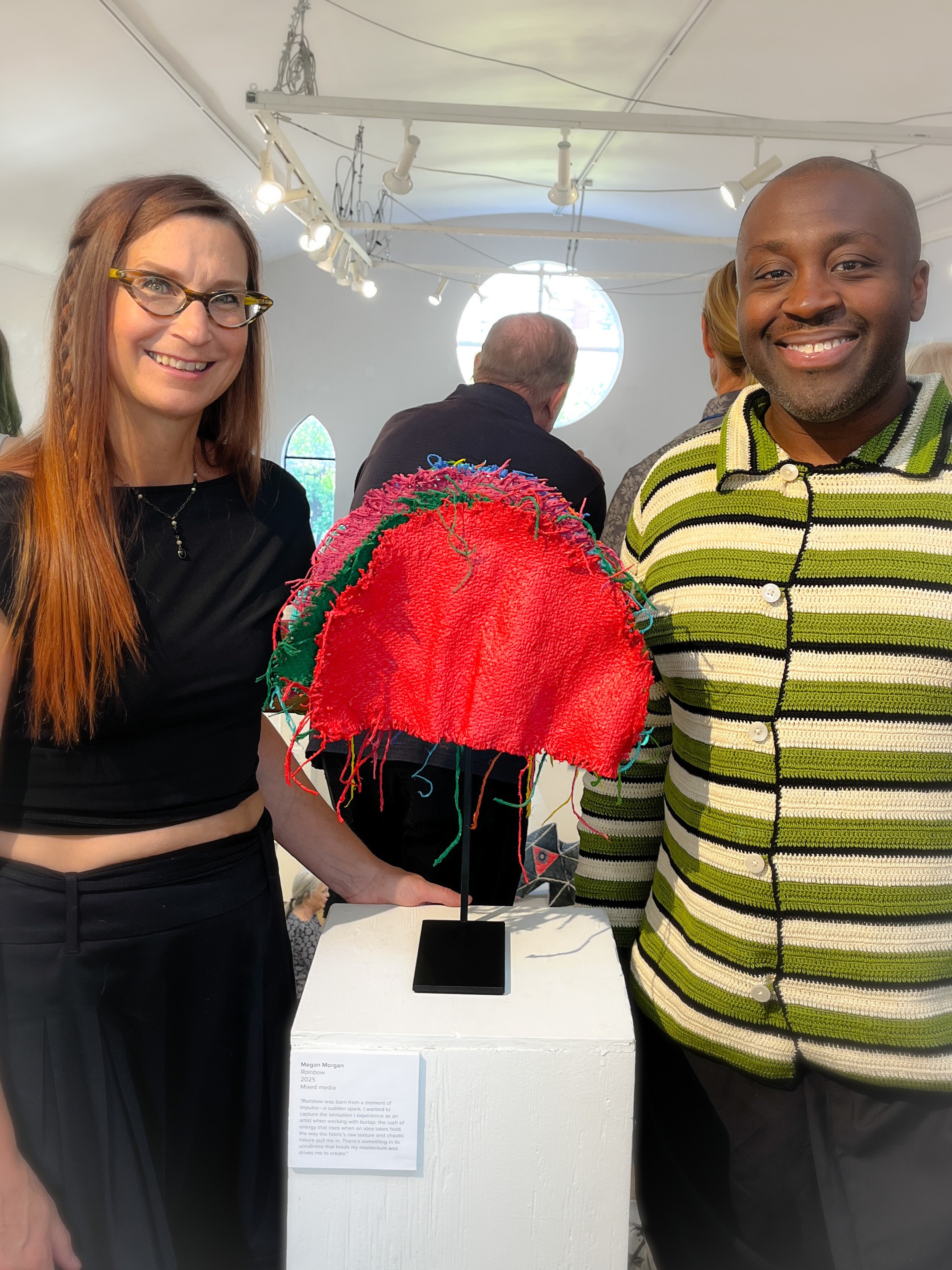
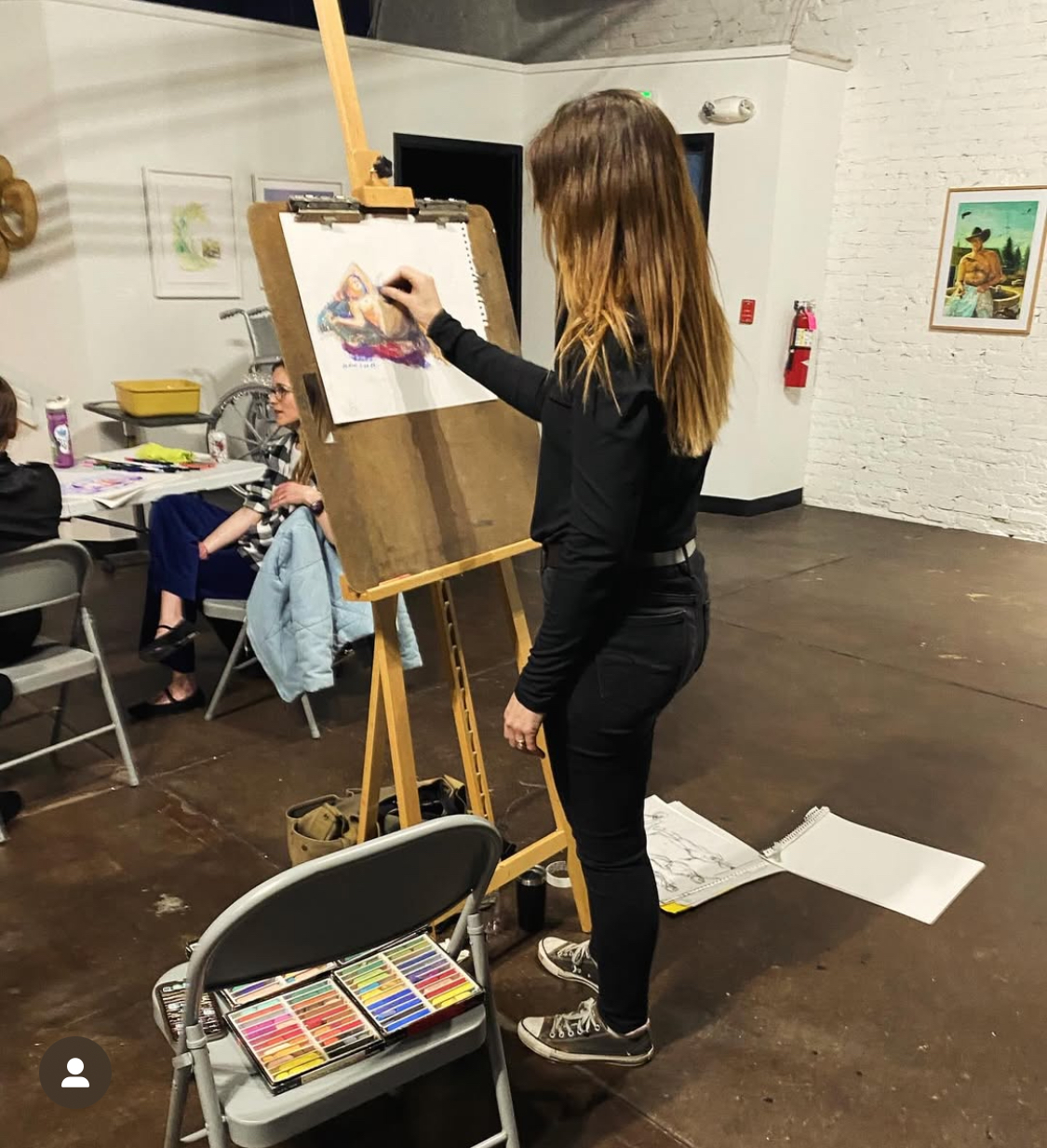
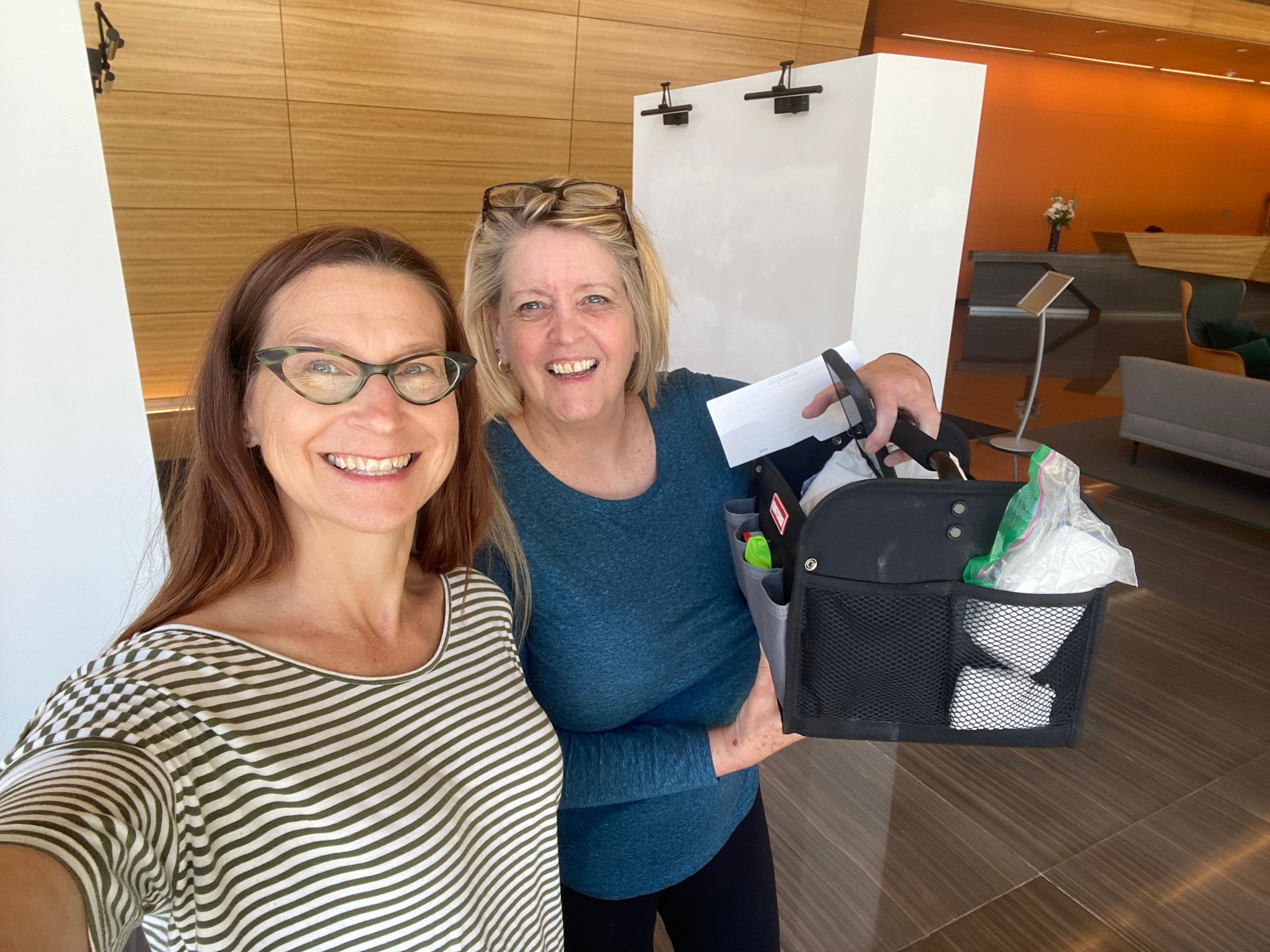
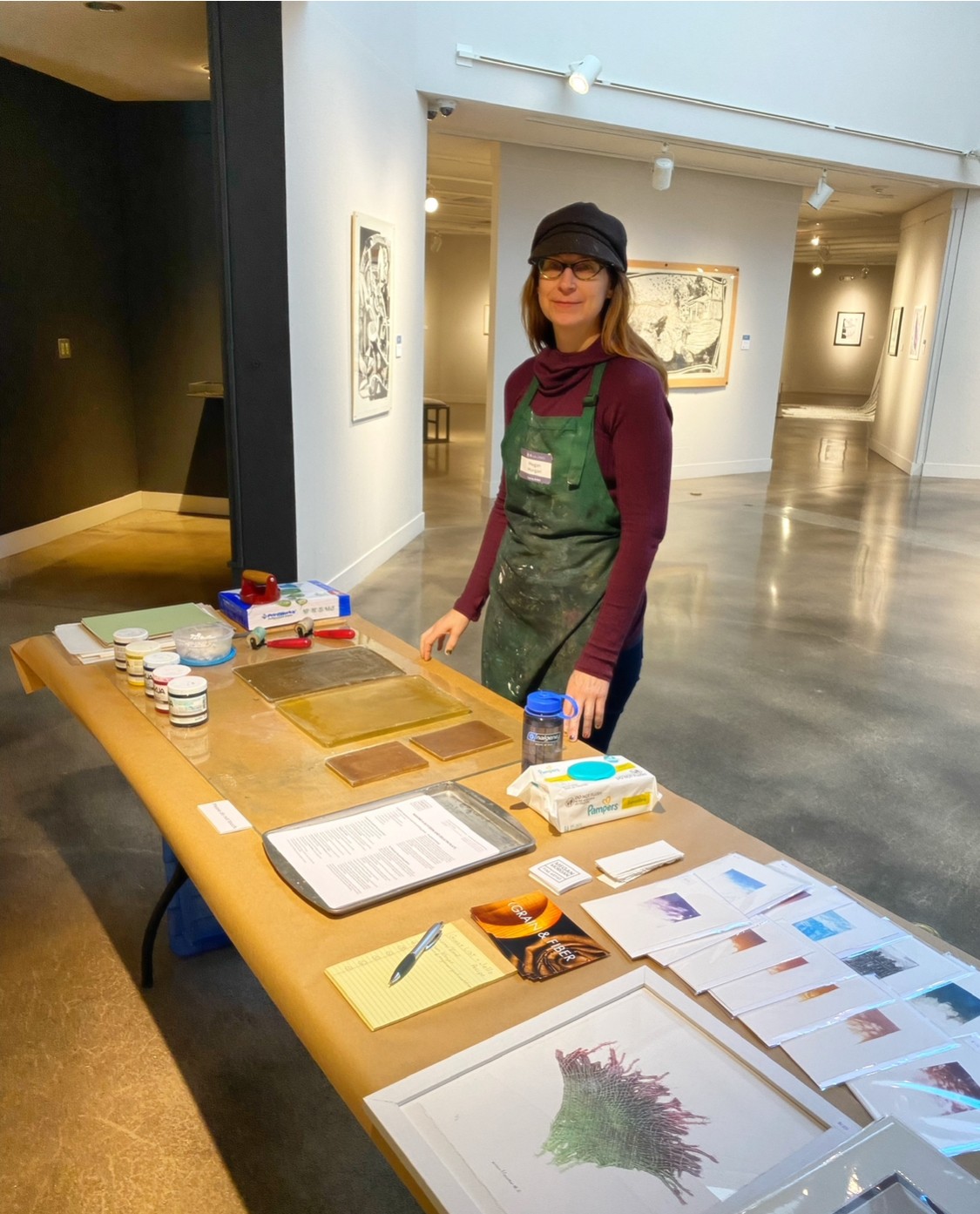
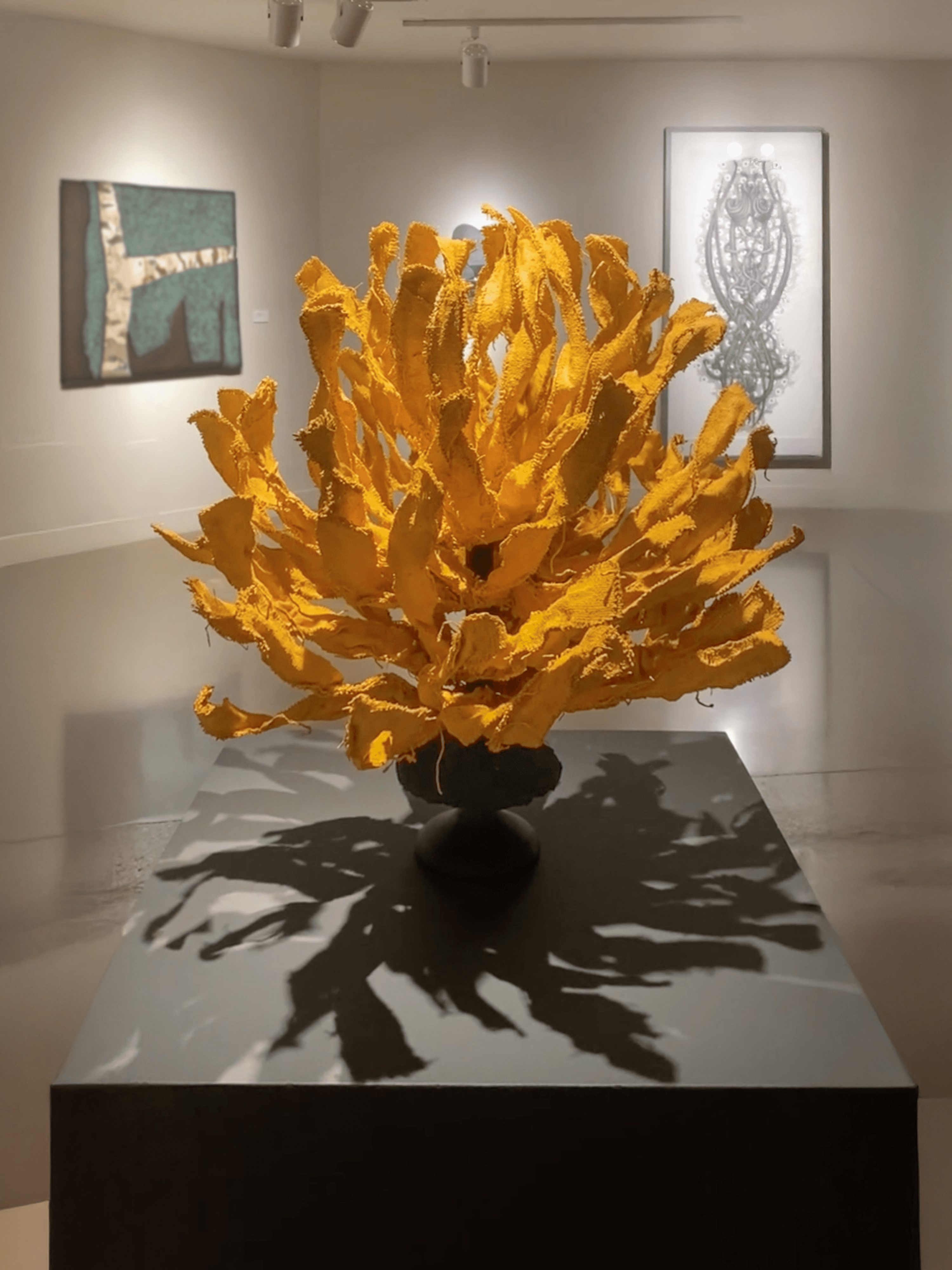
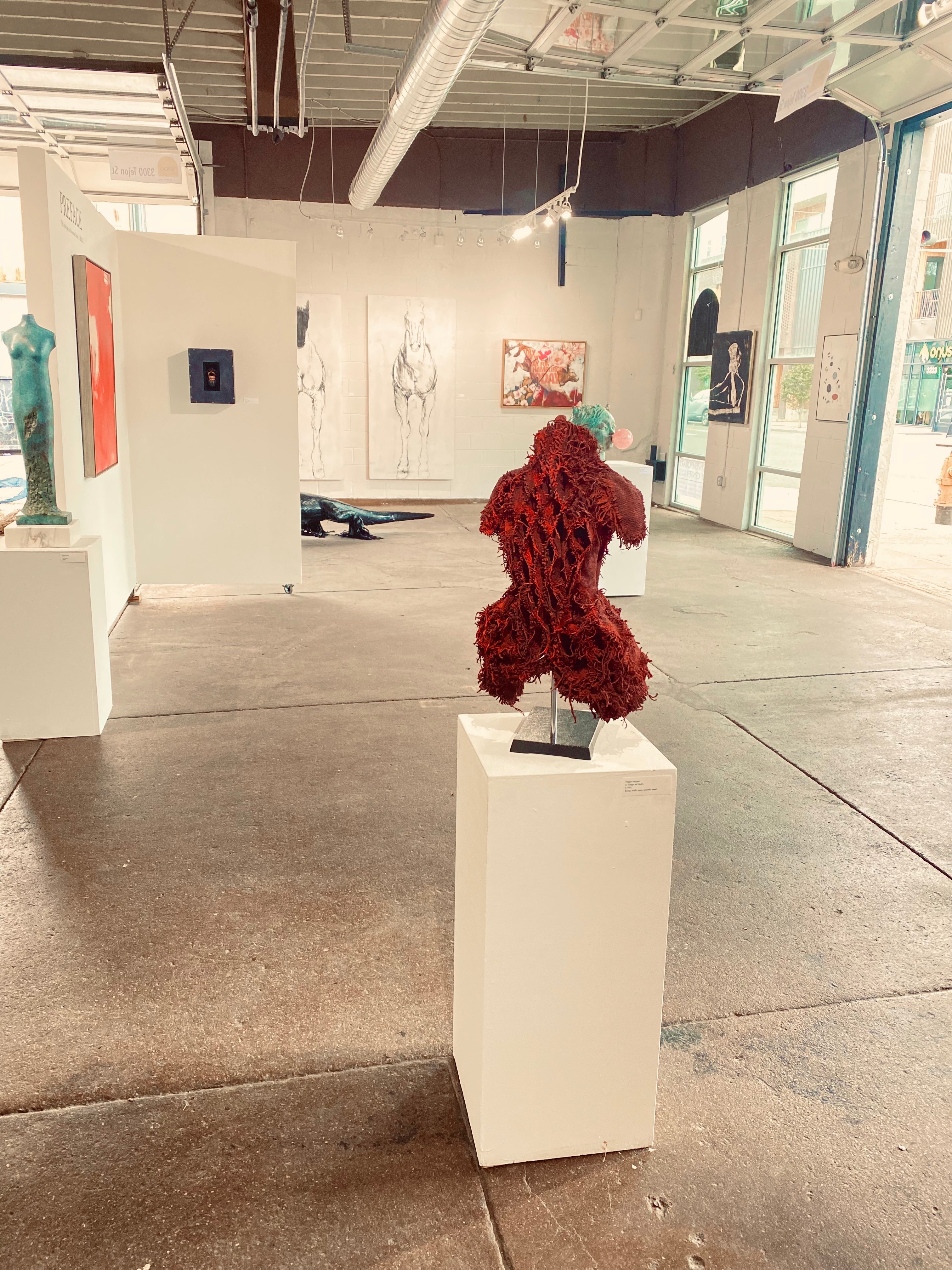
Image Credits
1 – La Sangre se Hincha – burlap sculpture – view 1
2 – La Sangre se Hincha – burlap sculpture – view 2
3 – Megan Megan (left) and Larry Ossei-Mensah (right) at Emmanuel Gallery in the 2025 Made in Colorado exhibition
4 – Megan Morgan at BRDG Project during figure drawing sessions
5 – Megan Morgan (left) and Carrie Ma Kenna (right) deinstalling art for the Colorado Women’s Art Museum
6 – Megan Morgan at the Arvada Center for the Arts and Humanities during Mo’Print’s PRINT JAM event, showing print demos of Megan’s art method of printing without a press
7 – Megan Morgan‘s burlap sculpture Heliocentric at the Arvada Center for the Arts and Humanities during Art of the State 2025
8 – Megan Megan’s burlap sculpture La Sangre se Hincha at BRDG Project during the opening reception PREFACE at 3300 Tejon, Denver, CO