


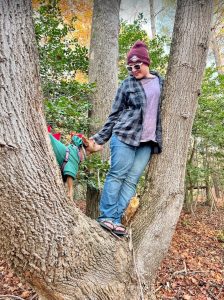
 Today we’d like to introduce you to Gabrielle Johnson.
Hi Gabrielle, please kick things off for us with an introduction to yourself and your story.
It started with a need. There were dogs and people who needed help – in the mountains where I grew up, then in military communities. I started helping dogs myself and quickly connected with rescue groups and shelters. This evolved into outreach work with houseless camps in Hawaii. I started fostering dogs, volunteering at shelters, and arranging fundraising drives. I helped with transport and networking dogs.
Then, I moved back to Virginia and started working as a dog walker for a company that invested in training their handlers and whose signature service was two-hour adventure walks for their clients. I was living the dream, spending my days hiking on the James River with my dogs and their friends and getting paid to do it.
That quickly evolved into a management position where I oversaw a team of handlers. We did a lot of work with shelter dogs, taking them on the trails to give them a break from the shelter. The company was involved in a lot of non-profit work, including outreach and shelter support. My team and I garnered a reputation for being able to support the dogs with behavior challenges, and I started to drift toward training and behavior.
After several years of walking dogs, I transitioned to training full-time. I was teaching classes and private lessons but quickly realized I was in a really destructive environment. The training philosophies were not evidence-based and relied heavily on blaming people’s normal emotions for causing their dogs’ behavior concerns.
We used a lot of leash pops, intimidating body language, and restriction of agency, which wasn’t fun, helpful, or kind. I left and posted a social media post offering training, dog walks, and pet sitting. Over the years, I had developed such a deep relationship with the dog community that I was flooded with work. Within two days, I knew I needed to apply for a business license and get some insurance and software.
Three months later, I attended a behavior conference that rocked my world. I have a Bachelor’s degree in psychology and sociology, so when I watched presentation after presentation offering evidence-based approaches and understandings of canine behavior, I was sold immediately. It made total sense. It turns out mammalian nervous systems are pretty similar. It was a massive shift – I “crossed over” to evidence-based practices in one weekend.
From there, I devoured every continuing education opportunity I could get. I read dozens of books and consumed hundreds of hours of webinars and courses. I attended conferences and workshops. I shadowed other trainers and became part of the local community for positive reinforcement training. Dog training is an unregulated industry, so you don’t have to have any experience, knowledge, or skill to take on clients.
That’s tricky because, on the one hand, regulations tend to keep people out – most usually Black, Brown, and Indigenous people, poor people, disabled people, and other marginalized groups. And the dog world already has a huge problem with excluding such groups. But it also means that in cases where dogs are biting children or fighting violently with one another when people are being sent to the emergency room – someone who’s just watched a few YouTube videos can call themselves a dog trainer and take thousands of dollars from a person to give them terrible and dangerous advice.
I became certified through one organization, then later obtained my certification as a Certified Dog Behavior Consultant through the International Association of Applied Animal Behavior. That was about 65 pages of case studies and other written material to support my proven skill, knowledge, and lived experience. I’m pretty proud of it!
Shortly before obtaining that certification, I started specializing in aggressive behavior and nervous system dysregulation, including hyperarousal, trauma, chronic stress, and anxiety disorders. Now I create webinars and speak at conferences. It’s pretty cool!
I’m sure it wasn’t obstacle-free, but would you say the journey has been fairly smooth so far?
One of the biggest struggles was finding a way to the evidence-based side of dog training. I work with clients worldwide, and depending on the area, some folks have no access to evidence-based, force-free training. Many have been looking for help for years and have spent thousands of dollars only to see their problems worsen. The information is out there, and the studies are clear, but popular culture sends a different message.
When I found myself working in an environment that treated dogs and their people poorly, it matched up with the cultural messaging most of us have internalized our whole lives, and I think that’s why so many folks buy into it. This kind of training relies on a culture that is punishment-focused. We are obsessed with punishment, despite evidence showing how damaging it is.
We see an increase in anxiety, apathy, aggression, and aversion to stimuli associated with the punishment. And yet we continue, with dogs and people. That sort of training relies on messaging that masculinity and a lack of emotions are superior to sensitivity or femininity. It’s misogynistic. It’s quite a lot of gaslighting, too.
Folks are constantly told that their anxiety is making the problem worse – but they have anxiety because of their dog’s behavior! They’re told their normal human reactions are wrong. They’re shamed and blamed. And none of that is based on evidence. Dogs are not trying to dominate us. We don’t need to be an alpha. There is no alpha. We can enjoy our dogs rather than control them.
Anxiety is a normal response when your dog bites or lunges at other dogs. I’m much more concerned when someone isn’t worried about that behavior! It’s ableist rhetoric, and I know firsthand the damage it can do to people’s well-being and their relationship with their dogs. Finding my way out of that was personal growth, which then allowed for professional growth as part of a natural progression.
Appreciate you sharing that. What else should we know about what you do?
I’m a Certified Dog Behavior Consultant with a Bachelor’s in psychology and sociology. I specialize in aggressive behavior and nervous system dysregulation, which includes hyperarousal, anxiety disorders, trauma, and chronic stress. I see a lot of cases of intrahousehold aggression and family-directed aggression, and I tend to see a lot of German Shepherds – I think because I have one.
I work with clients virtually worldwide and locally in Richmond, VA, and I think I am known for what I bring to humans. As I’ve mentioned, attention to the human side is quite lacking in the dog training industry. I am very authentic on social media. I talk about being Autistic, ADHD, and plural. I talk about Disability Justice.
I talk about human rights and social justice because these topics intersect intimately when discussing our dogs and their behavior. Humans are a vital part of the equation. In doing this, I attract people looking for safe spaces to seek support, hopefully repelling those who would not be a good match. In this way, I find that much of my client base is neurodivergent, disabled, and queer. I hope I am known as a safe space for people.
How do you think about luck?
This is an interesting question! I would say the closest thing I’ve had to luck is really privilege. I have the privilege of a college education and white skin, and that’s a much bigger deal than it should be.
Contact Info:
- Website: https://linktr.ee/bestlifedogservices
- Instagram: https://www.instagram.com/bestlifedogservices
- Facebook: https://facebook.com/bestlifedogservices
- Youtube: https://www.youtube.com/channel/UCxtRG0itUDlZNZm9Wqo0_Mw
- TikTok: https://www.tiktok.com/@bestlifedogservices
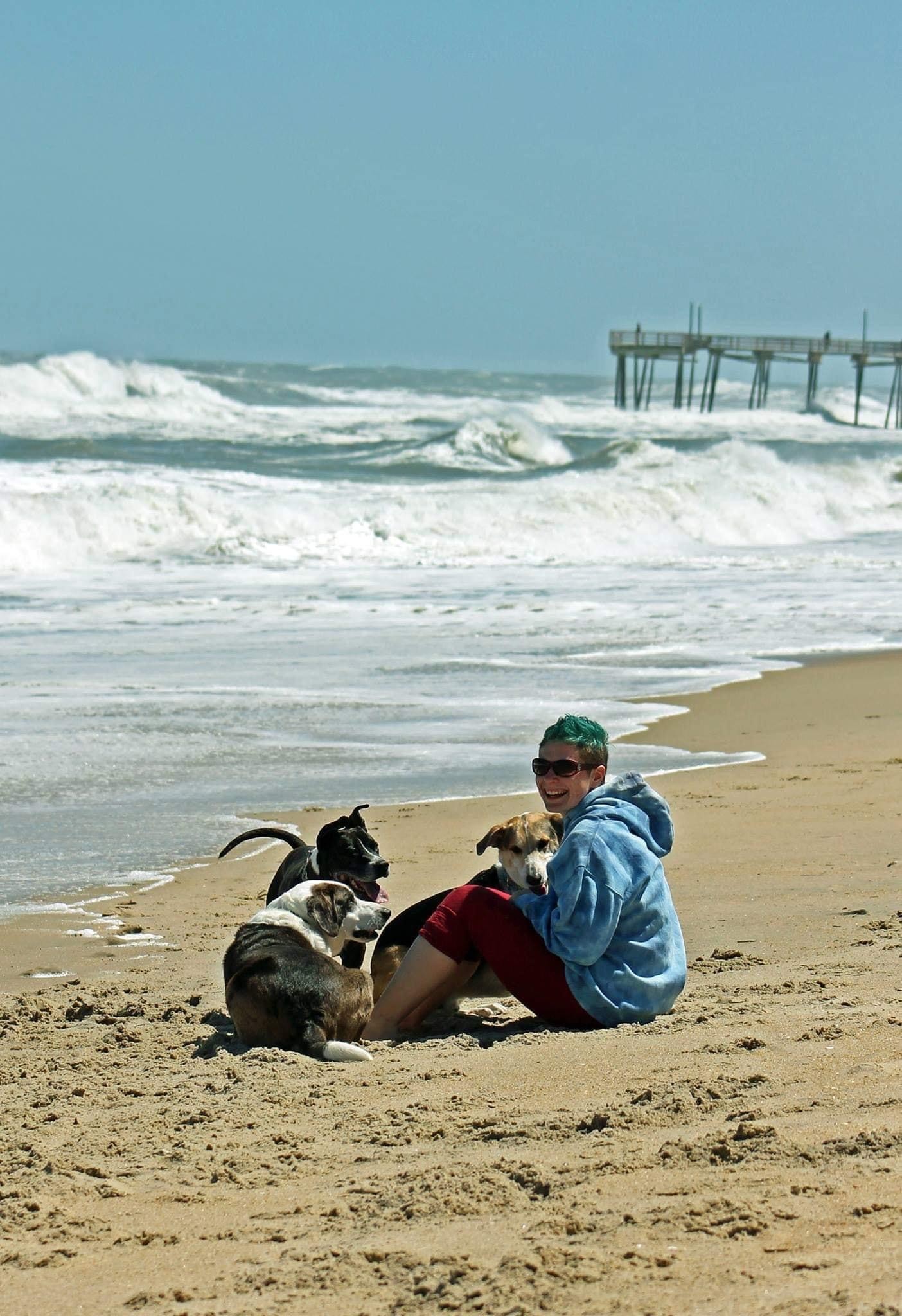
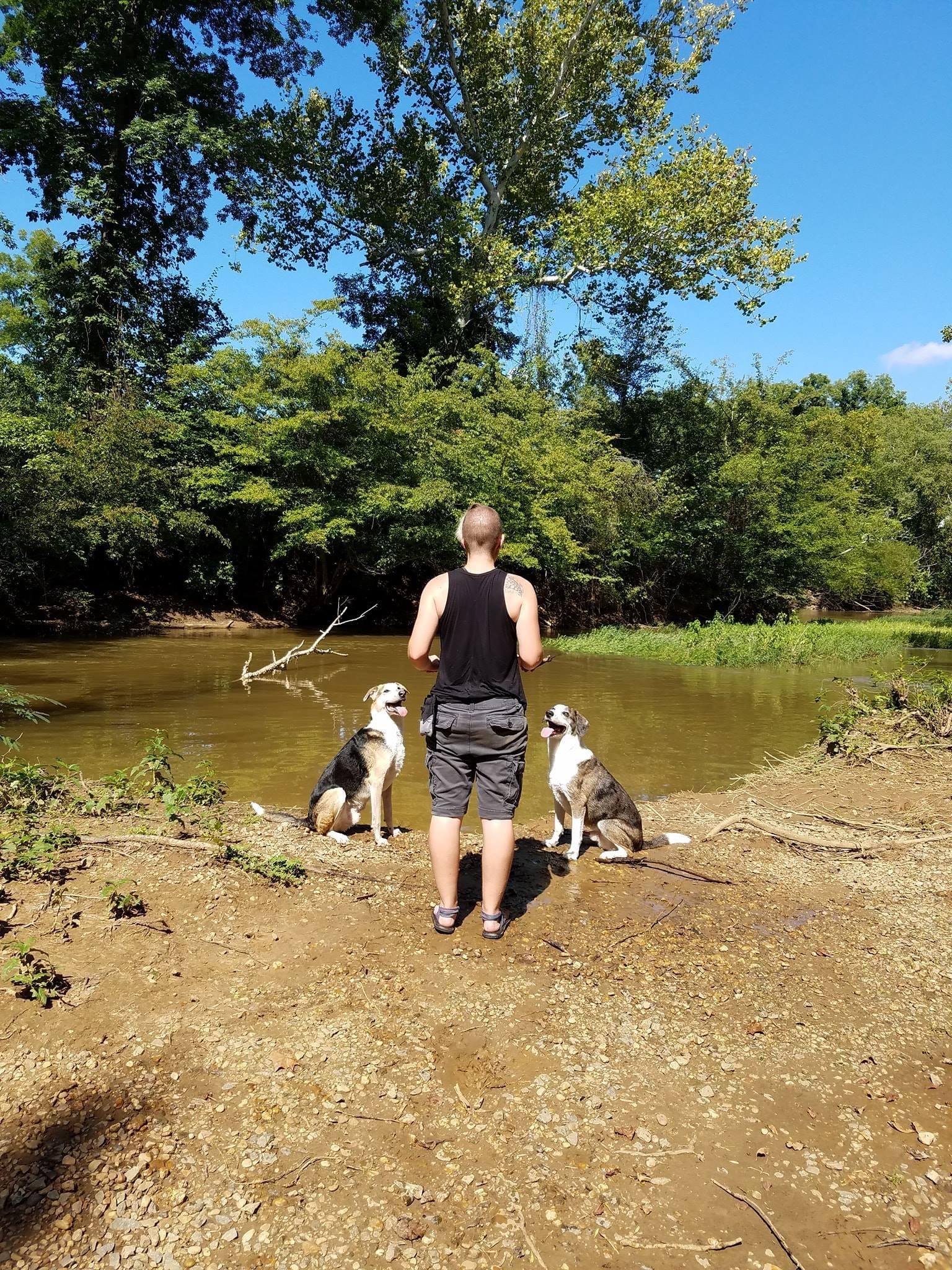
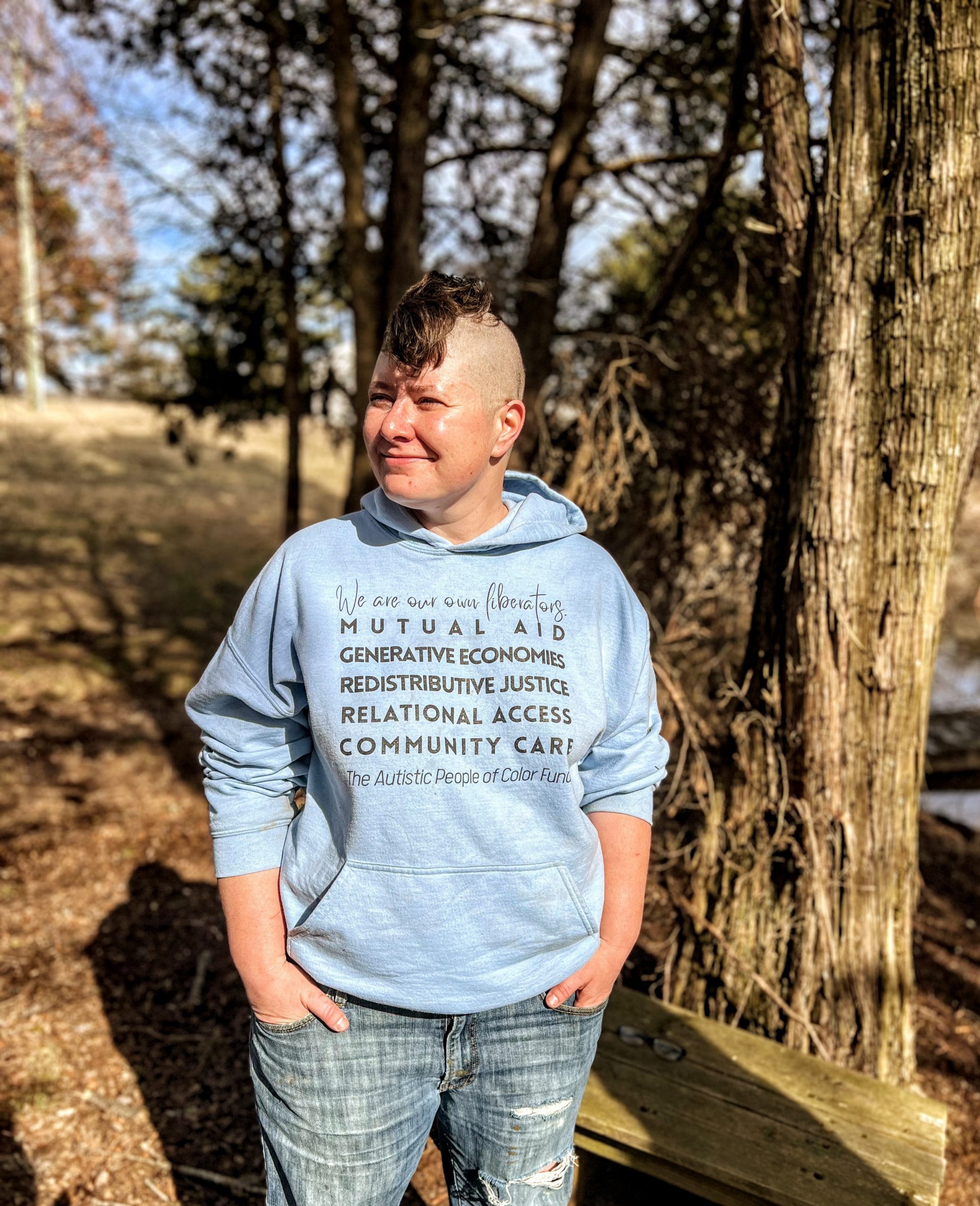 Image Credits
Josh Rickey