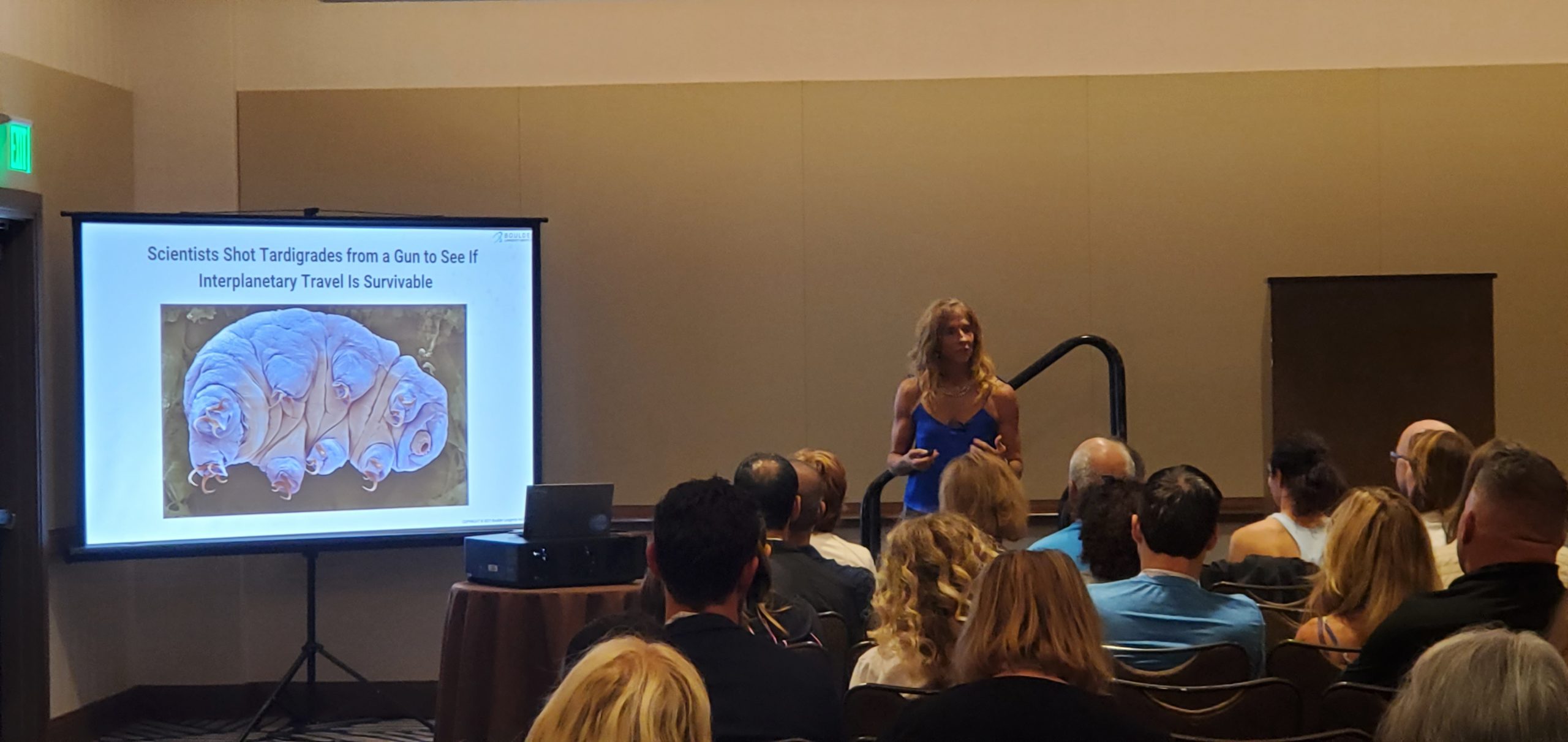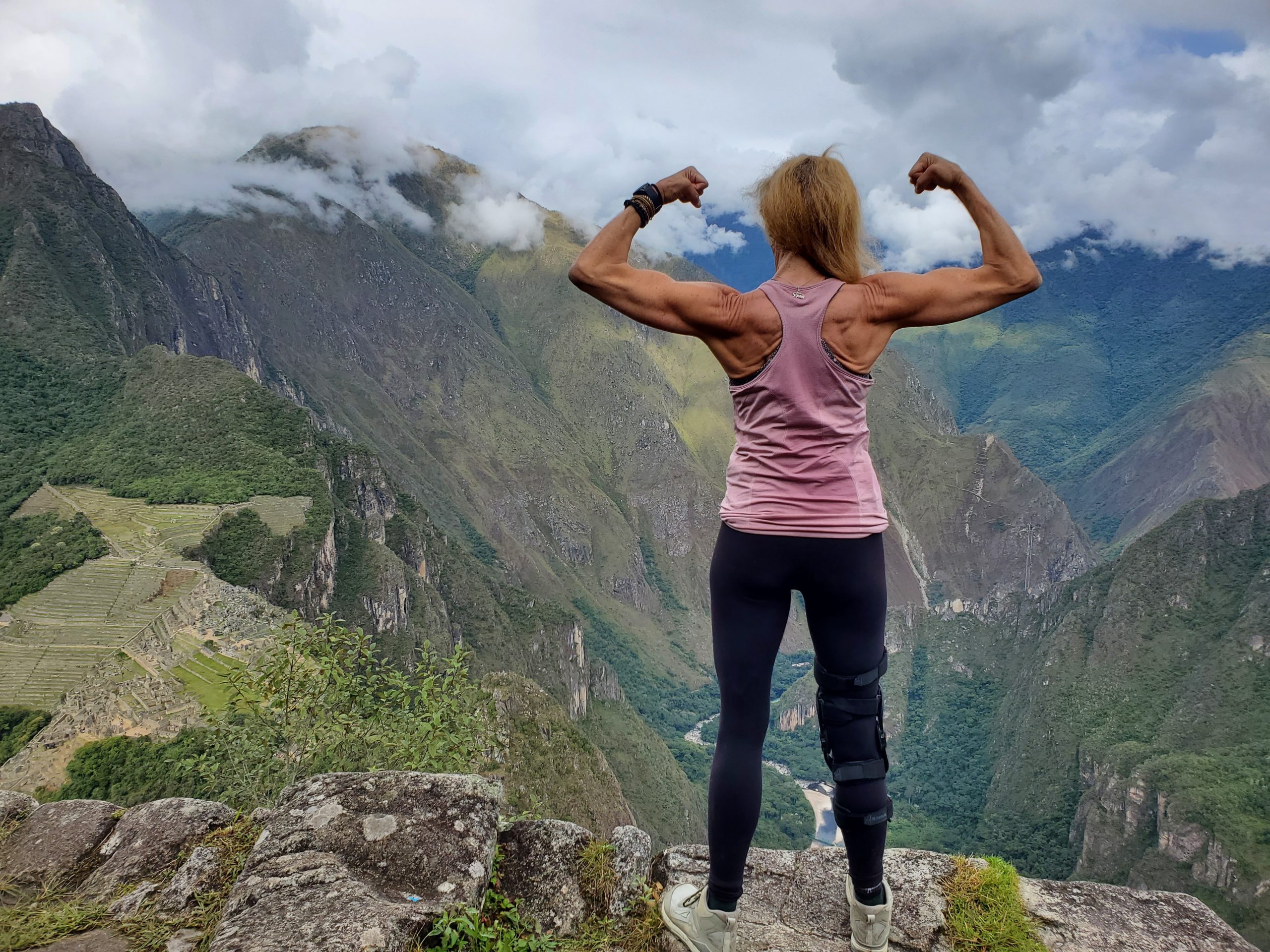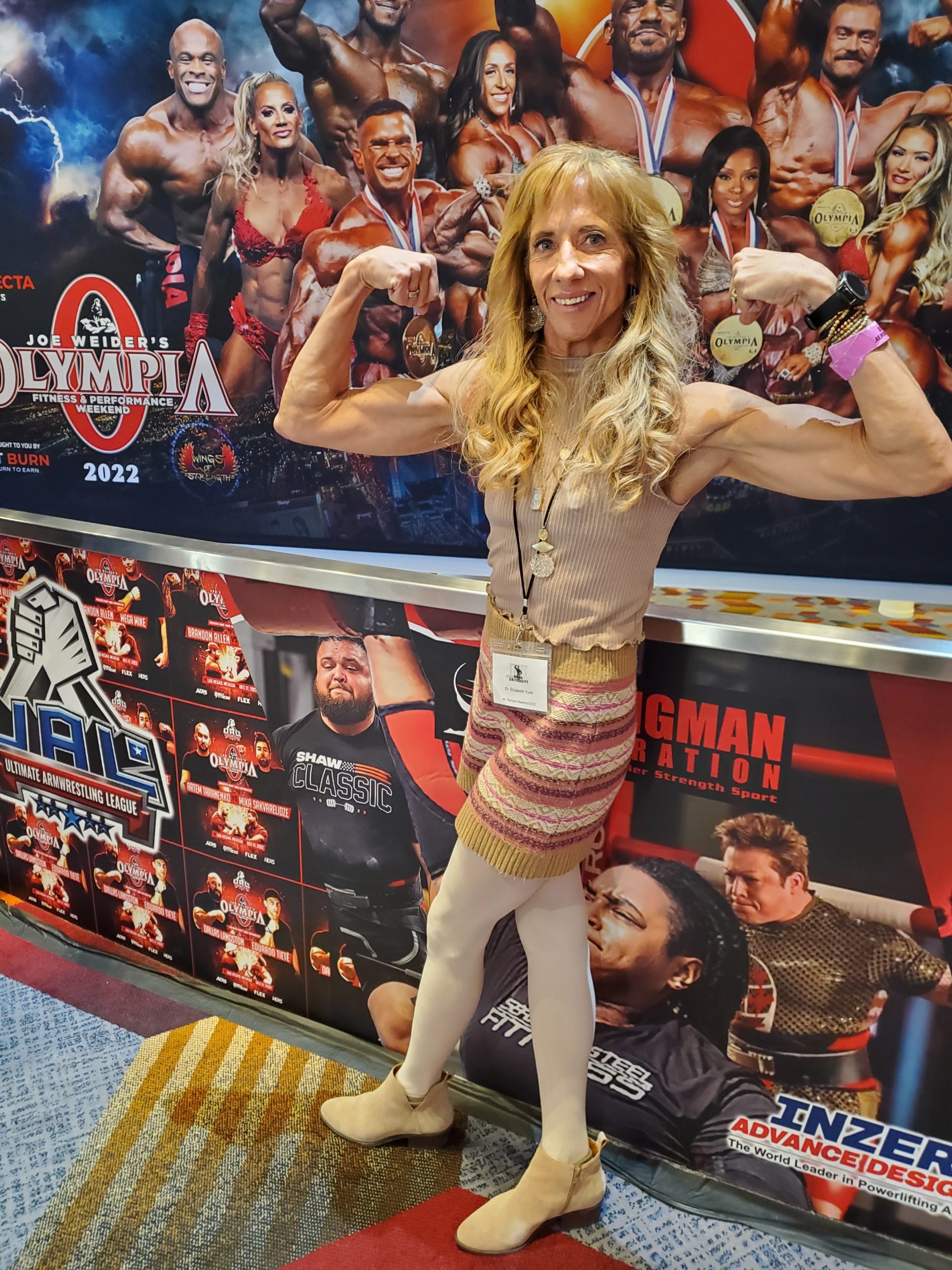


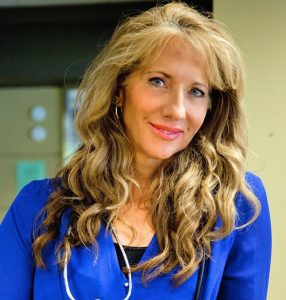
 Today, we’d like to introduce you to Elizabeth Yurth.
Hi Elizabeth, we’re thrilled to have a chance to learn your story today. So, before we get into specifics, maybe you can briefly walk us through how you got to where you are today.
I think I always wanted to be a doctor. It’s actually a bit odd because I didn’t come from a family of doctors. My dad was a geologist and my mom was a teacher.
In fact, my dad had an innate distrust of doctors – and perhaps he was right since his avoidance of doctors allowed him to live a long and healthy life until age 92, after being a bit worn down caring for my 96-year-old mom as she progressed with dementia in the last few years of her life.
As for why I went into orthopedics originally and then found my way to regenerative and functional medicine, I think it was largely because we grew up in a very active family. Then when I was 21, I tore my anterior cruciate ligament (ACL). I would go on to tear my ACL three more times before the age of 35. After the fourth time, I finally just stopped fixing it with surgery. I also had watched my dad suffer from knee problems his whole life.
I vividly recall his knee locking, and I’d have to be the one to “pop it back into place.” By the time he passed away, his knee pain had turned an extremely fit and athletic man into somebody who could barely walk. Watching this demise terrified me. I think it was a combination of watching my dad be his own doctor and not understanding why some people were more prone to injury that led me down the path I pursued in medicine.
Honestly, I never remember not wanting to be a doctor. Over time, I became increasingly frustrated with patients coming back again and again with the same pain in their back or joints. It became apparent that despite my best efforts, I was merely patching them together – never fully recovered – rather than truly fixing the problems causing their pain.
They were well enough to go on their way, but it was only a matter of time before they came back into the office with the same joints or other joints hurting. Yes, people would “get better” to some extent, but they were never back to “good as new.” And the saddest part is that this was/is just the accepted reality – the norm for orthopedic medicine. As one of my old partners often said, “After 50, it’s just patch, patch, patch!” I knew we were missing something!
So, thirteen years into a successful and comfortable career, I came to the realization that I needed to fundamentally change the management of my patients, especially the ones coming into my office again and again or the young people with injuries that we would fix and then would see years later with early arthritis and pain.
The problem couldn’t just be with their joints or they “should be better by now.” So, I started to look beyond their back, knee, or shoulder and started to evaluate their health in general. If we could make the body healthy, could people heal completely and avoid the chronic decline we have come to expect with age?
We all face challenges, but looking back, would you describe it as a relatively smooth road?
This has not been an easy journey! I had a very busy, well-established, and financially successful orthopedic practice. But I finally realized that if I was going to do what was right, I must leave that behind and take the leap into something different.
I also had to admit that so much that I had learned and done after 12 years of medical school residency and fellowship was simply wrong and often did more harm than good. That is NOT easy! And most of the traditional doctors do not want to hear that! So, I battled the status quo, found like-minded people to learn and train with, and have never looked back!
Great, so let’s talk business. Can you tell our readers more about what you do and what you think sets you apart from others?
Boulder Longevity Institute (BLI) was born out of the need to practice better medicine. Working as an orthopedist in a traditional healthcare practice, I saw how the limitations imposed by traditional models of care led to a fragmented and single-minded approach to treating patients that was neither fulfilling nor effective.
It takes, on average, 17 years for the latest science and research showing safety and efficacy to make its way to clinical application – and by that time, much of what was learned is already outdated. BLI believes in bridging that gap by offering our clients the most cutting-edge, science-backed treatment options in a guided, clinical environment.
Our goal at Boulder Longevity Institute is to teach people how to take control of their own health. Too many people believe that their doctor has the answer without any knowledge that often what their doctor is recommending is not necessarily the best option. We are teaching people to read their own labs, analyze data, learn the newest research, and challenge the status quo!
In our clinic, we call people clients rather than patients because we believe that we are consultants working alongside people on their health journey. In our online learning arm, “The Human Optimization Academy”, we aim to share this knowledge and education with as broad an audience as possible. We are changing medicine by empowering people to be their own advocates and come prepared with science and research to ensure they are getting the best care options available.
From using the most innovative techniques to help an injured or arthritic joint, to our work with people dealing with complex disease states regain health, to optimizing the health and performance of high-level athletes and longevity enthusiasts, Boulder Longevity Institute has become a worldwide leader in bringing “health” back to “healthcare”!
We’d be interested to hear your thoughts on luck and what role, if any, you feel it’s played for you.
My son and I were just talking about parables, there’s an old Chinese parable about an old Taoist farmer who lost his horse. The name the parable is traditionally known by is “The Parable of the Chinese Farmer.” The parable itself speaks toward the old Taoist view of “fate” and the importance of maintaining a humble and open-minded view of our experiences, recognizing that what we may perceive at first to be, say, a streak of good luck may turn out not to be, and what we initially perceive to be “misfortune,” or a curse, may, in fact, prove, in the end, to be a blessing.
My life has certainly followed this parable as very often what pushed me to do something life-changing seemed at the time to be such a hardship! We all need to remember that the challenges we face in life are what so often give us our insights, strength, resilience, and wisdom to change.
Contact Info:
- Website: www.boulderlongevity.com
- Instagram: @dryurth @boulderlongevityinstitute
- Facebook: @Boulder Longevity Institute
- Linkedin: @dr yurth