



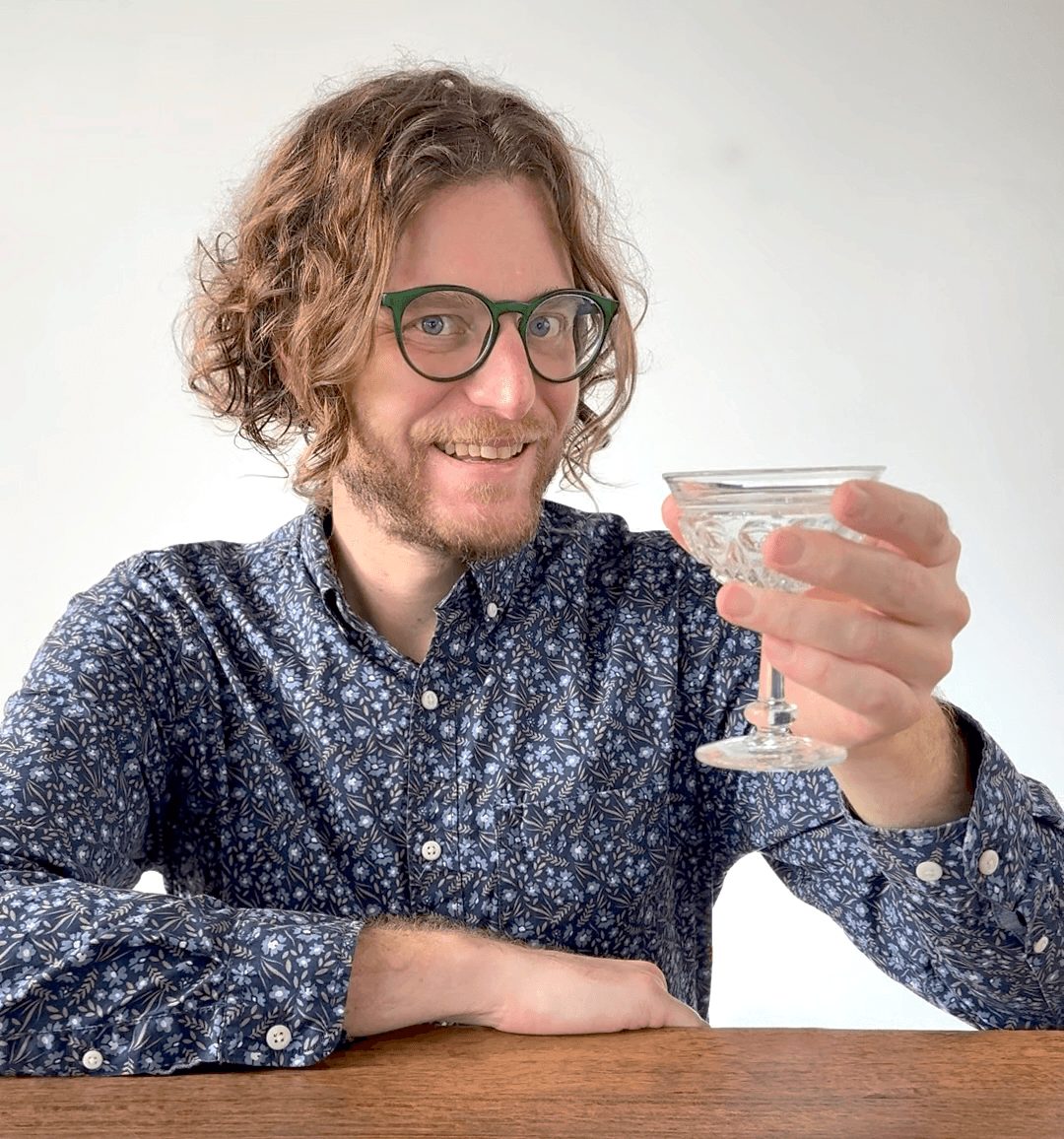
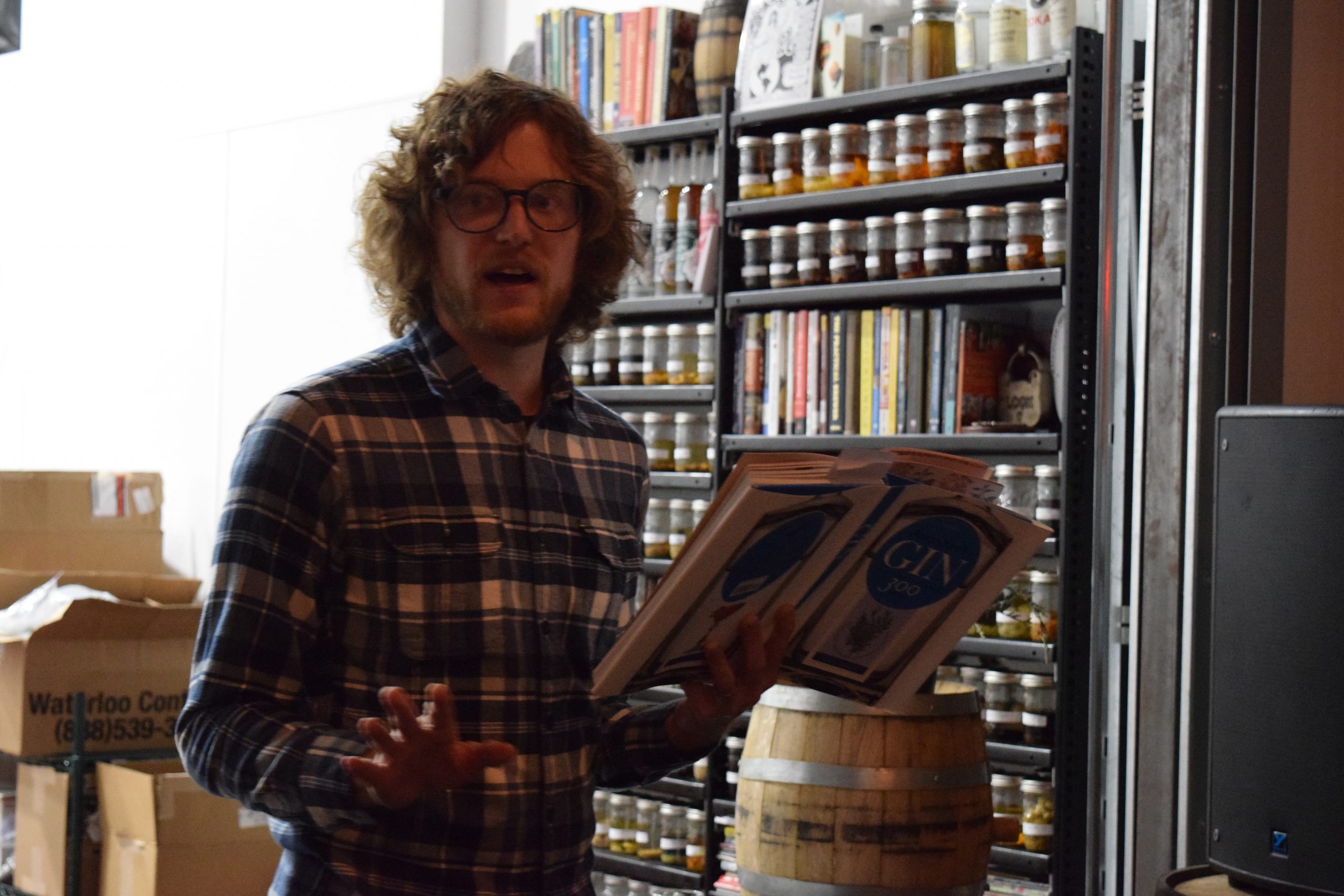
Today we’d like to introduce you to Aaron Knoll
Aaron, we appreciate you taking the time to share your story with us today. Where does your story begin?
I started The GIN is IN as a blog back in 2009. I was initially inspired by a bartender in my hometown of Buffalo, NY who introduced me to gin. My goal at the time was simply share my experiences and inspire others to try gin.
But a funny thing was happening across the United States at that time. Many states were inspired by the success of brewing, and began to loosen prohibition-era laws making it easier for entrepreneurs to open distilleries. The most popular spirit these new distilleries wanted to make? Whiskey. But Whiskey takes time to age. In order to keep the doors open until their whiskey was ready, these new distilleries looked to spirits that didn’t require aging. Many of these distilleries turned to gin.
This is where my story really began— these new United States distilleries began looking for someone who knew and understood gin. It was through my site that distillers found me and reached out to me simply as someone who has tasted and tried a lot of gin. However, I would say this was also a turning point where I moved from merely a writer, to building connections within the distilling community and getting involved with those directly making the gins.
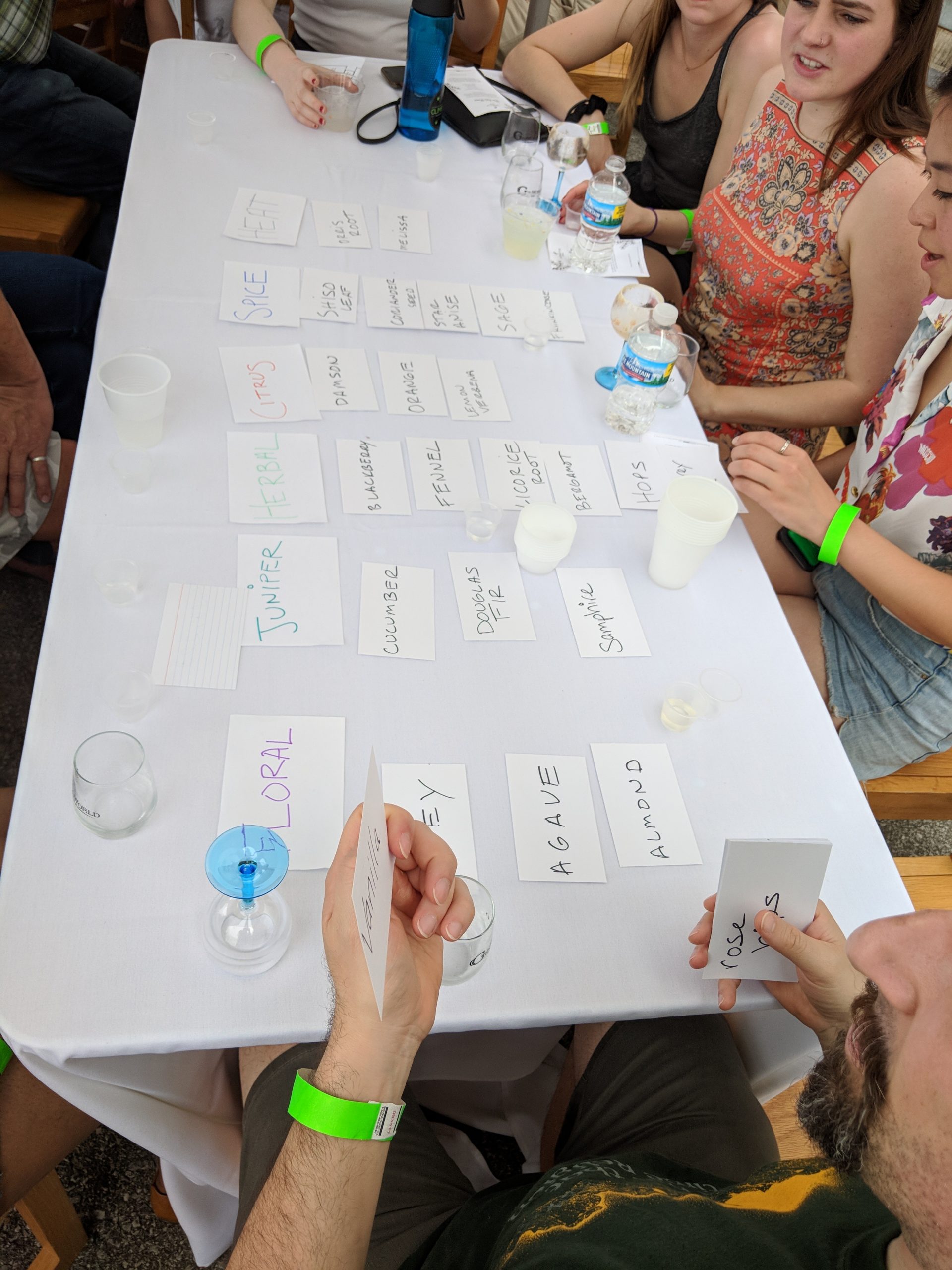
My site began to evolve at this time as well. As my site grew, I began to talk more and more with people who enjoyed gin. I began to notice a disconnect between how everyday people talked about flavor and how distillers talked about the flavor of their gins. Distillers would talk about ingredients— take lavender for example. What might it taste like in a gin? Depending on how the distiller treats the lavender, it might have a floral character, it might have herbal facets, or it might even have fruit flavors. In short, it’s complicated.
When everyday people talked about flavor, they often focused on these general characteristics. They’d say the gin tasted like a lot of citrus, not the bergamot the distiller used. They might say it tasted a little bit like baking spice, but not dive into the cardamom and cassia. Through research into how people talked about gin, I created a way of mapping the flavor of gins through the language people used. I saw it as a bridge between the complex science of how distillation creates flavor, and the ordinary everyday language that people used with friends to describe what they were tasting.
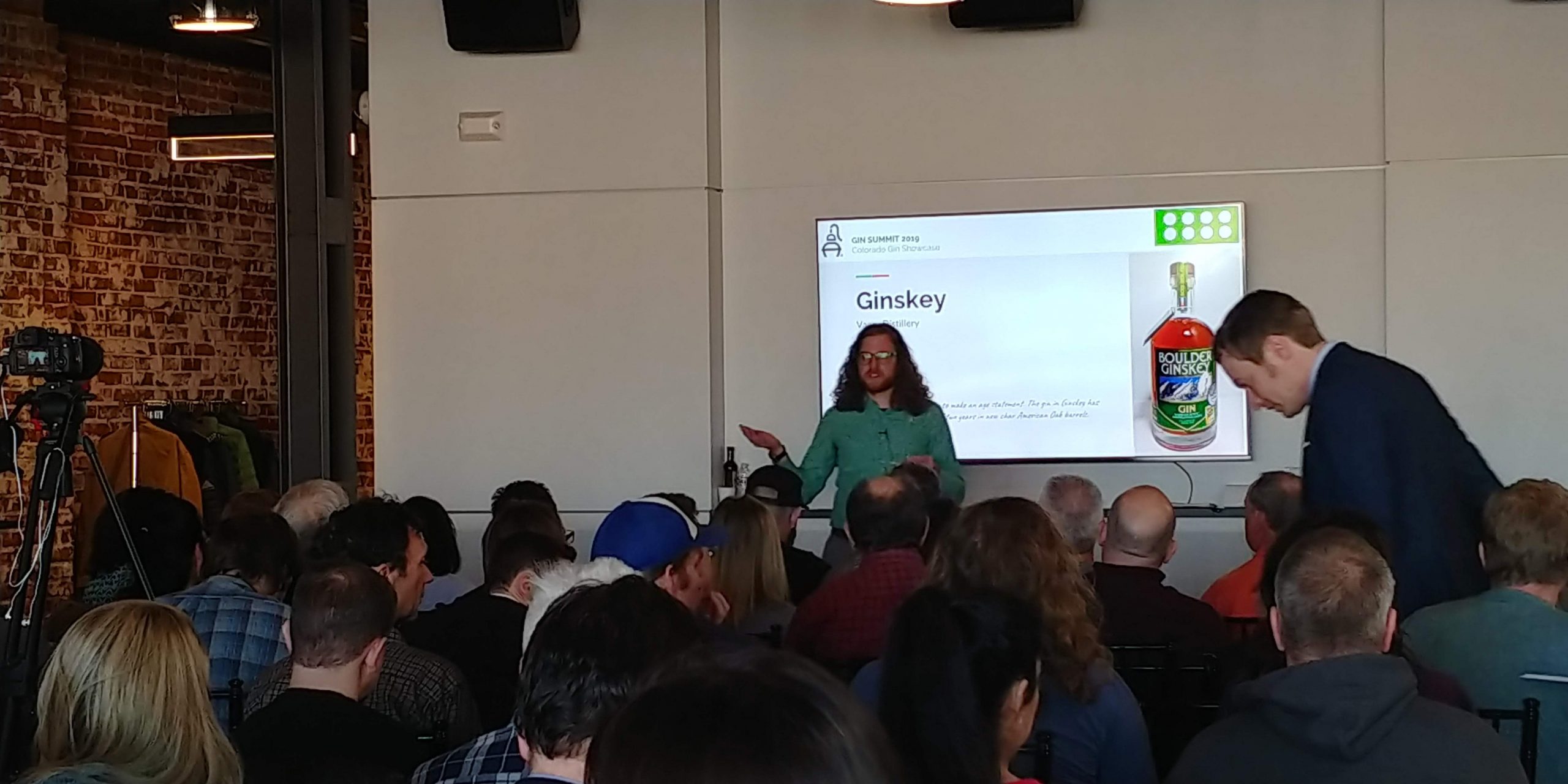
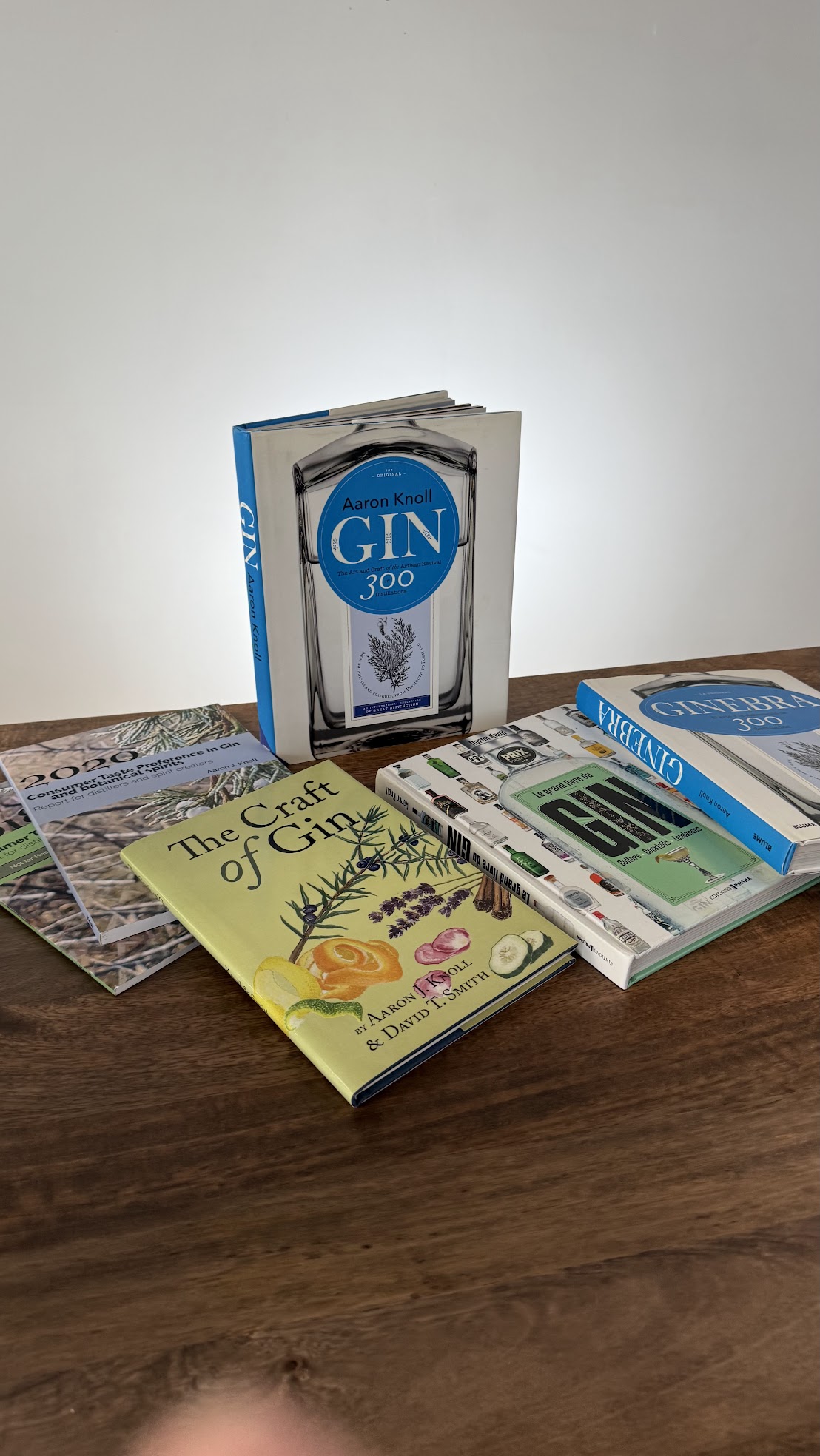
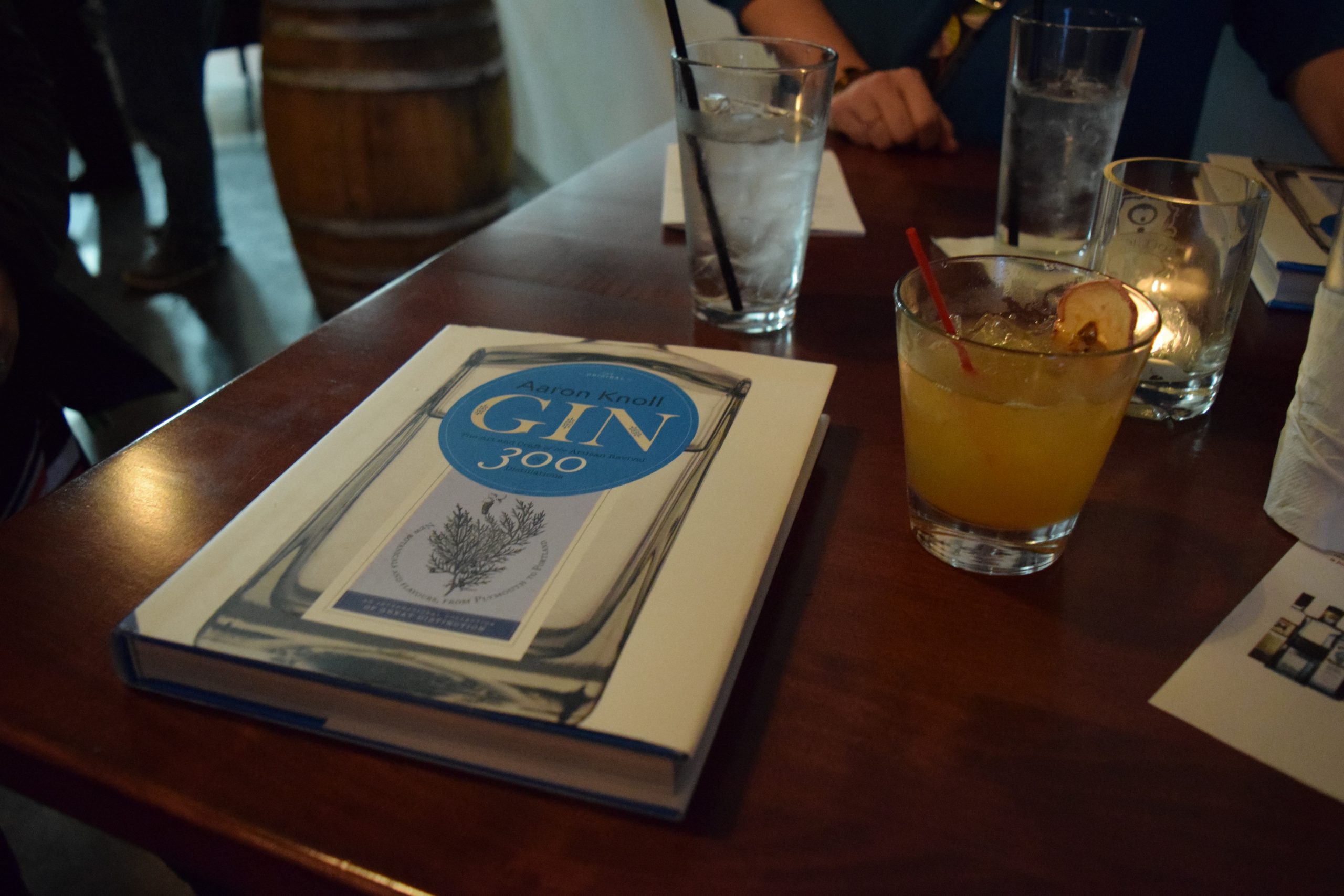
This has led to two things that I do today. The first is my work as an author and writer for fans of the spirit. I write about the history of gin and describe flavor in clear everyday language. My most recent consumer book Gin: The Art and Craft of the Artisan Revival was translated into seven languages.
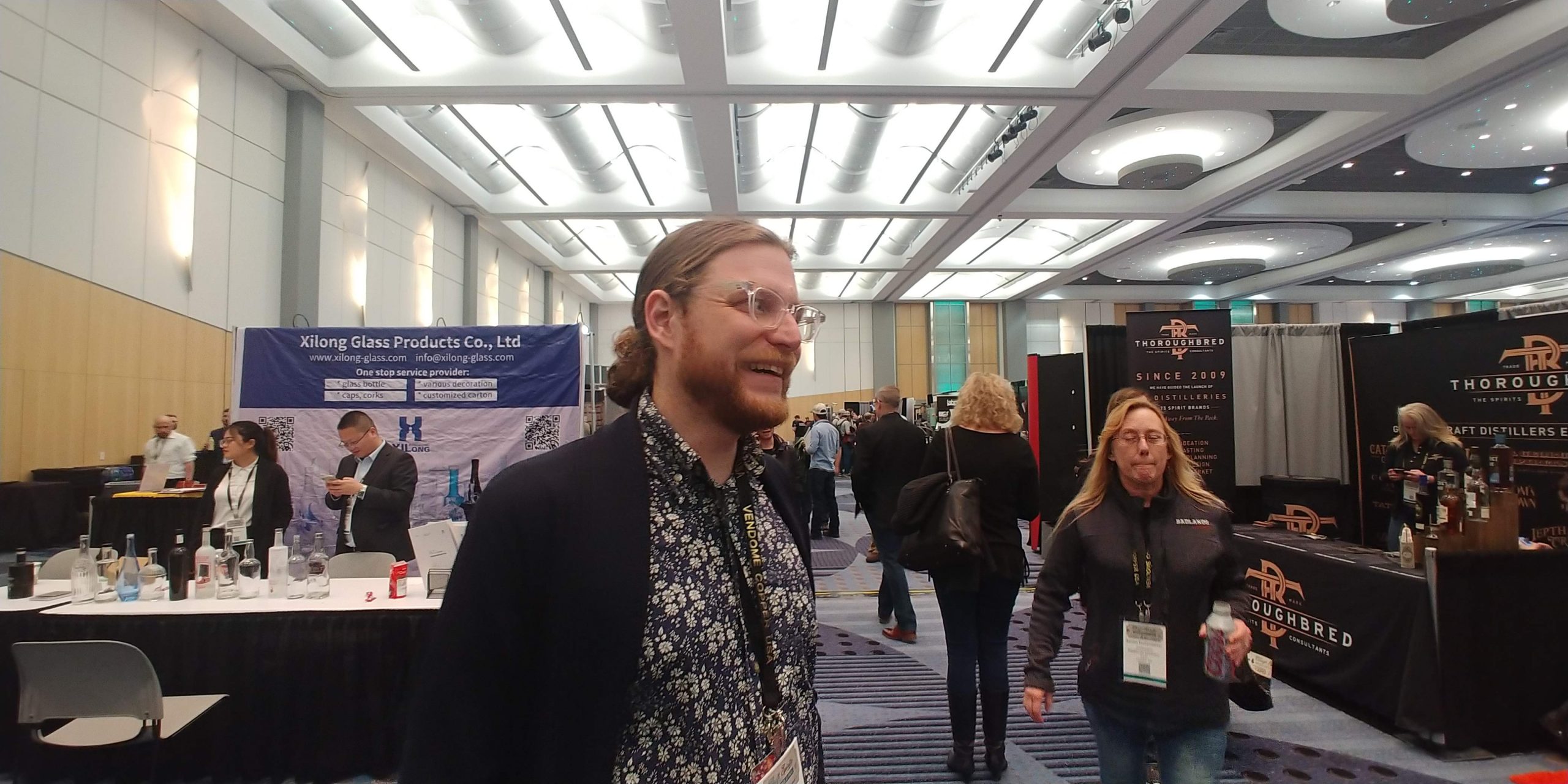
The second thing I do is work with disitllers. My work regularly appears in industry publications like Artisan Spirit, and I publish research reports for distillers on trends in gin production, helping them design spirits that meet market needs, as well as consult with brands developing new products.
In short, it’s been a complex winding journey from writer with a passion for juniper-flavored spirits, to becoming a recognized international authority on gin— even being inducted into The Gin Guild in 2019 for my work as a writer and educator.
Alright, so let’s dig a little deeper into the story – has it been an easy path overall and if not, what were the challenges you’ve had to overcome?
My dad likes to joke with me, “Aaron, why couldn’t you have been a whiskey writer!” But in all seriousness, my family has been supportive throughout this journey, even if they prefer other cocktails.
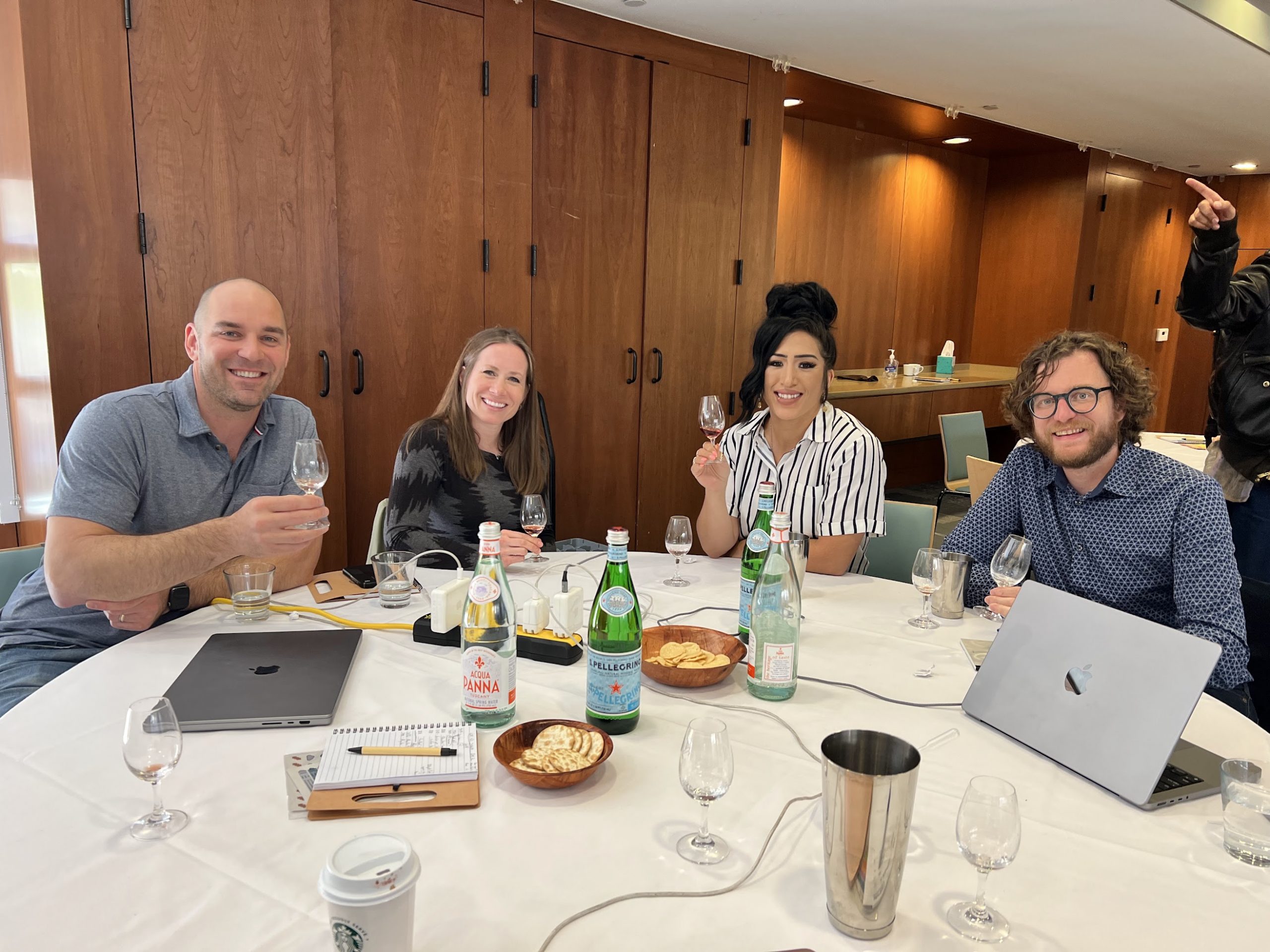
Writing and consulting can be challenging job even in the best of times. Throughout most of the last fifteen years, save a couple brief moments where I focused exclusively on books (like right now in Winter 2024!) I’ve often had to have another job. Fortunately, I’m passionate about research and have found joy as a UX Researcher— but it can be challenging to find the time to dedicate to the work I love to do. For example, I judge spirits at international competitions. I often take “vacation” time to do this work, but have to joke with people that it’s not really a break.
Of the many challenges of 2020, the one that haunted me the most was a prolonged bout with anosmia. As someone whose work relies on their sense of smell, it was humbling to be out of writing for so long. People were beginning to think I had quit the gin game. But it’s not just covid that can interrupt my work. Allergies? yep. A common cold? you know it. Relying on your senses in that way means you can’t always control when you’re able to do your work!
Appreciate you sharing that. What else should we know about what you do?
What I’m best known for (and most proud of) is my work bridging the gap between the sensory/perceptual language of everyday people and the technical work of crafting spirits.
{Aaron’s note: I told the story of this in my introduction!]
Who else deserves credit in your story?
Early on in my career, I received a call from a UK phone number. Another gin enthusiast— another gin writer!— found my resume on my website and called me out of the blue. This was one of the best unknown number calls I ever chose to answer.
The person on the other side was David T. Smith, a now spirits consultant, historian and speaker who began his career specializing in gin. Our first book was The Craft of Gin, that we co-authored together in 2013.
My wife Kate Garrigan has been there with me since the very beginning. Throughout this journey, she’s not only been a strong supporter, she’s been my first draft editor for all of my books, articles. She’s also been a good sport about the hundreds of bottles of gins that I’ve amassed over the years.
Contact Info:
- Website: https://theginisin.com
- Instagram: https://www.instagram.com/theginisin/
- Facebook: https://www.facebook.com/theginisin/
Popular
-

The Trailblazers: Rewriting the Narrative
-

Hidden Gems: Local Businesses & Creatives You Should Know
-

Denver’s Most Inspiring Stories
-

Designing Bold, Lived-In Spaces: How April Stites Is Blending Artistry and Function in Modern Home Design
-

Shaping Strength and Stillness: Carlos Flores on Craft, Culture, and a Life Worth the Effort


