

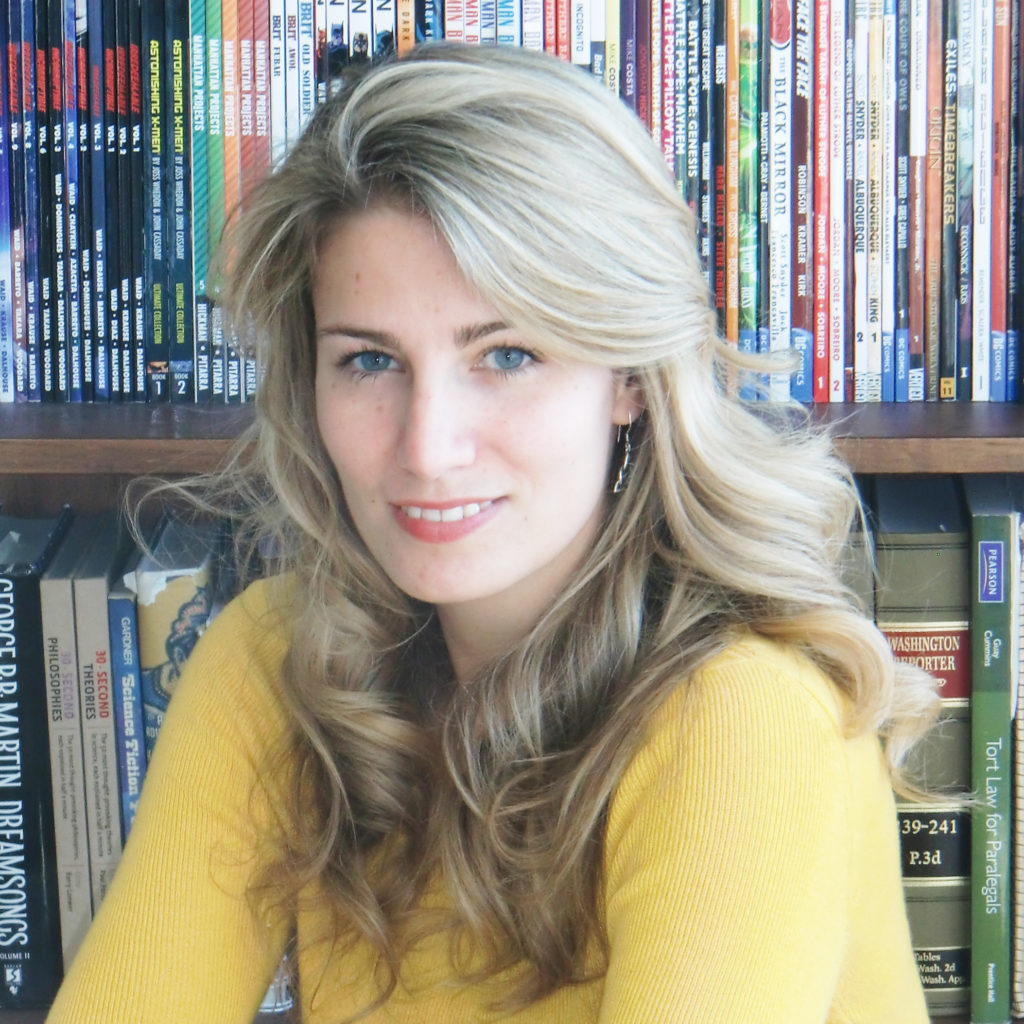
Today we’d like to introduce you to Dani Hedlund.
Hi Dani, please kick things off for us with an introduction to yourself and your story.
My journey started in a tiny little farm town called Elbert, in the middle of nowhere Colorado. First through twelfth grade were all housed in the same asbestos-riddled building, with a little trailer out back for pre-school and kindergarten. It’s the sorta town where everyone knows everyone, and goodness, are they opinionated about who you should be and what you’ll amount to.
For me, an awkward kid who got stuck in special ed in second grade—for my complete inability to read, let alone spell—what I would “amount to” seemed to be very little. Add to that my father’s addiction and eventual overdose, and those stories went from “you’re stupid and you’ll never be anything” to “you’ll end up an addict, just like your father.”
But, lucky for me, I had a couple teachers who took a chance on me. And when I finally cracked my struggles with reading, these teachers—combined with my family and found family—heaved books and ideas on me in the dozens, encouraging me to question the stories other people told about me and to be brave enough to tell myself something different. By exploring those books, those ideas, I started to think that I could be smart enough, strong enough, to have a different path.
Thus, I got out of that wee town. Which took me to the University of Northern Colorado and then the University of Oxford, where I was suddenly no longer the special-ed kid, or the future addict, but a top student. Someone prized for her intelligence and grit. I was gonna make it.
However, I wasn’t taken with the accomplishment, but instead how close I came to never getting out. To never having those few authority figures help me question my path. Who gave me the books that unlocked my future, both through the hard education skills I developed to get a scholarship, but also the ability they gave me to think differently about my own story, about who and what I could be.
So, at the age of nineteen, I changed my story again. I wanted to be the sort of person who helped other people, just like my teachers had all those years ago. If powerful books and stories and a few authority figures who had faith in me were what turned my life around, surely, I could help do that for other people? People in far worse situations than mine.
I knew next to nothing about nonprofits, I had barely 100 bucks to my name, but I was determined to try…
Can you talk to us a bit about the challenges and lessons you’ve learned along the way. Looking back would you say it’s been easy or smooth in retrospect?
To call the road rocky is a laughable understatement. But there’s something incredible about starting a nonprofit when you’re a teenager: you have this magic combination of passion and naivety. You don’t know how hard it’ll be, how much the world won’t care about your cause, how little sleep you’ll get, how quickly and horrifyingly each dollar you raise disappears. You always think “just a little longer, just a little longer and it’ll work out.”
So I worked bartending jobs on the side to burn money at the fledgling nonprofit. I got my a*s handed to me over and over again by 501(c)3 filing requirements and failed repeatedly to form the right team (for anyone who has done a grassroots effort, you’ll know the pain of motivating a volunteer team and transitioning that into a stable endeavor).
But we kept at it. We grew. We learned from utterly failing. And the organization started to, well, become an organization. Nearly a decade ago, one little intern joined our team who would rise up the ranks to join me in the C-Suite, a lassie with the unique ability to actualize all our big thoughts into finely tuned projects and programs (hi Helen, you wonderful rockstar). We found people who had the same power and empathy in the classroom that made our work so impactful, and we unlocked the ability to scale. Students went through the program and loved it so much that they joined the team, first as student advisors and now as key staff members.
The mission came to life, with the right people, the right curiosity and heart and stubbornness, and the right drive to not just work for the community, but WITH the community.
We still hit roadblocks—and goodness did Covid test that resolve, from the rapid disappearing act of our funding to bookstores (where our products were sold) to prisons (where we taught in the classroom) closing—but we’ve become very adept at thinking outside the box. For example, the funding from a literary tarot deck saved our nonprofit during the pandemic.
There will be more obstacles, but with enough stubbornness and innovation, we’ll be ready to tackle it together.
Appreciate you sharing that. What should we know about Brink ?
At Brink, we use storytelling as a powerful tool to change the lives of people living on the brink.
Growing up in that low-opportunity, low-income farming town in Colorado, it became clear that it wasn’t just low opportunity—or even poor education—that was holding members of the community back. These outcomes were largely impacted by the stories people told about themselves: that they were stupid, worthless, that they would never amount to anything.
I founded Brink to help individuals and communities tackle these personal narratives and the mental health, educational, and economic struggles they feed.
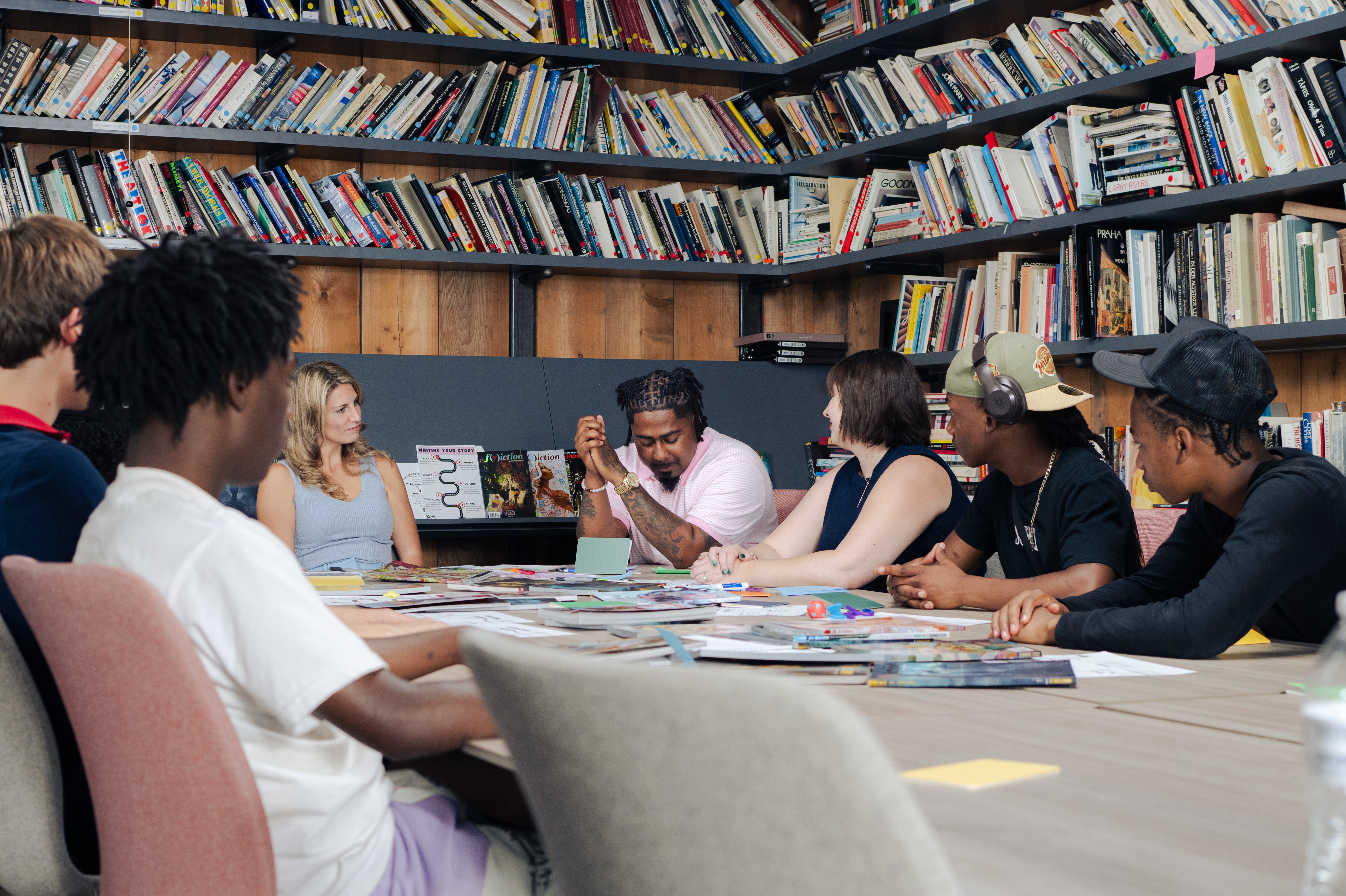
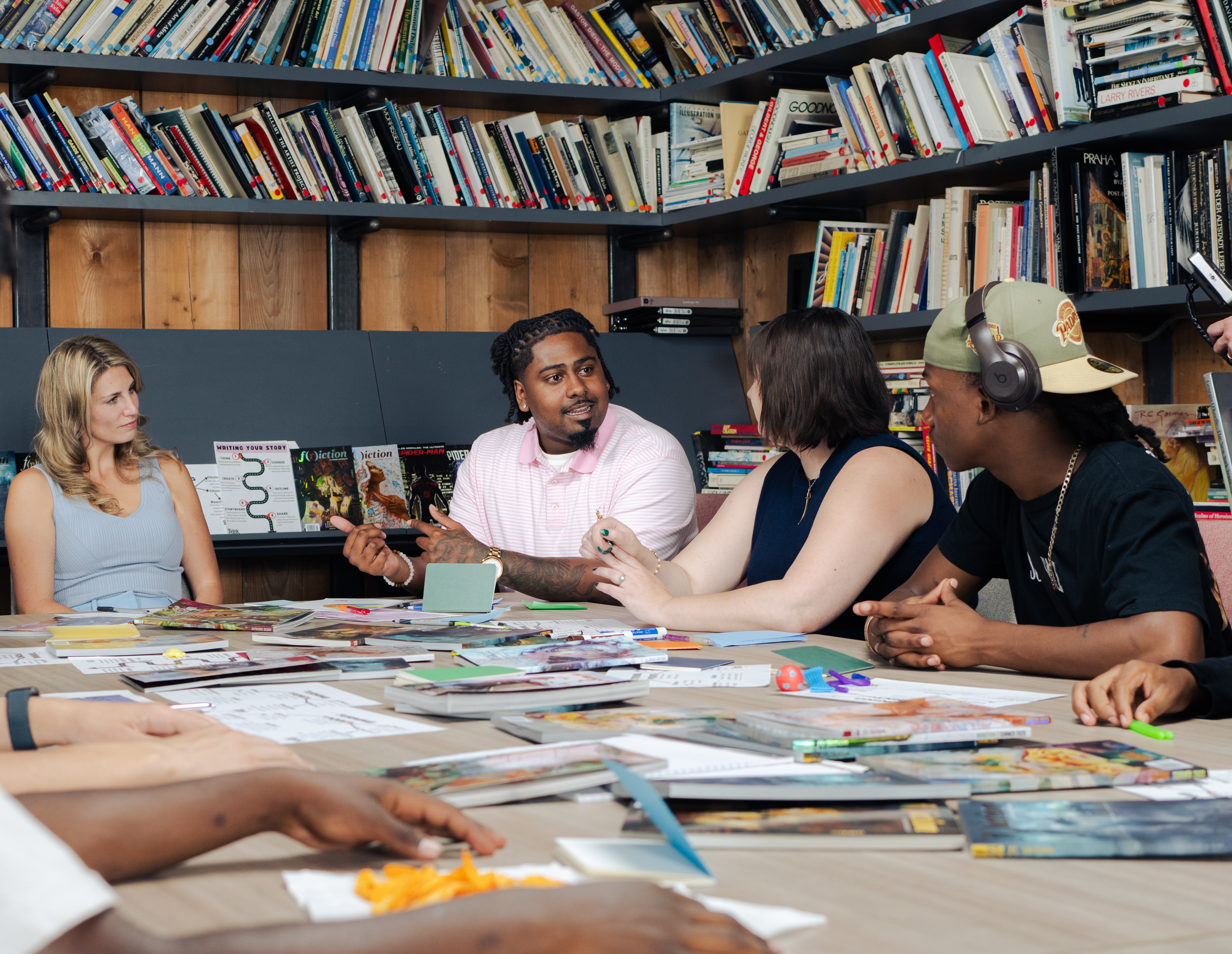
Working with students at the highest risk of falling through societal cracks—particularly within the incarceration pipeline—our programs harness the power of storytelling to holistically tackle the internal, personal and external, societal barriers that hold our students back. In particular, we seek to destigmatize mental health therapy, reshape positive internal narratives through individual and group sessions, and equip our students with the vital personal and educational skills needed to live happy, self-sufficient lives.
On the strength of this mission, our programming has grown from one course offered in Denver Women’s Correctional facility to dozens of classrooms across the state. Working with a wide range of community partners—including the CO Department of Corrections, Denver Public Schools, charters, libraries, Women’s Bean Project, The Other Side Academy, Community Anchor Academy, and many more—our students come from all walks of life, with a particular emphasis on BIPOC, justice-impacted, LGBTQ+, and English-language learners.
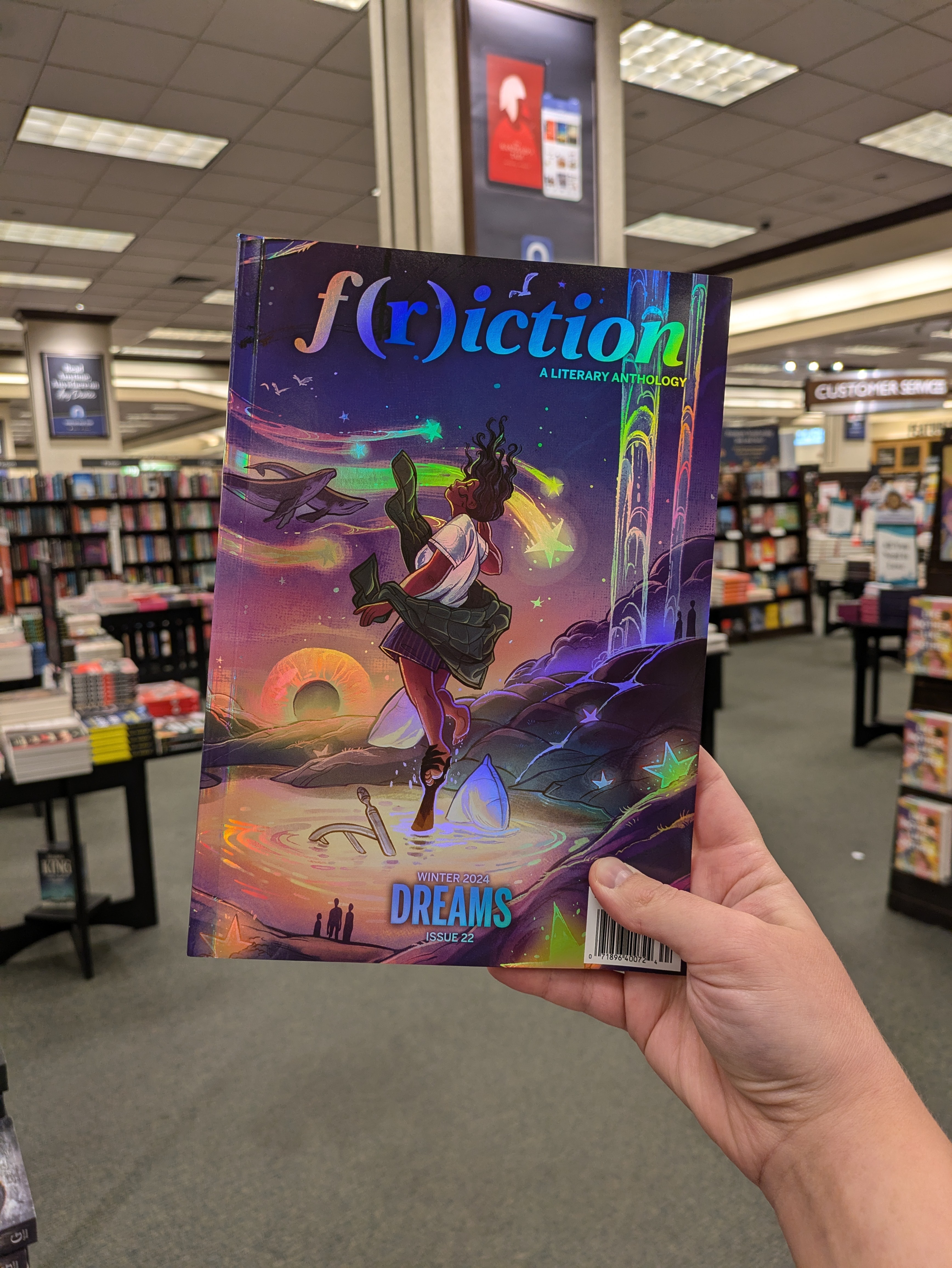
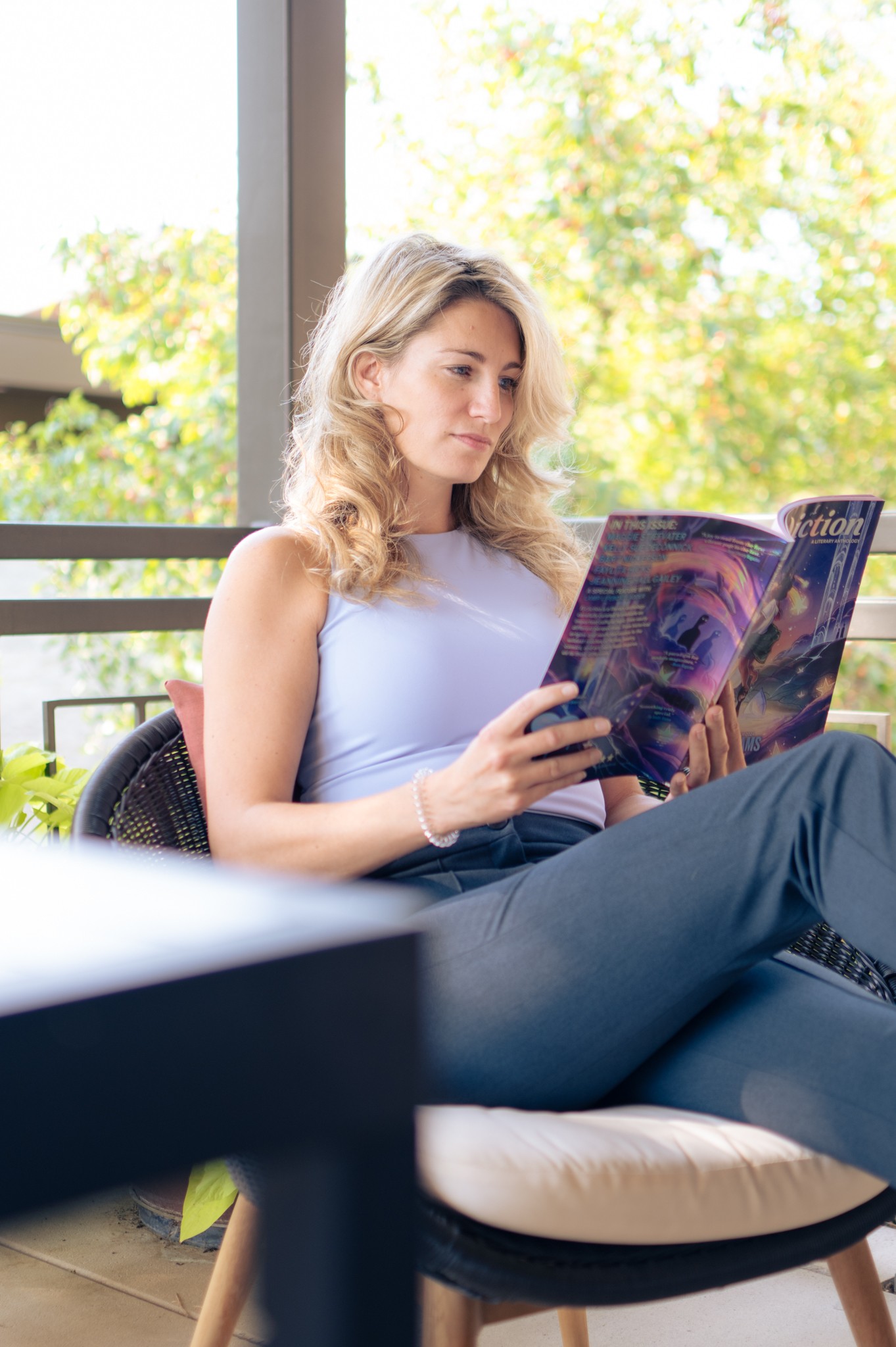
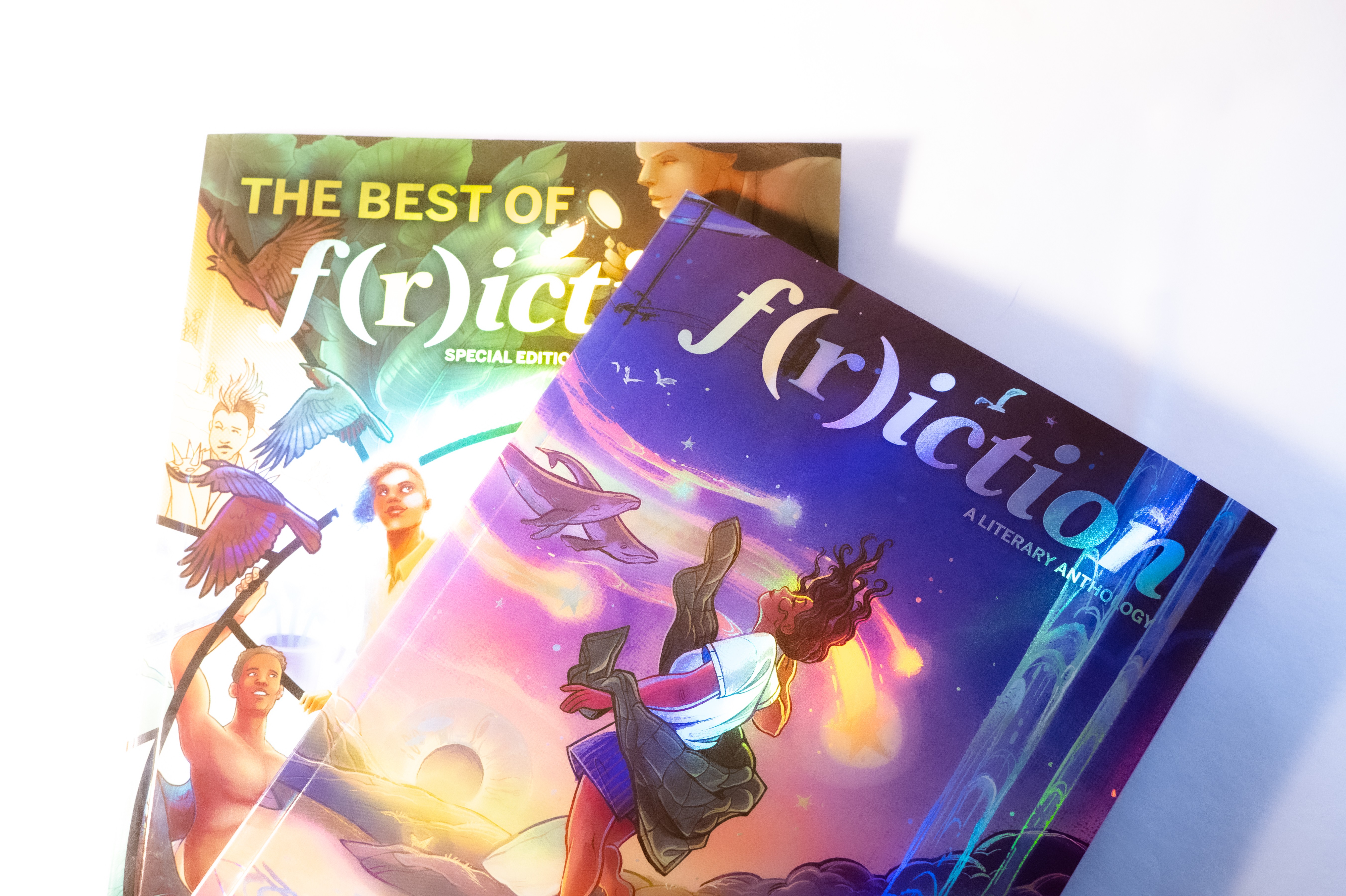
In order to create deep, lasting impact, we realized that we need to work beyond the four walls of the classroom. To do so, we mentor, sculpt, and publish the best of our students’ short comic memoirs directly into our curriculum through our critically acclaimed anthology publication, F(r)iction, the primary teaching tool in all our classrooms.
This part of our unique approach is particularly vital for our marginalized students who struggle to see themselves (or people like them) thriving in the media, let alone in their teaching materials. By using students’ stories as the cornerstone of our programming, our materials are powerful, accessible, and culturally relevant to reinforce positive narratives from the ground up. Thus, all our courses pair the education work in the classroom with wider elevation, raising our students’ stories to validate and share their experiences with their communities as well as a wide, diverse readership, building empathy and changing perspectives about incarceration, and ensuring future students can learn from and be inspired by the redemptive stories within their community.
We also elevate these stories locally (through community events) and nationally (through press, policy work, and national distribution of F(r)iction) to break down stigma around justice-impacted and marginalized populations.
What are your plans for the future?
We are in an incredibly exciting stage of growth an organization. As well as expanding across the state of Colorado into more classrooms and communities, we are also about to launch a new event series.
While we’ve had amazing success sharing our students’ stories nationally, particularly through F(r)iction (the anthology is read by thousands of readers across the globe, including national distribution with Barnes & Noble, thousands of subscribers, and a partnership with Edovo that places these stories in more than 1,100 prisons and jails across the US), in a recent feedback session, our students told us that they don’t just want to connect with fellow students and the population at large—they deeply want the opportunity to connect locally, with both their own communities and the change-makers who affect their day-to-day lives. As one of our students put it: “It’s cool that you guys and some big-wig senators know about these stories, but what about my teachers? Or people who would hire me? They don’t know what it’s like to not sleep on a bed at night or have enough food to eat. They don’t get how hard we have to work just to survive. And if they don’t get it, how will things change?”
As such, we’re launching an event series that will spark community engagement and elevate our students’ experiences, bringing together local communities, including our students’ families, teachers, and the local decision makers—legislative, educational, industry, and criminal justice leaders—who have significant power over the success outcomes for our students’ communities.
As more decision makers in our students’ lives engage with their powerful stories, we aim to harness this momentum to not only grow our programming but also spark the social change so needed in our communities.
Contact Info:
- Website: https://www.brinklit.org/