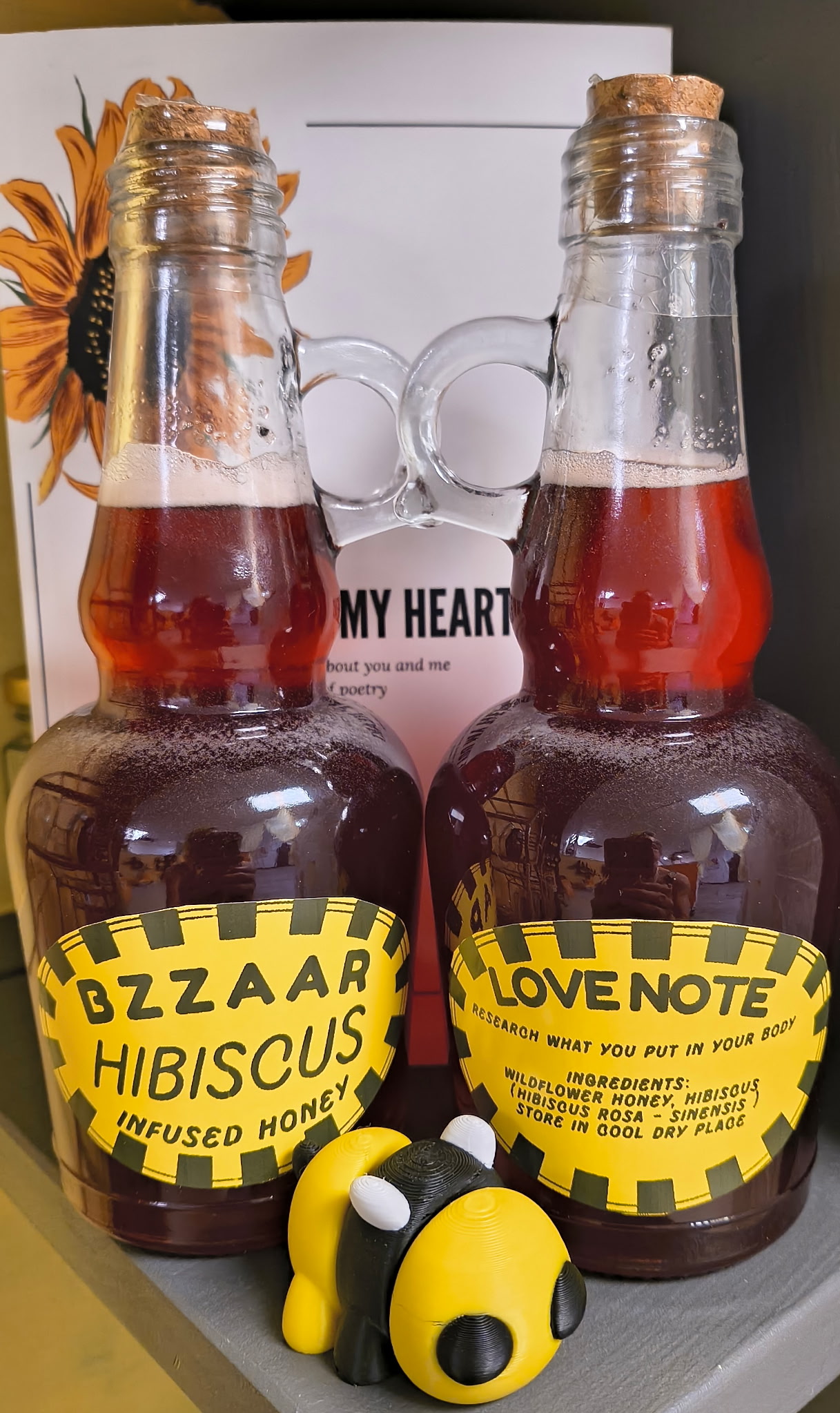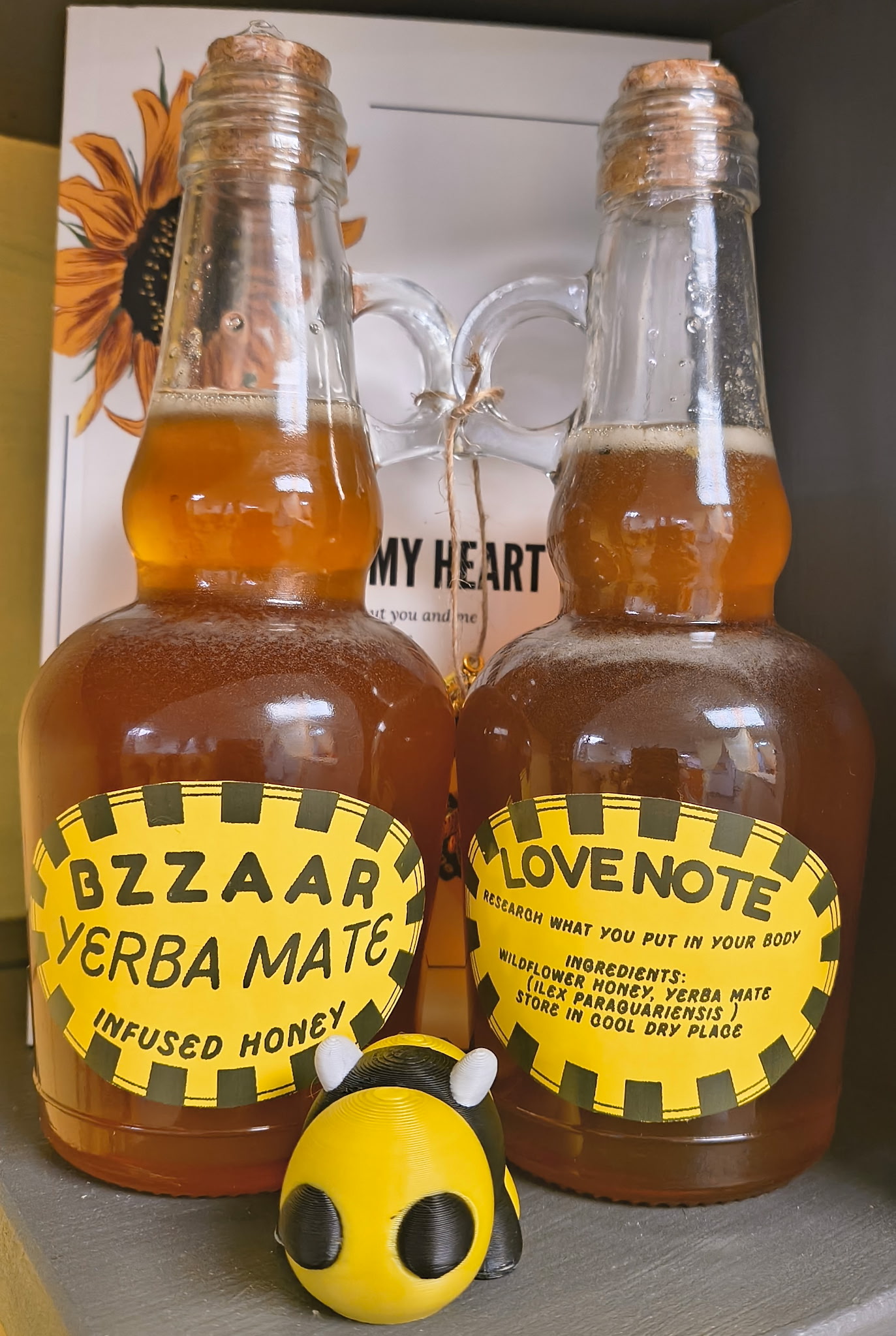


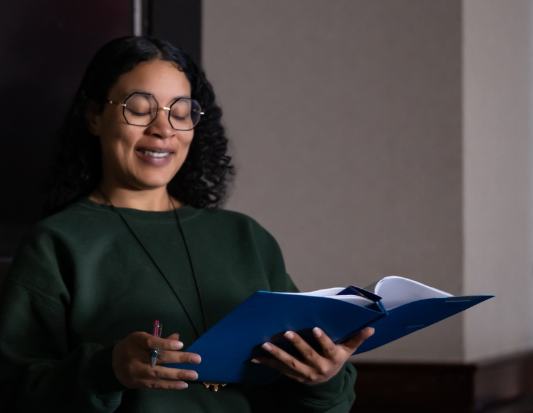
Mariam Molake shared their story and experiences with us recently and you can find our conversation below.
Good morning Mariam, we’re so happy to have you here with us and we’d love to explore your story and how you think about life and legacy and so much more. So let’s start with a question we often ask: What are you most proud of building — that nobody sees?
What am I most proud of building that nobody sees?
Myself. I’m most proud of building and rebuilding, myself in a way that allows me to receive the good in my life. Success. Love. Trust. The belief that the universe is conspiring with me and not against me. That’s been my biggest project, and for the most part, it’s been an invisible one.
A few years ago, I left a very promising career in insurance. I had everything people said you’re supposed to want: money, promotions, more responsibility on the horizon. I had jumped right into that career out of high school and immediately found success. On paper, it was the dream. But the truth was, I had spent my entire life in “go mode.” Always achieving. Always pushing through. Never fully processing. Never stopping long enough to notice my body was trying to warn me that something was off.
When I finally quit, not knowing what was next but knowing I couldn’t keep doing what I was doing, I got sick. Really sick. Throwing up almost every day. And being an emotional Pisces, of course I thought it was from my nerves. I thought it was from childhood abuse coming back to haunt me, especially since my daughter had reached the same age I was when certain things happened to me. Her body looked like mine did back then. It was all just… resurfacing.
Holistic healing found me because I couldn’t figure out what was wrong. I examined every part of my life like I was running a diagnostic: financially, I was fine. Occupation? I had already left the toxic job. My house? Not spotless, but not unlivable. Physically? I’ve always been thick.. genetically, ancestrally. But I hated my body. Spiritually? That’s always been my anchor. Emotionally? I was anxious. Socially? Outside of family and customers, I didn’t have any friends.
It was like playing a game of Sims. I had all the indicators of something being off, but couldn’t find the chair blocking the door. My inner bars were red, and I couldn’t figure out how to make myself “happy” again.
I realized I didn’t feel good in my body, and I didn’t like the way I looked. I had been cursing myself in little ways for years. Every time I made a mistake: “You stupid B.” Every time something went wrong: “I’m alone. The universe is against me.” I had been putting spells on myself without even knowing it.
And don’t you know, the devil is a lie. For someone who prided herself on being honest, I had been lying to myself for years. I was repeating things people had said to me and treating them like facts. I hadn’t formed my own opinions of the world—I was just trying to survive it. I was always the “therapy friend,” the wise one. But suddenly I realized how little I knew about myself.
So I went to the gym. I changed my eating. But I was still gaining weight. The workouts raised my cortisol, and the food was causing inflammation. My body was like, “Oh, we need this fat for protection.” Because fat is an organ. Fat is intelligent. And society has trained us to hate a very important organ.
I had emotional meltdowns. Full-on shutdowns. Weeks of not eating. Holidays spent in pain. ER visits with no answers. And still, I tried to figure out what was broken. But I wasn’t just physically sick, I was spiritually fragmented. I thought I was broken because of my body. Because I couldn’t hold down food or lose weight. Because even joy would translate to stress in my nervous system. Because of my childhood.
Eventually, I had no choice but to talk to my inner child. To stop calling myself names. To stop saying things I would never say to another person, especially not a child. I had to unlearn the belief that I was the exception to every rule. That no one liked me. That I wasn’t lovable.
I learned that yes—people didn’t always like me for how I looked. Girls who bullied me growing up admitted it was because of how “differently beautiful” I was. But that didn’t undo the years I had spent feeling ugly, or feeling like someone people wanted things from, but not love.
Every time I tried to love myself out loud, it cost me something. A friendship. An opportunity. So I learned to dim my light. I learned to be small. But my body? She refused to shrink. And the loneliness would echo in my head, louder than anything else.
The only constant was me. I was the common denominator. I had trouble being friends with women because eventually, they would hurt me. And it would cut deeper than any man ever could.
I realized: this identity I was holding onto? This was rubble. This was wreckage. These were lies I let the devil build in my name. Or maybe it wasn’t the devil, maybe it was just my ego. My ego didn’t want to change, because being a victim was comfortable. Trauma was familiar.
But eventually, I had to build something new.
I started believing in myself, not all at once, but piece by piece. I gathered evidence. Every compliment people gave me that I used to reject? I re-examined it. “You’re beautiful.” Well… maybe. “You’re strong.” Actually, yes. “You’re so smart.” I started to see it.
Everywhere I went, I was “the golden child,” “the favorite,” “the best.” And for a long time, I didn’t see that as a compliment. I saw it as a survival tactic, something I learned to keep my abuser from hurting me. If I could make her laugh, I didn’t get hit. I didn’t get worse. So I became a master of charisma, just enough to be safe.
Reading The 48 Laws of Power made me cry. Not because it was new but because I had already lived those laws. I learned them in the trenches. I lived with the consequences of breaking them as a child. That book just gave language to what my spirit already knew.
So yes, I am proud of what I’ve built. But not because it’s flashy. Not because it’s on display.
I’m proud because of how quiet it was. How internal. Because of how often I wept and rocked myself to sleep. Because of how many times I had to crawl through healing, moment by moment, breath by breath.
The people around me just see the results. But they don’t see the black mold I had to clean from the inside. They don’t see the squatters I had to convince to help me rebuild. My egos, my shadow selves, all the parts of me that were trying to survive.
I’m in a Personal Year 4 now, which makes sense. Structure. Foundation. The past four years—starting in a 1 Year—have been a journey of complete inner transformation. My Saturn Return came in hard. And it all felt like everything was breaking down at once.
But I didn’t give up. I took it moment by moment. Brick by brick. And now, the building that is me isn’t empty. It’s sacred.
And that’s what I’m most proud of, because that is the work no one sees.
Can you briefly introduce yourself and share what makes you or your brand unique?
Hi, I’m Mariam, and I’m just a human.
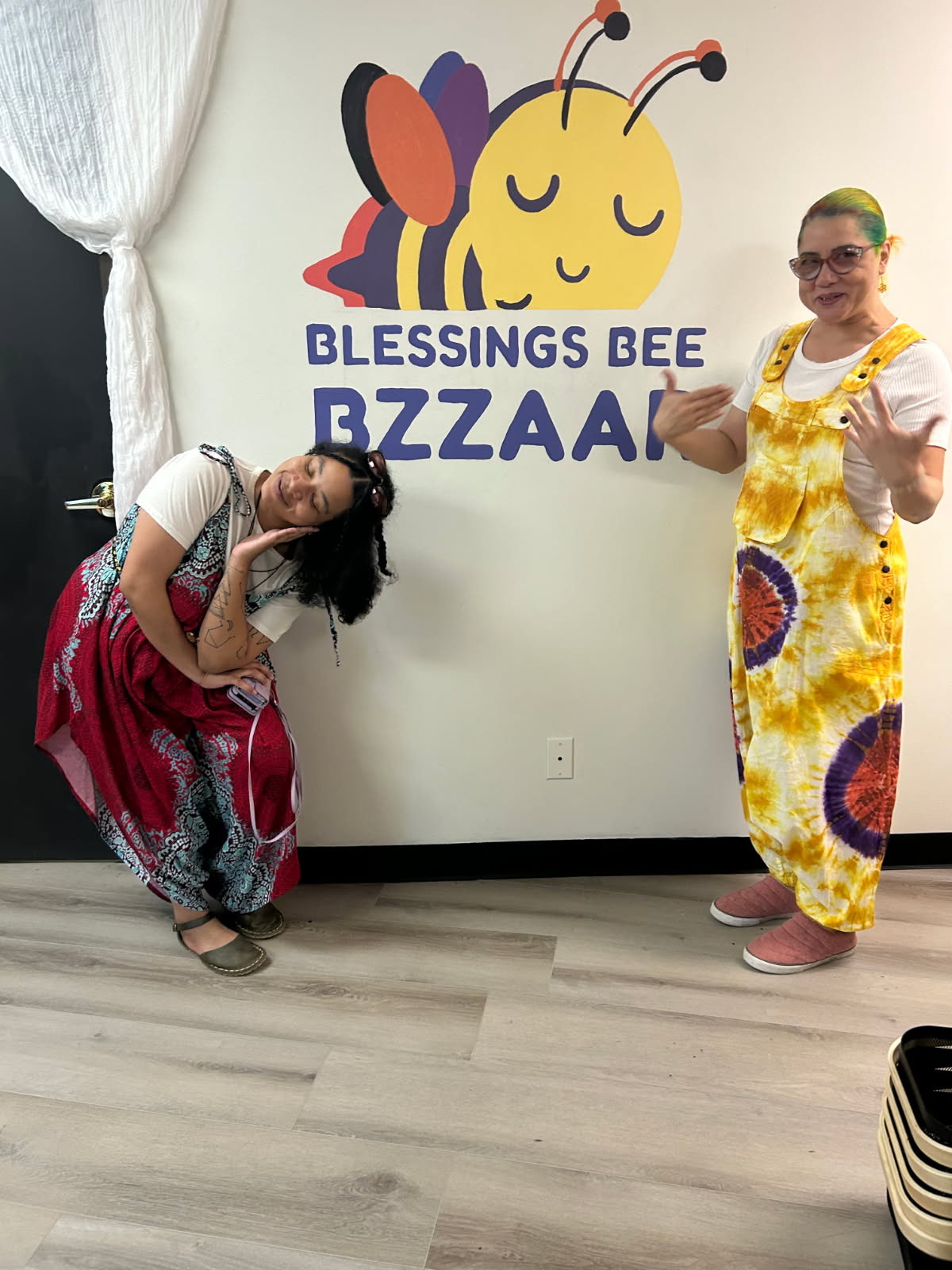
But I do a lot of things. I make music. I make short films. I work with my mom. We co-own a little magical space called Blessings Bee Bzzaar, and honestly, these interviews are one of the few times I actually talk about myself. I’m better at answering questions than starting conversations about what I do—because honestly, it kinda depends on the day. Some days I’m up and out, creating and connecting. Some days I’m just doing the bare minimum. That’s real.
So yeah, me and my mom run this shop together. We sell herbal-infused honeys and also host other vendors who make shrinkage-free gifts (it’s a joke, but also, kind of true). Every vendor in our space has been with us since before our rebrand, when we were still called The Broom Circle. We recently moved into a new location, inside of what used to be an office building, and we turned it into something weird and wonderful. The space used to be a virtual receptionist center, but now it’s a chakra colored marketplace, with each cubicle transformed into its own little shop. We call it a bzzaar on purpose—because it is bizarre. And we like it that way.
Each cubicle is aligned with a chakra and curated like a little world of its own, inspired by the energy of that color. It’s still evolving, just like we are. Just like she did, transforming from The Broom Circle into Blessings Bee Bzzaar. That transformation was a labor of love. My mom and I have a history of taking overlooked spaces and filling them with life and color and weird little beauty. It’s just kind of in our blood.
My mom’s name is Melissa, which literally means “honeybee.” And she’s the reason I ever got into insurance in the first place, right after high school. She vouched for me, got me an interview, and that changed the trajectory of my life. I killed the interview. I got the job. And from then on, we worked side-by-side for years. Still do, honestly. Even now, whether it’s in the business or co-parenting our family ecosystem, we’re always building something together.
Working in insurance taught us how to communicate clearly and kindly about complex, boring, intimidating things, like indemnity and deductibles and uninsured motorists and all the stuff most people hate dealing with. We worked at a nonstandard insurance company. That means our clients weren’t just coming in for basic policies. They were coming in with DUIs, multiple accidents, revoked licenses, real life stuff. We worked with over 40 different carriers. We had to know the ins and outs of everything. And our people trusted us.
In fact, when we weren’t in the office, clients would walk in, take one look around and go, “Where’s Melissa?” or “Where’s Mariam?” Because we had built community there. Even though we were doing something people hate, we made it feel human. We made it make sense. I think that was one of our superpowers: bringing warmth to the coldest places.
My mom is the kind of woman who used to wait tables and work karaoke nights and side gigs at Burger King, and then one day, decided she wanted a “real job,” walked into Mr. Payroll, and eventually landed us both in insurance. She was homeless as a teenager. She’s survived more than most people know. And she never stops learning or adapting. She’s not perfect, she’ll be the first to tell you that, but she’s a great mom. She raised me to see possibilities everywhere. When we couldn’t afford a Christmas tree, she rolled out butcher paper, drew one on the wall, and we still had presents under it. That’s how we do things.
We’re good at making spaces feel warm. We’re good at making things work even when we shouldn’t have been able to. We’ve moved a lot. We’ve started over more times than I can count. But that’s where the creativity comes from. That’s where the resourcefulness comes from. And that’s why Blessings Bee Bzzaar feels so different from other places. Because it’s built from real love, real survival, and real magic.
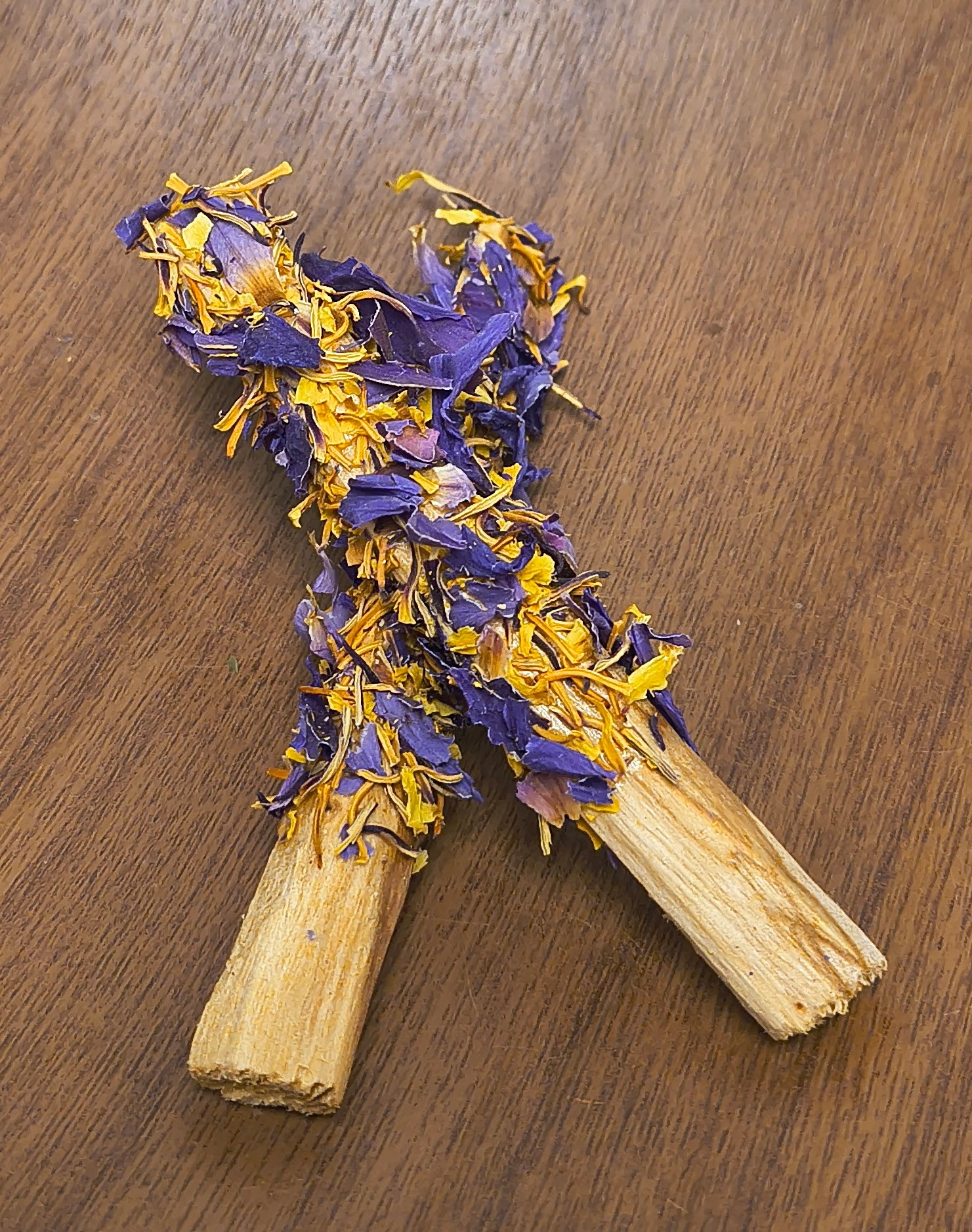
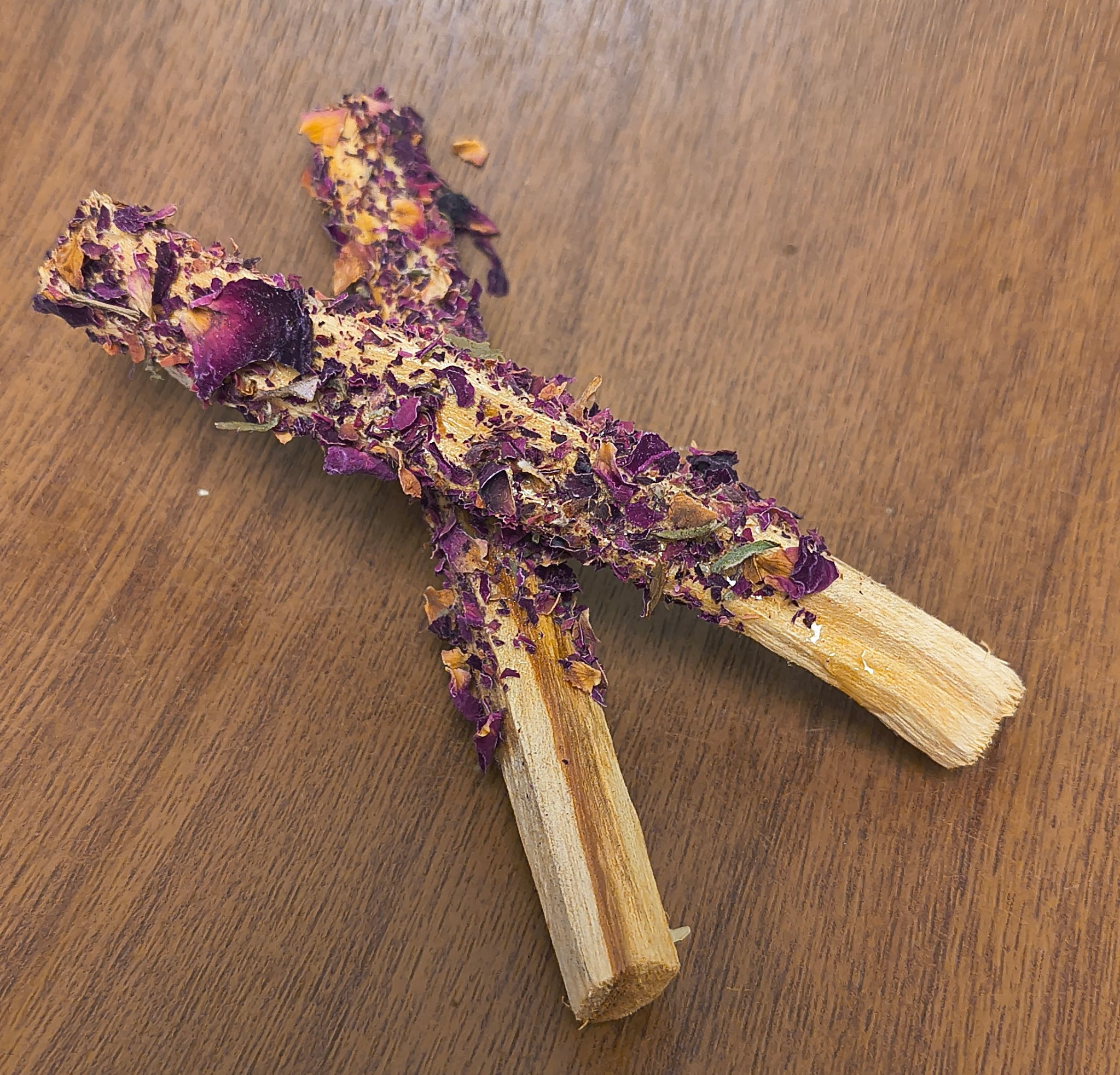
We offer herbal consultations. We infuse our honeys in small batches. We even repurpose the leftover herbs to make incense or chewing tobacco alternatives—because nothing gets wasted. Sustainability isn’t just a buzzword for us, it’s how we live.
We also keep our prices reasonable. This kind of healing shouldn’t be a luxury. I also do numerology readings and matchmaking rooted in that same holistic approach. If we could teach people about coverage and policies and bodily injury limits, we can definitely teach people how to understand their own numbers, energy, and relationships.
And if you stop by, I can’t promise you a specific experience. Honestly, this might be a bit of a warning: when you walk into our place, we do our best to see you. To meet you where you’re at. If you’re open to it, we’ll walk with you to wherever you’re headed. Or maybe we’ll just have a nice chat while you take a break from the journey. Either way, you’ll leave with something you didn’t come in with.
That’s the kind of space we are. That’s the kind of people we are.
Great, so let’s dive into your journey a bit more. Who saw you clearly before you could see yourself?
I want to say my mom. Even when I was a baby who didn’t like to cuddle, something that was probably hard for her as a naturally affectionate person, she still found ways to love me in a way I could receive. She accepted me for who I was, even when that meant adjusting how she expressed closeness. That’s a huge deal.
But if I’m being really honest… a lot of people thought they saw me clearly, and they were still all a little off. Even my mom. I mean, yes, I did want to be liked. But what I really wanted, even more than that, was to make other people feel seen. I wanted people to feel liked, to feel understood. So for a long time, I thought the way people treated me reflected how they saw me. But as I got older, I realized most people were just responding from their own ego or projecting their own stuff onto me. That’s how most people operate.
It turns out, people have always seen me as powerful. Grounded. High-vibe. Wise. Like a silent leader. Authentic. All these beautiful things I didn’t even realize I was giving off, because in my own head, I thought I was masking the whole time. But I also believe we’re all a little psychic. Everyone’s picking up on energy whether they know it or not. So even though I felt like I was hiding, it turns out people could still sense the strength inside me, this quiet, resilient strength I carried but was too humble or cautious to fully own.
For years, I thought I was this open book, this weird, quirky, awkward mess in between categories. But now, in my 30s, I’ve learned that I actually come off as a bit elusive. Some people even describe me as dignified. Mysterious, but approachable. Cool, even. And that kind of blows my mind because I never felt cool. I still kind of want to be the weird one.
One of the hardest but most important shifts in my healing was realizing that I was never going to fully control how people perceive me, and that it’s not my job to try. So I made it a goal in therapy to stop caring so much about what other people think of me… and start caring more about what I think of me. Turns out? I think I’m pretty cool. Funny. Soft-hearted. Strategic. Still weird, in the best ways.
And I’m still getting to know myself. I think that’s a lifelong process. None of us ever sees ourselves perfectly clearly. Our perceptions are filtered through our past, our wounds, and our beliefs. So I try to stay open to feedback, I still ask people what they see in me, but I also know now that no one will ever know me like I’m learning to know myself.
If anything, I’ve come to think of myself like a light. The light doesn’t control how people use it. Some people will use it to read, to find their way, to do their healing. Some will complain that it’s too bright or too dim. But the light’s job is just to shine. That’s all. Not to be liked. Not even to be understood. Just to do what it was designed to do.
When you were sad or scared as a child, what helped?
I talk about my traumas pretty openly, not always in detail, but enough to say I’ve been through some things. And when people ask me this kind of question, I always want to give some context: my life has mostly been good. But there were nine really bad months when I was very young. Just nine months. But they shaped so much of my inner world.
During that time, I wasn’t so much sad as I was scared. Constantly. On a cellular level. And that fear got wired into my body. So even as an adult, when my body would enter that fear state, I’d feel like a little kid all over again.
One of my abusers was my babysitter. She watched me during long work shifts, and while she was technically “in charge,” what she actually did was punish me, physically, psychologically, creatively, cruelly. Sometimes she’d chase me with a knife while laughing, just to terrify me for fun. But honestly, it wasn’t the violence that scared me the most. It was the long-term punishments. The things she taught my body to do to itself. The rituals of pain disguised as discipline.
She would make me do wall sits for hours, entire days, even. And as a kid, when seconds feel like eternities, minutes stretch even longer. I needed something to help me get through the time. So I would stare at the clock. I’d take the numbers and start doing math. I’d add the digits together over and over until I was left with a single number. I wasn’t very fast at math then, which helped, by the time I finished, another minute had passed. A new equation. A new distraction. That’s what helped. That was the closest thing to comfort I could find. Numbers. Patterns. Focus. It helped steady the shaking in my legs and gave me a place to put my mind.
Eventually, that punishment stopped being harsh enough for her. So she moved on to another. She’d make me kneel on uncooked rice for hours, arms raised like a waiter balancing trays, books in each hand. It’s a punishment that’s shown up in many cultures, and it hurts in ways most people don’t understand unless they’ve been there. Every single breath mattered. If I inhaled even a millimeter too deeply, my balance would shift. Sharp pain would shoot through my knees. And the more pain I felt, the more I’d flinch. And the more I’d flinch, the more pain I’d feel. Over and over.
So I started counting breaths. How many breaths could I take before I flinched again? Five? Three? Eight? Then I’d add them together. 5 + 3 + 8 = 16. 1 + 6 = 7. Another number. Another equation. Another coping mechanism disguised as math.
Even now, when I think back, I remember how clearly I could feel my heartbeat—how even that small pulse would make my body move. When I held my breath to stay still, it was like even my heart was too loud. It beat louder when I was scared. Faster when I was in pain. And when I was sad, I’d wonder how it was even still beating at all.
I missed my mom so much. That was the part that made me sad, the missing, the aching, the loneliness. It was already painful just to be away from her. The torture made every second feel like a lifetime.
It’s strange how time works. Sometimes one second is an eternity. Sometimes a whole day disappears before you realize it. Sometimes you pray the sun would just set already… and other times, you wish it would never go down. As a child, I played with time. I learned how to bend it, stretch it, survive it.
And that’s what helped when I was sad or scared: breath. Math. Counting. Focus. My mind. My imagination. My will to survive. They say kids are resilient, but it wasn’t resilience I was going for. I was just trying to make it to the next second. And somehow, I did.
Alright, so if you are open to it, let’s explore some philosophical questions that touch on your values and worldview. What are the biggest lies your industry tells itself?
I might be skirting the question a bit, but I think one of the biggest lies in holistic healing isn’t always an intentional lie, it’s more of a widespread misunderstanding. Or maybe even a lack of curiosity. The word holistic has been reduced in people’s minds to “crunchy,” “natural,” “barefoot no-deodorant flower child energy,” which is fine if that’s your vibe, but holistic actually has a very specific meaning: to address the whole of something. Whole being. Whole life.
I first learned the true meaning of making someone whole again when I worked in insurance. There’s this word indemnity, and it basically means that if you lose a couch in a flood, the goal isn’t to replace it with a fancier, top-tier designer couch. The goal is to make you whole again, give you back a couch like the one you lost. Not more. Not less. Just restored.
And I think that applies beautifully to holistic healing. It’s not about being more spiritual than everyone else or living on herbal tea and vibes alone. It’s about tending to the entire system: your physical body, your finances, your environment, your emotions, your purpose, your relationships, your community, your creativity, your spirituality, your rest, your hormones, your hydration, all of it.
So when people only focus on one category, say, herbs or sound baths or green juice or shadow work, they might be healing part of themselves, but that doesn’t make it holistic. Holistic means zooming out and seeing the whole wheel. And sometimes? The squeaky wheel gets the oil. Sometimes the flat tire gets ignored because work is going great, so it must be you that’s the problem. But nah, maybe your wheel just needs to be rotated.
My mom used to say something like, “There’s always something going wrong. If the family’s fine, then work’s falling apart. If work is fine, then the car’s a mess.” And yeah, that could be a mindset thing, but it’s also just life. Healing isn’t about making sure nothing ever breaks again. It’s about knowing how to repair it when it does.
I also think one of the big “not-lies” (because I’m real sensitive to lies, even the quiet ones, the lies of omission) is this idea that healing work has to look perfect. Or that the people offering it have always had their stuff together. Like they were born sage-waving and energy-clearing with perfectly activated chakras.
But the truth is? The people doing this work are often doing it because they had to. Because they got “broken” and had to learn how to put themselves back together in full color. And if we don’t share that messy middle part, the parts where we were broke, or lonely, or grieving, or felt like human compost, then it can make people feel like healing is only for the people already halfway there.
But healing isn’t a race. It’s a foggy trail. And yeah, sometimes it feels like there might be snakes under the fog. Or a pothole. Or an existential crisis. But I think our job, especially in this field, is to be the person who says, “I walked that path too. Here’s what I learned. And if I can do it, you can too.”
Because this isn’t just a healing journey. Sometimes it’s a surviving journey. Sometimes it’s a living journey. And sometimes, if the stars align and the vibe hits right, it’s a thriving journey. And when you realize you’ve arrived somewhere good, it might still feel like you’re walking because the treadmill sensation hasn’t worn off. But that doesn’t mean you’re not there.
So yeah. The biggest lie might just be pretending it’s easy. Or pretending it’s only for some people. Or pretending you can’t still be healing and thriving at the same time. We’ve all been on the trampoline for while. The ground will feel weird for a while too. But eventually, you’ll adjust.
Okay, we’ve made it essentially to the end. One last question before you go. What light inside you have you been dimming?
It’s hard to say, exactly. I don’t think it’s just one light. I think it’s a whole system of lights, some flickering, some steady, some glowing softly in the background. But if I had to try and name it, I’d say the light I’ve dimmed the most is the one that shines when I just know things. The light of intuitive intelligence, empathy, and ease, the kind that makes certain things come naturally to me without needing to explain why. The light that makes me good at stuff, even when I didn’t ask to be.
But that kind of light can make other people uncomfortable. And when I was a kid, I felt that discomfort deeply.
I remember sitting at a table with my mom and my brothers. We were learning something, homework, maybe, and it just clicked for me. I got it fast. And I saw my older brother struggling. He was upset. Not just because he didn’t know the answer, but because I did. And something about the way that hurt him, that hurt me. So the next time it was my turn to answer, I pretended I didn’t know.
That became a pattern: dimming myself to keep other people from feeling dim by comparison. Especially the people I love.
And I think I’ve done that in lots of little ways over time. In conversations, in group projects, in moments of success. I’ve learned to soften my shine just enough so that others don’t feel blinded by it. And part of that comes from love. Part of that comes from survival.
Being mixed, being neurodivergent, being sensitive, I’ve always been reading the room, sensing how people were perceiving me, and adjusting accordingly. It became second nature to dim certain parts of myself depending on the culture, the context, the company. Sometimes it was for safety. Sometimes it was for belonging. But either way, it taught me that shining too bright could be dangerous. Or rude. Or lonely.
And as a woman of color, specifically one who has privilege because of how I present, there’s a complicated responsibility that’s quietly handed to you. You witness the tokenism. The backhanded compliments. The “you’re not like the others.” You get put on a pedestal in a system that actively devalues your cousins, your classmates, your community. And you start to realize: if I shine too bright, I might just be reinforcing that lie. So maybe I should turn it down, just a little. So nobody feels less-than. So nobody feels invisible.
And even now, that instinct is still there. Recently, I was presenting at a conference. I spoke first, did my thing, and afterward, a co-presenter stood up to speak. They were nervous. Their voice was shaking. They couldn’t catch their breath. And immediately, I felt it again. That old tug of guilt for doing well. For maybe accidentally shining too bright.
But here’s the thing I’m learning, slowly and awkwardly and beautifully: dimming my light doesn’t actually help anyone. It doesn’t build them up. It just shrinks me down. And sometimes people need to see someone shine so they know it’s possible for them too. Even if their knees are shaking. Even if their voice trembles.
So I don’t know exactly what to call this light. Maybe it’s wisdom. Maybe it’s intuition. Maybe it’s the kind of quiet strength that makes other people feel safe and seen and understood just by being around it. Maybe it’s just me being me, in full bloom.
But I do know I’ve dimmed it. A lot. For a long time.
And I think now? I want to stop doing that. Not because I want to outshine anyone. But because I finally understand that my shine might be what lights the path for someone else who’s still figuring out how to turn theirs on.
Contact Info:
- Website: https://blessingsbeebzzaar.com
- Facebook: https://www.facebook.com/share/17276XgXd2/
- Youtube: https://www.youtube.com/@blessingsbeebzzaar