

We’re looking forward to introducing you to Jason Polk. Check out our conversation below.
Good morning Jason , it’s such a great way to kick off the day – I think our readers will love hearing your stories, experiences and about how you think about life and work. Let’s jump right in? What do the first 90 minutes of your day look like?
First thing is coffee! I like to do an exercise every other day. If it’s that day, I’ll ask myself, ‘ Should I do it now or later? ‘ Like most people, it’s best for me to do it first thing because I feel better. If it’s an exercise day, I’ll put a sweet potato in the microwave and eat some for fuel. Then I’ll exercise, and I’m always glad I did.
If it’s not an exercise day, I’ll drink coffee, check my bank account, and then meditate for 25 minutes.
I love mornings, and I especially enjoy waking up before our kids to have some me time.
Can you briefly introduce yourself and share what makes you or your brand unique?
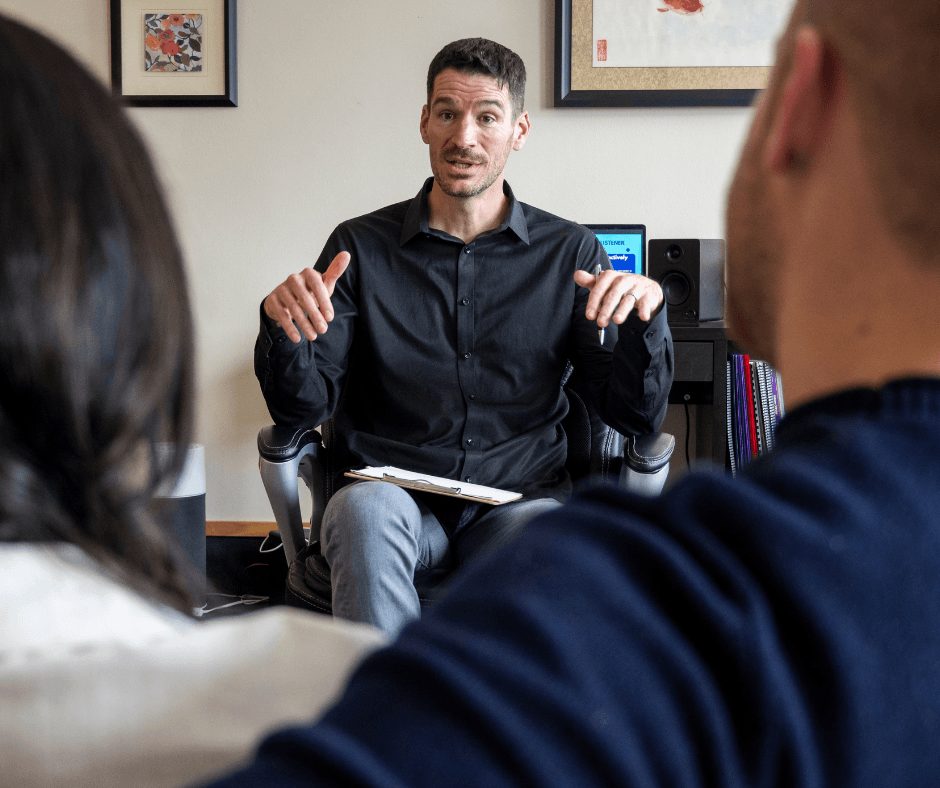
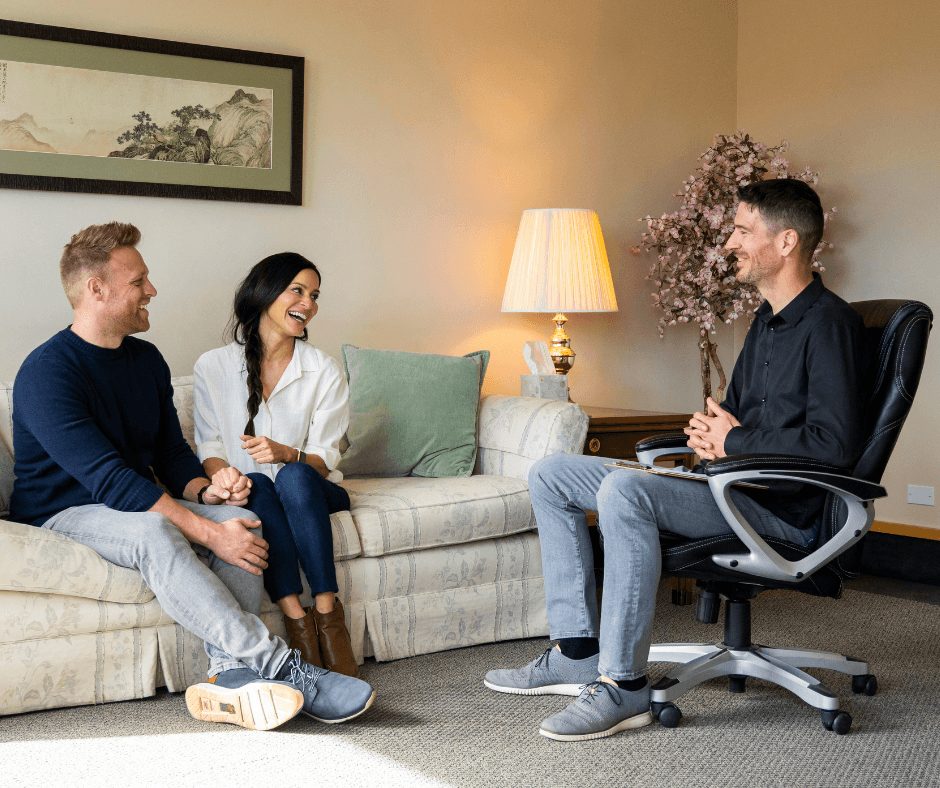
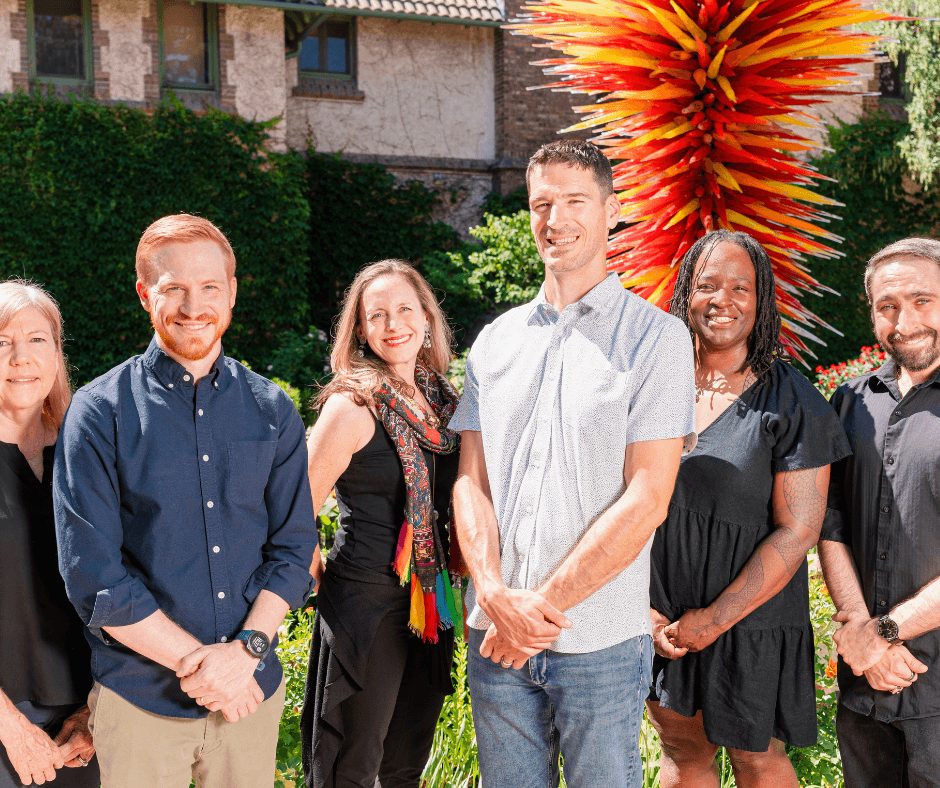
My name is Jason Polk, and I’m a couples therapist and owner of a therapy agency. I’ve been working with couples for over ten years. Our company is called Colorado Relationship Recovery. I found it because I’ve been to some not-so-good couples therapy. I wanted to create an agency where therapists are skilled at helping couples have the relationship that they want.
If you work with a therapist who doesn’t frequently work with couples, things can go awry. We have a framework and are guided by principles and tools that help couples have better relationships.
We also use technology. We may use a pulse oximeter during sessions to help clients recognize when their nervous systems are not in a state to have a productive conversation.
We also use an app to remind clients of their homework and provide a platform for them to submit it.
We love helping couples become the passionate couple that can truly connect!
Great, so let’s dive into your journey a bit more. What breaks the bonds between people—and what restores them?
What breaks the bonds between people is essentially too much selfishness. For example, if I operate in a relationship where my needs are prioritized, and I expect you to recognize and meet them at all costs, then that’s likely to break the bond with the person I’m in a relationship with.
It’s a “power-over” way of thinking, rather than a “power-with” way. In the power-over approach, which is characterized by short-sighted selfishness, it fosters a winner vs loser mentality. For example, if I want to go to the movies and you want to go to dinner, if I get my way, I win; if I don’t, I lose.
Instead, a “power-with” mentality is that we don’t go to the movies tonight; we go to dinner, but let’s put it on the calendar-we ‘ll go later this week. It fosters a win-win versus a win-lose approach. When relationships operate too much under a selfish, power-over, win-lose mentality, which encourages competition, it will eventually lead to resentment.
So, too much selfishness can break bonds between people, especially if they are not repaired.
What have been the defining wounds of your life—and how have you healed them?
When I was in high school, I felt a sense of emptiness (not in the Buddhist sense), as if something was missing and something was wrong with me. I was a stoner-jock guy, I was good at sports, but I was more interested in drinking and getting high – that was the only way I could feel OK.
I had an identity crisis, I didn’t feel my feelings or know how to share them, I felt alone, and I couldn’t defend myself when people gave me a hard time if I was sober.
In retrospect, all of this was a recipe to drink and use drugs. I hit my first rock bottom (when you stop digging) when I was twenty. I stopped drugs (but still drank) and started to take school and things other than partying seriously.
I eventually had to work with the emptiness and the feeling that something is wrong with me if I wanted to get better. First, I started with meditation and still do to this day. I started exercising and still do. I did therapy, which has been immensely healing, and I stayed sober.
All of these have helped me heal those feelings. They still come up from time to time, but I have better ways to deal with them, more compassionate ways.
So a lot of these questions go deep, but if you are open to it, we’ve got a few more questions that we’d love to get your take on. What would your closest friends say really matters to you?
Health, business, and family.
I’m not interested in partying or drinking. I’m interested in being healthy and raising healthy kids, so they don’t have a chronic feeling of inadequacy like I did.
I’m interested in building a business that supports my family and lifestyle.
Before we go, we’d love to hear your thoughts on some longer-run, legacy type questions. When do you feel most at peace?
Outings with the family where we can put down phones, do something together, and be present.
Contact Info:
- Website: https://www.coloradorelationshiprecovery.com/
- Instagram: https://www.instagram.com/denverrelationshipexperts/
- Linkedin: https://www.linkedin.com/in/corelationshiprecovery/
- Facebook: https://www.facebook.com/denverrelationshipexperts