

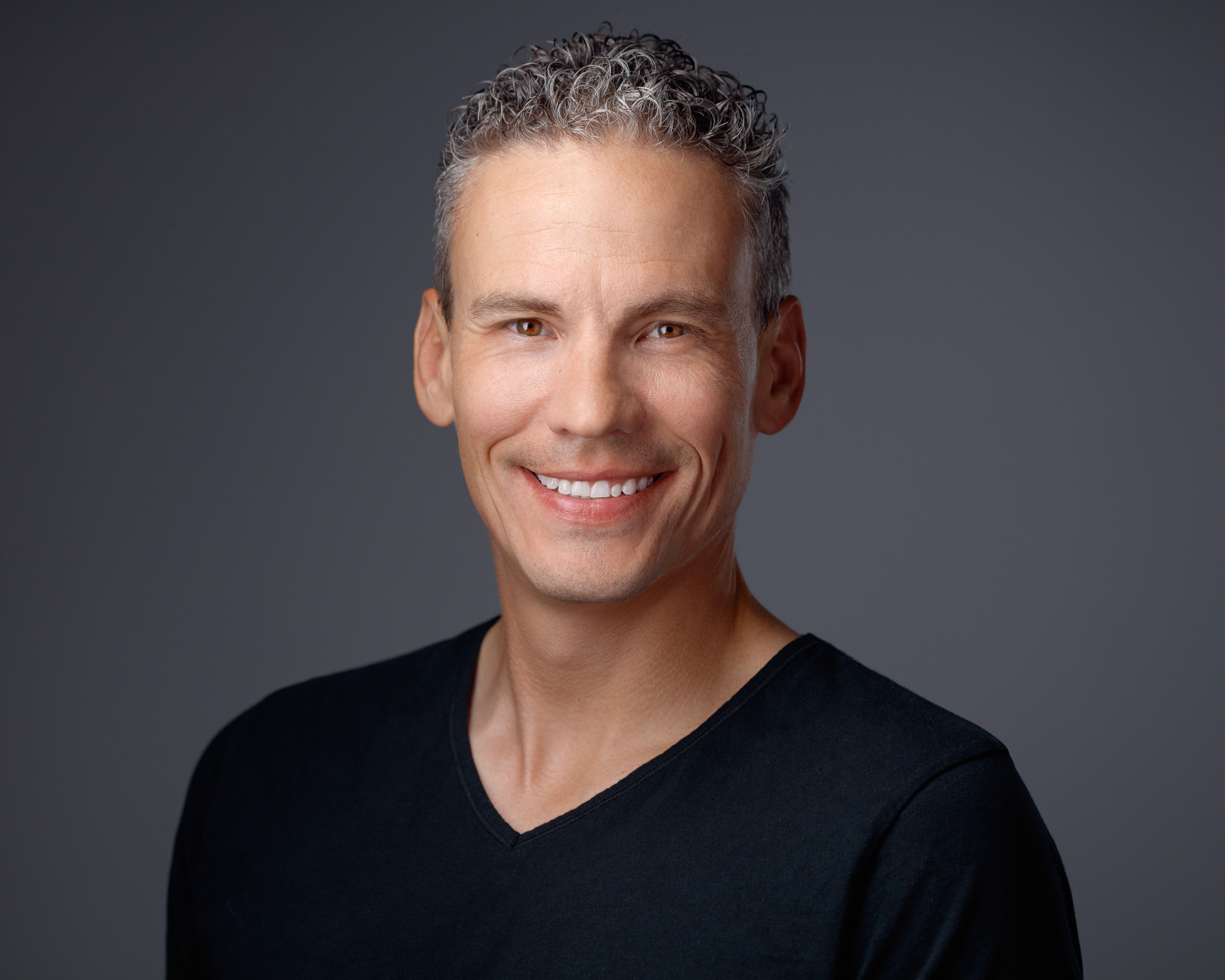
We recently had the chance to connect with Lance Cayko and have shared our conversation below.
Lance, so good to connect and we’re excited to share your story and insights with our audience. There’s a ton to learn from your story, but let’s start with a warm up before we get into the heart of the interview. What do the first 90 minutes of your day look like?
I’m up by 5 AM. The first thing I do is hydrate — big glass of water — then I get my body moving with stretching or light mobility work. No phone. No news.
After that, I spend 15–20 minutes in quiet prayer — specifically, I pray the Rosary. That practice centers me, grounds me, and reminds me of who I want to be as a man, a leader, and a father. It’s non-negotiable.
Once my mind and body are aligned, I dive into what I call my ‘golden hour.’ I use that quiet early space to write, plan, reflect, or tackle the most creative work of the day — before anyone else’s priorities start to crowd in.
By the time 90 minutes has passed, I’ve hydrated, prayed, moved, and done real work — all before the world even knows I’m awake.
Can you briefly introduce yourself and share what makes you or your brand unique?
Hi, I’m Lance Cayko, a serial entrepreneur, architect, builder, and podcaster based in Longmont, Colorado. I grew up in rural North Dakota amid relative poverty, starting my career young—roofing at 13 and spending summers learning trades with various contractors until I was 21. That hands-on grit shaped me; after earning degrees in Building Construction Technology, Environmental Design, and a Master of Architecture from North Dakota State University (where I snagged the McKenzie Thesis Award and other top honors), I dove into construction across the Midwest, from carpentry to independent contracting.
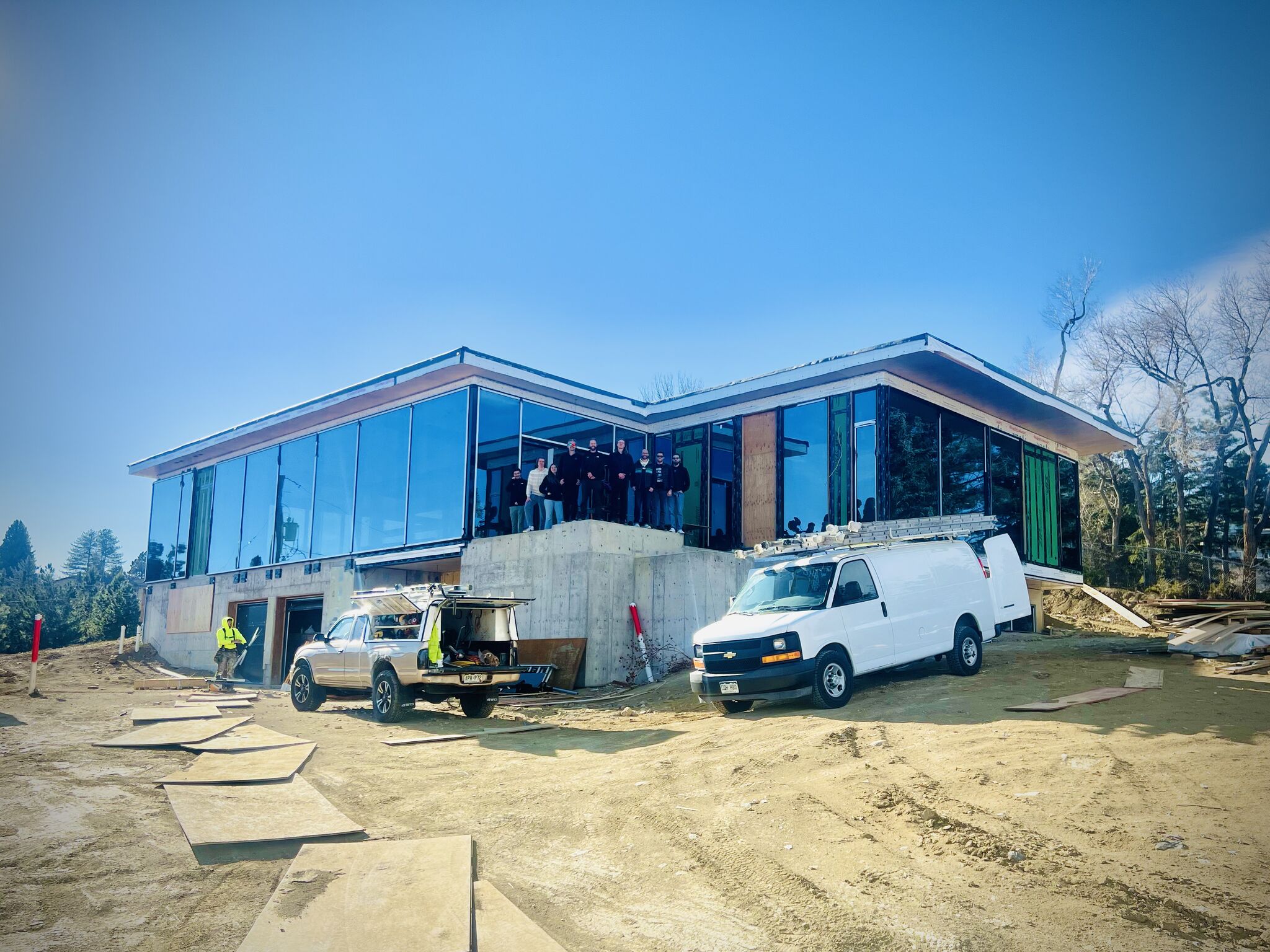
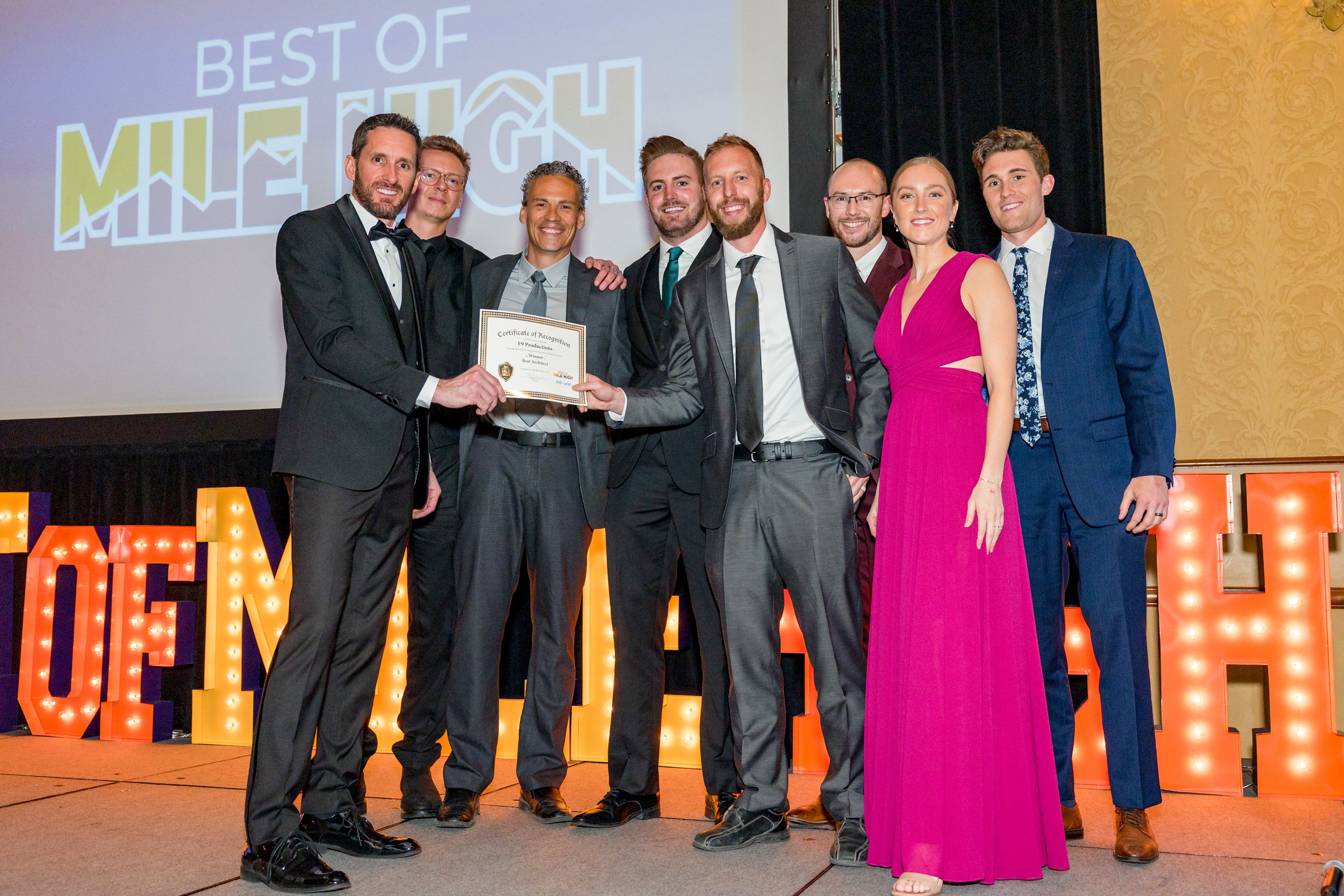
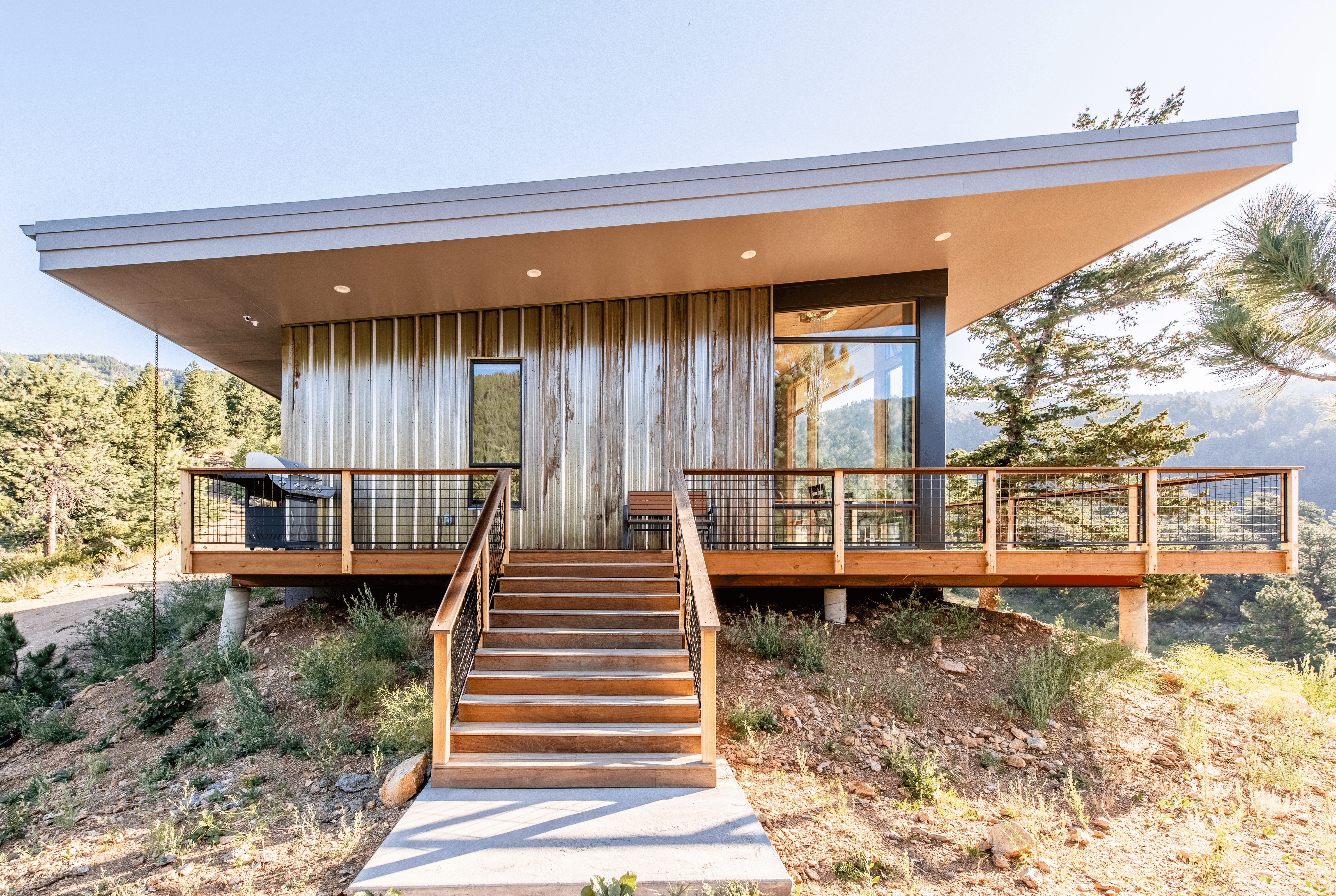
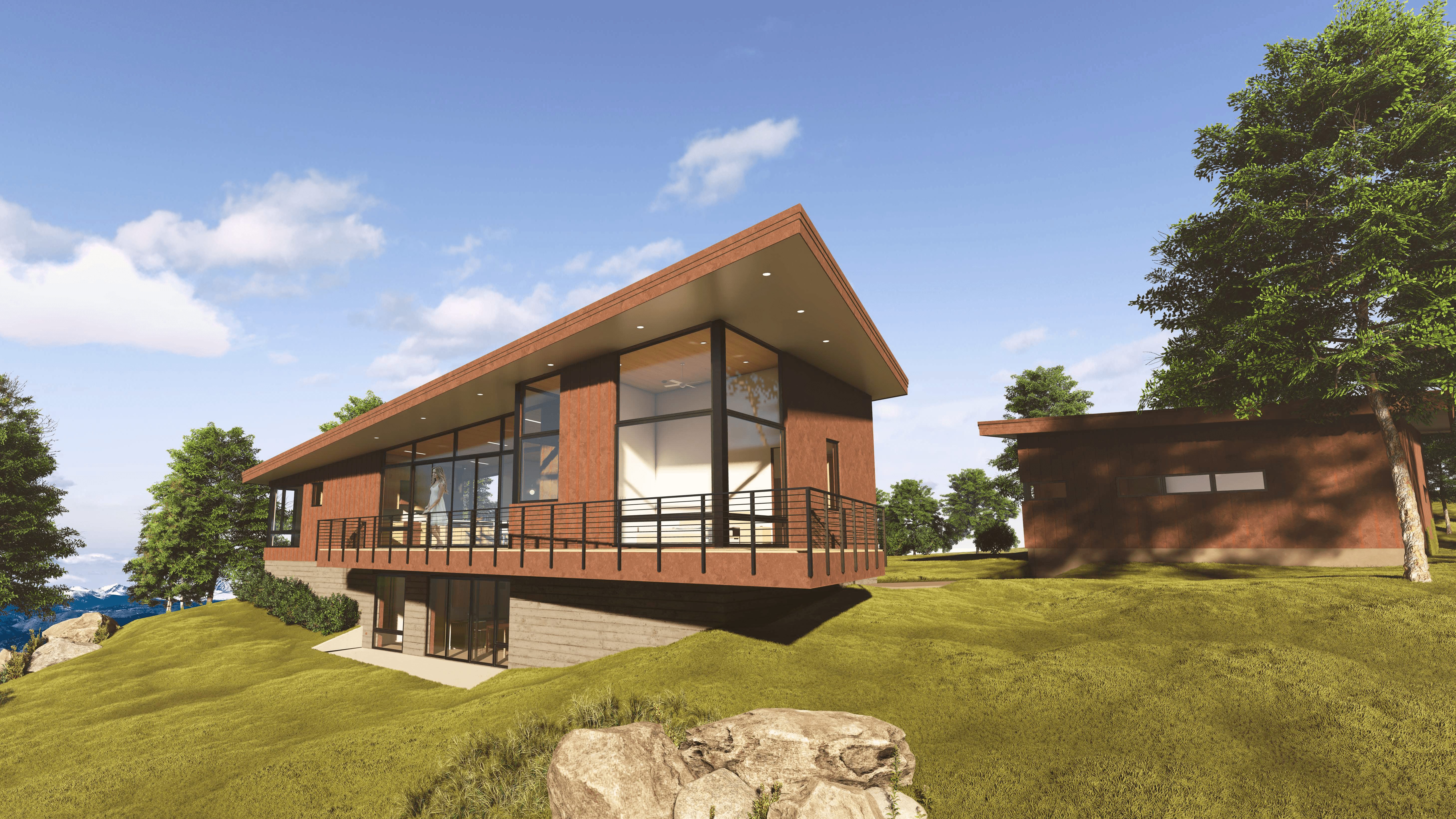
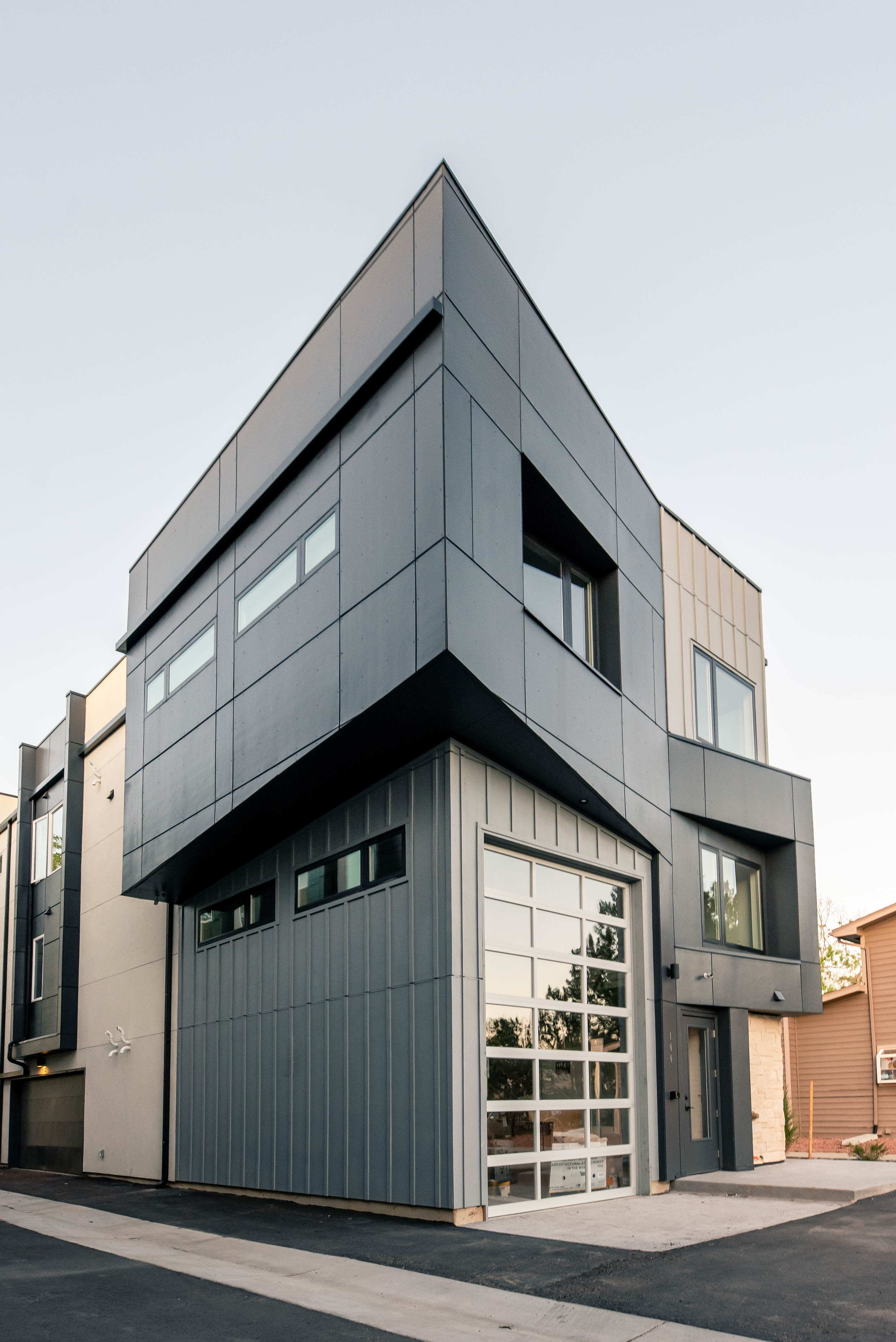
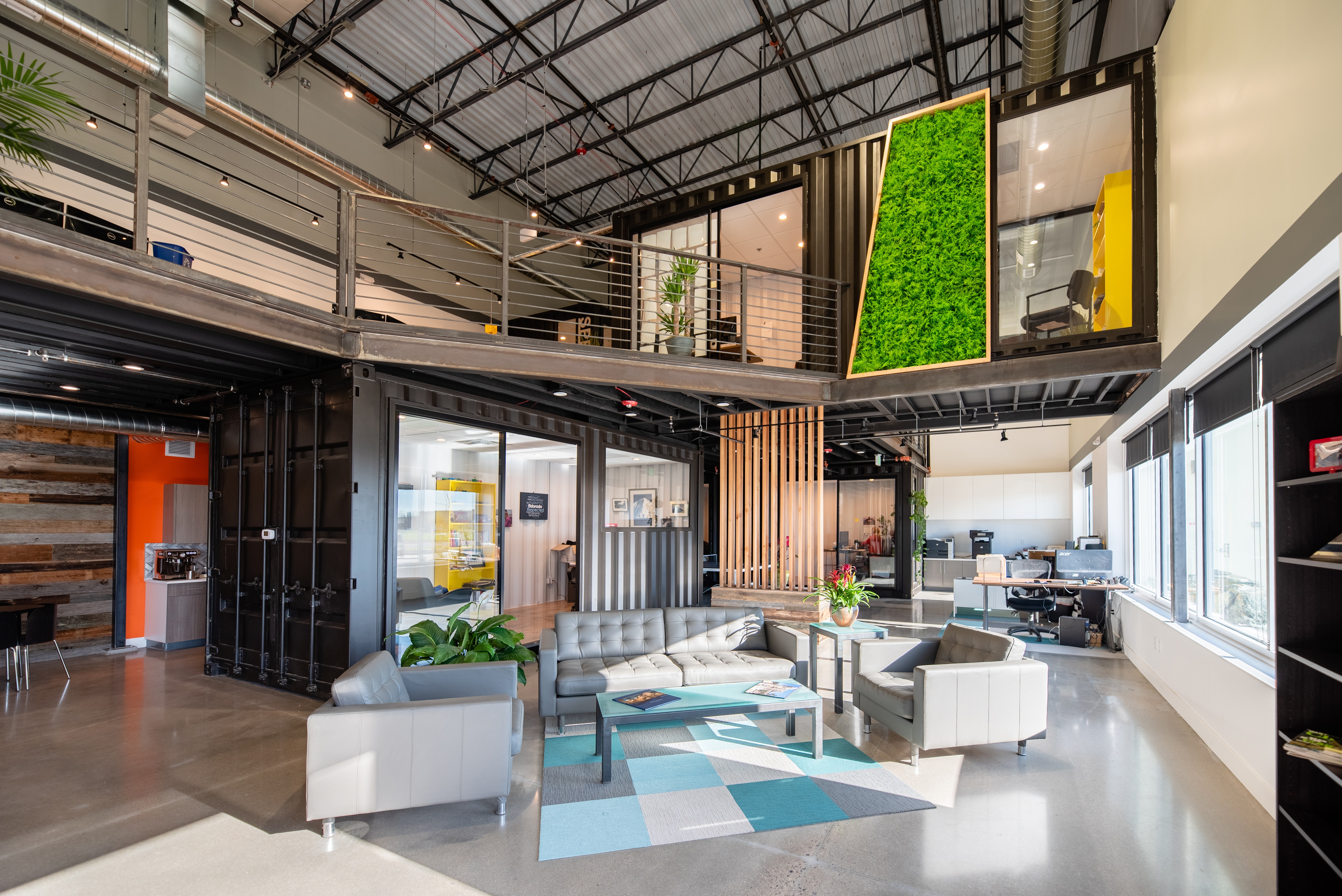
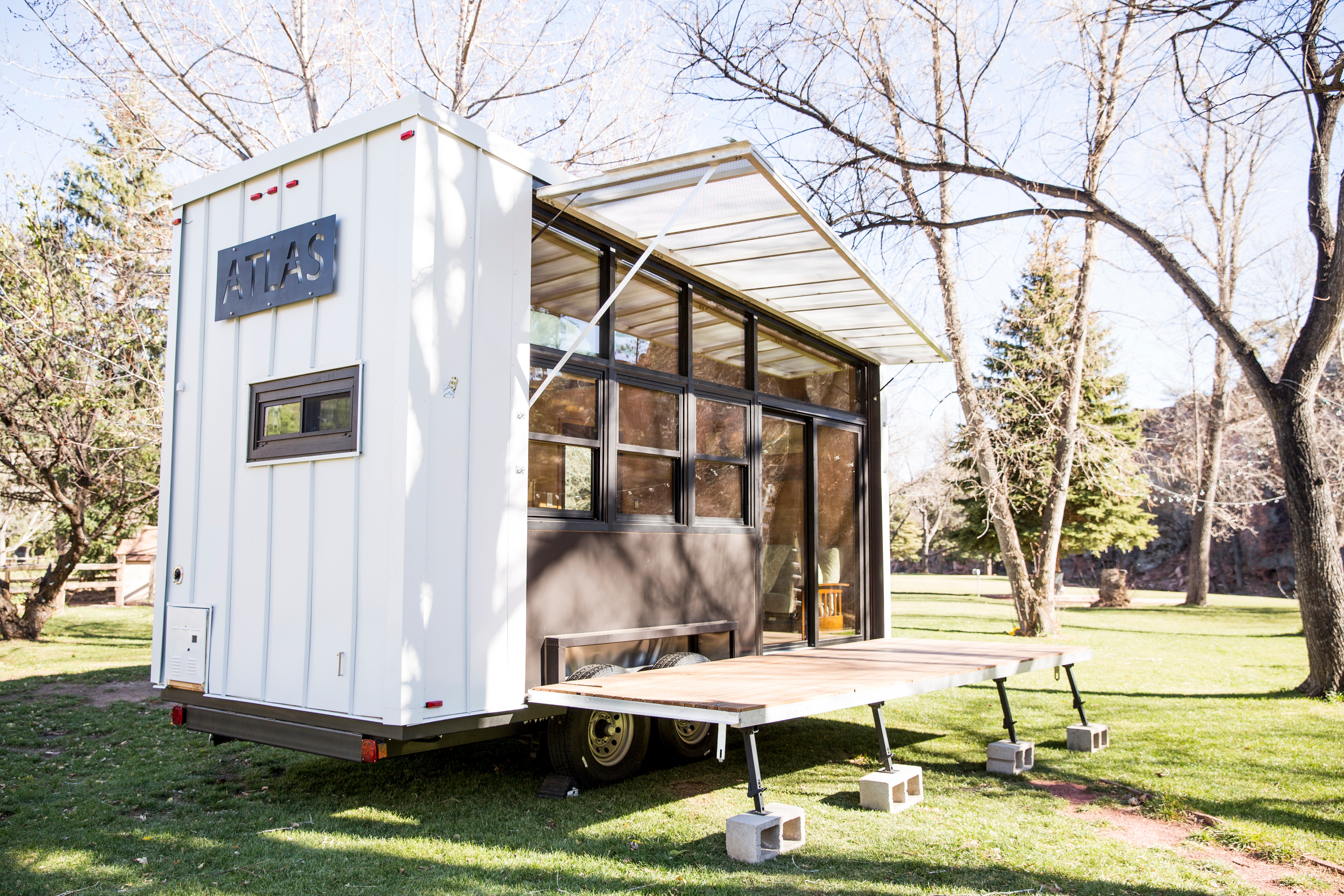
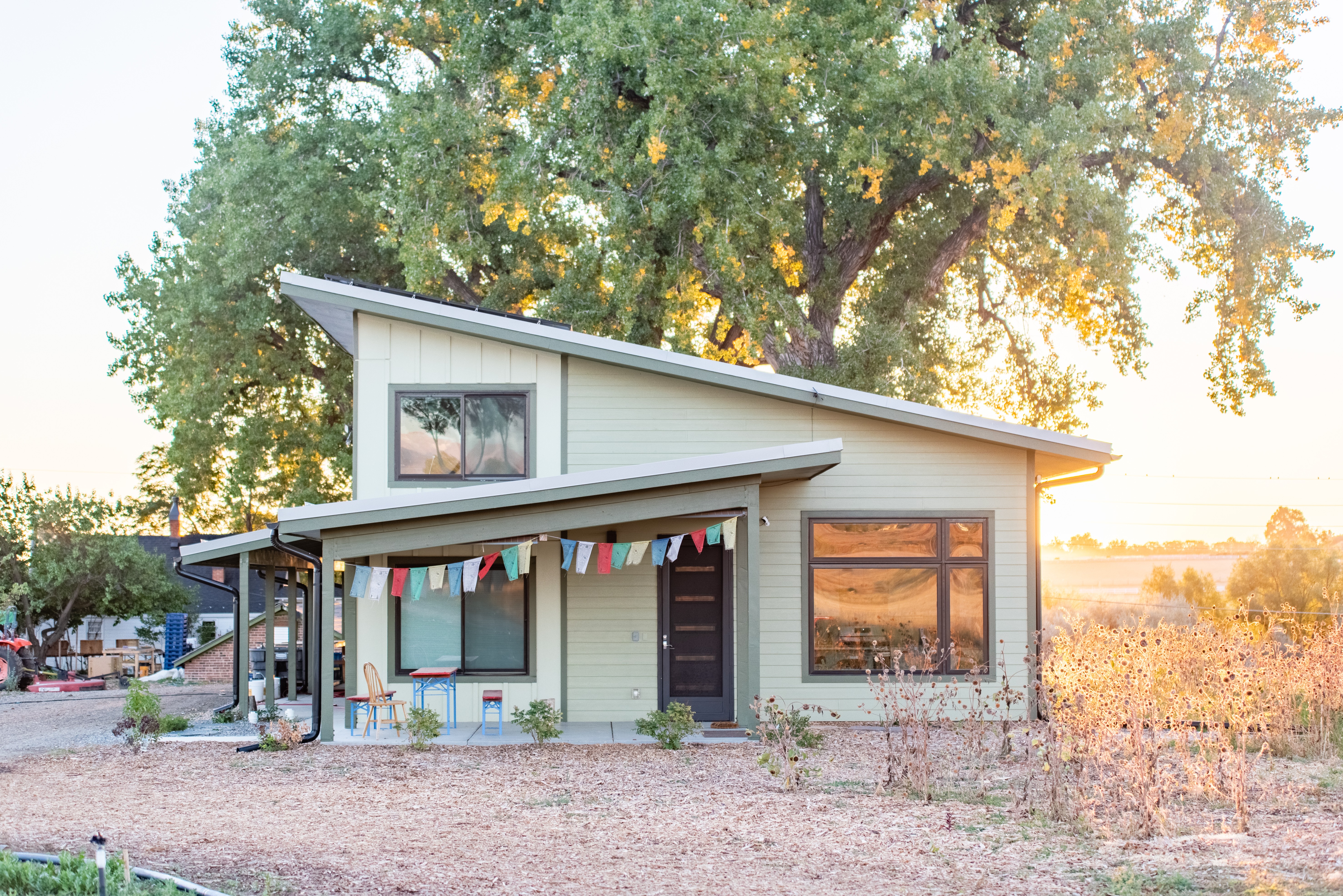
The 2008 Great Recession hit hard—I got laid off—but it sparked my entrepreneurial fire. In 2009, I co-founded F9 Productions Inc. with my partner Alex Gore, turning our shared vision into an award-winning design-build firm specializing in sustainable, modern residential and commercial architecture. What sets F9 apart is our seamless integration of design and construction—we’re not just drafting blueprints; we’re in the trenches ensuring every project embodies efficiency, longevity, and client vision, from passive solar homes to innovative infill developments like our Mark II project in Longmont. We’ve earned back-to-back Best of Mile High Awards for Best Architecture Firm in 2023 and 2024, topped BizWest’s Mercury 100 for 386% growth, and featured standout designs like the Atlas Tiny House (an HGTV star and 2016 Architizer A+ winner) and the East Watch mountaintop home (Builder Magazine cover in 2021). Our philosophy? Form follows function, powered by principles like extreme ownership and one-hour response times to keep communication crystal clear.
Beyond F9, I’m passionate about demystifying the architecture world as a lecturer at the University of Colorado Boulder and North Dakota State, and co-host of the top-ranked “Inside the Firm” podcast, where Alex and I break down the realities of running a design business—from client dynamics to Revit hacks and industry challenges like trades shortages and over-regulation. I’m also founder of Longmont Community Gardens, a non-profit pushing urban sustainability, and when I’m not building or podcasting, you’ll find me fishing or hiking—check my YouTube for those wilderness escapes.
What excites me most right now is the ADU boom in Colorado and how AI is streamlining docs to cut bureaucratic red tape, letting us focus on creativity and quality. My story’s proof that discipline, empathy, and optimism can turn setbacks into successes—I’m all about bridging the gap between bold ideas and real-world builds that last.
Okay, so here’s a deep one: What relationship most shaped how you see yourself?
In a recent episode of the Frank After 40 podcast back in May, I opened up about my early days and specifically mentioned Bruce—my dad’s best friend and the first real entrepreneur I ever crossed paths with—who became a pivotal mentor in shaping my worldview on work, business, and self-reliance. Growing up on that sugar beet farm in North Dakota, money was always tight, and the idea of financial freedom felt worlds away. At just 13, I knew farming wasn’t for me—I hated it, truth be told—and I cold-called Bruce, a general contractor, begging for any job. He took a chance on me, hiring this scrawny kid as a “gopher” for $7.25 an hour, running errands and learning the ropes of roofing under the hot summer sun.
What made Bruce special wasn’t just the paycheck; it was how he demystified the business side of things. Midway through the summer, over a simple lunch, he broke it down for me: “I’m paying you $7.25 an hour—how much do you think I’m charging the clients? […] Usually three to four times what I’m paying you. I’ve got to pay for all the overhead, plus I need something called profit—my reward for hiring you. And profit is the lifeblood of a company.” That conversation hit like a thunderbolt. My parents were always stressed about bills, scraping by, but Bruce? He had this calm confidence, no anxiety hanging over him. He showed me that entrepreneurship wasn’t some distant dream—it was about taking risks, managing overhead, and building something sustainable that could give you freedom.
By summer’s end, I asked him straight up how to become a contractor like him. His response? Don’t come back to work for me next year—instead, hustle with different trades to get a broad skill set. That advice was gold; it pushed me to rotate through carpenters, plumbers, and electricians, giving me the hands-on foundation that carried me through college and into starting F9. Bruce wasn’t family, but he might as well have been—he saw potential in a kid from nothing and planted the seed of ownership in me. To this day, that relationship reminds me that real growth comes from mentors who don’t just teach skills, but instill the mindset to own your path. It’s why I try to pay it forward now, whether lecturing at CU Boulder or coaching new architects on the podcast.
What have been the defining wounds of your life—and how have you healed them?
One of the defining wounds of my life was getting laid off during the 2008 Great Recession. I’d been grinding as a junior architect, fresh out of North Dakota State University with a Master of Architecture, working on a $4 million elementary school project in Minnesota. That layoff hit like a gut punch—my livelihood was gone overnight, and the construction industry was crumbling. The fear of financial instability, especially given my roots in rural North Dakota where money was always tight, brought back childhood anxieties about scraping by. It wasn’t just a job loss; it felt like a personal failure, a confirmation of every doubt I’d ever had about making it in a competitive field.
Healing from that wound wasn’t quick, but it was transformative. I leaned into the lessons from my mentor Bruce, who’d shown me years earlier that entrepreneurship is about taking control of your own path. With no safety net, I teamed up with Alex Gore, and we started F9 Productions in 2009 with just $1,000 and zero clients. The hustle was relentless—guerrilla marketing, cold-calling, and taking on any project we could to build a name. That grind reframed the layoff as a catalyst, not a defeat. We turned F9 into an award-winning design-build firm, landing projects like the Atlas Tiny House and earning accolades like the Best of Mile High Awards in 2023 and 2024. The wound taught me resilience and extreme ownership; I healed it by proving to myself that I could build something lasting from nothing, turning a setback into the foundation of my career.
So a lot of these questions go deep, but if you are open to it, we’ve got a few more questions that we’d love to get your take on. Is the public version of you the real you?
The public version of me—Lance Cayko, the architect, co-founder of F9 Productions, podcast host, and fishing enthusiast—is a real part of who I am, but it’s not the whole story. Outwardly, I’m the guy pushing sustainable design, mentoring young architects, and sharing no-nonsense business insights on Inside the Firm, or posting about high-altitude fishing adventures on my YouTube channel, Fishing with Lance. That’s authentic; it comes from my passion for building, creating, and connecting with others, shaped by my North Dakota roots and the hustle of starting F9 with Alex Gore during the 2008 recession.
But the private me is deeper and quieter. I’m a husband to Marilyn and a dad to four kids, where I find my grounding through family dinners, bedtime stories, and teaching them to cast a line. I founded Longmont Community Gardens not just for sustainability but because I find peace in the dirt, growing something with my hands. The public sees the discipline and optimism—my mantra of extreme ownership—but they don’t always see the doubts I wrestle with, like when I was laid off in 2008 and felt like I’d lost my footing, or the late nights wondering if I’m balancing family and work well enough.
Healing from that layoff, as I mentioned before, showed me how to channel setbacks into drive, but it also taught me to keep parts of myself private—moments of vulnerability or reflection I save for close relationships, like with my wife or Alex. The public Lance is real, but he’s curated: confident, forward-moving, and mission-driven. The real me is that plus the guy who overthinks, prays for guidance, and finds clarity on a 10-mile ruck hike or a quiet morning by a Colorado lake. Both versions are me—just different sides of the same coin.
Okay, so before we go, let’s tackle one more area. What do you think people will most misunderstand about your legacy?
People might misunderstand my legacy as being solely about architecture or flashy projects like the Atlas Tiny House, thinking it’s all about awards or aesthetics. The truth is, my legacy is rooted in grit, mentorship, and building systems that empower others. Growing up in North Dakota’s tough conditions, I learned to value hard work and resourcefulness, which carried through founding F9 Productions with Alex Gore during the 2008 recession and creating Longmont Community Gardens to foster sustainability. My Inside the Firm podcast and lectures at CU Boulder and NDSU aren’t just about design—they’re about teaching discipline, ownership, and practical know-how to the next generation. People might see the public Lance—confident, driven, maybe even polished—but miss the deeper drive: helping others turn ideas into reality, just like my mentor Bruce did for me. The buildings are just the start; my legacy is in the people I’ve inspired and the communities I’ve helped grow.
Contact Info:
- Website: https://f9productions.com
- Instagram: https://www.instagram.com/f9productions/
- Linkedin: https://www.linkedin.com/in/lance-cayko-1227031a/
- Youtube: https://www.youtube.com/channel/UCkjepLcKfYoxjTphkAGjwVg
- Soundcloud: https://soundcloud.com/user-444216029