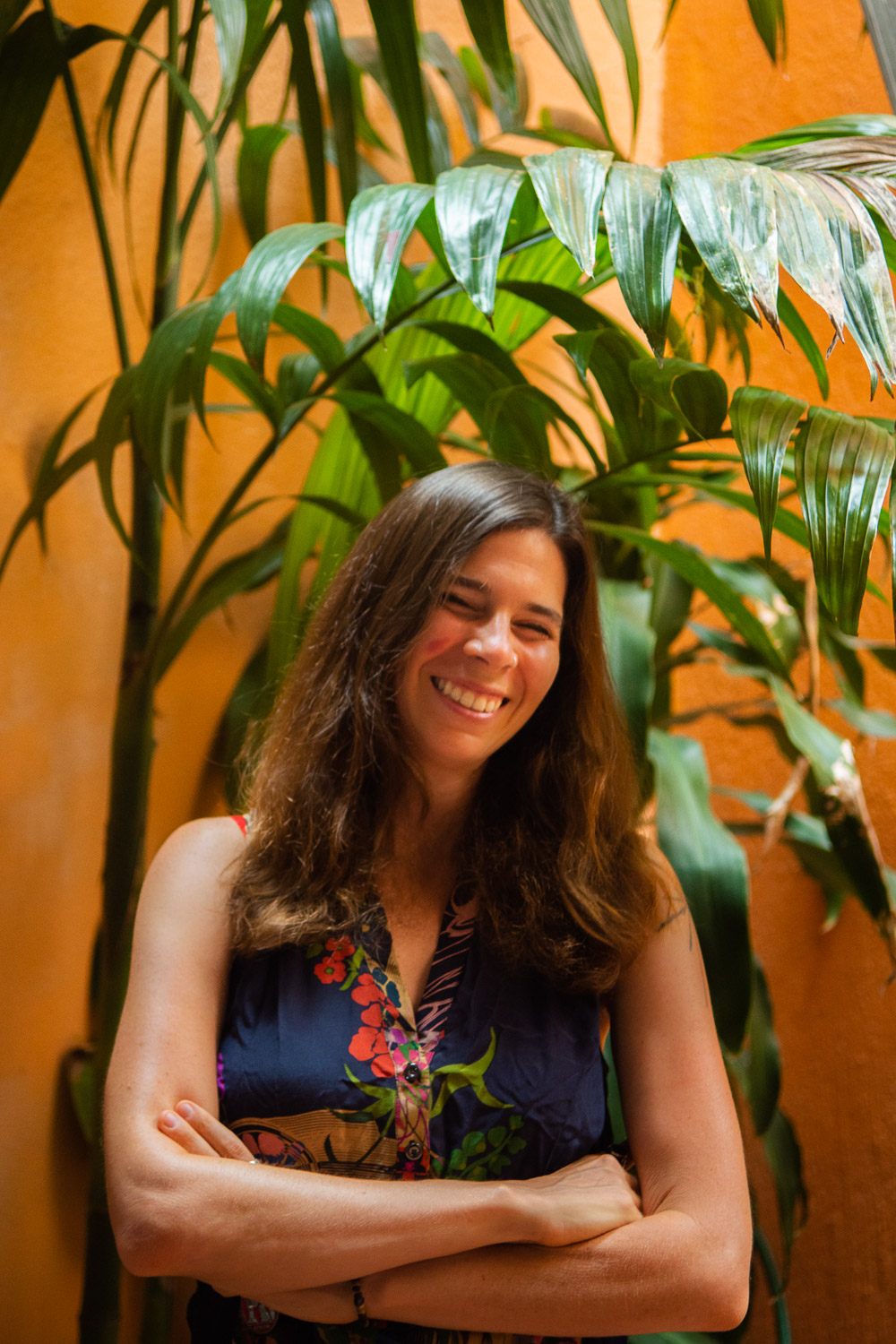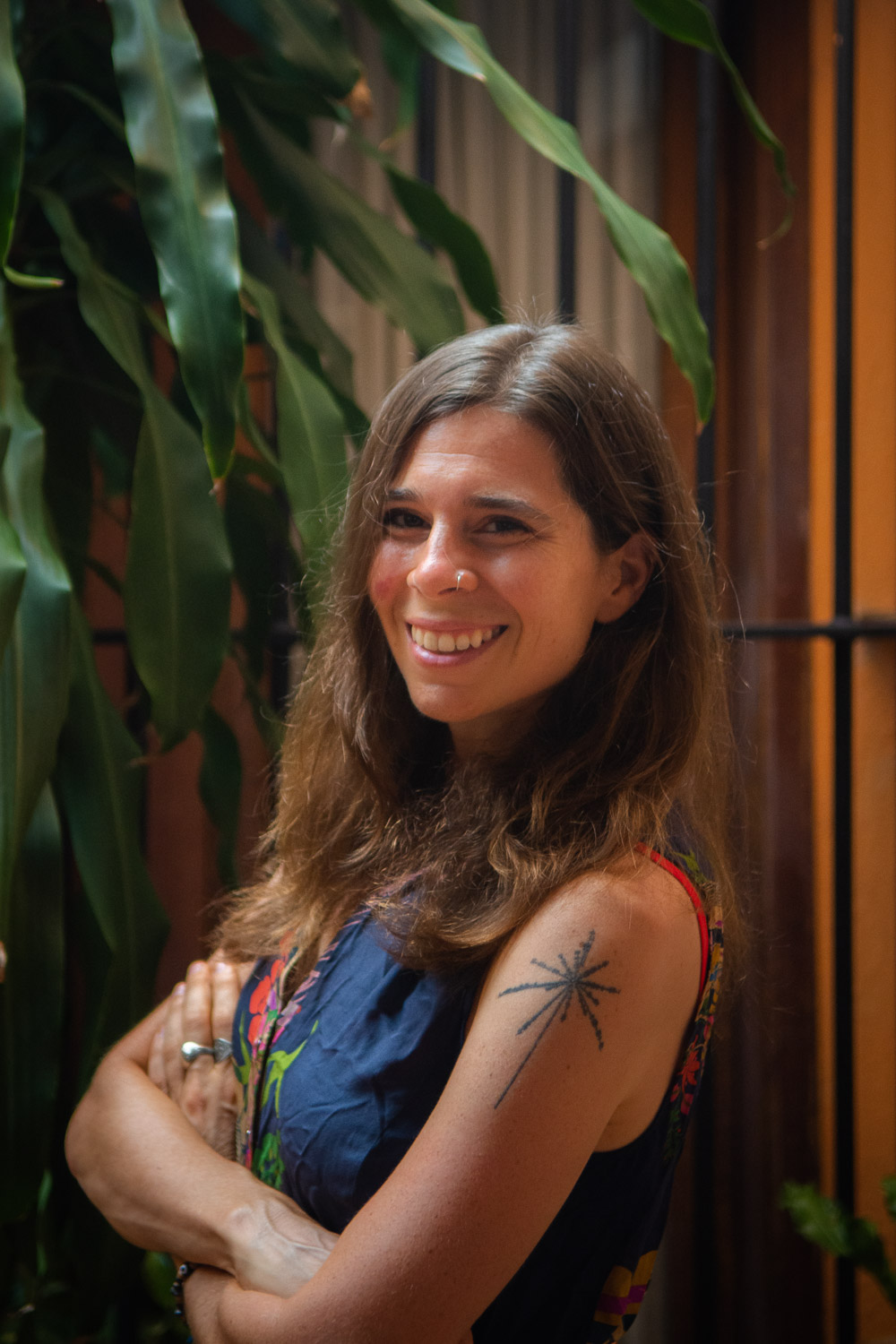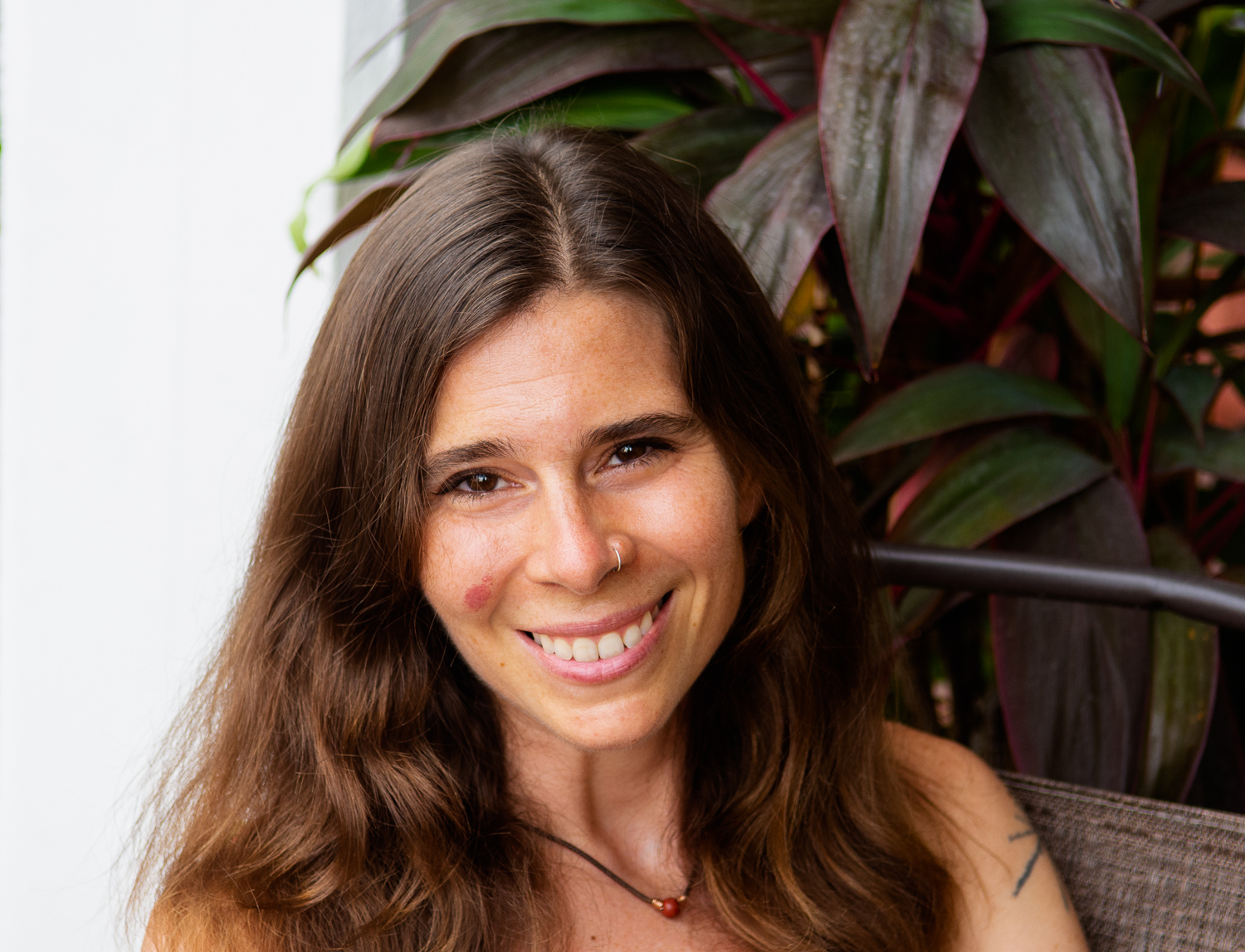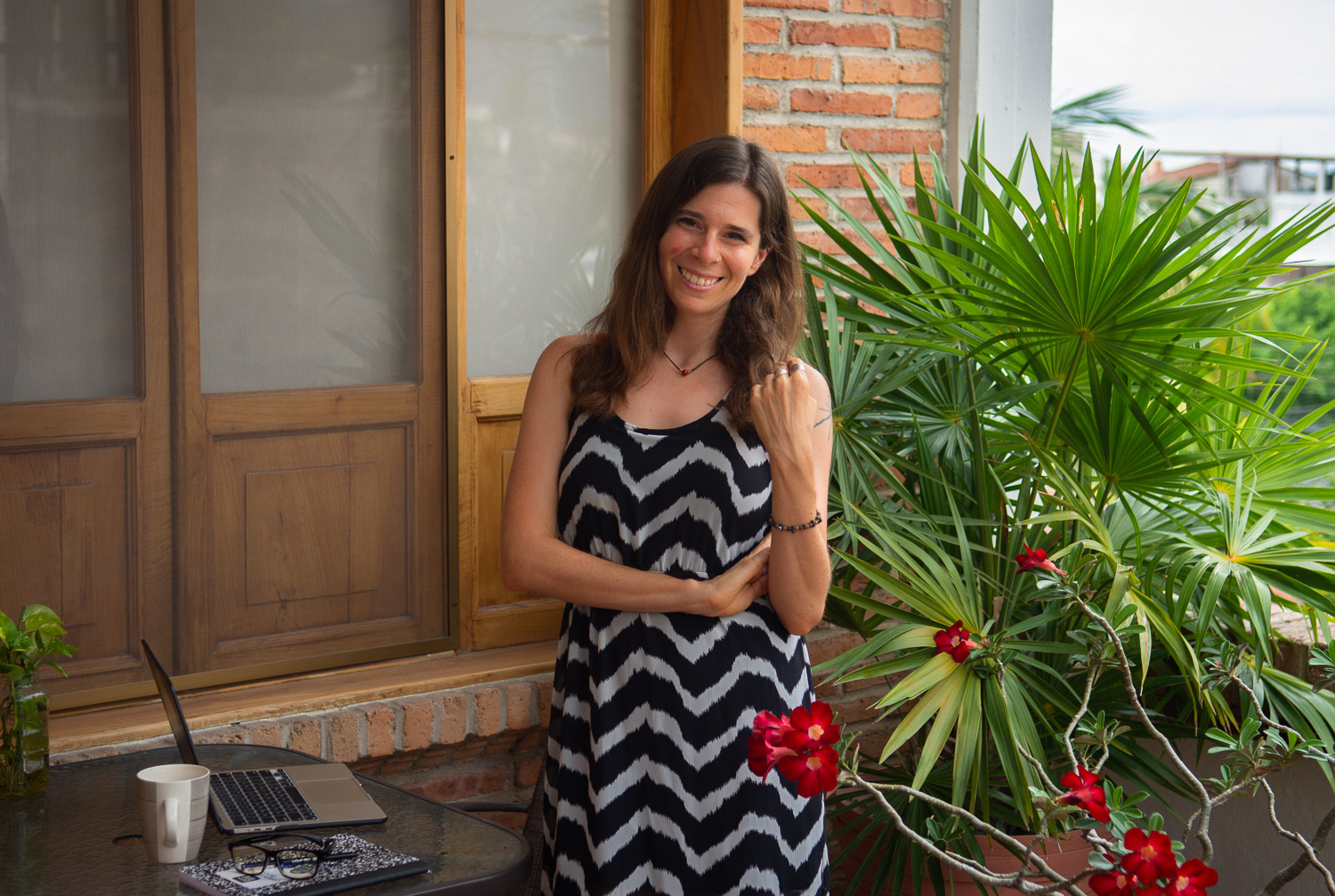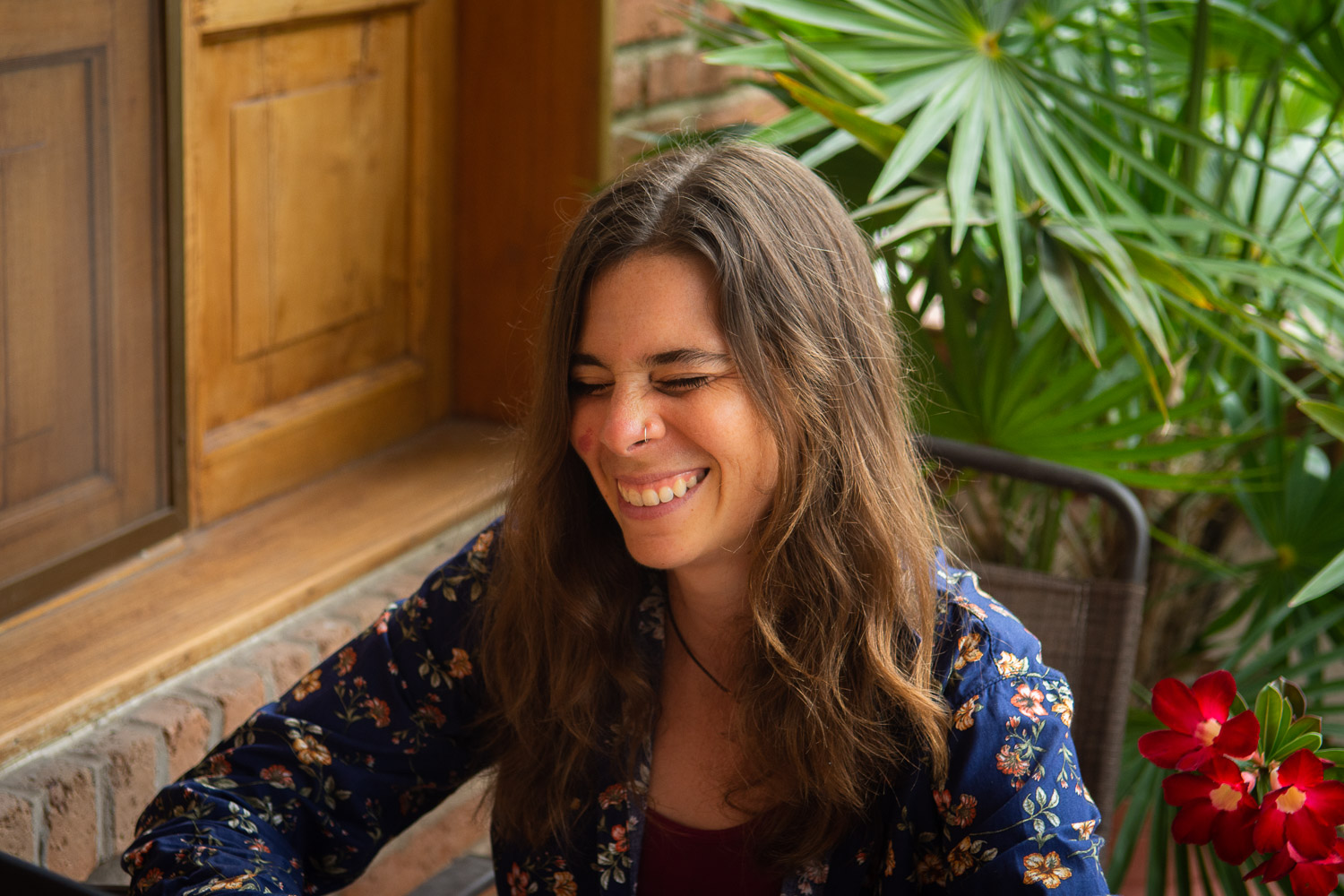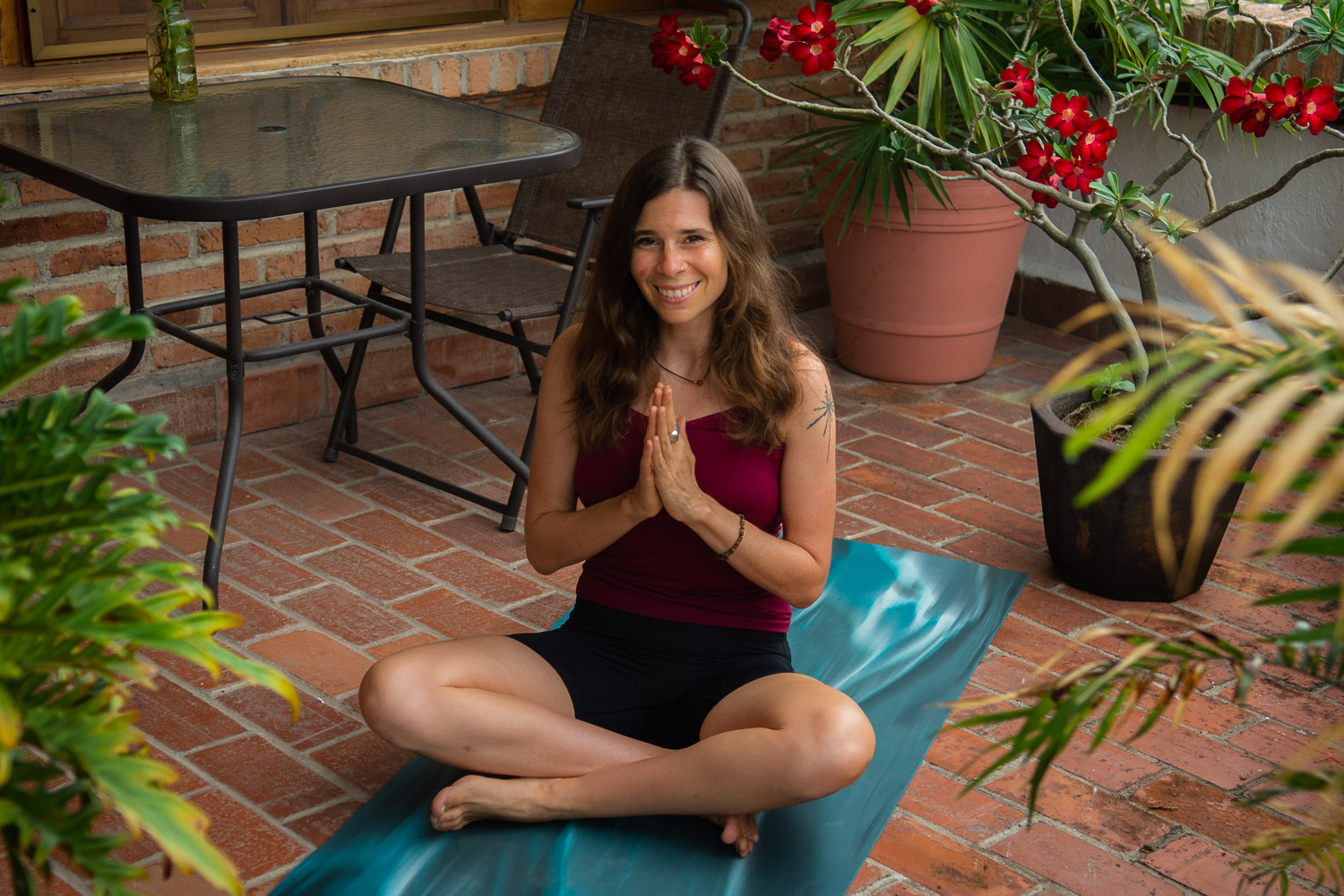


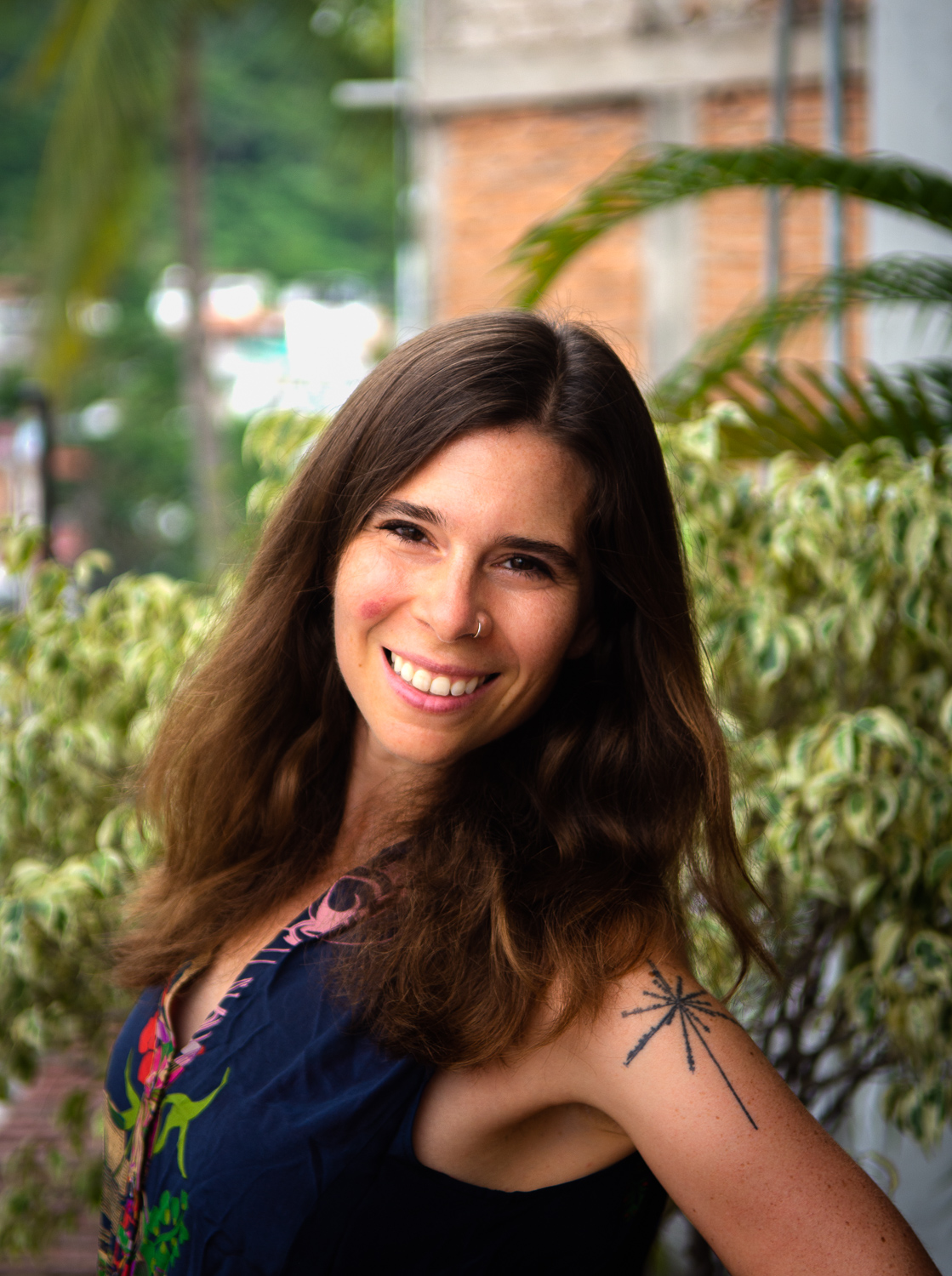
Today we’d like to introduce you to Emma Kobil.
Hi Emma, can you start by introducing yourself? We’d love to learn more about how you got to where you are today?
I didn’t start my career as a therapist — I began as a philosophy professor. I’ve always been drawn to big questions about meaning, suffering, and what it really means to live a good life. Alongside that, I’ve always been passionate about feminism — about helping women move through the pressures, roles, and expectations that keep them small or disconnected from their power.
For a long time, I lived those same patterns myself. On paper, I was accomplished and capable, but inside I was anxious, perfectionistic, and constantly striving. I could analyze anything, but I didn’t feel safe in my own body. Like so many women I now work with, I learned to stay in my head — to push through, to perform, to hold everything together — all while quietly carrying unprocessed trauma underneath.
What finally changed things for me was discovering trauma-informed, body-based therapies. EMDR, IFS, and somatic work opened a door I didn’t know existed — one where healing wasn’t about working harder, but about listening deeper to one’s self. Through that process, I began to understand how trauma lives in the body, and how reclaiming a sense of safety and softness can be one of the most powerful forms of resistance for women who’ve learned to armor up.
That shift changed everything — not only how I live, but how I practice. I started Mindful Counseling, Denver to help others move beyond surface-level talk therapy and into the kind of embodied healing that lasts.
Today, I work primarily with women and couples who are tired of feeling stuck in old patterns. My clients are often thoughtful, self-aware, and high-functioning — the ones who seem fine on the outside but feel disconnected inside. Together, we work to release what’s been carried for too long and reconnect with what’s real, alive, and whole.
Seventeen years later, I’m still amazed by the courage it takes for my clients to do this work. Watching people come home to themselves — to their truth, their bodies, their boundaries, and their tenderness — is an honor.
We all face challenges, but looking back would you describe it as a relatively smooth road?
Definitely not. But I think that’s true for most people who do deep healing work — personally or professionally.
Early in my career, I struggled with perfectionism and over-functioning. I wanted to do everything “right,” to be the best therapist, the most reliable person, the one who never dropped the ball. That drive helped me build a solid foundation, but it also kept me disconnected from myself. I was helping others find balance while quietly running on empty.
The turning point came when I realized that insight alone wasn’t enough — not for my clients, and not for me. I had to face my own trauma and learn to feel instead of just think. That process was messy and humbling. It meant letting go of my identity as someone who could logic her way through anything, and instead learning to sit with discomfort, vulnerability, and not knowing.
Building my practice also came with its own challenges. There were years when I questioned whether I could really make a living doing work that felt this meaningful — and whether people would value depth in a world that often wants quick fixes. But every time I stayed true to what felt real and aligned, things eventually fell into place.
Looking back, I’m grateful it wasn’t smooth. The struggle forced me to slow down, get honest with myself, and build something sustainable — a business and a life that actually reflect my values. And that’s what I want for my clients too: not a perfect path, but a real one.
Alright, so let’s switch gears a bit and talk business. What should we know?
I offer EMDR, IFS, feminist-informed therapy, trauma therapy, and couples work — all with the intention of helping deeply thoughtful people move from stuck to safe, from fragmented to whole.
What I Do & What I’m Known For
I help mine the places people often gloss over — the parts held in the body, in shame, in patterns that feel inevitable.
My work is trauma-informed and deeply relational. I don’t just help you think about your wounds — I help you feel them, integrate them, and come through them.
Because of my feminist lens, I’m especially committed to helping women (and those in relationships) reclaim agency over their bodies, boundaries, and emotional lives. Healing is, to me, a resistance to silence, self-doubt, and internalized constraint.
What Sets Me Apart
I bring both lived insight and clinical expertise. I’ve walked the path of overthinking, perfectionism, and disconnection, and I’ve worked through it — so I meet clients not just as a guide, but as someone who’s done the inner work too.
My therapy is embodied — it’s not only talk. We attend to the nervous system, to parts, to safety.
I hold feminism as a deep thread in the work: honoring your autonomy, calling out internalized oppression, and centering strength, vulnerability, and sovereignty.
What I’m Most Proud Of (Brand-Wise)
That my brand doesn’t feel clinical or cold. It reflects my commitment to one-on-one depth, transparency, and human connection.
That I offer EMDR & IFS intensives, couples intensives, and remote therapy — to expand access and depth without sacrificing integrity.
What I Want Readers to Know
You don’t have to settle for therapy that stays on the surface. You deserve healing that feels—to your bones—as reliable, steady, and real.
Whether you come for individual work or couples healing, the aim is the same: to feel safer in your own body, more truthful in your relationships, and more sovereign in your inner life.
If you’ve tried traditional therapy and still carry a quiet ache, if you want your healing to be feminist and embodied, or if you’re ready to move from performance into presence — you’re exactly the kind of person I love working with.
What’s next?
Looking ahead, I’m really focused on continuing to deepen my training in IFS and EFT. Both models have had a huge impact on the way I work — and the more I learn, the more I see how much possibility there is for helping people heal in deeper, more embodied ways.
With IFS, I’m especially interested in continuing advanced training around trauma and attachment. I love how this model brings such compassion to all the parts of us — even the ones that seem messy, reactive, or hard to understand. My goal is to keep strengthening my ability to help clients build that same inner trust and curiosity toward themselves.
With EFT, I want to keep growing my skills with couples — especially those who come in with a lot of pain and history.
Overall, my plan is simple: to keep deepening. The longer I do this work, the more I believe that good therapy isn’t about having all the answers — it’s about learning to stay present, attuned, and real with people as they find their way home to themselves.
Contact Info:
- Website: https://mindfulcounselingdenver.com/
- Youtube: https://www.youtube.com/@emmakobil3110