


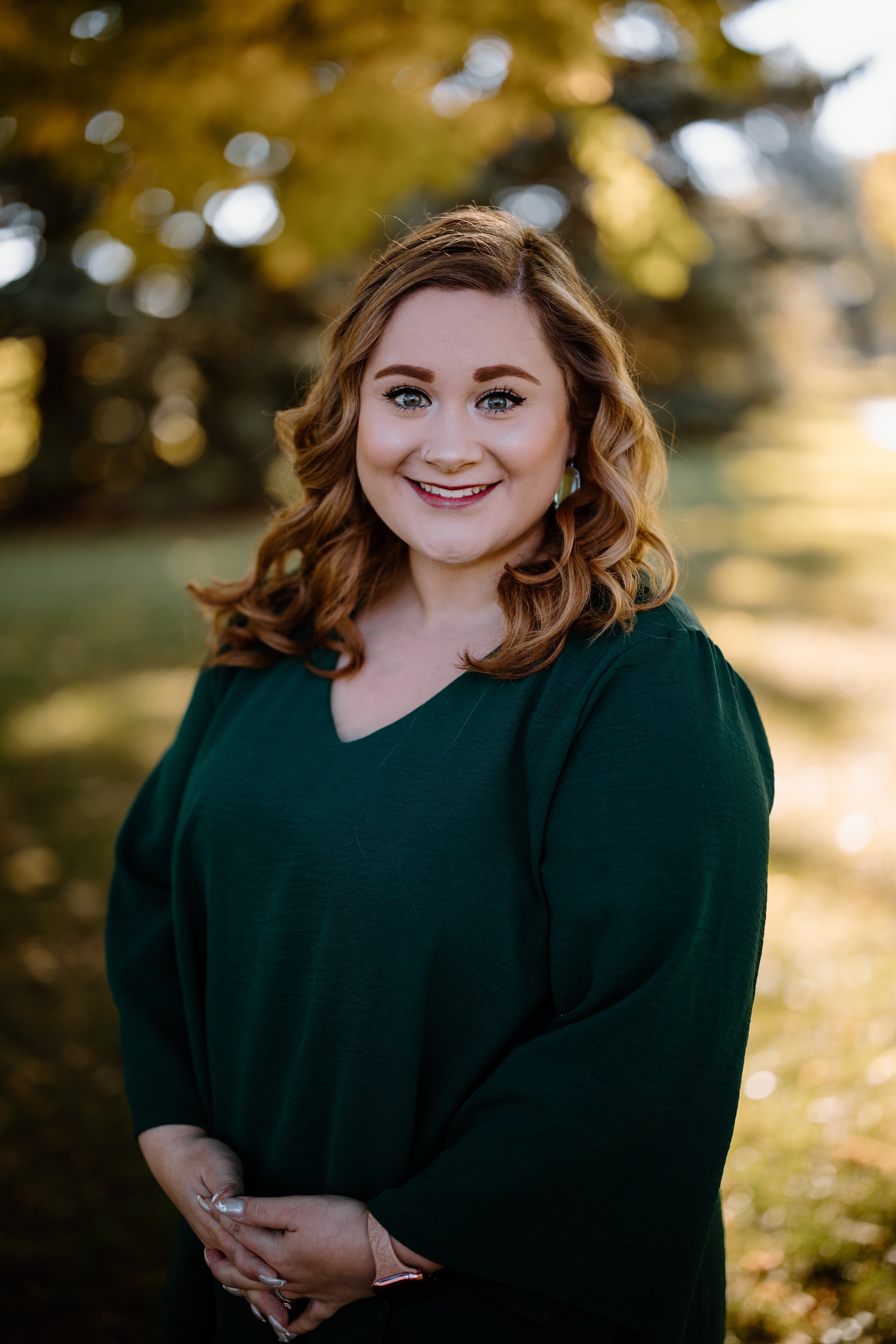
Today we’d like to introduce you to Maddie Darnell, MSSW, LCSW, IEMH-E®.
Maddie, we appreciate you taking the time to share your story with us today. Where does your story begin?
I began my professional career in crisis work and quickly discovered how much I valued the fast-paced environment and the opportunity to connect people with essential resources. From the start, my long-term goal was to work in child protection. Having experienced instability in my own childhood, I felt deeply committed to creating a sense of safety for children and supporting families during their most difficult times.
While working as a child protection caseworker, I met Mary Beth Swanson, whose approach to families profoundly shaped my path. I admired her ability to meet families where they were—with flexibility, empathy, and compassion that’s rare to find. Two years into my child protection career, I decided to pursue a graduate degree with the goal of becoming a therapist specializing in children and families affected by trauma.
Mary Beth later inspired me to focus on infant and early childhood mental health. My experiences working with teenagers labeled “beyond parental control,” struggling to find placements for children, and witnessing the deep impact of disrupted attachments taught me how critical early prevention truly is.
As I neared the end of my graduate program, I approached Mary Beth about joining Willow Collective as a clinical intern—while still working full time in child protection. After five years in CPS, I felt called to transition to Willow Collective full time, where I’ve since grown into a leadership role and continued to expand my focus on supporting children and families through trauma-informed, relationship-based care.
I’m sure it wasn’t obstacle-free, but would you say the journey has been fairly smooth so far?
What an intense question—and an honest one. It definitely hasn’t been a smooth road. When I transitioned to Willow Collective full time, I knew it would mean giving up many of the things I had grown used to: a stable salary, the structure and resources of county work, and the sense of being deeply relied upon by the families on my caseload. It was a major shift—from being a case manager focused on resources and crisis response to becoming a therapist focused on treatment and healing.
Not long after I began at Willow Collective, one of the co-founders, who managed all of the operational and billing aspects of the practice, decided to step away to focus on her new child. That created a huge gap to fill. Fortunately, before completing my undergraduate degree, I had worked in billing and front office operations at several medical practices. I drew on that experience to step in and keep things running—handling insurance billing, managing utilities and business accounts, and eventually learning how to credential clinicians, oversee grants, and sustain operations. There was a season where I worked 70+ hours a week to make sure the practice stayed afloat.
As our work deepened, we recognized the importance of becoming a nonprofit to better align with our mission. With the support of our executive director and CFO, I helped complete the necessary paperwork, establish our board, and transition Willow Collective into a 501(c)(3) organization. It was an incredibly challenging period—but it also reinforced my belief in adaptability, teamwork, and staying grounded in purpose even when the path isn’t smooth.
We’ve been impressed with Willow Collective Foundation , but for folks who might not be as familiar, what can you share with them about what you do and what sets you apart from others?
I may be biased, but I truly believe Willow Collective is something special.
At Willow Collective, our mission is to transform intergenerational trauma into intergenerational healing by building and repairing the relationships that most strongly impact very young children. We are committed to offering the highest-quality infant and early childhood mental health care to all families—regardless of their history or the barriers that might otherwise keep them from accessing support.
Willow Collective began with two like-minded clinicians who shared a deep history of service in the community and saw an unmet need for coordinated, relationship-based care during the earliest stages of life—from pregnancy through early childhood. What started as a referral and consultation network quickly grew into a private practice, and eventually a nonprofit organization.
Today, we specialize in infant and early childhood mental health (ages 0–7), as well as the pregnancy, postpartum, and parenting periods. Our clinicians are highly trained in modalities such as Internal Family Systems (IFS), Child-Centered Play Therapy, Eye Movement Desensitization and Reprocessing (EMDR), and others.
What truly sets Willow Collective apart is our commitment to wraparound care. We strive to meet families exactly where they are—whether that’s through individual, couples, or group therapy, or through case management provided by our qualified behavioral health assistants. We meet clients not just in our offices, but also in the community—within daycares, homes, and even at the Larimer County Jail—because we believe healing should never be limited by barriers like finances, transportation, childcare, or legal circumstances.
We’re proud of the strong community partnerships we’ve built over the years, including collaborations with Weld and Larimer County Departments of Human Services, the Early Childhood Council of Larimer County, the Larimer County Jail, Yarrow Collective, and Teaching Tree Fort Collins, among many others.
Our name and logo—the willow tree—carry deep symbolism that reflects our therapeutic philosophy:
Resilience & Flexibility: Willows bend but do not break, even in strong winds. This mirrors our belief in the resilience of children and families who have faced adversity.
Healing & Emotional Release: The “weeping willow” symbolizes the safe expression of grief and emotion—central to the healing process for children and caregivers.
Nurturing & Protection: The willow’s sheltering branches represent the containment, safety, and co-regulation that are essential to healthy development.
Roots & Grounding: Deep roots reflect the importance of secure early attachments and intergenerational healing.
Growth & Renewal: Willows thrive near water—symbolizing emotional depth, adaptability, and hope.
At Willow Collective, we hold space for growth, grief, and resilience. We believe that every family deserves the chance to heal, and we feel honored to be part of that process.
What makes you happy?
What makes me happiest is knowing I’ve made a meaningful difference in a child’s life. When I can help a parent better understand their child’s needs, strengthen their attachment, and realize that it’s never too late to change or heal—that’s what fills me with purpose and hope.
On a personal note, nothing compares to the joy of spending quality time with my husband and our four dogs—one of whom joins me in providing animal-assisted therapy. Those moments of connection, whether in my work or at home, remind me why I do what I do.
Contact Info:
- Website: https://www.willowcollectivefoco.com
- Instagram: https://www.instagram.com/willowcollectivefoco/
- Facebook: https://www.facebook.com/willowcollectivefoco/
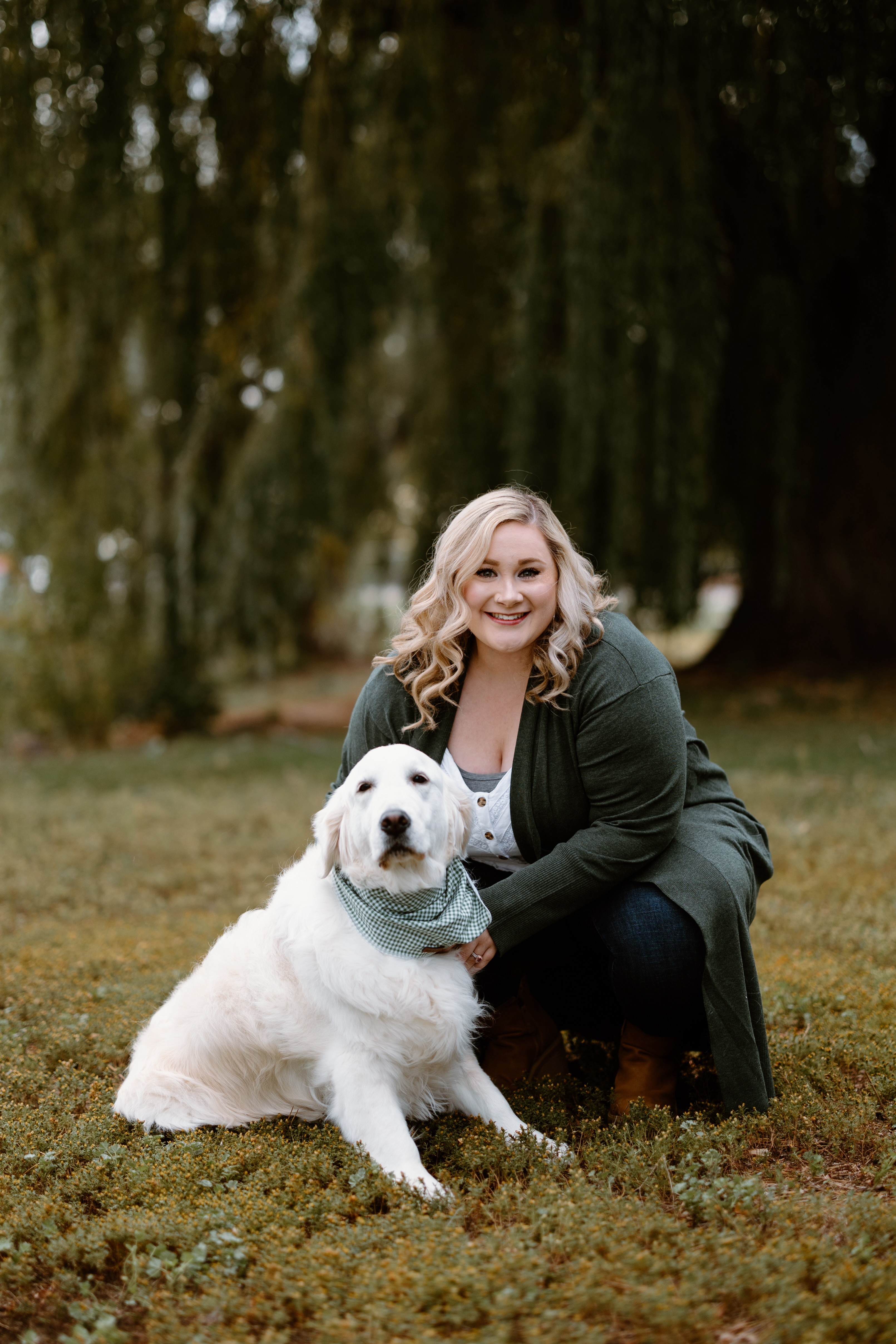
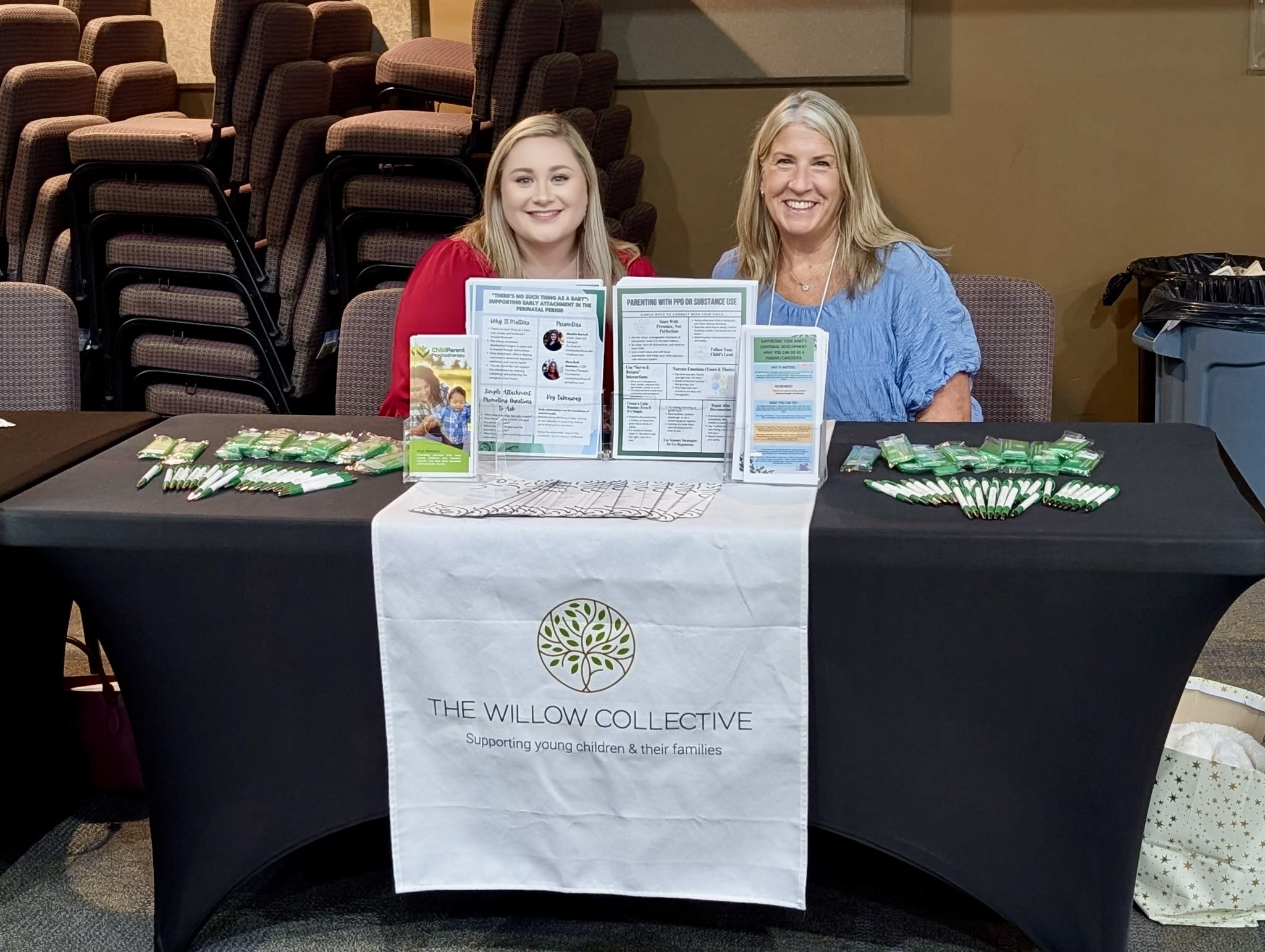
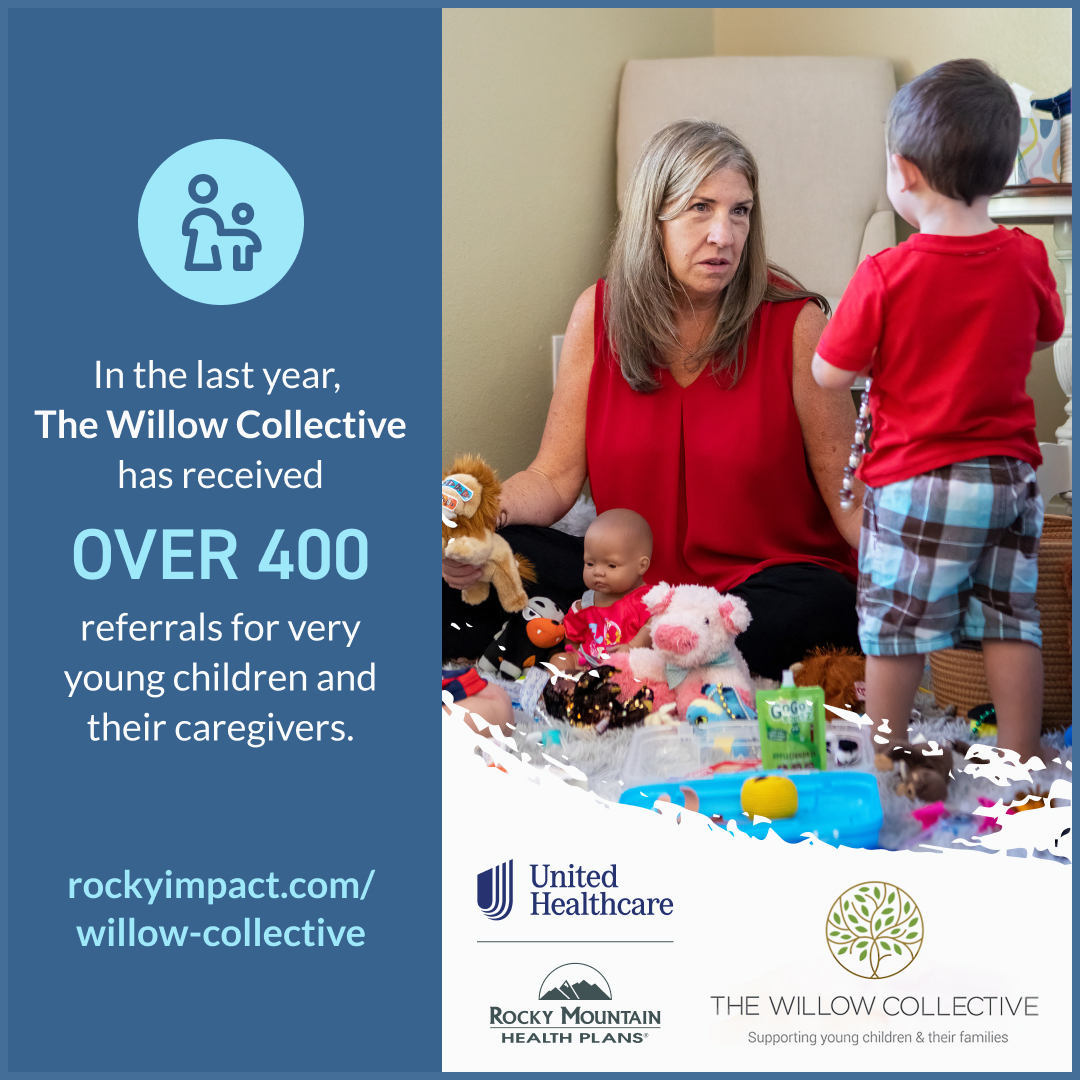
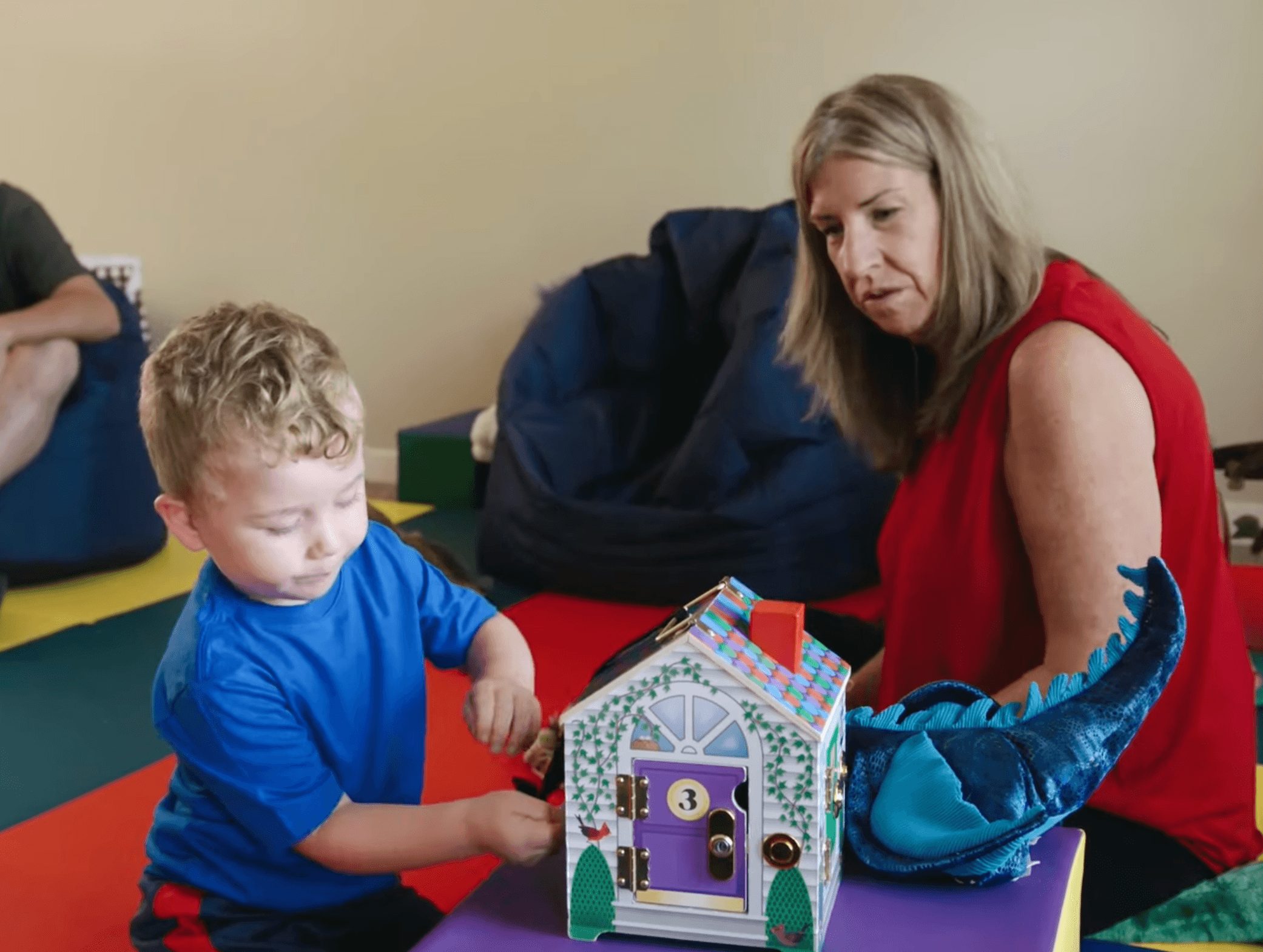
Image Credits
Allie Coldiron- Coldiron Photography