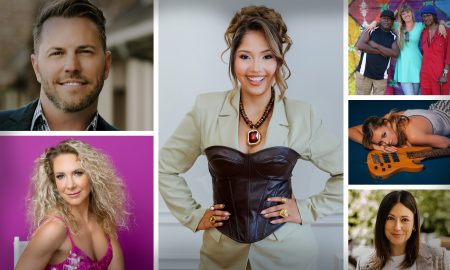


Today we’d like to introduce you to Alex Kandalaft.
Hi Alex, thanks for sharing your story with us. To start, maybe you can tell our readers some of your backstory.
In 2022, I began struggling with anorexia and bulimia, and my illness quickly spiraled out of control. By 2023, my life was completely consumed by my eating disorder. I became disconnected from my family, missed work frequently, and developed severe anxiety and depression. My substance use increased significantly, and I found myself in and out of the emergency room. My world became very small. My thoughts were entirely occupied by food. Scrolling through food videos on Instagram, living in constant fear of eating, obsessively weighing myself, mentally tracking what everyone around me was consuming, hoarding food, and baking compulsively. I was thinking about it nonstop, and it was exhausting.
I was lonely, completely isolated, with nowhere to turn in my community. I remember actively searching for a peer support group and finding nothing. Even within clinical spaces, there was limited knowledge, reassurance, or support specific to eating disorders. It only made things worse.
Eventually, I reconnected with my family. I was exhausted and no longer able to manage my illness on my own or hide what was happening. They were incredibly supportive and helped make it possible for me to enter a higher level of care. At the time, the idea of treatment and letting go of my eating disorder was terrifying and truly heartbreaking. My eating disorder had become my entire world and identity. It was the only thing that felt safe, and honestly, I felt proud at how much I’d “accomplished,” in relation to the level of my eating disorder, so choosing a higher level of care felt like all of my “hard-work” was going to go to waste. But I was exhausted by the constant noise in my head. I was desperate for quiet.
I spent several months of 2024 in residential and partial hospitalization treatment at Eating Recovery Center in Denver. Those months truly saved my life. Not only did I begin to get my brain space back, but I also built deep connections and friendships that had a huge impact on my recovery.
When I returned to my community sober and committed to eating disorder recovery, it became my mission to create the kind of support I had desperately needed during my own journey. I wanted to build peer support, increase community awareness and education around eating disorders, help others recognize they are not alone, create connection for those in recovery through shared lived experience, and work toward prevention, especially for our local youth.
In collaboration with a local recovery nonprofit primarily focused on addiction, I shared my vision of bringing eating disorder recovery and peer support into the broader recovery conversation. Robert Shearon, Founder and Executive Director of Reconnected, generously offered his space and support, making it possible to host a public “Eating Disorders 101” presentation led by a guest speaker from Eating Recovery Center, Holly Anderson. This marked the first event in our community specifically focused on eating disorders.
The response was powerful. People showed up and shared that ongoing peer support groups and eating disorder-specific workshops would be impactful to their recovery. These conversations confirmed both the need for and readiness to embrace this work in our community.
We launched weekly peer support groups in June 2025, and as the community continued to grow, it became clear there was a deeper need for ongoing support across our mountain town. That realization led me to establish BodyKind Vail as a nonprofit. In a full-circle moment, Eating Recovery Center, the very place that saved my life, became our first founding sponsor, generously supporting this work financially.
Can you talk to us a bit about the challenges and lessons you’ve learned along the way. Looking back would you say it’s been easy or smooth in retrospect?
I feel incredibly lucky to be part of this community. The outpouring of support and encouragement has made building and growing BodyKind Vail a truly joyful experience. When I reflect on the journey, I think about the pain I was living with, but also how I was able to turn that pain into resources for others, so no one has to face their silent battle alone.
Great, so let’s talk business. Can you tell our readers more about what you do and what you think sets you apart from others?
BodyKind Vail is a nonprofit organization based in Eagle County, Colorado, with a mission to provide peer support for individuals impacted by eating disorders, disordered eating, or body dysmorphia, while also raising awareness and offering education to the broader community. In a culture where athletic performance and physical appearance are often prioritized, disordered eating runs rampant – making this work essential.
We host a hybrid peer support group that meets every Wednesday from 5:30 to 6:30 pm (link to join virtually can be found on our website), and a licensed therapist from Vail Health co-hosts the group on the first Wednesday of each month, strengthening the bridge between peer support and clinical care. Occasionally, we offer creative healing workshops centered around art, music, journaling, etc. We also host a monthly mealtime support group, where participants prepare and enjoy a meal together, family-style, building confidence, skills, and comfort eating in a social setting.
At BodyKind Vail, we recognize that recovery looks different for everyone, and some support systems are helpful while others may not be as much. We listen to the voices of our community and tailor every program offering to meet expressed needs.
We are excited to expand our offerings in 2026 to include a Spanish-language group, an LGBTQ+ group, a binge eating group, and a group for caregivers and loved ones.
Beyond peer support, we partner with local nonprofits to host community education events that focus on raising awareness and fostering open conversations about eating disorders.
Risk taking is a topic that people have widely differing views on – we’d love to hear your thoughts.
Taking risks is necessary for growth and success. The real magic happens when we step into the unknown. We’re often capable of far more than we give ourselves credit for, and almost everything is “figureoutable.” It’s easy to find excuses for why we can’t take a leap to try something new that feels risky, which is why you just have to make that leap!
There’s a saying that has always stuck with me, “In six months, you could still be thinking about what you want to try, or you could be six months into actually doing the thing.”
You never know the impact that you can have on someone else’s life by taking a risk and trying something new.
Contact Info:
- Website: https://www.bodykindvail.org/
- Instagram: https://www.instagram.com/bodykindvail/
- Facebook: https://facebook.com/profile/bodykindvail
- Other: alex@bodykindvail.org
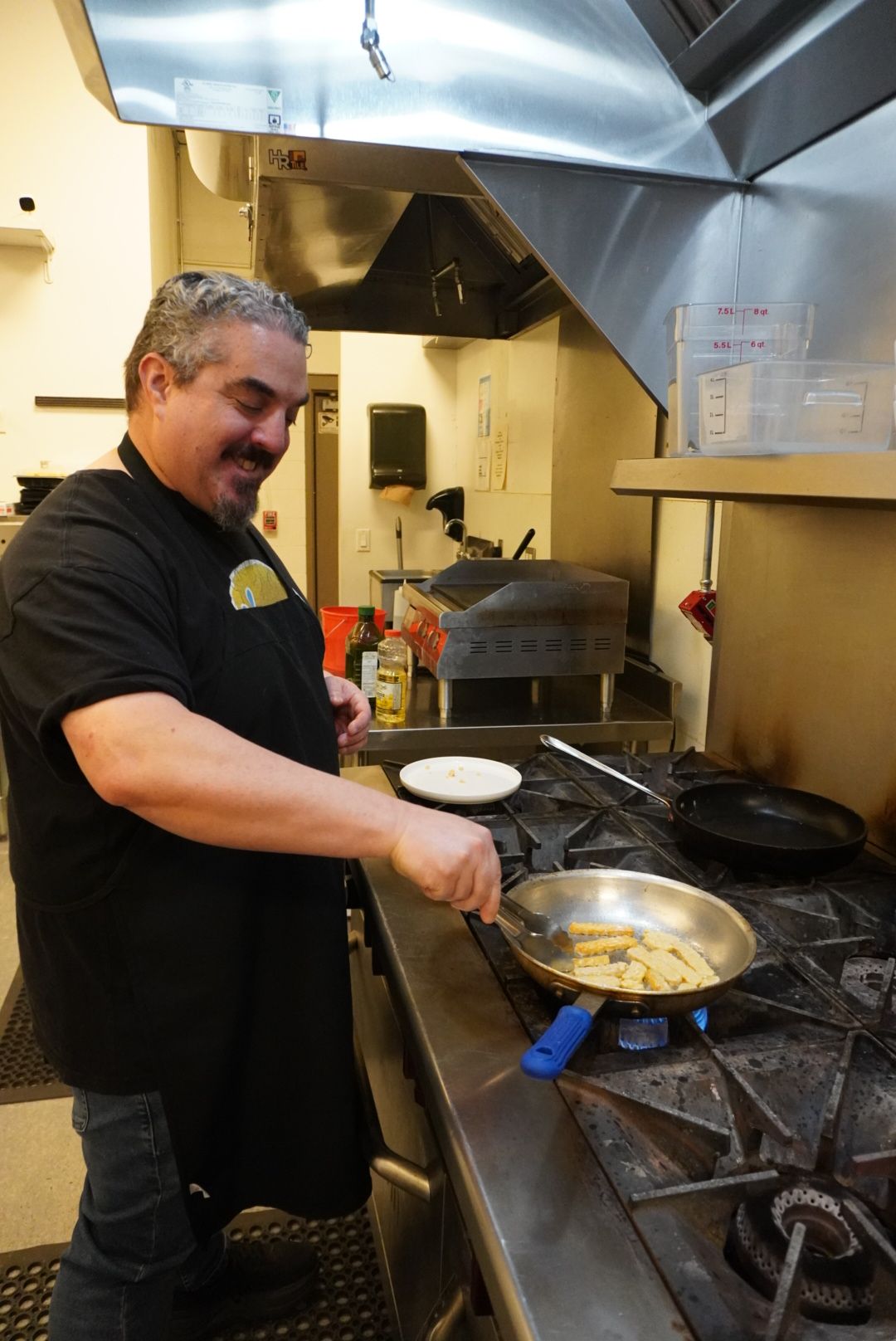
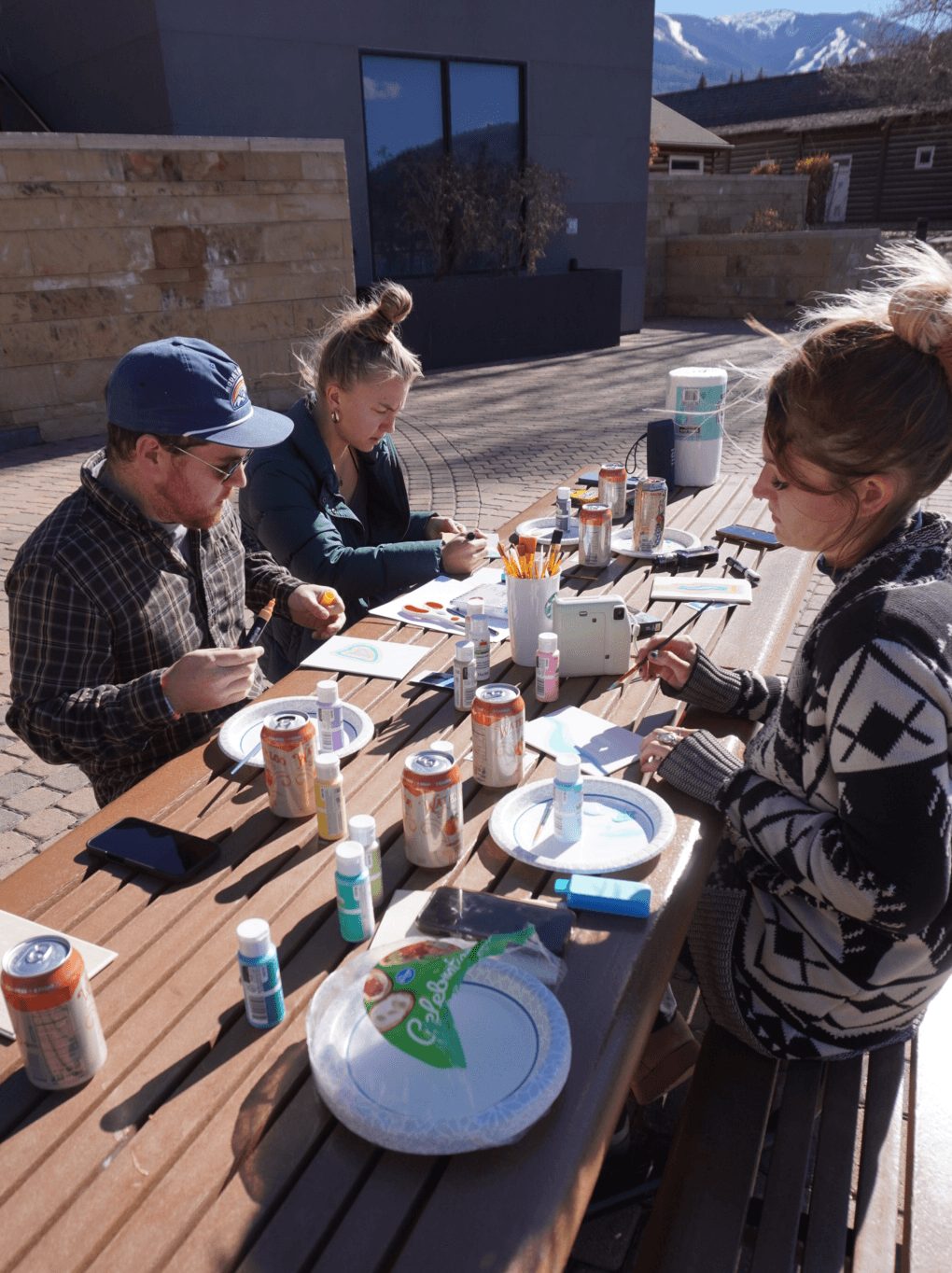
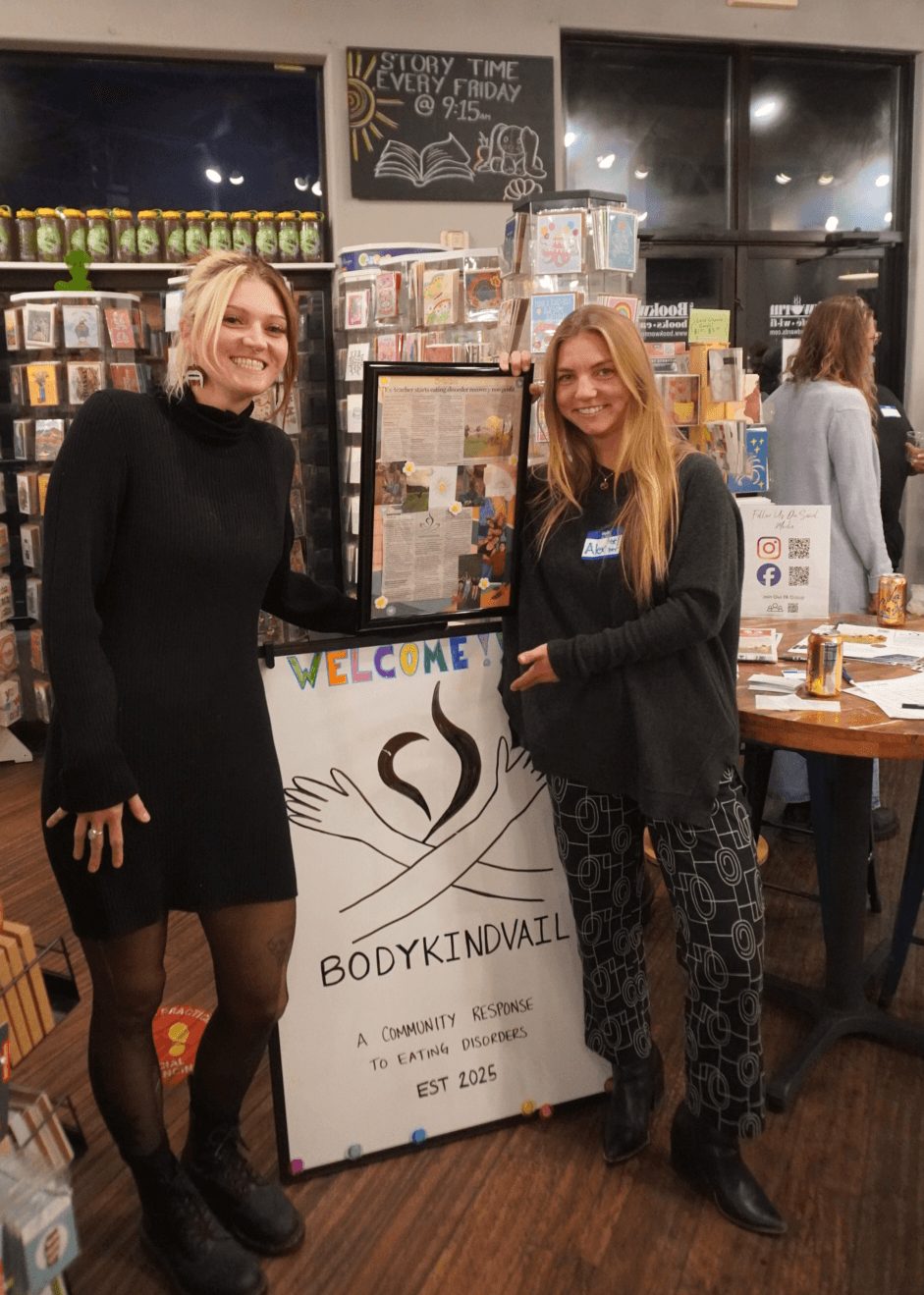
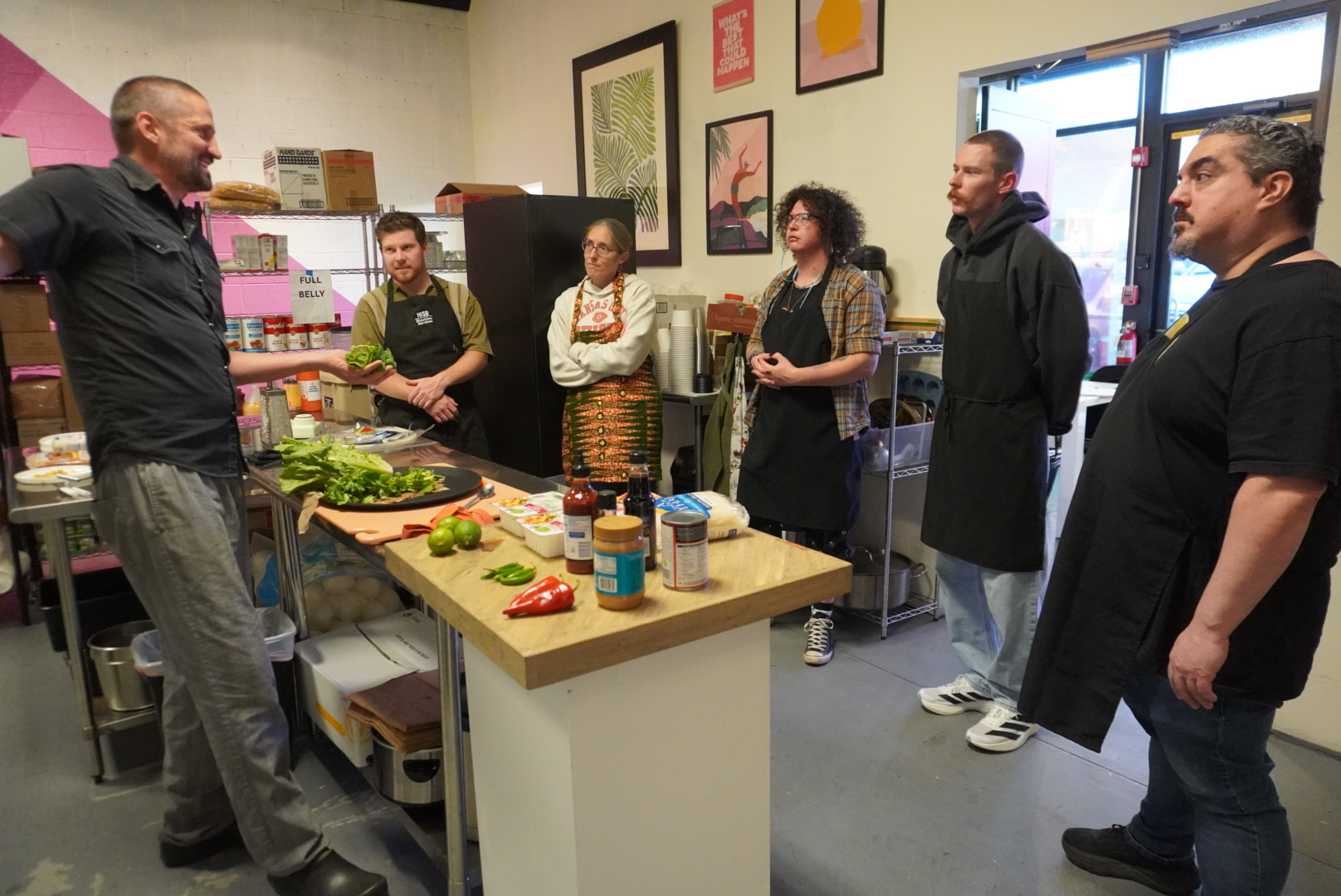
Image Credits
Peter Hogencamp