

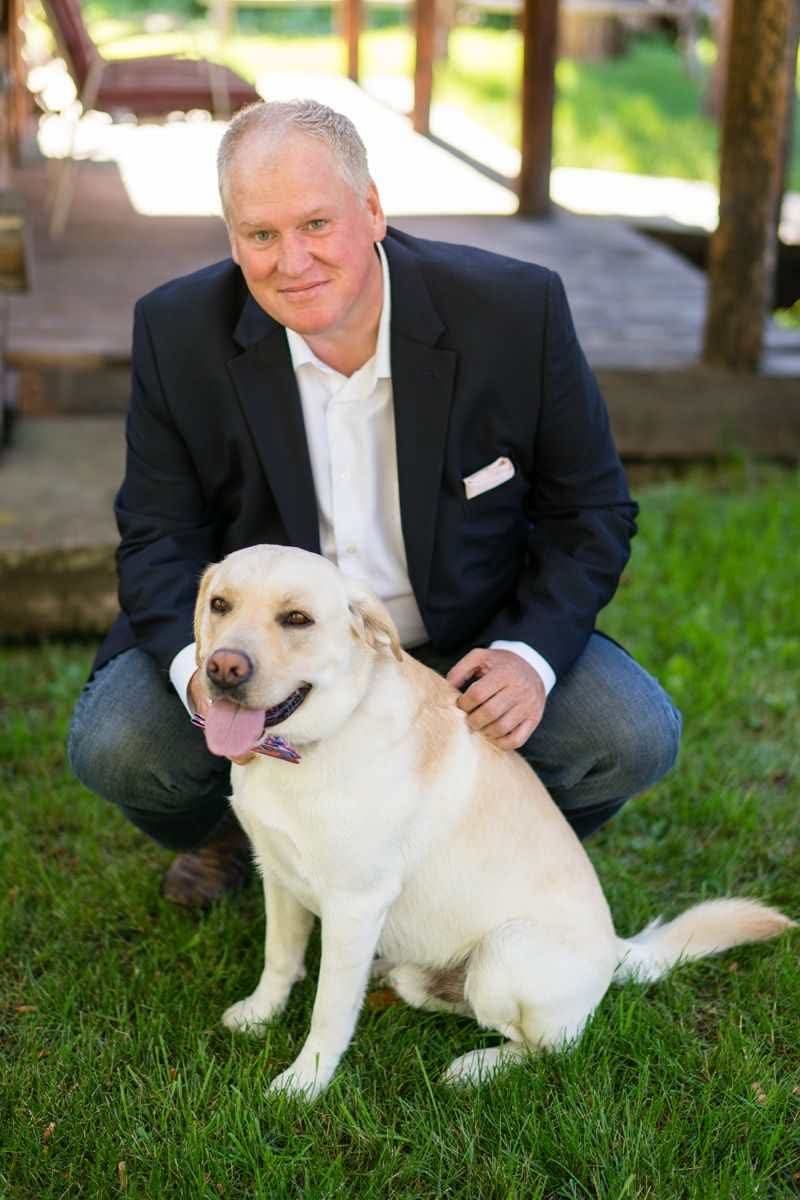
Today we’d like to introduce you to Dr. Jim “Doc” Weathers, DC, IBD-S, CKTI.
Hi Dr. Jim “Doc”, thanks for sharing your story with us. To start, maybe you can tell our readers some of your backstory.
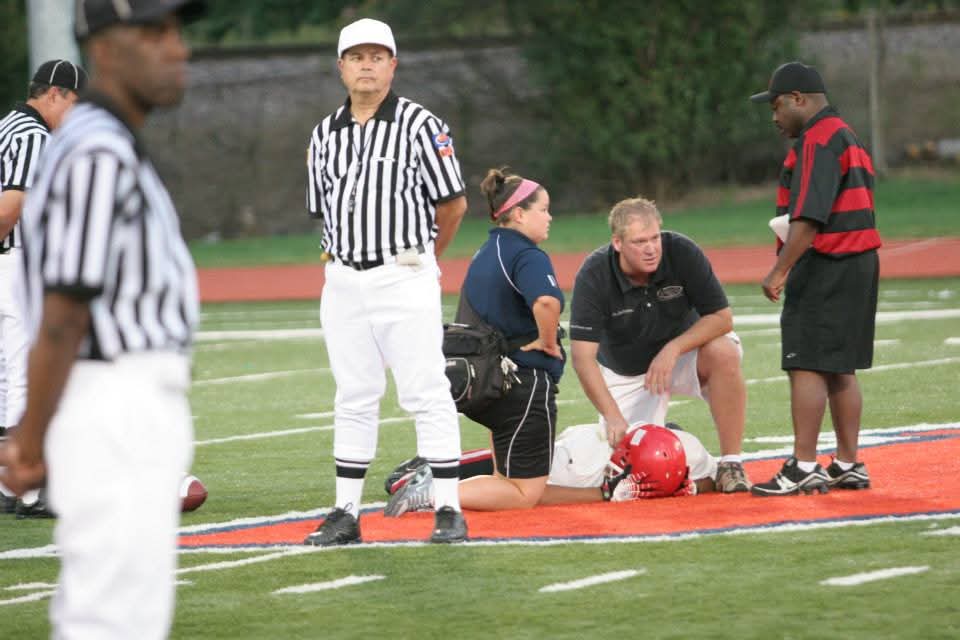
I’m a chiropractic physician based in Denver, specializing in sports medicine and physical therapy, and I’ve been doing this work for nearly 30 years. My focus has always been on treating pro and elite athletes—keeping them in the game until they’re ready to leave on their own terms.
What most people don’t realize is that my path into high-level sports medicine didn’t start there. Early in my career, I worked extensively as a pediatric chiropractor, treating patients as young as two hours old. As those kids grew up and became involved in organized sports, I quickly realized that the standard chiropractic model wasn’t enough. If I wanted to truly serve them, I had to expand beyond what was considered “typical.”
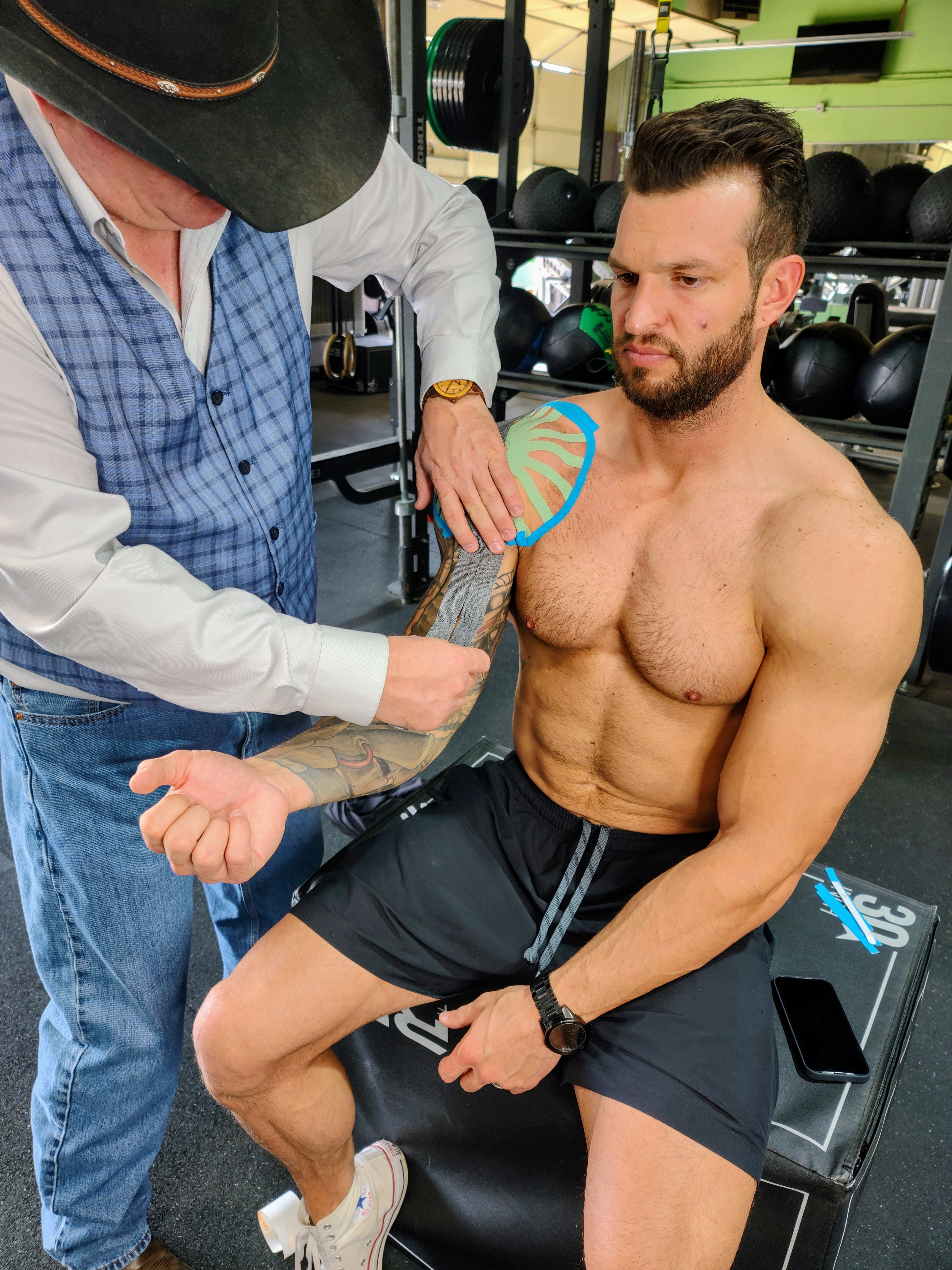
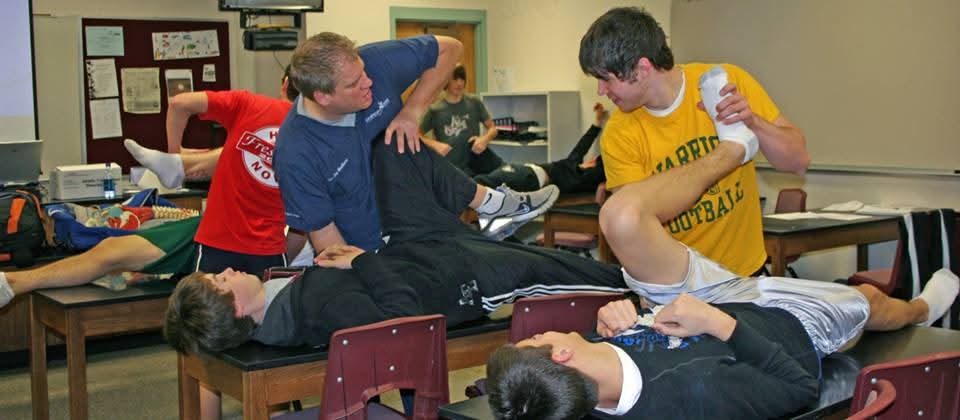
That curiosity, and frustration with limitations, pushed me deeper into sports medicine education. Over time, that meant advanced post-graduate training and certifications as a Running Doctor, Golf Doctor, and eventually becoming a Certified Kinesio Taping Instructor, which now allows me to train and certify other doctors and healthcare providers. I also immersed myself in science-backed BioHacking and recovery protocols designed to help athletes heal faster and perform better.
That path wasn’t always welcomed.
At the time, it wasn’t common to see a chiropractic physician working at high levels of athletic performance, especially where injuries carried serious career consequences. I received pushback from portions of the medical community who believed chiropractors were only appropriate for basic neck and back pain—simple cases that defined the profession in their eyes.
One of the turning points came through my relationship with a major hospital system in the Chicago area. What I didn’t know at the time was that, before fully integrating me into their medical model, they were quietly observing my work over nearly two years. During that period, they referred patients from multiple specialties—orthopedics, urgent care, and other departments—to see how I handled complex cases, communicated with other providers, and supported patient care within a broader medical framework. I didn’t practice any differently, I just did the work the way I always had.
What they found was that I practiced with clinical discipline, clear communication, and collaborative intent. I respected scope, worked within a team-based framework, and focused on what best served the patient rather than redirecting care for personal or professional gain. That mattered to them. It showed I wasn’t operating in isolation. Rather, I was contributing to a broader, patient-centered system.
That relationship became a stepping stone. It opened the door to working alongside highly experienced physicians connected to professional sports organizations. As we treated pro and elite athletes together, those doctors began to see that I didn’t fit the mold they had previously assigned to chiropractic. Trust grew through outcomes, consistency, and collaboration.
Before returning to Colorado, I also operated a multi-discipline sports medicine practice that included physical and manual therapists, massage therapists, athletic trainers, nutritionists, acupuncturists, and personal trainers. That environment reinforced my belief that no single discipline has all the answers, and that real progress happens when professionals work together.
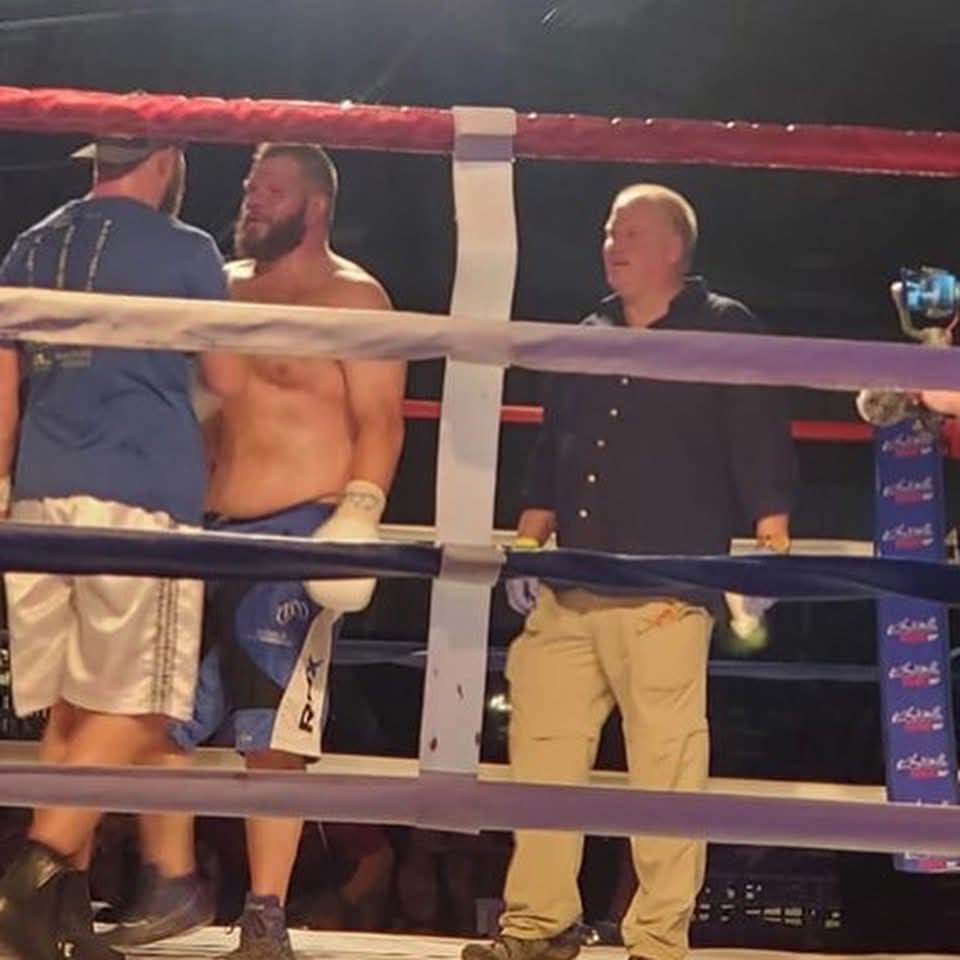
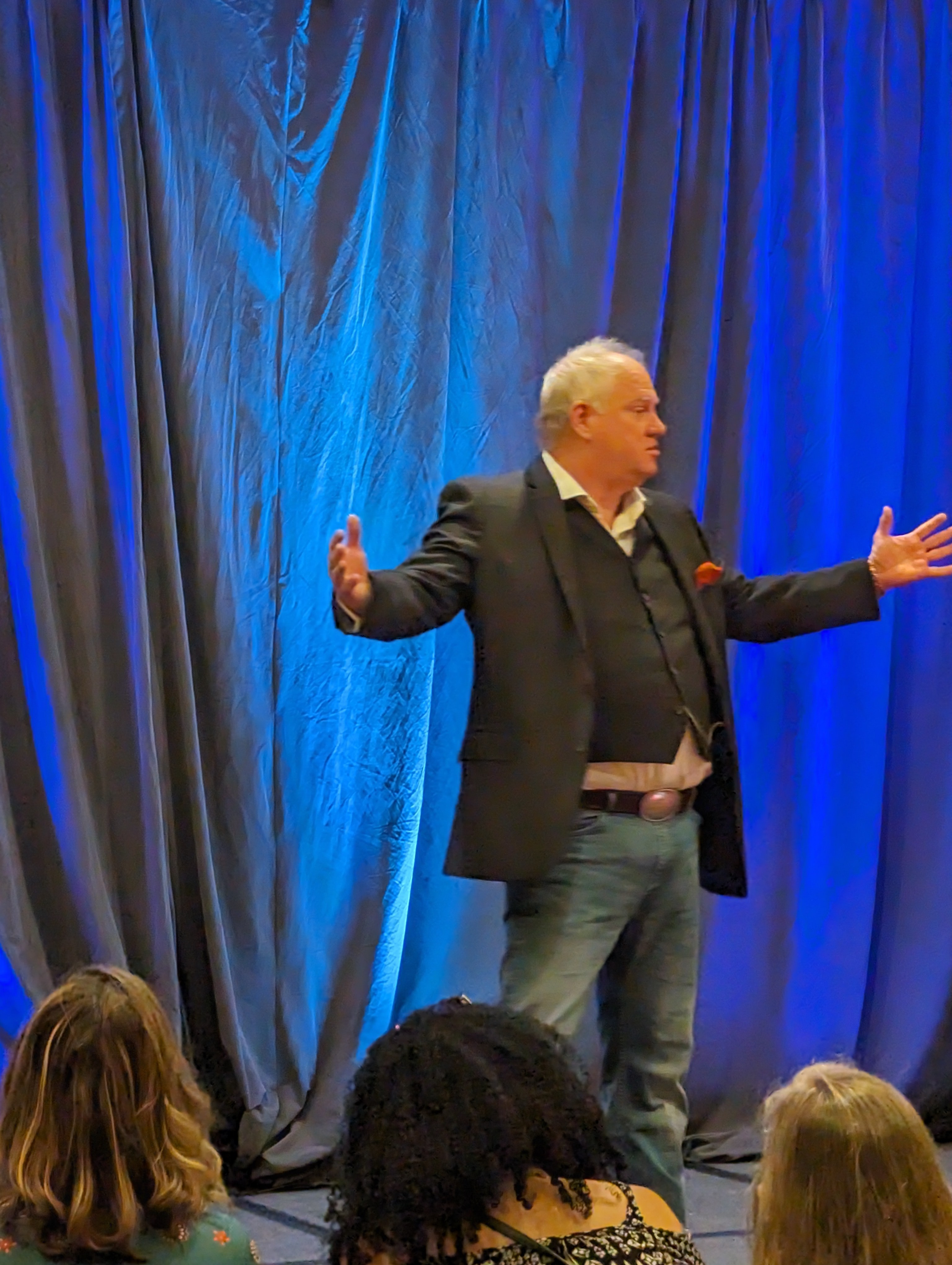
Today, I’m often brought into complex injury cases to collaborate with an athlete’s existing medical and training staff. Many athletes travel to Denver specifically to work with me, and in some cases they come from outside the country, places as far away as New Zealand, seeking care and consultation. Others bring me in as a consultant to support their teams on-site. When I’m not in the clinic, I’m speaking nationally and internationally, educating healthcare professionals on treatment protocols that have proven effective in real-world, high-performance environments.
At the core of my philosophy is this: I don’t believe in cookie-cutter rehab for bodies that aren’t cookie-cutter. Physical medicine can easily fall into routines—doing things the way they’ve always been done, accepting standard recovery timelines as unavoidable. But athletes aren’t the same. Their bodies, demands, injuries, and performance goals are different. So why would their recovery be identical?
My continued education in sports medicine and BioHacking focuses only on protocols backed by solid research and real outcomes, not trends or gimmicks. We take proven traditional treatments and layer in evidence-based BioHacking strategies to elevate recovery, shorten healing timelines when possible, and ultimately improve performance.
This wasn’t a straight line, and it definitely wasn’t conventional chiropractic. It was built through observation, resistance, collaboration, and a refusal to accept that “average” was good enough for athletes whose livelihoods depend on performance.
I’m sure it wasn’t obstacle-free, but would you say the journey has been fairly smooth so far?
No, it definitely hasn’t been a smooth road—and honestly, I would have doubted the journey if it had been.
One of the biggest struggles was existing in a space where I didn’t neatly fit. Within the medical community, I wasn’t initially viewed as a peer or equal. At the same time, within parts of the chiropractic world, I was seen as stepping outside the traditional philosophical framework that centers almost exclusively on spinal structure and adjustment as the solution for everything. For a long time, it felt like practicing in no man’s land, a professional with no clear home.
But I came to see that space differently. It felt less like being lost and more like being an explorer choosing a new path instead of following a well-traveled one. When you step off the map, you run into uncertainty, resistance, and doubt, but you also discover things that haven’t been seen before. I believed there was more possible than the blueprint that had been handed down, and that belief kept pushing me forward.
There was also consistent skepticism around my involvement in high-level athletics. At the time, chiropractic wasn’t widely accepted in environments where injuries carried real financial and career consequences. When chiropractors were included at that level, it was often in a limited or secondary role rather than as part of the core, first-response care team. I had to earn trust slowly—case by case, outcome by outcome—with very little margin for error. That process took time.
Another challenge was resisting the pressure to simplify my work or chase trends. In physical medicine, it’s easy to default to standardized protocols, volume-based care, or whatever happens to be popular at the moment. I chose a harder route, one centered on individualized treatment, collaboration, and long-term credibility. That meant slower growth at times and more scrutiny, but it also led to better outcomes and stronger professional relationships.
There were moments when I questioned whether the medical system surrounding pro and elite athletes would ever fully accept this approach. But I never questioned the work itself. I stayed focused on doing what was right for the athlete in front of me, even when that meant operating quietly, without recognition, and letting results speak over time.
Looking back, those struggles became filters. They shaped how I communicate, how I collaborate, and how selective I am about the environments and cases I step into. More than anything, they reinforced the belief that if you stay disciplined, stay curious, and stay aligned with outcomes, the right doors eventually open—even if they take longer than expected.
As you know, we’re big fans of Chirofitness & Rehabilitation Center. For our readers who might not be as familiar what can you tell them about the brand?
My practice is Chirofitness & Rehabilitation Center, and while my background is chiropractic, what we do day-to-day lives firmly in sports and physical medicine. I’ve spent nearly 30 years building an approach that blends traditional chiropractic care, physical therapy, and evidence-based BioHacking protocols to help people recover faster and perform better.
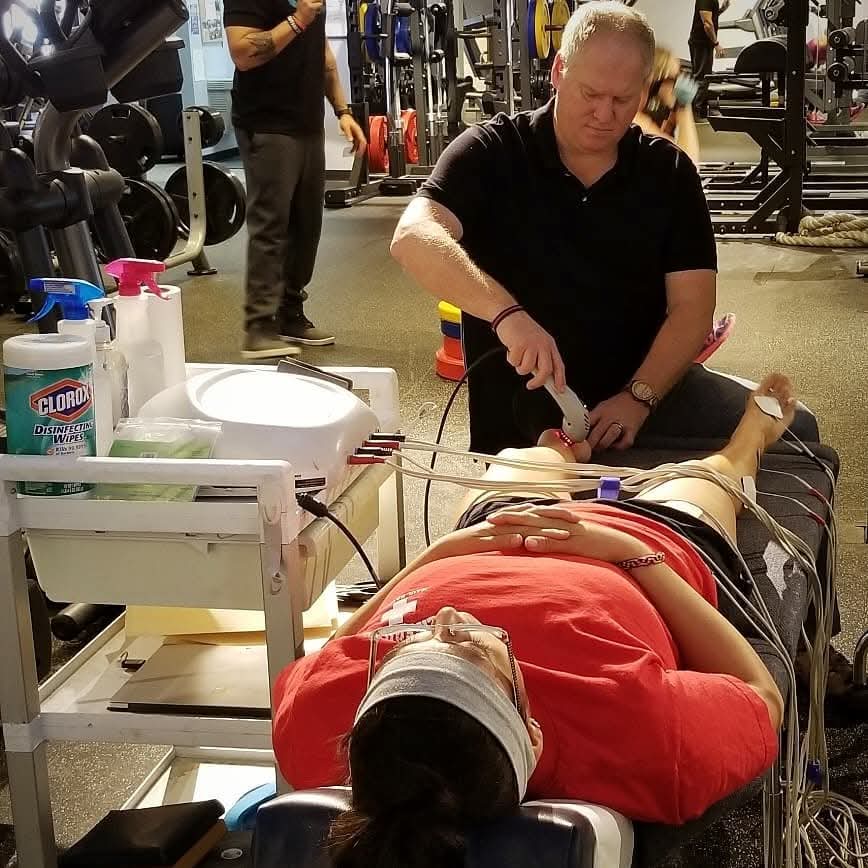
What sets us apart is how those pieces are layered together. We don’t replace proven treatment methods—we elevate them. Spinal adjustments, rehabilitation, and soft tissue work are paired with BioHacking strategies designed to support the body’s natural healing response, improve cellular recovery, and restore function more efficiently. Everything we use has to be science-backed, practical, and effective in real-world performance environments.
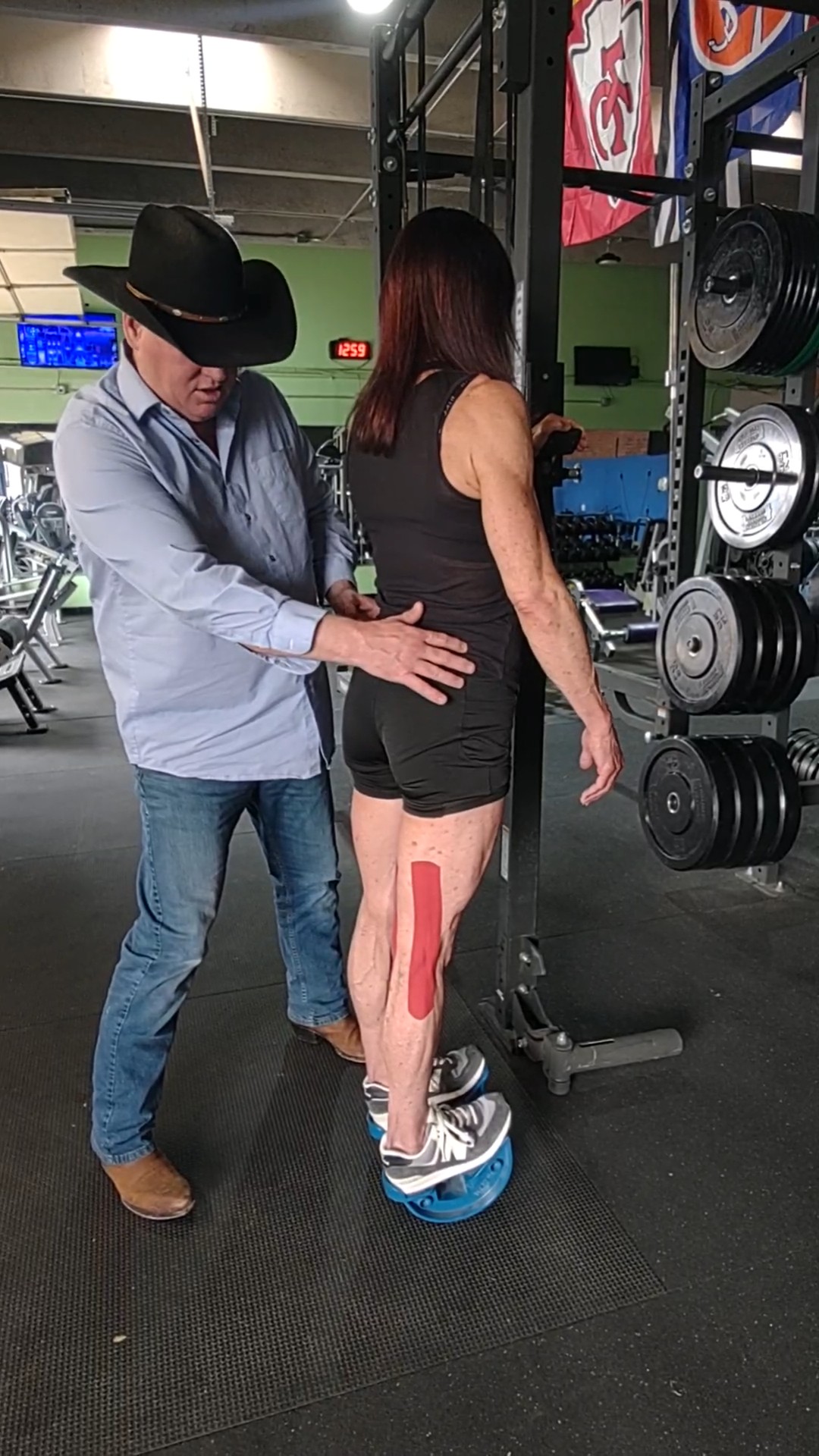
Most of our work takes place where athletes train—gyms, performance centers, and athletic facilities—because that’s where they’re most comfortable and where movement patterns actually show up. While much of our patient base includes pro and elite athletes from a wide range of sports and organizations, we also work with people who would never describe themselves that way.
That part matters to me.
When someone walks into our office, whether they’re a professional athlete, a firefighter, a contractor, or a parent responsible for their family, they receive the same level of attention, assessment, and care. Performance isn’t limited to sports. If someone’s ability to do their job, protect others, or show up for their life has been compromised by injury, then their recovery deserves a high standard.
Our tagline, “Because Not Performing, Is NOT An Option!”, comes from that belief. It applies just as much to a first responder returning to duty as it does to an athlete returning to competition.
Every new patient starts with a conversation. I personally spend time getting to know them and their situation to make sure we’re the right fit. If we’re not, we help guide them to someone who is. If we are, we move forward with a thorough evaluation that looks beyond symptoms. I’m less interested in just managing pain, I want to understand the why behind the injury.
Our care typically progresses through three stages. The first is reducing pain and inflammation efficiently, using a combination of hands-on care and targeted BioHacking therapies that help the body process inflammation and deliver nutrients, oxygen, and energy directly to the affected tissues. The goal is not just relief, but setting the stage for real recovery.
The second stage focuses on restoring proper neuromuscular function. Injuries often cause the body to compensate in ways that increase the risk of future problems. This phase is about correcting those patterns, reactivating proper nerve and muscle communication, and rebuilding coordination—again using both traditional rehab and BioHacking tools to accelerate the process.
The final stage is performance-specific strengthening. This is where rehab becomes preparation. We tailor movement and strength work to the individual’s demands, whether that’s a sport, a position, or a job and often collaborate directly with trainers, coaches, or medical teams to ensure a smooth transition back to full activity.
What I’m most proud of, brand-wise, is the trust we’ve earned. Being asked to collaborate with professional sports organizations and elite medical teams isn’t something I take lightly. That trust was built quietly, over time, through consistency, communication, and outcomes, not shortcuts or hype.
At the end of the day, Chirofitness & Rehabilitation Center isn’t about titles or labels. It’s about standards. We treat people who need their bodies to work—and we don’t settle for average when performance matters.
Is there anyone you’d like to thank or give credit to?
I’ve never believed this journey was meant to be walked alone. My faith has shaped that perspective deeply. I’m grateful to God for every opportunity along the way—the clear victories and the moments that felt like setbacks at the time. The successes became stepping stones, and the difficult seasons became lessons. I didn’t always recognize the purpose of those moments while I was in them, but with time and clarity, each one strengthened both my practice and my resolve.
My family has played a foundational role as well. My first wife encouraged me to pursue becoming a Doctor of Chiropractic and supported me through the demanding years of education and the early stages of building a pediatric practice—work that eventually evolved into a multi-discipline chiropractic sports medicine clinic. My current wife has supported the expansion of that work into a national and international practice, including this next chapter of teaching, consulting, and educating other healthcare professionals. Her steadiness during seasons of transition has been invaluable.
I’ve also been fortunate to learn from mentors on multiple fronts. Early on, experienced Doctors of Chiropractic showed me what disciplined care and consistency looked like in practice. While many of them focused solely on adjusting, which served their patients well, they gave me a strong clinical foundation. I also sought mentorship outside of healthcare—from business leaders who taught me systems, structure, and sustainability. Chirofitness & Rehabilitation Center was built at the intersection of those two worlds: clinical excellence supported by a sound business foundation. That combination is what allows a practice to withstand inevitable storms.
One pivotal experience came when a major hospital system quietly studied my practice over a two-year period before inviting me into their medical network. That group became mentors, advocates, and collaborators all at once. They taught me how to function within a broader healthcare system, how to communicate across disciplines, and how to contribute meaningfully to a team-based model of care. Their support mattered, especially during times when being “just a chiropractor” still carried skepticism in certain circles.
Those same mentors reinforced something else: the responsibility to keep learning. That mindset led me to pursue continued education and advanced credentials, not for letters after my name, but to better serve the athletes and patients who trusted me. Ongoing study and specialization became part of honoring that trust.
My multidisciplinary teams over the years, especially my staff in the Chicago region before returning to Colorado, also deserve tremendous credit. We weren’t just coworkers. We were a family of massage therapists, manual therapists, physical therapists, athletic trainers, fitness professionals, nutritionists, and acupuncturists working toward a shared goal. While I may have led the practice, its success was the result of collective commitment.
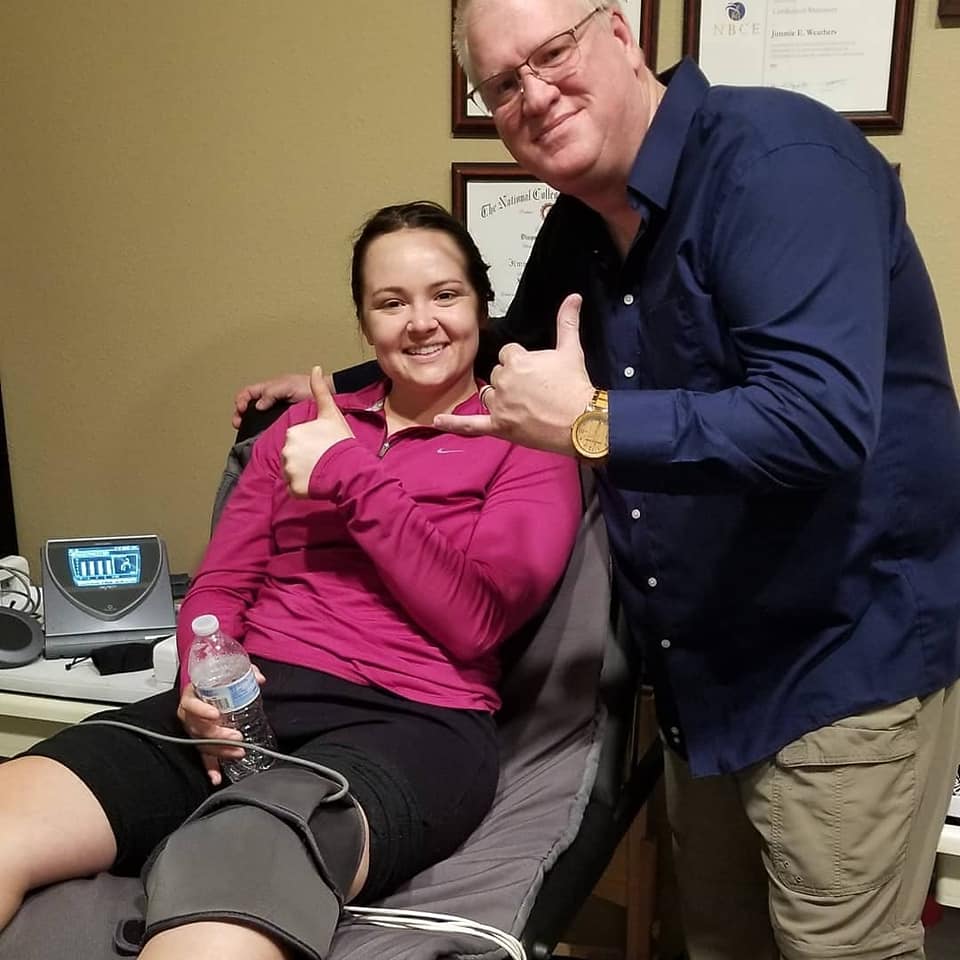
And finally, my patients. They have been some of my greatest teachers. Watching someone walk into the clinic discouraged, in pain, or uncertain and then leave stronger, more confident, and hopeful never gets old. Those moments are what drive my passion and commitment to doing this work well.
Over time, these relationships taught me to be selective, not just about cases, but about environments choosing collaboration, integrity, and outcomes over convenience or recognition.
Pricing:
- My practice operates on a case-by-case model. The athletes and patients I work with often present with complex injuries and performance demands that don’t fit into one-size-fits-all treatment plans.
- Care is individualized based on the injury, performance goals, and level of collaboration required with an athlete’s medical and training team.
- I do not bill insurance directly; however, patients receive a detailed superbill they may submit to their insurance provider for potential reimbursement.
- Consultations are used to determine fit, scope of care, and appropriate next steps before any treatment plan is established.
- This model allows me to focus on outcomes, collaboration, and performance rather than volume-based or time-restricted care. While much of my work involves pro and elite athletes, I approach every consultation with the same level of care and transparency, regardless of background or level of activity.
Contact Info:
- Website: https://thedocweathers.com/
- Instagram: https://www.instagram.com/chirofitnessrehab/
- Facebook: https://www.facebook.com/Chirofitnessrehabilitation
- Linkedin: https://www.linkedin.com/company/chirofitness-rehabilitation-center/
- Twitter: https://x.com/Chirofitness1
- Youtube: https://www.youtube.com/@ChirofitnessRehab
- Other: https://calendly.com/yoursportsperformancedr/30-min-athlete-new-patient-consult