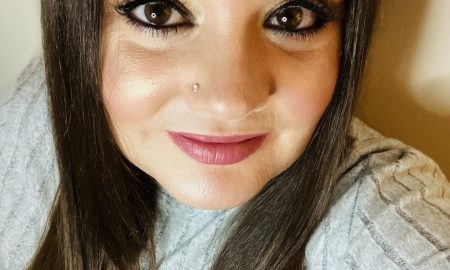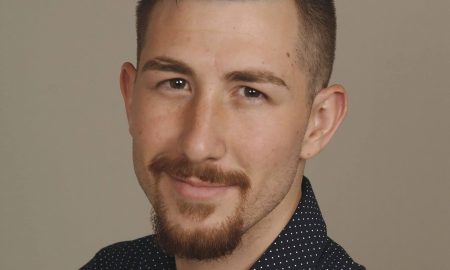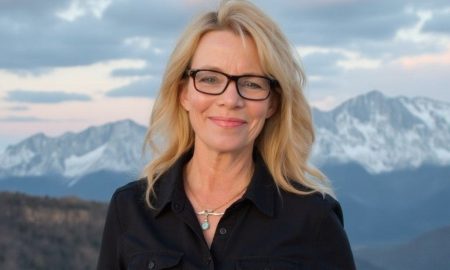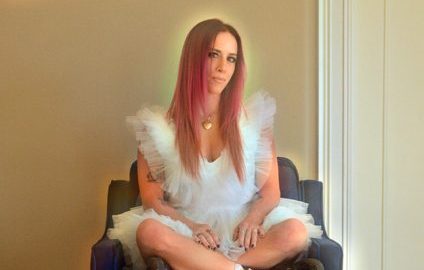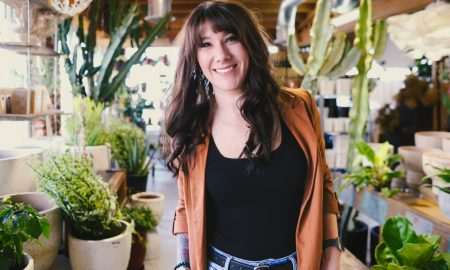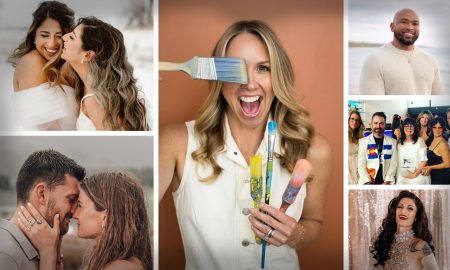


Today we’d like to introduce you to Annie Rose.
Annie, let’s start with your story. We’d love to hear how you got started and how the journey has been so far.
Photography has always been an integral part of my life, professionally and personally. My first camera was a digital point and shoot that became a staple in my purse throughout high school, where I was the yearbook photographer and editor. This somehow felt important at the time, as I was the backbone for a publication that my classmates would look at for the rest of their lives. After high school, the idea of creating published imagery was still intriguing, but I didn’t know what to do with that interest. Initially in college, I was focusing on photography and journalism in conjuncture with one another. The ability to retell a story in writing is a great gift, but difficult to do without personal bias. With photojournalism, I thought, my art could be subjective. People would be presented a series of images and could personally react to the moment in which it happened. There was a ton of creative commercial photography happening with my classmates at that time, but I especially loved capturing the candid moments in between or behind the scenes. My imagery took many forms in school – digital, film, Lomography, videography, etc. The work and process was satisfying, but I didn’t know why the stories I was telling didn’t REALLY resonate with me as an artist.
When I was 19, my dad (who is a musician) hired me to shoot a show of his at a venue in town. That gig was a total *lightbulb* moment for me. Music has always been my #1 passion, and I had finally found a way to bring my two passions together. Shortly after, I wrote to every publication on the front range (large and small) offering to take photos at shows in exchange for a credit in their publication. With having only one concert in my portfolio, along with a ton of very weird art school passion projects, this outreach returned slim results. One smaller publication, BandWagon Magazine, took a chance on me and sent me on my first concert assignment at Summit Music Hall. By the end of that summer, I had photographed over ten nationally touring bands at four main venues within Denver and Boulder. My imagery became significantly better during that time, and other local artists began to reach out. I had heard from other seasoned concert photographers that “you’re not going to make a living this way”, and I wasn’t. It was purely for fun at that point. When I first moved away from home, I knew I had to start offering more lucrative services to musicians, so I started advertising myself for band portraiture and videography work. What really made my business take-off was the uprising of social media and the unspoken pressure it put on musicians to have consistent and quality photography. I have been around music my entire life and felt confident in capturing specific moments on stage that musicians would want to look at and share later.
My role in photography and videography soon grew, as I was asked to be Director of Photography in a local ongoing music documentary called “I Love Colfax”. I was honored to be brought on as DOP and a photography mentor to the director, Michael Potts. Together, we have photographed and filmed over 75 shows, festivals, and open mic nights since 2014. As we worked to piece the documentary together, my visual art skills were put to the test. It started with adjusting our logo in Illustrator and has transformed into me creating graphic design and building websites for dozens of local musicians and artists, all self-taught. It was not something I was expecting to get into, but being a working artist has shown me the value in expanding my skills. I created my media company in 2016, and shortly thereafter began managing a local band, Dayton Stone and The Undertones. By dipping my toes into management, it opened a world of networking in the music industry, which soon led to bigger and more creative jobs. My work was noticed through Instagram last winter, and I was contacted by a live music production company with the hopes I’d shoot a video for them. That job currently provides work to me, in addition to my freelance endeavors. As of right now, my business allows me to live alone, choose my hours, see live music multiple times a week, and be an actual part of the community I grew up in.
We’re always bombarded by how great it is to pursue your passion, etc – but we’ve spoken with enough people to know that it’s not always easy. Overall, would you say things have been easy for you?
The “lightbulb moment” story of how I got started pales in comparison to how many downfalls I’ve dealt with. The first thing that I remember having problems with was my age. I’ve always been the youngest person in my circle of peers, which led to me being an oddball in the industry. What I mean by that is, when you hire a photographer or videographer to complete a professional job, there is an image that comes to some people’s mind of what that is supposed to look like. Having a (seemingly) young woman enter the room can create this awkward elephant. It’s made me feel inferior when I know I shouldn’t. In addition to age, my gender seems to stir up emotion for some folks. I’m a woman who is used to getting coddled in the music industry. This looks a lot like being second-guessed at the door of a venue when I say I’m the band manager or the photographer. It looks like random men coming up to me saying things like “That’s a big camera for such a little lady” or “So do you like music? Are you familiar with any of the musicians who are playing tonight?”, while I’m actively working at a show. I’ve had countless reactions of disbelief when explaining myself as a band manager or videographer.
Another struggle I’ve faced is toying with perfection. There are many clients I’ve worked with, who aren’t necessarily creative types, who have picked my work apart until it’s to their liking. I think a huge misconception of hiring an artist is that they’re going to give you a product that lines up 100% with the vision in your head. If someone wants to hire me, they have to leave room for my individuality. There is no way to bring someone else’s creative vision to life without having a piece of the artist be an integral part of that final product – mistakes and all!
Something I also wanted to mention is my struggle with mental health. I suffer chronically from depression, and it has led to me canceling jobs, being looked over for jobs, or prevented me from meeting new people. Like most emotional turmoil, it comes in waves. Being a photographer or videographer is such a lonely form of art. You’re (maybe) alone while shooting, and then you come home to edit and sit on your butt for days at a time looking at a computer screen. There’s rarely any collaboration that happens within jobs, and I’m often sitting there reliving these joyous moments alone. Some days I have felt like I’m being forgotten about or replaced. Tricky jobs have made me spiral into thinking I’m an overall failure, and I’ve had to take extended time away from digital media to remind myself of why I am an artist.
Starting your own business is never a smooth road, and it’s not always fun, but it does teach you a lot about yourself.
Any advice for other women, particularly young women who are just starting their journey?
My advice to women who are just starting their journey in this line of work?
1. Don’t be shy with your camera. If you are hired to shoot a show, you deserve the same winning shots that every other photographer gets. I’ve often been intimidated to work my way through a crowd to the front of an audience. It really is just about feeling your vulnerability fully, and using it to your advantage. Surprise people. Your power truly lies in their underestimation of you.
2. Don’t stop networking! Write emails until you get a response. The only way I was able to get clients was to go out and enjoy the scene I wanted to work in. Artists want to work with people who are just as passionate about their work as you are.
So let’s switch gears a bit and go into Annie Rose Media story. Tell us more about the business.
I am a photographer, videographer, graphic designer, musician, writer, and all-around nerd of anything media related. There is not a job related to media or music that I wouldn’t take on, given I have the right tools and time to do it.
Within that work, I specialize in media for musicians of all varieties. This includes live shows, band portraiture, recap videos, website design, poster design, lyric music videos, and any other random ideas a client may have (which have been a lot!). Outside of the music industry, I shoot commercially and enjoy product, street, wedding and lifestyle photography. Self-portraiture has been a big part of my artistic journey, as well, and is probably my favorite way to express myself. It’s an important part of an artist’s journey to create a self-portrait in some form. With photographers, it’s more literal but just as important. I take self-portraits because sometimes there’s an idea in my head that a model or stylist just can’t duplicate.
Since I was a teen, I’ve been in love with toy cameras and the Lomography process, aka pop photography. When I edit digital photos, I aim to recreate a toy camera glow in the image. The more dreamlike and grainy a photo can be without becoming distorted is how I like my final images to look. There’s a gentleness to the effect, the muted and cooler colors, that I can relate to my own brand of femininity. I want each client’s work to reflect that femininity, or that lightness and dreamy glow, that only analogue photography has shown to us. In content, my goal with music photography has always been to capture specific expressions and movements that you can look at, laugh, and say, “Whoa, I forgot that even happened!”. Instead of just raging guitar solos and extreme bass faces, I love to capture the moments between bandmates or the audience that are often looked over or forgotten.
Do you have a lesson or advice you’d like to share with young women just starting out?
Don’t stop learning about visual art, and take risks with it within your work. Photographers are not bound to just one medium. If you do something you haven’t tried, it will likely become what sets you apart from other artists. Often, the ideas we write off as extreme or stupid in our head are some of the most relatable and valuable elements to an audience.
Every photographer is a visual artist, and you can reach new levels when you incorporate multiple skills into one project.
Contact Info:
- Website: www.annierosemedia.com
- Email: annierosemedia@gmail.com
- Instagram: /naturaladditives


 Image Credit:
Annie Rose
Suggest a story: VoyageDenver is built on recommendations from the community; it’s how we uncover hidden gems, so if you or someone you know deserves recognition please let us know here.
Popular
-

The Trailblazers: Rewriting the Narrative
-

Celebrating the Spotlight: Kaytee Shashore Turns Milestones Into Momentum
-

Humanity in the Machine: Alexander Raye Pimentel’s Cyborg Recall Questions the Cost of a Data‑Driven World
-

Raemi Anderson on Courage, Caution, and Answering the Call of the Landscape
-

Hidden Gems: Local Businesses & Creatives You Should Know