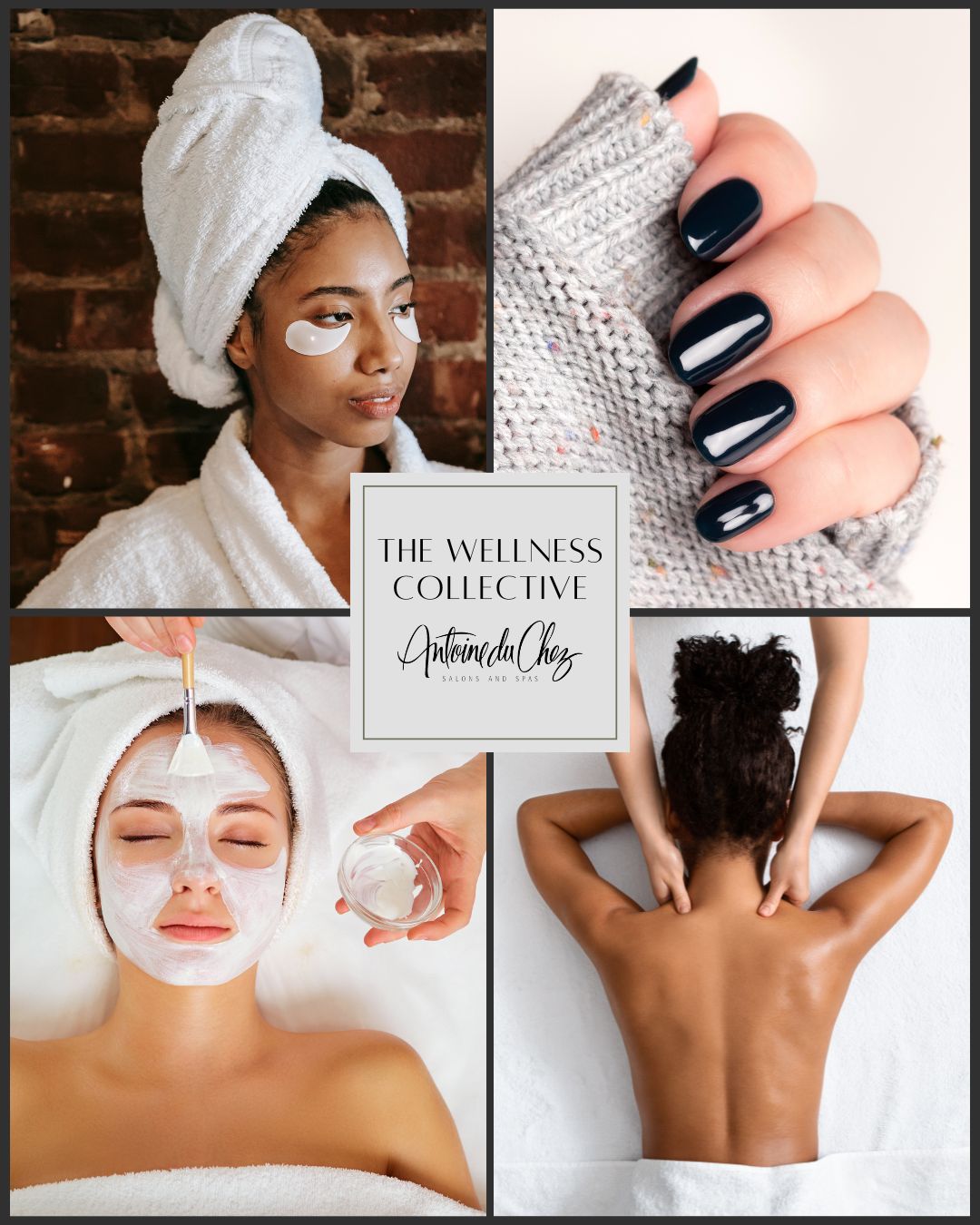
Hi Tanya, thank you so much for taking the time to share what you’ve been building with us — we’re excited for our readers to learn more, so let’s jump right in. The Wellness Collective was created in response to what you were hearing directly from your guests about stress, burnout, and affordability. What was the moment you realized it was time to rethink the traditional self-care model and create something more accessible?
I’m not sure if there was a single moment; it was more of a feeling that kept coming up. Stress feels constant right now. We’re “on” all the time, we’re expected to absorb so much information so quickly. To respond, to go, to do. And at the same time, inflation is very real. Prices keep rising, but the need to take care of yourself hasn’t gone away – if anything, it feels more important than ever. I kept wondering how to bridge those two realities.
I’m a mom, a business owner, and someone with a really strong community, and even knowing how necessary care is, it can still be hard to slow down for myself. But when I do, when I actually let myself lie on a massage table for an hour, or walk out of the salon with my nails done, I feel a little more centered after. And even if I don’t feel an immediate shift, I know I rested, and that in itself matters.
Over time, I realized I was feeling the same things our guests were feeling. “Self-care” had started to feel like a privilege, when really, it’s something we need in order to keep showing up. The Wellness Collective came from that place of asking: how do we make taking care of ourselves feel good, supportive, and realistic – especially financially – instead of something we have to negotiate or justify?
You’ve designed The Wellness Collective as a membership that allows clients to mix and match services like massage, facials, nails, and hair each month. How did you approach building flexibility into the program while still maintaining high-quality care and a premium experience?
I love trying new things! And sometimes, what I need one month isn’t the same as what I need the next month. I know our clients feel the same way. Our spa offers a wide range of services, so we wanted to build the Collective around that. One month, a client might have an important event and want their nails done. The next, they might really be feeling how dry their skin is in this Colorado climate and prefer a facial.
We also built the Collective with different tiers, at different price points, so people can choose what works best for them. Each tier includes access to massage, skincare, and nail services, with timing that flexes based on the level.
The goal was to make the Collective adaptable without watering anything down. The flexibility is in how clients use the membership, not in the quality of care. Every service is still delivered with the same products, protocols, and attention we’re known for. The steam rooms, Himalayan salt foot soaks, and the overall spa experience are all still part of it.
That was really important to me. I didn’t want flexibility to mean compromise.
You mentioned that traditional “self-care” can sometimes feel out of touch or out of reach, especially in today’s economic and social climate. How does The Wellness Collective challenge that narrative, and what does realistic, sustainable wellness look like to you?
I do think the term “self-care” can feel out of touch. A lot of what gets called self-care right now is tied to consumption. Buy this, try that, add another thing to your routine. And while some of it can feel good in the moment, it often misses the bigger picture of wellbeing. It can start to feel performative or expensive, or like something you’re supposed to keep up with.
When I started thinking about The Wellness Collective, I wanted to step away from that. Wellness, to me, isn’t about adding more. It’s about creating space for care that actually fits into real life.
The membership structure helps move away from impulse-based decisions or one-off splurges and toward a rhythm of care that people can plan for. Instead of asking, “Should I do this?” every time, it becomes part of how you support yourself month to month. And because it’s flexible – massage one month, skincare or nails the next – it respects that wellbeing isn’t one-size-fits-all or static.
Right now, people are stretched. I wanted this program to feel realistic, budget-friendly and with offerings that feel good.
At its core, this program seems to be about removing guilt from taking care of yourself. Why do you think so many people feel conflicted about investing in their well-being, and how do you hope this membership shifts that mindset?
I think a lot of people feel conflicted because we’ve been conditioned to put ourselves last, whether we’re caring for others or trying to stay productive and keep up at work. Add in the reality of how expensive life is right now, and it can feel hard to justify spending time or money on yourself, even when you know you need it.
I come back to the oxygen mask reminder on a plane a lot. You’re told to put your own mask on first, not because you matter more, but because you can’t support anyone else or show up well if you’re depleted. Well-being works the same way. When you’re taken care of, you show up differently in your life, your work, and your relationships.
With The Wellness Collective, I wanted to shift how people think about that investment. Instead of care feeling like a splurge or a last-minute decision, it becomes something you plan for and build into your life in a realistic way. It’s a reminder that you deserve to be on your own list, even in a season where things feel stretched.
As The Wellness Collective grows, what impact do you hope it has on your community, and how do you see this model evolving as more people look for wellness solutions that truly fit their lives?
I hope The Wellness Collective becomes a community of people who are showing up fully in their lives, but who have an anchor in our spa that’s guaranteed time just for them.
As it grows, I see The Wellness Collective becoming even more responsive to what our community needs. That might mean expanding service options, adding more restorative or educational experiences, or creating opportunities for people to gather and slow down together. I practice Reiki and sound healing, and I’m curious about how things like meditation, small circles, or shared moments of pause could eventually become part of the space.
We already have a really strong sense of community in the salon, and I’m excited about the spa growing into its own story alongside that. One that’s rooted in connection, presence, and care that evolves as our people do.
Link:








 Andrew Leahan on Transforming Everyday Spaces Through Thoughtful Plant Design and Full-Service Greenery Solutions
 Refinement Over Reinvention: Ashley Gaffney on Building Brands That Feel as True as They Perform
 Modern Sacred: Chelsea Henderson and Abby Payne on Building Community Through Shared Healing and Collective Growth
 Cutting Through the Noise: How Audrey Kerchner Is Helping Businesses Beat AI Paralysis
 Deb Matlock on Reconnecting with the “More-Than-Human World” Through Deep Listening and Nature-Based Practice
 Designing Bold, Lived-In Spaces: How April Stites Is Blending Artistry and Function in Modern Home Design
 Shaping Strength and Stillness: Carlos Flores on Craft, Culture, and a Life Worth the Effort
 Healing, Identity & Letting Go: Sandra Artiles on Turning Pain into Purpose Through Para Siempre
 From Lullabies to Legacy: Kathy Taylor on Turning Love into a Lifelong Musical Scrapbook