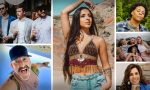


Today we’d like to introduce you to Kenneth Wajda.
Kenneth, before we jump into specific questions, why don’t you give us some details about you and your story.
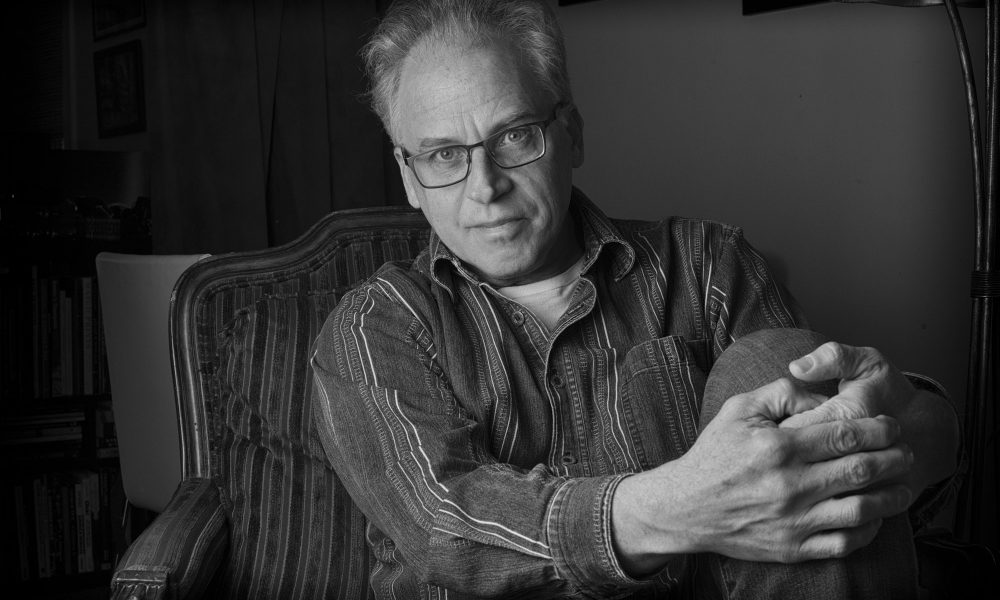
I started as a news photojournalist at the largest daily newspaper in New Jersey’s capitol, The Trenton Times, in 1988. I found it incredibly meaningful and important to tell local stories in photographs and worked there for 13 years before moving to Colorado in 2001. From that experience, I still find myself focused on storytelling when making commercial portraits and editorial photographs. Since 2001, I’ve been in Colorado and work as a commercial photographer.
Great, so let’s dig a little deeper into the story – has it been an easy path overall and if not, what were the challenges you’ve had to overcome?
I was lucky to find staff work at a daily newspaper right out of college, as it made it easy to work as a professional photographer on a regular basis when there’s a publication with a full daily assignment book.
I’ve often called those photojournalist days the best work I’ve ever had because when you’re working for the press, you’re not being hired by the CEO of a company when making a portrait of that CEO for the newspaper’s business page, but rather by your publication, so you get full editorial and creative control over how you make the portrait. That and the camaraderie of the newsroom and the photo department, I made friends that I still see to this day.
There were many wonderful assignments, from NFL football (Eagles, Giants and Jets) to MLB (Phillies, Mets), Presidential visits (George Bush Sr., Bill Clinton, George Bush Jr.) Vice Presidents (I was at the event in a Trenton school where VP Dan Quayle misspelled potato), as well as more frequently the ordinary local stories: restaurant reviews, business and feature personalities, high school sports and local spot news (fires, car accidents).
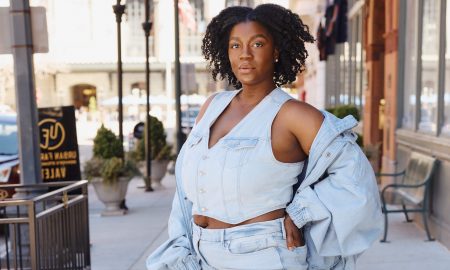
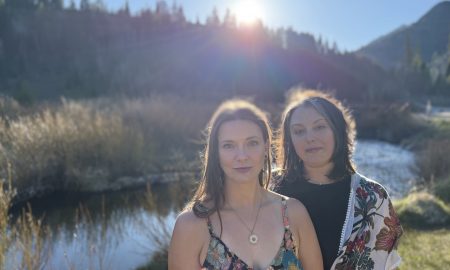
Now, as a commercial photographer, the challenge is the ease in which a person can make a photograph with simple cameras, even phones, which sometimes makes potential clients turn to people with less experience, and I have to show them that my experience matters, that my use of light and the ability to draw out a personality in a portrait, that that’s more than the camera and its technical aspects. That it’s the part 12-inches behind the viewfinder that’s the most important part of the photograph. As a freelancer, I have my regular clients and I am always on the lookout for new clients–a lot of the job is marketing, and some of it is shooting. The ultimate goal would be to reverse those two.
We’d love to hear more about your work.
I freelance for businesses in the cable industry, the medical industry, and in the past, the U.S. military. Plus, I shoot for editorial clients, local newspapers and AP (Associated Press), and I’ve recently added Yellow Scene Magazine to my client list. I’ve been fortunate to have been working professional photography my whole career. I started in the film days, and when digital photography took over, I bought right in and now shoot assignments for my clients digitally, as they need the rapid turnaround.
But I never let the film go. To this day, I still shoot both black & white and color film in a variety of vintage cameras, including legendary fashion photography cameras, Hasselblad and Rolleiflex, and large wood cameras that use 4×5″ and 8×10″ film.
I’m most proud of the fact that photography isn’t something that I do just to make a living, but something I do when I’m not working, I carry a camera for making street photographs, family and friends’ documentary photos and portraits, and working on personal projects, I have one documentary project called Roy Stryker, which is named after the Washington D.C. FSA (Farm Security Administration) manager who in the 1930s hired Dorothea Lange, Walker Evans, John Vachon, Arthur Rothstein and the rest of the FSA photographers to document America. I started the project in 2017 as a way to document America as it is now and contribute to it weekly along occasionally with other photographers.
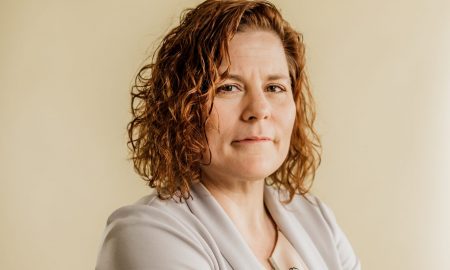
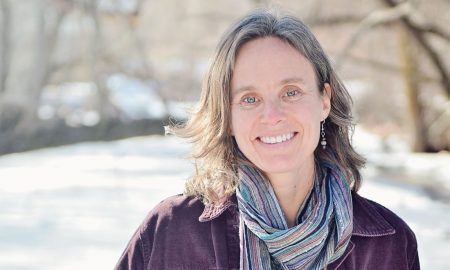
I also started The Wise Photo Project with a goal of photographing our grandparents and great-grandparents in a high-quality, formal way, a type of portrait that is rarely made nowadays. In 2019, I set up a studio at the Longmont Senior Center and had 75 people come out for a portrait and a print at no cost. I’ve often thought that making these portraits is the most important work I do.
Perhaps what sets me apart is that I still shoot film for personal projects, I still hand-print in my own darkroom, and I treat photography as a true art, one that is made by hand by me, not computers, every step of the way, and I’m enamored by it–it’s a thrill to create.
That and I teach photography. I’m a proponent of “share everything you know,” no one can do what you do the way you do it, so share your knowledge. And I encourage people to go for their creative goals, we need each person’s vision–no one else sees the way you do. I teach at the Colorado Photographic Arts Center in Denver.
I also produce a weekly YouTube “inspiring photography talk” video, a daily photography podcast, and run a monthly event for local photographers to gather and show their work titled Beer+Cameras: Boulder. And I exhibit my work every chance I get. I have a show coming up in Boulder in September 2020.
Do you look back particularly fondly on any memories from childhood?
Thinking in photography terms, perhaps my fondest memory is sitting on my bed with a Kodak Retina IIIc, my Father’s German-made rangefinder camera, working to figure out all the numbers (f-stops, shutter speeds, EV numbers), it was like a puzzle I was solving, though not very quickly, I found them so confusing.
Outside of photography, my favorite memory is how at my house, with two older brothers, I shared a bedroom, the three of us all in one room. And my parents in the master bedroom. But there was one other bedroom, a guest room that nobody used, with a nice double-bed. I slowly moved into there and settled in before my oldest brother realized and posed a concerned question to my folks, “Does he have his own room now?” Well, in my defense, it was going unused, and I have been known to go for it when an opportunity presents itself.
Pricing:
- Portrait Commissions (film/hand-printed): $550-1150
- Portrait Commissions (digital/lab-print): $325-900
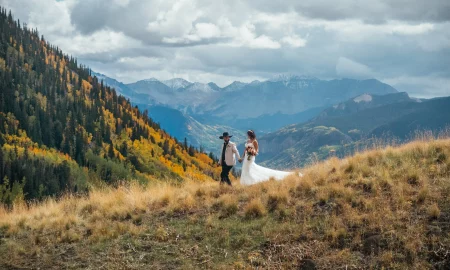
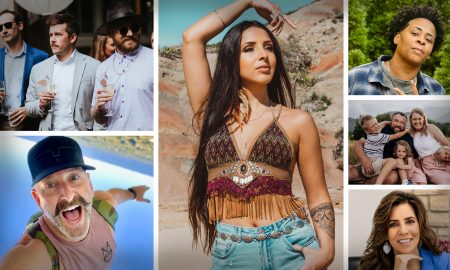
- Wedding Portrait Studio (Portrait Studio at Wedding Receptions): $1200-1500
- Editorial/Commercial: $200/hour.
- The Wise Photo Project – No Charge
Contact Info:
- Website: https://KennethWajdaPhotographer.com
- Phone: 720.982.9237
- Email: info@kennethwajda.com
- Instagram: http://WeddingPortraitStudio.com
- Facebook: http://TheWisePhotoProject.com
- Twitter: http://KennethWajda.com
- Yelp: http://DailyPhotographyBlog.com
- Other: http://HeresToGoodLight.com


Image Credit:
All photographs, Copyright Kenneth Wajda.
Suggest a story: VoyageDenver is built on recommendations from the community; it’s how we uncover hidden gems, so if you or someone you know deserves recognition please let us know here.