

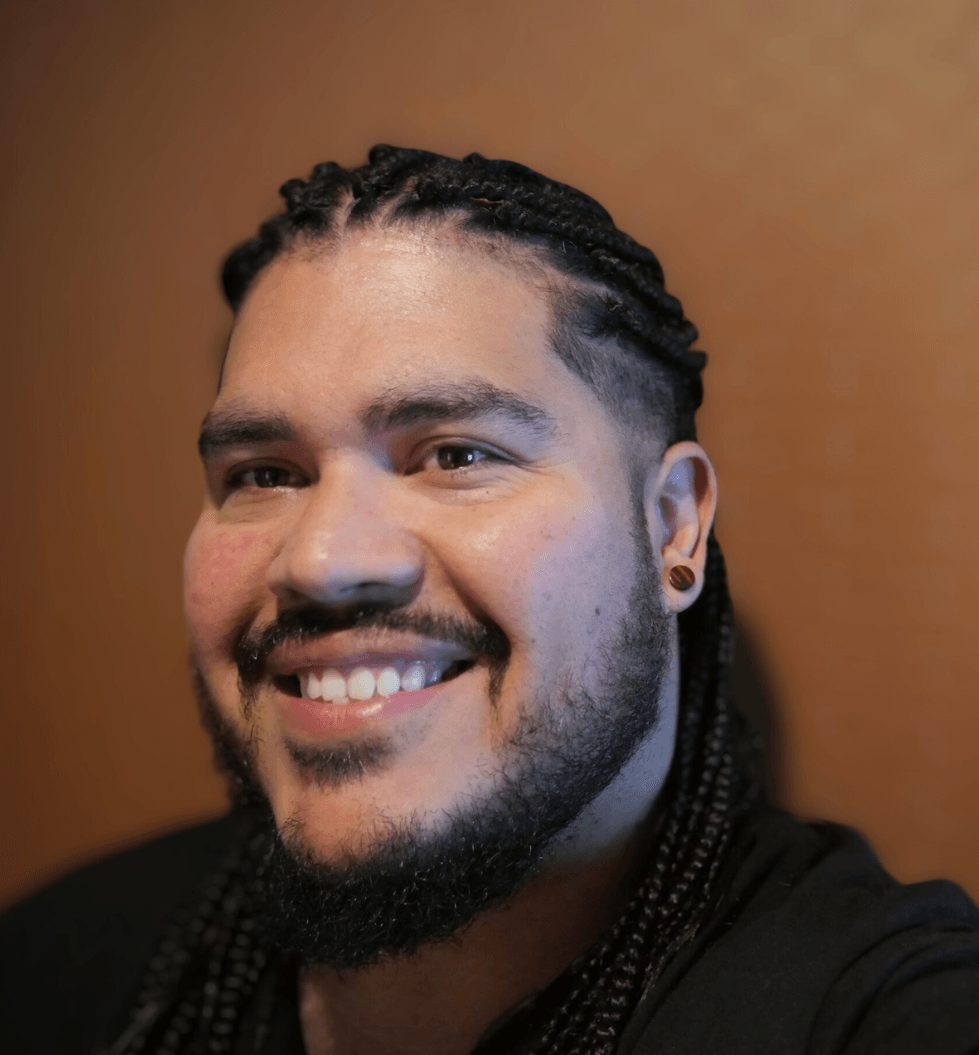
We’re looking forward to introducing you to Dr. Bryan O. Rojas-Araúz. Check out our conversation below.
Hi Bryan O., thank you so much for joining us today. We’re thrilled to learn more about your journey, values and what you are currently working on. Let’s start with an ice breaker: What do you think others are secretly struggling with—but never say?
I think a lot of us are quietly carrying things we’re embarrassed to name or not ready to share. We convince ourselves our pain isn’t “big enough” to bother someone with. That lie keeps us small. I’d know: even as a mental-health provider, I waited years to go to my first therapy session.
Some things people secretly struggle with but rarely say out loud:
• Feeling like a fraud at work or at home.
• Quiet, ongoing grief for relationships that ended without closure.
• Chronic loneliness even in a room full of people.
• Shame about parenting, money, or past choices.
• Worry that asking for help will make them weak or a burden.
Regardless of what it is, we all know pain and we shouldn’t have to suffer in silence or alone.
Can you briefly introduce yourself and share what makes you or your brand unique?
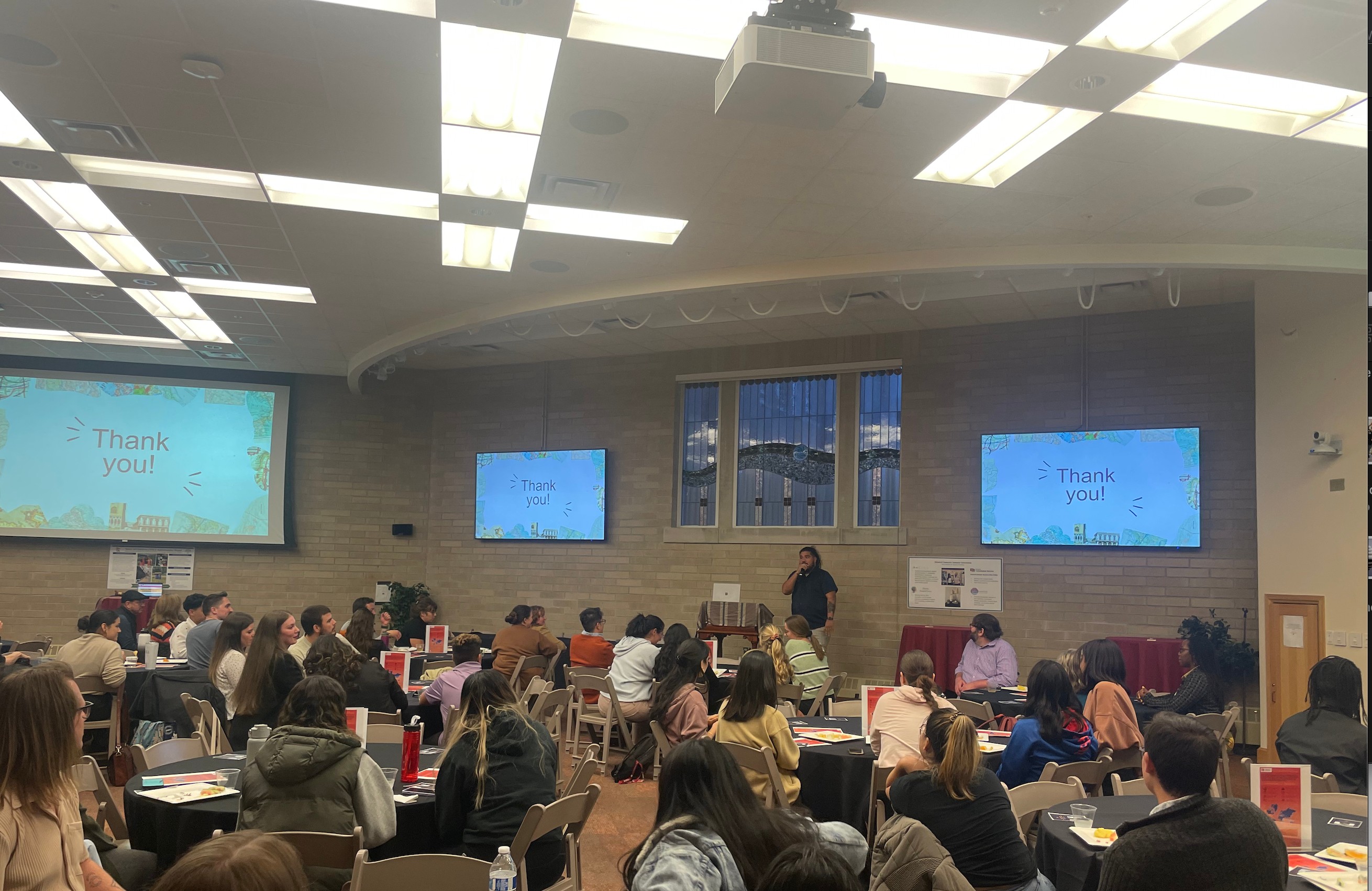
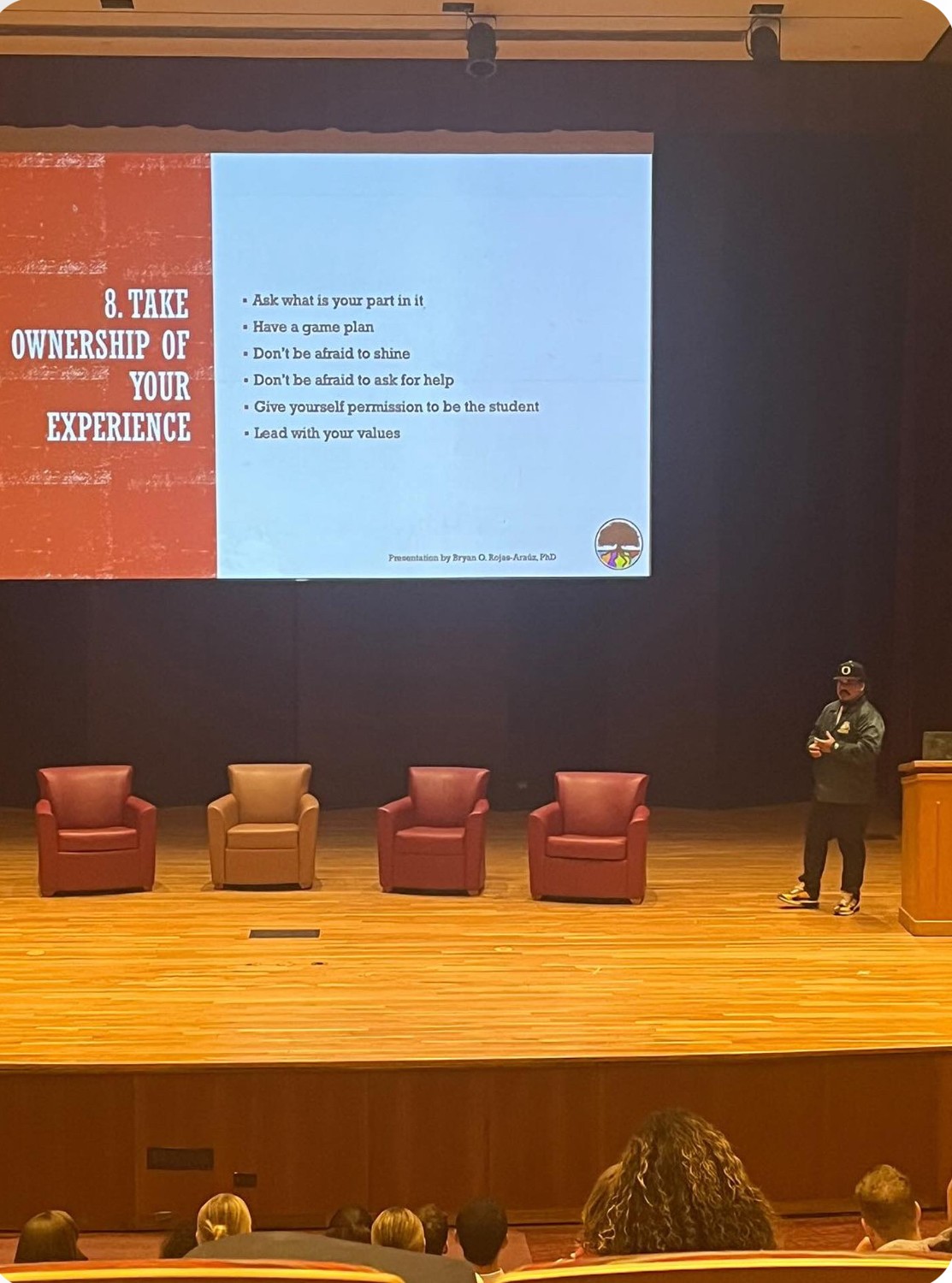
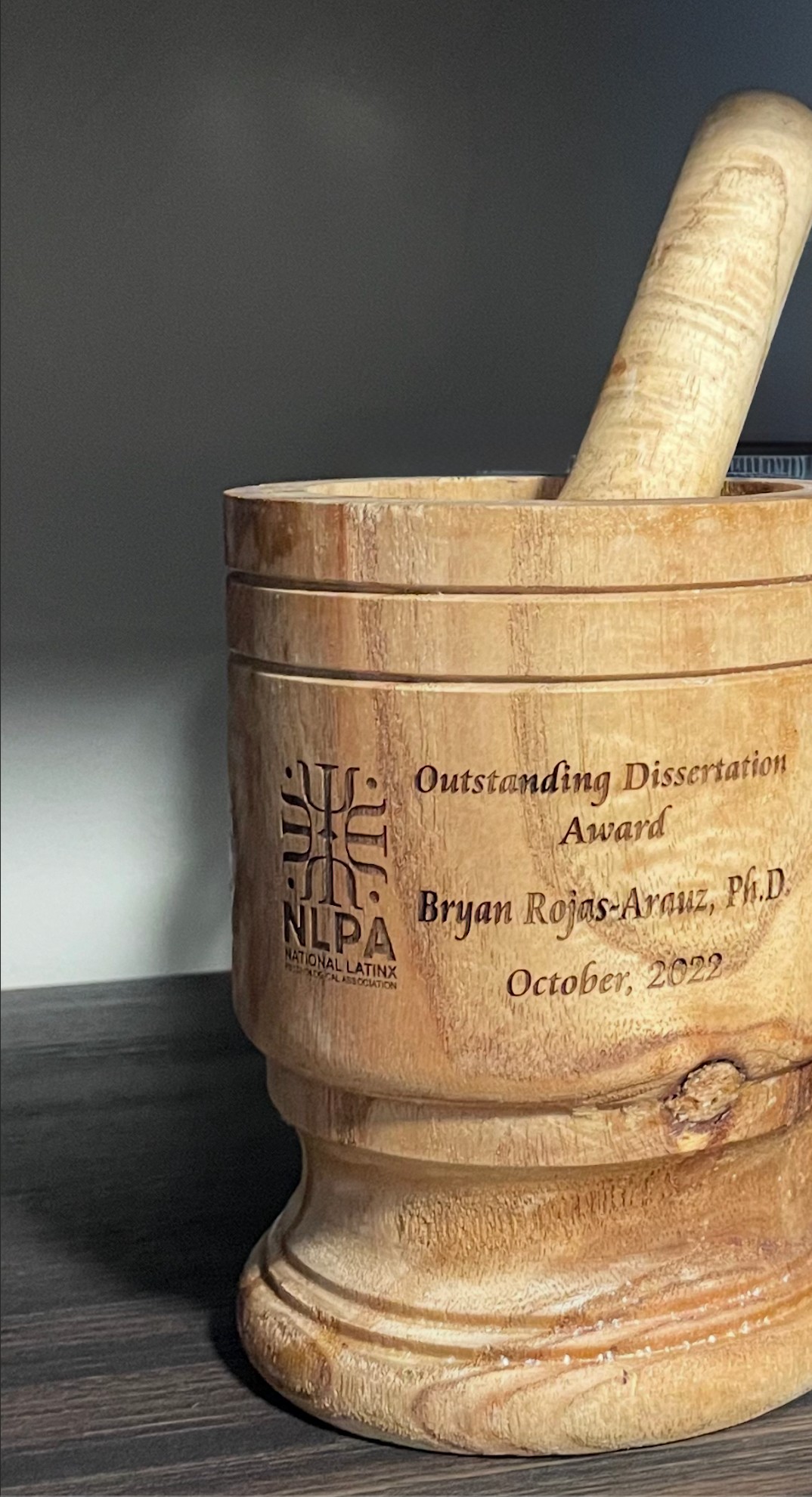
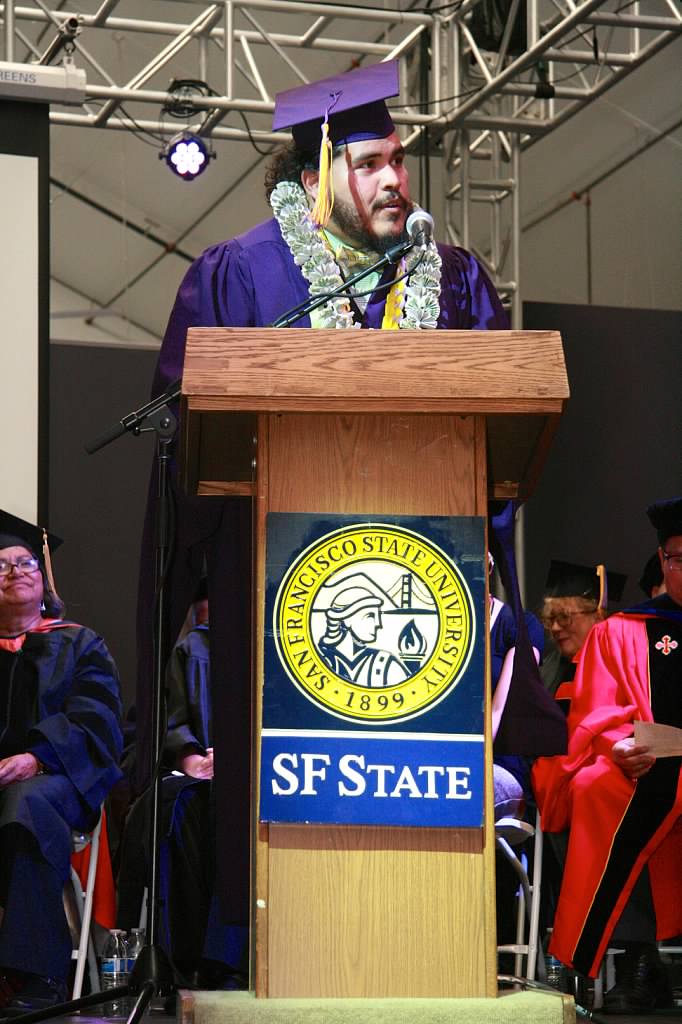
My name is Dr. Bryan O. Rojas-Araúz, most people know me as Dr. Bryan or Dr. B. I’m a bilingual, bicultural psychologist, educator, speaker, author, and founder of In Lak’ech Counseling, Education & Consulting.
My story begins as an unaccompanied 13-year-old immigrant growing up undocumented in the Bay Area, California. Navigating systems not built for me and feeling alone in them shaped me deeply. Those experiences are why I see mental health not just as personal healing, but as community healing and a social justice issue.
My work lives at the intersection of mental health, culture, and liberation. I create spaces where people, organizations, and teams can find connection in a diverse world. I specialize in working with those who rarely see themselves reflected in healing spaces: BIPOC communities, immigrants, men, first-generation professionals, and new dads. My hope is to help people heal, grow, and reconnect so they can live with intention and in alignment with who they truly are.
What makes my work unique is that I don’t only bring clinical training, I bring lived experience, cultural wisdom, and a commitment to community healing. My brand isn’t just about therapy, it’s about building a movement: weaving together decolonial healing, social justice, and collective wellness. From counseling and workshops to retreats and research, everything I do carries the same purpose: We all deserve to heal.
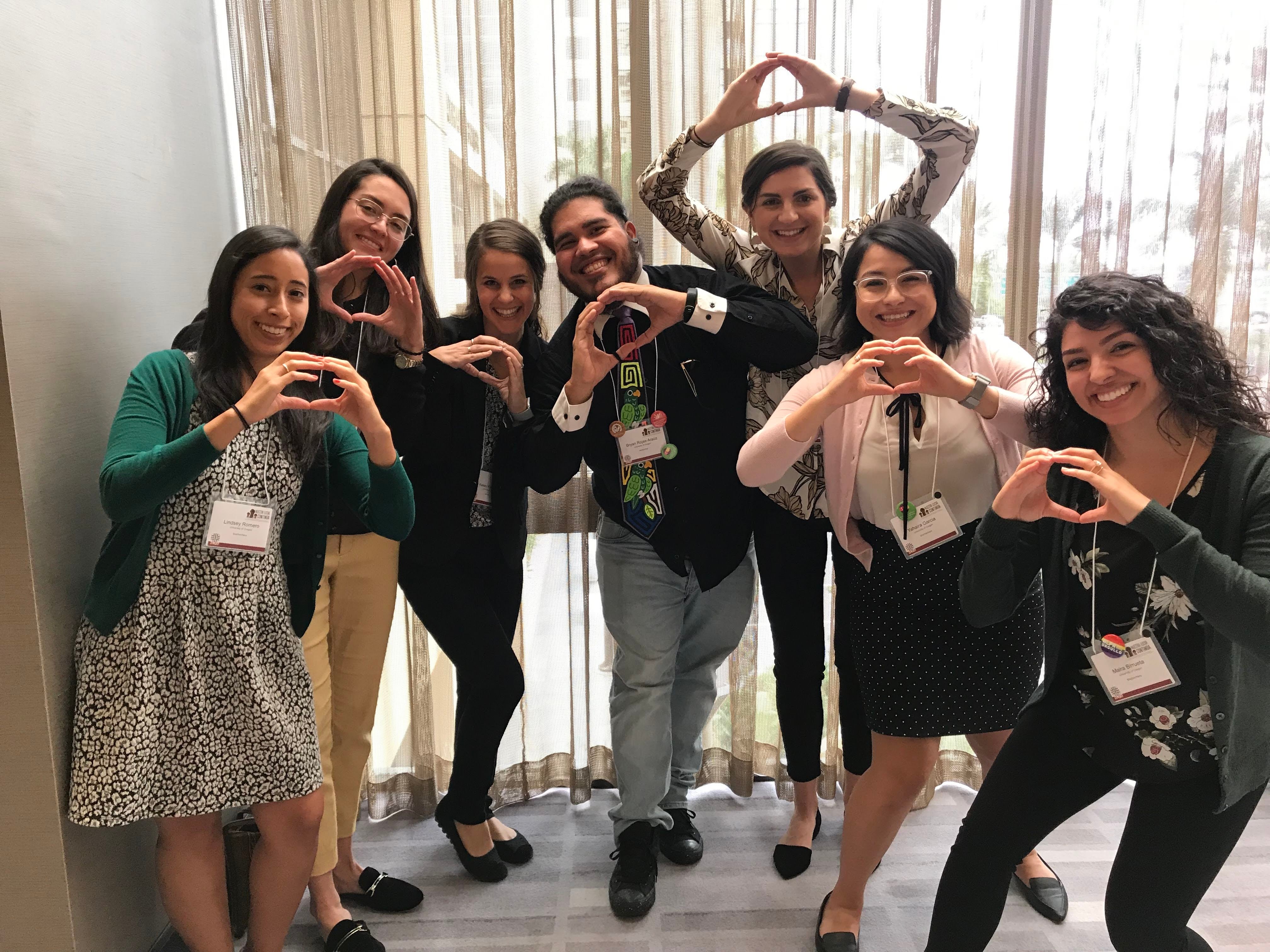
Right now, I’m excited to co-lead the Latine and Indigenous Wellness Project at the University of Denver, where we’re building spaces of belonging and healing in community. I’m also still riding the joy of publishing my first book in June, which offers tools and a framework for creating change in our communities. My journey has always been about turning struggle into collective healing, and I’m honored to keep creating spaces where that transformation is possible.
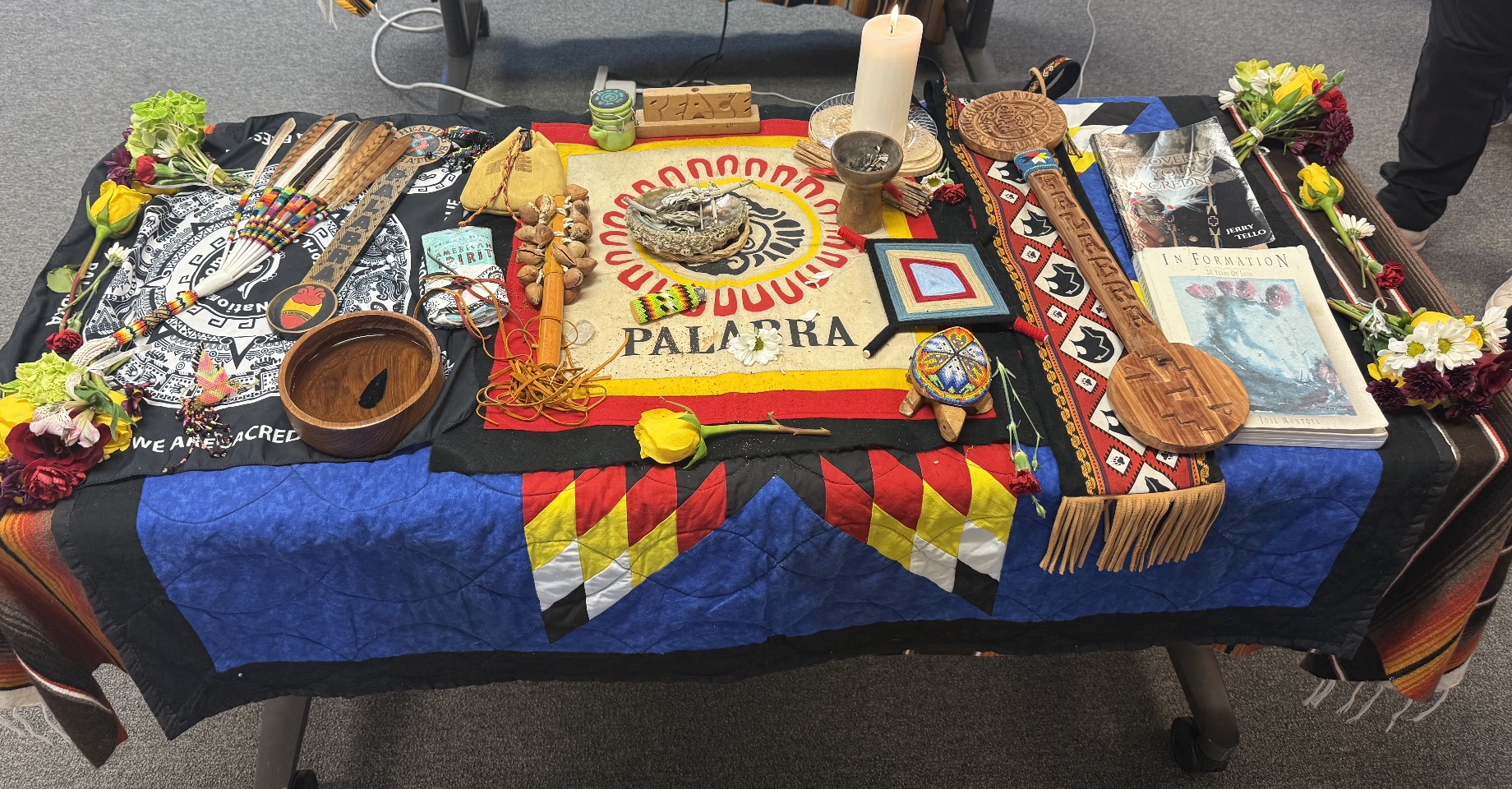
The name of my practice, In Lak’ech, means tú eres mi otro yo, you are my other me. It reflects the truth that individual healing is collective, and that we often have more in common than we can see or believe. However, if we slow down enough to recognize each other’s humanity it not so hard to see.
Amazing, so let’s take a moment to go back in time. Who saw you clearly before you could see yourself?
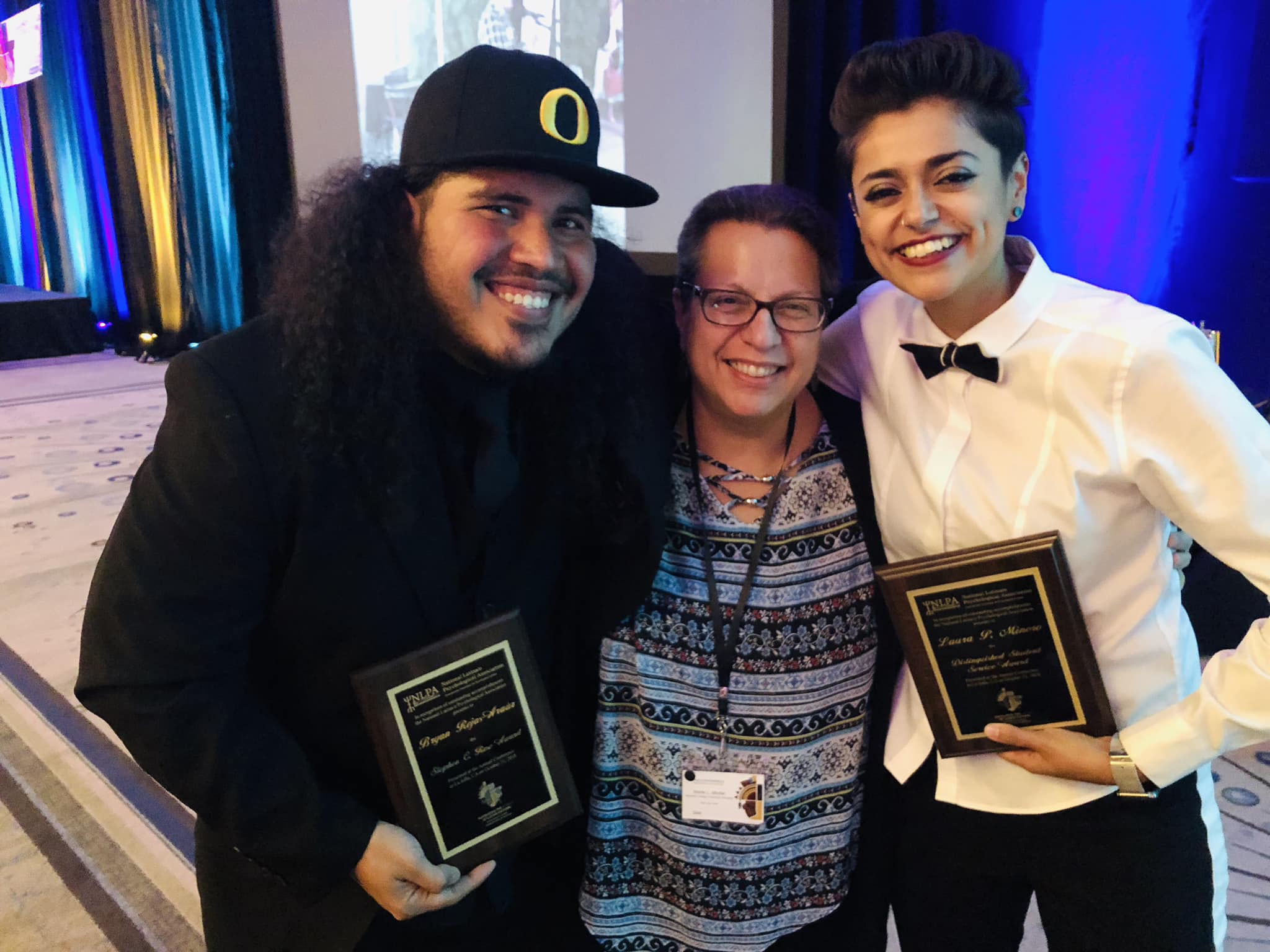
It’s hard to say any one person in particular because there have been many people how supported me and helped me become who I am today. If I have to pick a single interaction it would be Dr. Joseph White, the Godfather of African American Psychology, and one of my mentors. I met Dr. White at the first conference I had ever attended. At the moment I felt like an impostor in a space I didn’t believe I belonged. I was an unlike college students and even less so a graduate level scholar.
The first time I met Dr. White he sat me down and we talked for a long while. During that conversation I asked questions I hoped he could answer. I got to spend time with him as others were circling around him but he called on me to come and sit by his side. At the moment I had just seen him speak at Columbia University to an auditorium full of people where he had gotten a standing ovation. He was prolific, authentic, and full of love. People were truly attracted to him. I remember being star struck when he called me to talk to him, I’m not usually one to be at a lost of words; however in that moment I didn’t know what to ask. I asked him if I would ever feel like I belonged and his response is one I carry with me since. He said “Bryan, you are asking the right question of the wrong places, go ask your community, your family, and those who will receive your healing if you are in the right place and soon you will figure it out”. He wrote down about ten doctorate programs on a napkin and told me one day I would become a psychologist and educator. He said I would do great work for my people and that my brand of healing was needed. I remember thinking that it was a nice sentiment but that there was not way I was who he thought I was. After all a Bay Area kid, immigrant, first generation college student, was not who i envisioned becoming those things. His faith in me was stronger than my doubt. I wish I would have saved that napkin because he had mapped my life on it after just sitting with me for a few hours. From then on he became a mentor and someone who continued to support my journey from afar. I became one of his mentees and now I hope I can carry his legacy forward by being a mentor to others.
What fear has held you back the most in your life?
I think for me it was something that many of us fear. We fear to be authentically us and to be seen for who we truly are. I feared not to just be noticed, but truly seen with all the messiness and contradictions. Growing up undocumented, you learn early that visibility can be dangerous. So you hide. You shrink. You avoid asking for help because exposure could mean loss, shame, or judgement. That early survival strategy followed me into adulthood: I was afraid that if people looked closely, they’d find out I wasn’t enough, not smart enough, not brave enough, not qualified enough.
That fear showed up everywhere: in delaying my first therapy session, in waiting to apply for a doctoral program and almost not doing it at all, in holding back parts of my story in rooms that needed them most. It kept me safe in the short term and invisible in the long term.
The truth I’ve learned and what I try to share with clients is that being seen is the doorway to healing. Visibility can feel risky, yes, but it’s also how we find belonging, accountability, and courage. Allowing ourselves to be seen also means permission to live authentically. It is not easy and often we have had painful experiences that stop us from showing up fully; however I also know there’s healing in allowing ourselves to do just that. Whenever I step into my authenticity, I remind myself: the world I want to build needs my whole true self, not my polished edits or versions others might want of me, but the real me with all the contradictions and messiness.
Next, maybe we can discuss some of your foundational philosophies and views? What are the biggest lies your industry tells itself?
“Therapy is only for people with severe problems.”
Truth: Therapy is for humans doing life. Early care prevents deeper harm and it’s brave, not weakness, to get support.
“Clinical training alone makes you culturally competent.”
Truth: Books don’t replace lived experience. Cultural humility, relationship with communities, and ongoing learning matter more than a checklist. The goal is not competence but instead responsiveness and relationship building.
“Mental health is an individual problem.”
Truth: Many struggles are social, political, and structural. Treating symptoms without addressing context keeps us patching what systems keep tearing. To not know the context of those you serve is to not know who you serve.
“Objectivity means staying neutral on injustice.”
Truth: “Neutral” often protects the status quo. Healing justice requires naming harm and standing with communities, not sitting on the sidelines. Nothing we do is truly objective.
“If you’re a helper, you must be unshakable.”
Truth: Helpers are human. Hiding wounds teaches others to hide. We model courage when we normalize self-care, going to therapy, and asking for help.
“Evidence-based = culturally neutral.”
Truth: Evidence is shaped by who was studied. We need culturally-grounded adaptations, community knowledge, and multiple ways of knowing. Evidence-based also needs to be practice informed.
“One-size-fits-all interventions.”
Truth: Programs that ignore culture, language, history, and local power dynamics don’t help. They extract, erase, and sometimes re-traumatize. An intervention that fits one community can be useless or harmful in another.
Okay, so let’s keep going with one more question that means a lot to us: What will you regret not doing?
According to studies of older adults (and lifespan regret research) and my experience with clients the things people most often regret not doing are tied to opportunities they didn’t take, relationships they didn’t prioritize, and the chances they didn’t take to live authentically. I think with that in mind I would regret not spending enough time with my family, missing my children’s milestones, holding on to grudges and not being willing to repair meaningful relationships, not living authentically and letting others dictate what I do or don’t, letting other’s expectations dictate who I should be, not taking the trip or time off to enjoy life while I still can, and not healing soon enough to help others heal or to allow myself to live the life I want.
Contact Info:
- Website: https://InLakechCEC.com
- Instagram: @InLakechCEC
- Linkedin: https://www.linkedin.com/in/dmc48/