


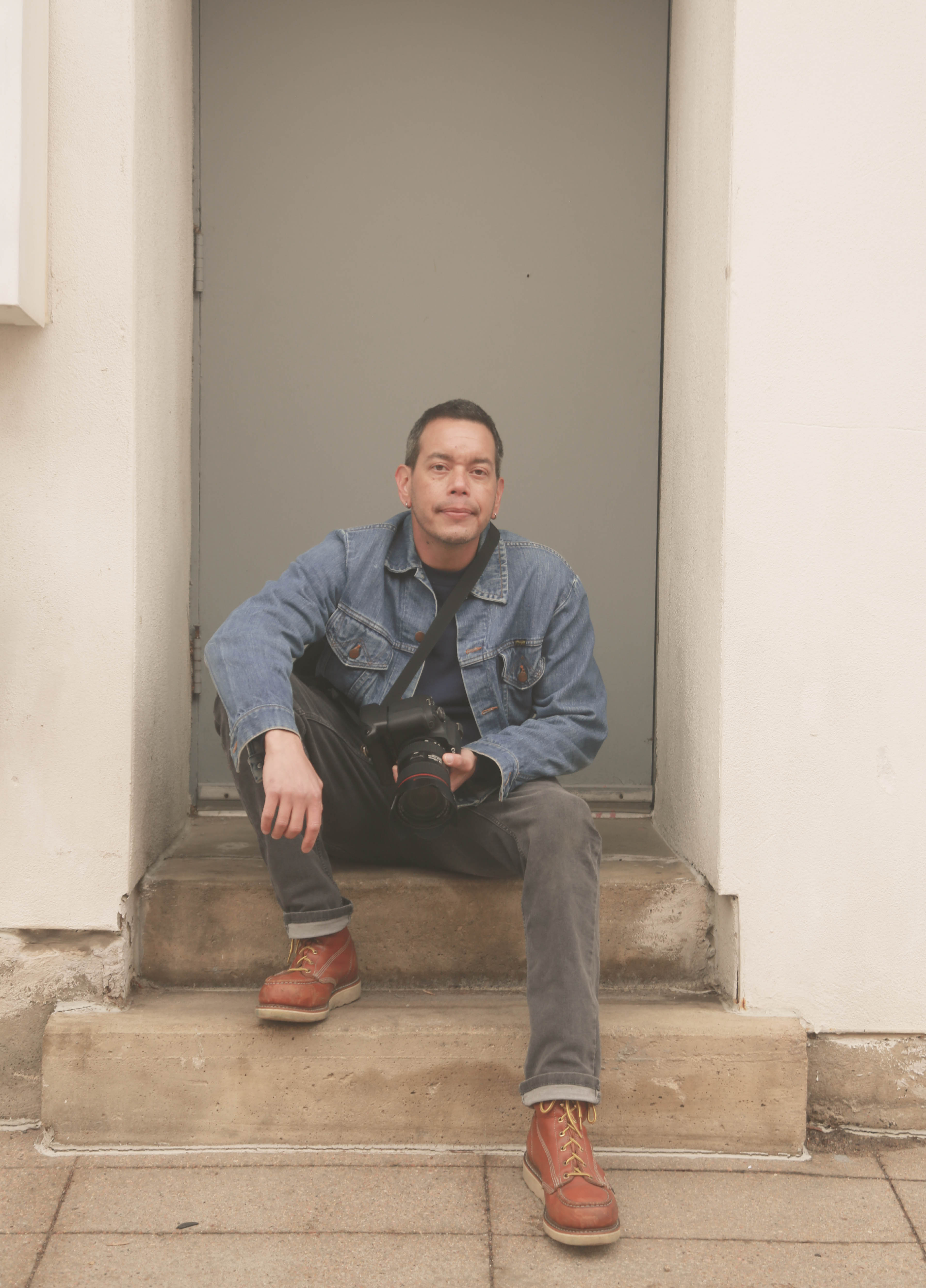
We’re looking forward to introducing you to Jay Halsey. Check out our conversation below.
Good morning Jay, it’s such a great way to kick off the day – I think our readers will love hearing your stories, experiences and about how you think about life and work. Let’s jump right in? What is something outside of work that is bringing you joy lately?
Over the past few months, I’ve been through various cycles of pain due to old and ongoing back issues showing their teeth more often. Doctor’s orders instruct me not to lift weights, so regular, intense exercise is out of the question. That said, walking for long stretches at a time is something I can do and something I look forward to in a new neighborhood with all the aesthetic and character that brings me some sense of joy. Backdrop walking with underground hip-hop and metal playing in my ears, while shooting quick snaps with my phone in the different areas I explore, brings me peace and something close to clarity, even if only for short stints. After I walk, I process the photos to capture the mood of that specific walk. The time allows me to clear my head to make room for fresh thoughts and ideas, which gives way to writing new words on weekends. It’s become a whole process sparking creativity in times of layered and multi-faceted strife that can too often stall inspiration.
Can you briefly introduce yourself and share what makes you or your brand unique?
My day job, in the loose sense, is helping feed those in need at a regional food bank that serves Boulder and Broomfield Counties. My passion is photography and writing.
I shoot places and things that are neglected in society, things that stir my emotional sensibilities in how I relate to my surroundings. I like grit, to capture the worn and tired places that much of society ignores or even views as unbecoming and/or ugly. That’s where I find honesty and the integrity to stay humane in an inhumane world.
I recently completed and just began submitting to presses my second written collection, Bury Us From Sun, of short hybrid pieces, which involves growing up experiencing and enveloped by chemical dependency from all sides, being raised by a single, working mother, and the ache of always feeling alone amongst peers and family. My great friend and brilliant writer, Brenda S. Tolian said of the collection, “A narrator caught in the gravitational pull of parental addiction, shortcomings, and absence, refracting effects from childhood and still being affected as an adult. But memory is no respecter of time or physics.”
Great, so let’s dive into your journey a bit more. What did you believe about yourself as a child that you no longer believe?
In my childhood and early adolescence, I believed I was supposed to follow fads and anything deemed popular to fit in with my peers, that I was to ignore the things that turned me on even though those things were not what other people were into. I was fortunate to maintain a group of friends who were all vastly different than each other regarding personal tastes in art, music, and reading. It wasn’t until high school that I slowly stopped caring what I was supposed to be versus who I was inside: someone who, ultimately, became against doing anything mainstream and trendy for the sake of acceptance. I’ve learned over several years that we find our people when we find our authentic selves and live by never straying from a strictly curated code of personal ethics.
When did you stop hiding your pain and start using it as power?
Oof! After I published the second edition of my first collection Barely Half in an Awkward Line, my then-partner kept urging me to write about my childhood and the difficulties extending into adulthood from those times. Which is why I began drafting Bury Us From Sun.
So, to write about pain, and the causes and effects of pain, lies a certain power to connect with souls who have been through similar experiences, but also to make others aware of the turmoils people can go through who may not relate to those experiences. There’s a lot of power in empathy, and no matter how we grew up and formed our personal morals, everyone has experienced pain in some form. The desire to understand other people’s struggles through open conversation, the written word, and creating visual art, is one of the most powerful tools we can use to be honest with ourselves.
So a lot of these questions go deep, but if you are open to it, we’ve got a few more questions that we’d love to get your take on. What’s a cultural value you protect at all costs?
Empathy. I think as a society, especially in the U.S.A., we have become desensitized to truly hearing each other and feeling each other on deep levels, not only nationwide, but on a global scale. To the point that being empathetic is not a cultural value. I’m unsure if it ever was, but I want it to be.
Okay, so before we go, let’s tackle one more area. Are you doing what you were born to do—or what you were told to do?
I don’t know what I was born to do, and I was never told or guided by anyone to do anything. I do know what I wasn’t born to do: Not willingly support a capitalist structure that owns our government and thrives on the oppression of the poor, working-class. I help people get basic needs, and the reason my job exists is because we live in an unfair, exploitive economy, and beneath a government rule, that values material goods and money more than healthy lives. The absurdity of billionaires is the main reason I create art and write, to try and empathize with anyone who struggles daily.
Contact Info:
- Website: https://linktr.ee/jayhalsey?fbclid=IwY2xjawNY56lleHRuA2FlbQIxMABicmlkETFrVjF2T3hpN3hPdVkxWDdRAR7v5sq0Xitktv9hmTMvYa0HQB7qVkdtmEQnet3ivdCqNp4oR4-bj5hcn8oBmA_aem_9bmjjhDCHIoAVgC0y-5LeA
- Instagram: https://www.instagram.com/yeslah.yaj/
- Facebook: https://www.facebook.com/jagainst
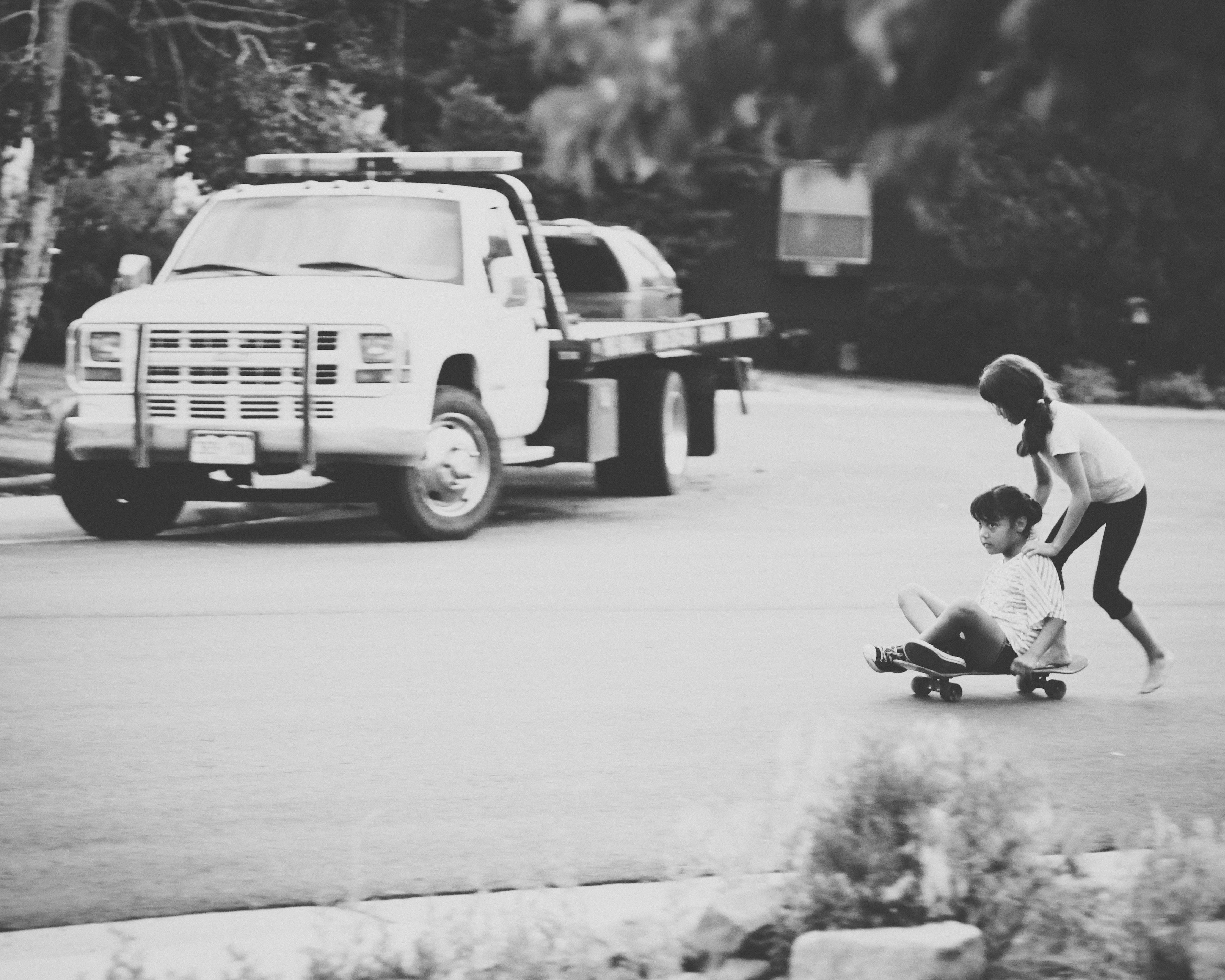
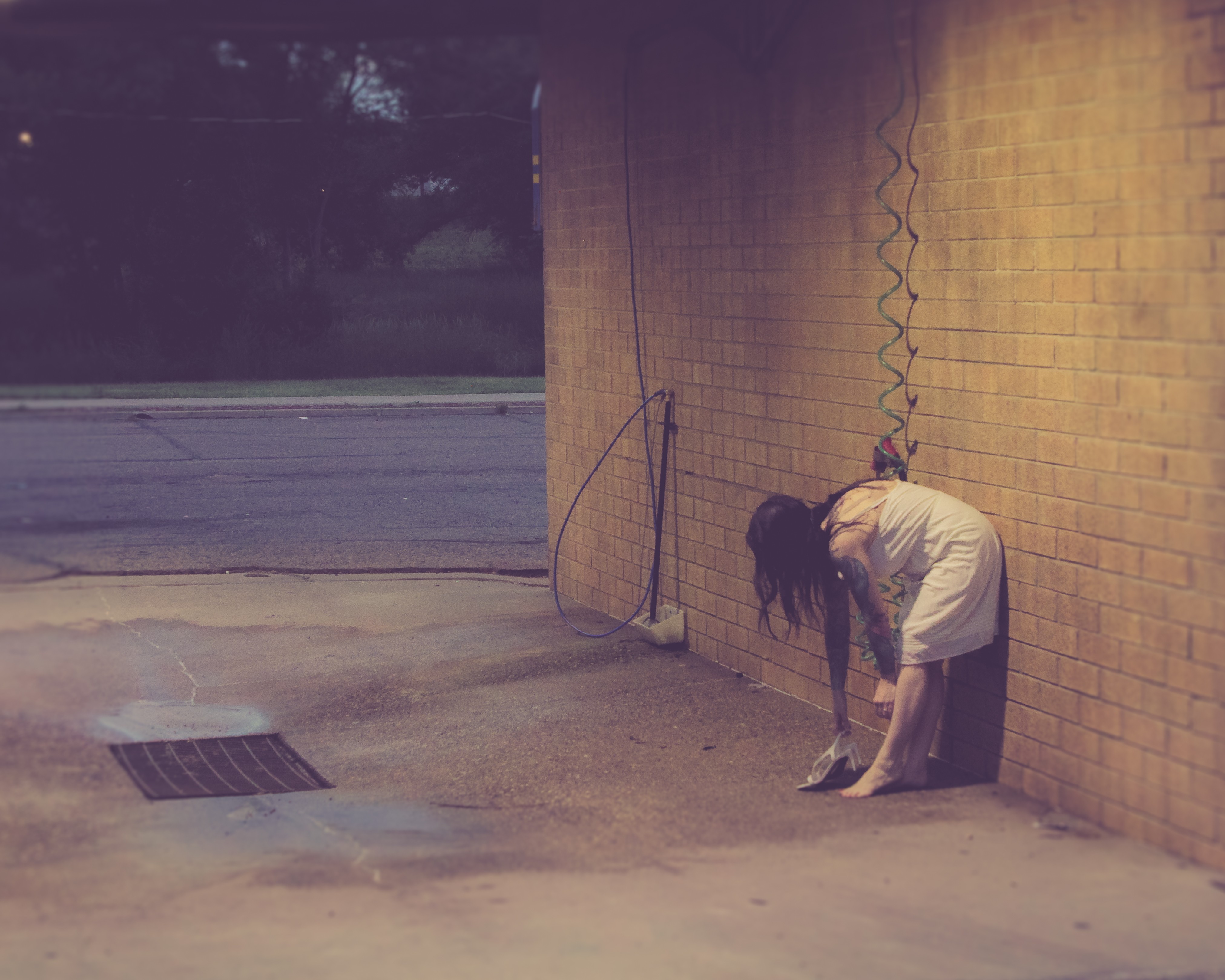

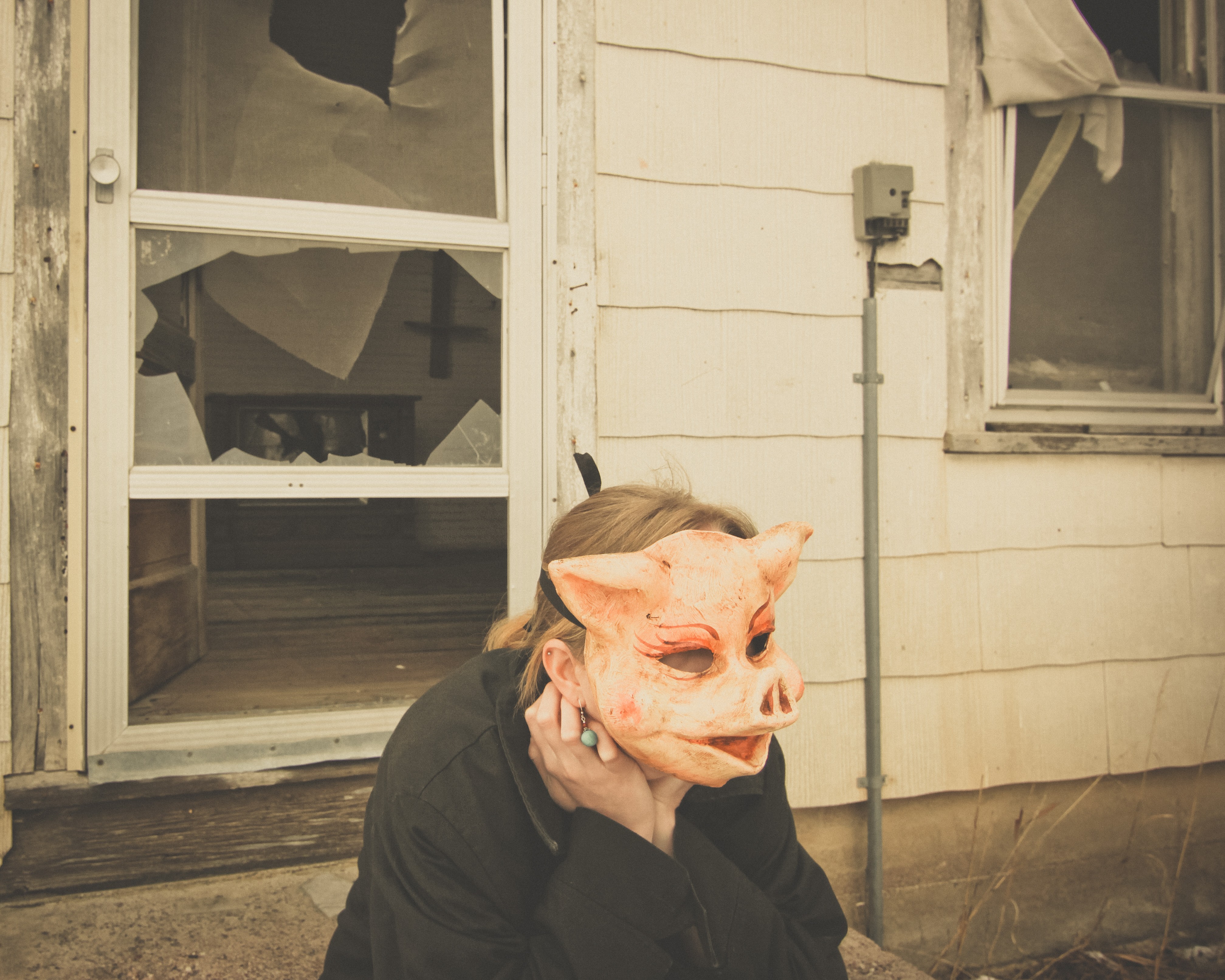
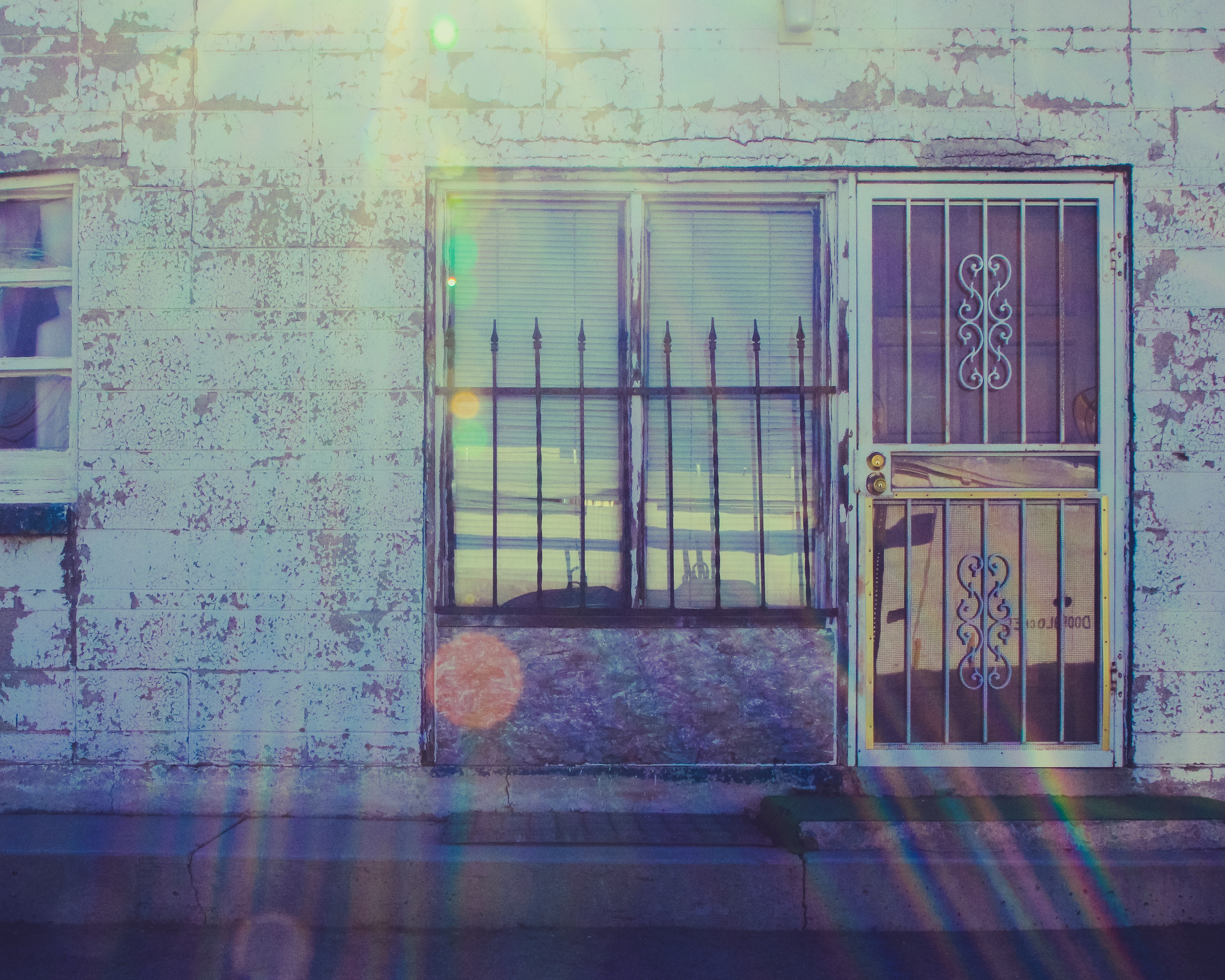
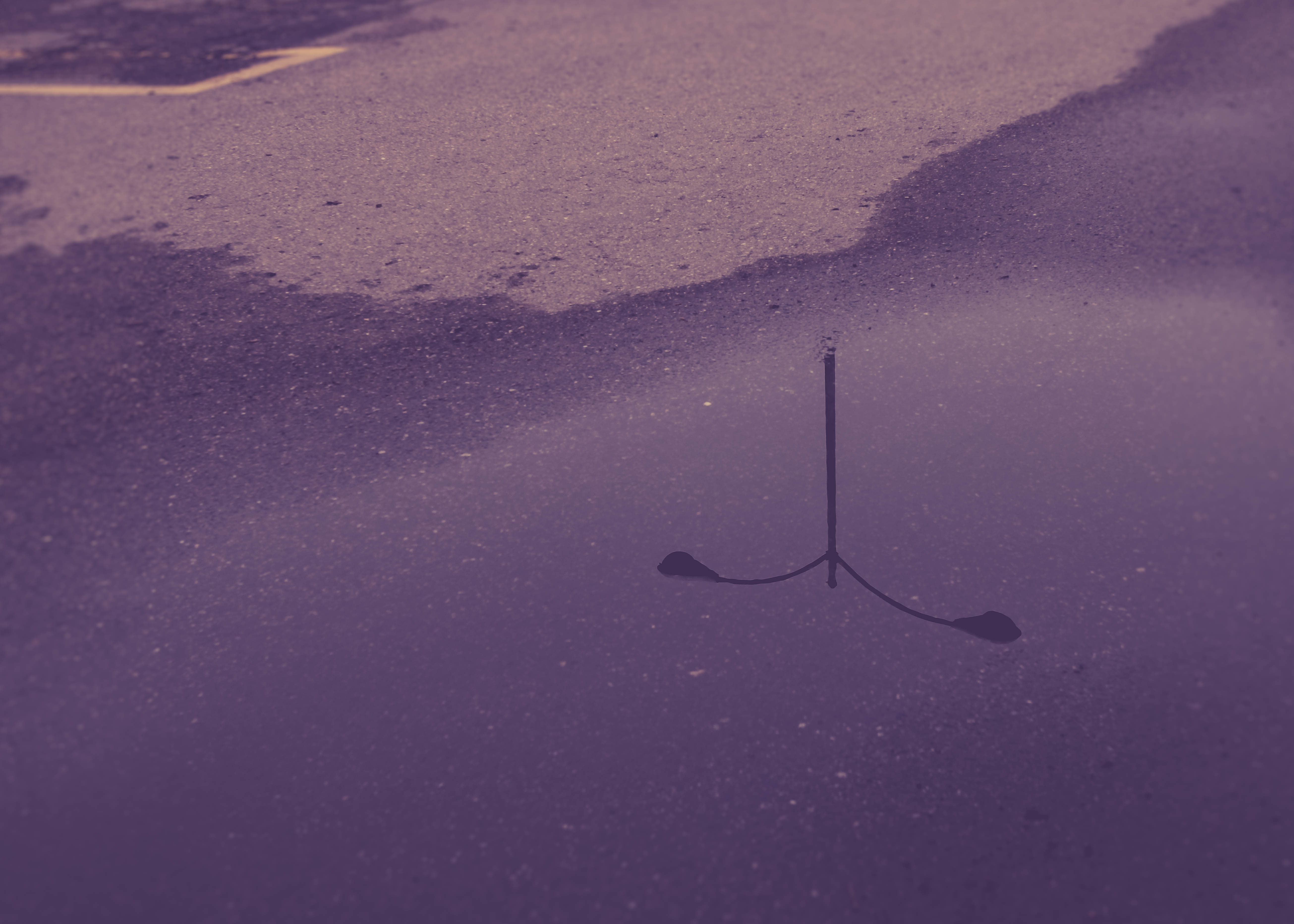
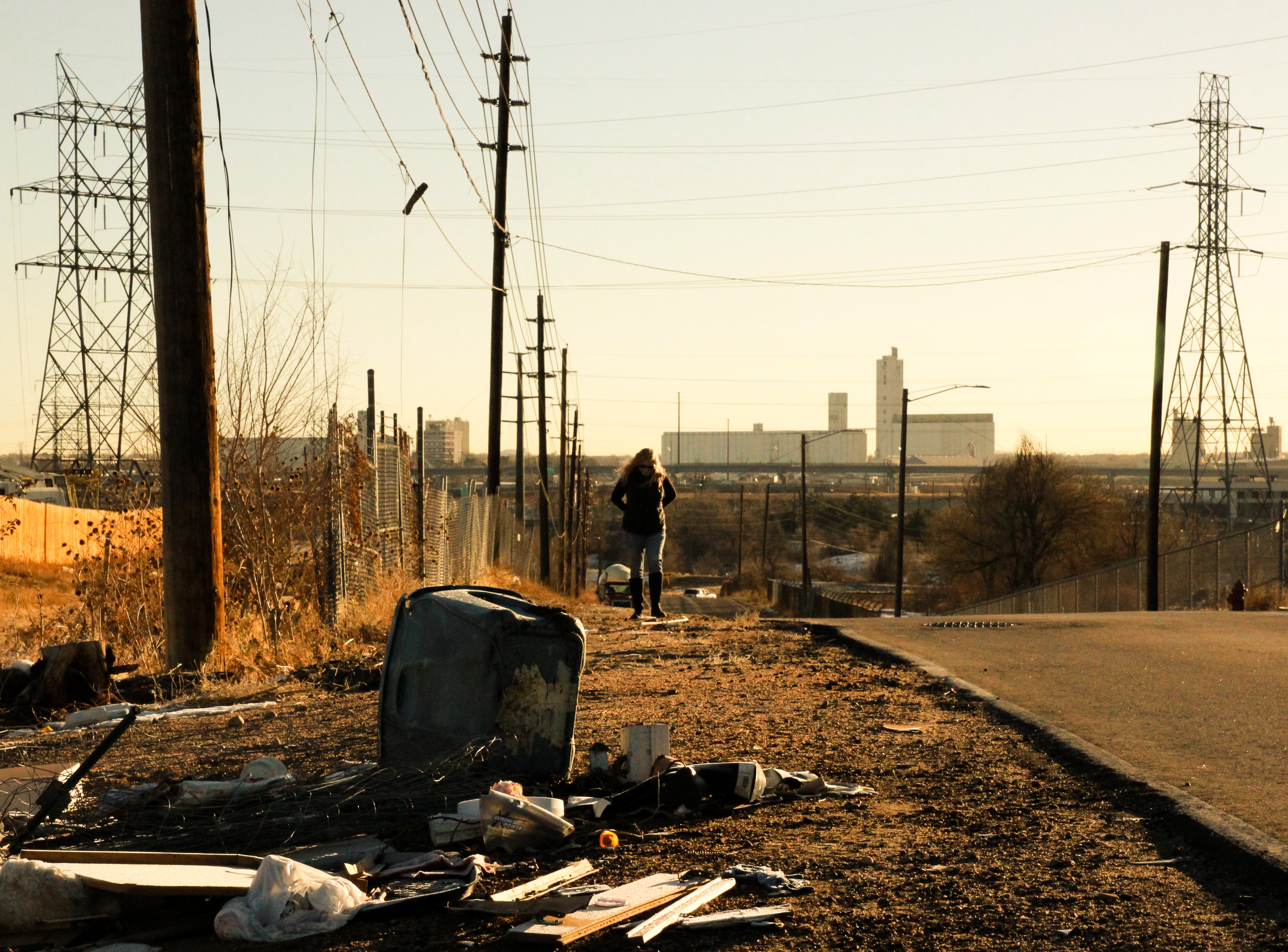
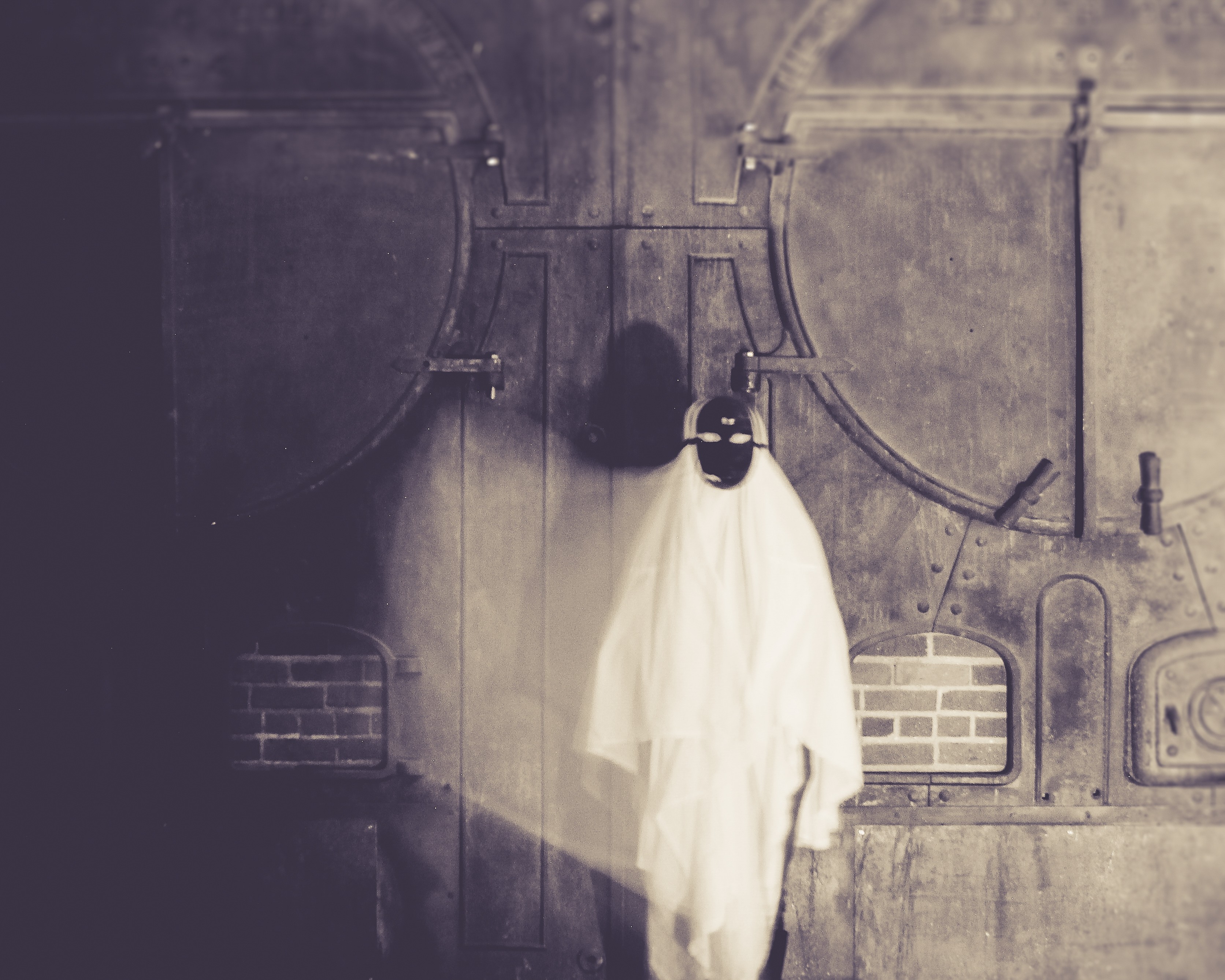
Image Credits
Portrait of Jay Halsey taken by Sarah Sebright
All other photos taken by Jay Halsey