



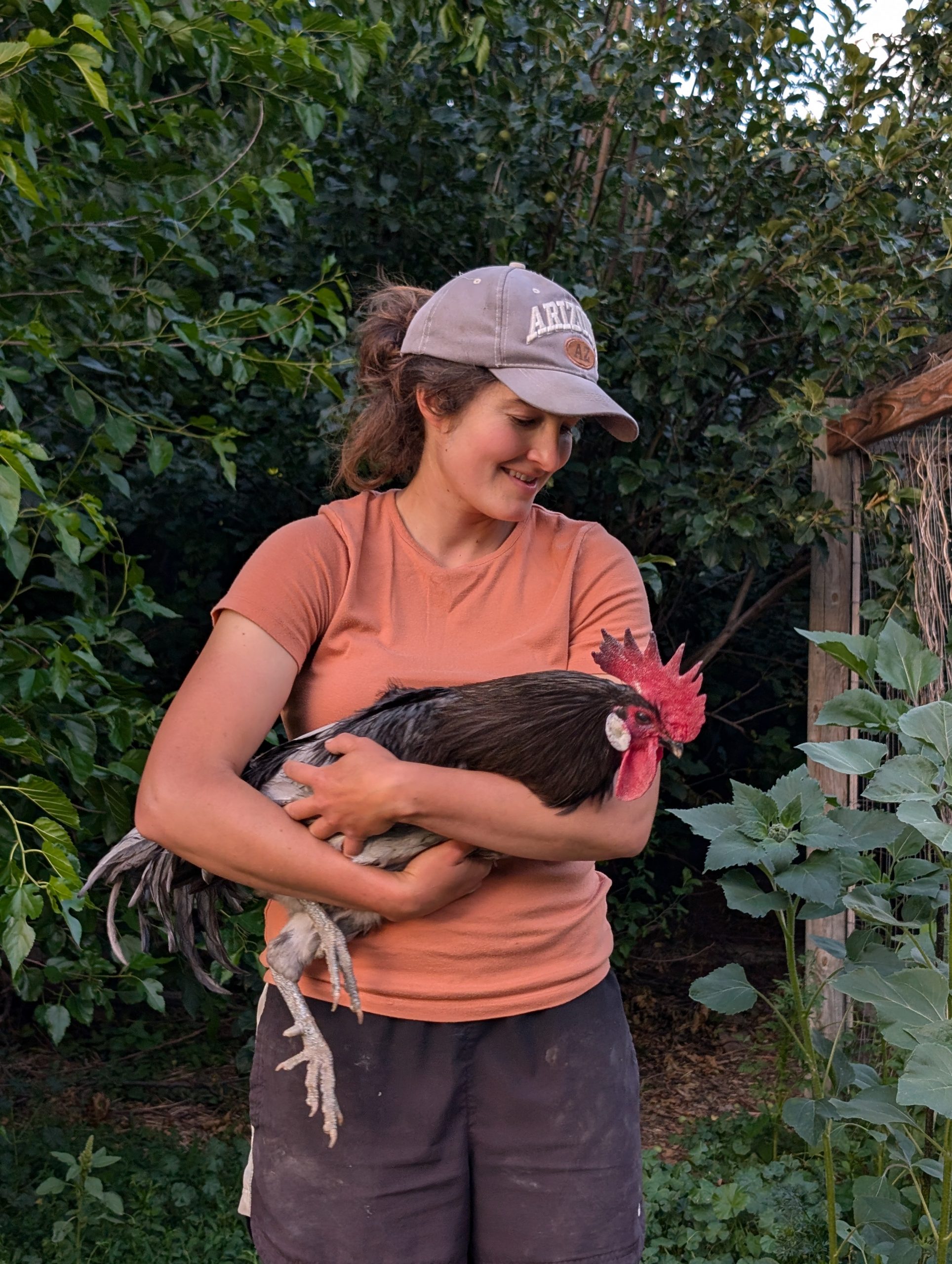
Today we’d like to introduce you to Amy Scanes-Wolfe
Hi Amy, thanks for joining us today. We’d love for you to start by introducing yourself.
When I was about 5, I went to a living history museum and decided my life’s ambition was to become a pioneer. I diligently milked my rubber glove cow and planted a tiny vegetable garden on top of the remains of my deceased cat and otherwise pretended to live a lifestyle very far removed from the realities of my suburban childhood. As I grew older, and learned about the true ramifications of the Westward movement, I realized my desire to be a pioneer actually stemmed from something entirely disconnected from that era in American history. I really wanted to be able to be able to participate in my own subsistence–to understand and appreciate what it took to keep me fed and clothed and housed.
That dream was muted for quite a few years by high school, distance running, writing, and the initial pursuit of a pre-med track at Middlebury College in Vermont. But when I began to study cultural anthropology, that all changed. For the first time in my life, it became apparent to me that the story I grew up with–that modern humans had figured it all out and technology would save us from every evil–began to fray. I became aware of the climate crisis. I learned that hunter-gatherer societies are the most egalitarian human societies we have ever known. I studied abroad and lived among people who the Western world considers “poor,” yet lived lives so full of community and happiness and joy that I began to question the narratives I grew up with. At the same time, my study of anthropology opened my eyes to how much our means of subsistence–from hunter gatherer to pastoral to industrial–shapes our culture and social structure. I wasn’t sure how to fix the ills our society faced, but I felt sure that food was the place to begin. I really wanted to become a hunter-gatherer, but that seemed impractical, so I instead accepted an internship on an organic farm in northern Massachussetts.
And I fell in love with the lifestyle of farming. Under the tutelage of my grumpy Dutch farm manager (my greatest adult mentor), I learned more in 3 months than I had in 18 years of schooling. I learned not to look not only into my head or a book for answers, as I had been taught my whole life to do, but also to actually deeply observe and engage with the world around me. Across five years, I grew into helping run that farm, and then another one down in Virginia. For years, that was enough, as I did everything from growing vegetables to splitting firewood to butchering rabbits and chickens. But it began to trouble me that even though we claimed our farms were regenerative and organic, they still looked nothing like natural ecosystems. Something felt off.
I came across a solution in the concept of permaculture. In essence, permaculture asks us to use healthy wild ecosystems as a model for designing human ecosystems–something our Indigenous contemporaries and ancestors have always done. I see permaculture as a toolkit for those who have forgotten how to live in relationship to the natural world to rediscover that connection. It allows us to see ourselves as a keystone species, capable of changing our environment for the betterment of life all around us.
It began as an idea I read about in a book, and it took years for me to find a living example of permaculture in practice. I was lucky enough in the meantime to join a forming ecovillage, work at Harlequins Gardens Sustainable plant nursery, run an ecological landscape design install business, taking the Boulder Permaculture Design Course, and do some random other things like work as a docent at Monticello (a great crash course in public speaking). But it wasn’t until I found Elk Run Farm near Lyons, Colorado, that I saw a living example of what I supposed was possible. A place where people really were deriving almost all of their food from the land, and doing so in a way that created an oasis in the dry foothills. It was working with the non-profit based at that location (Drylands Agroecology Research) that transformed my understanding of agroecology and has deeply shaped the farm project I currently run (The Niwot Homestead).
I’m sure it wasn’t obstacle-free, but would you say the journey has been fairly smooth so far?
Growing from an extremely self conscious introvert in my teenage years, uncomfortable in most social situations, into someone constantly asked to do outreach, facilitate, teach, and speak.
Experiencing chronic incapacitating pain when I was 25 after farming and distance running for a few years. I eventually found the most brilliant physical therapist who told me I had learned to walk wrong, and retrained my body and breathing through the stages of infant development, and also my awareness of my body, which transformed my life.
I have tried so hard to manifest so many things, but the one that has actually worked so beautifully is the one I never pushed–I sometimes feel like it happened to me. The exercise of learning to be still, observant, listen deeply, take small slow steps, lean into what is working, and trust intuition, rather than taking massive heady jumps towards idealistic goals, has been a hard lesson for me to learn.
I always wanted my own land. It has been an exercise in humility to accept that may never be a financial reality–and that in fact, the mutual support, and compromise, and love, and learning that has come from working on someone else’s land has been richer and more connected by far than buying my own land could ever have been. But sometimes it’s still hard!
Knowing in my gut that that what I was trying to create was possible, but having no models to work from, and facing a lot of doubt and isolation that made me often consider “just getting a job.”
The burnout of trying to run a low tech labor-intensive homestead amidst a modern reality that expects you to do a lot of things other than grow your own food!
Thanks for sharing that. So, maybe next you can tell us a bit more about your work?
Nearly five years ago, I posted on Nextdoor looking for land to tend. Property owners Rod and Barb responded, offering me use of their 1.4 acre suburban property. What started as a personal vegetable garden has grown far beyond what I ever imagined, a project called The Niwot Homestead. At some point, we started hosting Sunday volunteer days. The volunteer days grew from 2-3 people to 15+ every week. What started as a few snacks evolved into community dinners every week. What began as a vegetable garden expanded into a food forest, staple crop fields, integrated with pigs, chickens, and ducks, mushroom logs, perennial hedgerows, medicinal herb cultivation, and food preservation. As people came more regularly, a core team grew, and we began to dream and decision make and plan together. In one sunday afternoon a week, we accomplish work equivalent to an entire 40-hour work week for one person.
Four years in, we have finally become an organization, with a three fold vision that has grown very organically out of our beginnings.
First, how can we cultivate a complete diet? Our local food system leans heavily towards vegetable production, and some livestock husbandry, but even most people who “eat local” import most of their calories as grain from obliterated ecosystems somewhere else. We want to grow it all. We want to understand what it actually takes to sustain a healthy human–meat, dairy, grains, potatoes, dry beans, fruits, vegetables, medicinal herbs. On just 1 cultivated acre, as of 2023, we grew enough food to sustain a person with a diverse, nutritious 2000 calorie diet for about a year. We have partnered with an additional 80 acre property to expand that capacity (final calorie numbers aren’t yet in for 2024)!
Two, how can we rely on the power of community to make this possible? Rather than leaning into traditional for-profit models of agriculture, we are creating a place where people can come together to grow their own food. Unlike most community gardens, everyone doesn’t have their own plot. Rather, a core group stewards a complex, multifaceted farm that functions as a single healthy ecosystem, and people can come and go according to their capacity. The people who come are not career farmers, and they only dedicate a few hours per week, but those few hours make the project possible. The food is distributed through a shared meal on Sundays and offerings to take home. In this way, we are not just feeding people, we are enabling people to understand what it means to be part of the ecosystem that feeds them. With that relationship, people can become vastly better decision makers around food and land stewardship. But more importantly, they can experience the deep joy, responsibility, and connectedness that comes from understanding ecology as a participant rather than just a spectator, and seeing food as a gift instead of a commodity.
Three, how can we use healthy natural ecosystems as a model for our farm systems? In this way, our stewardship can enhance biodiversity, build soil health, sequester carbon, and create resilience to drought. Our forest garden copies the architecture and patterns of plant communities in a deciduous forest, but chooses plants with edible and medicinal use for humans. We choose many native fruiting and seed plants (like flax, serviceberry, and golden currant) to include in our plantings. In our grazing practices, we are striving to use a deep understanding of grassland ecology to use grazing animals (cattle, goats, birds) to create healthy grasslands, as the bison, antelope, and prairie dogs once did. 80% of what our pigs and chickens eat is food waste diverted from landfill from the local community.
I feel that everything we are doing is unique in that it goes against the grain of the modern narrative, namely a strong belief that technology will solve all our problems. I have a respect for what technology can do, but I also observe that technology erodes relationship. Where we had once to find a person to show us how to do something, we can now find a YouTube video. Where we once had to thresh wheat with a flail, we then had a combine harvester. Where we once hand wove clothing from local sheep’s wool and had just one precious sweater, we now mass produce clothing “somewhere else” woven from plastic and throw it away without a second thought. We do all of this in the treadmill of time saving, each technological advance promising to relieve our burden, but actually making the pace of life one step more frenetic. In this frenzy of consumption, we have become so disconnected from our food, our clothing, our communities, that we no longer have any idea of the impact our decisions actually have in the world. I feel sure that if most people saw what it took to put the food on their plate–the deforestation, the factory farm, the migrant worker–they would no longer eat it.
We are making a very conscious decision to go against the grain of this trend, to prioritize that which is small, slow, and connected. What comes from that is deep joy and gratitude, a free gym membership, best friends, and nutrient dense food.
How can people work with you, collaborate with you or support you?
For all of the below, niwothomestead@gmail.com is a great way to get in touch!
We are in a unique position of currently having more people interested in volunteering in our little project than we can possibly accommodate. What we need more than anything else is others who would like to follow the same path–to join us as innovators, ecosystem builders, and to begin their own version of what we are doing. We would love to know from you what we can do to support you in that journey, as that is our current focal point. Please feel free to get in touch if you’d like to connect or discuss.
We also welcome regenerating members who contribute $2000 to become a share-holder for a year in the project, enjoying a share of meat, staples, produce, eggs, and farm meals along with our volunteer members. This helps cover material and new infrastructure costs for the project, and gives you a chance to become part of the community. We’d love to talk further if you’re interested.
If you want to come check out the project, open and event days will be posted on our events calendar for 2025 (www.niwothomestead.farm – sadly they are over for this season).
Finally, aside from the Homestead Project, it is also my long-standing intention to start a diverse, working farm specifically for high school and/or college students. I know how deeply transformational farming was for me at that stage in my life, and I would love to weave that in a profound way (preferably as a credited class or internship) into the experience of youth. If by chance you have any connection to a school or land that may facilitate this, that would be deeply appreciated.
Contact Info:
- Website: https://www.niwothomestead.farm


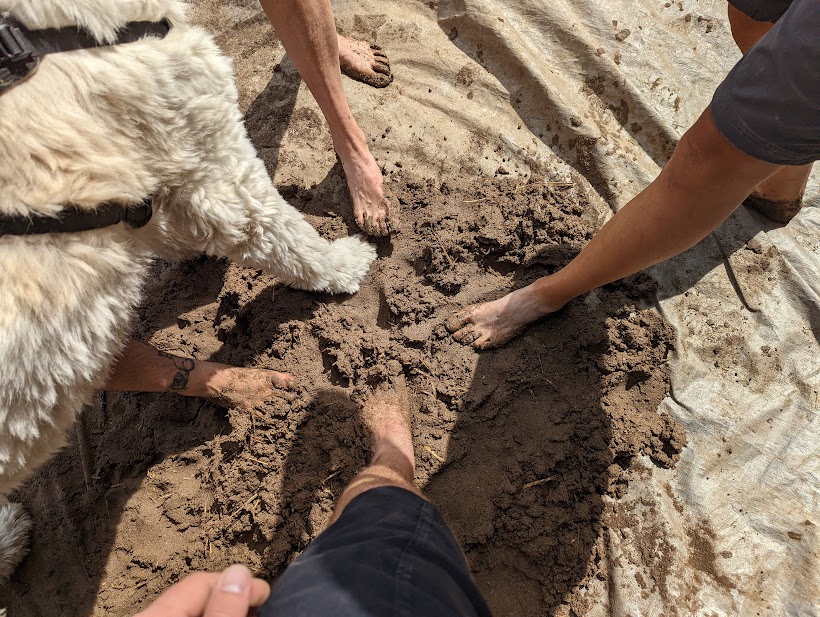
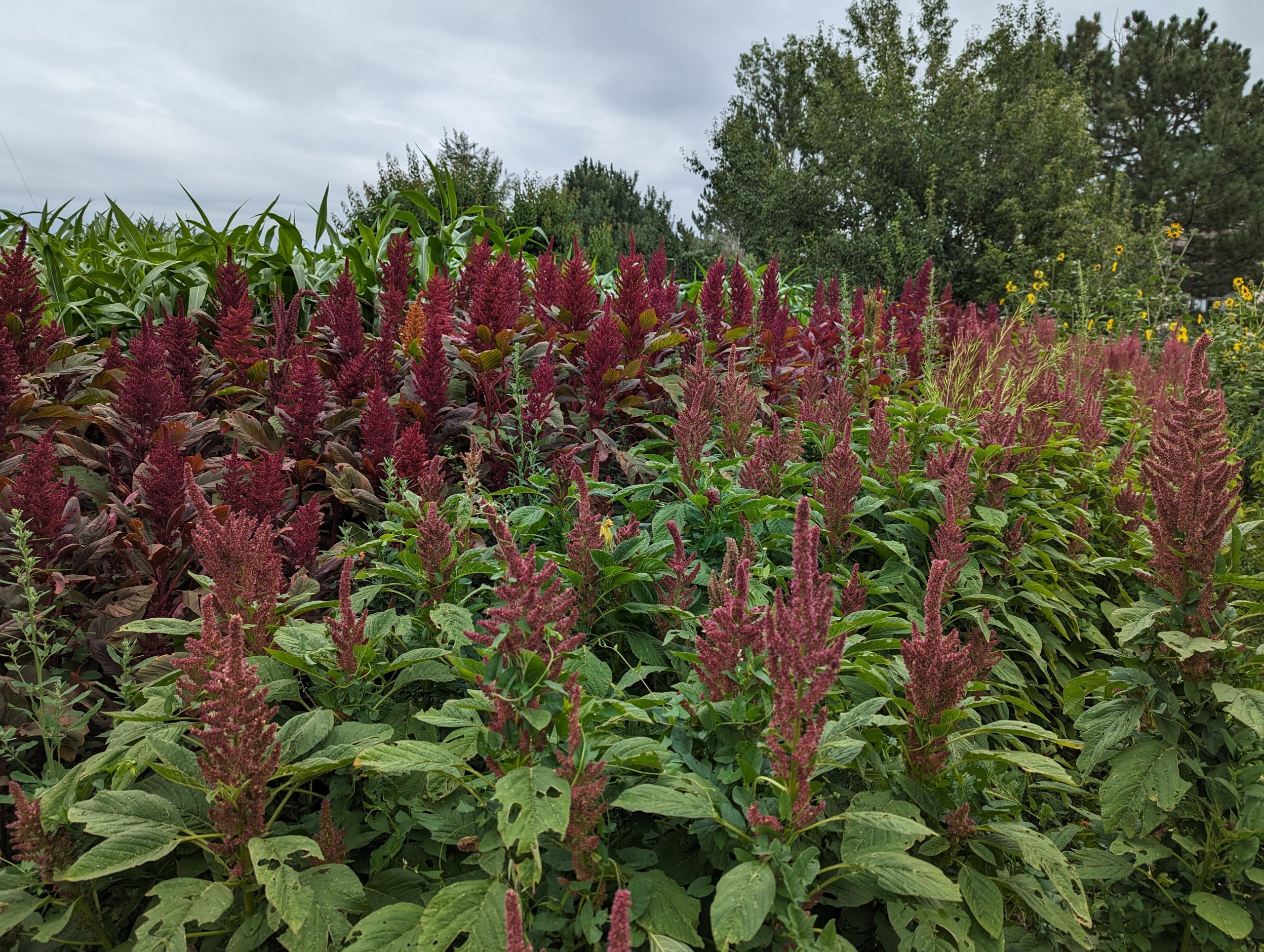
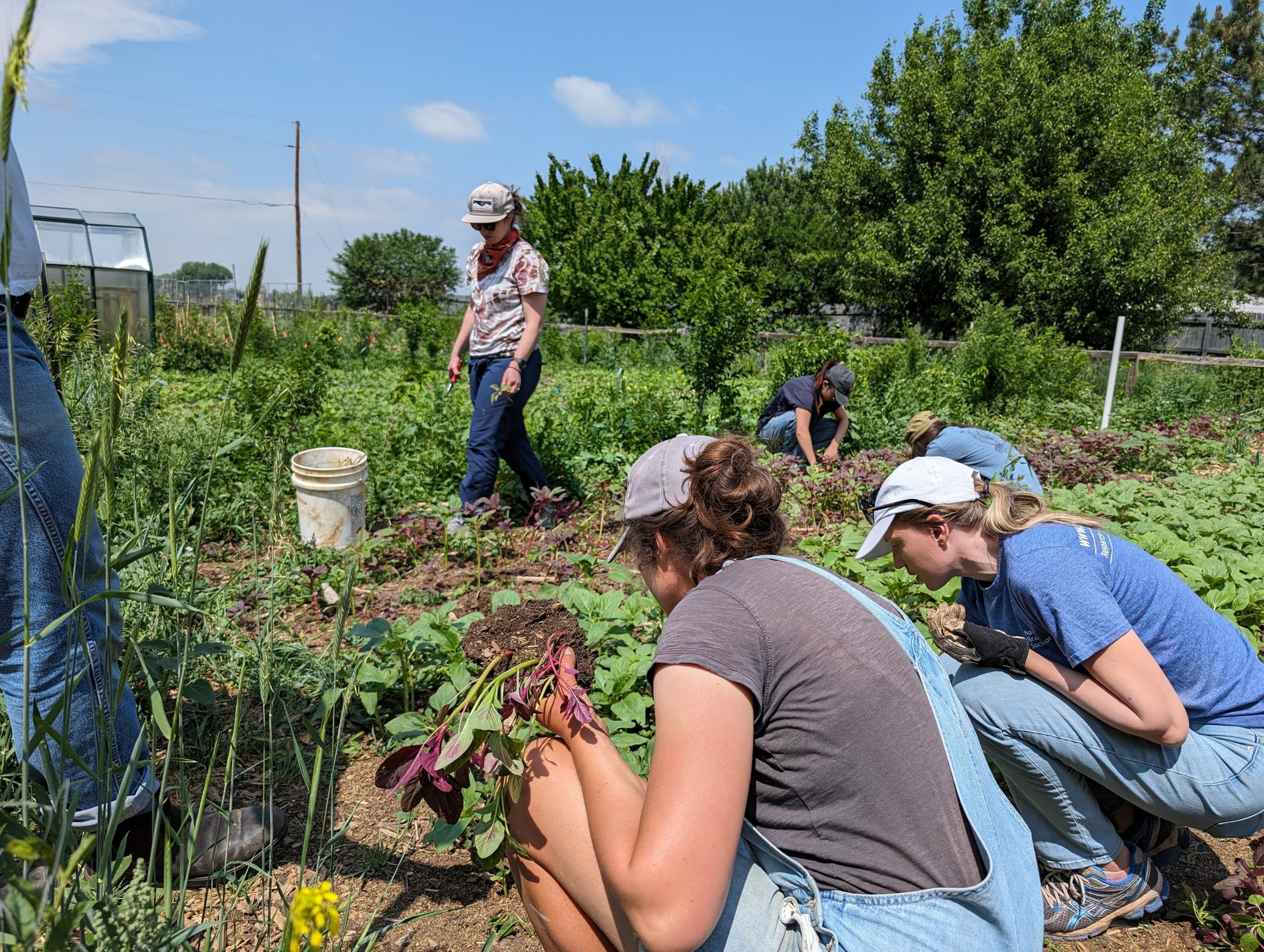
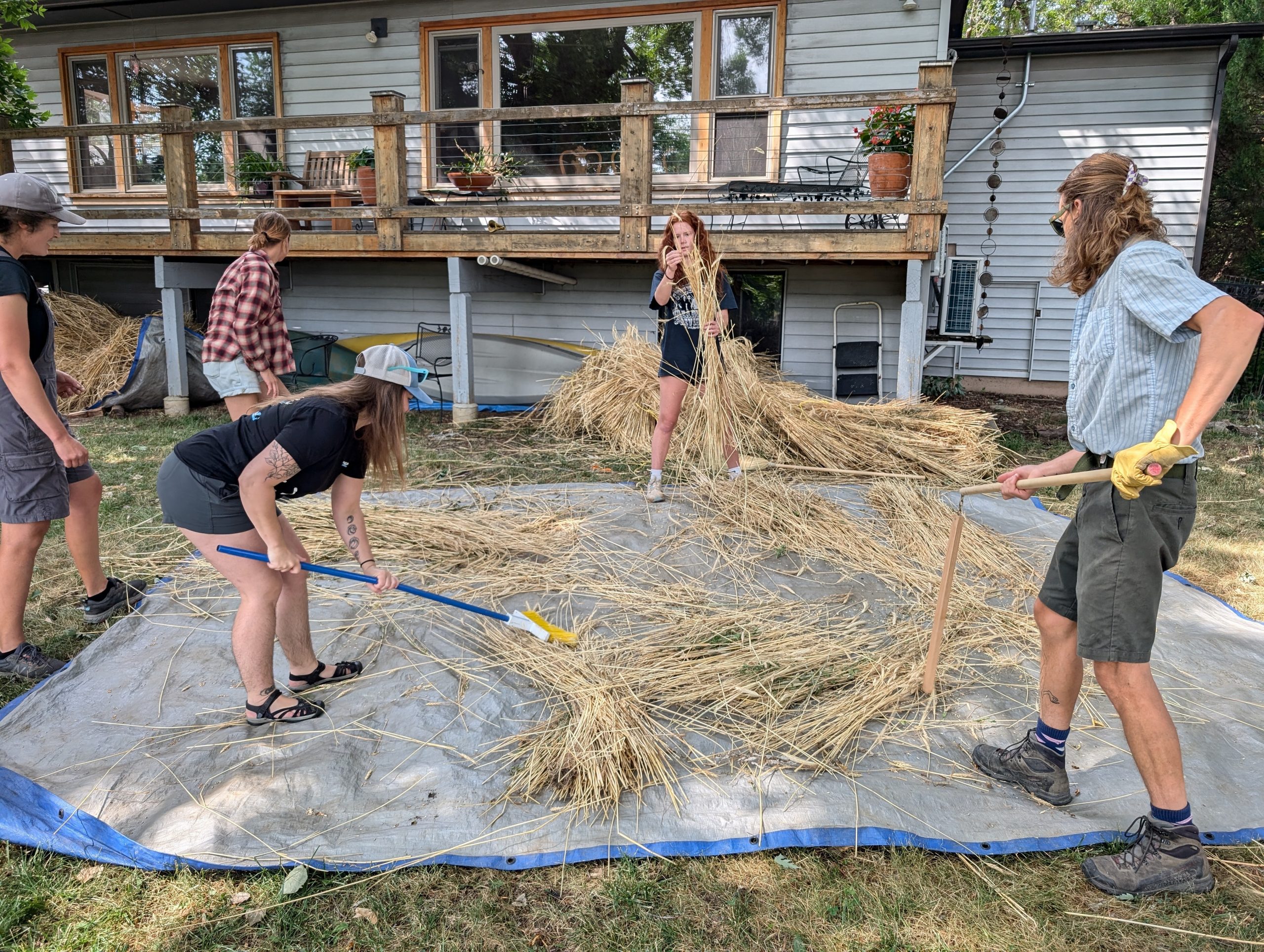
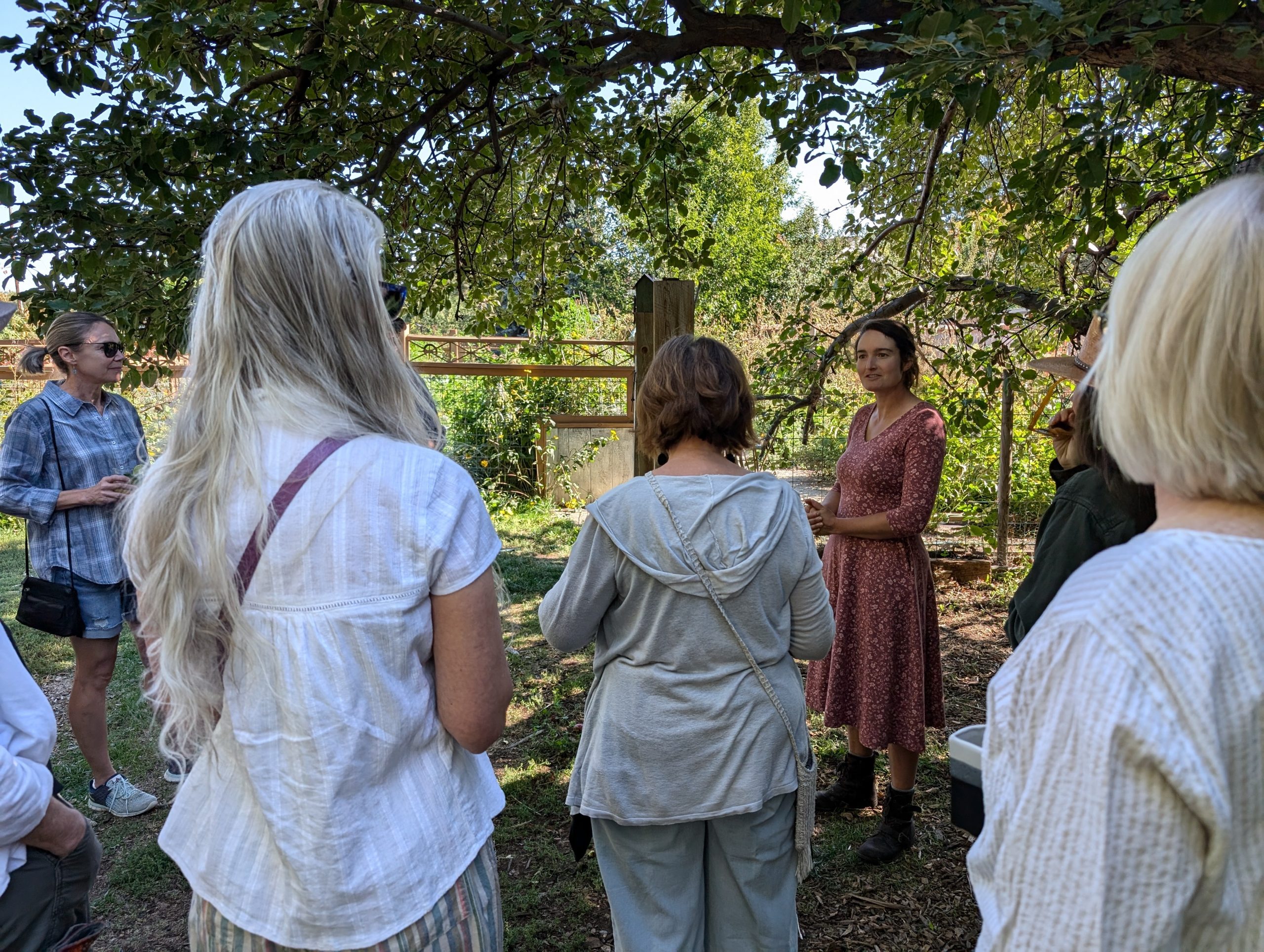
Image Credits
Photos courtesy of Albert Wavering and Kiersten Clingersmith.
Popular
-

The Trailblazers: Rewriting the Narrative
-

Celebrating the Spotlight: Kaytee Shashore Turns Milestones Into Momentum
-
Humanity in the Machine: Alexander Raye Pimentel’s Cyborg Recall Questions the Cost of a Data‑Driven World
-
Raemi Anderson on Courage, Caution, and Answering the Call of the Landscape
-

Hidden Gems: Local Businesses & Creatives You Should Know


