



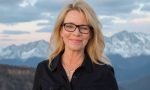
Today we’d like to introduce you to Annie Drysdale.
Hi Annie, thanks for sharing your story with us. To start, maybe you can tell our readers some of your backstory.
When people ask me who I am, my response is always the same. I am kind, honest, interesting, and accountable. It’s those last two, interesting and accountable, that have allowed me to live a full-hearted, vivid life of unique creative professions that foster memory-marker community-building experiences. While living in Durango, CO, I successfully owned and operated a farm-to-table restaurant that was the first restaurant registered with the Living Wage Coalition. I also supported the local small business ecosystem by purchasing more pounds of local products than any other locally owned restaurant. At the time, I had a young son, and so on my 35th birthday, I decided to sell the restaurant and find a less all-consuming career so I could spend more time with him.
I did just that, and shortly after, I found myself working for Rail Events Productions (REP), creating content for Warner Bros. Inc., bringing the Polar Express to life on commuter and tourist railways across the nation, including Chicago Union Station and Brightline Miami. While working for REP, my worldview shifted when the EPA’s work on a mine in Silverton, CO, released the Gold Mine Spill. At the time, I lived in the valley north of Durango, and my son and I often walked down the road to see the Animas River. I will never forget the opaque school bus-yellow sludge that, like a stone wall, pushed the clean water downriver, choking out the life behind it. There was no mixing of the toxic and fresh water, just a clearly delineated line between what had been and what was to come. I was in Durango, a white, well-off community, and the city quickly moved to deliver free, clean bottled water to the residents in the area. There was a week of mild inconvenience as city crews worked to divert the drinking water source and install filtration systems.
Durango is in the heart of Indigneous sacred lands, with the Southern Ute and Navajo Nations downriver. While I received clean water, the people and livestock on the reservations were left with little assistance and lifelong consequences. It was an awakening to the fact that I, by design, from my public education in the 1980s and 1990s, knew very little of the Indigenous people on whose land I was living. I had long been aware that my white, straight-passing privilege was a problem for humanity, and I advocated for human rights worldwide. Still, it was the Gold Mine Spill that lit the fire within me to do more than acknowledge my position.
On my 39th birthday, I decided that I needed another career shift, and for the first time in my life, I felt called to pursue a college degree. While working for REP, I took an Indigenous Literature course at Fort Lewis College. With an Indigenous professor and an all-Indigenous peer group, I was as uncomfortable as I had hoped to be. While I made a concerted effort to educate myself and think through my well-meaning questions, the group allowed me the grace of working through some of my ignorance, teaching me the importance of Showing Up in my advocacy work, and giving me a crash course in looking and listening with my whole body when others share their stories. Through the words of writers such as N. Scott Momaday and Louise Erdrich, and the artwork of Edgar Heap of Birds, I was met with a thriving sense of survivance and the loving continuance of cultural traditions. Less comfortably, I was met with myself and my role in upholding systemic oppression.
In 2021, my family supported my desire to seek the unknown, and we moved to the Front Range. I have spent the past four years earning my BA in Art History (2024) and MA in Art History with an emphasis in Museum Studies (August 2025) from the University of Denver. My thesis work focused on integrating Indigenous Research methods, rooted in respect, reciprocity, and relationship, into museological practices. I applied these practices to my work with Susan (Traditional Woman) Hudson, a 2024 National Endowment for the Arts Heritage Fellow, and the first Indigenous story quilt artist in the United States. The result of our adventures and long, often difficult conversations was my thesis titled “Susan Hudson Unsilenced: Wit(h)nessing and Survivance in Indigenous Story Quilts.” I had the honor of Hudson joining me as my special guest when I presented my research at the Southwest Art History Conference in Taos, NM, this past October.
Hudson and I met at an artist talk in the Spring of 2023. I was intrigued by the unapologetic words and visual narratives of the artist, which center on The Long Walk of her Ancestors, the Missing and Murdered Indigenous Relatives crisis, and her relatives’ experiences at the Toadlena Indian Boarding School. I was bothered and challenged by the fact that while Hudson’s quilts have been purchased by important private collectors and renowned institutions such as the Smithsonian National Museum of the American Indian, her work was absent from any catalogues or academic art historical articles. Incorporating Indigenous Research Methods, before I asked Hudson to share her knowledge, I first asked if I could introduce myself to her land and her ancestors to get their permission to share their story. In July of 2023, with gifts of tobacco, sage, cedar, sweetgrass, and yards of cotton fabric in hand, I spent five days with Hudson and her relatives on the Navajo Reservation and in her artist studio. Over the course of these days, Hudson and I would go beyond building trust to seeding lifelong friendship. We are currently working on her first comprehensive exhibition that highlights not only her fine art pieces but also her community-centered work. “Quilted Survivance: Susan Hudson and the Navajo Quilt Project,” an exhibition co-curated by me and Claire Motsinger of the Millicent Rogers Museum in Taos, New Mexico. The exhibition runs from November 15, 2025, to February 1, 2026.
Alright, so let’s dig a little deeper into the story – has it been an easy path overall and if not, what were the challenges you’ve had to overcome?
I like to say that I am FAILING up the stairs every day. The thought of failure has been one of the largest obstacles I have, and continue to face. I would rather be obviously flawed than falsely perceived, and make every attempt to be accountable when I do make mistakes, especially as a white woman working in global majority spaces. Accepting that I regularly make mistakes makes it easier to reflect on and grow from those mistakes daily, releasing my past and acting with more awareness in the present. The other lesson that it took me a while to understand was that you have to take the work to the audience that can use it. That took correcting my own white-savior desire to teach those who don’t see humanity’s role in the world the way I do, and working to center programming that is developed by and in honor of the voices it is intended to amplify.
Thanks – so what else should our readers know about your work and what you’re currently focused on?
In January of 2022, while in school, I co-founded and continue to serve as Co-Director for the Storytellers of the Ancestral Red Road (SOAR) organization. SOAR is a community collaborative of Indigenous teachers and allies working in multi-generational educational settings to promote cultural wisdom and cross-cultural community healing through creative expression. Through the generous funding of our grantors, Arts in Society and Women & Girls of Color, SOAR has engaged 4,000+ community members through 175+ programs. Examples of our programming includes: the development and implementation of an Indigneous Holistic Wellness course for the CSU-Pueblo academic catalogue; K-6 programming for History Colorado’s El Pueblo History Museum; K-8 school programming for districts across the state; incorporating our environment into everyday education teacher trainings for the National Forest Service; Cross-Cultural Communication workshop for the annual Colorado Creavite Industries summit; “Within” mural by Tonio LeFebre with the Pueblo Levee Project which was honored by the Pueblo Conservency District as a historic city mural; an Inidigenous Arts and Music Festival attened by 800+ on a snowy April day; funding support for the mural work added to the Indigenous section of the Pueblo Hertigage Mueum; and four years running of Annual Speaker Series which have included topics like The Sacred Hoop, The Boarding School Experience, and a Women Who Heal panel.
As Co-Director, I oversee the programming for our Arts in Society grant work. Our current round of funding is supporting partnership programming between SOAR and the Pueblo City-County Library District (PCCLD), as well as Pueblo Posada. PCCLD has long been an outstanding partner of SOAR. We are honored to be bringing programming to our seven-county library branches with the “Past, Present, Paint!: A Visual Storytelling Workshop.” While painting a collaborative mini-mural, we’ll celebrate the stories, cultures, and characteristics that represent our neighborhoods. From the roots of the past to the hopes of the future, this hands-on community art event is free and open to all ages and artistic abilities. Led by local Chicana and Indigenous artists, these sessions offer a lesson in the tradition of visual storytelling. Participants learn about the heritage behind some of Pueblo’s public murals, enjoy a brief art lesson, and personalize a tile that will be added to the neighborhood mini-mural project – making their mark and leaving their legacy at the library! These neighborhood mini-murals will travel from branch to branch across the county, and then come together in an exhibition at the main Rawlings Library Branch from June 2026 to August 2026. The Rawlings Library branch also serves as the host for our SOAR Annual Speaker Series events. Our first speaker for this grant cycle was the “Hearts, Hands, Heritage: Appreciating Cultures Through the Arts” program, featuring 90 minutes of Indigenous short-film screenings followed by three presentations by art historians from across the state. In January 2026, we will be joined by local artist and language revivalist, Tonio LeFebre, for a discussion about his work on the Piro Language Revival project. Then, in February 2026, I will have the privilege of moderating a conversation with an artist I deeply admire, Tlisza Jaurique. Jaurique is the first Mexican-American woman to have a solo exhibition at the Metropolitan Museum of Art in New York City; she is a scholar who has incorporated her research of the Mesoamerican codices into the visuals of artistic practice, both in subject and with her preferred medium of glitter, which represents the mirrors held up by the scholar-painters of the codices called Tlamatimini.
Pueblo Posada is the local low-to-no income housing with many residences serving community members transitioning from unhoused situations. We have partnered with Posada to bring the “Art for the Heart and Soul” program to their residents. This multi-pronged approach included delivering 50+ 25-piece art toolkits and fresh meals to the veteran, disabled, and senior residents who are more likely to self-isolate. To encourage the exploration of materials and building of community, the tool kits were accompanied by free art classes. The Senior housing unit celebrated community by gathering for a meal, followed by a painting lesson by local elder Jimmy Sanchez. The team is also very excited about bringing a vibrant, inspirational mural to the youth shelter, serving individuals aged 19-24, many of whom have aged out of the foster care system or grew up in unhoused situations. The youth shelter residents also received the art toolkits, one week of fresh meals, and we stocked the pantry with goodies in hopes that these valuable community members will be seen. It only takes a spark to change the path of a person.
Is there anyone you’d like to thank or give credit to?
I want to honor Diné artist Susan Hudson, without whose trust, camaraderie, and collaboration, my thesis would not have been possible. Artist Tonio LeFebre, too, has played an instrumental part in my advocacy and curatorial pursuits; I am humbled by our work together. I hold deep gratitude for the sacred lands of Diné Tah for allowing me to carry these stories into the world, and for the seven generations of ancestors to whom these stories belong. I am humbled by the trust I have built within my community and inspired by the healing work that Rebecca Robles, SOAR Co-Director, and I have brought to life through the generous funding from Arts in Society and Women & Girls of Color.
To my wife, who sacrificed herself working two jobs to support me through my academic career, I am endlessly in awe of your love and support. Thank you for building this vibrant and joy-filled life, brick by brick, with me. Caden, my son and favorite thing in the whole wide world, you may not understand it yet, but all of this was for you. To my chosen family, my friends who have inspired me by their example, shared in the banal and big moments of our lives, who continue to support one another in the struggles, and celebrate when we have our wins – I am an amalgamation of your love!
Thank you to my incredible professors and support staff of the University of Denver’s Art History department, especially Annabeth Headrick, Ph.D., my advisor and mentor. And, finally, a huge shout-out to my long-time co-curator and guide Lauren Anuszewski, who spent endless hours in the Davis Galley with me these past two years.
Contact Info:
- Website: www.pueblosoar.com
- Instagram: https://www.instagram.com/pueblo_soar/
- Facebook: https://www.facebook.com/PuebloSOAR/
- Linkedin: www.linkedin.com/in/anne-drysdale-013824289
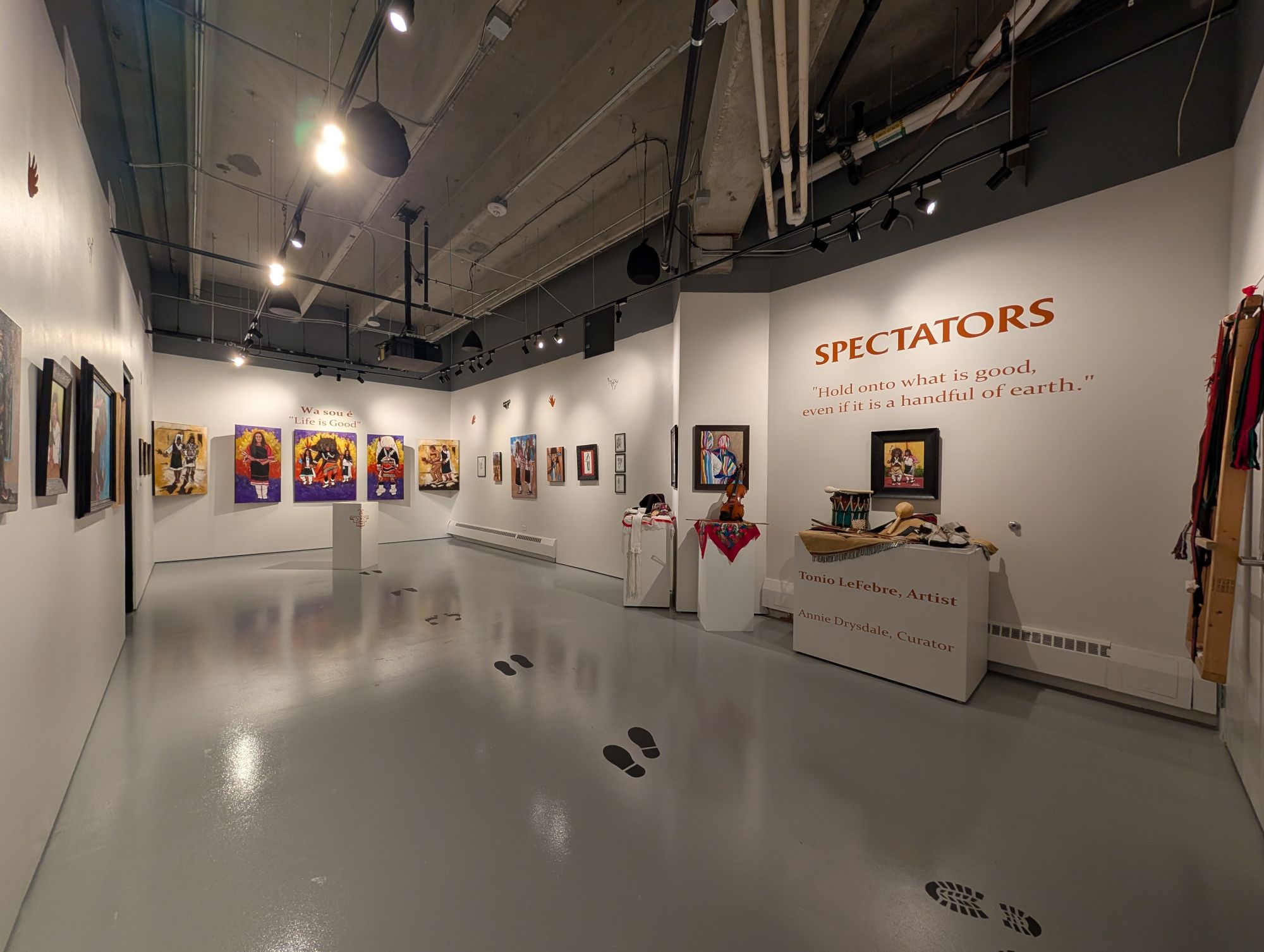
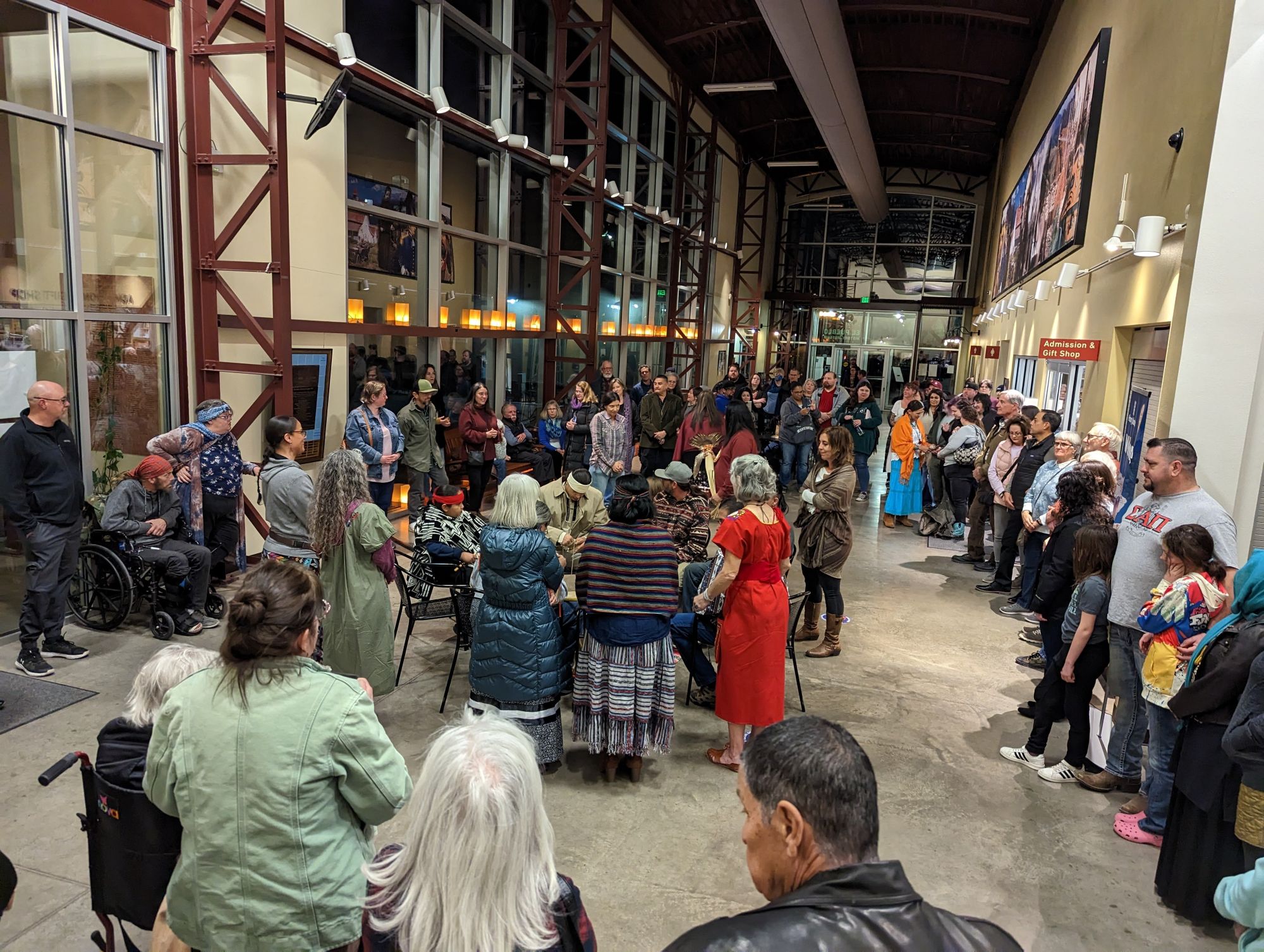
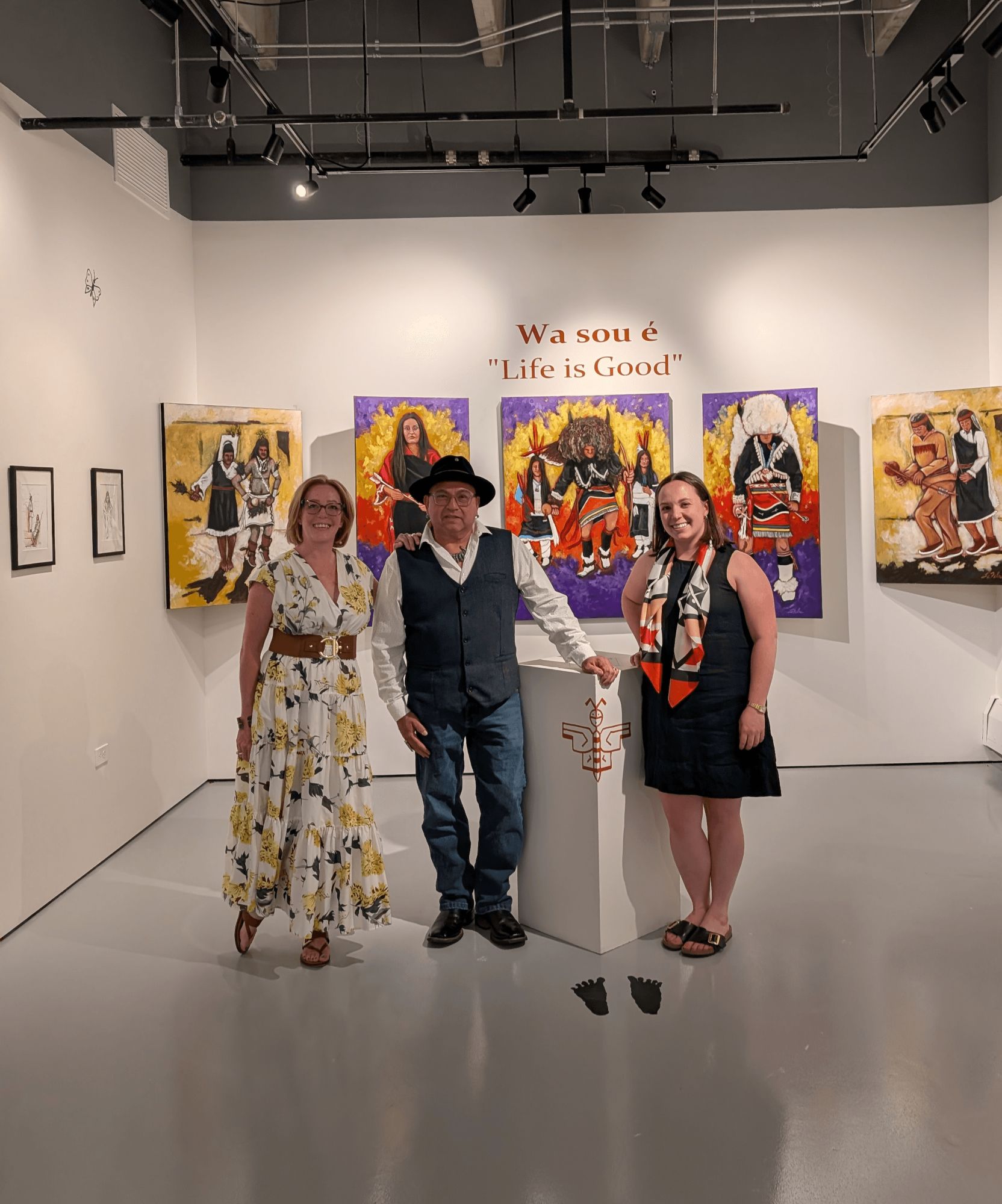
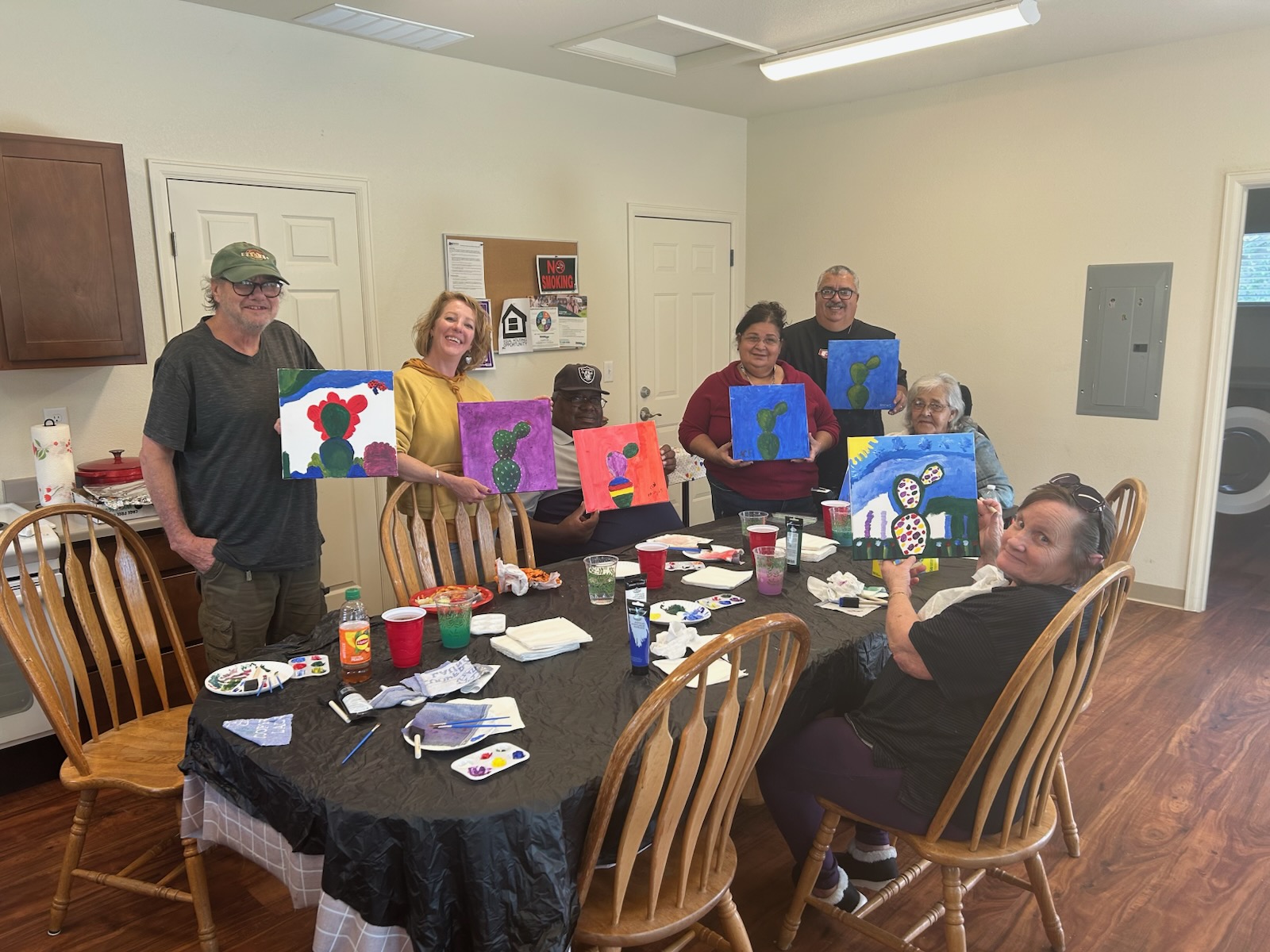
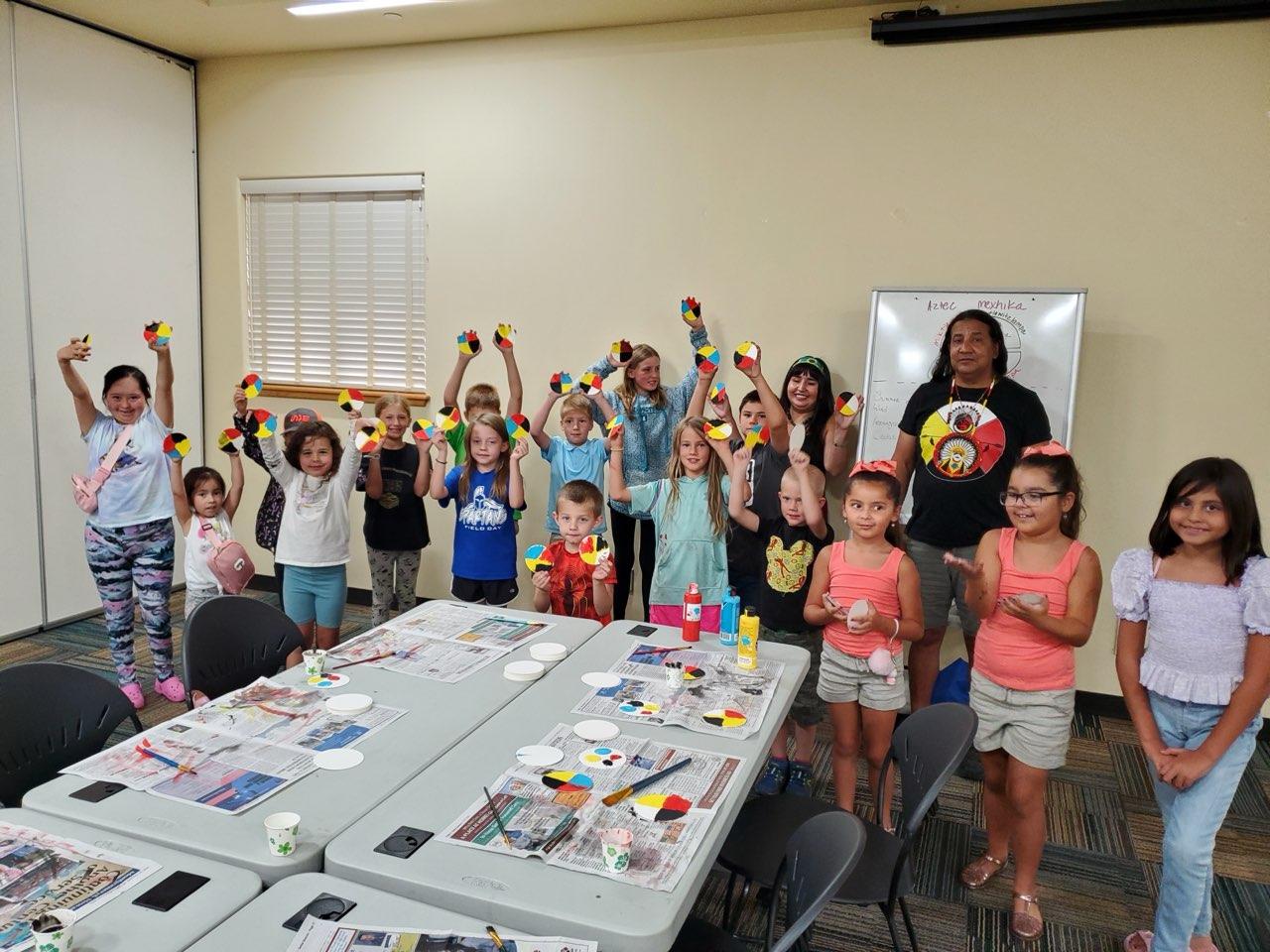


Image Credits
All photos taken by the interviewee, except those where I am featured. Photos of me were taken by participating community members or friends.
Popular
-

The Trailblazers: Rewriting the Narrative
-
Celebrating the Spotlight: Kaytee Shashore Turns Milestones Into Momentum
-
Humanity in the Machine: Alexander Raye Pimentel’s Cyborg Recall Questions the Cost of a Data‑Driven World
-
Raemi Anderson on Courage, Caution, and Answering the Call of the Landscape
-

Hidden Gems: Local Businesses & Creatives You Should Know


