



Today we’d like to introduce you to Berger & Föhr.
Hi Berger & Föhr, we’re thrilled to have a chance to learn your story today. So, before we get into specifics, maybe you can briefly walk us through how you got to where you are today?
We came into art and design through the internet—a backdoor of sorts at the time. In the early-to-mid 90s we were designing and building websites that felt progressive not just visually, but in how they worked: structure, navigation, and experience. That work naturally expanded into visual identity—what later became “brand”—where you’re shaping how an organization shows up across touchpoints, environments, and culture.
In parallel, we kept building an art practice—not as a separate lane, but as a counterweight and a catalyst. Over time, a feedback loop formed: design sharpened the art, and the art widened the design. That dialogue is still the center of the studio.
Twenty-two years in, Berger & Föhr remains a place where art and design inform one another, stay close to culture, and aim to contribute work that holds up—conceptually and formally—over time.
We all face challenges, but looking back would you describe it as a relatively smooth road?
Of course not—but it’s been an enriching, genuinely rewarding journey.
Because the studio is so closely tied to who we are as artists and designers, the work can carry real weight. It doesn’t stay neatly “at the office.” Our projects are extensions of how we think and how we move through the world, and we hold ourselves to a high standard—often higher than anyone asks. Early on, that intensity could feel heavy. Over time, we’ve learned how to carry it better: protect space, set clearer boundaries, and stay fully committed without overextending. We feel lucky to have built a life and a business as a creative duo in the way we have.
We’ve also faced the normal realities of running a studio—budgets, contracts, deadlines, new technologies, shifting partners, cycles of too much work and not enough, and the constant need to refine how we operate. Nothing exotic, just the real mechanics of staying healthy and doing good work.
The more meaningful struggles are the day-to-day ones we choose: defining the studio’s direction, sharpening our philosophy, deciding what we want to contribute, and being deliberate about who we work with and how we show up. The world changes fast. Learning when to respond, when not to, and how to stay clear in that pace—that’s still the ongoing challenge, and the opportunity.
Thanks – so what else should our readers know about your work and what you’re currently focused on?
Berger & Föhr is a collaborative art and design studio. We make contemporary artwork and we help organizations build brands—beginning with visual identity systems that extend across touchpoints and environments.
On the art side, we’re currently focused on large-format, machine-assisted pencil and colored pencil drawings. The work lives in a space between precision and unpredictability—where systems, pressure, material, and time produce surfaces that feel both mechanical and alive. On the design side, we build identity programs: logos and wordmarks, typographic and layout systems, websites and editorial materials, and graphic frameworks that scale—from digital products and print to signage, wayfinding, and packaging.
What we’re known for is clarity, consideration, and restraint—reducing complexity into systems that people can remember and use. We’re most proud of the depth and longevity of our studio and its collaborations, and of building a practice where art and design continually inform one another. That feedback loop is what sets us apart: the same rigor we bring to cultural work strengthens our client work, and the real-world demands of design keep our artistic thinking grounded, durable, and responsive.
We all have a different way of looking at and defining success. How do you define success?
We define success as pursuing one’s vision to the fullest extent possible. Whatever happens along the way—good, bad, or indifferent—is simply the effect of that pursuit.
Contact Info:
- Website: https://bergerfohr.com/
- Instagram: https://www.instagram.com/bergerfohr/
- LinkedIn: https://www.linkedin.com/company/bergerfohr/
- Twitter: https://x.com/bergerfohr
- Other: https://bergerfohr.com/store


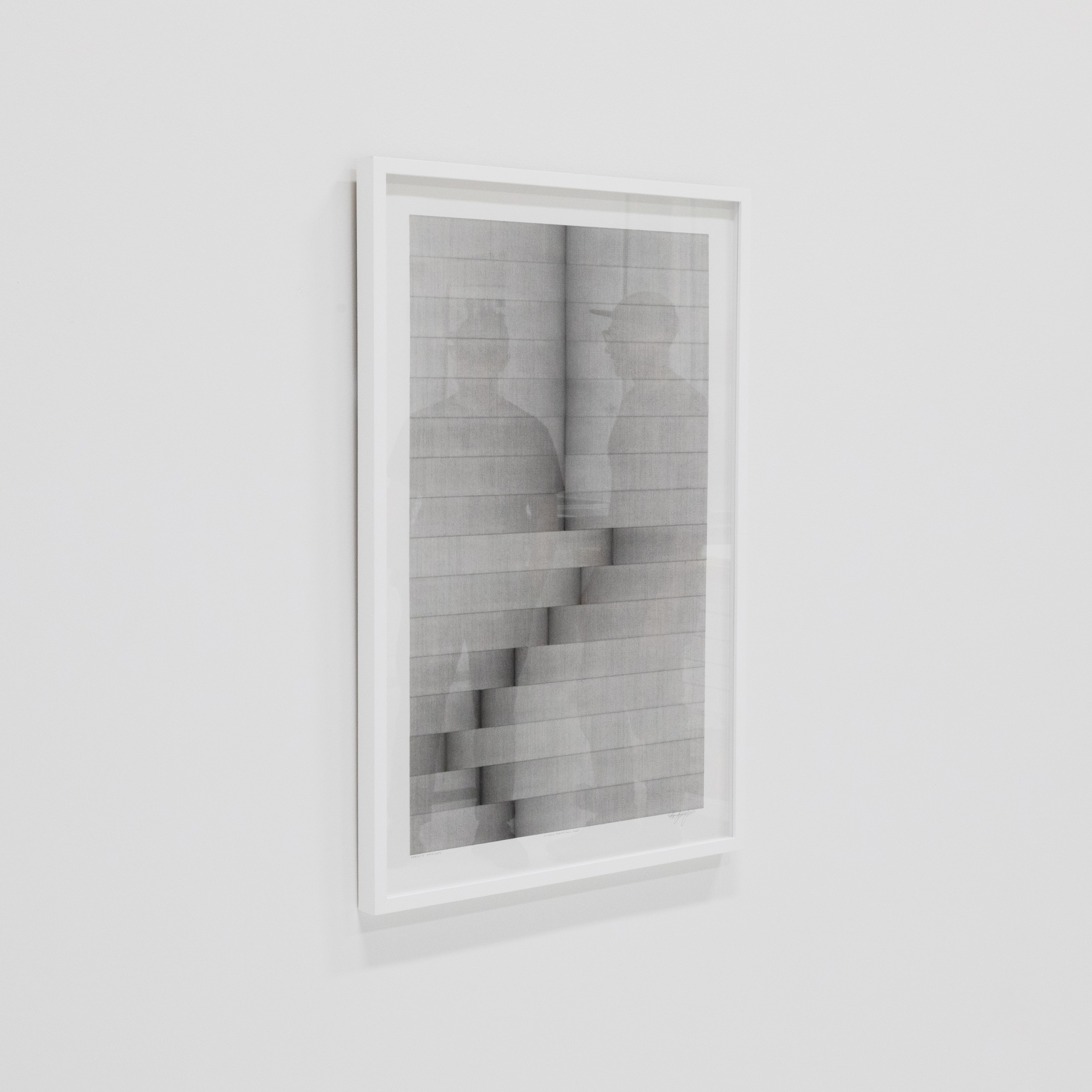
Image Credits
Photo Credits: Beau Sayer Walters
Popular
-

The Trailblazers: Rewriting the Narrative
-

Celebrating the Spotlight: Kaytee Shashore Turns Milestones Into Momentum
-

Humanity in the Machine: Alexander Raye Pimentel’s Cyborg Recall Questions the Cost of a Data‑Driven World
-

Raemi Anderson on Courage, Caution, and Answering the Call of the Landscape
-

Hidden Gems: Local Businesses & Creatives You Should Know


