
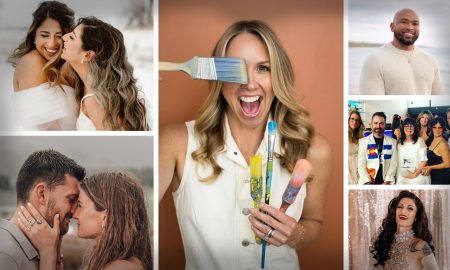


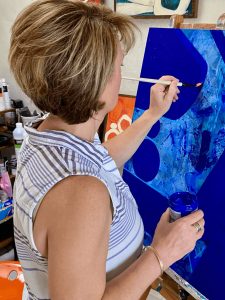
 Today, we’d like to introduce you to Bernadette Youngquist.
Hi Bernadette, we’re thrilled to have a chance to learn your story today. So, before we get into specifics, maybe you can briefly walk us through how you got to where you are today.
I began focusing on visual art in my mid-thirties. At that point, my sons were in grade school, and I was exploring what type of career I would be suited to.
I had a bachelor’s degree in both psychology and sociology and worked in the field for a few years before I left to stay home full-time with our boys. To be honest, keeping a work schedule and going to an office was a draining experience for me. I knew I was happiest when I was in charge of my own schedule and could be creative with my days.
As I began to learn how to draw and paint I also came to understand the work had to feel meaningful and challenging. I explored all types of art making, from jewelry to surface pattern design to illustration, and found that my pension for color and composition shone through abstract painting. I also enjoyed that I never knew where a painting would go when I started it.
It was challenging, creative, and intellectual work. I was hooked. I had no idea what a path to becoming a visual artist looked like. I talked with other painters, painted almost every day, and educated myself relentlessly on the different directions I could take my work. Being part of an artist community was crucial, and in that community, I found the support I needed.
We all face challenges, but looking back, would you describe it as a relatively smooth road?
I’m willing to bet being a visual artist is not a smooth road for any of us, and it definitely has not been for me. The nature of art is subjective and elusive. Some people will love what you’re doing, and others will walk right by. I have regularly had to remind myself that my number one reason for painting is to be able to express my creativity in a way that feels meaningful to me.
That is a really difficult thing for people who are not artists to understand. We are taught that our careers should be measured by our income and being an artist just isn’t like that. I measure my success by the progress of my painting.
In the beginning, making art was really fun; in the middle, it was very hard, and I wanted to quit almost every week for a few years; now, I know how to find my way through a painting, and I understand my materials. Commitment and perseverance are critical. It can be challenging to earn a living through art while staying true to your authentic expression. And, of course, I like to sell my work!
Can you tell our readers more about what you do and what you think sets you apart from others?
I don’t like to box myself into any one art category. I enjoy the freedom I have to explore different materials and techniques. Most often, I create nonobjective abstract art. That is art that does not represent an object or thing.
For me, it does represent an idea, memory, feeling, or possibility. My work could also be referred to as abstract expressionist. I have explored a full range of ways to express myself by using geometric and organic shapes, hard lines, and soft transitions. I try to follow my impulses in the moment of creation, which can take me in unexpected directions. I work with acrylics, oils, collages, charcoal, and other media. I would say the signature thing that comes through in my work is a bold and unusual use of color as well as the energy that comes through.
The thing I am most proud of is that I continue to put the work out there and participate. I continue to throw my hat in the ring. My ability to do this does not come from confidence or the fact that I know my work is any better than the next artist’s work. It comes from putting it out there in spite of feeling the work might not be “good enough.” I think a lot of creatives are not willing to face failure and rejection. I am, and I use it to get better at my craft.
Are there any important lessons you’ve learned that you can share with us?
The painting process continually floods me with analogies or metaphors for life. I intend to start writing these down for a book one of these days. The most important lesson painting has given me, though, is that, ultimately, we have to live our lives on our own terms.
I do not mean that we do that to the detriment of others. Generosity and compromise are essential to being a decent human being. At the end of my life, though, I have to know I was true to the best version of myself.
Contact Info:
- Website: www.bernadetteyoungquist.com
- Instagram: www.instagram.com/byoungquistart
- Facebook: www.facebook.com/byoungquistart
- Other: bernadette@byounquistart.com
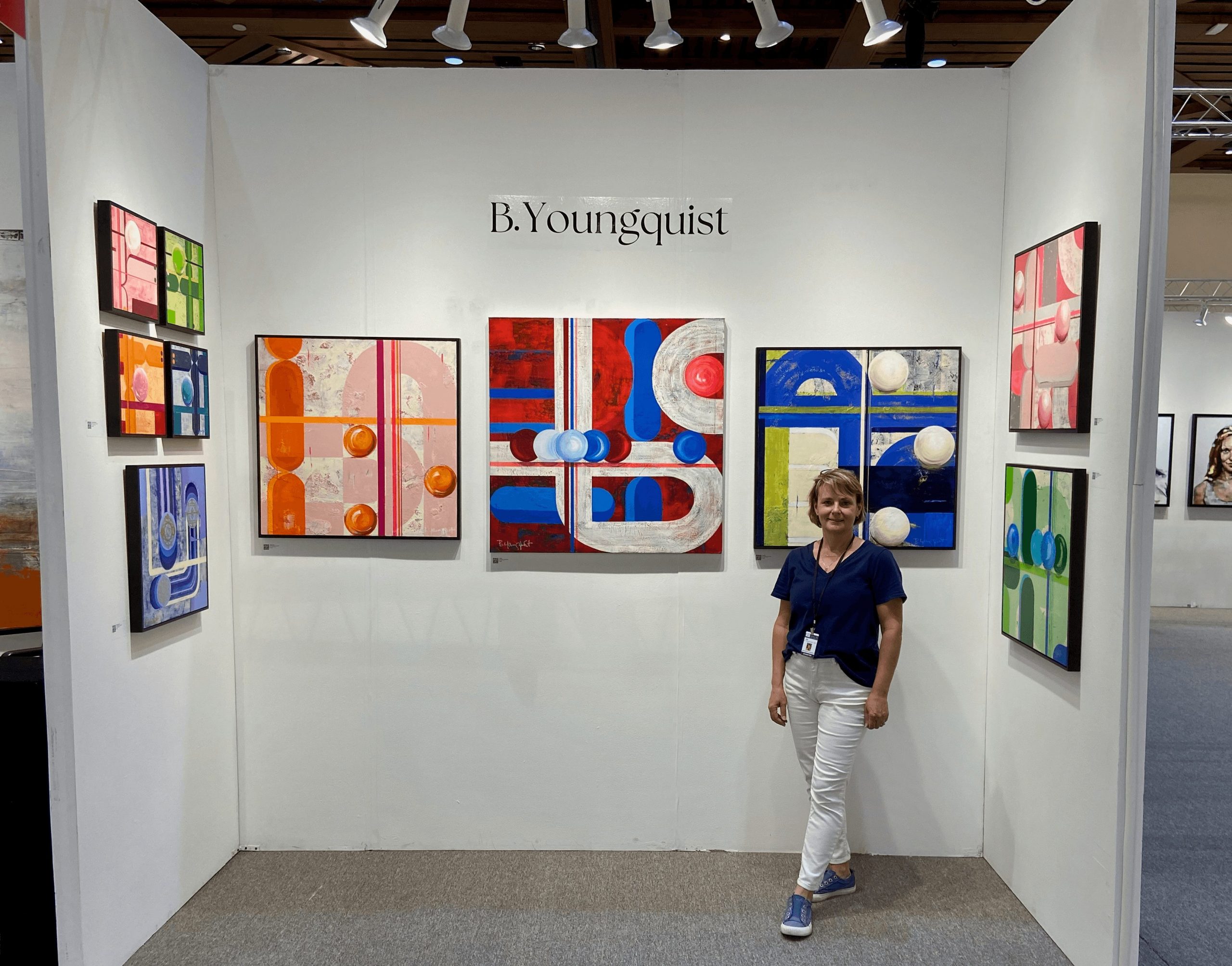
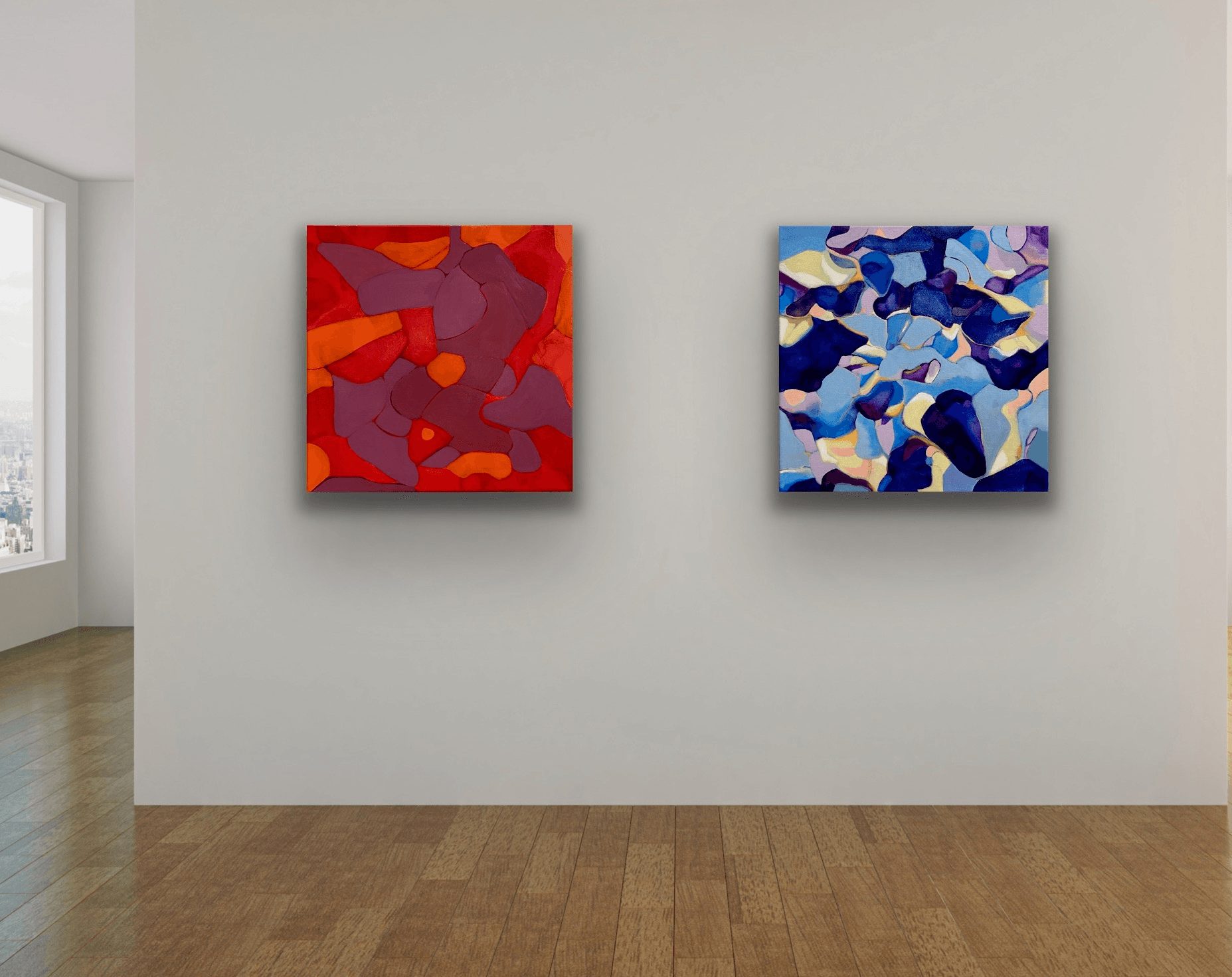


Image Credits
B. Youngquist Art
Popular
-

The Trailblazers: Rewriting the Narrative
-

Celebrating the Spotlight: Kaytee Shashore Turns Milestones Into Momentum
-

Humanity in the Machine: Alexander Raye Pimentel’s Cyborg Recall Questions the Cost of a Data‑Driven World
-

Raemi Anderson on Courage, Caution, and Answering the Call of the Landscape
-

Hidden Gems: Local Businesses & Creatives You Should Know


